
Thanks to our readers and supporters for an engaging and productive year. We look forward to hearing from you and sharing new work in the coming one.
by The Overpopulation Project
2025 was Frank’s, Jane’s and Phil’s eighth year with The Overpopulation Project. Along with our ”truly TOP” research associate Pernilla Hansson, we continue to generate and share new scholarly work exploring the connections between human numbers and ecological sustainability.
This year, TOP researchers published four new scholarly studies:
* Religion Affects Birth Rate: An Overview of Religiosity, with Focus on Africa. Frank Götmark and Nicola Turner. Indian Journal of Population and Development (2025). Explores the reasons why, in Africa and elsewhere, religiosity promotes high birth rates, particularly within Muslim communities.
* Carbon Inequality: Resolving Contradictory Results From Two Different Approaches. Lucia Tamburino, Philip Cafaro and Giangiacomo Bravo. Qeios (2025). Proposes a definition of reasonable vs. excessive economic consumption as a way to integrate policies designed to reduce consumption and end population growth, in service to successfully addressing climate change.
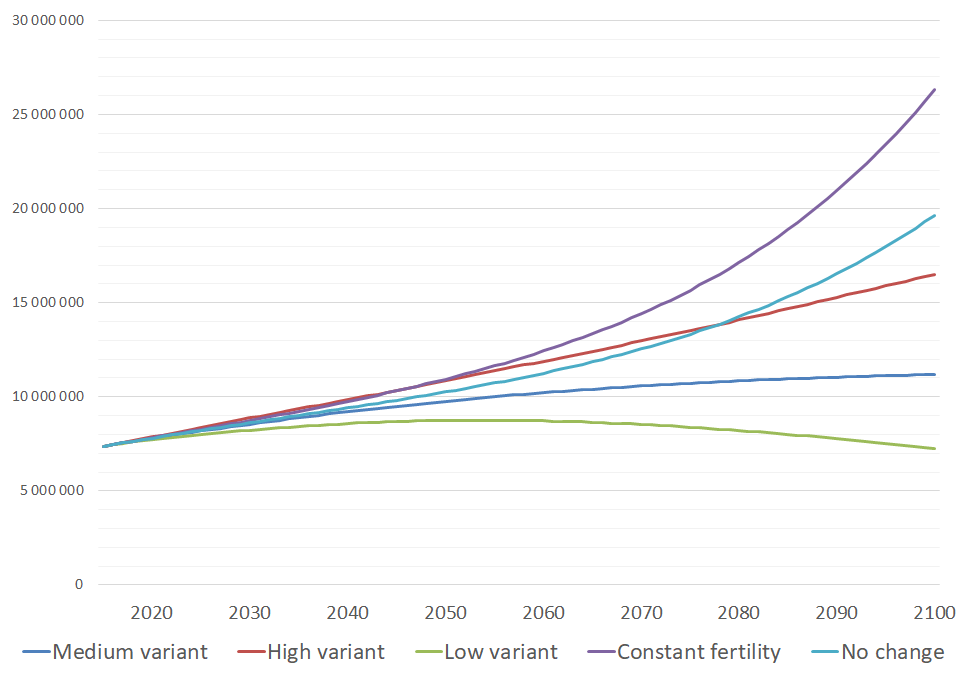
* The Impact of Immigration Policy on Future US Population Size. Philip Cafaro. The Journal of Population and Sustainability (2025). Shows how expansive immigration policies could increase the US population by hundreds of millions by 2100, while more restrictive policies could lead to population stabilisation or significant reductions.
* A New Definition of Overpopulation, Explained and Applied. Philip Cafaro (TOP working paper, 2025) with a revised version scheduled to appear next year in The Journal of Population and Sustainability. Presents a formal definition of human overpopulation based on scientific and ethical criteria, including likely per capita environmental impacts and widely held principles of intergenerational and interspecies justice.
In addition, Phil and lead author Leon Kolankiewicz completed Watershed Woes: Population Growth and Sprawl Degrade Chesapeake Bay and Its Watershed (Washington, DC: NumbersUSA, 2025).This commissioned study found that between 1982 and 2017, population-growth-driven development eliminated more than 5,000 square miles of natural and agricultural lands in the Chesapeake Bay watershed, driving widespread regional ecological decline.
*
Just as important as our publications, TOP’s regular blog continues to provide a forum to share important population news and debate controversial population policies. FeedSpot ranked us as one of the 10 best demography blogs of 2025. We are proud to provide a rare space for intelligent discussion of the population / environment nexus. Thanks to everyone who took the time to comment on a blog in 2025, even if it was snarky!
We are particularly grateful to our contributors from around the world who contributed a blog or two this year: Malte Andersson, Gaia Baracetti, Henry Barbaro, Michael Bayliss, Win Brown, Colin Butler, Joseph Chamie, Shelley Clark, Jenny Goldie, Jan Greguš, Karen Benjamin Guzzo, Richard Grossman, Pernilla Hansson, Rob Harding, Karen Hardee, Sandy Irvine, Leon Kolankiewicz, Dag Lindgren, Anastasia Pseiridis, Leslie Root, R. M. Smilie, Alon Tal, Jan van Weeren, and George Wuerthner.
This was a diverse year for blogs, including everything from book reviews (Richard Grossman on Carl Safina’s Alfie and Me) to photo essays (George Wuerthner’s beautiful The Need for More Wilderness Preservation) to Leon Kolankiewicz’ eloquent obituary for the beloved defender of wild animals and places Jane Goodall. Our most commented on blog is also our most recent: Henry Barbaro and Philip Cafaro, Housing Costs a Matter of Supply and Demand.
Across the variety, a few recurring themes stand out:
Grappling with Growth
Frank and the crew started TOP to focus on neglected population issues. But we’ve always recognized that overpopulation is only part of the larger problem: ecological overshoot caused by an excessively large human economy. We and various collaborators and contributors over the years have grappled with the relationship between population and the other factors contributing to overshoot. Informative examples this year include:
* Sandy Irvine, To grow or not to grow
* Richard Grossman, Degrowth
* Anastasia Pseiridis, Toward sustainable economies
* Frank Götmark, Reflections on the 2024 Nobel prize in economic sciences: What is prosperity and how did it come about?

Depopulation in Rich Countries
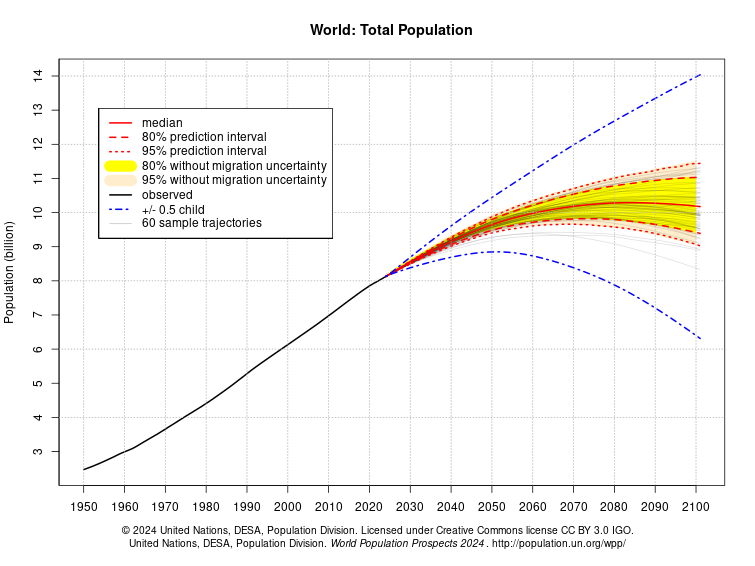
A growing theme in the popular news media is declining national populations, especially in the developed world. Here at TOP, we’re happy to see populations decline (in non-disastrous ways) as a necessary part of achieving environmental sustainability. Many agree with this position in the abstract, yet once they are faced with actual population decline, there can be worry and uncertainty. Population advocates need to find ways to reassure people about this, if we want to actually achieve smaller populations going forward. Efforts along these lines this year include:
* Philip Cafaro, “America Needs More People”
* Jane O’Sullivan, The imminence (or otherwise) of depopulation
* Pernilla Hansson, Rethinking Population Shrinkage in the Nordic Countries
* R.M. Smilie, Population stability could improve UK living standards
* Philip Cafaro, Growth Addiction and Water in the American Southwest
Rapid Population Growth in Poor Countries
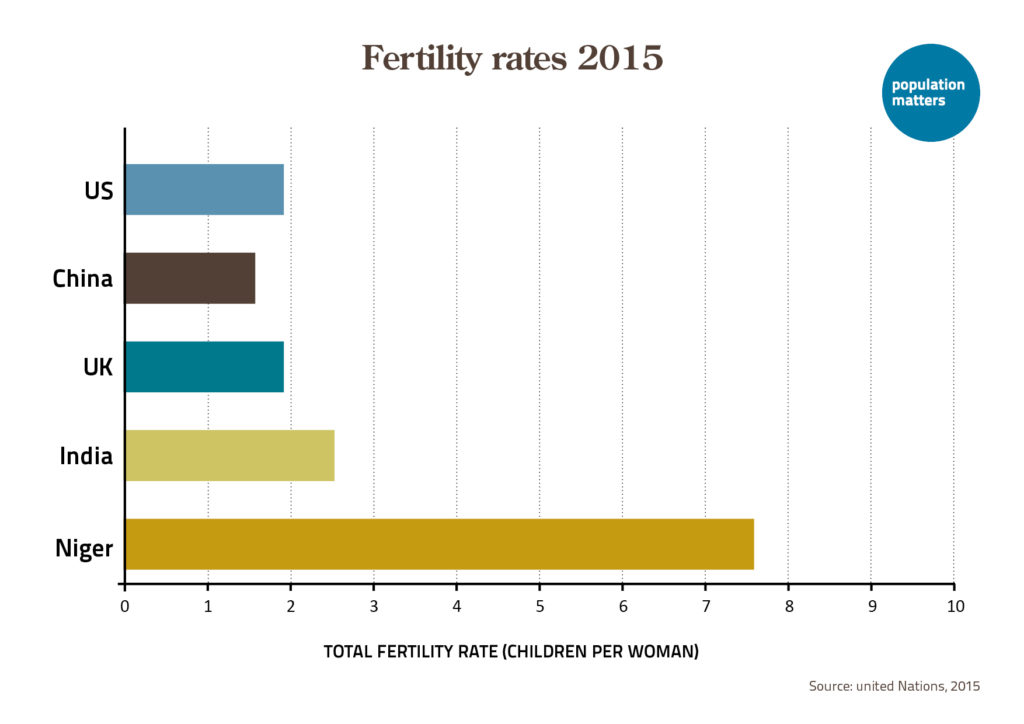
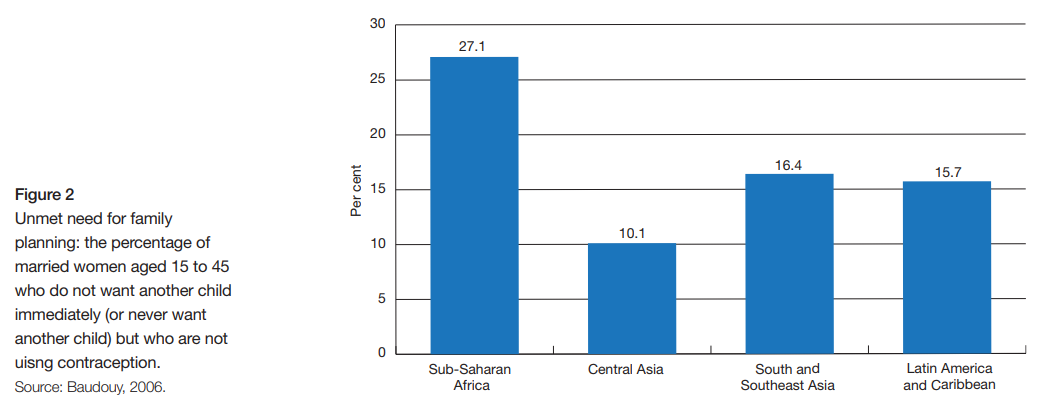
While the mainstream media focuses on the dangers of fewer people, many developing nations continue to grapple with the negative impacts of rapid population growth. Blogs exploring aspects of this continuing problem include:
* Jenny Goldie, For the sake of food security, we must address population numbers
* Jane O’Sullivan, Even starving children won’t break the population taboo
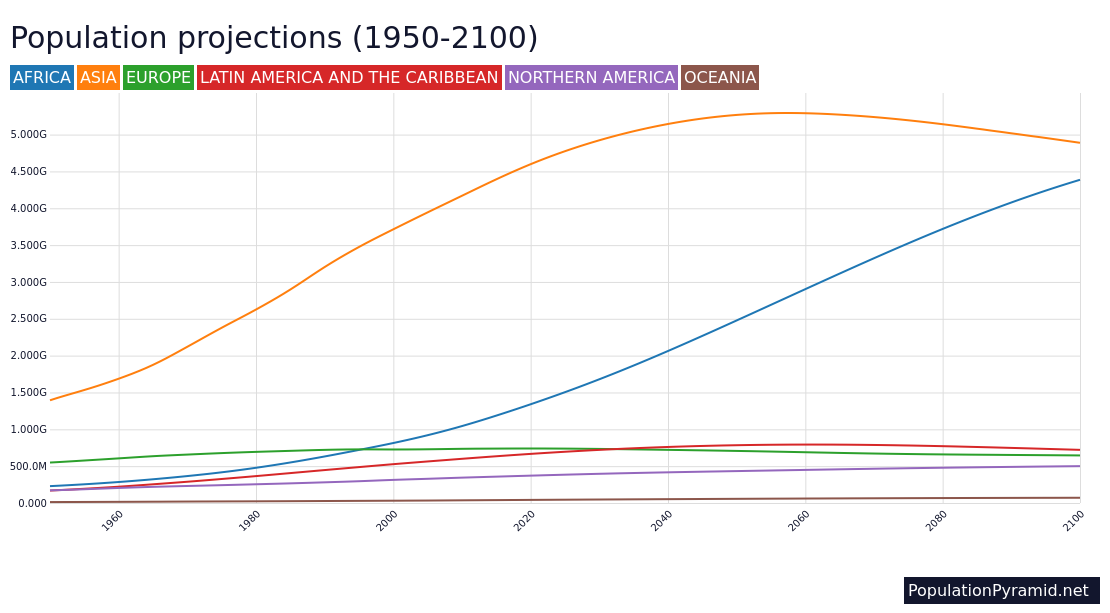
* Frank Götmark & Malte Andersson, Why is Africa’s extreme population growth ignored, despite very serious consequences? And how will Europe respond?
* Philip Cafaro, When it comes to childbearing, coercion cuts both ways
America Leading a Global Retreat From Compassion and Environmental Protection
Several blogs this year discussed the Trump administration’s rapid retreat from environmental protection and international aid, including aid for family planning and demographic data-gathering. We deplored these trends in the blogs below, while making the case for recognizing and accepting limits:
* Jenny Goldie, Trump denies women in need access to contraception
* Philip Cafaro, What’s up with America?
* Win Brown and Karen Hardee, Canceling the Demographic and Health Surveys and Ending USAID’s role in Family Planning and Reproductive Health Programs: Why it Matters
* Philip Cafaro, The argument from failure
Immigration
From the beginning, TOP has been determined to discuss immigration policy. With immigration the main driver of continued population growth in the developed world, it seemed weak, cowardly and misleading not to discuss it. We continue to advocate for immigration restriction in the developed world, as part of a cosmopolitan vision for ending population growth globally:
* Philip Cafaro, The impact of immigration policy on future U.S. population size
* Jan van Weeren, The immigration impasse in Holland
* Gaia Baracetti, It’s not racist to say: we are full
* Joseph Chamie, The Demographic Struggle Over International Migration
Conservation and Rewilding
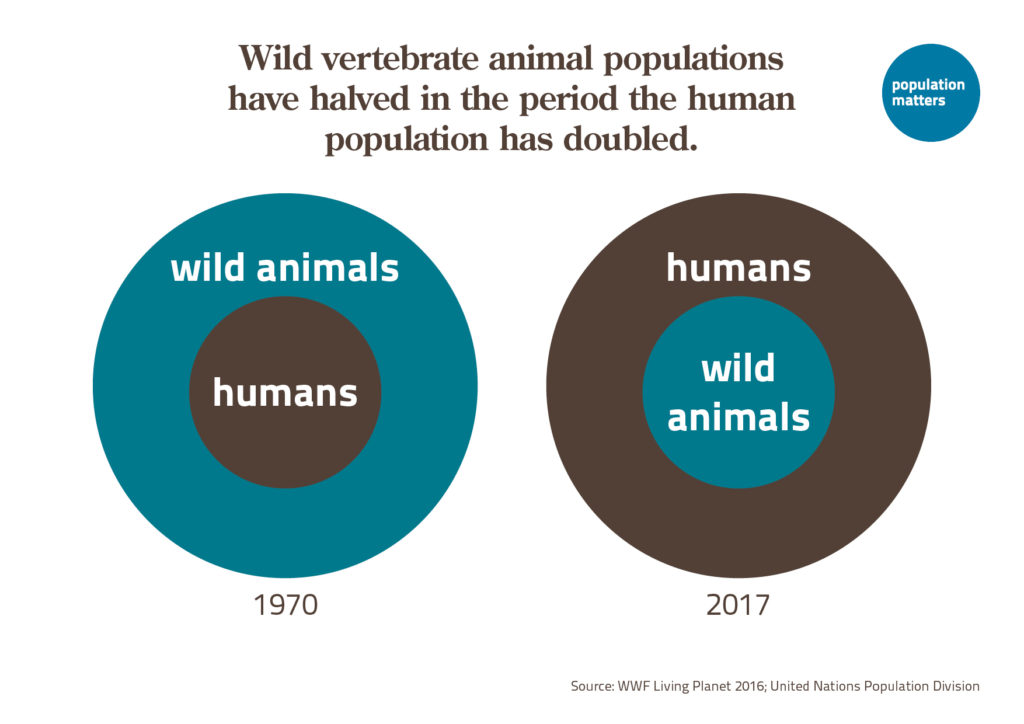
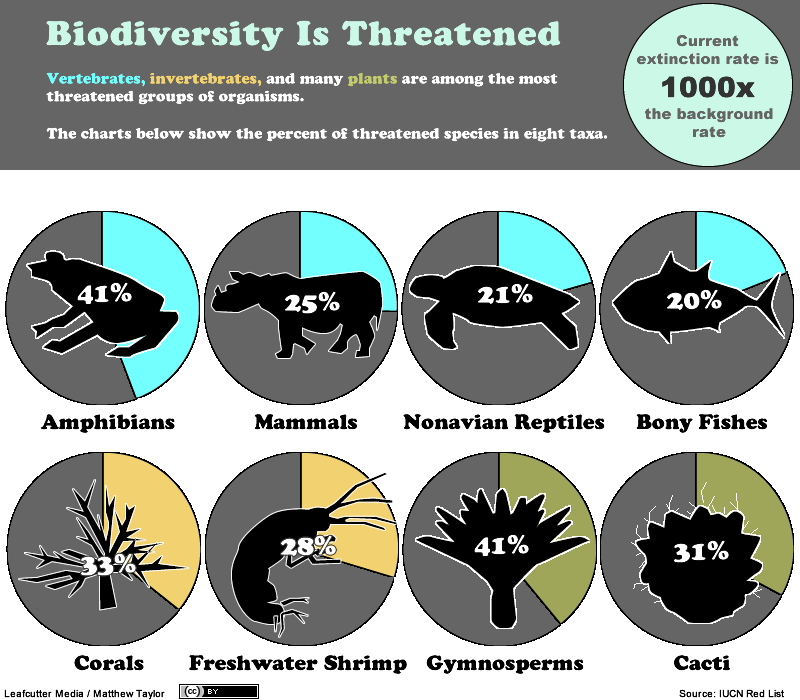
Finally, we continued to explore the connections between overpopulation and biodiversity loss. In a world ever more in thrall to human economic goals, we advocated for more protected areas to protect Earth’s lands and seas as much as possible from our destructive economic activities:
* Leon Kolankiewicz and Rob Harding, America’s “Serengeti” at risk: Population-driven sprawl threatens the Greater Yellowstone Ecosystem
* Philip Cafaro, Thirsty for Growth: How Arizona is Trading Water for Sprawl
* Alon Tal, Overpopulation: A New Survey Confirms the Cause of the Planet’s Environmental Crises
* George Wuerthner, The Need for More Wilderness Preservation

*
In addition to our blogs and scholarly studies, we are always looking for opportunities for public outreach. This year, Frank Götmark and colleagues at Nätverket Population Matters Sweden and the website Överbefolkning wrote several opinion pieces in Swedish news media. These included Is Homo sapiens an invasive species? in Svenska Dagbladet.
Jane O’Sullivan weighed in on the Australian population debate with an op-ed ”When will immigration return to ‘normal’?” She also contributed to Sustainable Population Australia’s discussion paper ”Big thirsty Australia: how population growth threatens our water security and sustainability” and their policy brief ”Six Great Immigration Solutions.”
TOP associate researcher Lucia Tamburino was active in strengthening the European Alliance For a Sustainable Population. And Phil Cafaro participated in a panel discussion held by American Community Media on ”America’s Incredible Shrinking Population” (reminding participants that the U.S. population isn’t actually shrinking).
Our work this year and in previous years would not have been possible without intellectual and financial help from numerous benefactors. We especially thank the late Dan Carrigan and the GAIA Initiative for Earth-Human Balance for supporting Pernilla Hansson’s research and editorial work during 2025. Thanks also to Dag Lindgren for gifts supporting our work on overpopulation.
In case you want to make a donation to TOP, we currently have competent young students keen to work with us if funding permits. Contact Frank at frank.gotmark@bioenv.gu.se to learn how.
To everyone reading this, we wish you all good things in the new year!











Leave a Reply