
Projected population growth of about 2 billion in Africa and elsewhere contributes to poverty, impoverished reproductive health, and degradation of environment and climate. In a new publication in the journal Reproductive Health we argue that this unsustainable growth and the crucial role of family planning are neglected by among others the UN Population Fund. We present and motivate changes needed to improve population policies in high-fertility settings.
By Frank Götmark, Chukwuedozie Ajaero, Mohammad Mainul Islam, Rhoda Mundi, Nebechukwu H. Ugwu & Malte Andersson
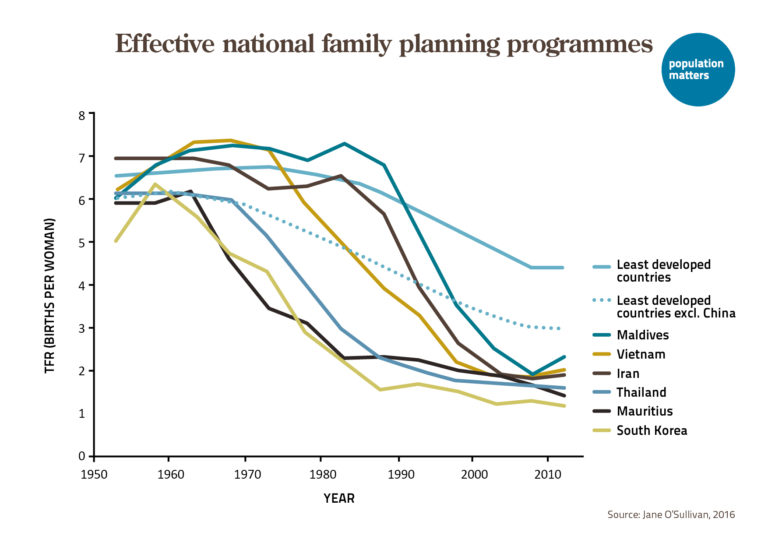
From about 1960, global population growth and poverty motivated many family planning (FP) programs. They improved life for women and children and helped raise contraceptive use from 10 to 60 percent, reducing fertility from about 6 to 3 births per woman. A World Bank review and historical accounts show how most FP programs contributed substantially to contraceptive use and fertility decline in developing countries. Recent evidence from Brazil, Ecuador, Egypt, Ethiopia and Rwanda show that these countries successfully increased family planning coverage 1950-2023. Three main exceptions with violation of human rights were China’s earlier one-child policy, India’s vasectomy campaign 1975-76 and Peru’s sterilizations 1996-97.
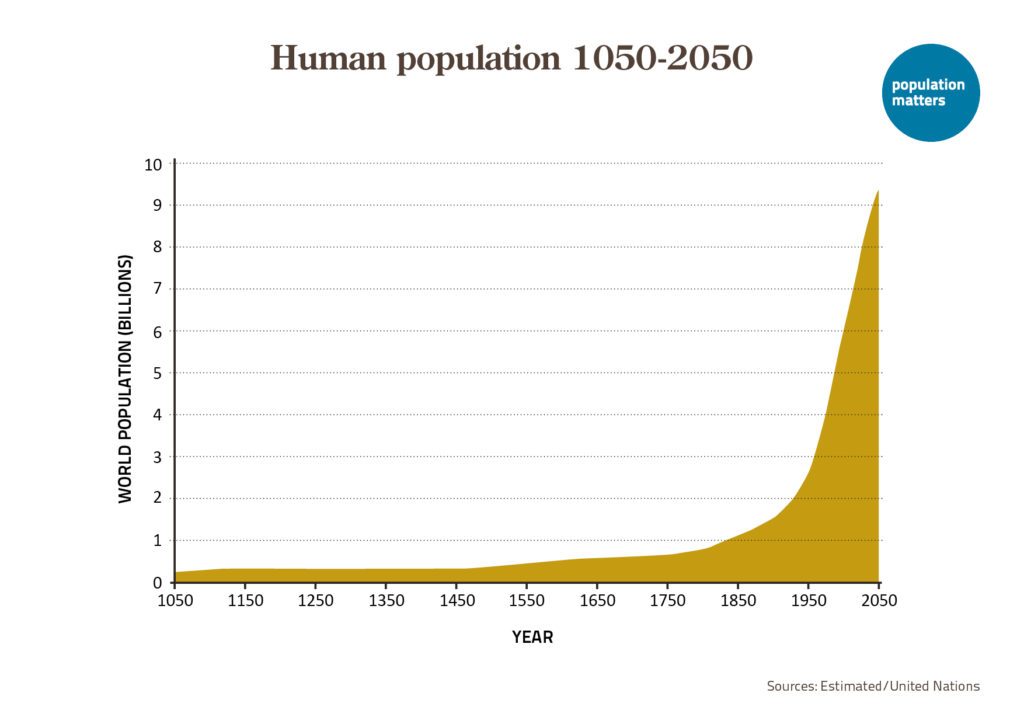
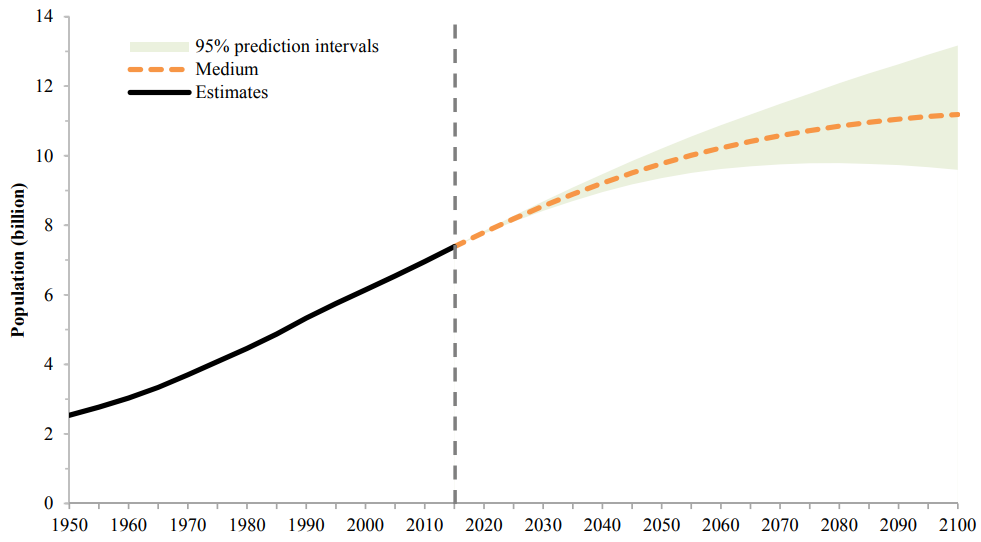
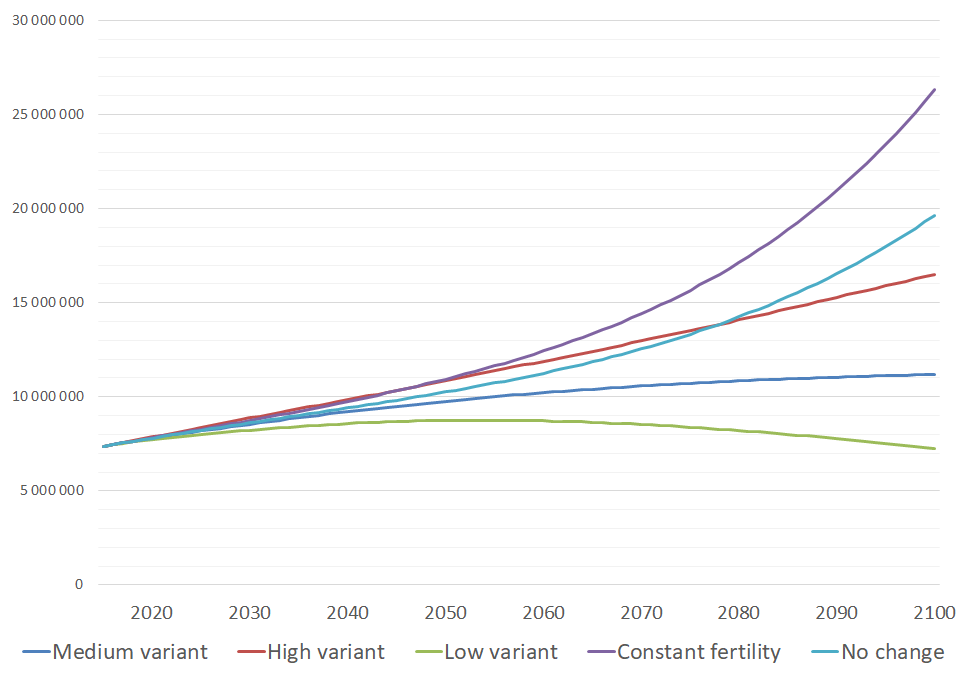
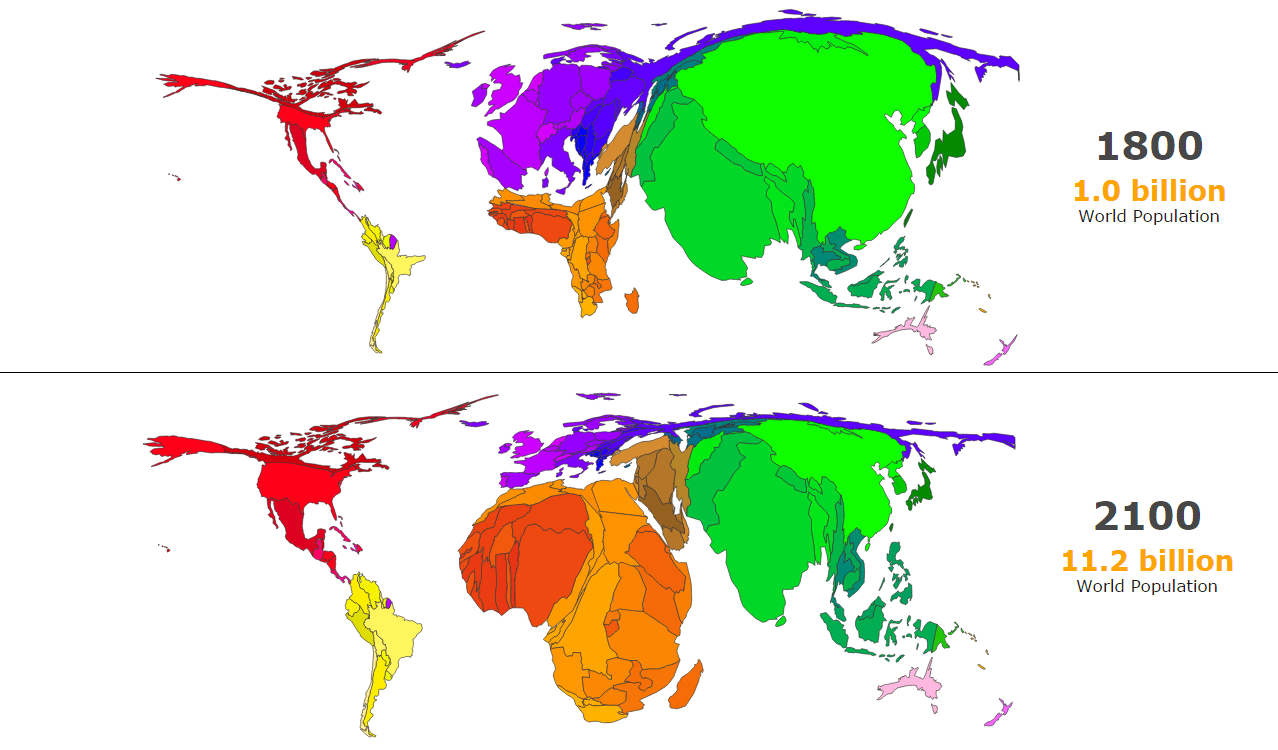
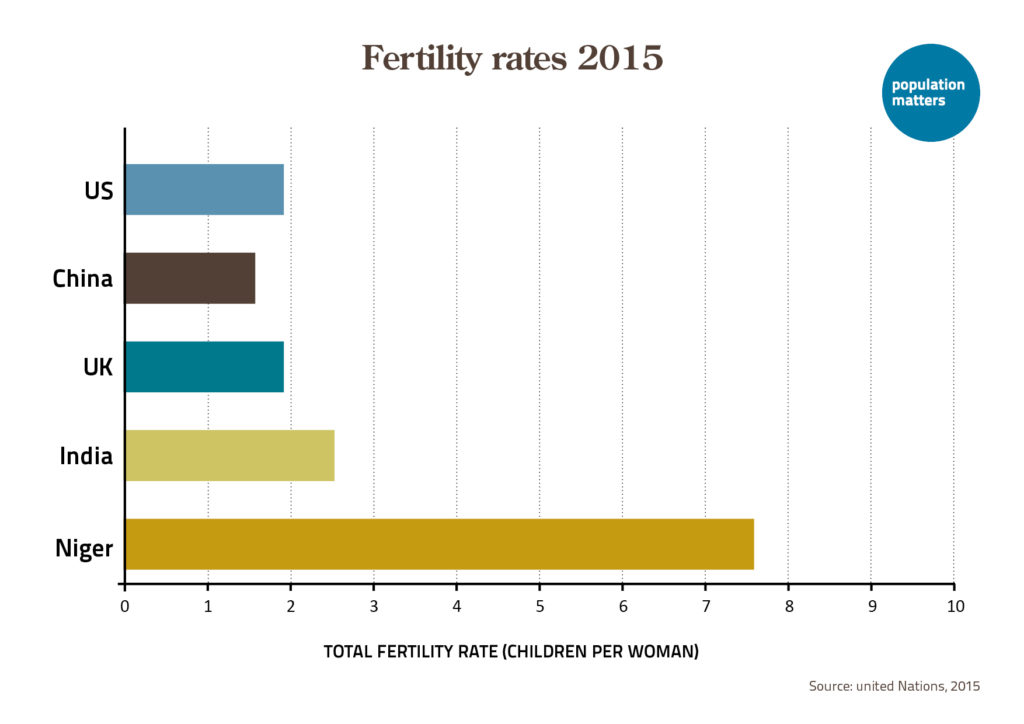
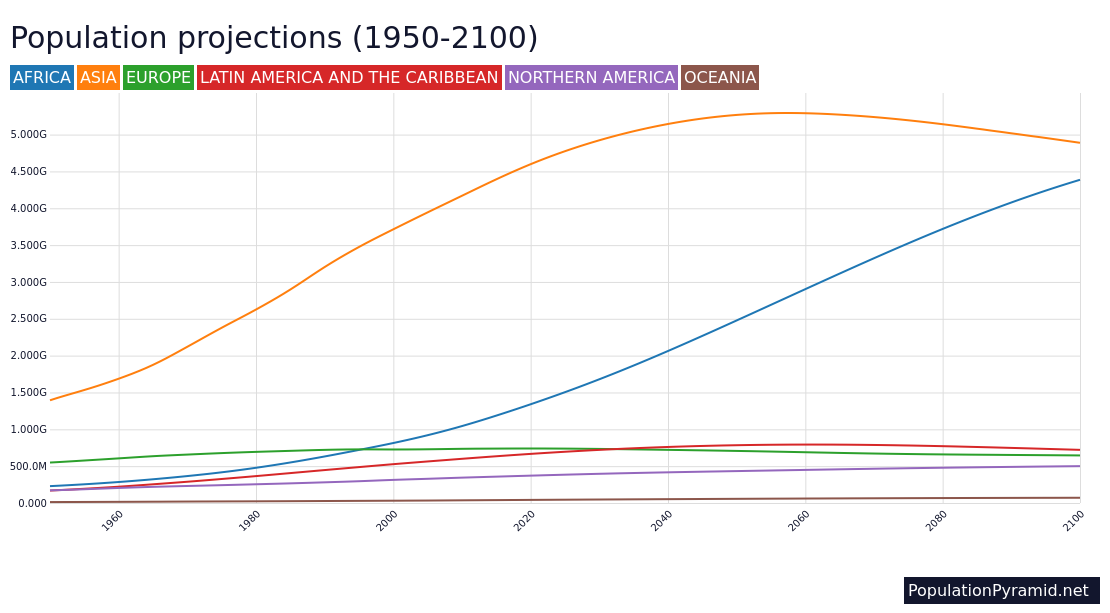
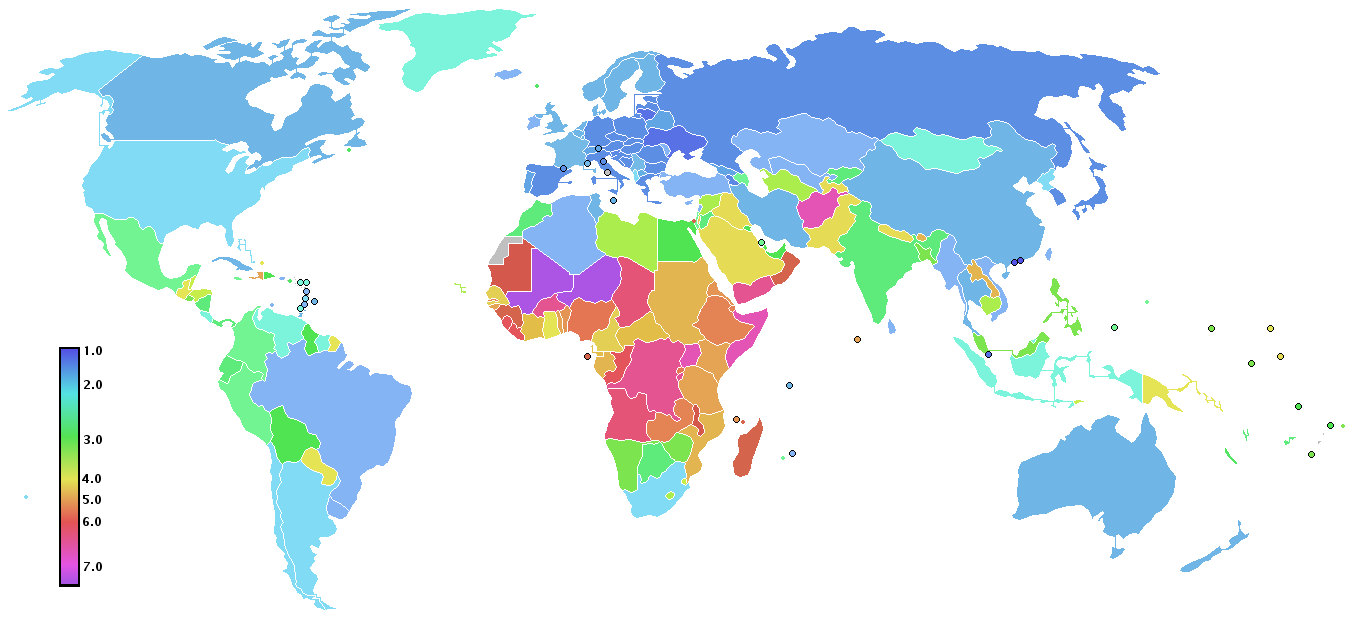
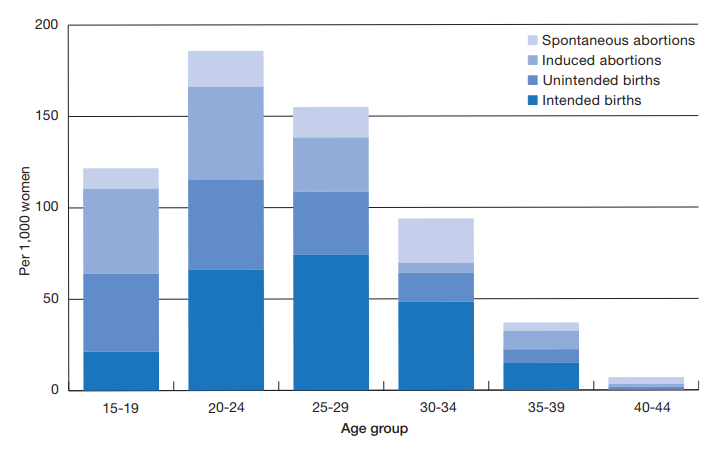
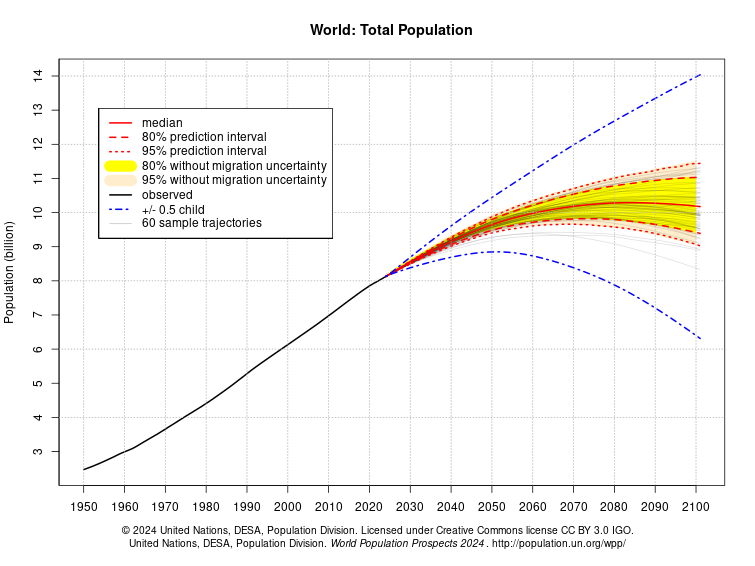
Strong population growth is expected in Africa and parts of Asia; in Africa from 1.4 billion today to 3.4 billion in 2100 according to the UN’s latest World Population Prospects. Fertility remains high there, 4.1 births per woman (4.3 in Sub-Saharan Africa). Undernourishment has increased globally according to FAO and State of Food Security and Nutrition. In Africa, for instance, 298 million people were undernourished in 2023, and 847 million were food insecure. The rapid population growth contributes to poverty, climate change and poor health services. FP services can improve maternal health and reduce unintended pregnancies. Unfortunately, many health programs supported by USAID were ended by President Trump in 2025.
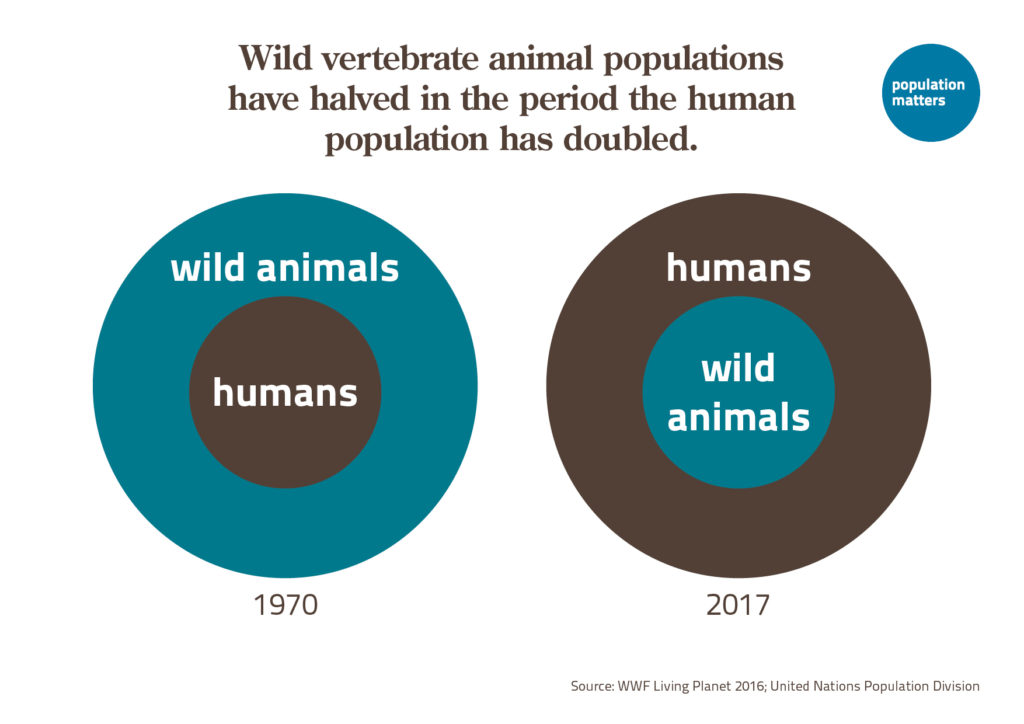
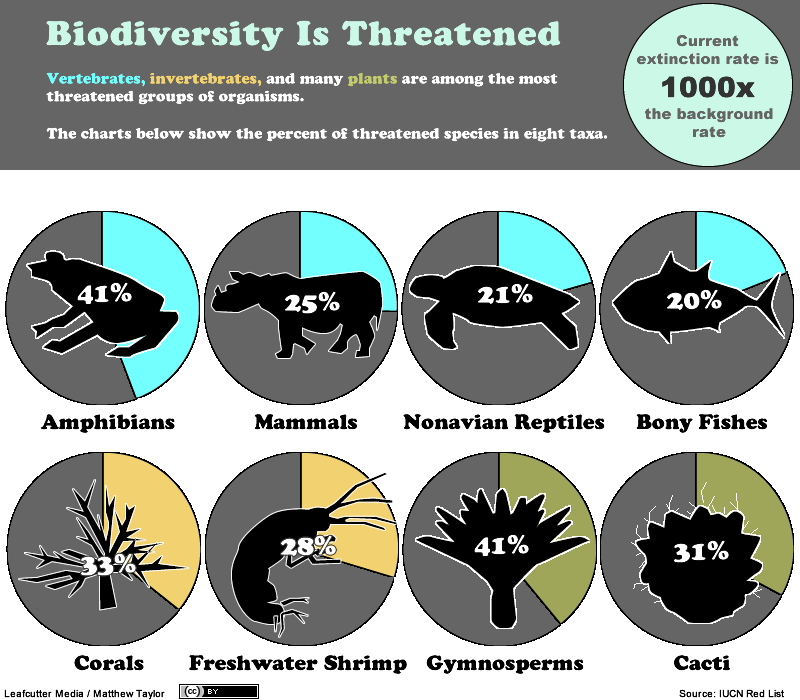
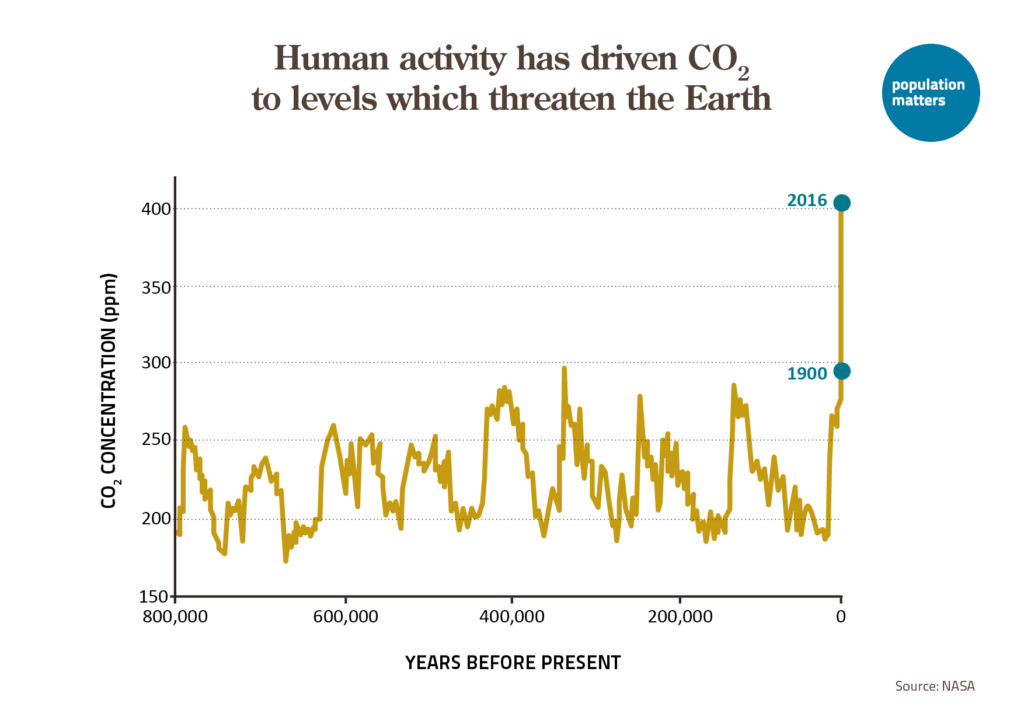
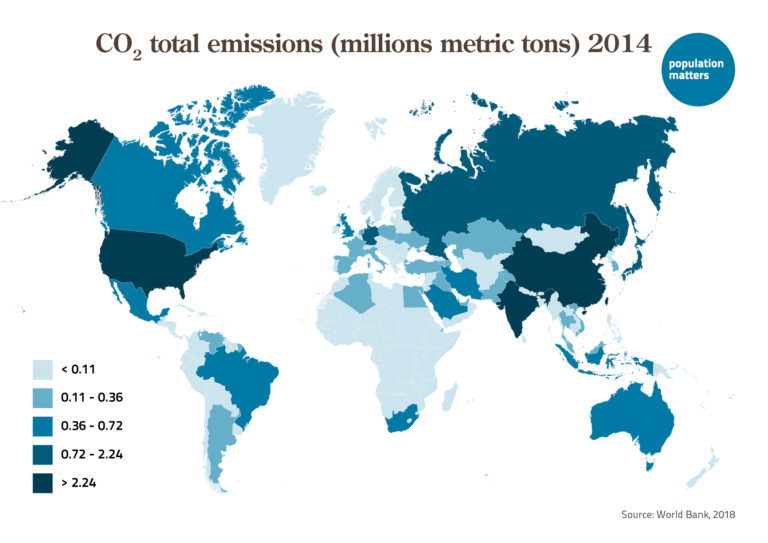
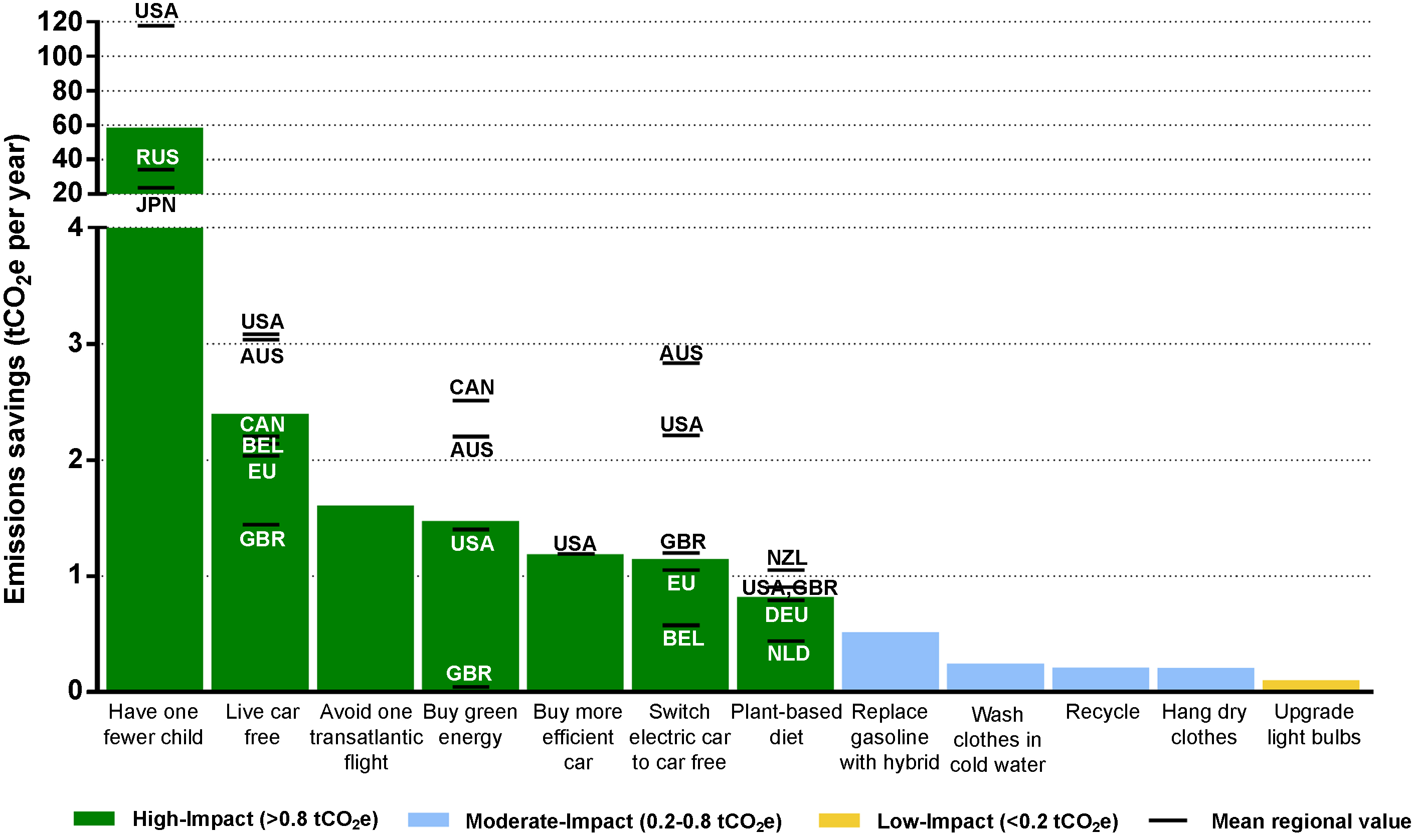
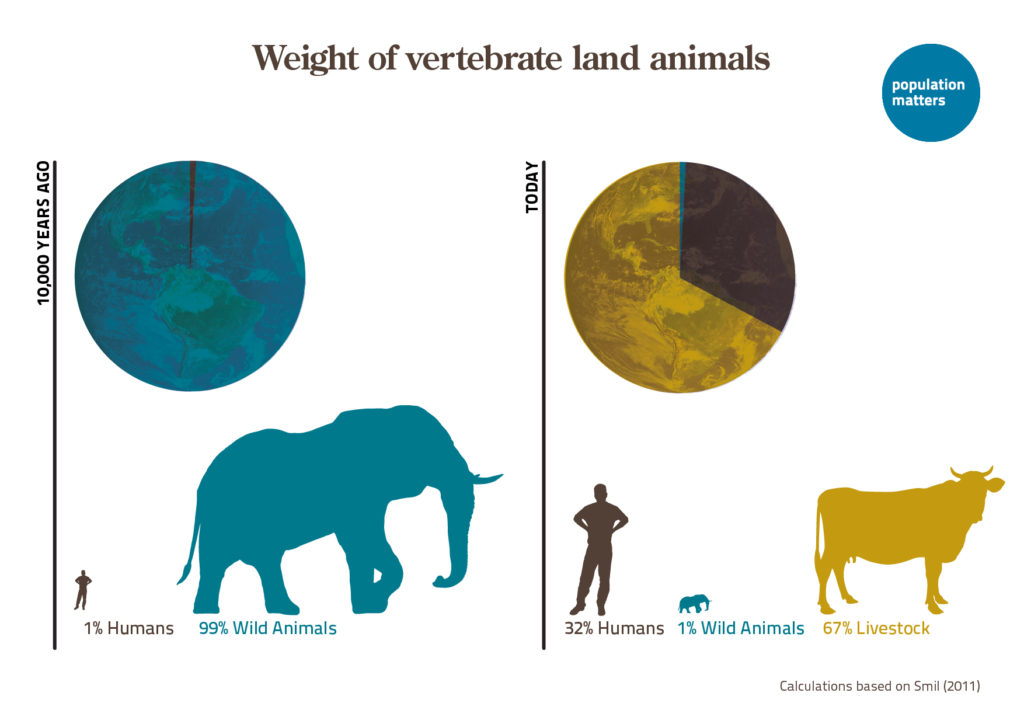
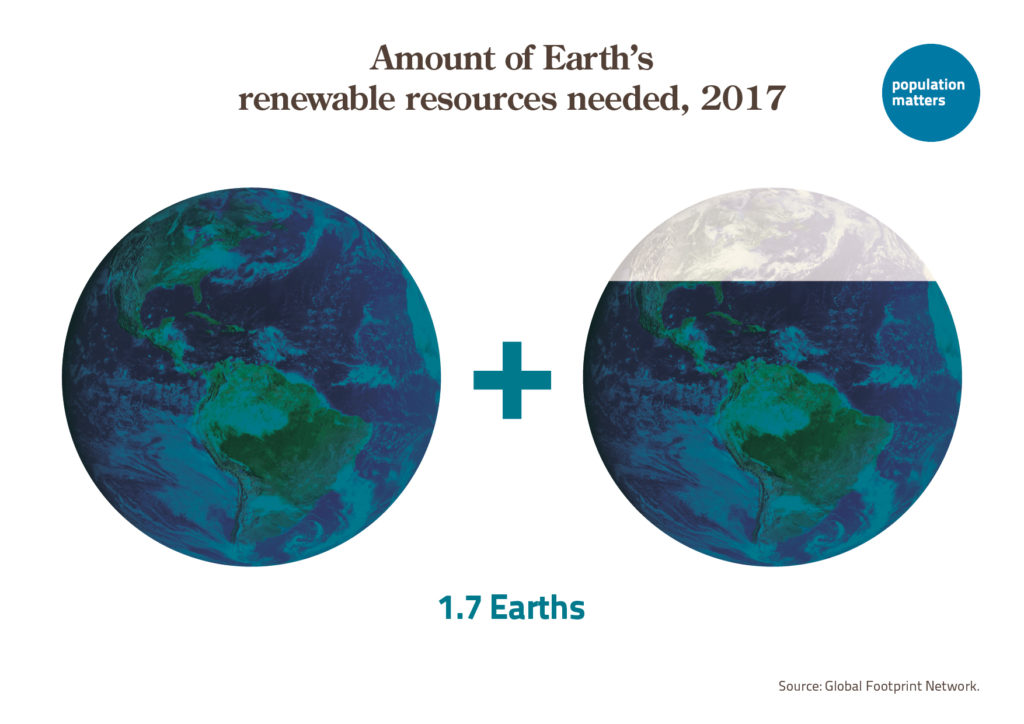
Rising global and African population, and the increasing consumption per capita in high- and middle-income countries, are major threats to food production, ecosystem functions and biodiversity. In the IPCC’s Sixth Assessment Report in 2022, the two identified strongest drivers of CO2 emissions are economic growth (GDP per capita) and population growth. Consumption in rich countries must decrease, and countries with high birth rates need to reduce them.
The role of the United Nation’s Population Fund
In a recent publication, we evaluate the policy of UNFPA, the United Nation’s Population Fund. Since 1973 UNFPA is mandated to promote awareness of population problems and strategies to deal with them. But according to its current website, the goal after the UN population conference in Cairo 1994 has narrowed to “ensure reproductive rights for all”. In 2022, UNFPA’s Executive Director regarded concerns about population growth as “population alarmism” and criticized focus on numbers.
After the Cairo conference, reference to FP programs was largely replaced by SRHR (sexual and reproductive health and rights), with reduced financial and other support for FP. Concerns about population growth waned despite continued population growth. An attempt to restore family planning was made in 2012, by FP2020 (now FP2030), supported by the Gates Foundation and partners. But the Cairo program of action emphasizes the rights of people “to be informed and to have access to safe, effective, affordable and acceptable methods of family planning”, and countries need to “contribute to the stabilization of the world population”. Yet, 10 years after Cairo, the global population had increased by almost one billion.
Current concerns about low fertility overshadows the worrying prospect of 2 billion more, mainly in Sub-Saharan Africa. Despite much scientific evidence, UNFPA underrates the negative human effects of continued rapid population growth and the need for FP programs. Its State of the World Report in 2023 state that “population sizes are neither good nor bad”, which does not help policymakers. According to researchers in the Journal of Population and Sustainability, UNFPA’s “extreme reluctance to address the population factor has resulted in messaging that excludes the impact of demographic realities on women, girls, ecosystems and vulnerable human communities”. Such policy contrasts with insightful evaluation of population growth and FP by the UN in World Population Prospects 2024 (see, e.g. Summary in ch. IV).
Contraception, family planning programs, and social norms
In Sub-Saharan Africa contraceptive use has increased where longer education is combined with FP programs (see Figure 1), both of which are also major determinants of fertility decline.

Family planning programs for this and other humanitarian reasons should promote longer female education, school teaching of safe contraceptive use, easy access to free contraceptives, and information about the need to slow population growth. Social legitimation of contraception lets individuals re-assess how many children they want. Contraceptive use and family size also depend on culture, and what others are doing. Africa seems partly trapped in unfortunate social norms of high fertility, and efforts to lower these norms are essential for reducing unsustainably high population growth.
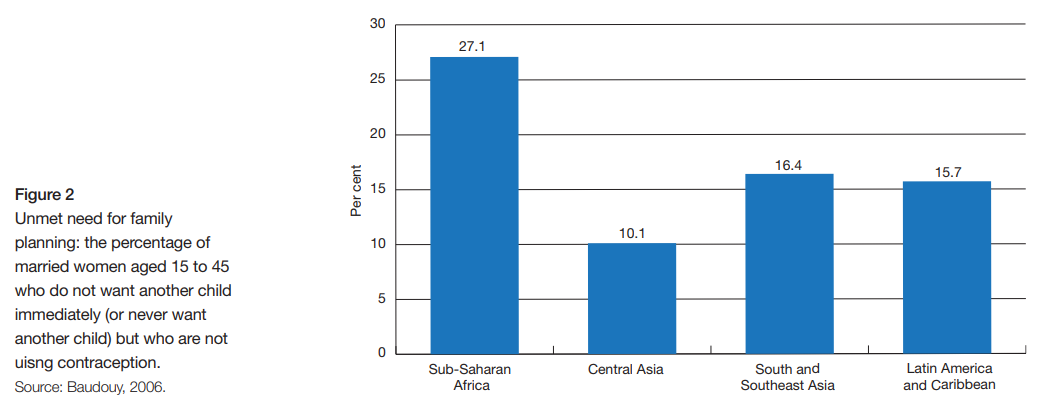
The UN has reported that unmet female need for FP was as high as 37% in Sub-Saharan Africa in 2022. A UN/UNFPA Summit in Nairobi 2019 celebrated 25 years since Cairo with a laudable goal of no unmet need for FP. Yet, review and revision of the Cairo program is needed, given the high fertility and population growth in Sub-Saharan Africa and other regions.
Smaller families improve life conditions and may also realize economic benefits at the country level. FP programs are strongly needed in Africa according to government reports. In 2015, 42 of 54 African nations reported to the UN a policy of “lower population growth”, and in 2017, 45 of these 54 nations reported wanting to “lower fertility level”, important information that was omitted in UNFPA’s State of the World Report.
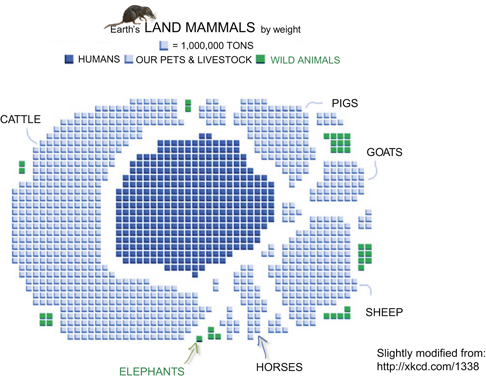
According to its website, UNFPA is the world’s largest public-sector procurer of contraceptives. With insightful UNFPA leadership, SRHR and improved contraceptive use should be parts of complete FP programs where the positive humanitarian roles of fertility decline and population stabilization in Africa and elsewhere are emphasized. Strong commitment by political leaders is essential, and outreach and communication through media can improve FP programs. Policies should also highlight the environmental benefits: saving more forest, savannah, freshwater and the remains of the Earth’s mega-fauna, with still viable populations in some African and other countries.
Evidence indicates that FP programs from 1965 to 1995 were important in reducing fertility rates in developing countries (see also Figure 2), but in Africa and some other regions these programs need much more support to reduce unsustainably high fertility. Improved status and empowerment of women as well as FP education of men are crucial. Policies should consider people’s total situation and not only human rights, but also responsibilities.

For many years, the USA was a major supporter of family planning, and the ending of many USAID health programs also reduces FP services. African commentators point to opportunities for countries to reconsider aid programs, increase self-reliance, and reduce dependency on uncertain foreign donors. But finding the resources to fill the gap is more easily said than done. Aid is therefore still much needed, in accordance with premises and decisions taken by African and other recipients.
Conclusions
Voluntary family planning programs help increase contraceptive use, slow population growth, improve economy and the lives of children, women and men, and thereby facilitate several of the UN’s Sustainable Development Goals. The leadership of UNFPA should therefore emphasize and support FP programs and re-adopt its historic mandate of improving human welfare by reducing population growth. This is especially important for countries in Africa and elsewhere that seek to invest in such programs.
Affiliations of authors
Frank Götmark and Malte Andersson:
Department of Biological and Environmental Science, University of Gothenburg, Sweden.
Chukwuedozie Ajaero:
Department of Geography and Environmental Sustainability, University of Nigeria; Nsukka, Nigeria.
Mohammad Mainul Islam:
Department of Population Sciences, University of Dhaka; Dhaka, Bangladesh.
Rhoda Mundi:
Department of Geography and Environmental Management, University of Abuja, Nigeria.
Nebechukwu H. Ugwu:
Demography and Population Studies Program, University of the Witwatersrand; Johannesburg, South Africa.
More from TOP about the UN and UNFPA, see for instance:
September, 2024 (on UN’s Cairo conference in 1994):
Jane O’Sullivan, Thirty years is too long to turn a blind eye to world population growth
May, 2024:
Jan van Weeren & Jane O’Sullivan, New State of the World Report conceals family planning as UNFPA’s most successful product
November, 2023:
Madeline Weld, The United Nations Population Fund Promotes Population Denial
March, 2021:
Frank Götmark, Coercion and population policies, Part 1











Leave a Reply