
On World Population Day, Jenny Goldie reminds us that food is humanity’s most basic and most vulnerable necessity, but reducing the number of mouths to feed remains off the food security agenda.
by Jenny Goldie
As a child, the thought of other children going to bed hungry upset me. Later, I began university studies in agricultural science with the naïve intent of ridding the world of hunger. It was all about increasing crop yields to ensure that the then 3.1 billion people might be fed.
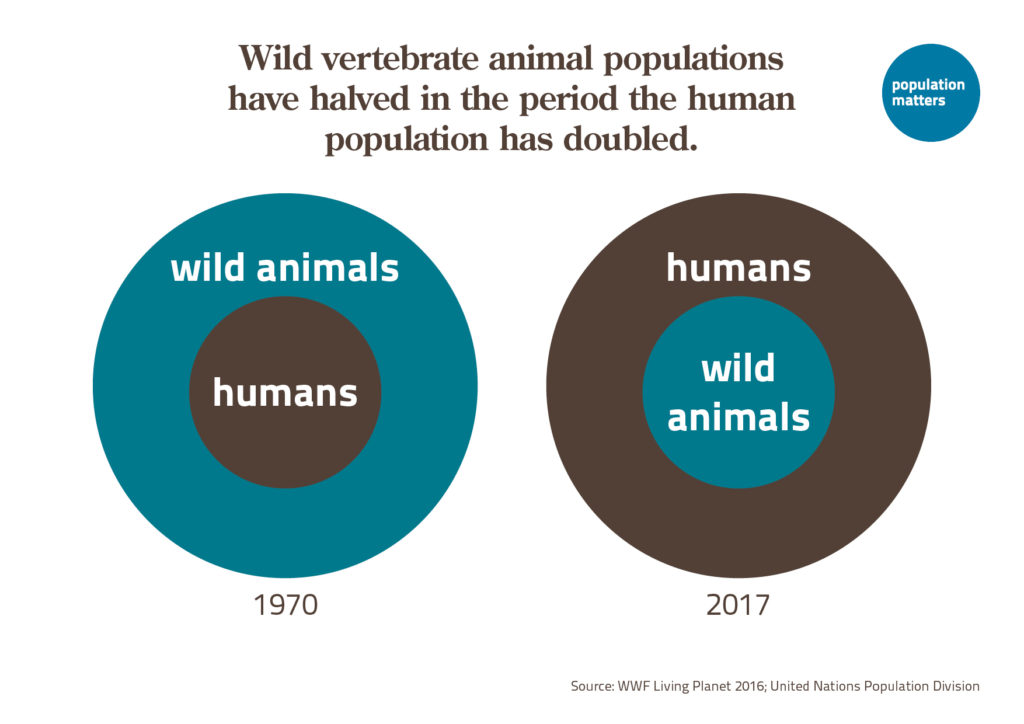
After a year, for some obscure reason, I switched to science. My professor in zoology was Charles Birch, who introduced me to the problems of human overpopulation, largely based on the negative effects on the populations of other species. My focus became overpopulation rather than hunger.
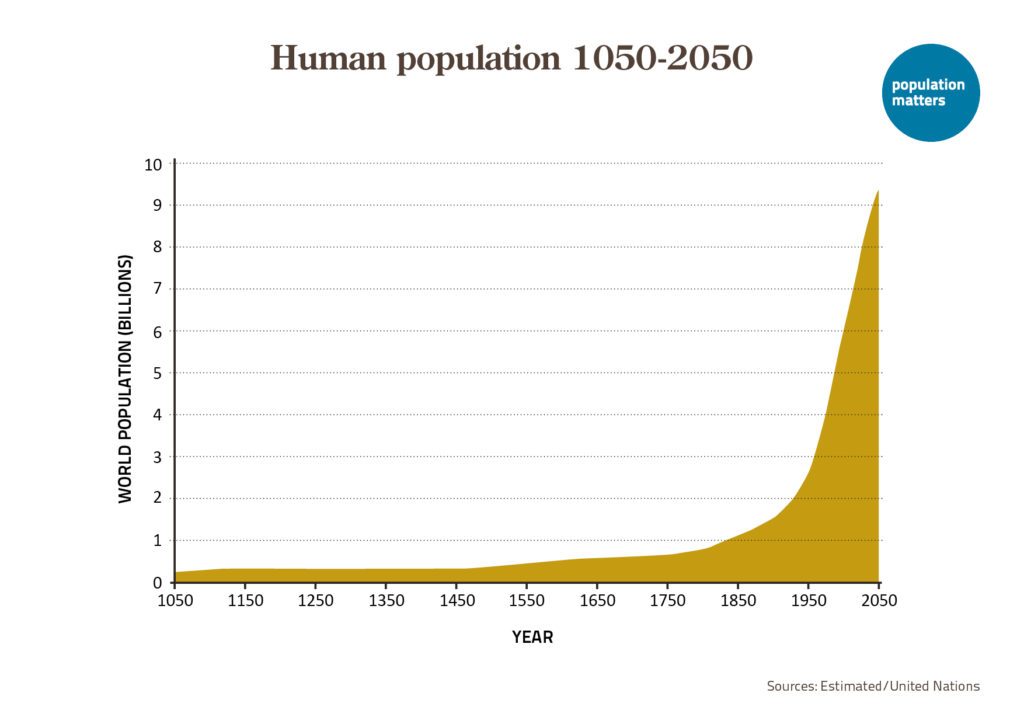
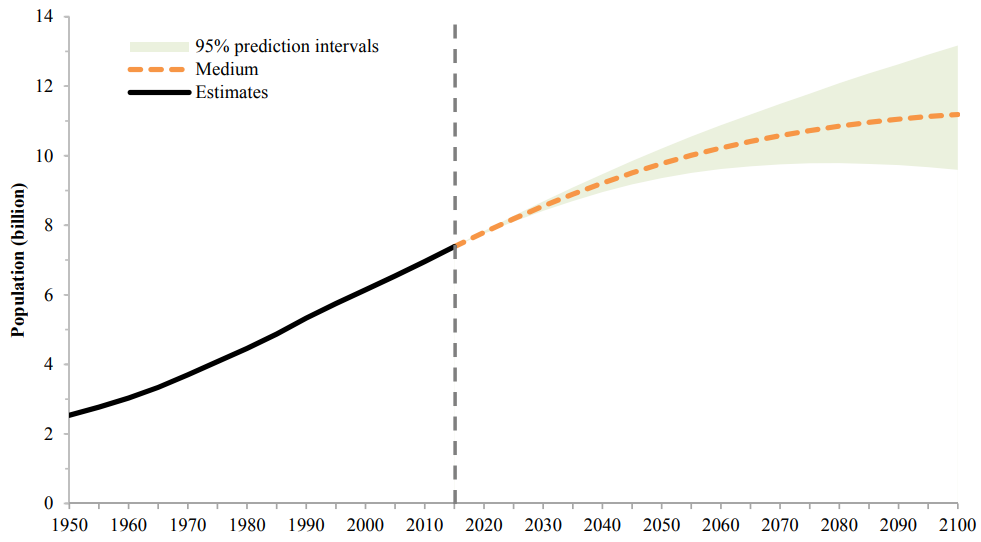
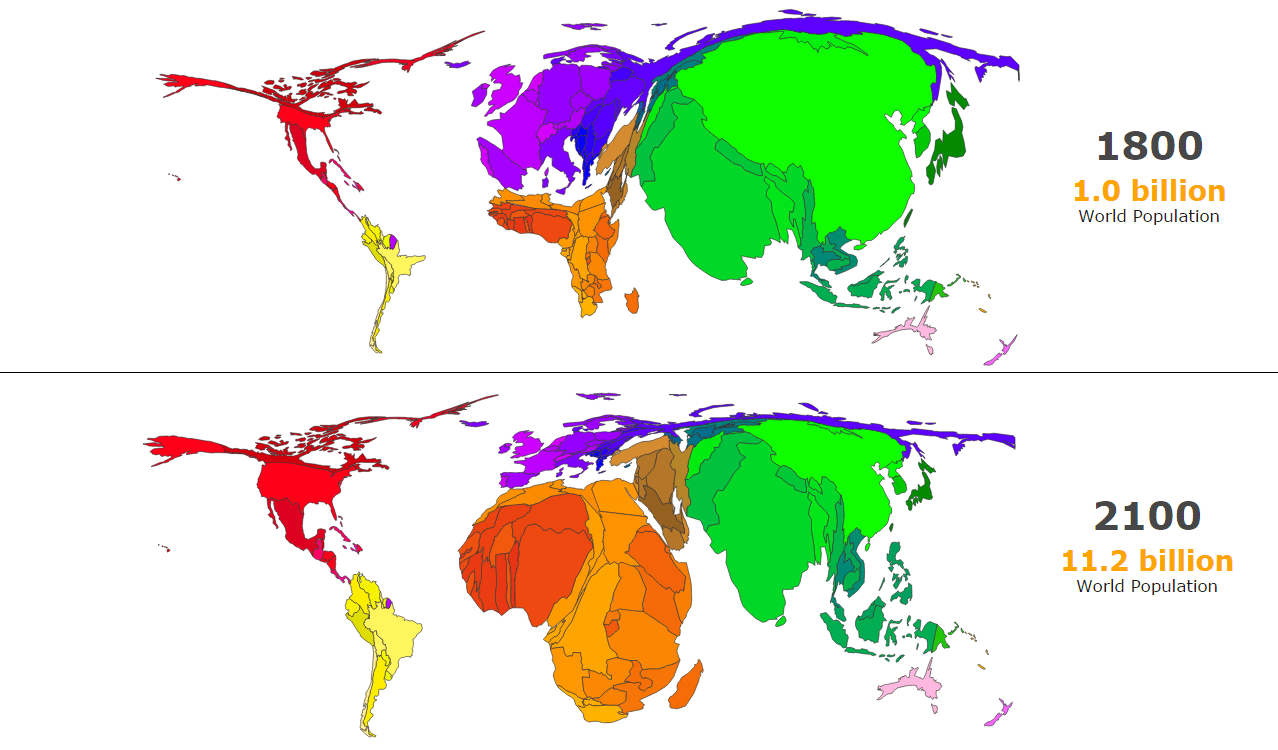
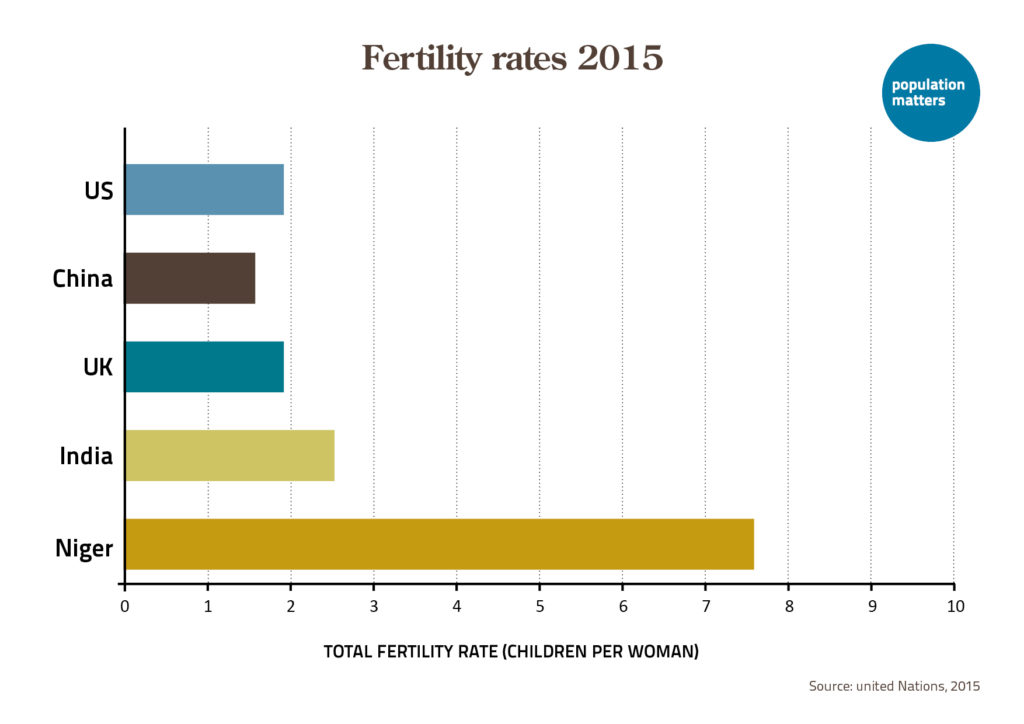
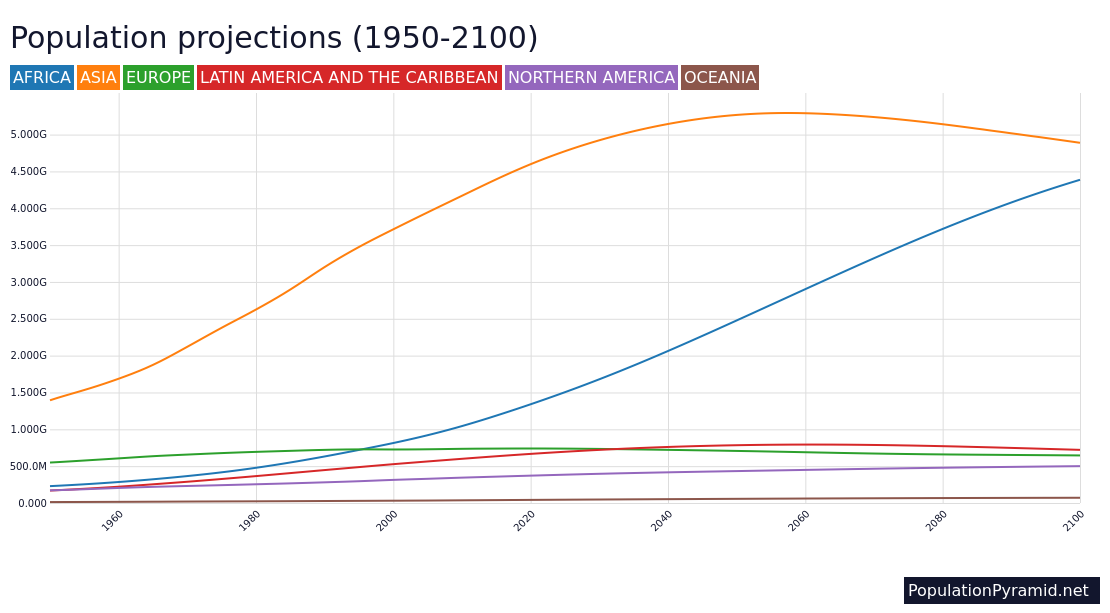
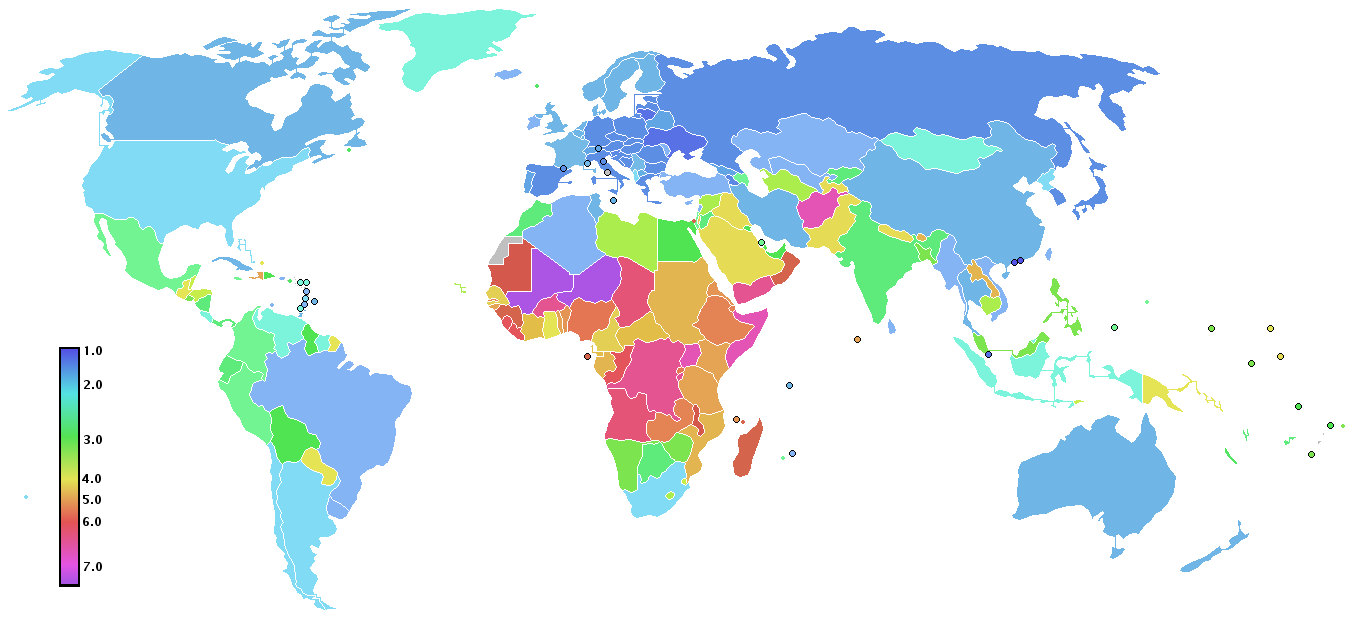
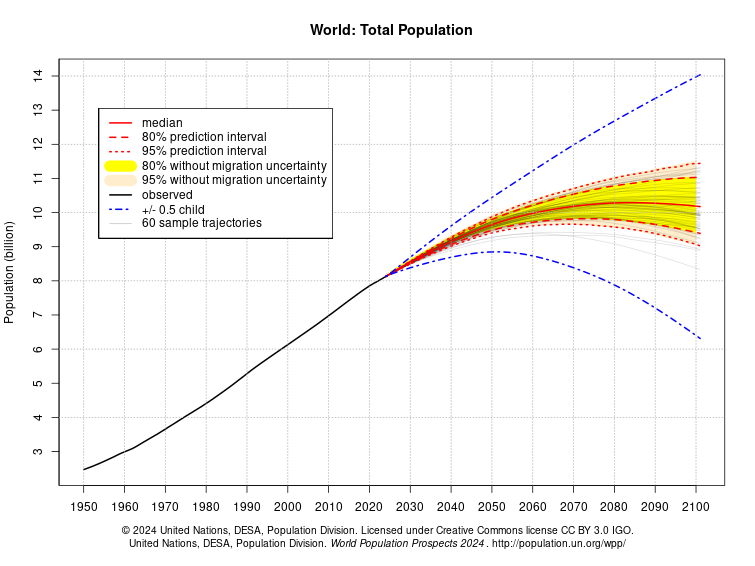
Fast forward 60 years and the two issues are coalescing. Stories of famine are re-emerging, particularly in places afflicted by war, such as Gaza, but in many cases, hunger is associated with high population growth rates. Global population numbers have now swelled to 8.2 billion and increase by 70 million a year, about the size of the United Kingdom. Most of the growth is in Africa; indeed, the 20 countries with the highest population growth rates are all on that continent. South Sudan has the highest rate at 4.65% which gives it a doubling time of a mere 15 years. In April this year, in the lean pre-harvest period, a record 7.7 million people faced levels of hunger, categorised as “crisis, emergency, or catastrophic”. There are many reasons for such hunger that include ongoing conflict and the devastating floods from last year, the latter no doubt related to climate change. Yet, even if there were no conflict and no floods, feeding the average household of 8.7 people would be a burden in a country that, while naturally endowed with resources, is largely undeveloped and thus poor.
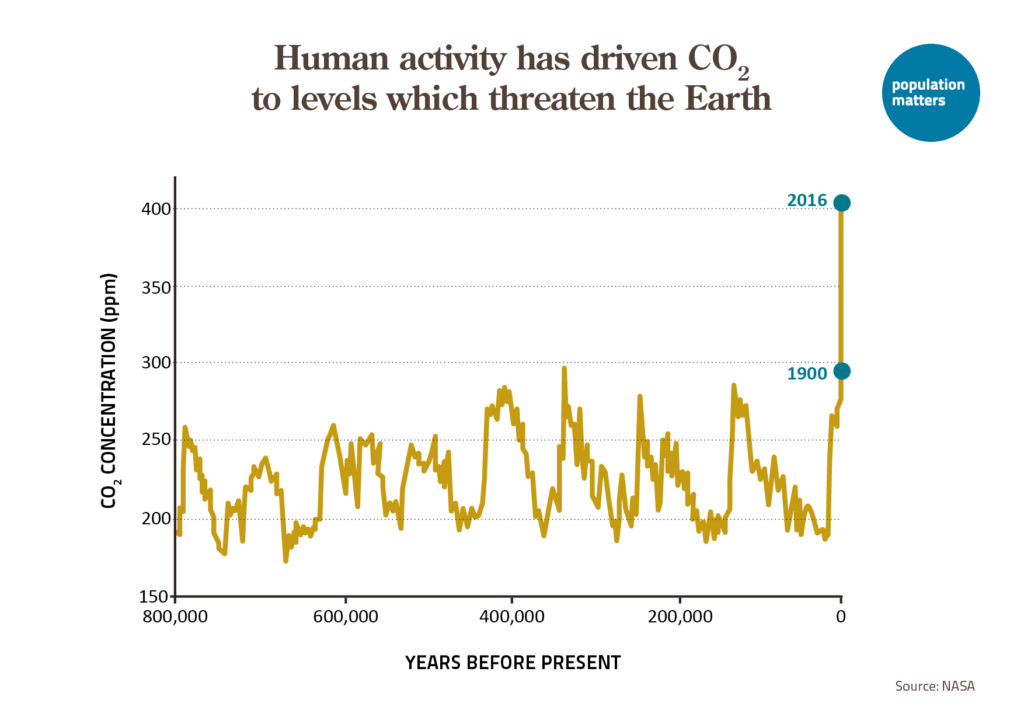
Recently, there has been an increase in stories of how climate change is threatening food security. For instance, in this one, scientists are warning that extreme heatwaves may cause a global decline in dairy production. Or this one describes how four-fifths of UK farmers are worried that climate change is ruining their livelihoods. Or this one, on a report that says droughts worldwide are pushing tens of millions towards starvation. Or this, on how food supply could drop 50% due to climate, even in the US where yields could drop 40-50% in all staple crops except rice. Sub-Saharan countries would be hit by large drops in yield of their main food staple, cassava.
And here’s one from the World Economic Forum on sea-level rise as a global threat. It notes that the Greenland ice sheet is now losing around nine billion litres of ice an hour and is “at a tipping point of irreversible melting”. Currently, scientists are expecting an unavoidable sea level rise of 1-2 metres. The rate of sea level rise is expected to accelerate as global warming continues, they say.
In April this year, I travelled around the Mekong Delta by bike and bus. It is the rice-bowl of Vietnam, indeed, of southeast Asia. From a high-rise in Can Tho in the centre of the delta, you can see for a long way in all directions across the fertile land, though not quite as far as the South China Sea which is 100km away. This huge and magnificent delta is critical to the Vietnamese people as rice underpins their diet. It is also important globally because Vietnam’s rice production affects the price of rice on the world market. Yet rice growing is already under threat from salt intrusion from the sea in El Nino years and floods from the north in La Nina years. The whole delta is a mere 84cms above current sea-level. Should global sea-levels rise by one to two metres, the whole delta would be inundated and the rice crop would be gone for good. The 17 million people living there would have to relocate within Vietnam, though with 100 million people, it’s a crowded place and their fellow countrymen may not take kindly to millions of fellow farmers intruding on their land. And let’s not forget the 22 million people living on the Red River delta in the north which, at two to three metres above sea-level, may not be inundated by the end of the century but would suffer from salt water intrusions and flooding as the Mekong Delta does now.

Even without sea-level rise, the question arises, can we feed everyone on the Earth today without transgressing environmental limits? Earlier this month, Michalis Hadjikakou and Brett A. Bryan answered that question in an article in The Conversation, basically saying: “yes, but with great difficulty”. They cited eight changes that would make farming sustainable: reduce animal calories, more productive livestock, reduce food waste, reduce plant calories, increase crop yields, use water more efficiently, reduce emissions intensity and better fertiliser use.
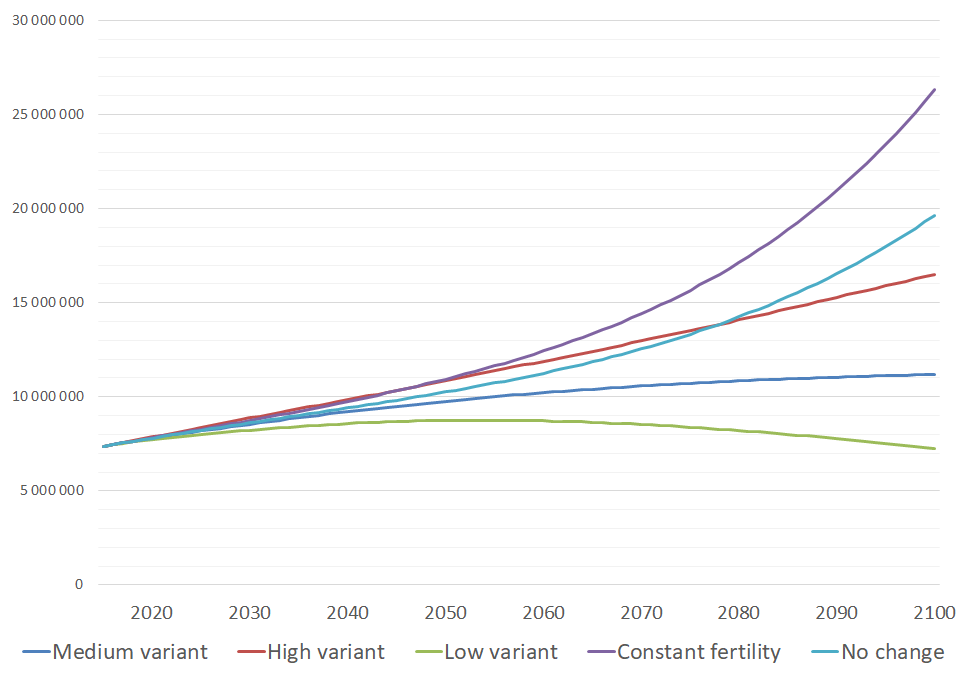
What they did not address was all aspects of the demand side of the equation. Demand comes in many forms: demand for more calories, demand for food higher up the food chain (meat and dairy) but it is also a function of the number of people – of mouths to feed. Even if we made all eight changes in the interests of greater sustainability, they would be progressively offset by large additions to the global population which, as already noted, is around 70 million a year.
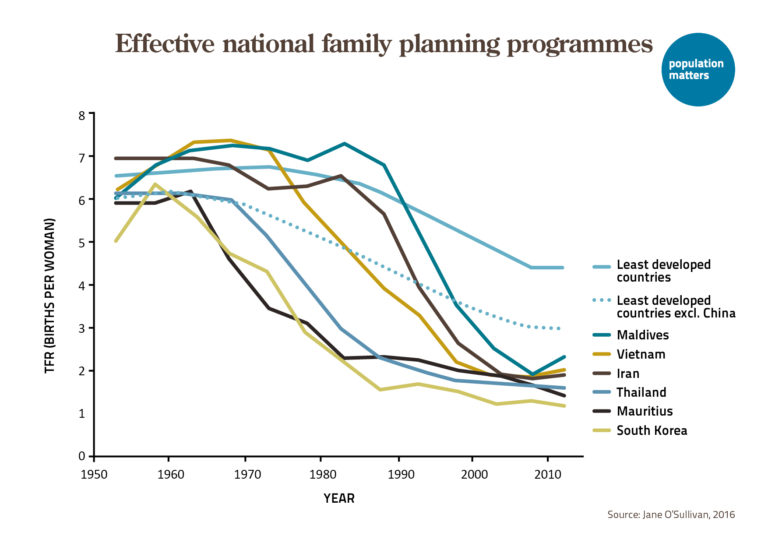
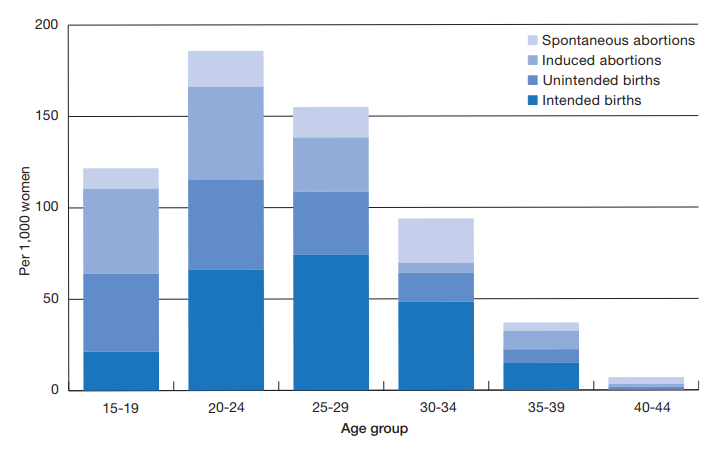
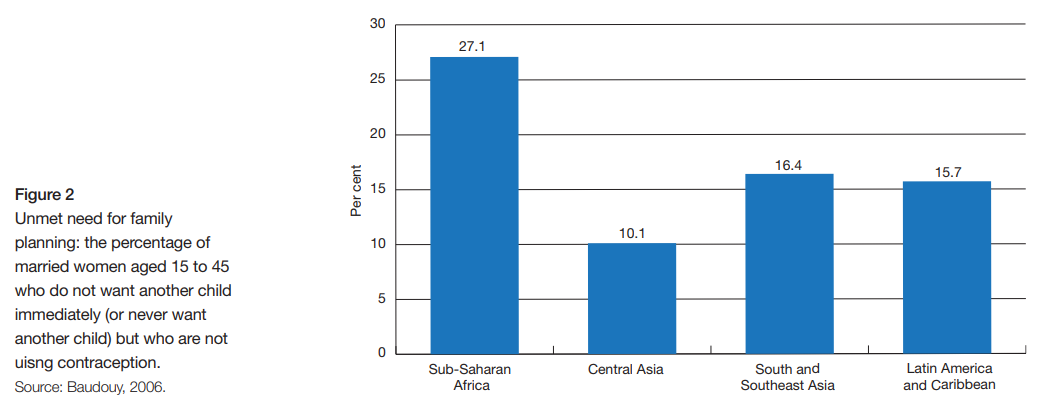
Friday 11 July is World Population Day. The theme this year is “Empowering young people to create the families they want in a fair and hopeful world.” Yes, we have to ensure all young people have the means to control their fertility. But we have to accompany that with information about how precarious global security is – about how we are unlikely to feed everyone without transgressing the Earth’s limits if populations continue to grow. Voluntary stabilisation of human numbers has to be a priority. Voluntary reduction of our numbers may have to follow. What we don’t want is widespread famine reducing our numbers involuntarily.
First published in John Menadue’s ‘Pearls and Irritations’ on 9 July 2025. https://johnmenadue.com/post/2025/07/for-the-sake-of-food-security-we-must-address-population-numbers/











Leave a Reply