
All around the world, politicians, business leaders, academics and many members of the general public worship at the shrine of ‘growth’. They are profoundly and dangerously wrong.
by Sandy Irvine, eco-activist from England
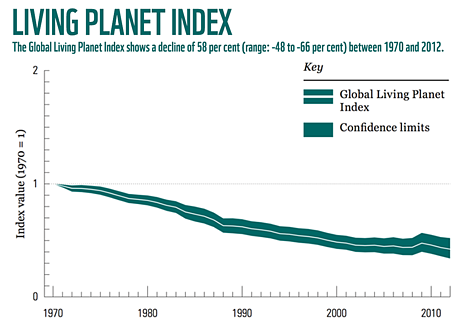
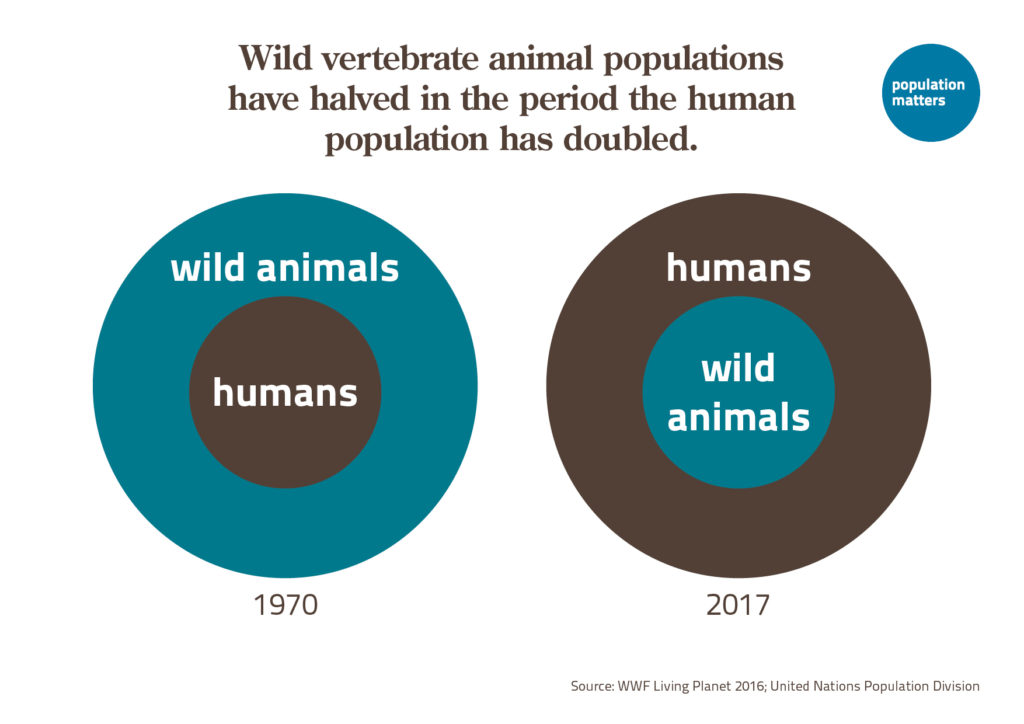
To grow or not to grow is the really big issue of our times. Most problems boil down to excess growth – population growth, economic growth (increasing per capita consumption), growth in technological power (including sheer speed as well as ‘might’), domineering physical structures (ever higher tower blocks), more centralised institutions, general overcomplexity. All tend to fuel environmental degradation, pollution, depletion of specific resources, social disintegration, anomie, inequality and such other ‘illth’, as opposed to sustainable wealth.
Thus the post-war boom in human numbers and economic activity was accompanied by what is commonly called ‘the great acceleration’ in negative impacts. Many social ills increased, despite greater prosperity. Often the really poor were left behind. Greater wealth did not give greater happiness; instead it destroyed national health and our sense of community, while leaving us feeling dissatisfied.
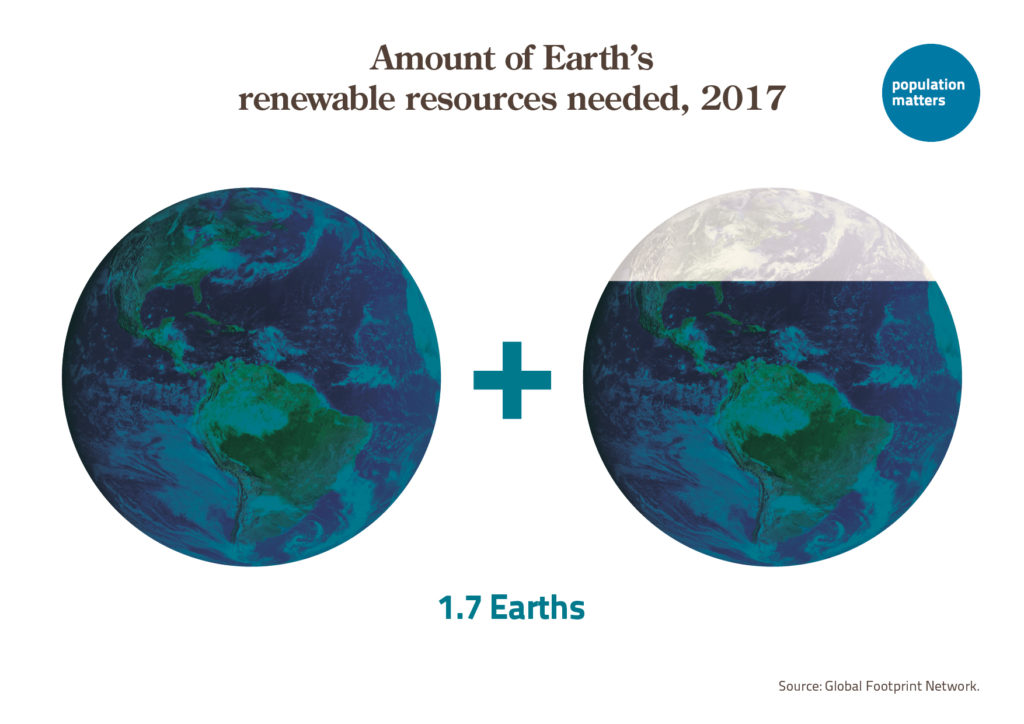
All the chickens predicted by studies such as Limits to Growth are coming home to roost with a vengeance. The consequence is potentially fatal ecological overshoot (Bill Rees is a particularly good explainer of this most fundamental fact of life on Earth today and also of the major shortcomings of widely touted solutions, not least myths about ‘abundant’ renewable energy sources; see his and Megan Seibert’s paper on renewable energy in the context of ecological overshoot, as well as their reply to a disagreeing commenter). The essential arguments go back a long way, with two particularly prescient studies by William Vogt and Fairfield Osborn in 1948, analyses both Left and Right could not and would not grasp. Indeed you can find the same basic sentiment voiced by some of the sages of ancient Greece and less directly by the Taoists of ancient China.

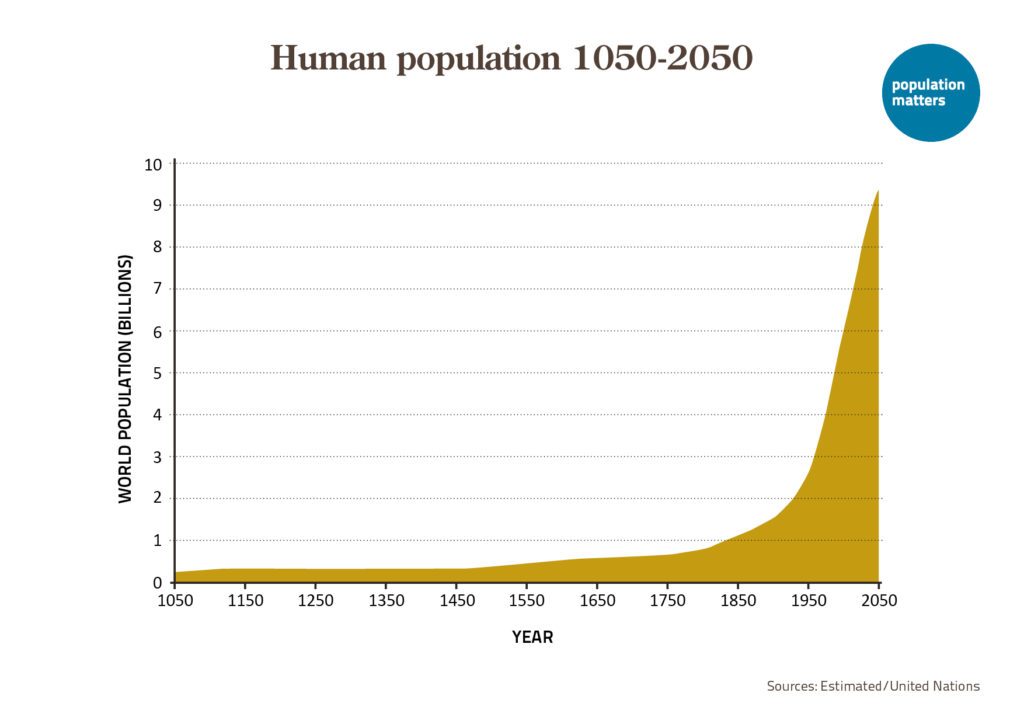
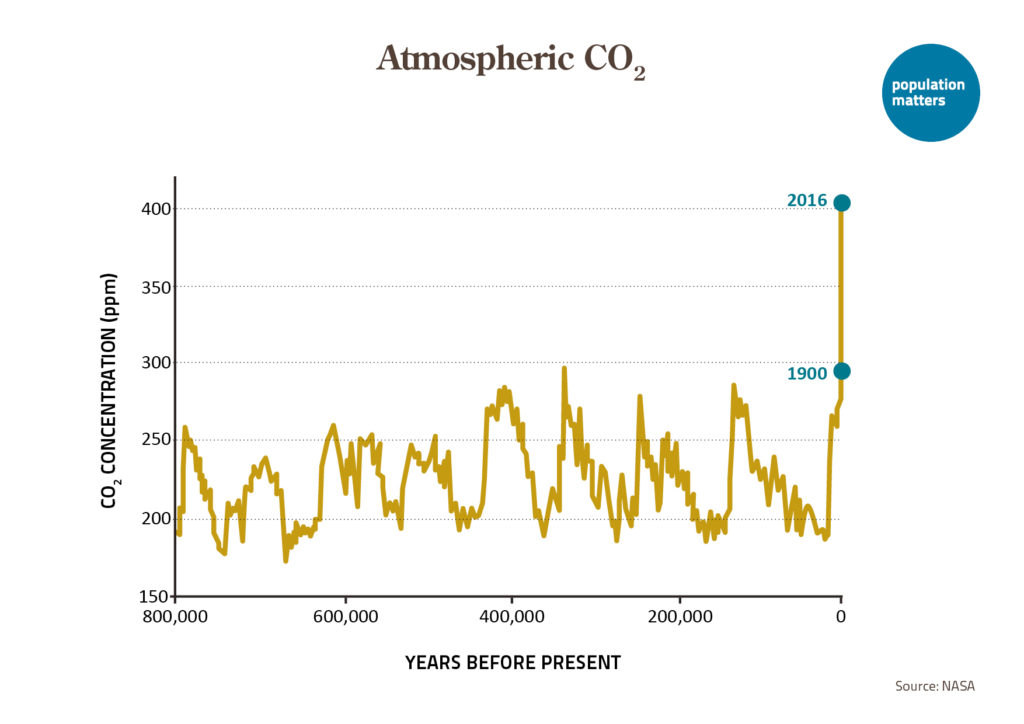
But it is only since the massive increases of the past few decades that growth has turned so harmful and potentially fatal for civilised life and for the thriving of other forms of life. For the bulk of humanity’s existence, our numbers were too small and our technologies too weak to match the scale of destruction happening today.
Now the pursuit of growth on all fronts is the predominant goal around the world. Thus Donald Trump, President of what, by conventional measures, is the richest country in the world, claims Americans will “soon be stronger, wealthier and more united than ever before.” The twin mantras of the Labour government in the UK are “growth, growth, growth” and “build, baby build.”
Meanwhile in most countries, politicians, business leaders and scientists are mesmerized by what they perceive to be the transformatory powers of Artificial Intelligence. Its all too real costs, not least in terms of energy and water, are discounted. Various countries rush to build the world’s tallest buildings. Cambodia has constructed one of the world’s biggest airports but other countries similarly seek to expand aviation. On the ground, road construction relentlessly grows its tentacles. In China huge new cities have sprouted, eating up former agricultural land. Actually, it is not just the economy or the total human population that is growing, it is people themselves, in a growing obesity epidemic.
So, growth – more production and more consumption – almost has a religious status. In case you thought we cannot have infinite growth on a finite planet, there is a growing cult that thinks otherwise. To the fore comes the world’s richest man, Elon Musk. He and his ilk hold out the ‘vision’ of growing human communities on other planets, although many question the soundness of that vision.
There are more moderate voices in the ‘growth lobby’. They will recognise for example, the clear and present danger from climate breakdown. But they see it in terms of damage to economic growth, not growth causing this damage. Representative of this section of the congregation is Will Hutton, Guardian columnist and former head of the Industrial Society in the UK who shares his optimism toward green growth in his columns. In such circles, no growth or, heaven forbid, declining growth rates, are treated as portents of disaster. Just a forecast of ‘poor’ growth can trigger currency troubles for a country.
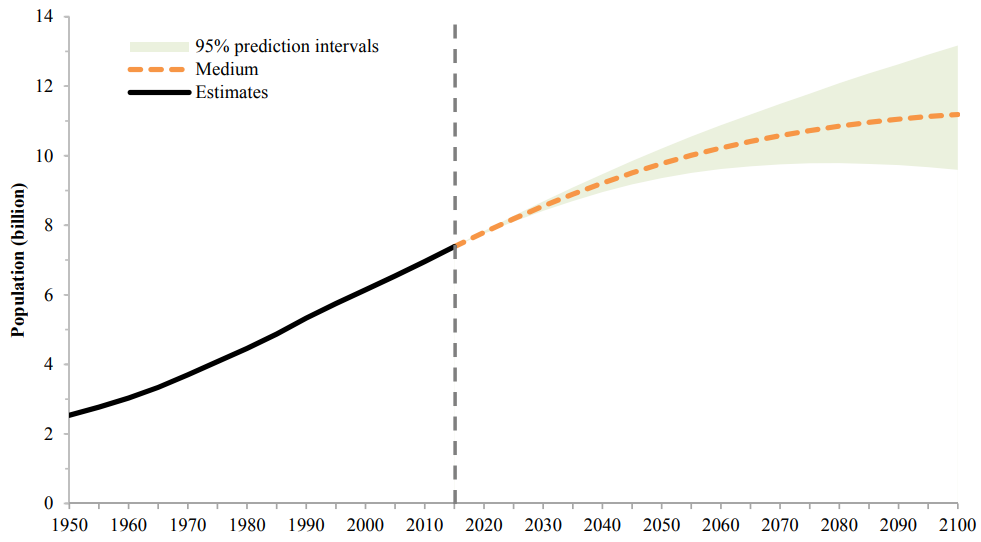
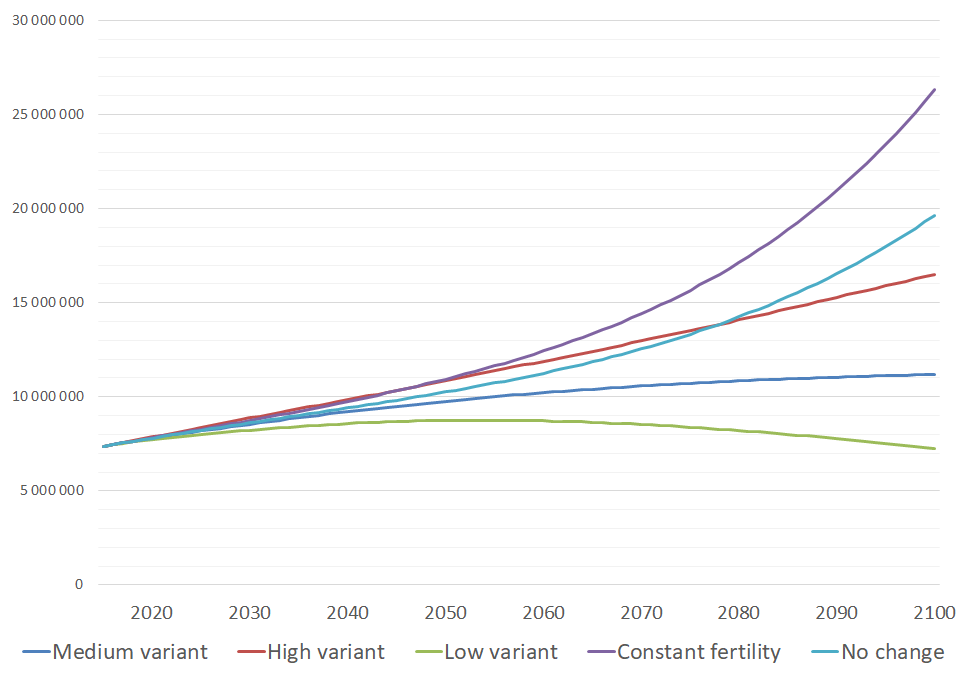
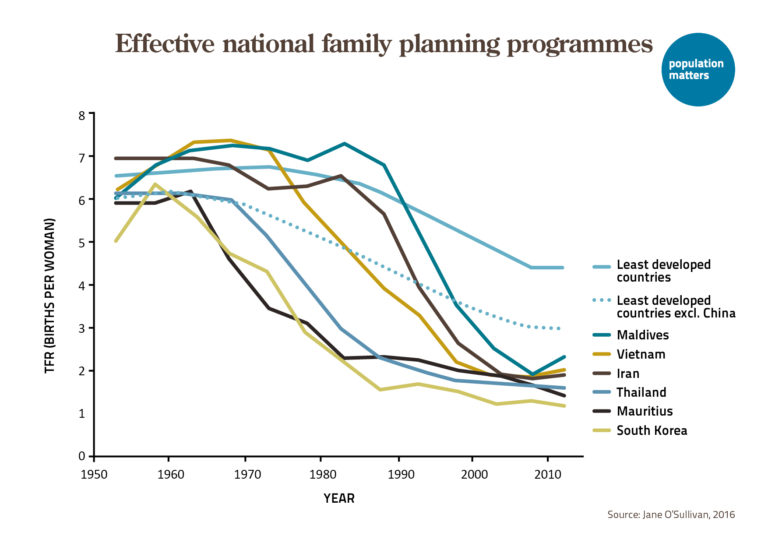
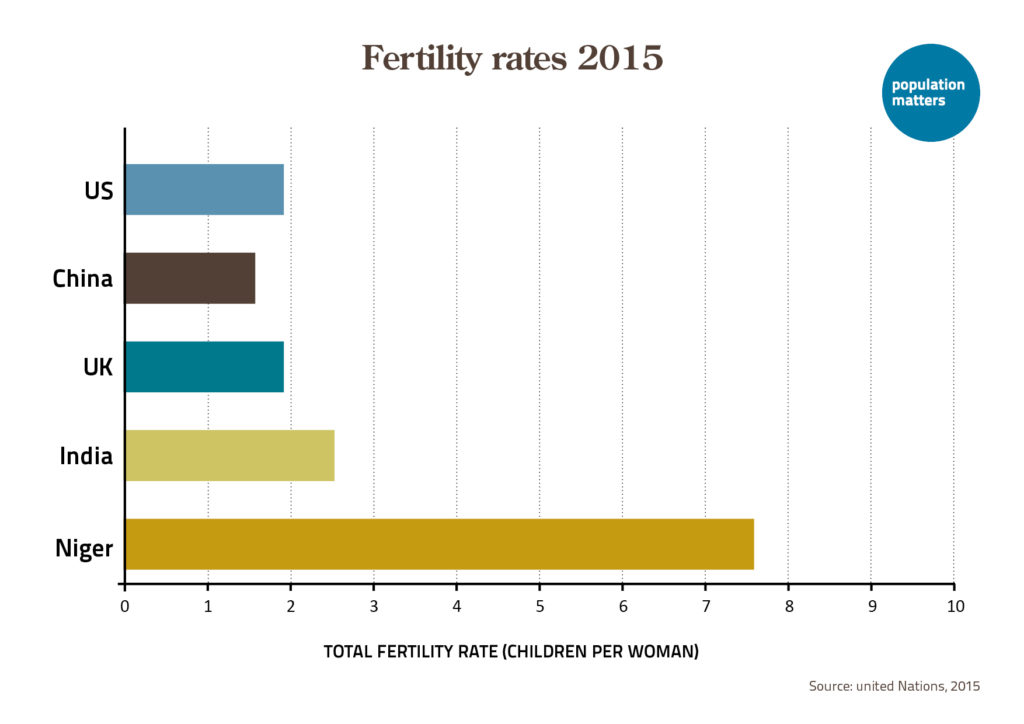
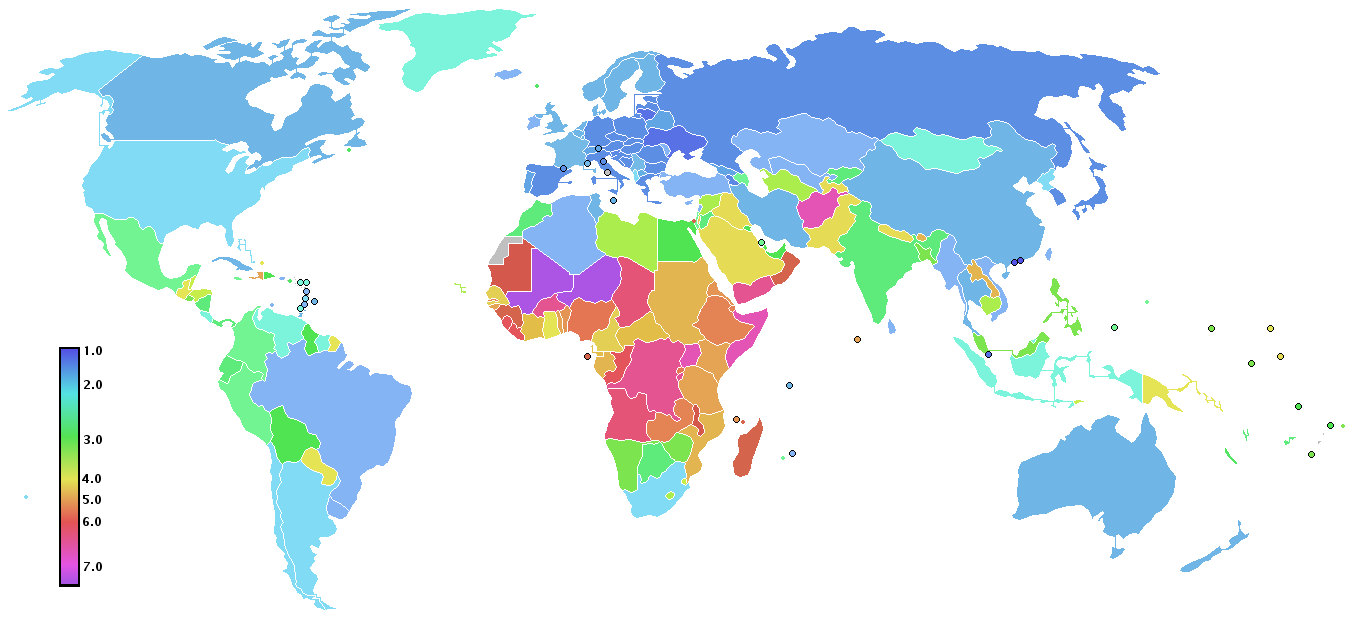
But nothing riles the growth lobby so much as the idea that human fertility rates might be falling. Indeed, there is growing rhetoric about a ‘demographic winter’ and a ‘birth dearth’. One familiar face warns of “mass extinction” of the human race. One can encounter books with alarming titles about an ”empty planet.” It has led politicians of many different hues to call for renewed population growth, perhaps stimulated by baby bonuses and other inducements (for example in Russia, India, Turkey, and the US).
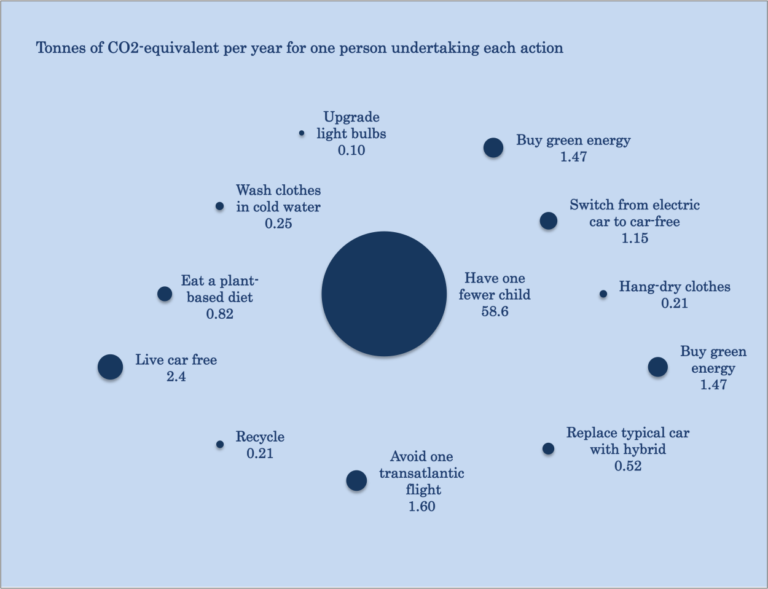
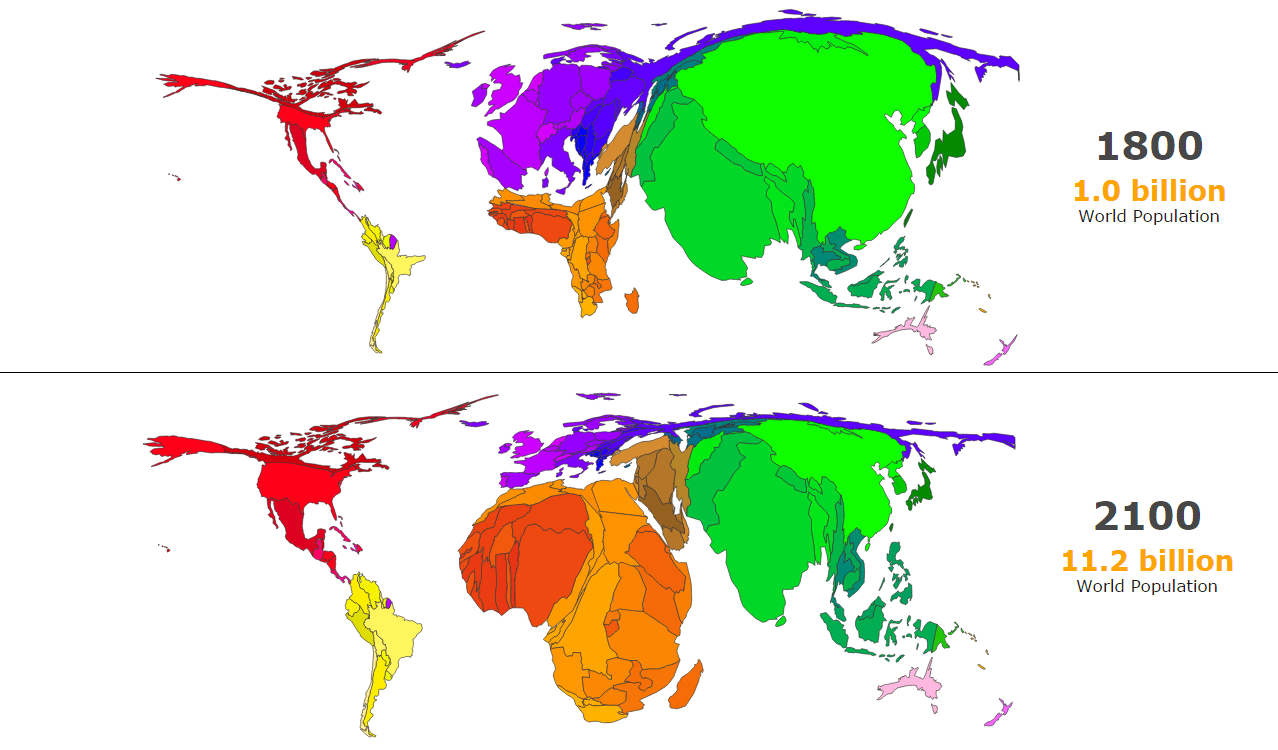
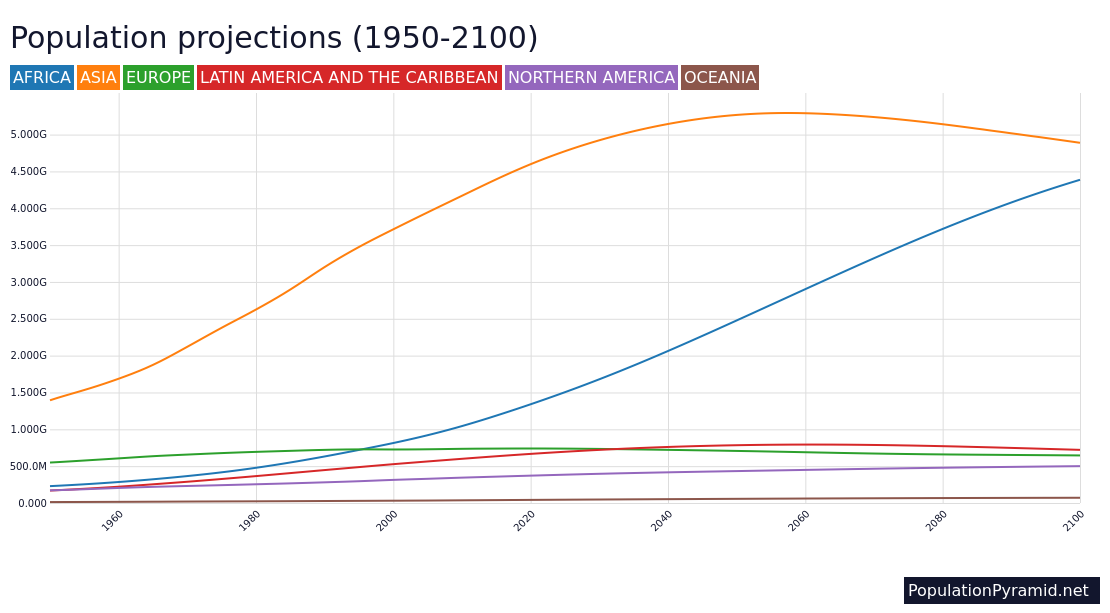
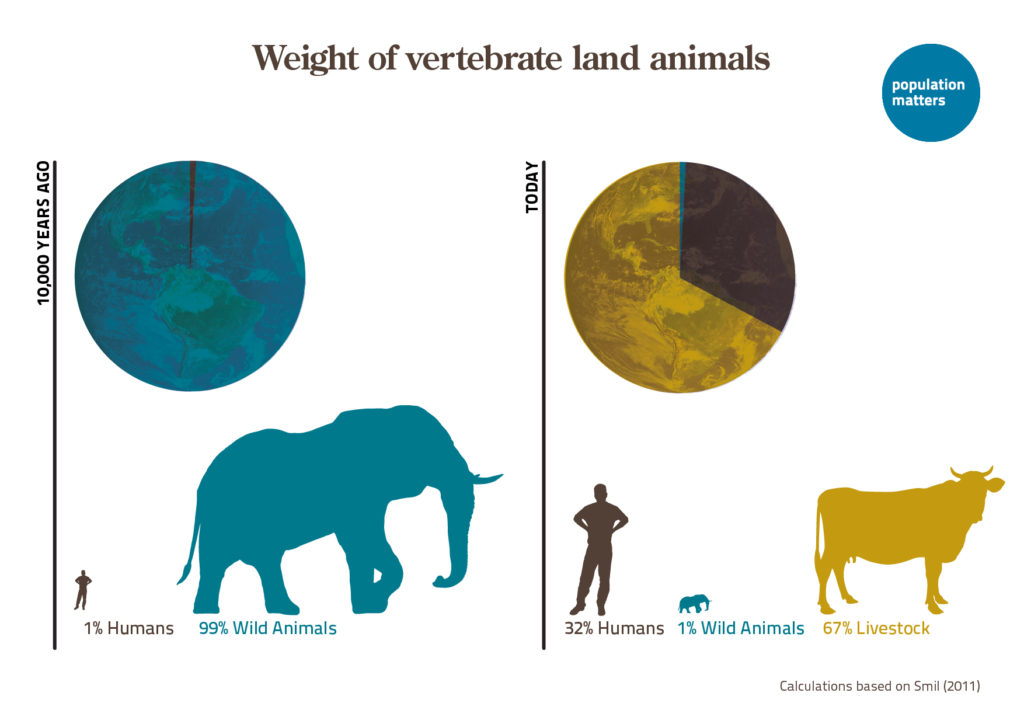
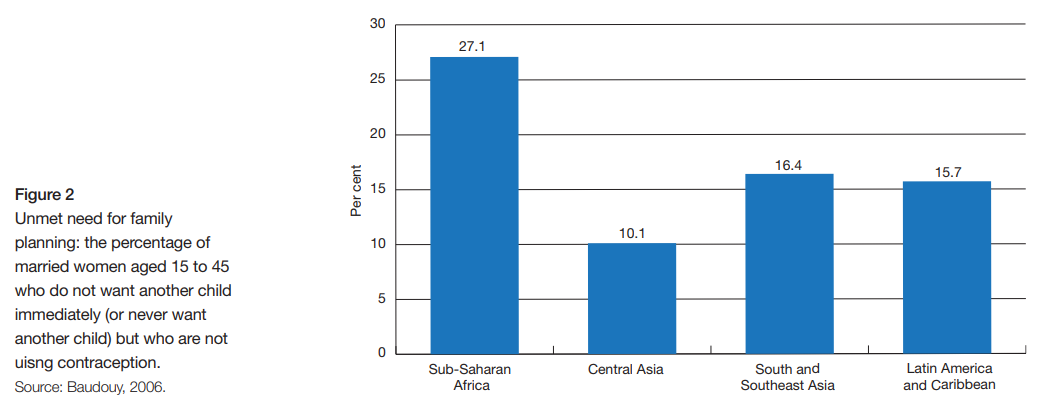
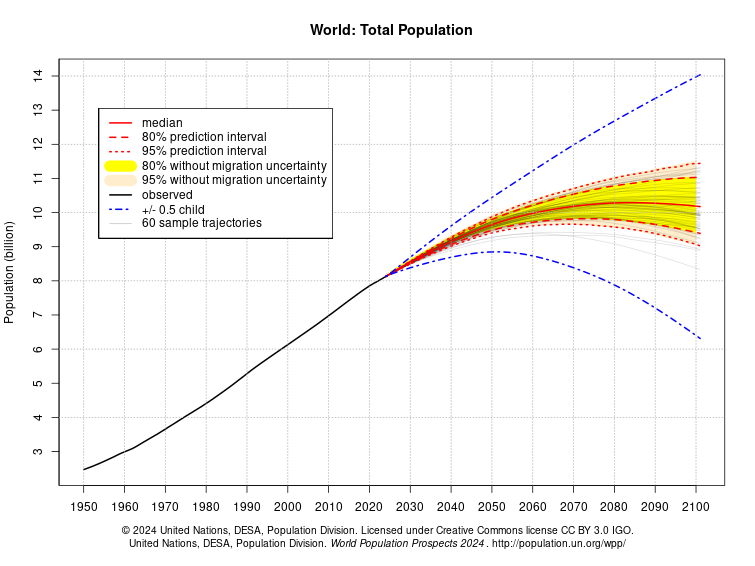
In some countries this pro-natalism is linked to greater restrictions on family planning, such as in Tanzania and some US states. One would never guess from this furor that the world’s population is still increasing, or that it has already shot far past what can be sustained. Given the variables involved, such as numbers vs. living standards, it is hard to be precise regarding a sustainable number, but this estimate of 3 billion gives a flavour of how far numbers have transgressed carrying capacity.
Elsewhere the insights of ‘limitology’ are denied or evaded, including by groups that ought to know better. For example, the UK Green Party attacks ‘growth at all costs’, with various such statements in their press releases. But these statements imply that some costs of growth are acceptable and, further, that collectively we are not already massively in the ecological ‘red’. A recent press release responding to the plans of UK Chancellor of the Exchequer Rachel Reeves’ plans argues that we can have our cake (“economic prosperity”) and eat it, too (“safeguarding our children’s future”). No sense of trade-offs there! Generally, the Green Party has failed to critique the ‘growth, growth, growth’ mantra of the government. It has not just lost the ideological battle. It hasn’t even tried to fight it.
In the same vein, in the Observer, David Mitchell voices a common thought: “I’m not against economic growth but it’s definitely not the most important issue.” Mitchell is a professional comedian as well as a columnist, but his thoughts probably echo those of most members of the public. That is one reason why political parties vie to promise the most growth (compare for example, the main British parties: Labour and Conservatives). Note that the growth economy is often badged as a “strong economy”.

The assumption appears to be that continued expansion is OK, providing it is ‘done well’, properly planned and sensitively managed. Similarly, Colin Hines of the Green New Deal Group argues that the alternative to Reeves’ plans is ‘an increase in economic activity directed predominantly towards rebuilding public services and turbocharging a green transition’ (Guardian letters, 26/01/25). In other words, the problem is not the size of the cake, but its content and, especially, the way portions are divided up.
Elsewhere, Green Growers assert that all we have to do is create more money (‘quantitative easing’) and that will buy the ticket to the Big Rock Candy Mountain. But money only has lasting value if there are physical resources to back it up. However, the resource base is contracting, with several ‘peaks’ on the horizon, not just steady supplies of cheap oil. They include many of the metals critical for the ‘machinery’ of renewable energy, calling into question how “green” Green New Dealism really is.
Many critics of government plans to expand aviation specifically argue that growth could be achieved in better ways. In many quarters, it is not growth that is attacked but only ‘GDP growth’, but, again, not physical growth per se (actually, most non-physical growth depends on physical things and is therefore constrained by whatever limits the latter).
All these arguments are often accompanied by fine-sounding rhetoric such as ‘green growth’, ‘circular economy’, ‘sustainable development indicators’, and the ‘renewables transition’ (i.e. replacement of non-renewables by solar, wind and similar sources on a comparable scale). ‘Decoupling’ (i.e. separation of growth from its costs) is more often implied rather than overtly stated, but it is a physical impossibility on any significant scale and cannot be the sole strategy for sustainability.
We need to go back to basics when the merchants of growth suggest that better management, greater efficiencies and new technologies can do the magic trick. The problem is the very scale of economic activity, specifically the throughput of energy, raw materials and physical space. The human economy takes from the stocks and flows of the ecosystems on which it inescapably depends, and to which it returns the wastes inevitably generated, for basic physical reasons. It does this through energy and material conversions. There are very real limits to both ‘sides’ of the process and they have now been overshot. Population is the critical component of that transgression. But the Green Fakers look the other way.
Real Greens need to reassert the notions of limits to growth, steady-state economics, appropriate technology, human scale, subsidiarity and the precautionary principle. We also need to insist on due allowance for the needs of non-human nature. The latter alone demands a big contraction of the human takeover of the Earth, its spaces, and resource flows.
Of course, there could still be growth in certain fields, but only if offset by reductions in throughput elsewhere within an overall non-growing ‘budget’. That is the economics of the sustainable common good. In arguing this case, care might be needed about how the message is expressed. ‘Slimming’ sounds better than ‘contraction’, while ‘post-growth’ does not sound as negative as ‘degrowth’. Slogans such as ‘better not bigger’ have a positive ring. But whatever the presentation, the core idea remains the same: think shrink!











Leave a Reply