
Dasgupta is one of very few economists who pay sufficient attention to nature (the biosphere) and human numbers as key factors in a sustainable economy. Praised by both Paul Ehrlich and David Attenborough, how does he describe a sustainable economy and sustainable development?
By Frank Götmark
Despite being an important and original economist who emphasizes the need to place Nature’s assets within our economy, too few people are aware of Partha Dasgupta. The review of his new book in the New York Times calls him ”the most important person you’ve never heard of”.
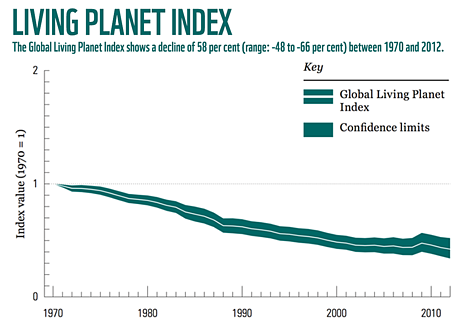
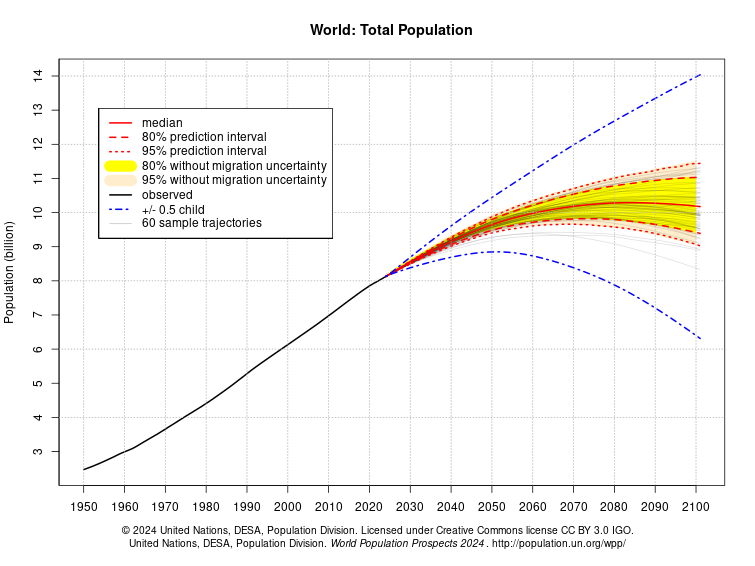
In On Natural Capital: The Value of the World Around Us, Dasgupta popularizes his earlier work, some of which is theoretical and difficult for laypersons to grasp. In the Preface, he states that if Nature (the biosphere) had been included in models of long-run economic development in the 1950s and ’60s, economic thinking today would have been very different. I wonder if humanity in the future will be forced to include Nature’s ”resources” – a human-oriented word – into the economy, due to their scarcity and increasing value. But that may come too late. Ecological economists have estimated the value in currency of some of Nature’s assets, such as species and ecosystems. Among them, Dasgupta is almost alone in also dealing with population.

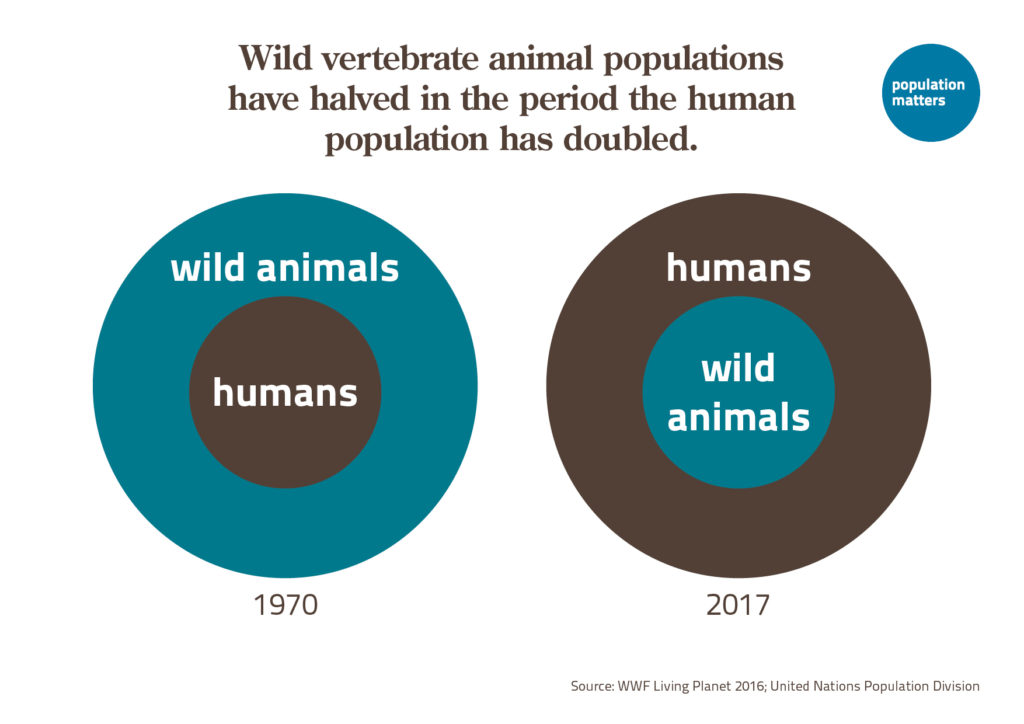
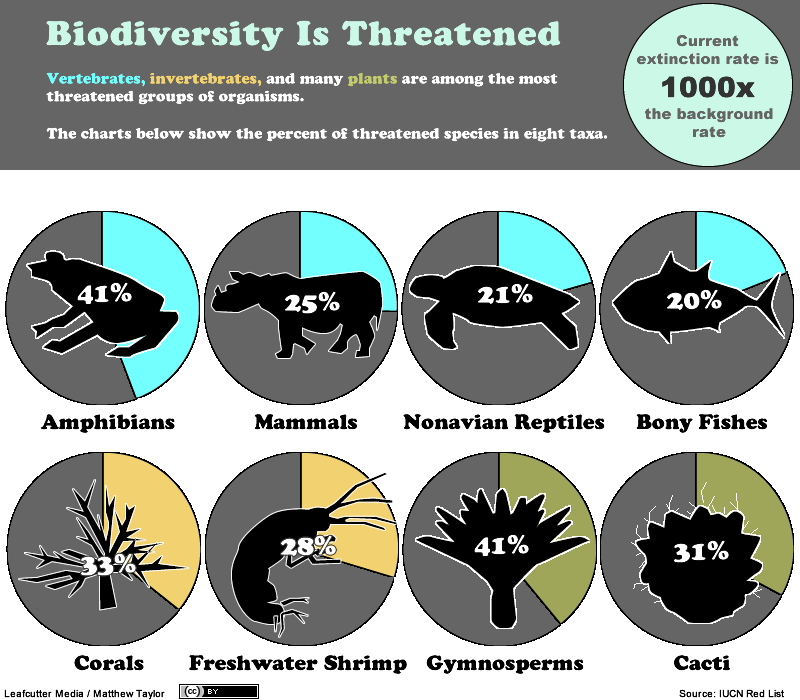
The book consists of 10 chapters, a Glossary, Notes, References, and an Index. Dasgupta starts by introducing ’natural capital’ (giving us goods and services), including provisioning goods (which we harvest/extract), maintenance and regulating services (that keep ecosystems working) and cultural services (non-material benefits). The first three chapters (’Nature Is an Asset’, ’How Biodiversity Works’ and ’Human Impact in the Past’) should be required reading for economists, and especially students. The current rapid decrease of populations of vertebrate and other species, and the extinction of thousands of them will also harm Homo Sapiens, unless we consider the advice of Dasgupta and concerned ecologists, and work harder to preserve species. We have existed only about 200 000 years, while the genes of coniferous trees, for example, were maintained and evolved to new species over more than 300 million years. Old species, fellows on the Earth, need space!
In Chapter 4, ’The Impact Inequality’, Dasgupta presents his view of humanity’s economic conditions. Instead of the IPAT equation (I = P x A x T where I is environmental impact, P is population, A affluence and T technology) which Dasgupta earlier has criticized, he introduces the Impact Inequality: Ny/α > G. Here, Ny/α stands for global population size (N) multiplied by global per capita GDP (y) divided by the efficiency (α) with which provisioning goods are drawn upon to produce GDP. When Ny/α is greater than G, the biosphere’s regeneration rate, there is global ecological overreach. That is, we take more from Nature than it can regenerate through its ecosystems.
Thus, the focus is on limits and balance. IPAT tries to estimate ’impact’ and the focus may easily become T (technology) as politicians and many economists and researchers believe T can save the world. Early in TOP’s history, we stressed in an Op-Ed that increasing national populations worsen climate change. A prominent environmental researcher accused us of ignoring the T in IPAT. Under Ny/α > G, he would have needed to consider Nature’s limits and a broad efficiency factor (α, where not only technology is involved).
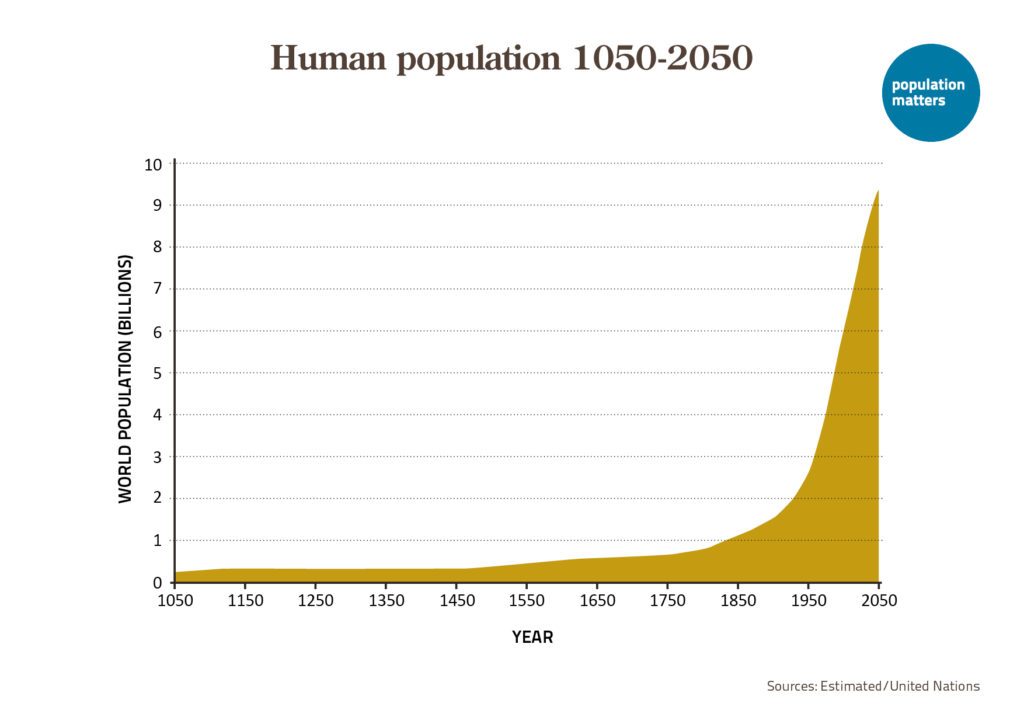
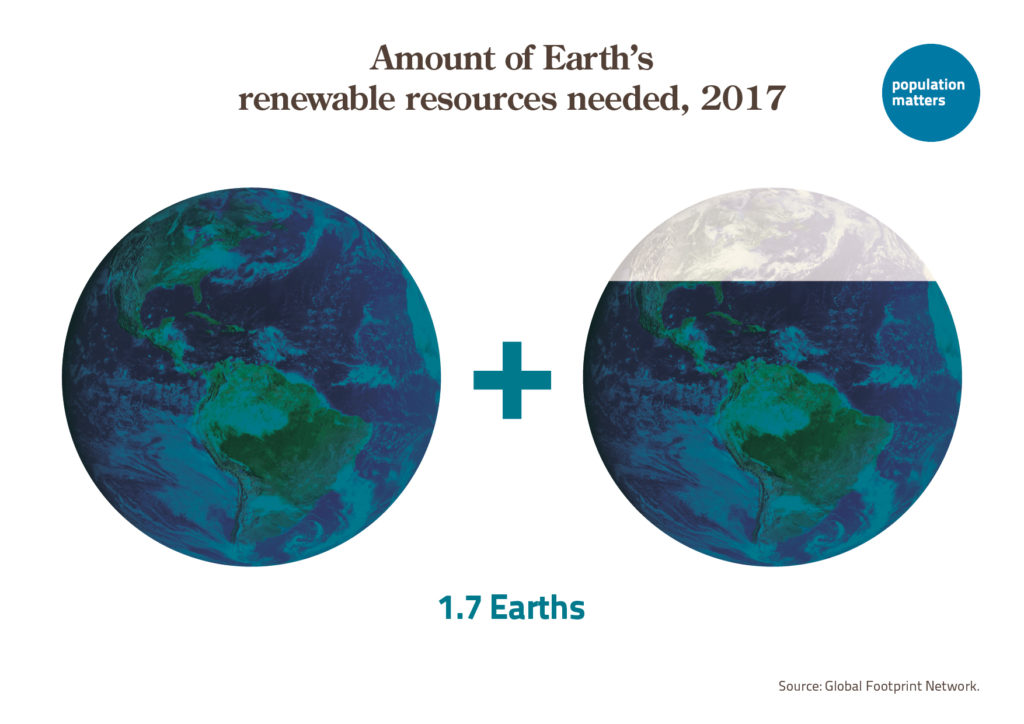
As evidence for ecological overreach, Dasgupta refers to the ecological footprint. In footprint analysis, the ratio between our demands for provisioning goods and the ecosystems’ regeneration rate (G) is 1.7; that is, we would need 1.7 planet Earths (a serious underestimate, according to him). This is due to current high consumption rates, increasing in most countries, and our large and growing population.
Chapter 5, ’The Consequencies of Our Actions’ deals with the serious ’externalities’ in current economies; i.e., a company produces not only goods, but may also pollute a river or the air, or over-harvest a resource. Externalities can also be beneficial (e.g. between bee-keepers and neighboring apple growers). But economists routinely ignore externalities.
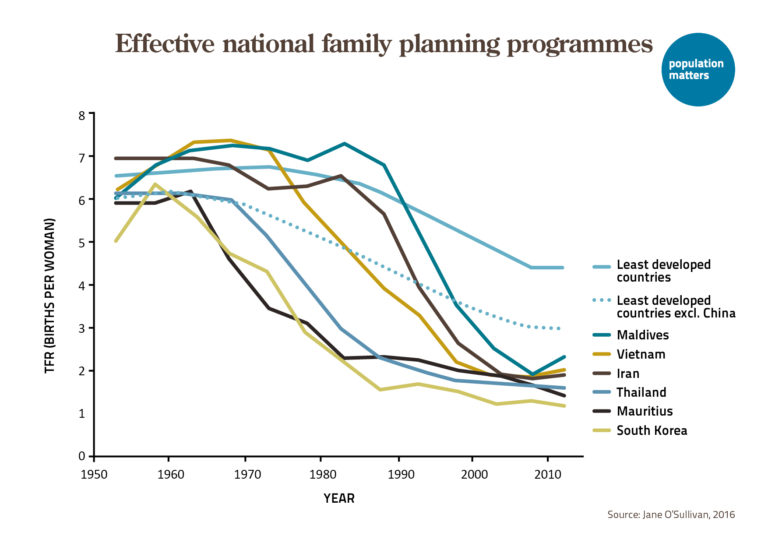
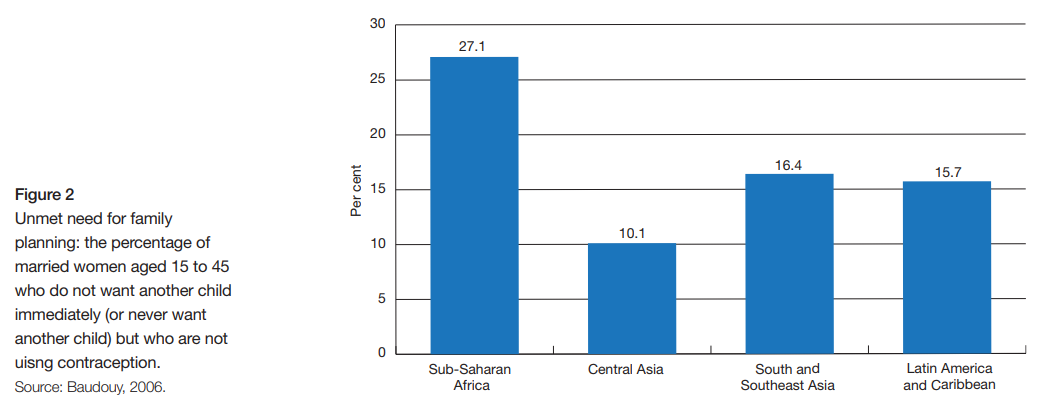
In chapter 6, ’The Influence of Others’, socially embedded preferences are used to explain how high consumption and fertility can be maintained. Consumption may be either competitive (desire for high status) or conformist (desire to be like others). For fertility decline, Dasgupta considers women’s empowerment and notes its correlation with other contributing factors (in fact, it is weakly correlated with declining fertility in academic analyses). Here, more discussion on the role of men in high-fertility settings, such as in Africa, should have been included as both women and men are needed to change attitudes. Dasgupta emphasizes that fertility preferences are based upon what others in the community prefer; they are socially embedded (regarding testing this suggestion, see this earlier TOP blog.) He criticizes the OECD’s and the World Bank’s practice of allocating less than 1% of their aid budgets to family planning and reproductive health.
Chapter 7, ’Pay for What You Use’, treats taxation, regulation, civic activity, harmful externalities, and examples of payment for ecosystem services. It also discusses norm-guided governance by rural people in developing countries, who depend far more on social norms than the law as they go about their lives. Here in Sweden (and in other parts of Europe) clan-based social systems among some immigrant groups from West Asia and Africa have meant so called ’honor’ violence with strong control of women, e.g. whom they are allowed to marry. The chapter ends with a valuable discussion of the use of common property resources in local communities and poor countries, including how high population growth can lead to poverty traps there.
In chapter 8, ’A New Measure of Wealth’, Dasgupta elaborates the 1987 Brundtland Report’s sustainable development, i.e. ’meeting the needs of the present without compromising the ability of future generations to meet their own needs’. GDP, annual flow of dollars, tells us little in this context, according to Dasgupta. Instead, he argues that stocks, the economy’s productive base, should be measured. For forecasts, accounting prices (see Footnote) are to be used to measure assets, including externalities, and natural and other forms of capital. It is then possible to estimate inclusive wealth as a criterion for sustainable development. In fact, studies measuring inclusive wealth show an overall decline in recent years. Produced capital and human capital (education, knowledge, health) have increased, but Earth’s natural capital has declined over more than 30 years.
Chapter 9, ’Policies for Behavioral Change’, begins by clarifying that the impact inequality (Ny/α > G) is a statement about the natural capital component of inclusive wealth. Policies need to be directed at lowering population size (N) and global GDP per capita (y), and raising the biosphere’s regeneration rates (G). Dasgupta suggests forms of regulation and taxation to accomplish this. For instance, one possibility would be an international agency to regulate the use of seas and oceans. It would monitor and charge for their use by taxing transportation, mining, fisheries, and refuse dumping. Also suggested are ’green nudges’ to influence people’s behaviour and consumption. The last chapter deals with moral and ethical aspects of sustainable behaviour.
There is much more in the book! If you are interested in the policies needed to create a truly sustainable global economy, buy this book. Read it, and then give it to another reader, especially if they are an economist or politician.
Footnote: Partha Dasgupta defines accounting prices as follows: ”The social weights that economists attach to the demands we make of all categories of provisioning goods (those that we harvest or extract from ecosystems, such as food and freshwater). Formally, the accounting price of a good or service is the contribution that an additional unit of it would make to social wellbeing, other things remaining the same.”











Leave a Reply