
How did modern prosperity come about, and why did it happen in some countries much more than others? The winners of the 2024 Nobel prize in economics argue social institutions play a vital role. But what about demography, science and nature?
By Frank Götmark
Recently, the ‘Sveriges Riksbank’ Prize in Economic Sciences in Memory of Alfred Nobel was awarded to Daron Acemoglu, Simon Johnson and James A. Robinson “for studies of how institutions are formed and affect prosperity”. More specifically, the researchers have shown, according to the prize committee, the “importance of societal institutions for a country’s prosperity. Societies with a poor rule of law and institutions that exploit the population do not generate growth or change for the better. The laureates’ research helps us understand why.”
Their research area is indeed interesting: we all want to live in societies that function properly, for instance where the rule of law is fairly applied, proper taxation of citizens funds public services, and governments rule in the interests of all people, not merely the elites.

A review of the origin of economic growth
In 2022, research on prosperity was reviewed by Mark Koyama & Jared Rubin in the book How the World Became Rich – The Historical Origins of Economic Growth. It takes a broad approach but is written by economists who “believe economic growth in general to be a good thing” (page 16). They do not specify this as growth in GDP (gross domestic product), which is what usually is meant by economic growth, but GDP features much in the analyses. The authors state, “the focus here is on what caused economic growth, not its consequences”. The book is much about history, as is the work of Acemoglu, Johnson and Robinson.
Koyama & Rubin favor, and argue for the ideas of Acemoglu, Johnson and Robinson that societal institutions were critical for historical growth and prosperity, with much focus on Britain’s Industrial Revolution. Part 2 in the book deals with these arguments. But in Part 1, they scrutinize alternative explanations for growth, and here the authors present evidence for several factors, explored in depth.
Chapter 2, “Did Some Societies Win the Geography Lottery?” reviews the idea presented by Jared Diamond that the shape of the major continents on the planet affected how different societies became influential and prosperous. The long west-east axis of Europe-Asia facilitated migration and connections between competing societies, and in turn trade and ideas could spread more easily than for instance on the American continents, with their narrow bridge between north and south. Geography played a role, Koyama & Rubin conclude, but it does not explain the timing of the Industrial Revolution with its center in Europe, especially on a rather small island, Britain.
The next chapter, “Is It All Just Institutions?” presents evidence from the Nobel laureates and others on the rule of law, protection of property rights, and evolving democracy and parliamentary systems. But questions remain: the authors point to institutions that work very differently in different parts of the world. Therefore, they ask in chapter 4, could culture have played a role? Religion is often considered a conservative factor, but a ‘protestant ethic’ has been linked to people working harder and saving more. However, the evidence also suggests that capitalism was well under way before the Reformation. Reading the Bible became possible for much of the European public after the Reformation, but the advantage of education was more critical than religion per se, according to Koyama & Rubin.
Demography?
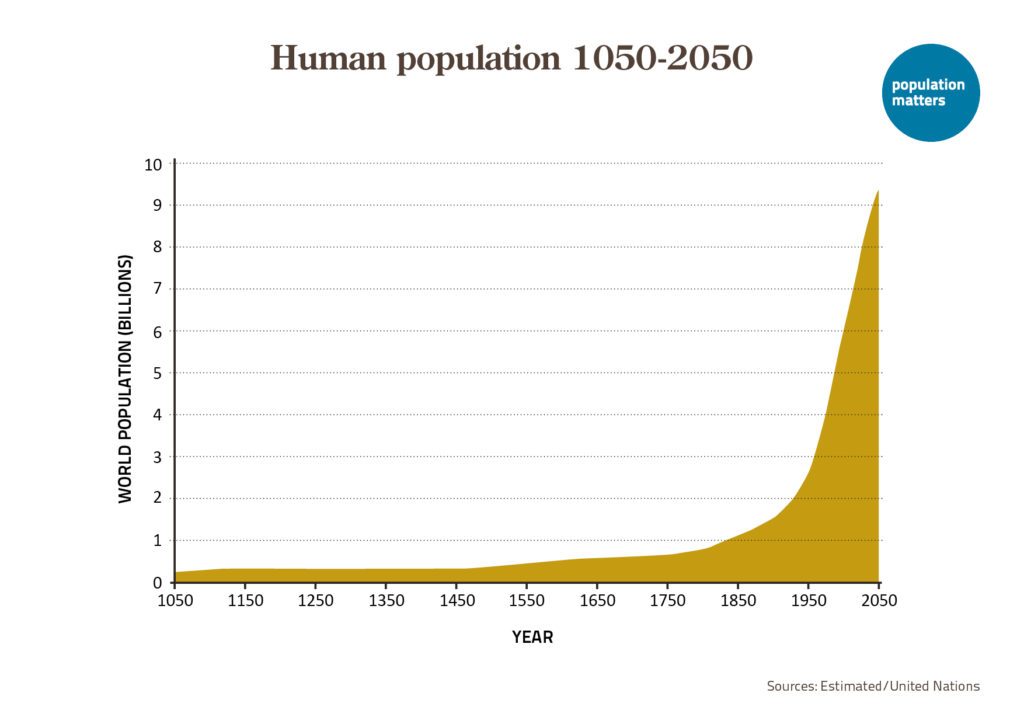
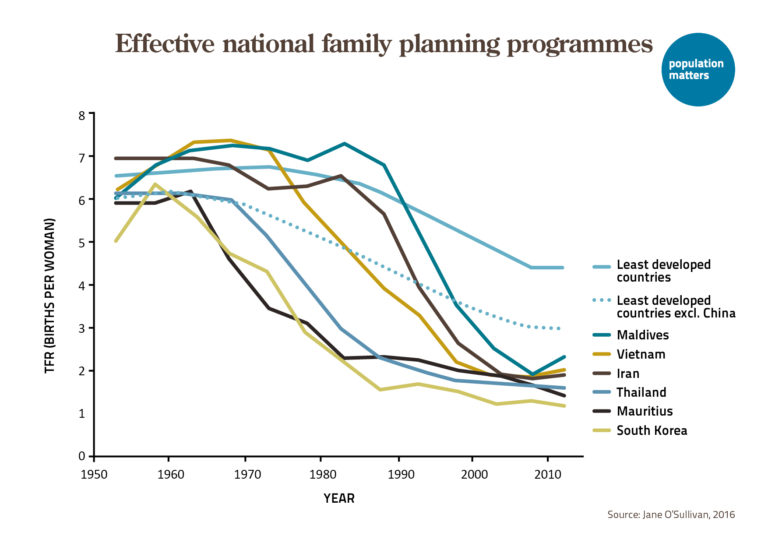
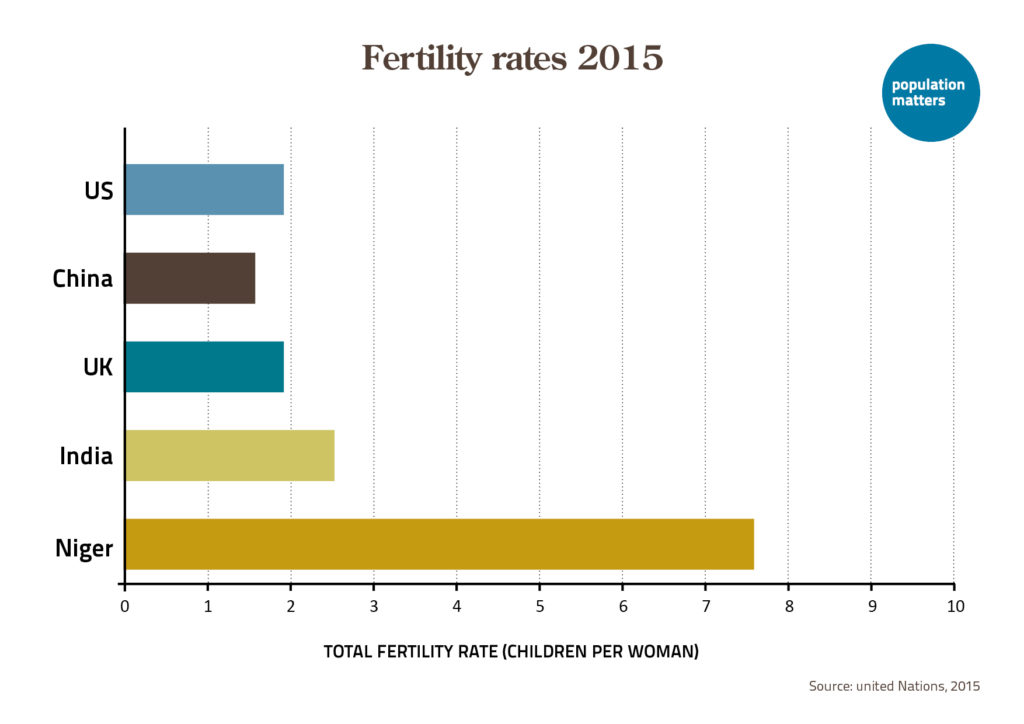
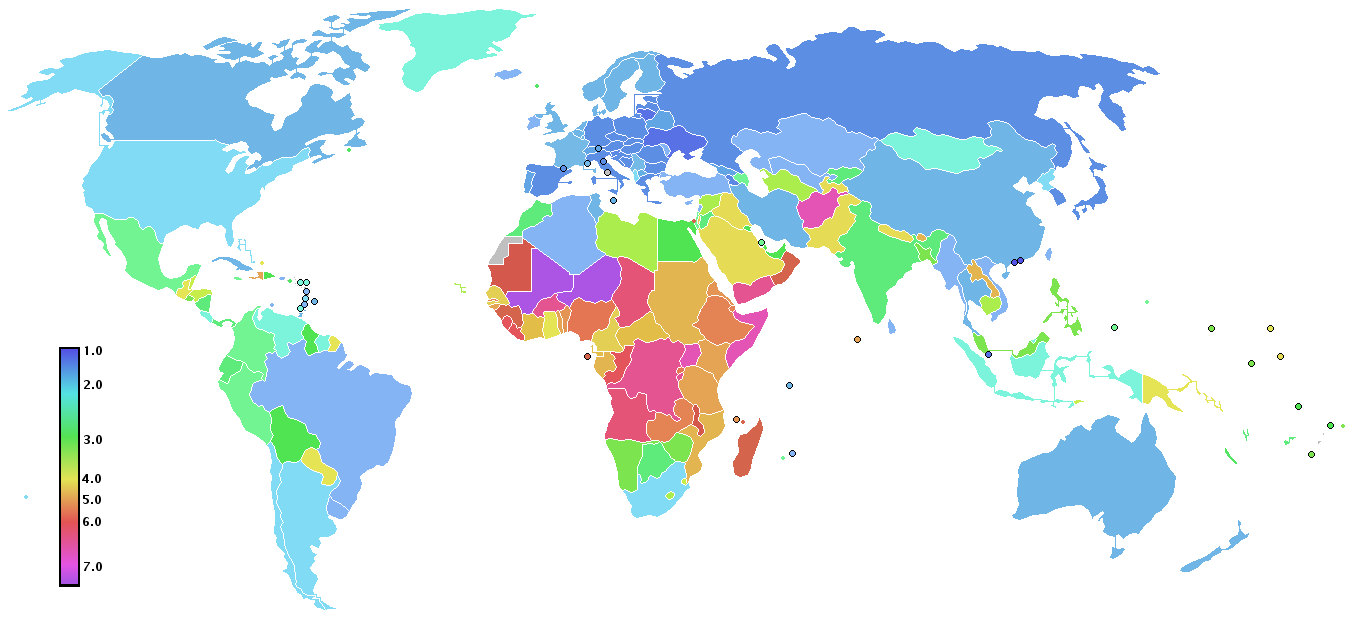
Chapter 5, “Fewer Babies”, is of special interest for TOP’s readers. After the Black Death, real farm wages increased over 140 years (1360-1500), showing the benefits of a tight labour market increasing bargaining power for those that survived. Thereafter, the population regained its earlier density, wages decreased, but age of marriage increased. The geographical center of economic growth, north-western Europe, saw a decline of birth rates from about 1870, which meant less burden for pregnant and breast-feeding women, fewer children and schools, and an increasingly larger share of adults in the work force. We should also note that all of today’s “emerging economies” successfully reduced birth rates prior to their economic take-off, while all of today’s least developed countries retain high birth rates and population growth. The authors ascribe relatively high importance to demographic changes for economic growth, including “investment in human capital” (mainly education) due to smaller families over time.
In chapter 6, “Was It Just a Matter of Colonization and Exploitation?” Koyama & Rubin point to the advantages of the European colonizers in obtaining resources for more growth, combined with more power. They describe this as a dark legacy, with impacts on colonized peoples persisting to this day. The evidence is mixed regarding its effect on growth in colonizing countries. Colonization entailed significant expenses as well as benefits.
Part 2 returns to the arguments of our Nobel laureates Acemoglu, Johnson and Robinson for social institutions as a key factor determining economic growth.
What role for science?
In my view, two important factors are neglected in the analysis: science and nature. Innovations and technology are mentioned on several pages in the book, but science per se, also influencing education, may have played a large role as background factor, and in making innovations possible. The so called Scientific Revolution dates to the late 1500s and onwards. It was largely based in Europe.
Take for instance the development of the steam engine; although based on an old principle, both mathematicians and physicists in north-western Europe were important in its development. Later on, a big step forward was the understanding and use of electricity, where Michael Faraday (1791-1867) and James Clark Maxwell (1831-1879), both British, were crucial scientists.

Another important science field, also strongly linked to north-western Europe, is modern medicine. The scientists involved are probably more familiar to the public than Faraday and Maxwell; many people recognize names such as Louis Pasteur (vaccine) and Alexander Fleming (antibiotics).
It might be argued that strong social institutions are necessary for science and innovation to flourish. To work efficiently, science needs support either from rich people (individuals, historically) or from governments. Apparently, the general atmosphere in north-western Europe allowed the development of universities and independent great scientists. This would have been interesting to explore more for the early evolution of prosperity.
Nature and natural capital
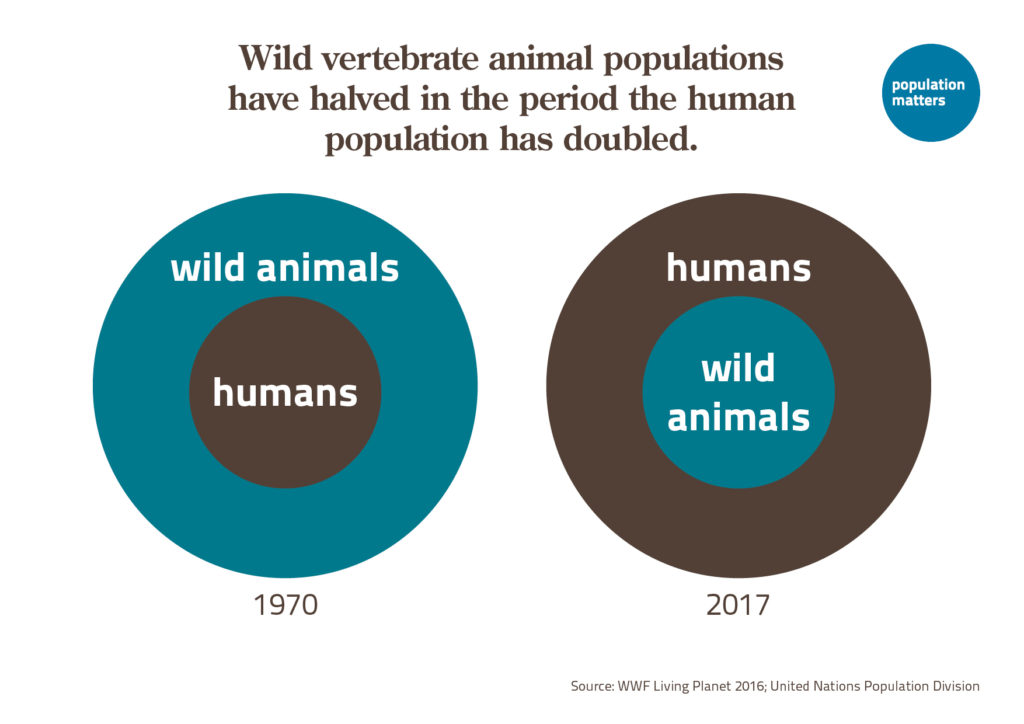
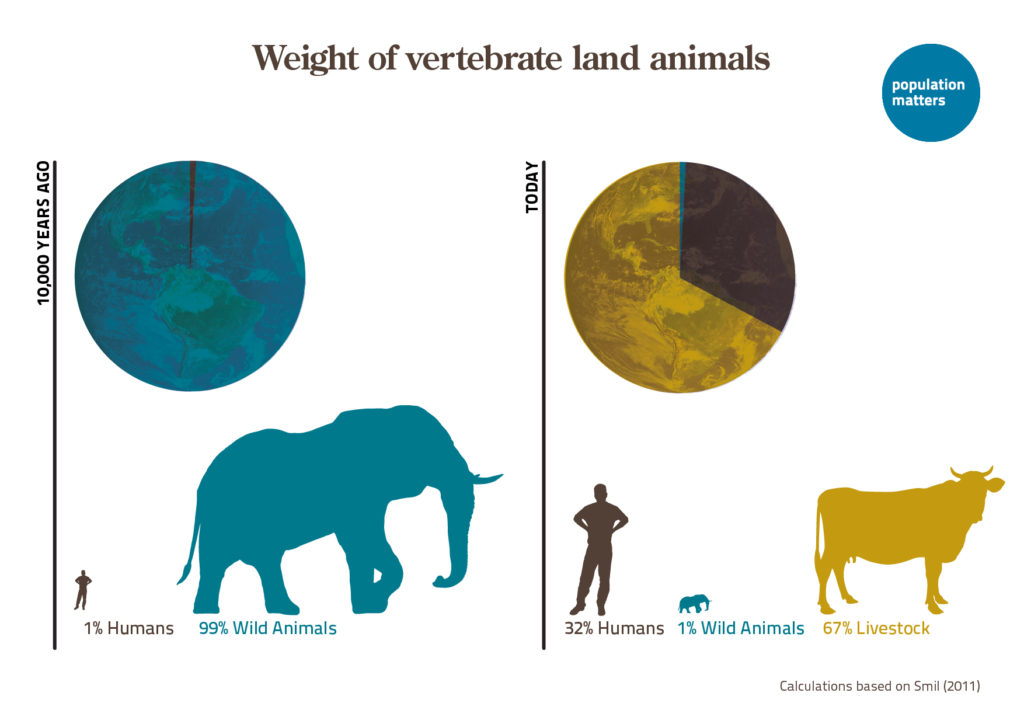
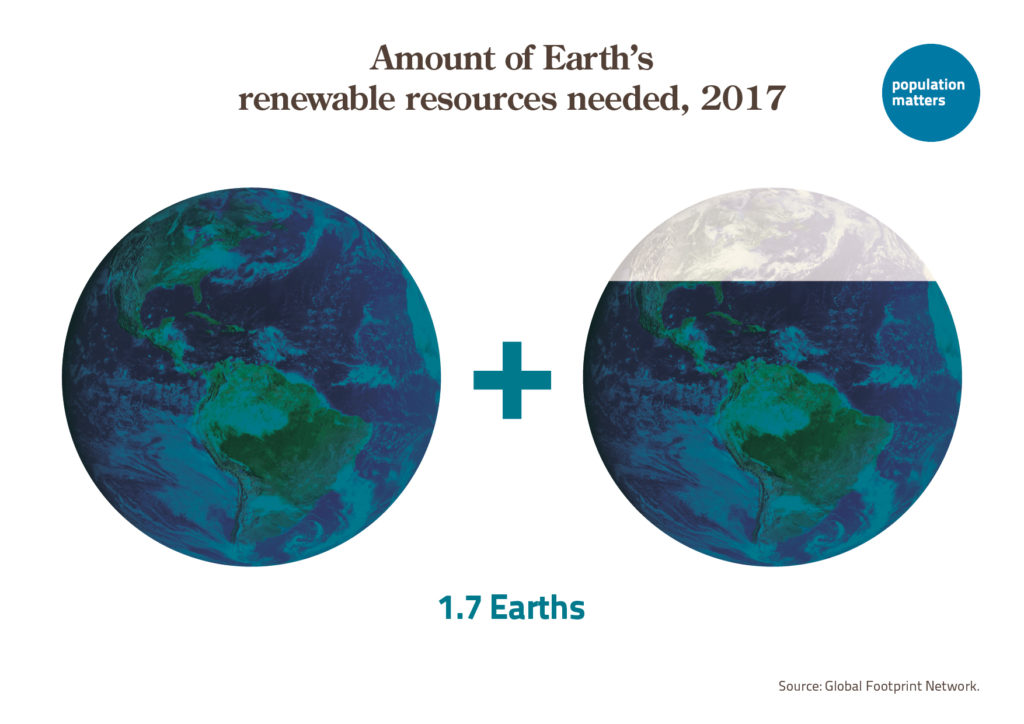
What also is lacking in Koyama & Rubin’s book is the role of ecosystems in producing economic growth. The reader cannot find the word “ecosystem” in the detailed Index, nor even the concept natural capital which ecological economists use for what nature gives us. Or rather, what we take from the natural world as we at the same time eliminate many wonderful places and species. Here again, the role of demography asserts its significance: dividing natural wealth by ever greater numbers of people creates deficits that even the best social institutions struggle to mitigate unless, like Singapore or the Netherlands, they have leverage in global trade.
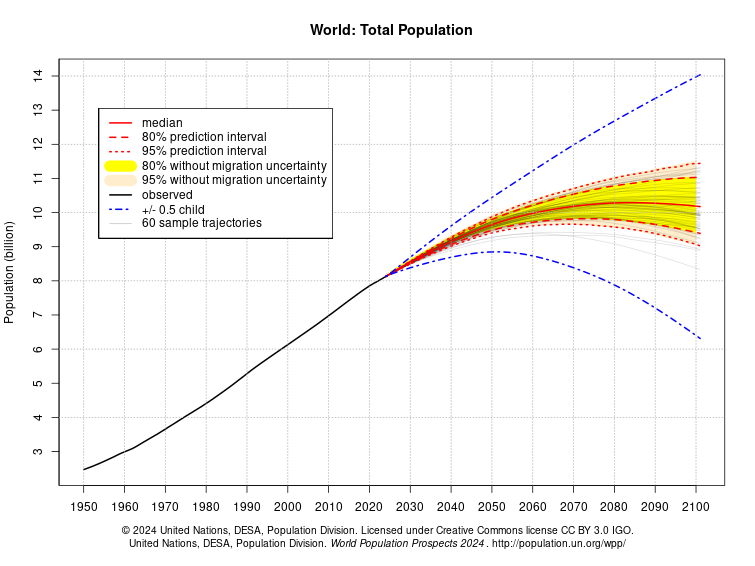
The word prosperity invokes abundance. But what should prosperity seek to create an abundance of? We envision a world in which every person enjoys an abundance of fresh air, water and wildlife, along with sufficient food and shelter and fulfilling social relationships. Strong institutions will be needed to achieve all this, but a future population reduction is also necessary for lasting prosperity.
Here is an entertaining discussion between the Nobel prize winners (not all, six of them), organized by the BBC and Swedish Television. It starts after about I min (after Swedish Intro by the Crown Princess Victoria) and lasts 58 min, including discussion about genes, medicine, economic growth, AI and more:
https://www.svtplay.se/video/jAB7RDw/nobel-snillen-spekulerar/nobel-2024-snillen-spekulerar












Leave a Reply