Growth Addiction and Water in the American Southwest

GrowthBusters is a terrific podcast dealing with the environmental costs of growth, hosted by Dave and Stephanie Gardner. On their latest episode, river activist Gary Wockner talks about the state of the Colorado River and the growth obsession that keeps cities and states in the southwestern U.S. from responding rationally to increasing water scarcity.

by Philip Cafaro

Twenty years ago, Ph.D. ecologist Gary Wockner founded Save the Poudre, an organization dedicated to defeating a scheme to drain much of the remaining water out of Colorado’s Cache la Poudre River. Since then, Gary has traded a career in science for one in environmental activism, fighting to defeat dams and keep more water in rivers throughout the Southwestern U.S. and the world. In addition to Save the Poudre he also cofounded Tell the Dam Truth, a nonprofit that engages with federal and state agencies to make sure the greenhouse gas emissions caused by dams and reservoirs are considered during policy making.

Wockner is one of the few environmental leaders in America willing to call out growth as the fundamental driver of our ecological problems. His impressive success in defeating or scaling back bad development projects shows he knows “how to play the game.” But he also knows that the game is rigged against long-term environmental protection. In this podcast, he explains how economic fantasies of endless growth are running up against ecological realities in the arid western U.S., and considers legal and economic changes that would help create a more sustainable society.

GrowthBusters

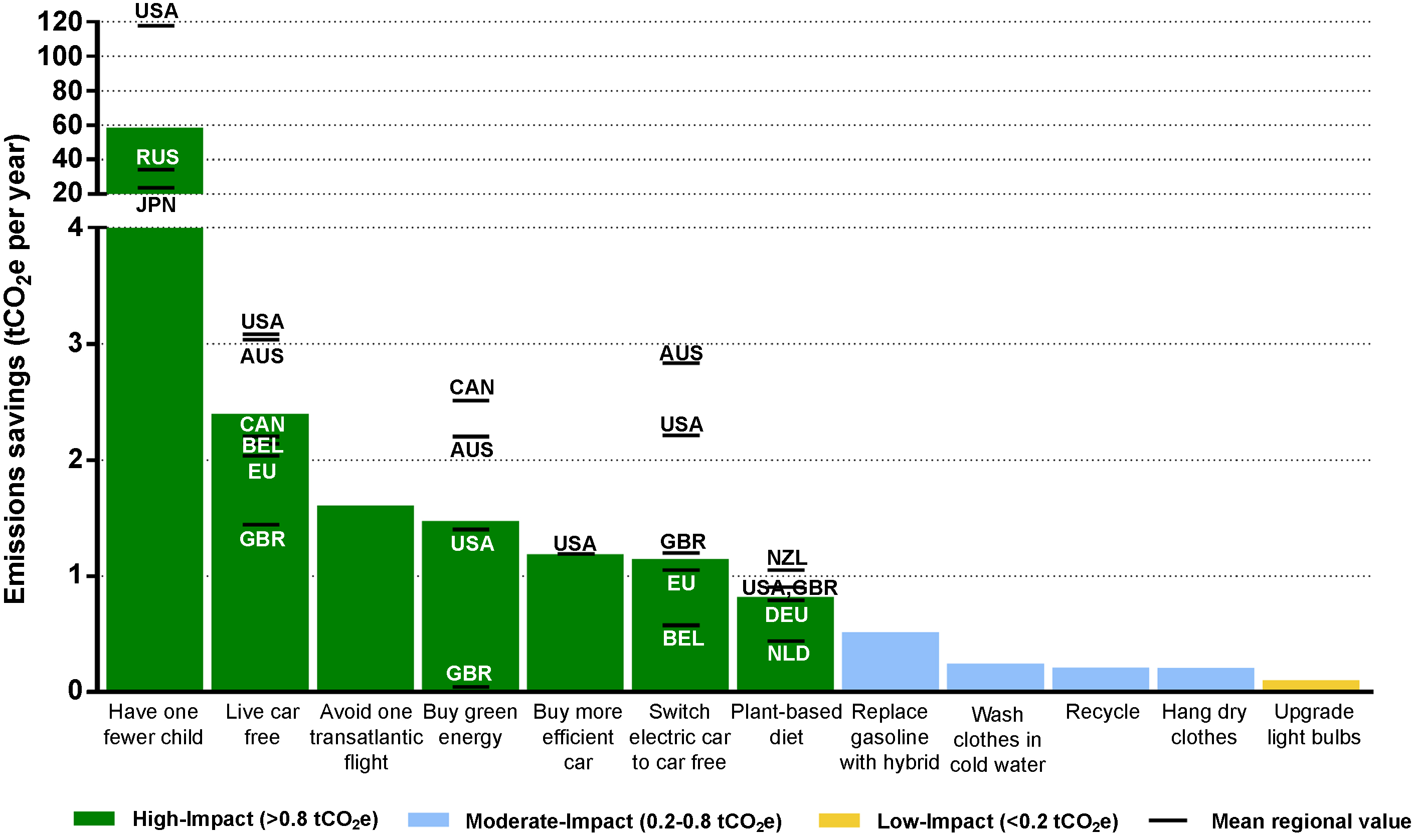
Fourteen years ago, Dave Gardner released the marvelous feature-length film GrowthBusters: Hooked on Growth. Paul Ehrlich said of it, “This could be the most important film ever made. It tackles the three lethal taboos that threaten our civilization, those against discussing overpopulation, overconsumption, and the nonsensical idea that economic growth itself is a net benefit even in rich countries and can and must continue forever.”

Since then, Dave has continued to write, speak, vlog and otherwise advocate for a saner view of economic life and a more realistic view of prosperity. His website is a great resource for key articles on overpopulation, overconsumption, and alternatives to the endless growth economy. His Growthbusters’ podcast, co-hosted with daughter Stephanie, has interviewed many of the leading voices in the alternatives to growth movement. They manage to keep the tone fun and topical, while deeply probing key issues. We at TOP recommend it highly!

Published

27 responses to “Growth Addiction and Water in the American Southwest”

  1. Bob Avatar

    Poverty can be ended fairly swiftly. Men, stop producing babies you can’t or won’t support. Vasectomies are relatively painless and 100% effective.

    1. Kathleene Parker Avatar

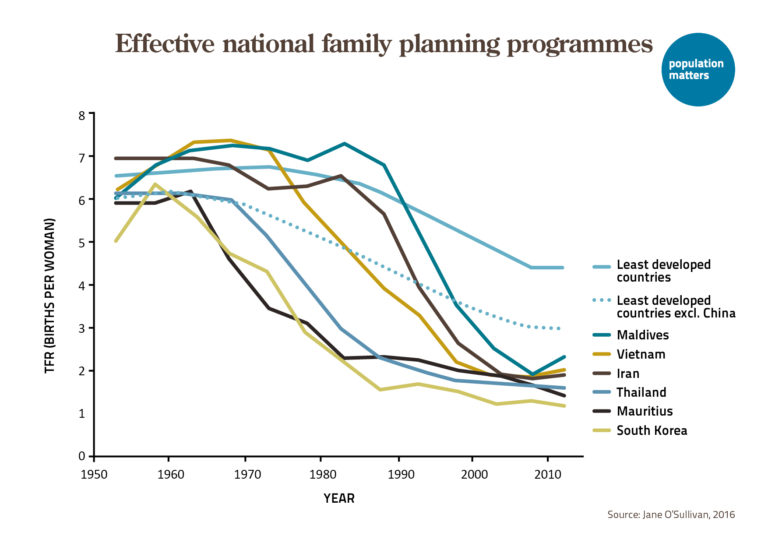
      It doesn’t take that. Birthrates are falling all over the world, though I remain one of those miffed at the lack of U.S. leadership on the ready availability of birth control for women in the Third World. (Sorry. I don’t use euphemisms like “developing” nations. Most of them aren’t developing–or even holding their own.)

      1. Dave Gardner Avatar

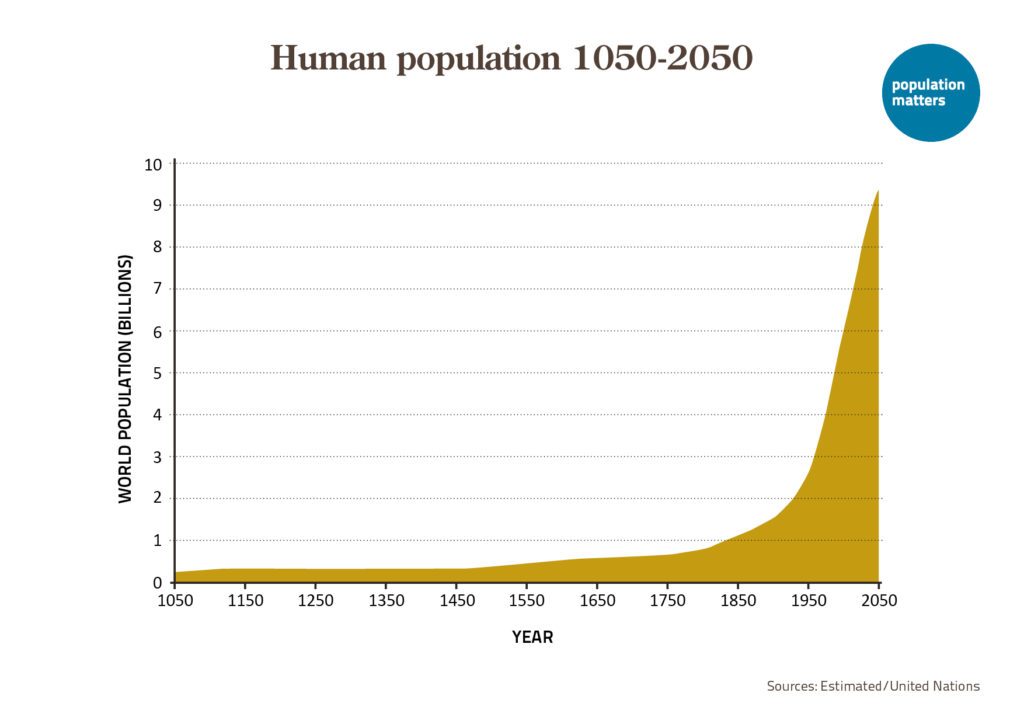
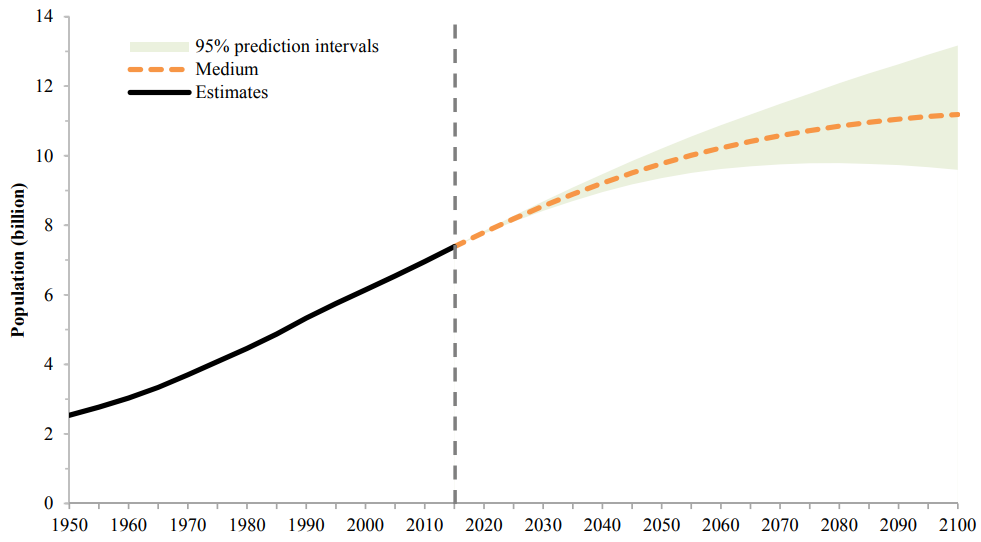
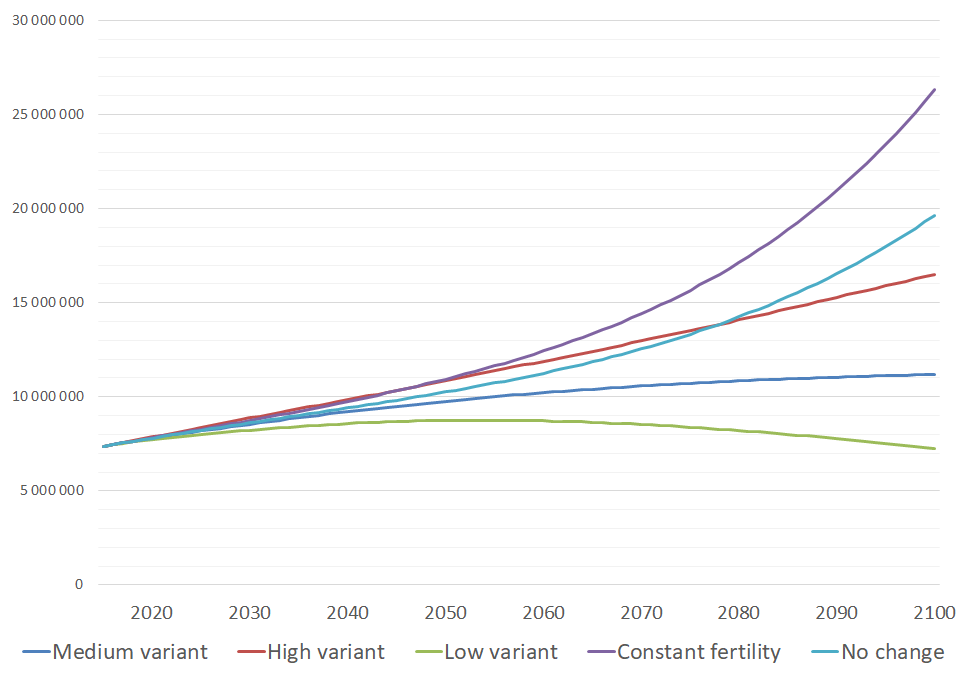
        Every day I run across an educated, privileged family in the U.S. with 4, 5, or even 6 children. I think this means too few here are aware that we are in ecological overshoot. Alerting, educating and inspiring overconsuming Americans to carefully consider their family-size decisions (along with their consumption choices) can make a big difference. Should the U.S. be providing more aid for education and reproductive health care in places that want and need it? Yes. But let’s not relax about birth rates in the rest of the world just yet. We really need world population to peak now, not in 20 or 30 years.

  2. Claire Cafaro Avatar

    That says it all, in a nutshell.

  3. gaiabaracetti Avatar

    Thanks for this, I love their work and this episode especially was enlightening and went in unexpected directions.
    On a related note, this is what happens when dams are taken down and rivers flow again: https://www.theguardian.com/environment/2025/jul/22/in-a-bombed-out-reservoir-ukraine-huge-forest-grown-a-return-to-life-or-toxic-timebomb
    It seems that the US is at the forefront of dam removals, thanks to the efforts of many and in particular Native Americans and environmentalists. Europe is supposed to be rewilding its rivers but I haven’t seen it yet. All I’m seeing is unfathomable quantities of water diverted from rivers and poured onto corn fields, it breaks my heart every time.

    1. Philip Cafaro Avatar

      From the article: “If left to regenerate, the site could become one of Europe’s largest contiguous freshwater ecosystems, rivalling even the Danube delta in ecological importance.”

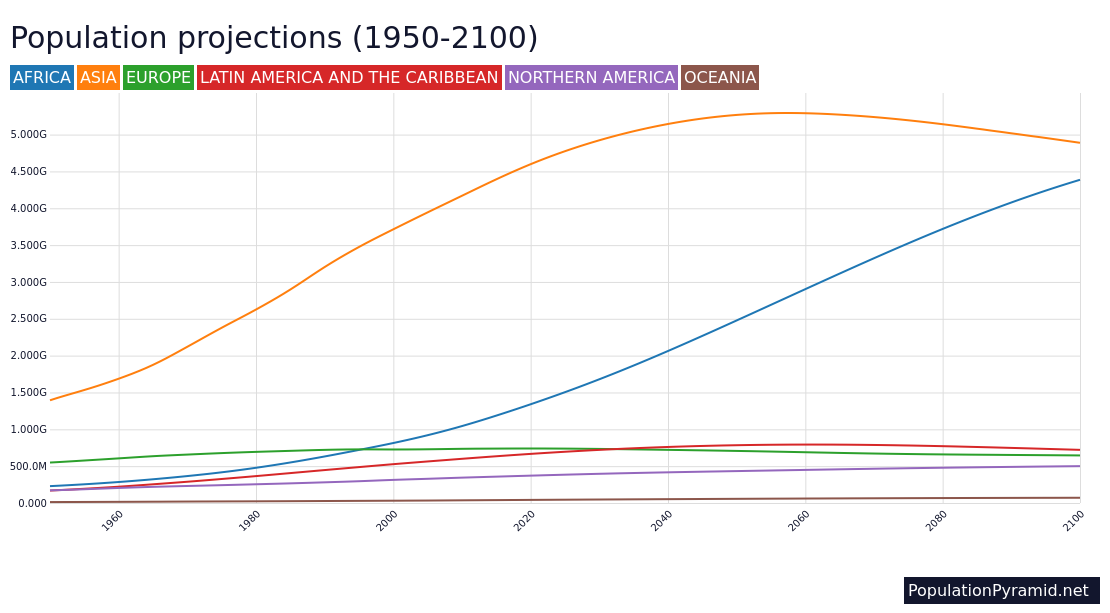
      Ukraine has one of the lowest fertility rates in the world and is on a long-term path of significant population decrease, jwith the US Census Bureau projecting a decrease from 37 million today to 19 million by 2100. This should open up space to use less electricity and water for human purposes and leave more rivers in a natural state.

      1. gaiabaracetti Avatar

        They will need to rebuild the country and pay back war debts, and they will need a lot of money for that. So, energy. I hope that they leave this place as it is now, but they will be weighing different priorities.
        As for the population decrease, well that’s because Russia is killing them. If there is any country that has the right to replenish its population, it’s one that has been decimated by war. I’m not advocating for above replacement fertility, but “long-term path of significant population decrease” sounds a little flippant given the reason for it.

      2. Philip Cafaro Avatar

        I support Ukraine in their justified war of survival against Russia. And it’s true that both deaths and emigration due to war have depressed the country’s population in the past few years. I do not mean to be flippant about any of that.

        My demographic comments are in regard to the long-term fertility and population trends in the country. If you go on the International data base of the US Census Bureau, you can see that Ukraine’s population peaked around 2000 and its TFR even before then and ever since has been A LOT below replacement rate. There was significant decrease even before the Russian war started. And at anything like current fertility rates, even with the hoped for end to war, Ukraine’s population will decline a lot over the rest of this century. Russia’s too.

      3. Kathleene Parker Avatar

        And that hinging on how many Ukrainians Putin can kill. That is one area where I think Ukraine could have done a better job–though this might, in fact, be our own lying U.S. media.

        We daily, from Hamas or whatever source, hear the rising NET total in Gaza–though the world seems not to care much as media refuse to use the word “genocide”–while the best we get from Ukraine is daily losses. I’ve read various numbers for the TOTAL killed, and Ukraine needs to be demanding that be a center of world focus.

        I care deeply about population, but have never believed in population reduction via warfare.

    2. Kathleene Parker Avatar

      This has ABSOLUTELY NOTHING TO DO WITH DAM REMOVALS! It has a great deal to do with the Southwest’s propensity toward a “mega drought” every few centuries, and lost on us all, is that 1950 to 1995, despite the “fifties drought” was the wettest period in the Southwest since the time of Christ! And, we grew the region as though that reality was the norm, when it wasn’t.
      Good grief! What would the return of old, environmentally harmful dams do, when there is sufficient water for EXISTING DAMS to have more than pathetic pools of water sitting at the base of huge “bathtub” rings? Are you unaware that studies are underway on how to repair drought-caused damaged to Glen Canyon Dam and one “alternative” being considered is that it might be more economical to REMOVE the dam that to attempt to repair a dam that, from an engineering standpoint, has FAILED as a dam during heavy runoff (It was almost taken out by flood in 1984!) and FAILED AGAIN in drought, because it was designed (apparently) with no concept that the Colorado River could be hit by drought!

      Let me also remind everyone, that the U.S. Bureau of Reclamation conceded that when it said that Lake Powell would “provide water to the Southwest for generations to come,” they had no concept, no clue, no inkling that population would be even a tiny percentage of what we actually experienced. (If requested, I can cite the precise document where I read this.)

      Perhaps the Southwest’s situation is linked to national policies?

      Such as, because Lyndon Baines Johnson (the same genius that helped bring us Vietnam) decided in 1967 to open the floodgates and invite in the world, I submit his contribution to economic forces oh-so-worried that American women weren’t punching out babies like we were “supposed” to.

      Gosh, do we really expect to increase this nation’s population in ranges of 30 MILLION PEOPLE A DECADE (200 million in about 1972, now approaching 350 million!) and not have a population explosion (88 percent to 93 percent immigration driven at its roots) in a sunny, prosperous place like the American Southwest–and all of that while today’s broken “snooze” media make darned sure we don’t understand water?!

      That includes that the Southwest’s leaders (as they help invite everyone here) have no understanding that while the Basin States may own water on paper that water (1.) has to exist in reservoirs, which in drought it isn’t and that (2.) under the terms by which Herbert Hoover forged the Colorado River Compact, if the water crisis on the Colorado continues or worsens (or collapses) what water might be in the Colorado WILL BELONG TO CALIFORNIA!!!!!!!!!!!!

      If other cities dry up, tough–that is, unless all the other Basin States want to go to war over water because, gosh, we’ve gotten ourselves way out on a limb of cities too large for the region WITHOUT DROUGHT and cities that, WITH DROUGHT, are of Alice-in-Wonderland looney oversized! Let me add, why is that when I was little, growing up in Durango, Colorado, every old, sunburned, poorly educated farmer or rancher understood that grim fact, but today the best educated people in the region seem clueless that, in drought, “California will take our water?!”

  4. David Polewka Avatar

    China blows up 300 dams, shuts hydropower stations to save Yangtze River habitat
    by Dannie Pengin, 11 Jul 2025, South China Morning Post
    China has demolished 300 dams and shut down most of the small hydropower stations on a major tributary of the upper Yangtze River to safeguard fish populations as part of an effort to restore the ecology of Asia’s longest waterway.

    According to a report by the state news agency Xinhua on Monday, 300 of the 357 dams on Chishui He – also known as the Red River – had been dismantled by the end of December 2024.
    In addition, 342 out of 373 small hydropower stations have been decommissioned, enabling many rare fish species to resume their natural reproductive cycles, the Xinhua report said.
    The Red River flows for over 400km (249 miles) through the southwestern provinces of Yunnan, Guizhou and Sichuan. It is regarded by ecologists as the last refuge for rare and endemic fish species in the Yangtze’s upper reaches.

    Over the decades, water flows have been increasingly blocked by the dense network of hydropower stations and dams, restricting water volumes downstream and occasionally even causing some sections to dry up entirely.

    This has drastically reduced the amount of suitable habitat and spawning grounds. The stations also blocked the routes of migratory fish species between breeding grounds and non-breeding areas.

    https://www.scmp.com/news/china/science/article/3317644/china-blows-300-dams-shuts-hydropower-stations-save-yangtze-river-habitat

    1. gaiabaracetti Avatar

      And they are building the world’s largest dam in Tibet. And on the Mekong. China is in that interesting phase in which they are trying to restore parts of their environment in China proper, while wrecking the environment of minority lands or especially of their neighbours.

      1. David Polewka Avatar

        China begins building world’s largest dam, fuelling fears in India
        by Tessa Wong, July 21, BBC News, Singapore
        Chinese authorities have begun constructing what will be the world’s largest hydropower dam in Tibetan territory, in a project that has sparked concerns from India and Bangladesh. The river flows through the Tibetan plateau. The project has attracted criticism for its potential impact on millions of Indians and Bangladeshis living downriver, as well as the surrounding environment and local Tibetans. Beijing says the scheme, costing an estimated 1.2tn yuan ($167bn; £125bn), will prioritise ecological protection and boost local prosperity. When completed, the project – also known as the Motuo Hydropower Station – will overtake the Three Gorges dam as the world’s largest, and could generate three times more energy. Experts and officials have flagged concerns that the new dam would empower China to control or divert the trans-border Yarlung Tsangpo, which flows south into India’s Arunachal Pradesh and Assam states as well as Bangladesh, where it feeds into the Siang, Brahmaputra and Jamuna rivers.

        A 2020 report published by the Lowy Institute, an Australian-based think tank, noted that “control over these rivers [in the Tibetan Plateau] effectively gives China a chokehold on India’s economy”. In an interview with news agency PTI earlier this month, Arunachal Pradesh chief minister Pema Khandu expressed concern that the Siang and Brahmaputra could “dry up considerably” once the dam was completed. He added that the dam was “going to cause an existential threat to our tribes and our livelihoods. It is quite serious because China could even use this as a sort of ‘water bomb’”.
        “Suppose the dam is built and they suddenly release water, our entire Siang belt would be destroyed,” he said. “In particular, the Adi tribe and similar groups… would see all their property, land, and especially human life, suffer devastating effects.”

        In January a spokesperson for India’s ministry of external affairs said they had expressed concerns to China about the impact of mega-dams and had urged Beijing to “ensure the interests of downstream states” were not harmed. They had also emphasized the “need for transparency and consultation with downstream countries”. India plans to build a hydropower dam on the Siang river, which would act as a buffer against sudden water releases from China’s dam and prevent flooding in their areas. China’s foreign ministry has previously responded to India, saying in 2020 that China has a “legitimate right” to dam the river and has considered downstream impacts. Bangladesh also expressed concerns to China about the project, with officials in February sending a letter to Beijing requesting more information on the dam.
        Chinese authorities have long eyed the hydropower potential of the dam’s location in the Tibet Autonomous Region.

        It’s in a massive canyon that is said to be the world’s deepest and longest on land, along a section where the Yarlung Tsangpo – Tibet’s longest river – makes a sharp U-turn around the Namcha Barwa mountain. In the process of making this turn – which has been termed “the Great Bend” – the river drops hundreds of metres in its elevation. Earlier reports indicated that authorities planned to drill multiple 20km-long tunnels through the Namcha Barwa mountain, via which they would divert part of the river. Over the weekend a Xinhua report on Li Qiang’s visit said that engineers would conduct “straightening” work and “divert water through tunnels” to build five cascading power stations. Xinhua also reported that the hydropower dam’s electricity would be mainly transmitted out of the region to be used elsewhere, while accommodating for Tibet’s needs. China has been eyeing the steep valleys and mighty rivers in the rural west – where Tibetan territories are located – to build mega-dams and hydropower stations that can sustain the country’s electricity-hungry eastern metropolises. The Chinese government and state media have presented these dams as a win-win solution that cuts pollution and generates clean energy while uplifting rural Tibetans. But activists say the dams are the latest example of Beijing’s exploitation of Tibetans and their land – and past protests have been crushed.

        Last year, the Chinese government rounded up hundreds of Tibetans who had been protesting against another hydropower dam. It ended in arrests and beatings, with some people seriously injured, the BBC learned through sources and verified footage. There are also environmental concerns over the flooding of Tibetan valleys renowned for their biodiversity, and the possible dangers of building dams in a region rife with earthquake fault lines.

        https://www.bbc.com/news/articles/c4gk1251w14o

      2. Kathleene Parker Avatar

        And yet, unlike us, China is experiencing (as is mostly happy about it) population loss, meaning the need for FEWER dams in the future, not more.

  5. Dave Gardner Avatar

    Thank you for sharing this episode, Phil. I count Gary Wockner – and YOU – among the well-informed, articulate, and bold environmentalist truth-tellers who are my heroes.

  6. Stable Genius Avatar

    A problem with US, also AU, water-planning is that instead of just doing their jobs, cautioning that there are limits, we might not have enough water security X for burgeoning population Y in drying climate Z, they become diversity and climate warriors just like everybody else, joining in the woke Western groupthink of “finding sectoral pathways to net zero”.

    Check out “Water’s Net Zero Plus” by US Climate Alliance, or Water Services Association AU, with their 2024 “Nature Positive Water” guff. Climate techno-optimists in appeasement mode.

    1. Philip Cafaro Avatar

      Took a quick look at “Water’s Net Zero Plus” plan by the US Climate Alliance. They promise more of everything good for everyone, along with zero carbon emissions, “healthy rivers” etc. etc. All good things. No mention of limits, to population or to human demands on natural systems. Just more catering to human demands with less environmental impacts. The usual happy horseshit.

      1. Kathleene Parker Avatar

        Or, as the late, great Al Bartlett put it, “believing in Disney’s First Law: Wishing will make it so!”

  7. gaiabaracetti Avatar

    Philip, Eastern Europe is a good argument for a global redistribution of wealth. Many people, young and old, migrate to Western Europe, which is very crowded; I noticed, anecdotally, that when they settle they often try to recreate the house-with-a-garden model that is common in their rural communities of origin. The thing is, Western Europe is already so crowded and green space is rare, whereas Central-Eastern Europe has so much land, both cultivated and wild, but people don’t make money and don’t want to stay there. It’s very hard to do something about it. If they had higher-paying jobs back home, they wouldn’t need to migrate. So either we become a lot poorer, or they become a lot richer, or both.

    1. gaiabaracetti Avatar

      P.S. Russia will probably end up ceding land to China, either de facto or formally.

    2. Kathleene Parker Avatar

      And yet, the outlook for “crowded” Western Europe is very promising because of their low and still-falling birth rate (As, fortunately, is ours!) and that voters are forcing a crackdown on immigration. (As are we.)

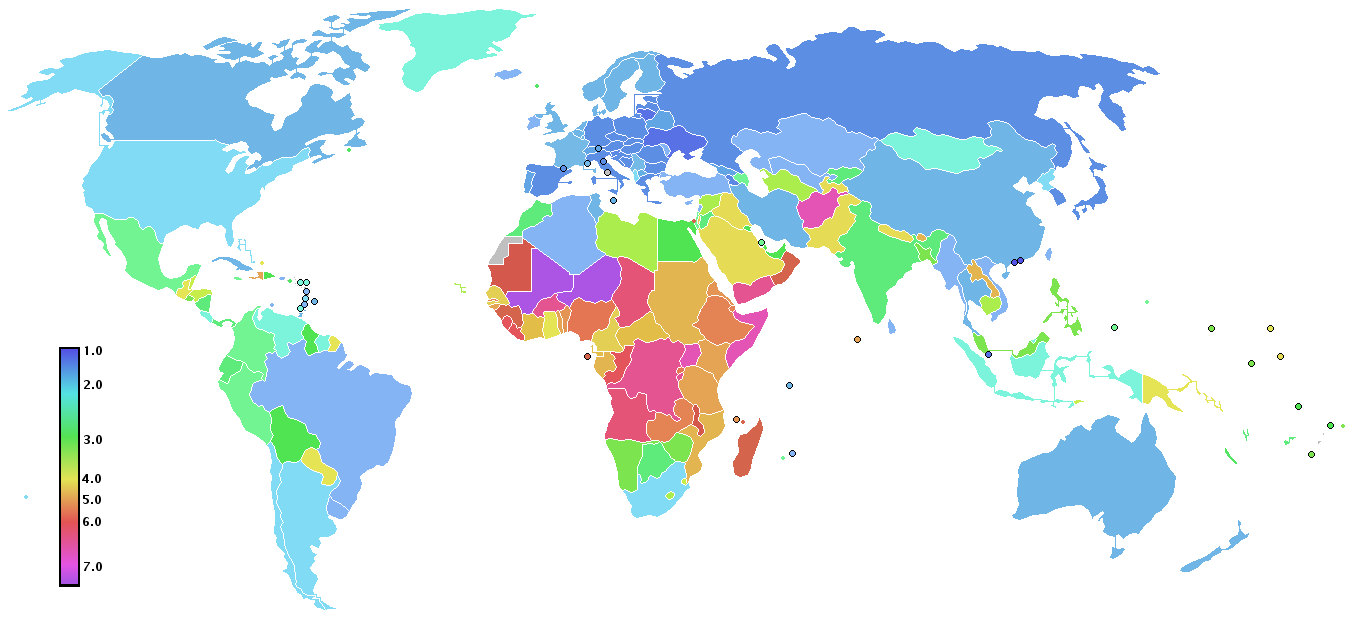
      In fact, this old, pessimistic population activist is, for the first time, now relatively optimistic that by a few more decades out–despite the misguided efforts of “leaders” like Putin and others who provide incentives or want to for couples to have more children (which they mostly don’t), the planet will begin losing population naturally–and not by a more draconian natural control like avian flu. (Putin’s huge incentives have produced absolutely no increase in Russia’s low birthrate.)

      1. gaiabaracetti Avatar

        There is no crackdown on immigration. There’s smoke and mirrors, horrendous treatment of the unfortunate migrants caught here and there, and in the meanwhile the rich are getting all the cheap labour they want, non stop.

  8. gaiabaracetti Avatar

    Kathleene, where did you read that China is happy about population loss? They are trying very hard to reverse it, like everybody else is.

  9. […] * Philip Cafaro, Growth Addiction and Water in the American Southwest […]

Leave a Reply

This site uses Akismet to reduce spam. Learn how your comment data is processed.

NOTE: Comments with more than one link will be held in wait and will only become visible on the site after an admin has approved it.

Explore the content and topics covered by TOP, search here

Blog categories
Gallery of infographics – Learn more about overpopulation and environment

Discover more from The Overpopulation Project

Subscribe now to keep reading and get access to the full archive.

Continue reading