The Overpopulation Project
TOP – Research and Outreach
Too many people consuming too much
Category: Environmental movement
-
Major UN report highlights overpopulation and overconsumption, need for profound transformation
A major new review of the state of the environment by the United Nations Environment Programme (UNEP) provides a comprehensive and refreshingly honest exploration of the root drivers of environmental degradation, and stresses the urgent need to overhaul how we live on this planet. by Olivia Nater, originally published by Population Connection The 7th edition
12 comments on Major UN report highlights overpopulation and overconsumption, need for profound transformation -
The argument from failure
After seven years of research and blogging here at TOP, it’s sometimes hard to think of new things to say about population matters. But recent events suggest a new argument for overpopulation that readers may not have considered. By Philip Cafaro The top global environmental stories of the past month have been the failure of
-
Farewell to Jane Goodall — Population Activist
Jane Goodall was a champion for chimpanzees, conservation, and population activism. The latter aspect of her work has been conspicuously neglected in recent tributes to this scientific giant. by Leon Kolankiewicz Pioneering English primatologist Dr. Jane Goodall (1934-2025) passed away last week at the age of 91. In the days since, numerous, well-deserved and glowing
-
The Planet Cannot Hold the Weight of 8.2 billion Narratives. Here’s Why…
As ecosystems deteriorate and wealth inequality deepens, the impact of overpopulation on the natural world is well-documented—but its effects on democracy, social cohesion, and psychological well-being remain largely unexplored. This essay examines how our bloated, hyper-complex societies have outgrown their ability to meet individual needs, leading to a breakdown in political and social structures. By
-
What’s up with America?
Some see a recent upsurge of fascism, or a unique malevolence in the current President. The reality is less dramatic: the continued erosion of American institutions, a long-term trend furthered by bankrupt ideologies. by Philip Cafaro A few months ago in this space, I wrote that Donald Trump’s obvious character flaws disqualified him as a
-
Overpopulation: A New Survey Confirms the Cause of the Planet’s Environmental Crises
Synthesizing findings from hundreds of recent peer-reviewed scientific studies, a comprehensive new article reviews the effects of expanding human populations on humanity’s most pressing environmental problems. by Alon Tal A vast amount of research and rhetoric is devoted to the world’s many sustainability challenges. Yet most advocates and scientists assiduously avoid acknowledging the predominant driver
-
A new definition of global overpopulation, explained and applied
Some environmentalists believe current environmental problems can be addressed successfully without reducing human numbers, while others disagree. Which side is right? Our new working paper tries to get to the bottom of the matter. by Philip Cafaro Recent years have brought a cascade of bad environmental news from around the world: melting glaciers and acidifying
-
To grow or not to grow
All around the world, politicians, business leaders, academics and many members of the general public worship at the shrine of ‘growth’. They are profoundly and dangerously wrong. by Sandy Irvine, eco-activist from England To grow or not to grow is the really big issue of our times. Most problems boil down to excess growth –
-
The Need For More Wilderness Preservation
In a picture essay with stunning photos from all around the United States, ecologist and author George Wuerthner highlights how valuable wilderness preservation is for both wildlife and human societies. by George Wuerthner Big W, or designated wilderness as prescribed under the 1964 Wilderness Act, is one of the most biocentric pieces of legislation ever
-
A genuine humanity
Do modern societies have a realistic path toward living in harmony with nature? How can population activists combine compassion and effective advocacy? We invite your answers to these difficult yet necessary questions. by Gaia Baracetti Sebastião Salgado is a Brazilian photographer. His striking black-and-white photographs, taken during his long, immersive travels to forgotten or war-ravaged
-
Court ruling could lead to an environmental impact statement on US immigration policy
United States law requires that important federal policies and projects undergo environmental impact statements. While immigration policy has never been subjected to such an analysis, that might be about to change, thanks to a recent court ruling. by Philip Cafaro The U.S. National Environmental Protection Act (NEPA) of 1969 mandates that any federal policy or
-
A primer on economic growth and biodiversity for COP16
Many readers will be familiar with the good work of CASSE: the Center for the Advancement of the Steady State Economy. Here its executive director reminds us of the need to end growth if we hope to preserve biodiversity, a recurring theme at TOP (see here, here and here). by Brian Czech With the core
-
Offsetting CO2 emissions from flights: a connection to population
Carbon offsets are always a compromise, not a substitute for avoiding emissions. However, if you have to fly, there are better options than the airlines’ voluntary offset programs. by Stephen Warren, Emeritus Professor of Atmospheric Sciences, University of Washington, Seattle, USA Airplanes are responsible for less than three percent of global CO2 emissions1, but aviation
-
Why Modern Monetary Theory is good news for population policy
Why do governments pursue pronatalist policies and mass immigration in the face of majority voter opposition and the environmental crisis? The answer lies in blinkered, growthist economic ideologies linked to mainstream macroeconomics that predominantly benefit the rich and powerful. by Stephen Williams A relatively new macroeconomics – modern monetary theory (MMT) – has strong evidentiary
-
Can we engineer our way out of the climate crisis?
Many scientists excited to develop new geoengineering technologies say yes, as do capitalists who stand to profit by continuing with business as usual. But most of the commoners who will have to live with the messes left behind when technocrats fail say a resounding no. by Philip Cafaro Sunday’s New York Times included a lengthy
-
Slow Down: The Degrowth Manifesto
Socialism or barbarism or … social democracy with a mature acceptance of limits to growth? That’s the question posed by Kohei Saito’s provocative new best-seller. by Philip Cafaro Let me admit right up front that I’m a little jealous. As a philosophy professor who’s written a few books but no best sellers (yet!), I can’t
-
A new sustainability initiative of the Swiss People’s Party
While population growth lies at the root of many environmental problems, concerned citizens often feel disempowered from addressing it. A popular initiative in Switzerland may provide a blueprint for activists in other developed countries. by Roland Schmutz After Swiss voters narrowly rejected joining the European Economic Area in 1992, the European Union and Switzerland began
-
Demography and reproductive rights are environmental issues: Insights from sub-Saharan Africa
Rapid population growth impacts many social, economic, and environmental issues, and sub-Saharan Africa is the fastest growing region in the world. Céline Delacroix and Nkechi S. Owoo asked stakeholders in the region how important they think population growth is as a factor in meeting the region’s challenges. By Céline Delacroix Sub-Saharan Africa’s population is growing
-
Biodiversity and the roles of human population and consumption: a debate
It is the rich minority’s consumption that mainly affects the status of the Earth’s life support system, according to a response in Svenska Dagbladet by David Collste at Stockholm Resilience Center and Jennifer Hinton at the University of Lund to an Op-ed by Malte Andersson and Frank Götmark. But will the poor majority consent to
-
Earth’s nature is being ravaged by population growth
Humanity’s rapid expansion leads to environmental destruction, starvation and ravaged biodiversity. Population growth needs to be ended as soon as possible for sustainability. By Malte Andersson and Frank Götmark Published 2024-01-02 in Svenska Dagbladet, morning newspaper in Sweden (translated by TOP) In 1800, the world’s population was 1 billion, but in 2022 we exceeded 8
-
The United Nations Population Fund Promotes Population Denial
Humanity heading for 9 billion and the UN’s chief population organization says forget about numbers. What’s going on? by Madeline Weld November 15, 2022. That’s the day the world population reached 8 billion, according to the UNFPA, the United Nations organization whose original raison d’être was to help end population growth. The UNFPA (reflecting its
-
How to Fix the Planet, the Easy Way
To avoid disastrous deterioration of Earth’s climate and biosphere, humanity has to reduce its demands on nature. Fewer births and a falling population is no quick fix, but compared with voluntary austerity, it has many more up-sides than down-sides. by Jon Austen Scientists are reporting that there is an existential threat to life on Earth.
-
How environmental professionals acknowledge overpopulation – and then ignore it
We can have an environmentalism that ignores the fundamental causes of environmental problems, including lucrative careers treating overshoot’s many symptoms. Just not a successful environmentalism. by Leon Kolankiewicz Veteran population campaigners like me have long lamented the fact that at both the national and international scales, the environmental establishment (Big Green) and climate activists alike
-
Strange bedfellows of sustainability: How identity politics obstructs the future of wilderness
Preserving wild places is key to protecting Earth’s biodiversity. In the United States and elsewhere, identity politics undermines the commitment to do so. by Karen Shragg Preserving wilderness is in the best interests of all of us, especially the four-legged and two-legged creatures with whom we share our countries. When people give other species room,
-
Delusional population projections lead us sleepwalking into catastrophe
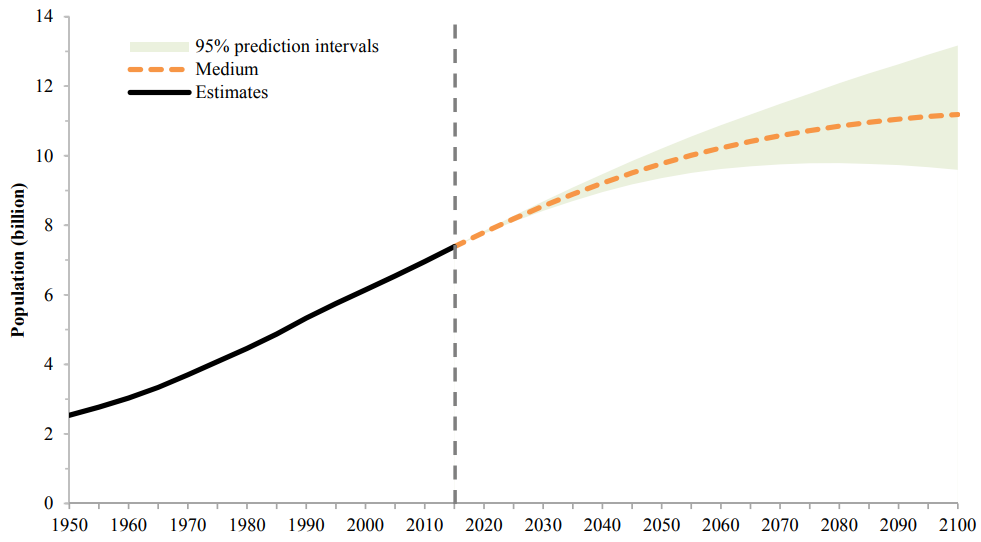
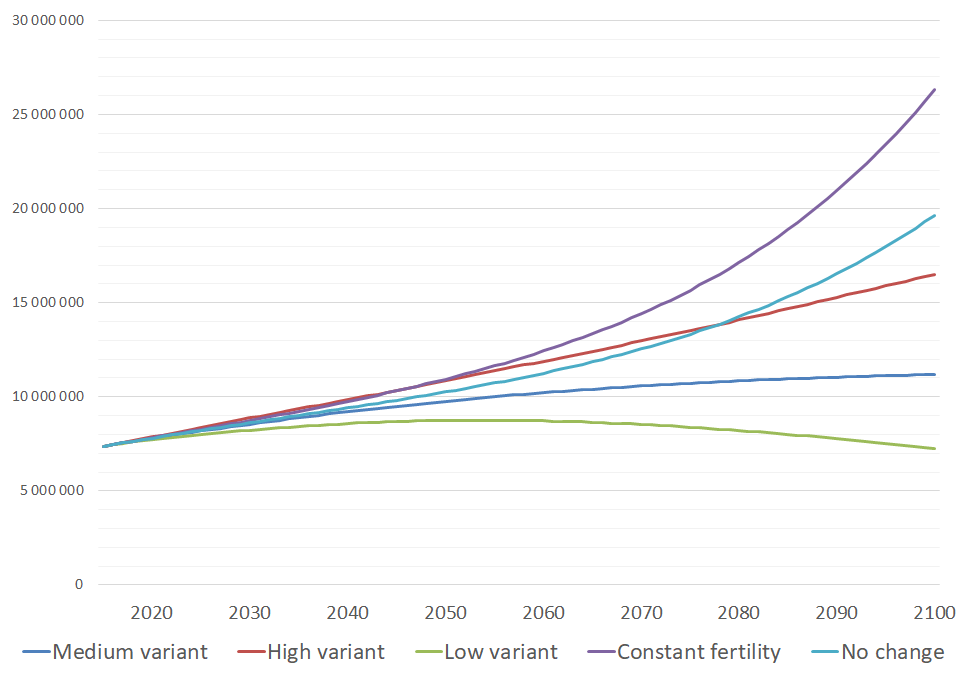
Recent United Nations population projections paint a comforting picture of immanent population stabilization. But what if they are wrong? Global population growth does not appear to be slowing as quickly as UN demographers have predicted, making widespread famines and run-away climate change more likely in the coming decades. By Jane O’Sullivan The Elon Musks of
-
Procreation and Consumption in the Real World
The cause of global environmental decline is clear: an immense and rapidly growing human economy. In response, environmentalists should advocate policies leading to fewer people and lower per capita consumption, not one instead of the other. Addressing both provides our best hope of creating sustainable societies and preserving Earth’s remaining biodiversity. by Philip Cafaro There
-
Human population reduction is not a quick fix for environmental problems
Then again, neither is anything else. The long lag time between fertility reduction and population stabilization is a key reason we need to address excessive human numbers sooner rather than later. by Phil Cafaro There’s an argument one often hears that goes like this: “sure, population is important. But we need to reduce our environmental
-
Walk the talk: the world needs more Gretas and fewer Leonardos
People in rich countries must rein in their consumption, but the hypocrisy of high-profile environment advocates makes them poor role models, argues Gaia Baracetti. By Gaia Baracetti This is an overpopulation blog, but its authors have made it clear that overconsumption is a problem too, and that the two are, as it is often said,
-
Population’s effects on biodiversity: evidence from recent scientific literature
A lot of great scientific work has been done lately on population and biodiversity, spanning all areas of the globe. A new study from TOP describes this work and summarizes its main lessons. by The Overpopulation Project Earlier this year, Phil, Pernilla and Frank released A Bibliography of Recent Scientific Work on Population and Biodiversity
-
Why Overpopulation Should Be a Women’s Issue
The costs of overpopulation and lack of family planning access fall disproportionately on women. Securing women’s rights and ecological sustainability depend on a clear-eyed understanding of this. This raises the question of why there are not more women who are actively involved in the issue of human overpopulation. By Karen Shragg and Madeline Weld An observation
-
The Population Factor back by popular demand
In 2020 and 2021, I recorded two seasons of the TV show The Population Factor. Each episode features in-depth conversations focused on a particular aspect of the population/environment connection. Check out seasons one (hour-long episodes) and two (half-hour episodes), all available for free streaming at the links below. by Phil Cafaro Season 1 Episode 1.
-
To Advance Humanity and Save Nature We Need a Common Agenda
Problems caused by rapid population growth, environmental degradation and climate disruption are harming human welfare and the natural world. These problems are largely addressed separately, with little common understanding or integration of efforts. Our recent paper, Advancing the Welfare of People and the Planet with a Common Agenda for Reproductive Justice, Population, and the Environment,
-
Adversity for Biodiversity: A Reflection on My Experience at COP15
The Kunming-Montreal Global Biodiversity Framework1 adopted in December 2022 by representatives of most of the world’s national governments is inadequate to halt and reverse the disturbing loss of biodiversity globally. Concerted efforts to increase the new Framework’s ambition were dismissed and ultimately ignored. Human overshoot – the collective impacts of more than eight billion people
-
A British perspective on population and biodiversity
A distinguished scientist’s new book makes the case that more people means less wildlife, in the United Kingdom and globally. This excellent offering is a must-read for anyone interested in the connection between human numbers and biodiversity protection. by Phil Cafaro For Trevor Beebe, the issue of people crowding out other species surfaced early in
-
Cultured meat and the lifeless world
By attempting to avoid animal suffering, are we depriving them of life? Is lab-cultured ‘meat’ enlightened environmentalism, or just another attempt to cheat limits to growth, divorcing us further from the natural world? Gaia Baracetti reflects on her sheep, her fields, food culture and the moral pitfalls of seductive new technologies. by Gaia Baracetti Many
-
Smaller human populations are neither a necessary nor sufficient condition for biodiversity conservation
That’s the title of a paper just published in Biological Conservation in response to TOP’s recent paper on population and biodiversity loss in that journal. Are its authors right? by The Overpopulation Project In one sense, Alice Hughes and company clearly are correct. Efforts to protect wild nature are ongoing throughout the world, and for
-
Boiling Frogs
Human population growth has exploded during the last century, decimating wildlife and devastating ecosystems. Without honest conversations about overpopulation, continued growth will likely condemn most wild animals to extinction and leave us with a much poorer planet By Brad Meiklejohn “Fewer people, more wild animals. Right now that feels like coming back from a time
-
Linking population growth and biodiversity loss: a new bibliography
Excessive and growing human numbers are a leading cause of decreasing biodiversity in many parts of the world. In researching a paper on this topic last year, we became aware of the large amount of good scientific work recently published on it. In an effort to spur more such work, we are publishing an annotated
-
The moral imperative of depopulation
Anthropocentrism is preventing humanity from dealing with the world’s cascading environmental crises. Stephen Williams reviews the work of Catholic historian Paul Collins who argues depopulation is an urgent moral imperative. By Stephen Williams A new discussion paper on population ethics written by Catholic historian Paul Collins is as radical as it is worthy. The paper
Explore the content and topics covered by TOP, search here
Recent blog posts
Blog categories
What we are reading, listening to and watching
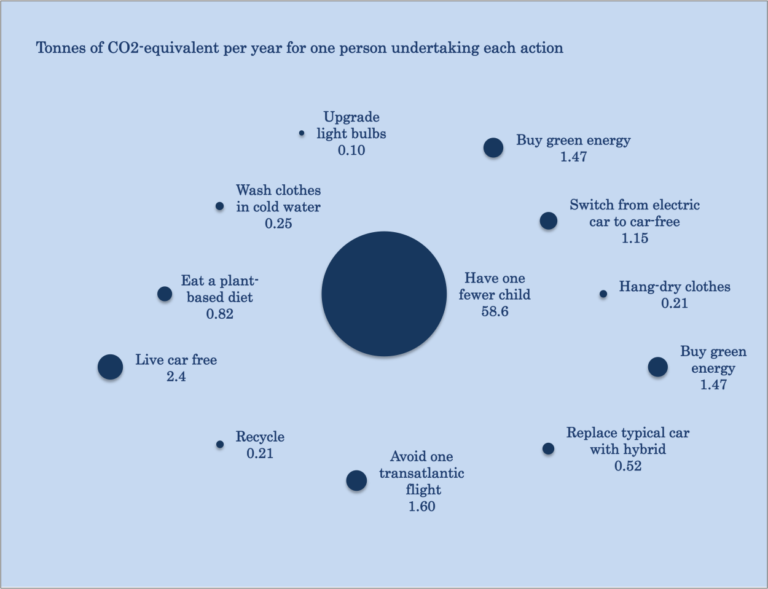
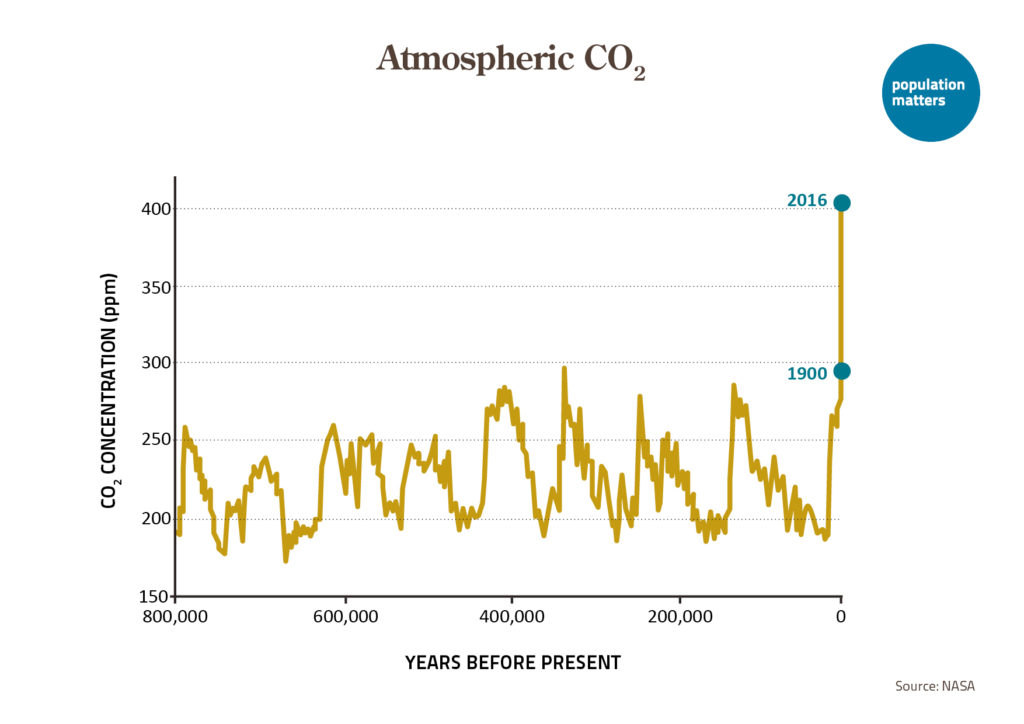
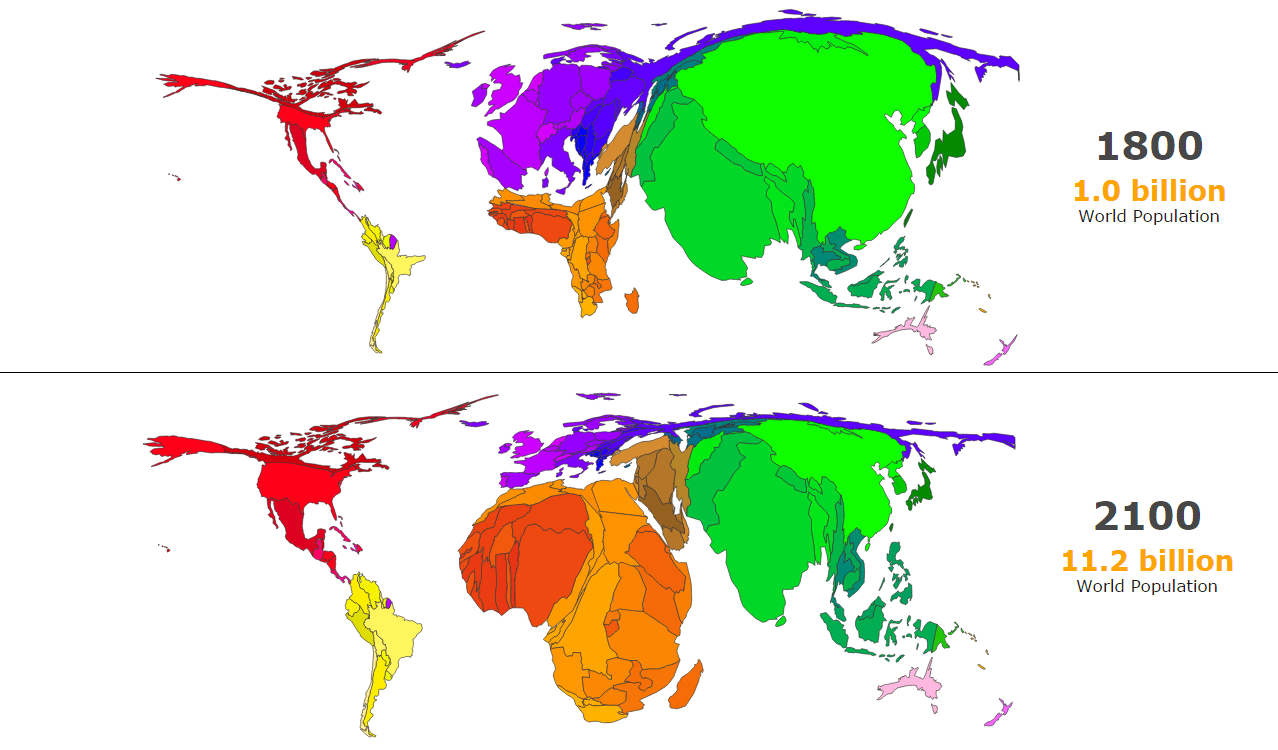
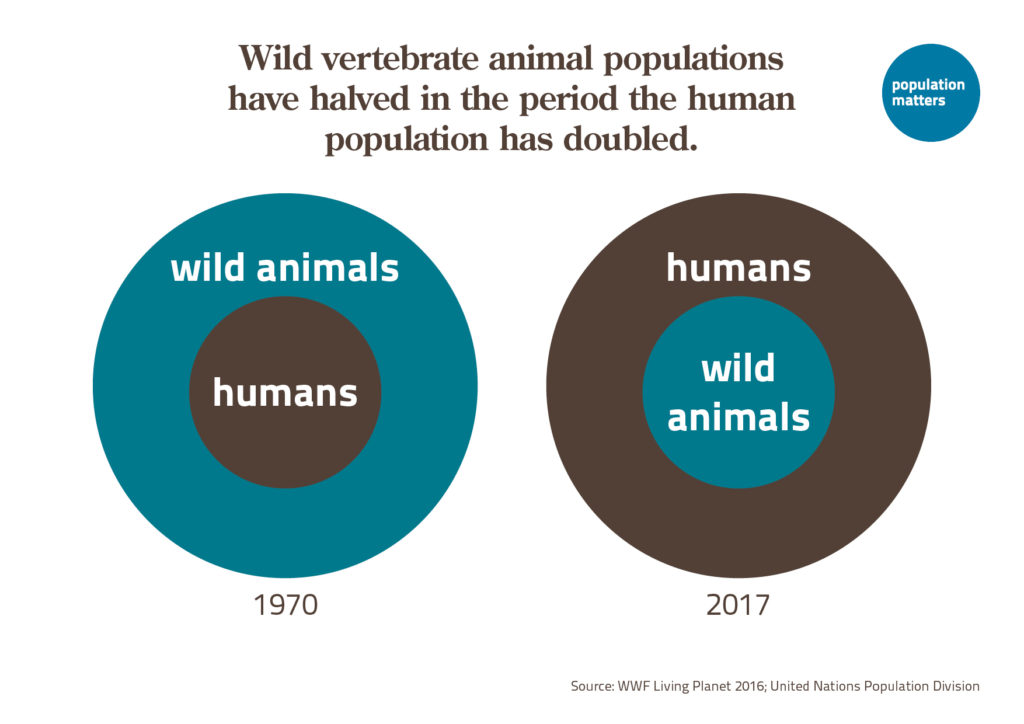
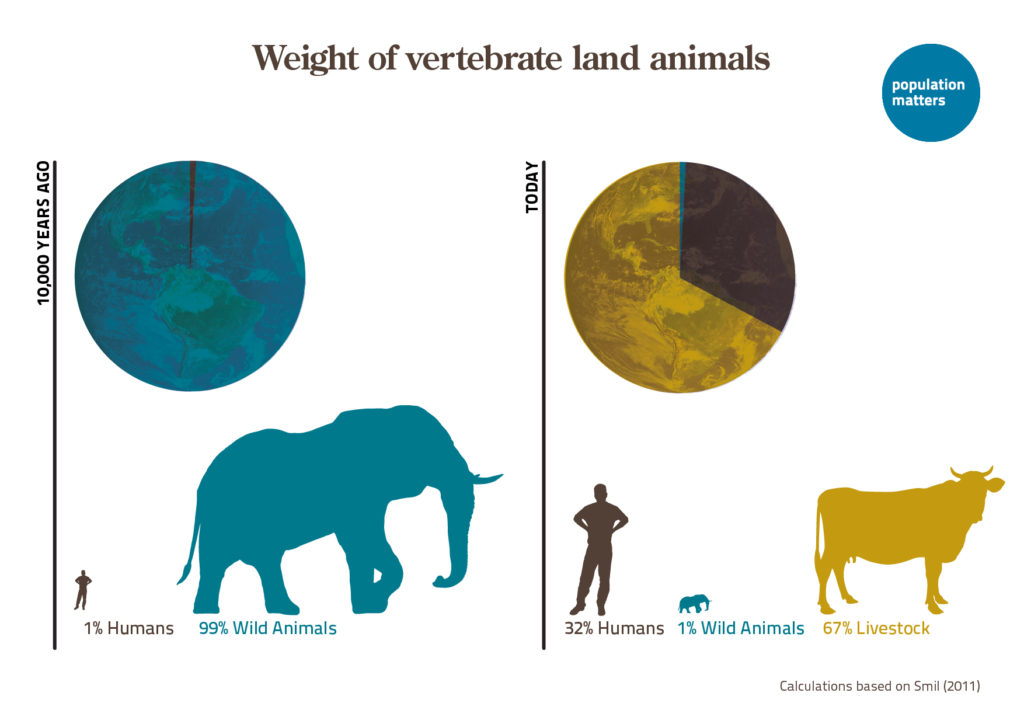
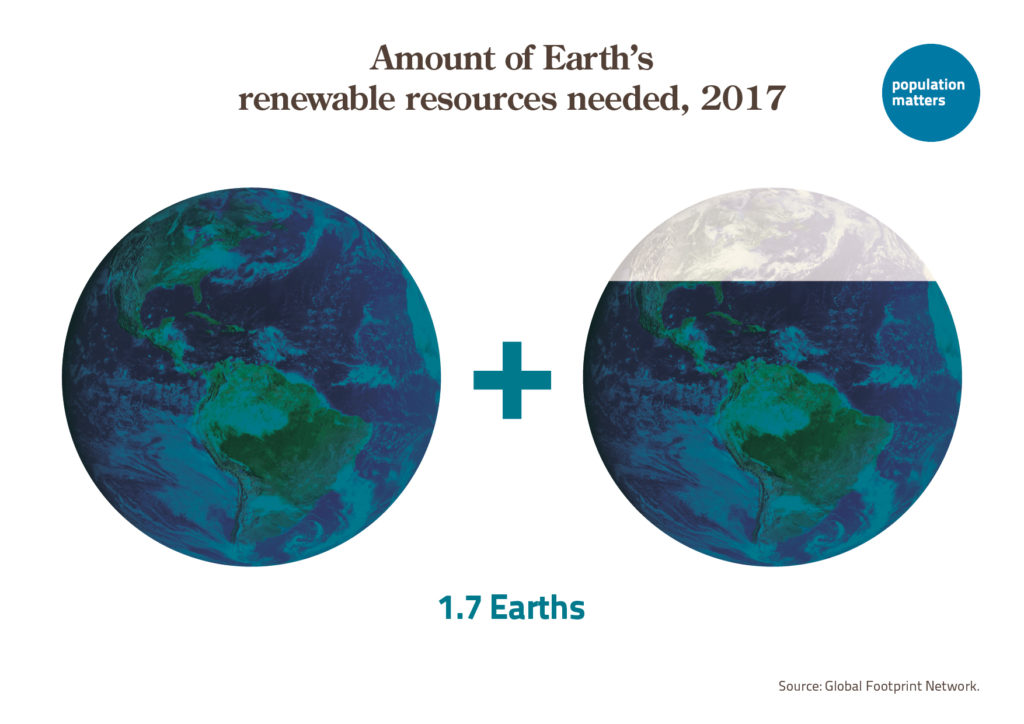
Gallery of infographics – Learn more about overpopulation and environment
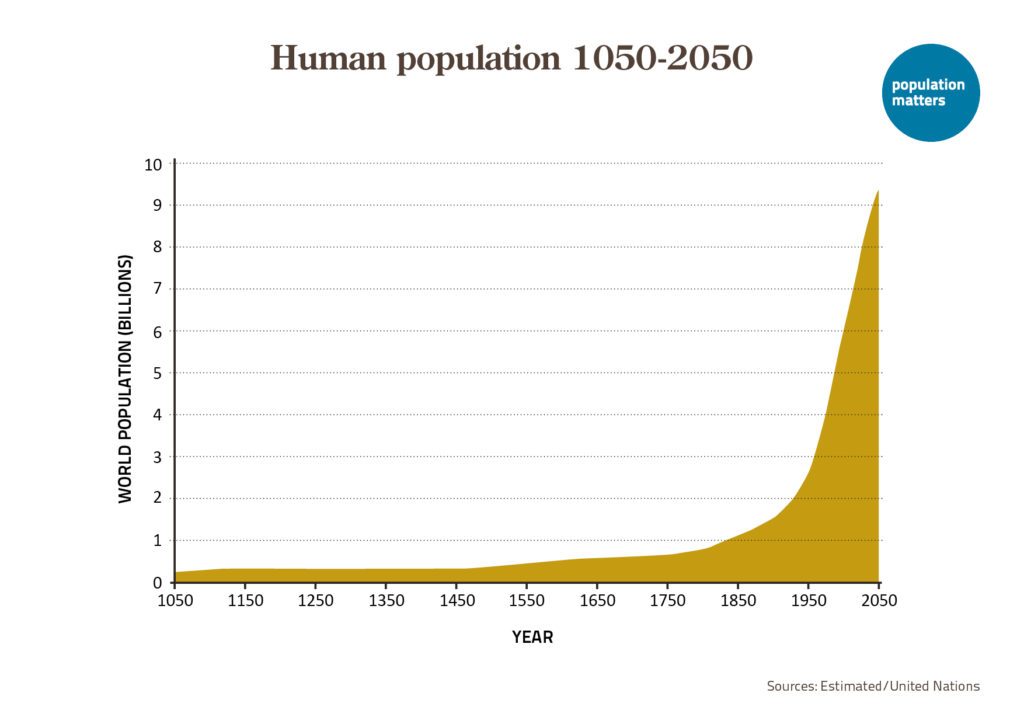


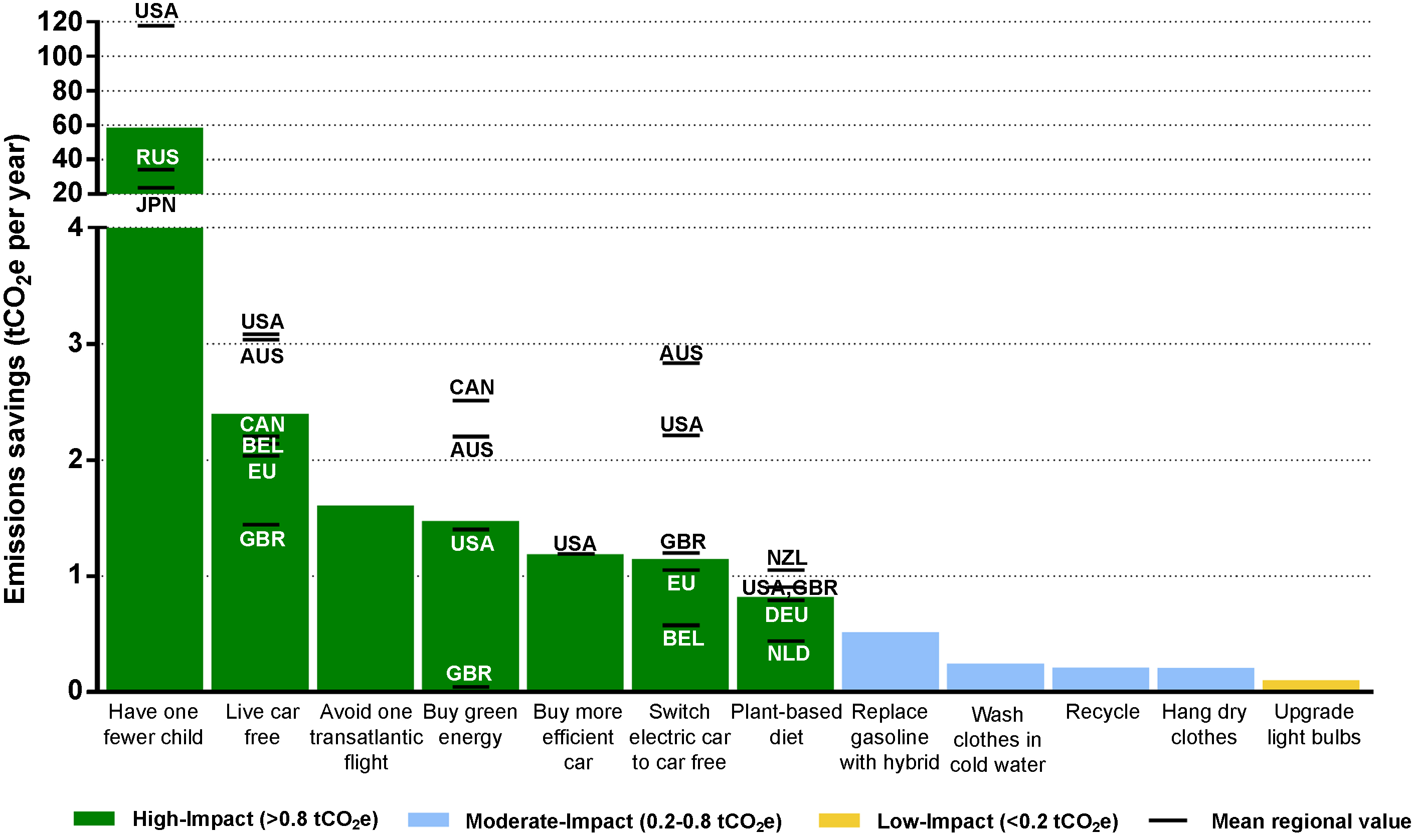


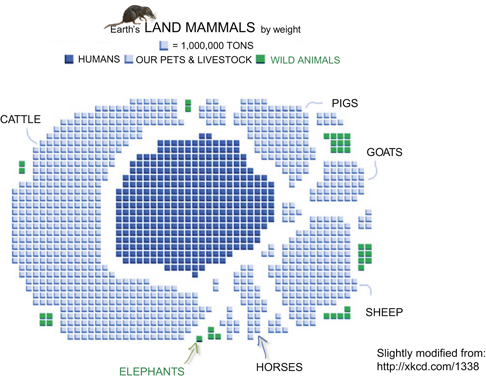

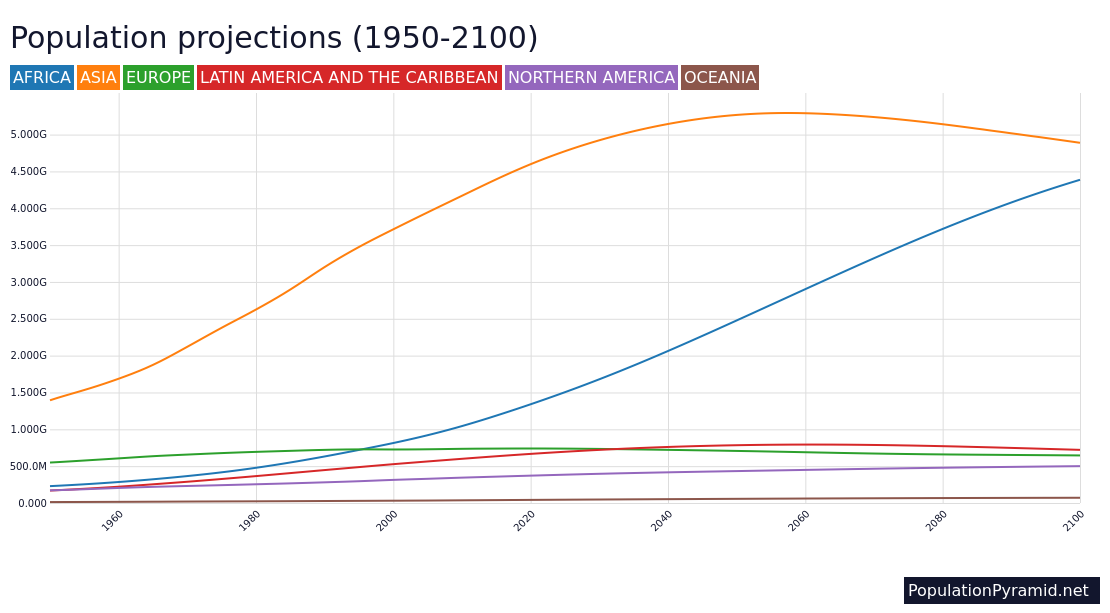
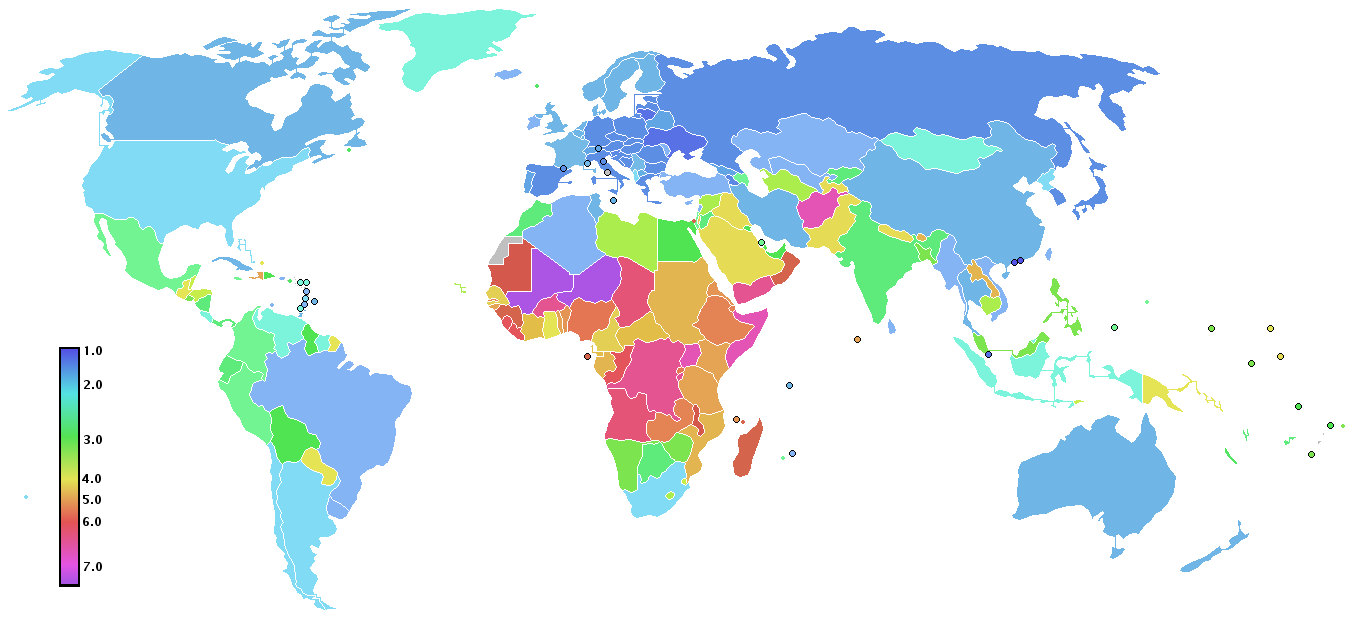


Source: Barro-Lee Educational Attainment Dataset (2015): PRB Data Sheet 2015