
Why do governments pursue pronatalist policies and mass immigration in the face of majority voter opposition and the environmental crisis? The answer lies in blinkered, growthist economic ideologies linked to mainstream macroeconomics that predominantly benefit the rich and powerful.
by Stephen Williams

A relatively new macroeconomics – modern monetary theory (MMT) – has strong evidentiary support and is good news for population activists.
To keep this article to a manageable size, the following relates to OECD economies in nations that issue their own currency: monetary sovereign nations such as Australia, the US, UK, Canada, Japan, New Zealand, etc. (MMT still applies to the Eurozone and less-affluent nations, but with additional considerations.)
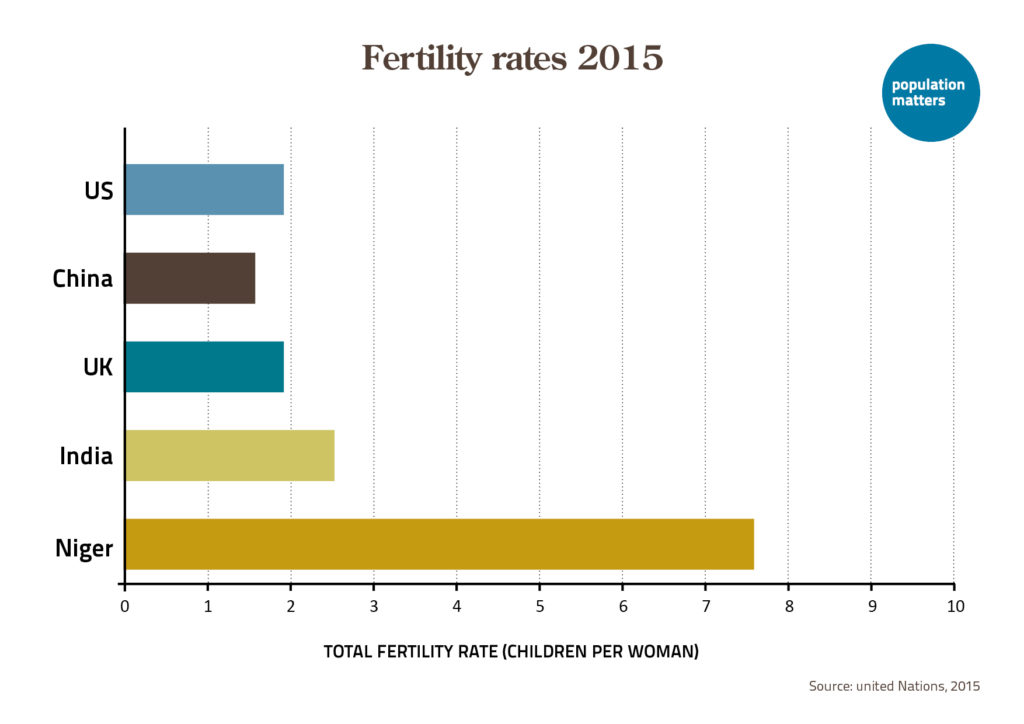
The above nations usually have below-replacement fertility rates and many use positive net migration to achieve a desired, if ill-conceived, population increase. Nations like Japan and South Korea now have decreasing populations thanks to their low net migration – and there is often unnecessary wringing of hands in those countries due to a growthist bias and mainstream economic assumptions.
Besides permanent immigration, nations like Australia also use temporary immigration to increase economic activity: importing workers, tourists and tertiary students. Many temporary visa holders have a view to permanent residency.
Positive net migration, regardless of visa status, increases a population and will mean more economic activity (GDP) than otherwise. In summary, these governments want: (i) exponential increases in GDP (say 2-3% a year above inflation) which they believe is national income; (ii) a stable or shrinking public debt-to-GDP ratio thanks to the former; (iii) budget surpluses or smaller deficits; (iv) some unemployment supposedly consistent with stable inflation (the NAIRU, the “Non-Accelerating Inflation Rate of Unemployment”, i.e. enough to suppress the bargaining power of workers) but not mass unemployment; (v) approval from the IMF and credit-ratings agencies; (vi) a stable exchange rate; (vii) real estate values that don’t decrease (no matter the social strain caused by housing unaffordability); (viii) non-rising bankruptcies and mortgage defaults; and (ix) probably a trade surplus. Not among their priorities is limiting inequality of income or wealth.
Modern Monetary Theory: A Different Approach to Economics
MMT arose about 30 years ago due to scepticism of mainstream (neoclassical) macroeconomics. It focused on the history of money (and therefore taxation) and past and present monetary operations to arrive at a starkly different macroeconomics, now with its own textbook.

In general terms it shows governments have more power and control over financial markets than neoclassical economics admits, with less need for private financial capital; and it shows that a nation’s wealth is associated more with real resources and other non-financial capital rather than money.
In particular terms it explains money creation, taxation, prudent government spending, and other monetary operations. It demonstrates the weakness of monetary policy compared with fiscal policy.
MMT, properly understood, shows that many assumptions underpinning positive net migration are erroneous. Admittedly, a few economists working in the mainstream tradition highlight the more obvious negatives of high net migration. Also, ecological economists have advocated for stable populations for decades. However, MMT further buttresses arguments against pronatalism and migration-led population growth.
MMT’s core findings include:
- The state invented money, and therefore markets, to provision itself (there was no widespread barter economy from which money sprang).
- Monetary sovereign governments can never run out of their own currency since it is not pegged to any scarce commodity: they create new money through the very act of spending.
- Their spending comes first and they tax second, so tax receipts do not fund the government (tax receipts are destroyed).
- Similarly, government bond/security sales do not fund the government and are unnecessary.
- MMT derives its conclusions by realising that an economy is a series of interlocking balance sheets between the public and private sectors.
After 30 years, mainstream economists have gone from ignoring MMT, to laughing at it, to getting angry with it, then to saying it is mostly nothing new and ‘we knew it all along’. But then they return to business as usual, pushing policies that reveal themselves as the obedient servants of capital. (Some replies to MMT critiques are here.)
People focused on sustainability, including most ecological economists, have so far been reluctant to embrace MMT. That is slowly changing thanks to a new generation of economic thinkers, including Philip Lawn, Jason Hickel, Steven Hail, Colleen Schneider and Joshua Farley.
Ecological Overshoot: Our Central Problem
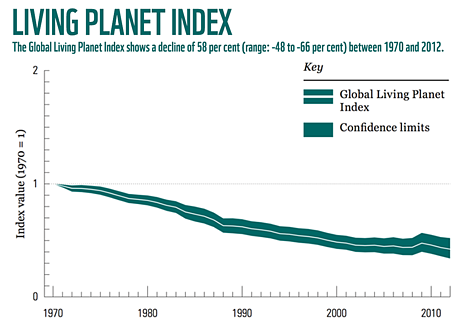
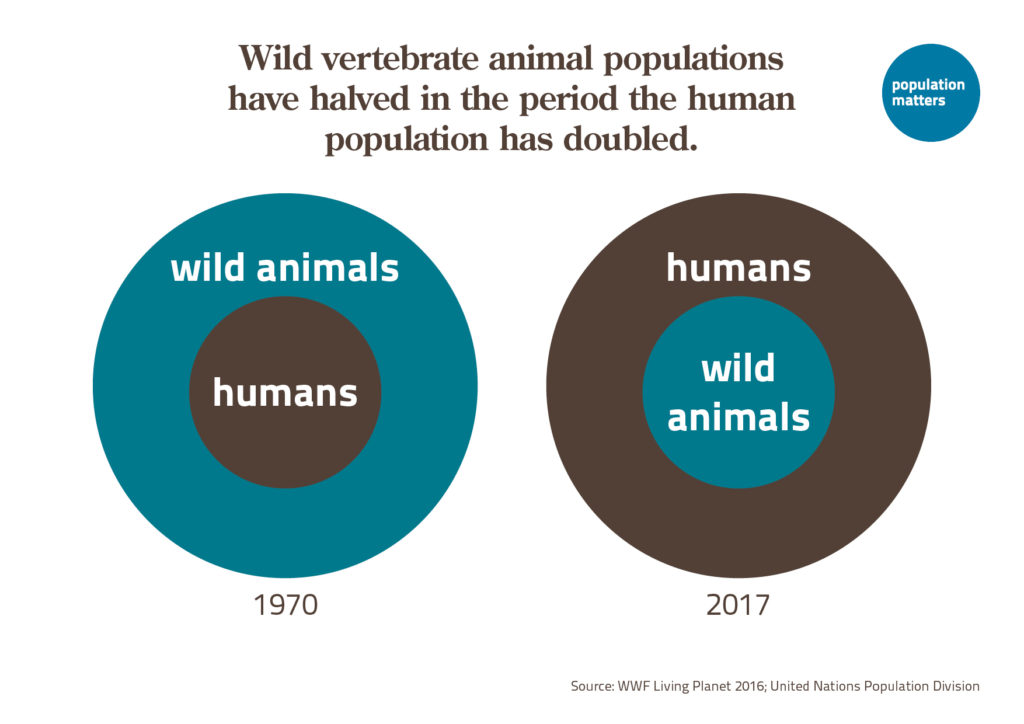
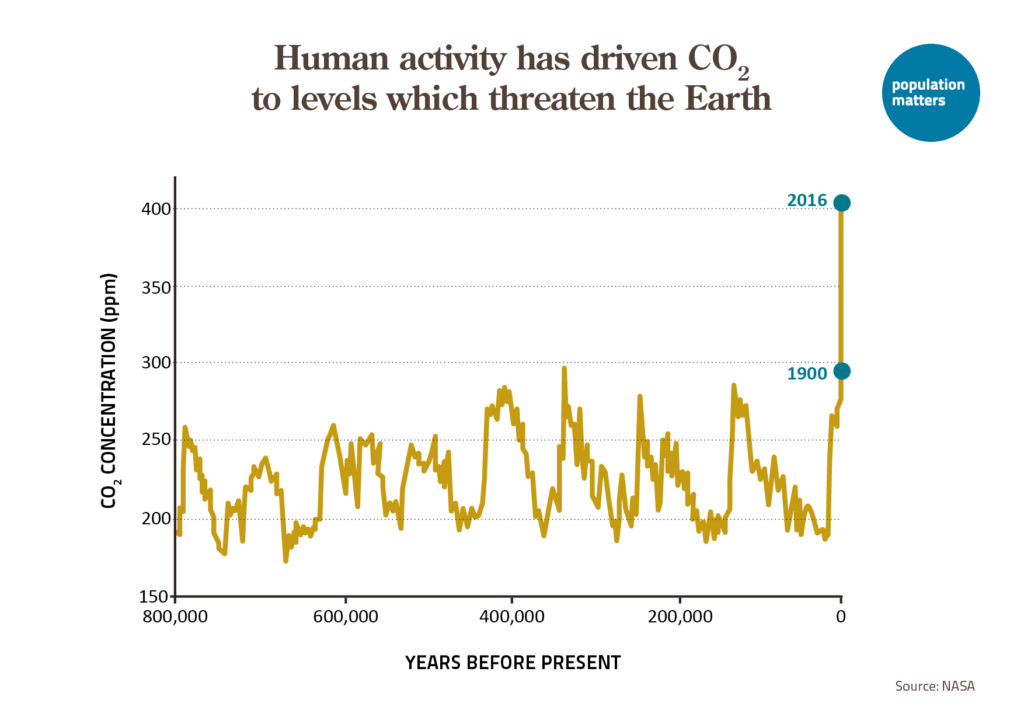
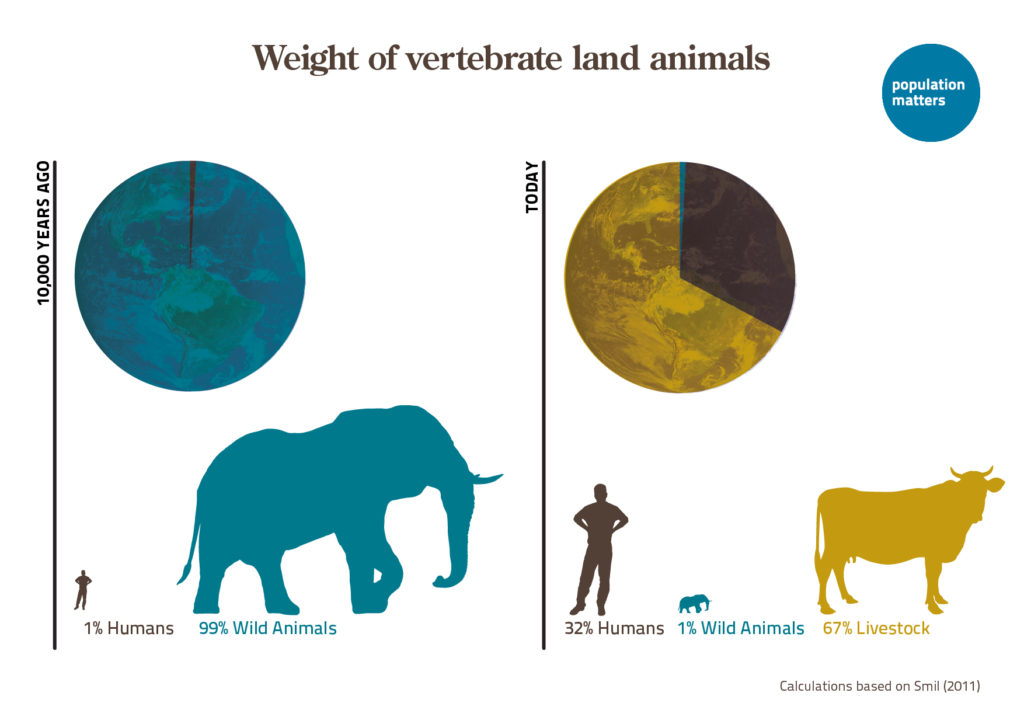
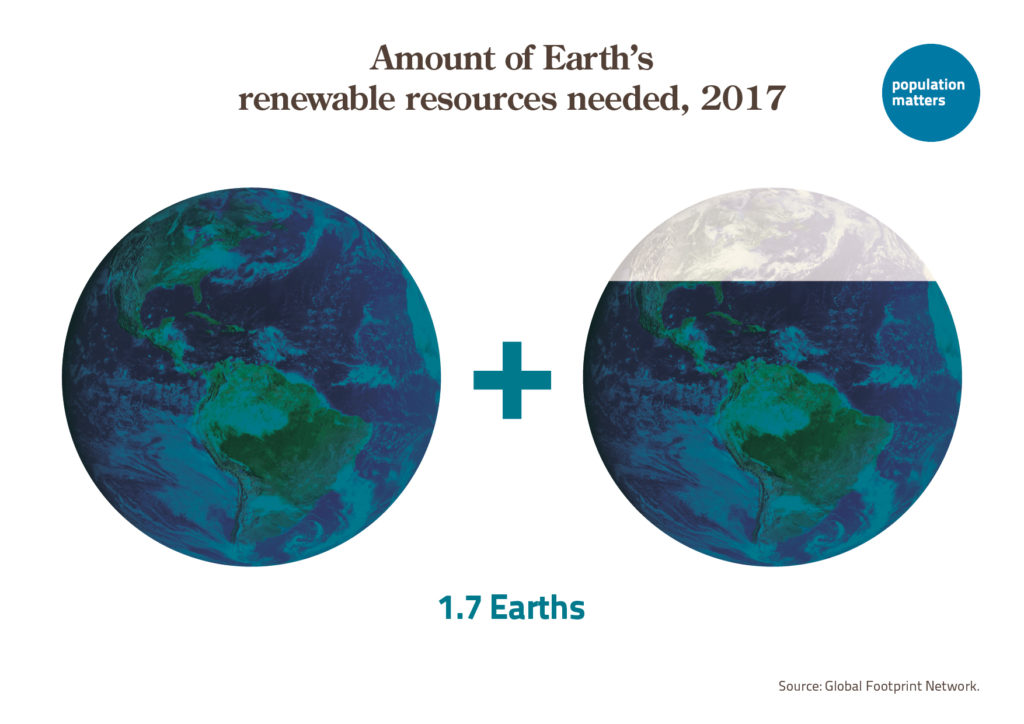
I strongly agree with William Rees and others that ecological overshoot is the central problem facing contemporary societies. We must rapidly return to living within planetary boundaries (climate change being one of the nine boundaries). The work of ecological economist Herman Daly and like-minded people is extremely important in this regard. Indeed, Daly’s top-10 policy prescriptions in ‘Economics for a full world’ are hard to improve on and, if implemented, would be transformative. World scientists’ warnings cover similar themes and policy prescriptions.
The challenge is to get resource use (production) and resultant waste streams back within sustainable levels, while fairly allocating and distributing goods and services based on effort and need rather than allowing unearned income (economic rents) to concentrate among the wealthy. Daly knew that a non-growing (steady-state) economy would be needed – quality of goods and services could always improve but volumes are ultimately restricted by the non-expanding biosphere and the laws of thermodynamics.

Once we realise there are limits to economic production (throughput) if we want sustainability rather than collapse, then it quickly becomes apparent that population size beyond a certain point means less for everyone on a per capita basis. Philip Lawn and I proposed that the optimum size of an economy is just before the point where marginal costs exceed marginal benefits. Economic production should be capped at that point (although the optimum point may vary somewhat from time to time).
It follows that championing measures like increased GDP (or real GDP per capita) are not desirable and other measures like the Genuine Progress Indicator should replace it as a goal. Most economists cling to increasing GDP as a policy goal mainly because they see it as national income and a recession as the only alternative, while largely ignoring environmental destruction. They are wrong on all counts. Increasing GDP beyond the optimum gives us uneconomic growth because the costs exceed the benefits and we eventually risk collapse. Most rich nations will need degrowth if they are to settle at a steady state around the optimum. If we don’t plan this path it will be thrust upon us chaotically by unfeeling nature.
Why Do We Need MMT?
Daly and other ecological economists aptly describe the relationship between the planet, society and the economy – as well as the transformation of matter and energy into useful products and ultimately wastes – and provide excellent policies (including stabilising population numbers). One might then wonder about the importance of MMT’s technical arguments about money creation, taxation, government debt, bond sales, central bank operations, and so on. After all, so much could be achieved simply by adequately taxing luxury consumption, economic rents, pollution, and so on – and, of course, ending subsidies to undesirable activities. Further, isn’t there a danger of a naïve approach to MMT, by lifting constraints on government spending, taking the focus away from overshoot and the need to curb production, inequality and human numbers?
Pronatalism is pursued in rich nations due to assumptions that we always need to increase GDP; that this will ‘improve’ the government debt-to-GDP ratio; increase tax receipts relative to spending to reduce deficits; avoid mass unemployment; and help stabilise the working-age population ratio. While ecological economics highlights the absurdity of exponential increases in GDP, MMT show the sophistry of many of the fiscal arguments that underpin population growth.
However, irrespective of the above, we need the most accurate macroeconomics available. That’s because its textbook is like the operator’s manual of a complicated machine, describing how the various controls work. Accuracy is critical. MMT argues that there is almost nothing in neoclassical economics that is accurate or evidence-based: MMT and neoclassical economics are almost diametrically opposed.
An accurate ‘operator’s manual’ for the economy would allow an otherwise scary notion like degrowth to occur while minimising harm, whereas neoclassical economics does not. MMT provides ecological economics with the accurate operator’s manual that it currently lacks.
In sum, MMT, properly defined, should be embraced by population theorists for the following reasons:
- It is a more accurate macroeconomics than its rivals with good predictive capacity for policy outcomes, regardless of what the policies are.
- It would enable controlled degrowth by moderating potential harms via more policy options and fine control.
- It shows governments have more power than normally assumed relative to financial markets and large corporations.
- It undercuts pronatalist scare tactics about government budget constraints while acknowledging productive (overall spending) constraints.
- It cautions against increasing international trade, a main driver of ecological overshoot, by highlighting the loss of real wealth in exchange for mere virtual wealth.
Taken together, these insights expose the sophistry of increasing human populations, whether from natural increase or net migration, to achieve fiscal outcomes over environmental outcomes. MMT is here to stay and those advocating fundamental economic reform need to come to terms with it. It is not a sufficient condition for sustainability but may prove to be a necessary one.
Stephen Williams is the co-editor of the collected volume Sustainability and the New Economics (Springer, 2022). An Australian, he has long advocated for population stabilisation.
Further reading
Kelton S (2020) The Deficit Myth, John Murray
Mitchell W, Wray LR, Watts M (2019) Macroeconomics, Red Globe Press
Modern Money Lab: https://modernmoneylab.org.au/
Williams S & Alexander S (2020) ‘MMT, post-growth economics and avoiding collapse’ in Washington H (ed) (2020) Ecological Economics: Solutions for the Future, ANZSEE
Williams SJ, Taylor R (eds) (2022) Sustainability and the New Economics: Synthesising Ecological Economics and Modern Monetary Theory, Springer












Leave a Reply