A genuine humanity

Do modern societies have a realistic path toward living in harmony with nature? How can population activists combine compassion and effective advocacy? We invite your answers to these difficult yet necessary questions.

by Gaia Baracetti

Sebastião Salgado is a Brazilian photographer. His striking black-and-white photographs, taken during his long, immersive travels to forgotten or war-ravaged parts of the world, are both aesthetically beautiful and instantly meaningful.

In The Salt of the Earth, the documentary about his life and work, Salgado shows some of his work and tells the stories behind it. Well into the movie we see his images from the Rwandan genocide, both of the predominantly Tutsi victims and of Hutus caught up in the wave of revenge that came soon after. The photographer had already witnessed and portrayed the famine in East Africa, as testified by pictures of skin-and-bones bodies wasted by illness and starvation. He captured other similarly devastating conflicts, such as the war in the former Yugoslavia, in the heart of Europe, and the infernal burning of the oil wells of Kuwait – which appeared to spare those that had set the fires on their way out, engulfing instead the firefighters that had come to extinguish them, and the abandoned and trapped animals the fleeing humans had left behind.

Refugees from the Bihac pocket living in Batnoga, Croatia (1994). Photo: Sebastião Salgado, Gift of Cornell Capa, 2007. http://www.icp.org

It seems that, for Salgado, Rwanda was the final straw. Man is too cruel, he thought. We don’t deserve this world. For a sensitive artist who had made humanity and its plight the center of his life’s work, that was a monumental conclusion to reach.

Salgado withdrew to his family farm in Brazil, which had been stripped of the native vegetation and left barren by years of cattle farming, and, following an inspired suggestion from his wife Lélia, started restoring the forest. As a photographer, he now turned to nature, travelling around the world to document, as he saw it, life as it was at the time of Creation – for a breathtaking project he called Genesis. He became a nature photographer; he would also visit remote tribes dwelling in the Amazon forest, in New Guinea, or Africa, to capture ways of life that appeared so close to nature and removed from industrial civilisation as to look like they had been there since the dawn of time.

It is not my place to put words into Salgado’s mouth; his own documentary and pictures speak for themselves. But the impression I got from them, and from his journey as he told it, is that he wasn’t retreating into nature to avoid humanity, but rather to explore a different, healthier, less destructive way to be a human in this world.

Aerial view of the headquarters of the Terra Institute in Brazil, founded by Salgado. Photo: Leonardo Merçon

A while ago, I published a blog saying that I believe humans to be so destructive and cruel that I sometimes lean toward thinking we don’t deserve to be here and should work towards our own, peaceful, extinction. I do not have or want children of my own. But I do love actual, specific people. I remember talking to a friend about this, summarising it as “I like people, I dislike humanity”, and he laughed: “I am the opposite: I dislike people, I like humanity”. Is there any difference? We are both just trying to give names and assign abstractions to our experiences and values, to the stories we hear, struggling with making sense of it all, with seeing the good and bad in the same things and in our very selves.

Here I am again, in a more recent blog, arguing viciously against people who consider voting for Kamala Harris, a candidate responsible for mass murder in Gaza, because they believe her environmental policies might be better, or for other reasons. “But think of the children!” I scream. Why won’t anyone think of the little humans being massacred on the way to electoral victory or global supremacy?

So what am I about? Humanity, or nature?

Both. Yes, the cruelty of humans is probably unprecedented in the history of this planet. We are more violent, more destructive and more collectively and irredeemably sadistic than any species that we know to have walked, swam, or flown over the Earth. An argument could even be made that our violence and disregard for life is key in explaining our organizational and technological success as a species and our expansion and (apparent?) dominance of the planet.

And yet one cannot be against cruelty and condone cruelty against the cruel. One cannot love nature and single out for hatred one species that nature created, among so many others. One cannot love life and hate oneself.

As long as we are around, however long that might be, we have a moral obligation to care for nature and for one another. I am not one of those environmentalists who believe that the human problem can be solved by the deliberate destruction of humanity. Maybe a rational, amoral argument could be made for that – you could kill as many humans as possible and thus reduce our footprint on this world. This is not guaranteed to work; war is destructive for the environment, too, and for humans as for other animals, a violent disruption can have the effect of increasing reproductive activity. But even if it did work, what would be the point?

We could never convince enough fellow humans to accept such a plan to reduce our collective negative impact on the planet. And who among us should go first? People who are openly or secretly fine with exterminating others or letting them die always operate under the assumption that it will not happen to them. Otherwise, why not just kill yourself?

It might seem like I’m creating a strawman here – no environmentalist is seriously suggesting extermination is the way to go. But I do see a subterranean current, occasionally bubbling to the surface, of this kind of thinking. The tolerance for mass human rights abuses in the name of environmental policies or as a price to pay for them: the expulsion of native populations from parks, wars against supposedly inferior peoples who breed too much or engage in traditional economic activities, the land grabs and human rights violations associated with renewable energy projects. Or the refrain “nature will do it for us” – implying that we should accept and be happy with the fact that, since we are unable to rein ourselves in, “nature” will cull our numbers through starvation, disease, war and a despair so existential we’ll give up our will to breed.

Predicting something, letting it happen and doing it aren’t the same thing, of course. But I often sense, more than an acceptance, a thinly veiled self-satisfaction among those who make such claims. As if they were floating above humanity itself, bathed in a wisdom in the ways of the world that others, preoccupied with their day-to-day survival, do not possess.

Secretary-General Kofi Annan and his wife Nane, touring a child feeding center in Niger, meeting with many malnourished children and their mothers (2005). Photo: UN Photo/Evan Schneider

Even within myself, I have to check my own emotions, my own reactions. As I was watching those Salgado pictures, I admit to having thought about how Jared Diamond convincingly argues that the Rwandan genocide was also a consequence of overpopulation and conflict over scarce resources; about how, when Alan Weisman visited starving Niger, he saw that people who couldn’t feed the children they already had, and lost them, still kept trying to have more children, hoping to find the food they needed in the future. Should we really feel sorry for them? Do these people not realise that, to an extent, they have brought this upon themselves? What am I supposed to think – what, truly – about a mother whose saggy breasts can’t feed her baby, but is soon to be pregnant with another? About a man who, for lust or pride, mates with his wife in the squalor of a refugee camp or during a famine?

It is hard to balance the understanding of how someone ended up in a certain predicament with the desire to help them, to find empathy for people who make choices we do not approve of. Humans have extraordinary capacities for compassion, for reasoning, and for communication. Let’s talk to each other and respect each other and find a way that is not predicated upon violence, upon acceptance of the mass suffering of others, but that theorises and practices self-restraint and collaboration for the common goal of living well on a living planet.

Published

15 responses to “A genuine humanity”

  1. Kathleene Parker Avatar

    I agree with much of what you say. But, if everyone will recall, our “lamestream” media (by then sequestering population stories), reported the genocide in Rwanda with no mention of how overpopulation was a major factor in the warfare that fostered it. I’m also disturbed about Diamond’s and other authors’ narratives about how civilization after civilization keeps doing the very things that they must know are a problem, such as his account about Easter Island–of note, EXACTLY what we are doing today even as many of us see us heading toward an ecological precipice and as we’re in the midst of the largest species extinction since that of the dinosaurs, but this one caused, fundamentally, by humans.
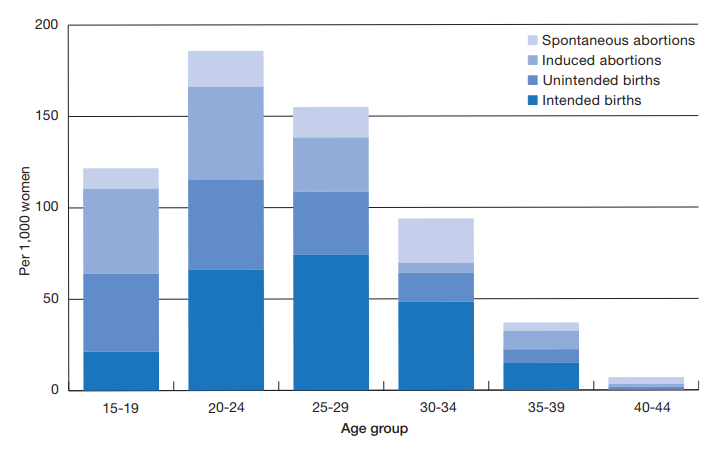
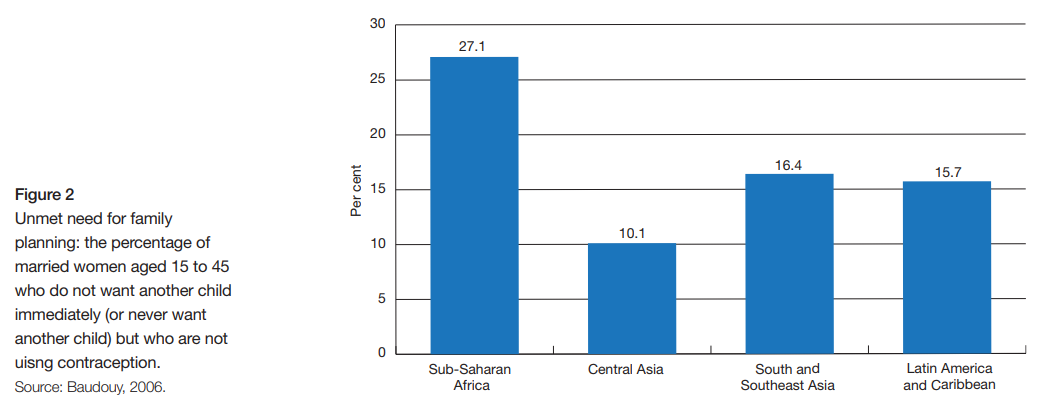
    But as a missionary doctor friend of mine (not there for religious reasons, but for humanitarian ones) once told me, the opportunities to limit family size that are available to us–and have been, in particular, since the arrival of “the pill” 50 or 60 years ago–simply aren’t available to those women with “saggy breasts” in Niger or whatever country. He also related to me the tremendous resentment toward “You Americans who love growth, telling us to stop having babies.” The only way he was allowed to stay and give medical care was a promise extracted from him that he would mention birth control to no woman who didn’t ask for it. (Few did.) Though, if they asked, he was allowed to advise them, but then, there was little de facto contraception he could offer them long term.

    I also get nervous about any narrative that starts the “these people” scree. In short, until we in the developed world practice what we preach–including stopping the U.S.’s own EXPLODING POPULATION VIA IMMIGRATION–we should perhaps withhold judgement. I’d also love to see a discussion in our supposedly compassionate nation about how we can make family-planning education and contraceptives available to all who want it, as many, indeed do but have nowhere (as we First Worlders ignore them) to attain it. We also need to recognize that it was Western interference in local mores (such as in Kenya and Ethiopia) that broke long-held taboos about who could marry and when and reproduce, triggered, for example, Kenya’s situation, where a MILLION JOBS must be created EVERY YEAR, just to keep up with the birthrate. Before Christian missionaries arrived, Kenya had a relatively reasonable birthrate because no man could marry until a certain age and then only if he had certain financial (cattle and other such assets) resources proving his ability to support a family.

    1. gaiabaracetti Avatar

      I hope I don’t get in trouble with that “saggy breasts” comment. I meant it metaphorically, I certainly do not mean to shame women’s bodies and circumstances.
      I see a contradiction in what you write. Were contraceptive options not available to those women because the men did not want them to be? Because it sounds like that person was trying to make them available to the women. Also, refusing sex is a form of contraception, although of course in some societies it’s extremely hard, even dangerous, for women to do.
      You say that Westerners brought high birth rates to Africa – I’m not sure about that, and I think the slave trade also created an incentive to have children, because so many people kept being taken away. Reading Graber’s “Debt”, he also talks about humans as currency in certain societies – though not only in Africa, and his argument is not about population growth at all, so it’s better to read the original source.
      Another argument could be made that modern medicine and hygiene reduced infant mortality and contributed to population growth. But those are good things.

  2. Edith Crowther Avatar

    A courageous article. But I think you are wasting your precious time looking at Ethics, Morality, etc. Nature is not interested in Ethics. When any species outgrows its sources of sustenance (aka Habitat), it always collapses. Why would homo sapiens be any different? The fossil record shows that species do not go extinct gradually. They get too numerous, but there is never a “Steady State” where they stop growing in numbers and just plateau. They always plummet, in a bell curve, going down in numbers as fast as they rose. Sometimes extinction is only partial – a Remnant survives.
    This collapse in numbers is happening to huge numbers of species nowadays, and is bound to happen to us one day – quite soon maybe. Trying to stop it is a waste of time, and wondering whether it is ethical to see it as a salutary correction is also a waste of time. It just IS salutary – but it won’t feel salutary because it will be nasty, for both rich and poor – and contrary to current mantras, the poor may well escape the worst because they may still be sitting in a mud hut or a log cabin or an igloo somewhere, living fairly sustainably. Aware of this, many rich people have fled to rural areas and stocked up their underground bunkers. Certainly, the richest of the world’s cities will be the very worst place to be if supplies of food and drink dry up.
    Ecologists have been saying this for decades. I have a 1948 book by Fairfield Osborn Jr called “Our Plundered Planet” which is well-written and brutally honest. At the end, he asks “When will it be openly recognized that one of the principal causes of the aggressive attitudes of individual nations and of much of the present discord among groups of nations is traceable to diminishing productive lands and to increasing population pressures?….. The tide of the earth’s population is rising, the reservoir of the earth’s living resources is falling. Technologists may outdo themselves in the creation of artificial substitutes for natural subsistence, and new areas, such as those in tropical or subtropical regions, may be adapted to human use, but even surch recourses or developments cannot be expected to offset`the present terrific attack upon the natural life-giving elements of the earth. …. The final answer is to be found only through comprehension of the enduring processes of nature. The time for defiance is at an end.”
    As we know, Defiance continued after 1948 and indeed ramped up a thousandfold as the so-called “Third World” joined the party and the First World’s “Standard of Living” shot into the stratosphere (literally, in recent years, as many satellites provide our routine communications networks) and also dived ever farther towards the earth’s core and the oceans’ depths in the quest for raw materials. An excellent article in Science News on 22nd November, by Carolyn Gramling, describes how Earth’s space junk may be wreaking havoc on the stratosphere, there is so much of it now. We know several Nations are scouring the oceans beneath the Poles as the ice melts, and several others intend to scour the ocean floor, if they can get at it.
    Indeed Defiance has become Delusion – most of us are not even aware in 2024 of the extent to which we are plundering the planet, even though books and articles like Osborn’s have proliferated, and many films and videos and podcasts have added to their numbers. Only about 0.1% of humans reads or watches such things – that was true in 1948 too, but in 1948 masses of humans did not need to read or watch anything to know that Nature is relentless, because they lived in close contact with it. As humans pour off the land into towns and cities, they become exactly like animals in a Zoo – they are fed and watered by “Keepers” and there is no direct link with Nature and its vagaries, apart from intermittent natural disasters after which everything goes back to “normal”.
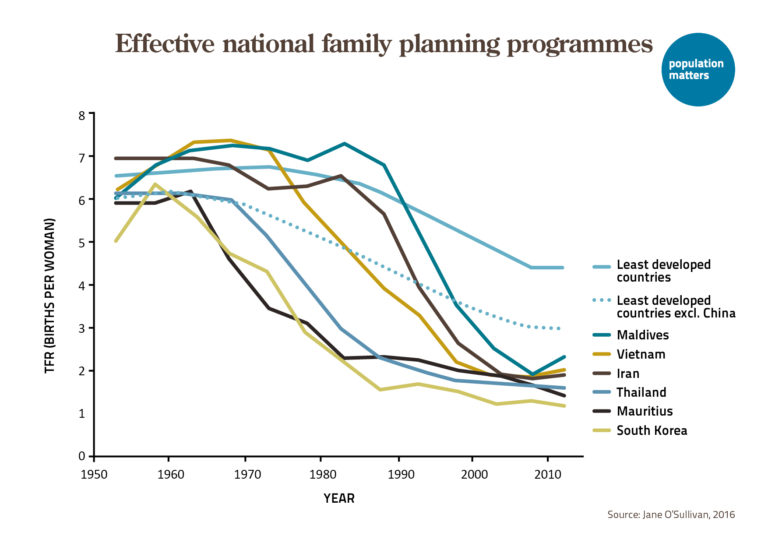
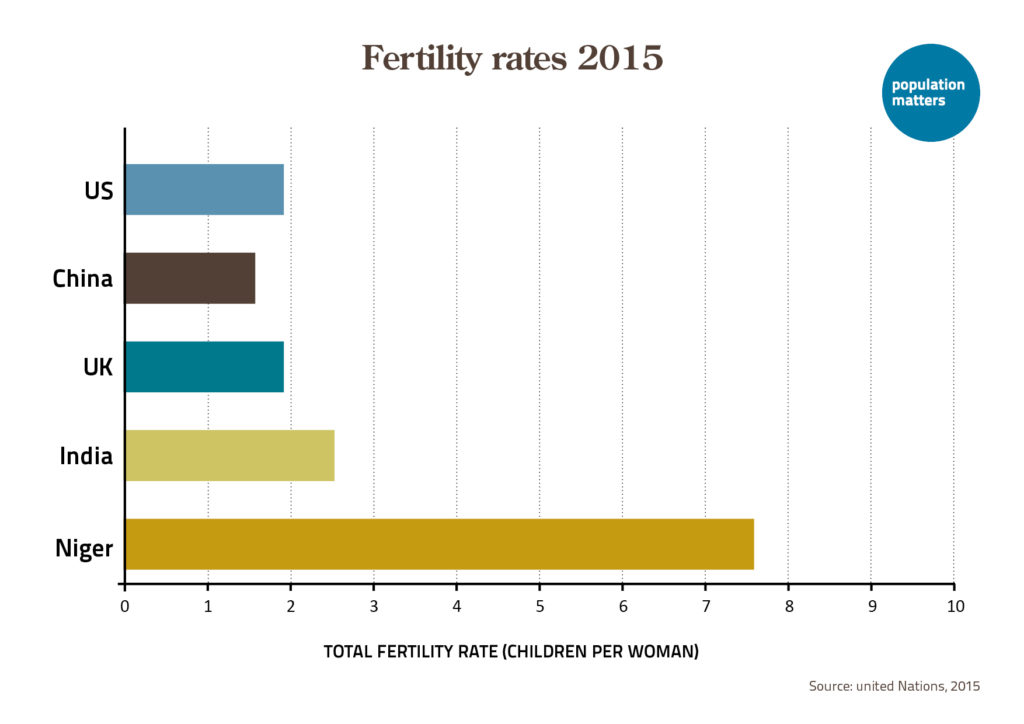
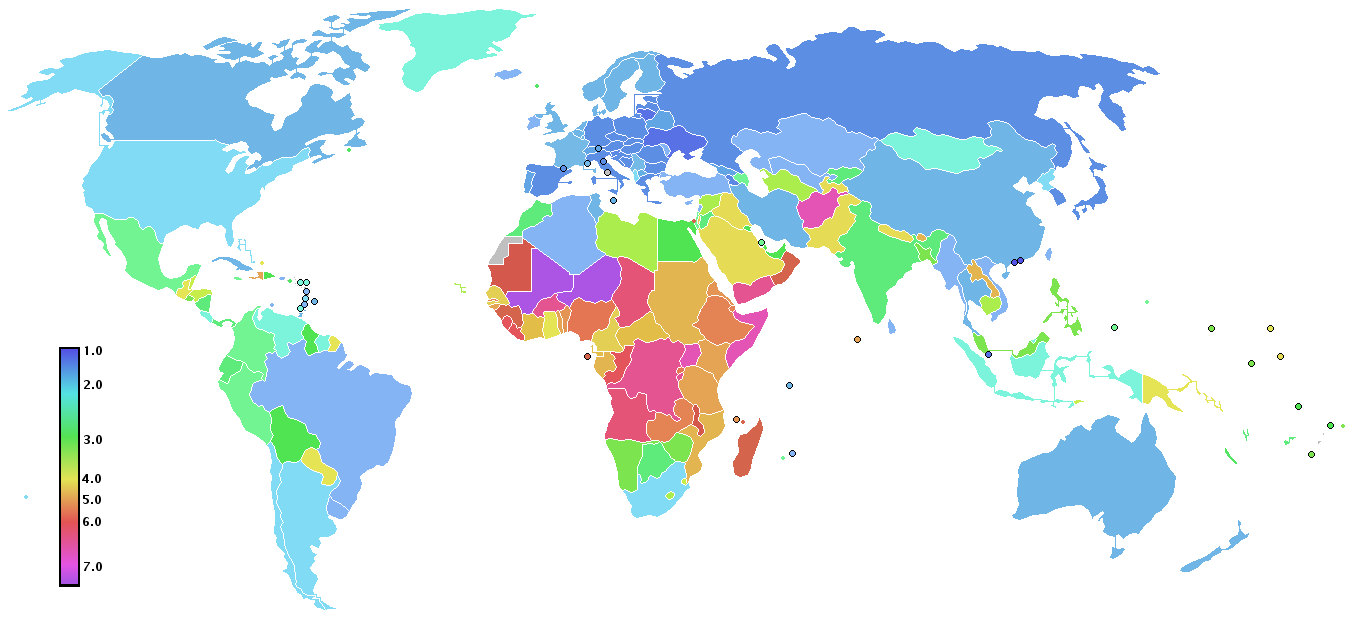
    If most Humans have no memory of living in the “Wild”, or at least no desire to find out what it might be like, there is no way that our downward collapse in numbers is going to be prevented. In fact, it has already started, according to all the latest reports about Total Fertility Rates. A TFR of 1 is not voluntary (despite the illusion of choice provided by contraception and termination) – it is an enforced choice driven by population pressures, as in Japan and South Korea and many other Nations which are in hideous Overshoot and can no longer disguise this fact. It is “rich” Nations which go into Overshoot first – “poor” countries like Niger which still have TFRs of 4 are not yet in Overshoot, because their standard of living is appalling so they are not using much electricity etc. “Rich” countries can disguise the fact that they are in Overshoot for a long time – but that just means the Collapse will be much worse when disguise is no longer possible. I really fear for the USA, Canada, and many European countries which are ostensibly wealthy. Perceptive people have moved away from such countries – often to small islands in archipelago Nations like Scotland or Greece (though the latter is getting too hot now). Some billionaires have actually bought whole islands. Have they all gone mad? Not very likely – they are just getting out before the storms, because they can.

    1. gaiabaracetti Avatar

      People who genuinely think they can survive alone “in the wild”, with no society, with weapons and tools that need an industrial infrastructure to be replaced and repaired, with no access to modern medicine and surgery, in small groups that could easily be overwhelmed by any larger group with better weapons, these people are not the smart ones, they are delusional.
      All the sustainable, well-adapted small tribes, that actually have knowledge and experience in living off their land, still depend on the protection of governments to avoid being wiped out by new diseases or armed groups, or even survive the cutting down of the forest or pollution of the rivers or the destruction of whatever specific ecosystem they depend on.
      These billionaires who retreat to islands or whatever supposedly secluded place, if the things they envision really do happen, will either starve or be raided.
      Humans do not and cannot survive without a society.

      1. Edith Crowther Avatar

        I am not very interested in what wealthy people will do – I did say that the poor are likely to survive a Population Collapse better than the rich, and they will do so in larger social groups than the rich because there will be more of them. It is true that small tribes NOW depend on national and international life support systems – but I am talking about AFTER the global population plummets. Dropping to 2 billion overall will release small groups from the tyranny and predation of vast Developing or Developed Nations hungry for Raw Materials. “Society” will become a word with meaning, and a source of Conviviality not Conflict. There won’t be such a huge gap between the rich and the poor, though there will always be a gap of some kind. Throughout human history, the human groups which survive civilizational collapse have been self-sustaining, and not dependent on central governments or on international trade. This was true even in Europe until quite recently – and I believe is still true in some isolated villages in France, Spain, and Italy (and maybe in Eastern Europe too).
        Huge civilizations that became over-centralized have come and gone – the list is long, there have been at least 20 before ours. Now all lie in ruins – or at least their grand buildings and city centres do. Many people died when these collapsed – but some survived and lived on, in “primitive” groups in the same regions as the previous grandeur had arisen. Italy was quite a good example of this – so was Greece. Most other examples are in Asia, Africa or the Americas.
        “Societies” ought to be small and local – the idea of a national “society” seems to run into trouble, even if its components are fairly homogeneous. A small Nation can thrive if it is happy to have no imperial ambitions – such Nations are often mountain ones like Nepal or Switzerland or Bhutan or Tibet or Afghanistan, where the geography kind of steers everyone into self-sufficiency anyway. These days, larger nations are using the natural resources (water mainly) of small mountainous Nations. For instance China gets a lot of water from Tibet, and South Africa gets a lot of water from Lesotho. Afghanistan is prey to half the world for some reason. It may be mineral wealth in the mountains – sometimes there is little publicity about mining interests, and they carry on undisturbed looking for Blood Diamonds, Blood Cobalt, Blood Oil, Blood everything really, leaving others to fight the wars over who gets the loot.
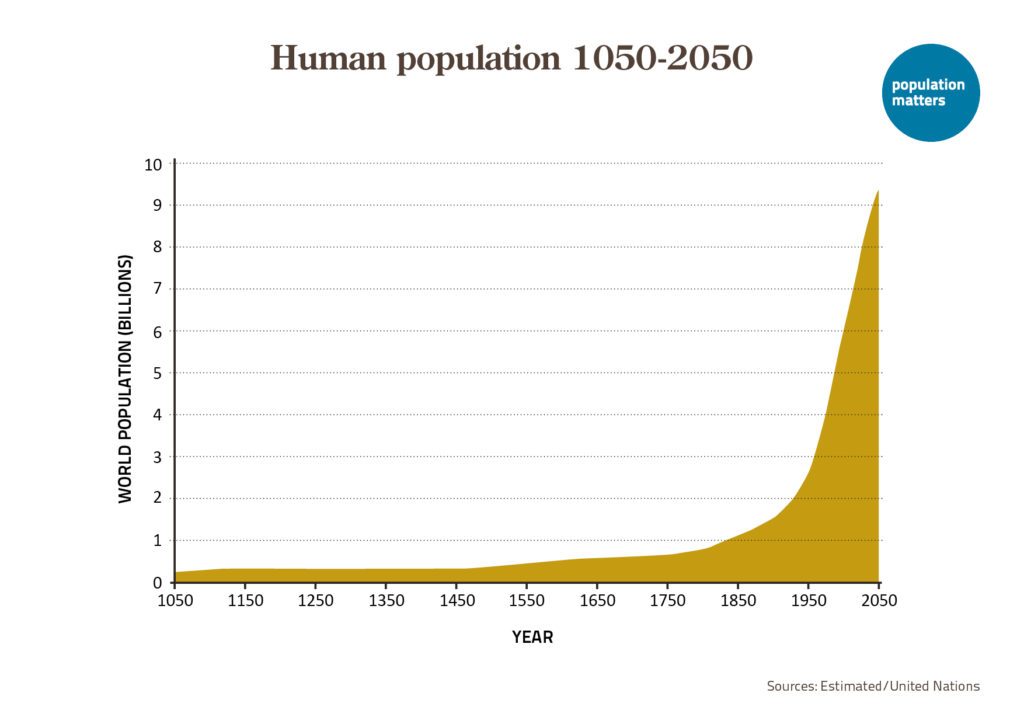
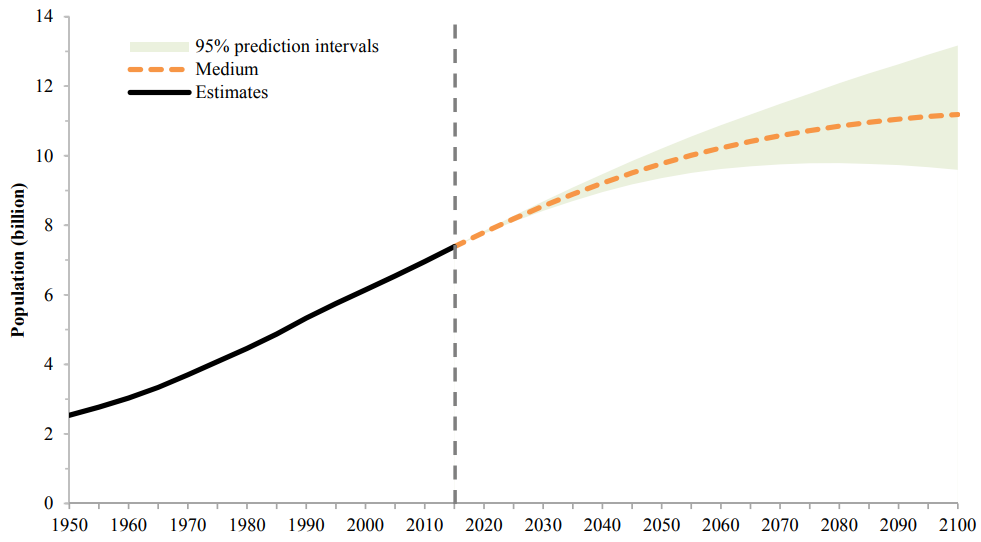
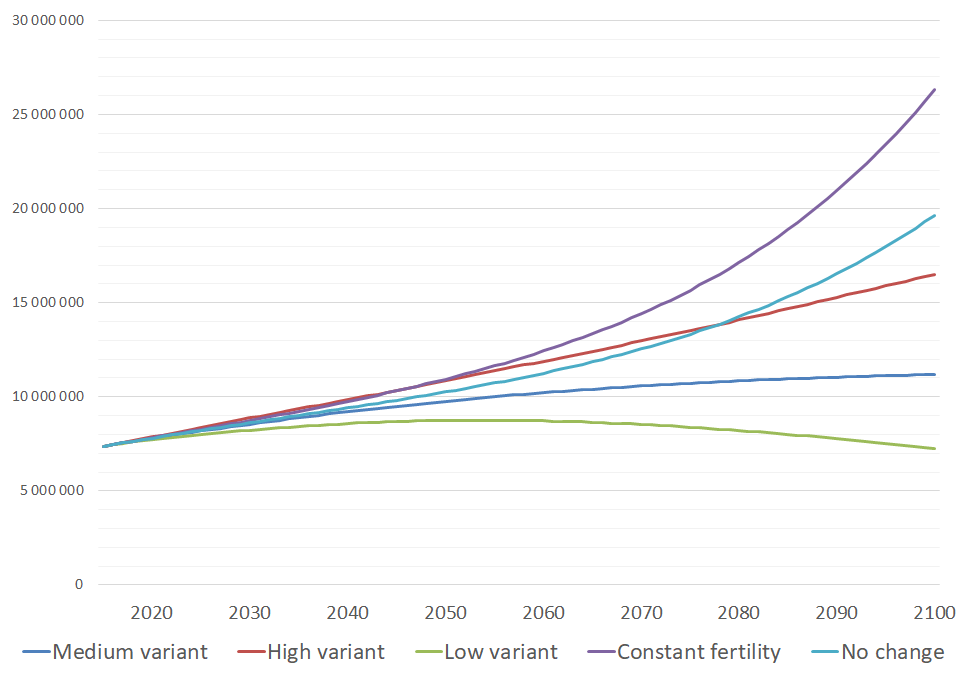
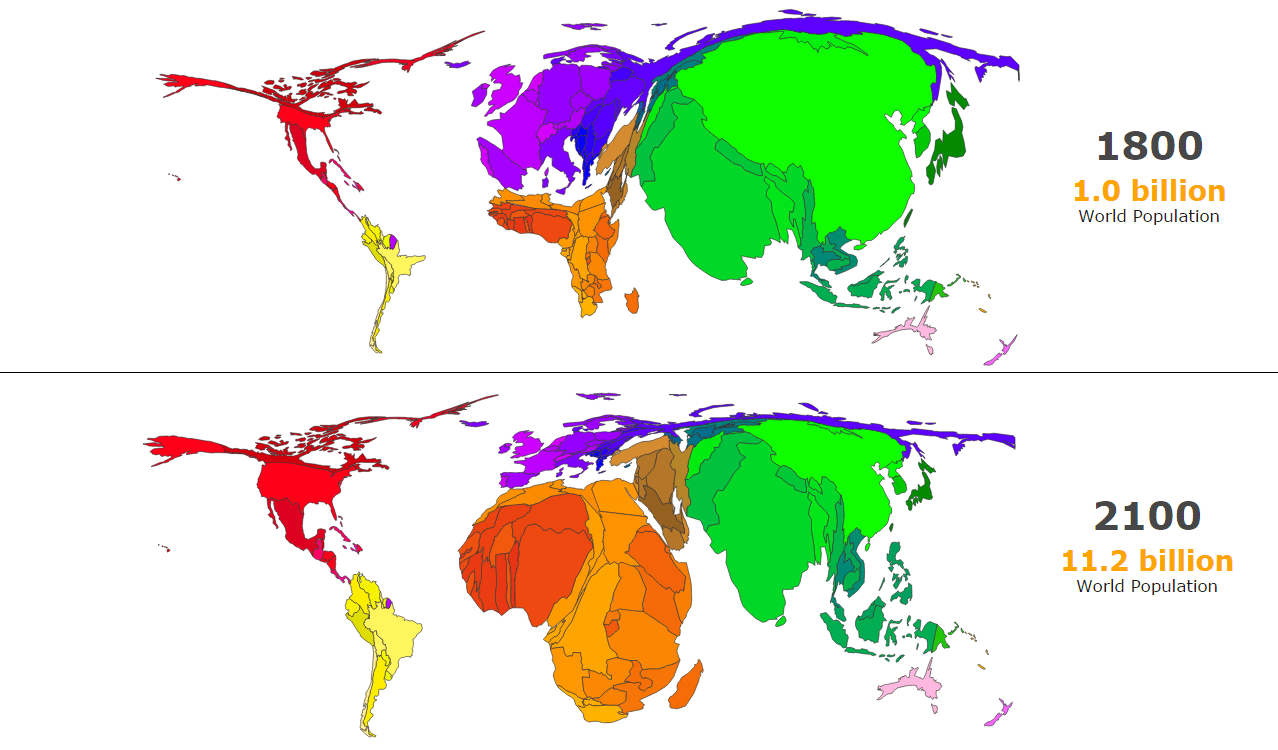
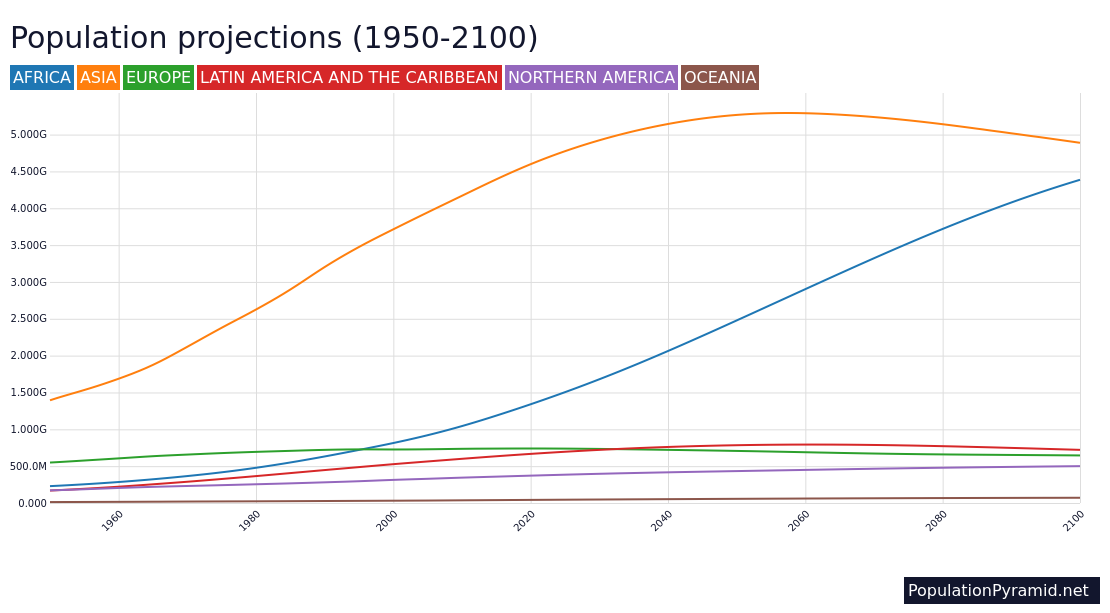
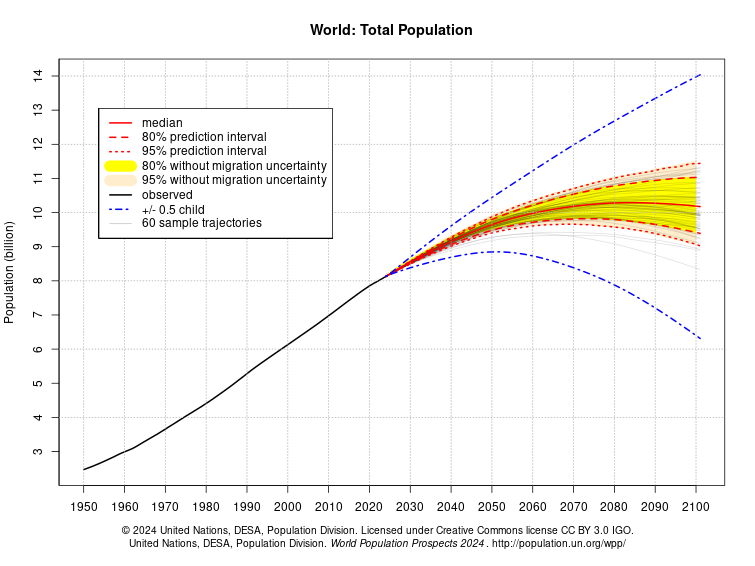
        It is hard to readjust your settings if you have spent decades warning about Overpopulation and suddenly Depopulation is starting to happen. Depopulation won’t happen overnight – if numbers go down as steeply as they went up after 1800, it will take 200 years to descend to 2 billion from a peak of, say, 10 or 11 billion in 2050. I was just passing on the view of some experts that species do not plateau after reaching their maximum sustainable level. This is good news really – there really would be nothing left if humans stayed at 10 billion for centuries.
        It is only a small adjustment to make for those who have tried (in vain mostly) to get the message across about Overpopulation AND Overconsumption – but it does entail going into Post-Doom patterns of thought, as many Ecologists have done, and talking about how to live DURING and AFTER a Collapse. Consumer Societies (i.e. nearly all Nations on Earth) are panicking at the thought of fewer Consumers (and fewer Taxpayers). And as most of us are Consumers to some extent and also benefit from redistribution of wealth through taxes, we will nearly all suffer a lot during and after a Collapse. But if it is coming – and it does seem to be – there will be Good Things amidst the Bad Things, somewhere.
        I think this website might get even more recognition and respect if it stopped printing articles about how to avoid Overpopulation and went into Post-Doom mode where De-Population caused by gross Overpopulation is already happening. Migrants fleeing a grossly overpopulated country to one which does not SEEM to be are clearly jumping out of the frying-pan into the fire, are making that fire a lot worse, and will suffer more than if they had stayed in their frying-pan. The BBC World Service Radio recently aired a report from Japan, to which large numbers of Westerners (especially Australians) are fleeing because De-population in Japan has left a lot of very cheap empty houses and there is generally less pressure on them than in the “West”. But Japan is not keen really – it is not convinced that De-Population is a problem, in the long term, despite all the moans and groans about ageing societies. No efforts are made to welcome migrants, and they find it hard to earn a living except through tourism by doing bed and breakfast.

  3. gaiabaracetti Avatar

    Edith, I wouldn’t call what’s happening in Japan “Doom”. Also, as long as the world as a whole is overpopulated and the population growing, that’s the problem that needs addressing. Japan has one of the highest population densities in the world – about a hundred times the population density of Australia – so I wouldn’t use it as an example of a significant “de-population” scenario.
    And no, there absolutely are not any villages anywhere in Europe that are not dependent on central governments or international trade. Not even close. Even the most isolated tribes in the world are now photographed using plastic, fossil fuels, modern clothes, and often modern medicine.

    1. stevemckevittda604d1b36 Avatar

      To Edith Crowther. At this point, any talk of “Depopulation” is foolish and is just plain misleading. We must remain focused on the terrible — and growing — problem of too many people. All over. Are you being diversionary for a reason? It looks like you have an agenda. Those groups that feed on population growth most often like to add a swirl of misleading and confusing talk into conversations.

  4. […] Il sito The Overpopulation Project ha pubblicato un altro mio intervento, a cui hanno messo il titolo (perché a me non veniva in mente niente) “A genuine humanity”. Potete leggerlo qui. […]

  5. David Walker Avatar

    Thank you Gaia for such a thoughtful piece of writing. I too grapple with very similar quandaries. How to protect nature and care about people’s well-being too? But certainly, we can all agree that bringing our population growth to a rapid end through birth control is a win for people and planet? I believe it is the most important thing we can do. Whether it will be enough remains to be seen, but it will at least give us a fighting chance to address all the other problems.

    1. gaiabaracetti Avatar

      Thank you. Of course I agree with you on that.
      For me, the dilemma manifests itself in, among other things, real life scenarios such as people in refugee camps or other awful predicaments having many children. What are we supposed to think, and do? Should we feel compassion for the parents, or the children, who had no say in whether they were to be born or not, and to whom the situation is so unfair? Can we ask those people to not have so many children, and, if so, what can we offer in return?
      The two-children welfare cap in the UK is another example. To me, it’s kind of obvious that, first of all, you shouldn’t be having more than two children in an overpopulated country (not to mention planet), and you especially should not be having children you cannot support at a decent standard of living without welfare. But the fact that so many people, including it seems most environmentalists in the UK, think differently, is making me question myself. Rationally, I am right, but the result is that innocent children suffer. Then again, if you remove the cap, you remove the only leverage you have for people to stop at two.

  6. dit7 Avatar

    Israel is bringing abortion rights to Gaza as they did for the Golan.
    City abortion funding saves city school tax, so much so that cities can then fund country abortions as well, all without answering to country voters.
    In this way, my guess is that 10 cities can cover the USA and 25 can cover the world, coordinating via the World Council of Mayors and ignoring state and national governments completely. Think globally act locally.
    https://www.facebook.com/groups/4992336894196490 .

    1. gaiabaracetti Avatar

      Israel is destroying every hospital in Gaza, as well as several in Lebanon. If by “abortion” you mean “killing the mother with the unborn infant”, then maybe you are right.

  7. Greg Avatar

    My source estimates the actual human population is over 9.5 billion now.

    And the sci-fi author Isaac Asimov had comments about the consequences of overpopulation:
    https://gregdougall.wordpress.com/wp-content/uploads/2024/12/quote-democracy-cannot-survive-overpopulation-human-dignity-cannot-survive-it-convenience-isaac-asimov-78-50-16-722009742.jpg

  8. Bert Russel Avatar

    The well-being of the ecosphere is what matters, far more than our species. Our excessive number and consumption are inflicting more ruin than we are worth. Sure, our issues and concerns are important, to us. But the longer we continue what we are doing, the greater the extent of the irreparable damage. I guess we have the ‘right’ (ability) to impoverish the biosphere. But it might be nice if we did not.
    Preferably, we can get back to living within our ecological means soon, and without the anguish of a collapse.
    The reasonable tools of population management like contraception, abortion, and assisted dying should be accessible. Religions like Christianity and Islam can take the century off.
    Until we get our numbers down, we have to consume a lot less energy and needless stuff.
    And to fill the void, maybe humanity could take up biocentrism.

    1. gaiabaracetti Avatar

      Bert, if I may, are you doing something personally to live within our ecological means?

Leave a Reply

This site uses Akismet to reduce spam. Learn how your comment data is processed.

NOTE: Comments with more than one link will be held in wait and will only become visible on the site after an admin has approved it.

Explore the content and topics covered by TOP, search here

Blog categories
Gallery of infographics – Learn more about overpopulation and environment

Discover more from The Overpopulation Project

Subscribe now to keep reading and get access to the full archive.

Continue reading