
We started the Overpopulation Project seven years ago to spur honest discussion about population issues among scientists and scholars, environmentalists and the general public. With your support and encouragement, we continue to pursue that mission.
by Frank, Jane, Phil and Pernilla
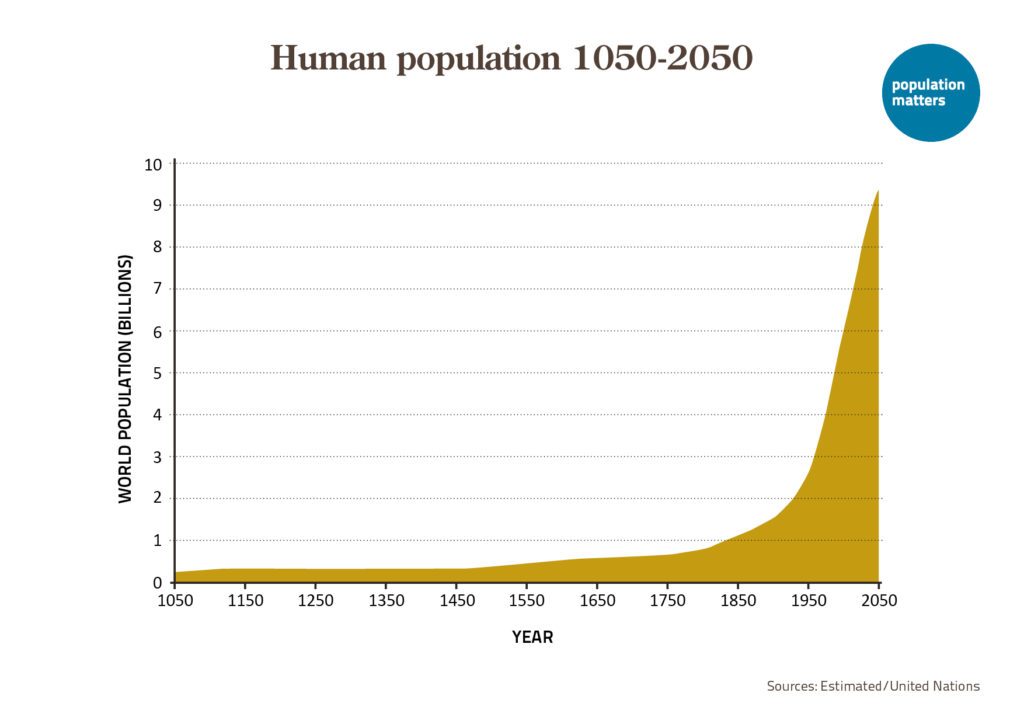
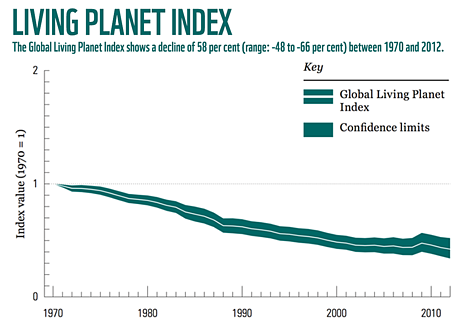
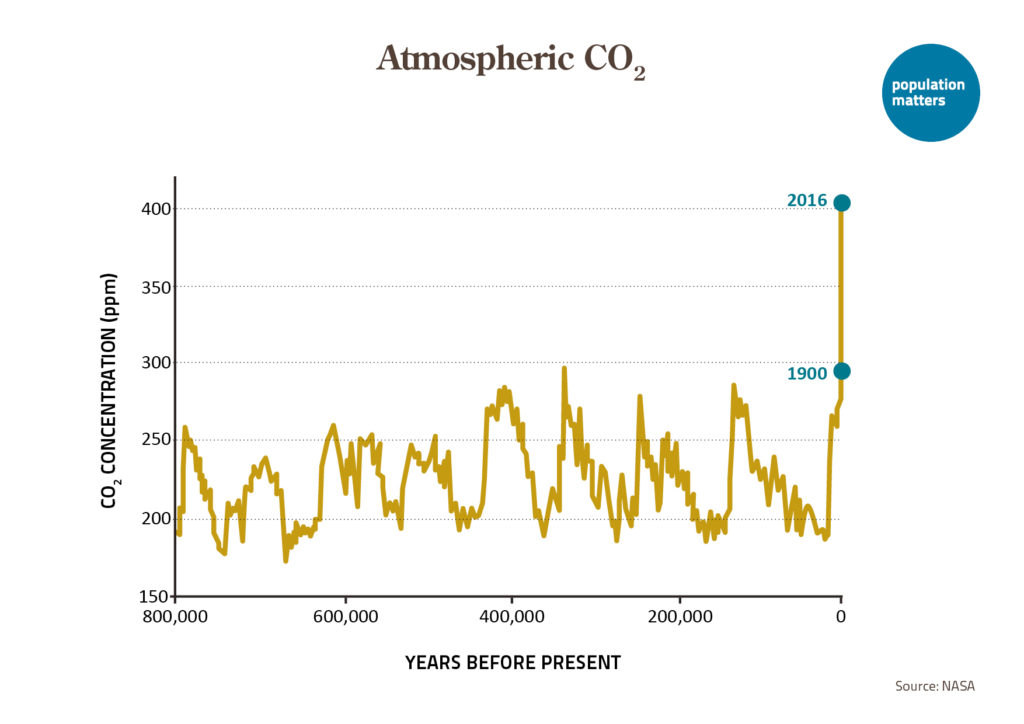
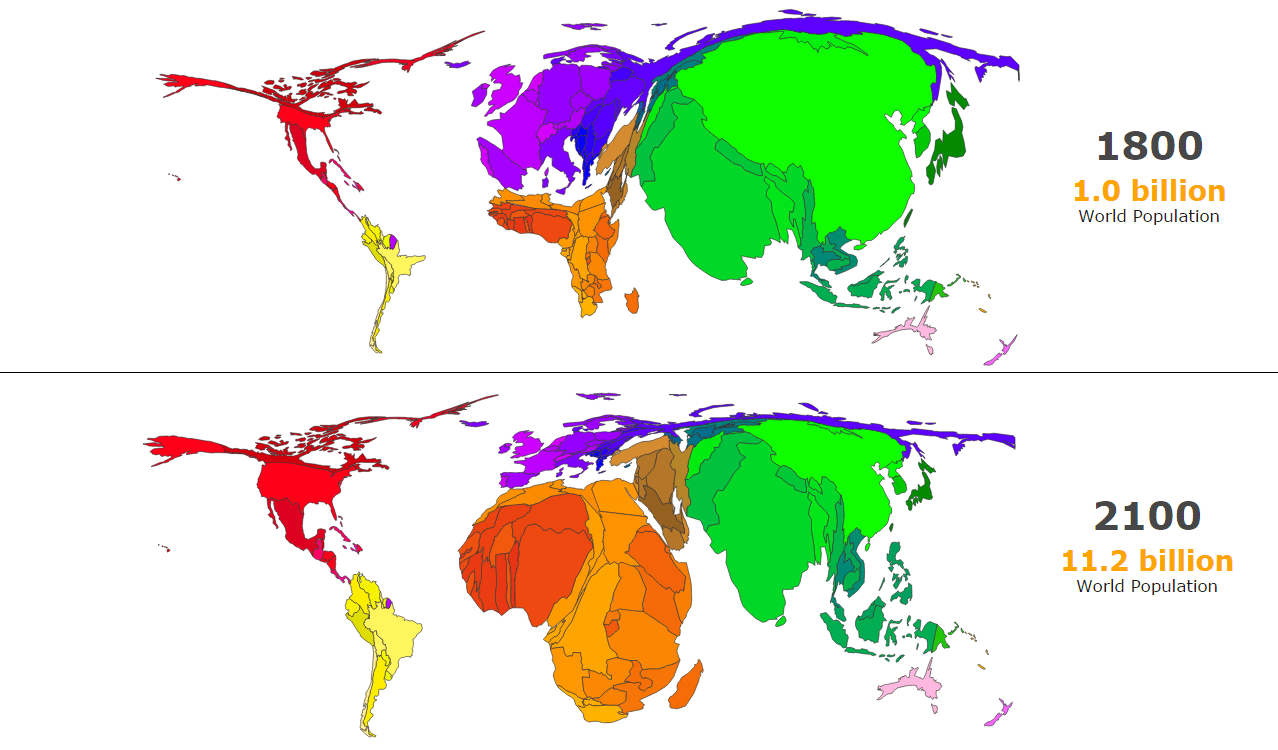
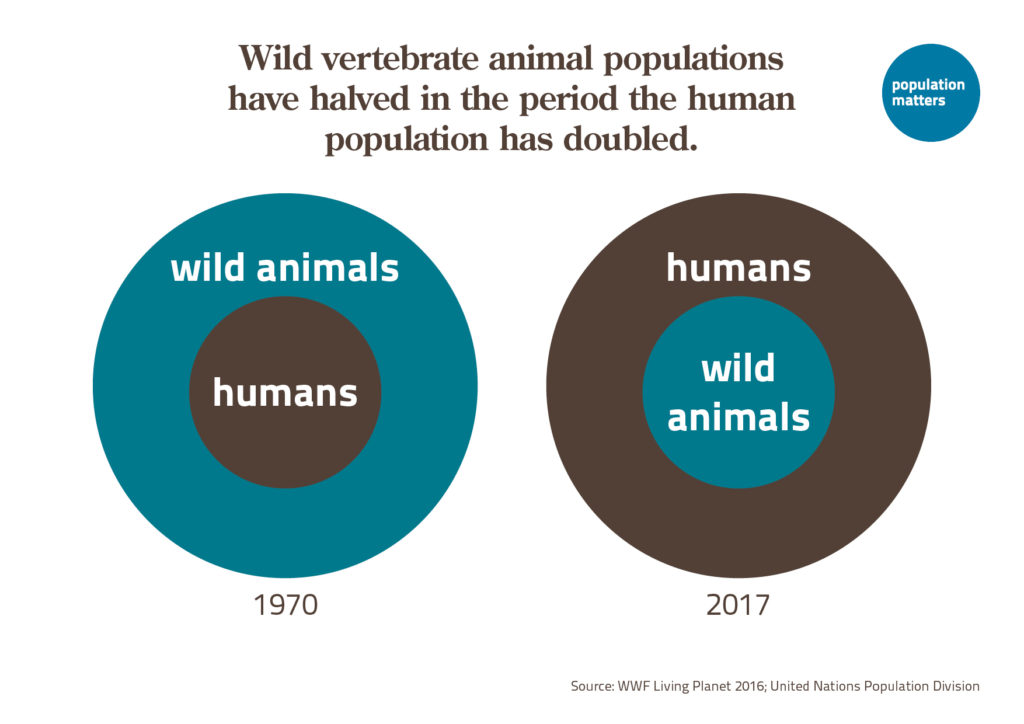
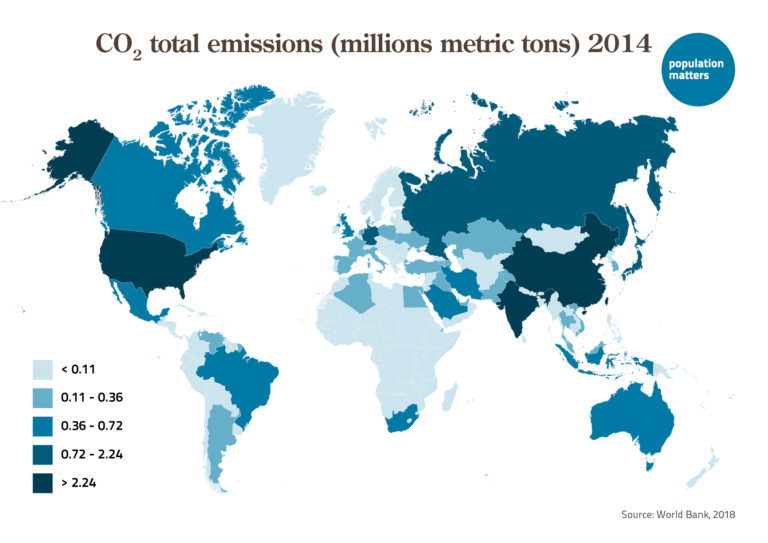
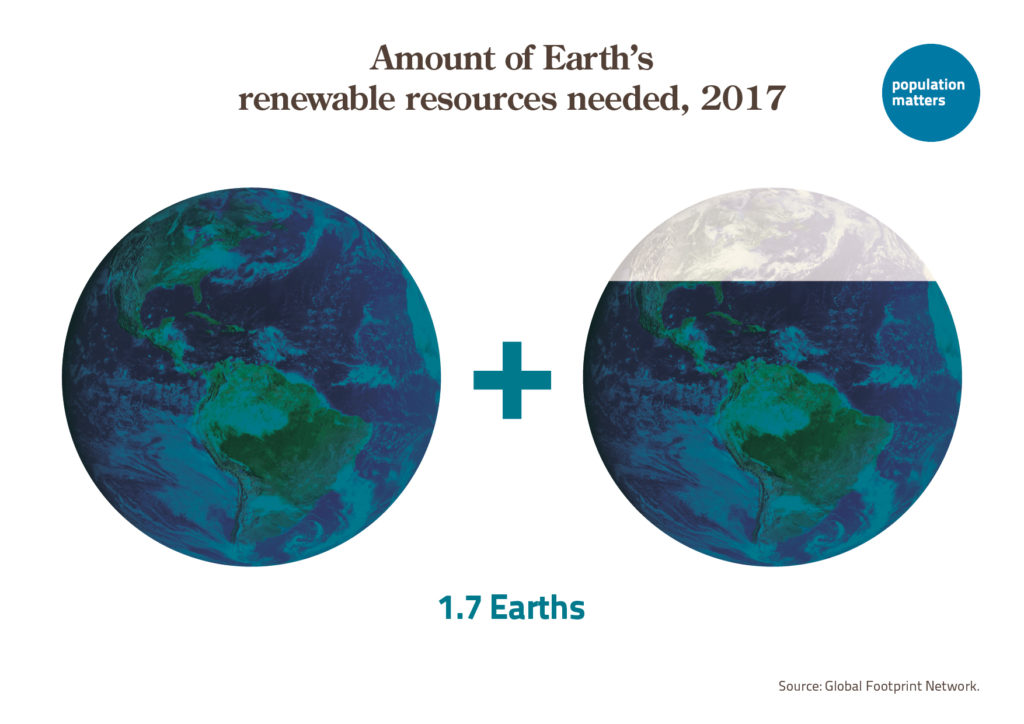
In 2024 the human economy, already much too big for the Earth, grew even bigger. We burned more fossil fuels, poured more concrete, raised more crops and livestock, used and discarded more plastic, and hogged more of Earth’s limited habitats and resources than ever before. This disastrous excess was fueled in large part by humanity’s unprecedented numbers, augmented by continued global population growth.
The mainstream media generally ignores the fundamental drivers of our environmental problems, or treats them as inevitabilities. So do most environmental groups and progressive politicians, who content themselves with suggesting band-aids for the many symptoms of human extravagance. In contrast, TOP provides our readers with a critical lens on global environmental news. We advocate realistic alternatives to the economic and demographic status quo. Unless our societies begin to experiment with such alternatives soon, the future looks bleak.

In 2024, TOP researchers published three scholarly studies, with several others in the pipeline:
- Public Opinions about Causes of Declining Fertility in Developing Countries: Differences among Citizens in Sweden and Nigeria. Frank Götmark and Nordhild Wetzler
- Big thirsty Australia: how population growth threatens our water security and sustainability. Jonathan Sobels, Peter Cook, Sandra Kanck and Jane O’Sullivan
- The Impact of Immigration Policy on Future US Population Size. Philip Cafaro
In addition, we continue to get requests for our 2022 article Overpopulation is a major cause of biodiversity loss and smaller human populations are necessary to preserve what is left. It has been cited 79 times during the past two years, according to Google Scholar.
In other highlights, this year Frank and several colleagues published two op-eds in major Swedish newspapers advocating sensible, demographically-informed population policies: Earth’s nature is being ravaged by population growth and Weak support for the government’s new foreign aid proposals. And Richard Heinberg interviewed Jane for Resilience.org on the continued challenge of overpopulation.
As usual, much of our focus was on publishing our blogs, 41 in total. Reviewing them, we’re struck by the wide variety of topics explored; it is clear that population touches on many aspects of our lives and our world. Our blogs ranged from Mexico to Indonesia, Sweden to Nigeria, and many other locations both geographical and intellectual.
Beside our four TOP principals, nineteen authors contributed blog texts:
Malte Andersson, Nandita Bajaj, Gaia Baracetti, Giangiacomo Bravo, Brian Czech, Céline Delacroix, Álvaro J. de Regil, Richard Grossman, Richard Heinberg, Ella Köster, Brad Meiklejohn, Veronika Perková, Roland Schmutz, Joseph Speidel, Jan van Weeren, Stephen Warren, Madeline Weld, Nordhild Wetzler and Stephen Williams.
We are grateful for these contributions, from which we learned a lot! A special shout out goes to the indefatigable Dick Grossman, who contributed four topical blogs.
While they covered a lot of ground, many of our blogs clustered in four areas of particular interest and importance.
First, the contested relationship between population and economic degrowth. We and our guests explored this complicated yet crucial topic repeatedly:
- Kohei Saito’s Degrowth Manifesto: A nonviable solution to a misidentified problem, by Madeline Weld
- Slow Down: The Degrowth Manifesto, by Phil Cafaro
- A primer on economic growth and biodiversity for COP16, by Brian Czech
- Can we engineer our way out of the climate crisis? by Phil Cafaro
- Losing our minds, by Brad Meiklejohn
- A genuine humanity, by Gaia Baracetti
- No sustainable paradigm is attainable without gradual population reduction, by Álvaro J. de Regil
Second, immigration into the developed world, particularly its political and ecological ramifications. Like the proper path to degrowth, specifying sustainable immigration policies is an important topic that will only grow in importance in the coming years:
- Time to vote! by Phil Cafaro
- Green parties lose big in EU parliamentary elections by ignoring the relationship between immigration and environmental damage, by Jan van Weeren
- ‘Climate refugees’ and the question of limiting immigration: a response to Migration in Hotter Times, by Jane O’Sullivan and Phil Cafaro
- Trump or Harris: the implications for U.S. immigration policy, by Phil Cafaro
- Court ruling could lead to an environmental impact statement on US immigration policy, by Phil Cafaro
Third, Jane O’Sullivan kept a running tally of the follies perpetrated by the UN’s Population Fund, above all their complacency regarding continued population growth in the developing world:
- The International Conference on Population and Development (ICPD) at 30 – Let’s Address the Unfinished Agenda, by Joseph Speidel and Jane O’Sullivan
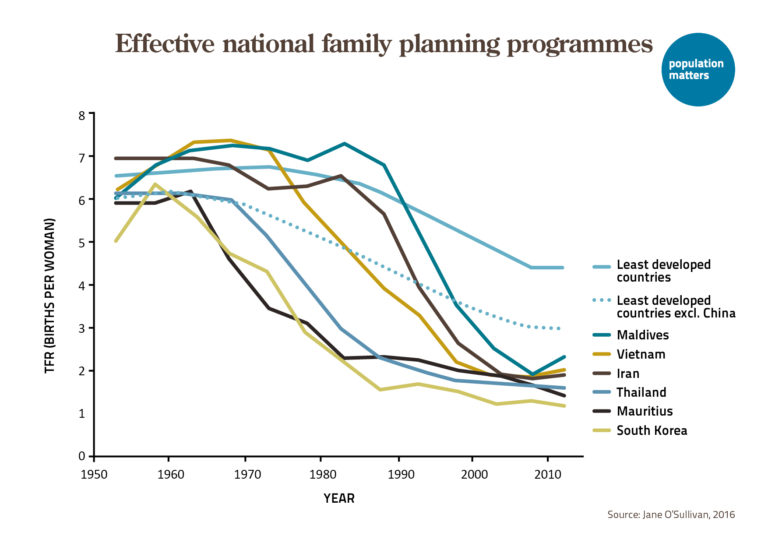
- New State of the World Population report conceals family planning as UNFPA’s most successful product, by Jan van Weeren and Jane O’Sullivan
- UN World Population Day 2024 focuses on anything but world population, by Jane O’Sullivan
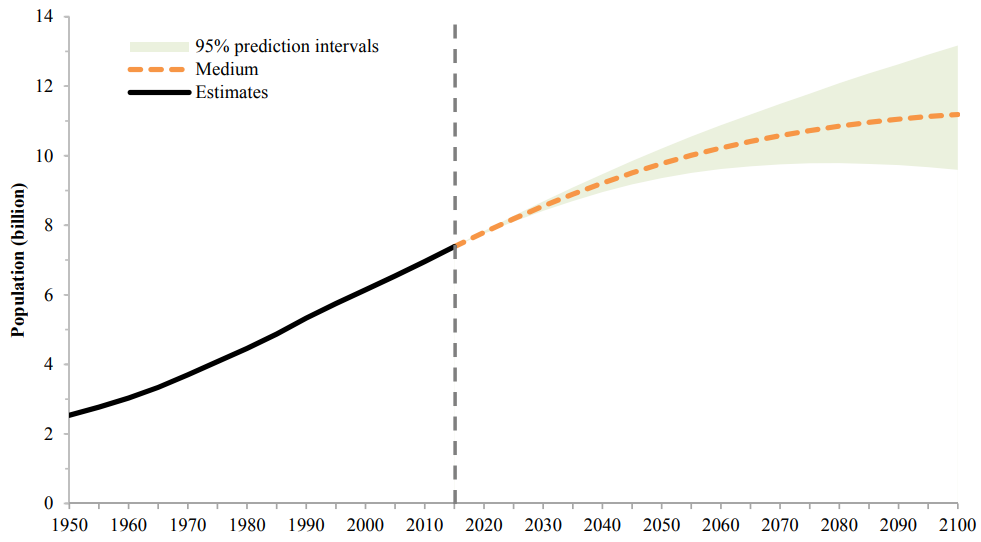
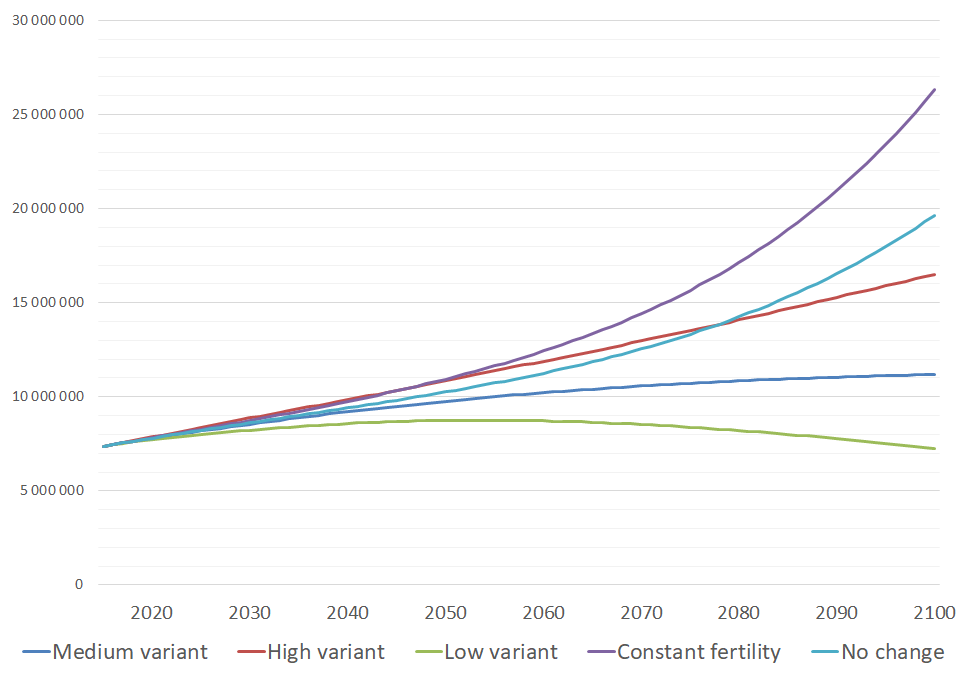
- World population revised upwards again, by Jane O’Sullivan
- Thirty years is too long to turn a blind eye to world population growth, by Jane O’Sullivan
Finally, we made a concerted effort to share good work being done by others on population matters, both new scholarship:
- Birth rates have been falling in Nigeria, though slowly. What factors cause declining fertility, according to educated people in Nigeria? By Frank Götmark and Nordhild Wetzler
- Demography and reproductive rights are environmental issues: Insights from sub-Saharan Africa, By Céline Delacroix
- Religion affects birth rates, by Frank Götmark
- Offsetting CO2 emissions from flights: a connection to population, by Stephen Warren
- Carbon emissions and the desperate search for culprits, by Giangiacomo Bravo
And political work to end population growth in the developing world and foster population decrease in the developed world:
- A new sustainability initiative of the Swiss People’s Party, by Roland Schmutz
- Meet the Nigerian Teacher Who Advocates for Family Planning, Interview by Veronika Perková
- Realizing Quality Families, by Richard Grossman
We hope you have found these blogs informative and entertaining. Again, many thanks to all our contributors — including everyone chiming in with comments!
This year, we lost two valued supporters and collaborators. Dan Carrigan, founder of the GAIA Earth-Balance Foundation, died on 4 March 2024 after a long struggle with heart disease. In his final years, Dan created his foundation to support work toward ecologically sustainable societies. It funded a number of population advocacy organizations, including Population Balance, the Population Institute and Center for Biological Diversity in the US, and Population Matters in the UK. We are grateful for his generous support of TOP. Dan’s donations enabled us to extend the part-time appointment of our multi-talented assistant, Pernilla Hansson, without whom we would be much less productive.
Carl Wahren, a friend and colleague, passed away in April. Carl supported TOP from the beginning and was a giant in international family planning efforts of the 1960s, 70s and 80s. A digital archive of Carl’s papers is available on our website. Frank interviewed Carl a few months before he passed away to collect some final reflections on his life and work, while Céline Delacroix interviewed Joseph Speidel on Carl’s many contributions to international family planning.
We could not have done all the work of the past seven years without generous support from Dan and others. We also thank Dag Lindgren for personal donations (gifts) to Pernilla Hansson and Nicola Turner for excellent work against overpopulation. If you would like to donate to TOP, we would be grateful for your support. We wish to support young students who then can afford to study overpopulation, its causes, and solutions. Please contact Frank Gotmark at frank.gotmark@bioenv.gu.se.
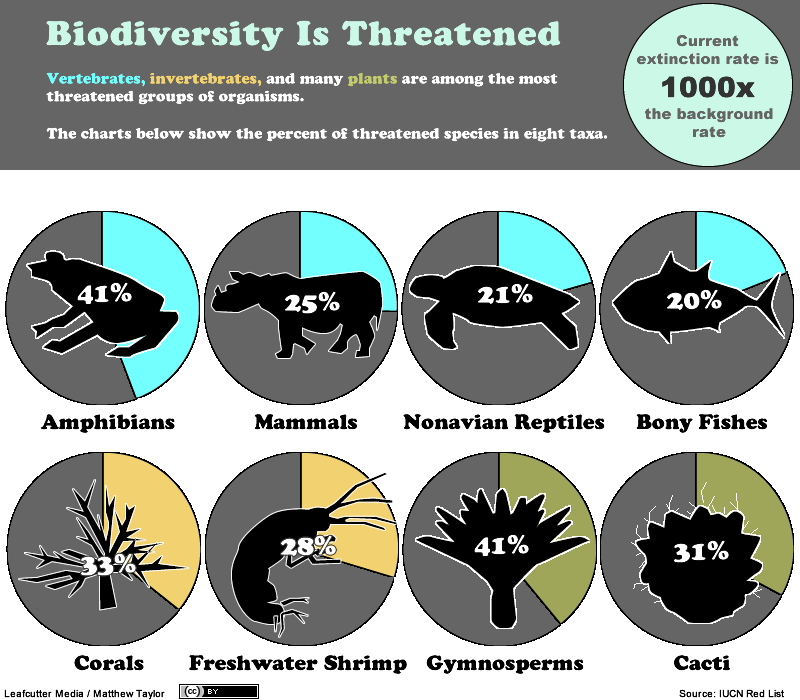
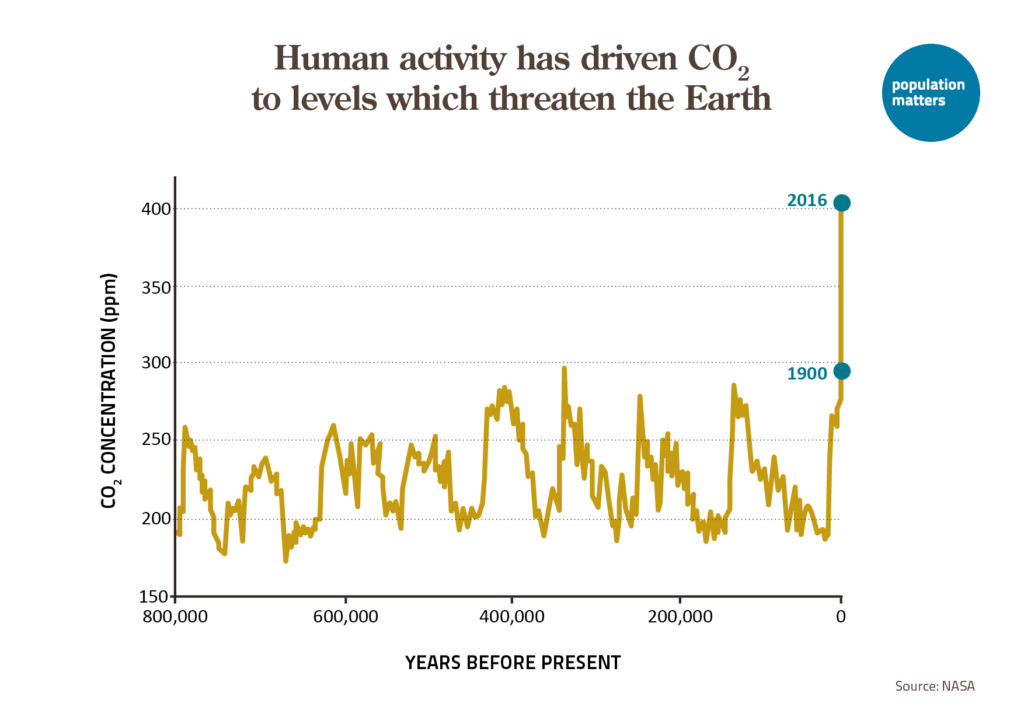
The futility of an environmentalism that refuses to accept limits becomes more obvious every year. The failure of this approach was amply on display in 2024, as humanity charged further into ecological overshoot, while catastrophic climate change and mass species extinction moved closer to actualization.
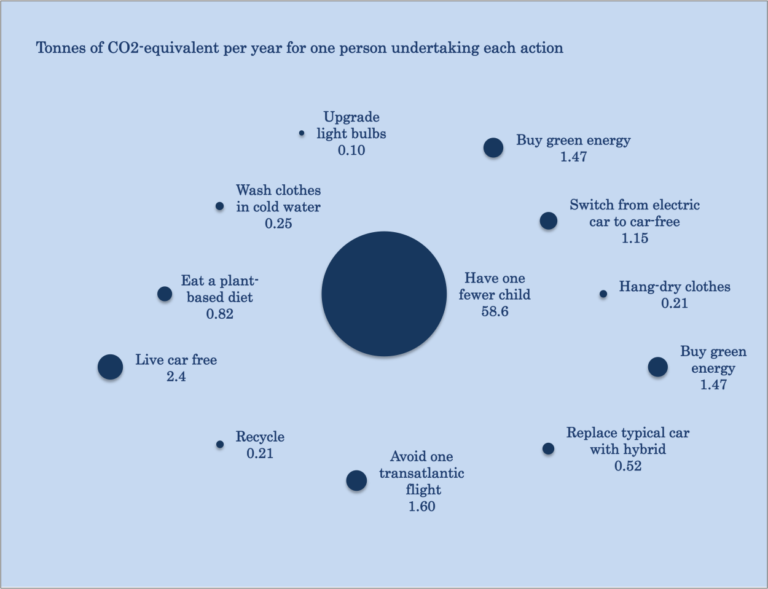
Join us in fighting for a better future. Less is more, whether we are talking about carbon emissions, cars on the roads and jets in the air, Elon Musk’s net wealth, or human numbers. Spread the word!











Leave a Reply