
Coming from a family of seven children, Chidera Benoit knows better than anyone how challenging it is to grow up in a big family in Nigeria and achieve a good living standard. Convinced that Nigerian women and men should be free to decide their family size, this young and motivated teacher and Executive Director of the Population Explosion Awareness Initiative travels across the country to raise awareness about voluntary family planning, smaller families and a sustainable population.
Interview by Veronika Perková
How did you become interested in sustainable population?
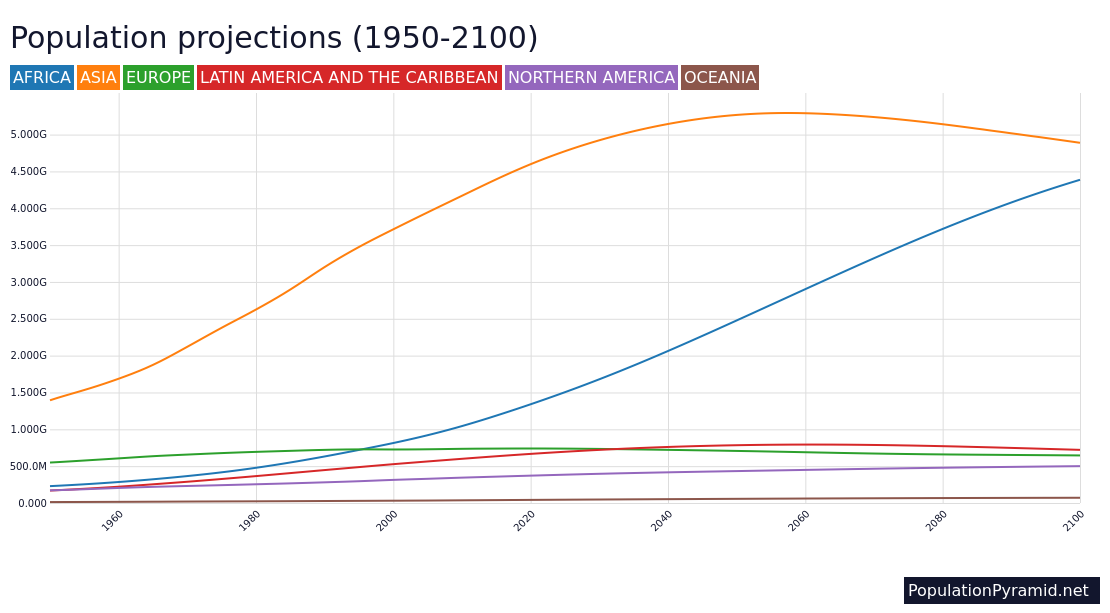
In 2018, I was reading the Goalkeepers Report by Bill & Melinda Gates Foundation and I was struck by the projections of the population growth in Nigeria. Living in Nigeria and seeing how many people already live in poverty, I was thinking about what will happen if Nigeria’s population will double by 2050. I realized that apart from better governance there are things that individuals can influence, for example, our reproductive choices. If we choose smaller families, parents will have smaller financial obligations and a better quality of life. That’s why I started the Population Explosion Awareness Initiative in 2020.
What type of activities do you do?
We have a project called Population Talks. We visit colleges in different parts of Nigeria and talk to graduates who are at the stage where they start choosing life partners and starting families. We discuss voluntary family planning, population growth, its effect on the quality of life and the environment. We also speak on radio shows and do live talk shows.
What type of feedback do you get from young people?
A lot of people say that our conversations are eye-opening for them. In Nigeria, if you happen to be among the first siblings who graduates and gets a job, you automatically take over the financial responsibilities for the whole family. You have to pay for your younger siblings and you don’t have enough money for your professional development. This leads to stagnation and it affects many people here. It’s called the black tax. It’s wrong to assume that older siblings should take the responsibility – parents should.

Why do people keep on having children if they can’t afford to feed them and pay for school?
In my Igbo culture, there is a strong pressure on women to have a male child. If you don’t have a son, it’s like you closed up your lineage. That’s why women keep on having more children. Some people also believe that when you have a large family, it’s something to be proud of. It’s culturally installed in the minds of people. Besides that, in the North, which is predominantly Muslim, a man is entitled to four wives. It’s common to see families with 16 children. There was even a member of the house of representatives who was boasting that he had 27 children.
Is the situation changing?
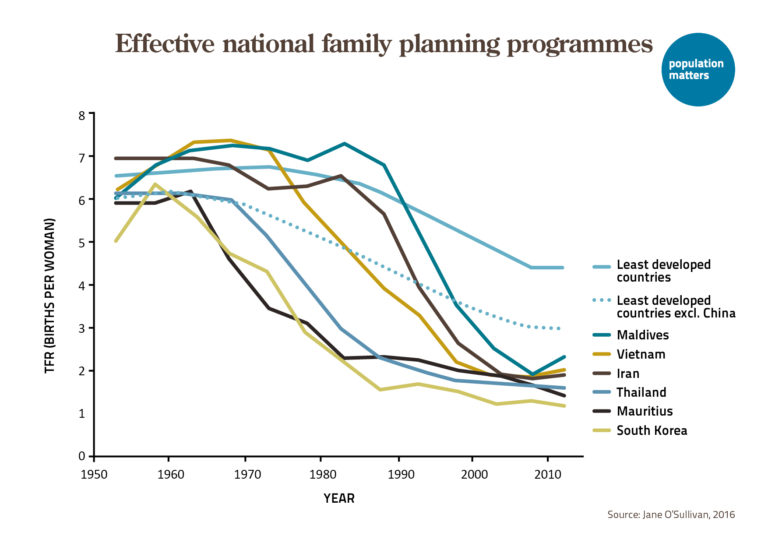
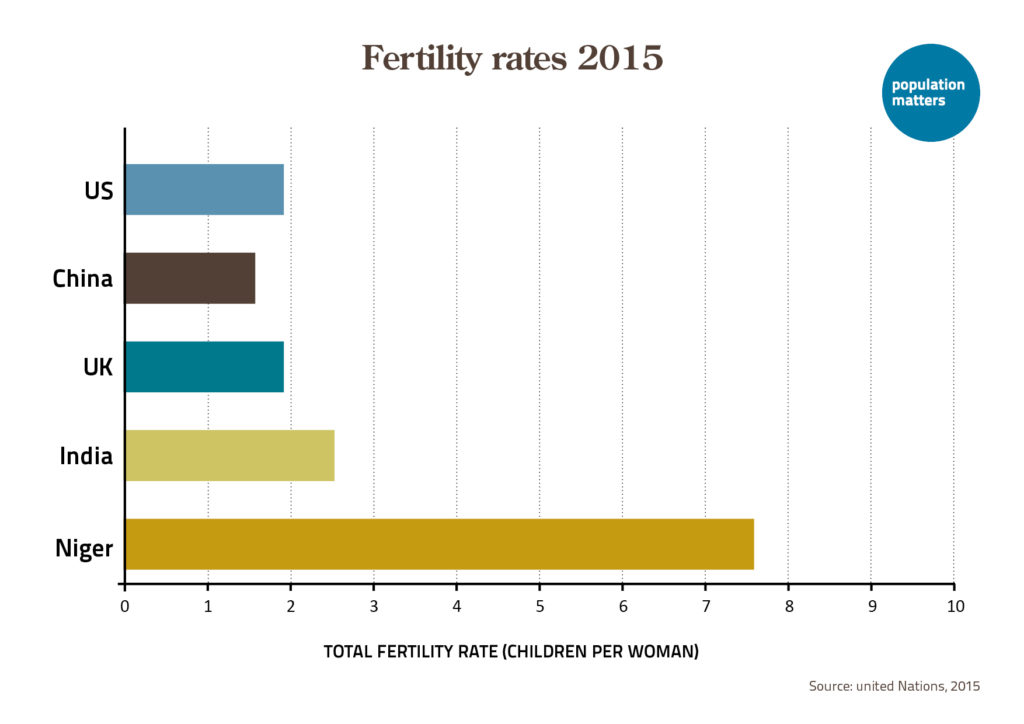
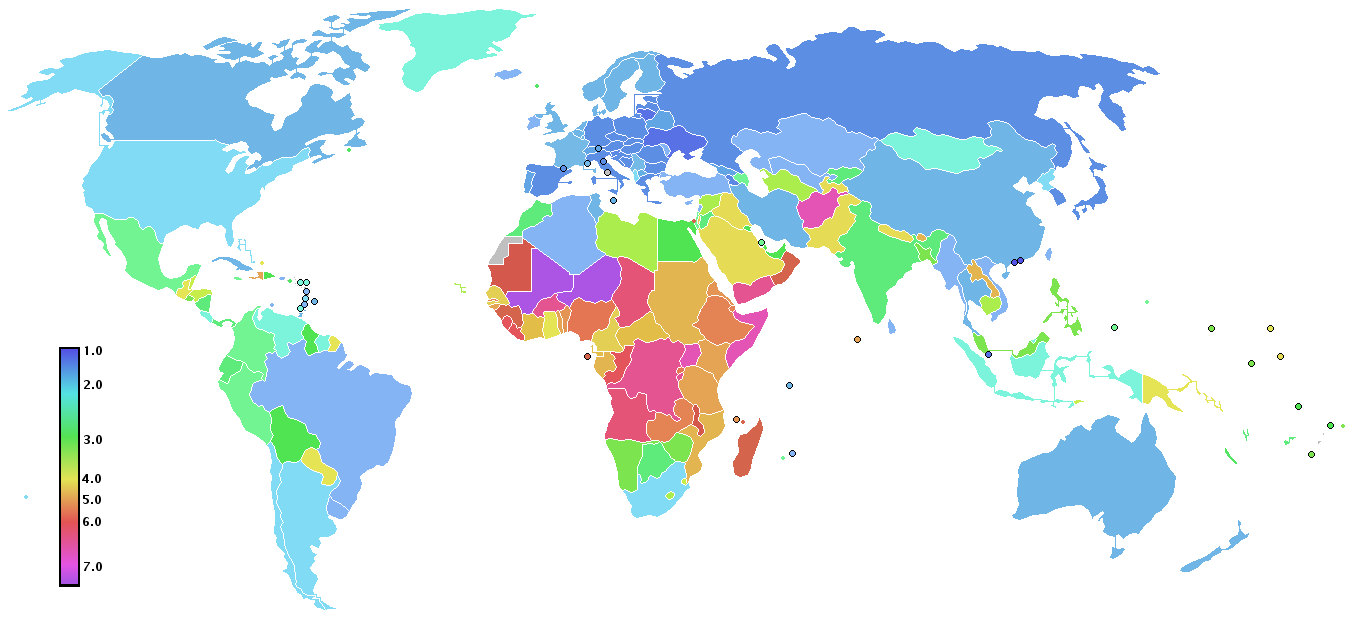
In 1988, the total fertility rate in Nigeria was around 6 children per woman, so the Nigerian government came up with a national population policy, which promoted the message that “four is enough”. Now, the total fertility rate in Nigeria is five children per woman. The young generation realizes that having a large family is challenging because everything has become more expensive.
What is the economic situation like in Nigeria now?
The price of petrol has doubled since this May 2023. The cost of transportation and living has almost tripled and the cost of food is rising but companies are not increasing salaries. We currently have a deficit of 28 million housing units. Things are really hard for a lot of people. It’s much easier to provide a good quality of life for a family of two children than a family of seven children.
What is the Nigerian government doing to increase the access and use of modern contraception?
The government is aware of the population growth in Nigeria but they’re not doing enough. In 2022, a revised version of the National Population policy came out which stated all the things that are supposed to be done to increase the uptake of voluntary family planning. Most of these policies don’t get implemented the way they are supposed to. Family planning funding mostly comes from international donors. When international funding for family planning is cut, the services are cut too.
Why is this happening? Is it because the government doesn’t have money or because they prefer to invest it in a different field?
I think it boils down to patriarchy and the fact that the Nigerian government is dominated by men and it’s not their priority to invest in family planning. After the last elections in 2023, women occupy only 3 percent of seats in the Senate and 4 percent in the House of Representatives. It doesn’t reflect the national gender policy. When men are in control and their mindsets are influenced by patriarchal norms, actions that would uplift the rights of women don’t seem to make it to the tops in the line of preference. When you fund family planning and women know their reproductive rights, they will have fewer children, get better jobs and have a better place in the society. In the Nigerian society, the mentality says that men have to dominate.
It’s really sad but it’s true that in many societies men are satisfied with the status quo. What should be done if the government isn’t active?
It’s important that young people become aware of the population issues and voluntary family planning so they can make informed choices to have a better quality of life and the environment. We need to involve both women and men. Men have so much influence in the African society. Without involving men, it’s like solving the problem half-way.
How do people view family planning in Nigeria?
Due to religious beliefs, many don’t get to accept it. For instance, some people, when they want to buy a condom in a pharmacy, they wait until the counter is empty. The fear of being seen buying condoms makes a lot of people not even wanting to go and buy a condom. This results in unwanted pregnancies and abortions. Even though abortion is banned, about 2 million abortions happen every year. Religious people believe that abortion is bad but they also don’t support wearing condoms. It’s a conflict of interest. If we make it more acceptable for people to use contraception, it will curtail the exponential population growth in Nigeria, uplift the quality of life of people and create a better environment.
Wouldn’t it be a good idea to talk to religious leaders?
I’m planning to launch a project about religious perspectives about family planning. I want to organize interviews with different religious leaders in Nigeria.
That will be interesting. In Power to the People report I read that Christian priests in Costa Rica were instrumental in helping women use contraception. Maybe some leaders in Nigeria will also be more open to sexual health and reproductive rights of women.
Hopefully, yes. Let’s see!
Besides religious norms you also touched on cultural norms. Is it true that in Nigeria mothers-in-law and extended family have a say on reproductive rights of women?
Yes, this is true. We tell people that your life is not your mother’s or father’s or in-law’s life. People have to realize that none of the people who are telling you how many kids you should have will take responsibility for them. I remember one friend who wasn’t ready to get married but his parents tricked him into getting married by supporting him to do so. He eventually got married, his wife got pregnant and they had a complicated delivery through Cesarean section. When the wife was lying on bed and he needed cash, he called all the people that forced him to get married to lend him money and all of them turned him down because they need money for their own family. That day he realized that his life is in his own hands.
Does your family respect your choices?
My family is very supportive of my work. They encourage me and say that I’m doing a great job. I’m always very happy when people come to me and tell me that they have decided to use contraception based on how I explained to them the benefits of having smaller families. It shows me that my work has an impact.
Thanks a lot for the interview, Chidera. Keep up the good work!
Veronika Perková is a journalist who hosts podcasts where she interviews various guests, often focusing on the intersection of sustainable population, women’s health and conservation. All interviews are available on Youtube or podcasting platforms such as Itunes or Spotify. This interview was originally published at veronikaperkova.com













Leave a Reply