
Thirty years ago, the Population Fund of the United Nations (UNFPA) started drifting away from its original objectives focused on reducing population growth. Its new State of the World Population Report illustrates how this drift undermines its mission to help the world’s poor.
by Jan van Weeren and Jane O’Sullivan

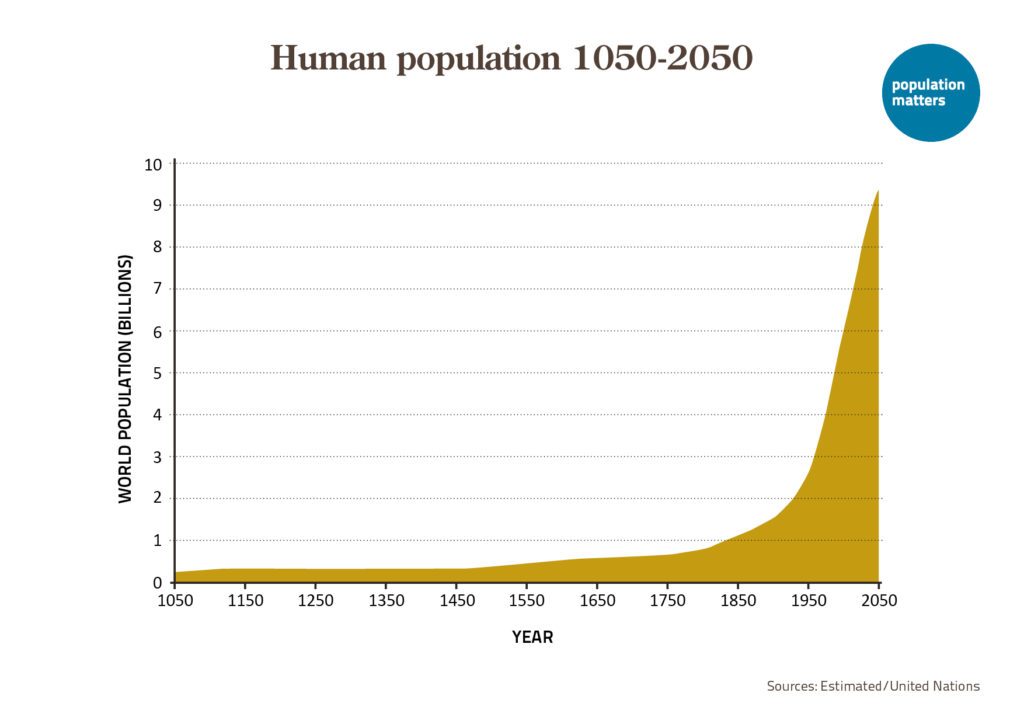
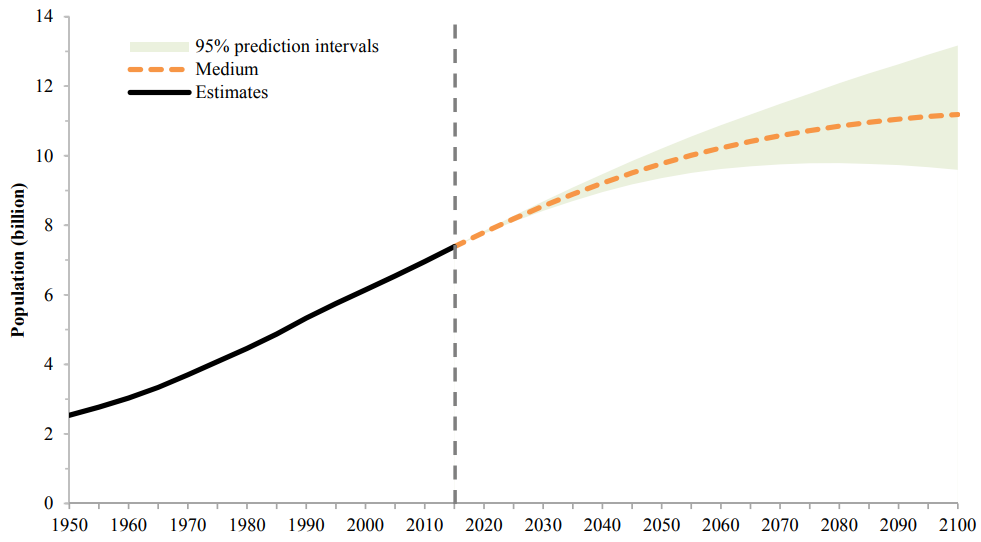
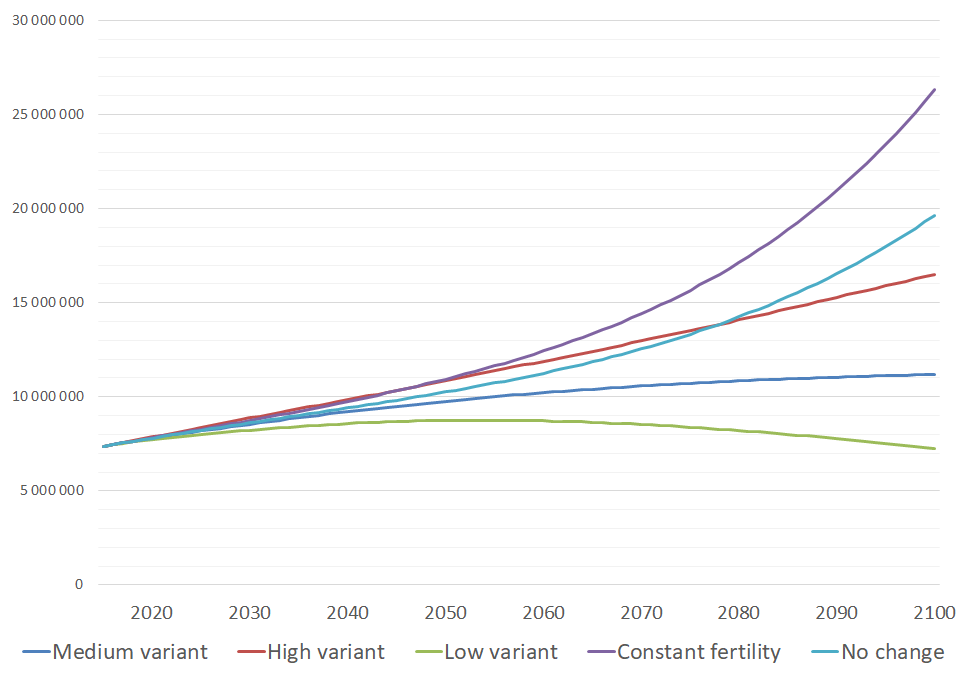
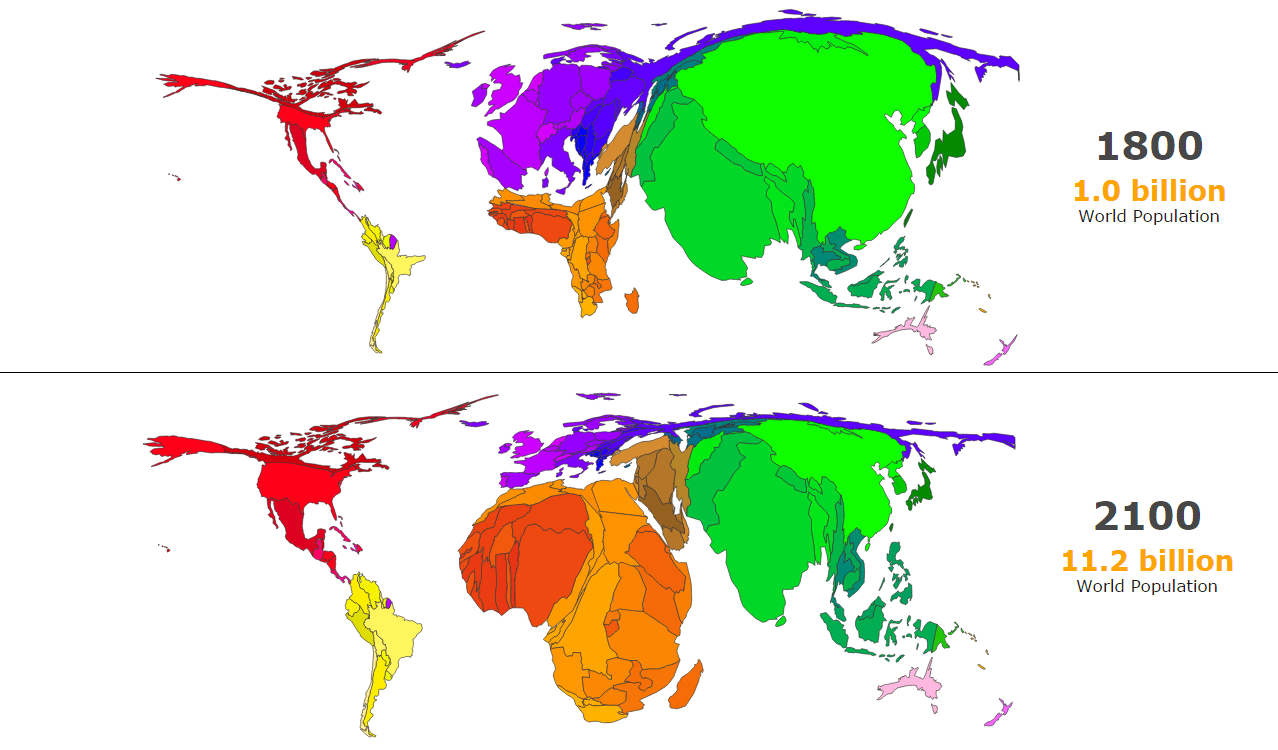
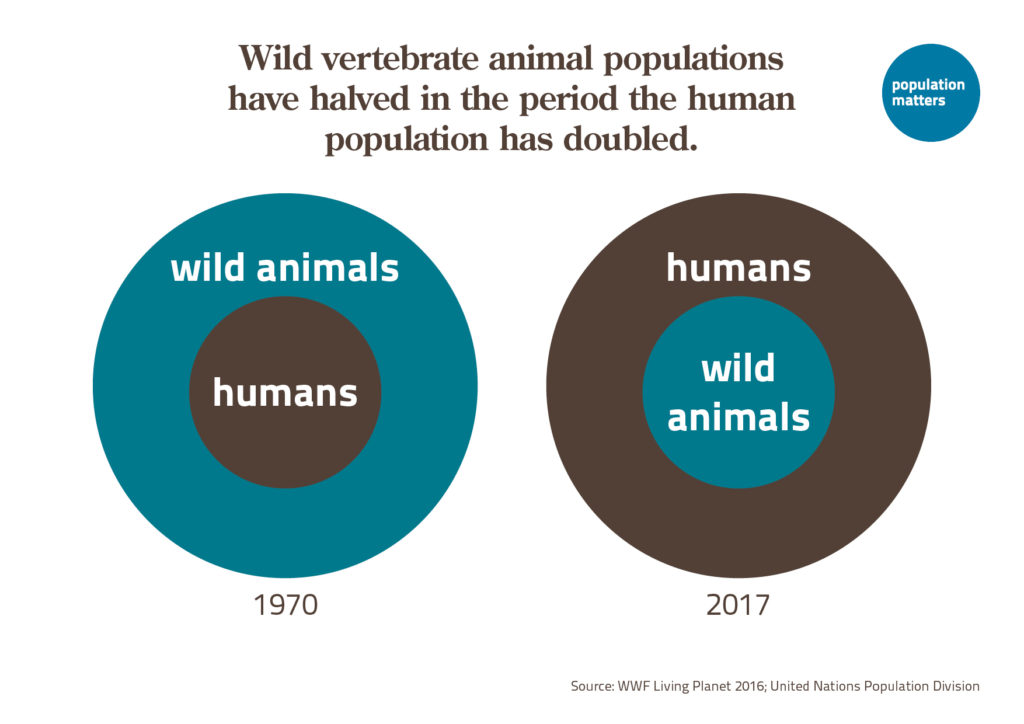
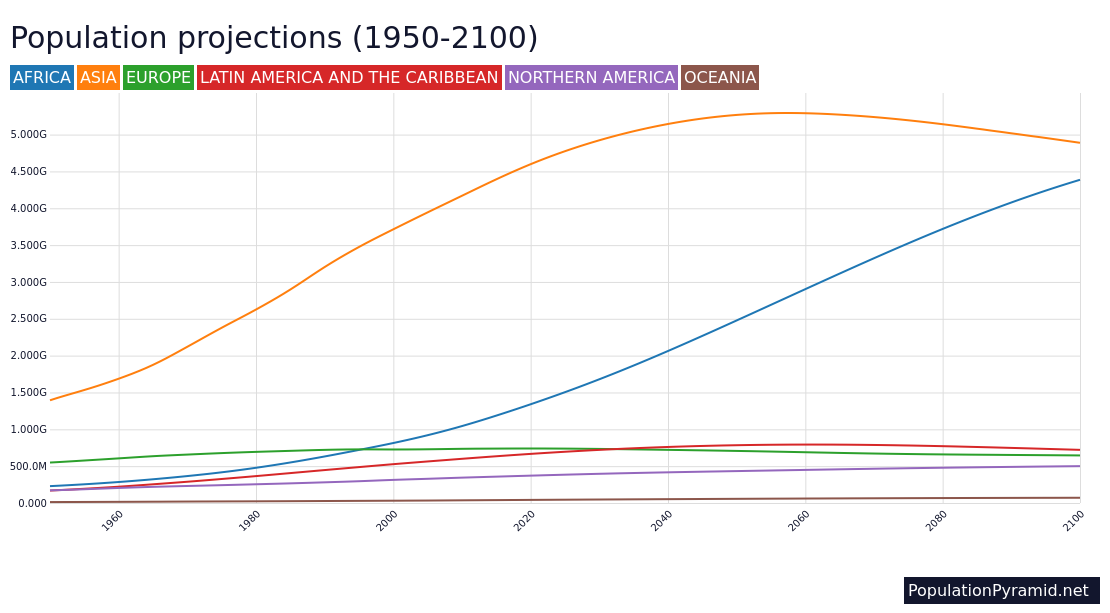
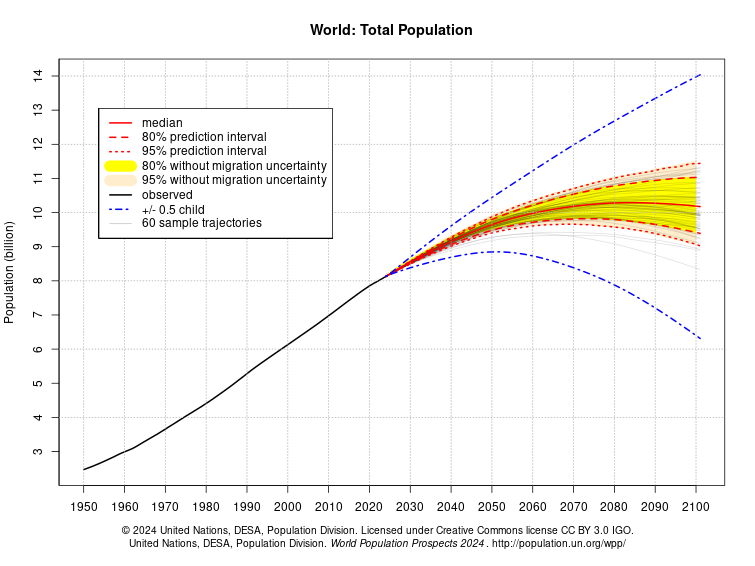
This year’s State of the World Population report (hereafter SWP 2024) from the United Nations Population Fund is called Interwoven Lives, Threads of Hope. SWP 2024 emphasises the desirability of reaching humans who are left or pushed behind: LGBTQIA+ people, migrants, people with disabilities, and minority and indigenous communities. The title is explained as follows: “The fabric of humanity is rich and beautiful, a tapestry composed of 8 billion threads and counting, each one of us unique.” The complacency behind these words is worrisome. Population growth has rebounded to close to 90 million per year. We could be heading towards 11 billion people or more in 2100.
When UNFPA was established in 1969, there were just 3.6 billion “threads” and counting. Concerns about unrestrained population growth led to its fourfold mandate in 1973, which was reaffirmed in 1993: (1) capacity building in order to respond to needs in population and family planning; (2) raising awareness of population problems and possible strategies to deal with these problems; (3) assisting countries to reduce population growth in the forms and means best suited to the individual countries’ needs; (4) assuming a leading role in the United Nations system in promoting population programmes, and coordinating projects supported by the Fund.
Change of objectives
SWP 2024 celebrates the thirtieth anniversary of the International Conference on Population and Development (ICPD), held in Cairo in 1994. The ICPD marked a turning point in the objectives of UNFPA. The achievement of universal sexual and reproductive health and rights replaced any explicit aim to tame population growth. Subsequently, an effort was made to discredit previous family planning efforts. In pre-Cairo population work, according to Cook and others (2003), “women were considered as means in the process of reproduction, and as targets in the process of fertility control. Services were not provided to women as ends in themselves. Women benefited from the process, but were not at its centre. They were objects, and not subjects.”
The reformed UNFPA has been even harsher in its description of pre-Cairo population efforts, stating that “population control” activities were conducted “without heed to people’s reproductive aspirations, their health, or the health of their children.” SWP 2024 criticises the fact that “instrumentalist rhetoric around childbearing persists today, both in fears of ‘overpopulation’ in a context of climate change, and in fears of ‘underpopulation’ when it comes to ageing societies.”
Instrumentalist rhetoric
Instrumentalist rhetoric? What does it mean? According to Phillips et al. (2024), “The instrumentalist paradigm tends to reflect the abstraction and universalization of Western values, political hegemony, and corporate agendas, even justifying their imposition on other countries.” The inference is that, however compassionately people in the 1960s, 70s, and 80s spoke about the need to liberate women from unwanted childbearing and to rein in population growth to allow people to escape poverty, we should interpret their words as insincere masking of a neo-colonialist agenda in which women are “instrumentalised” as pawns in a power-play that is not for their benefit.
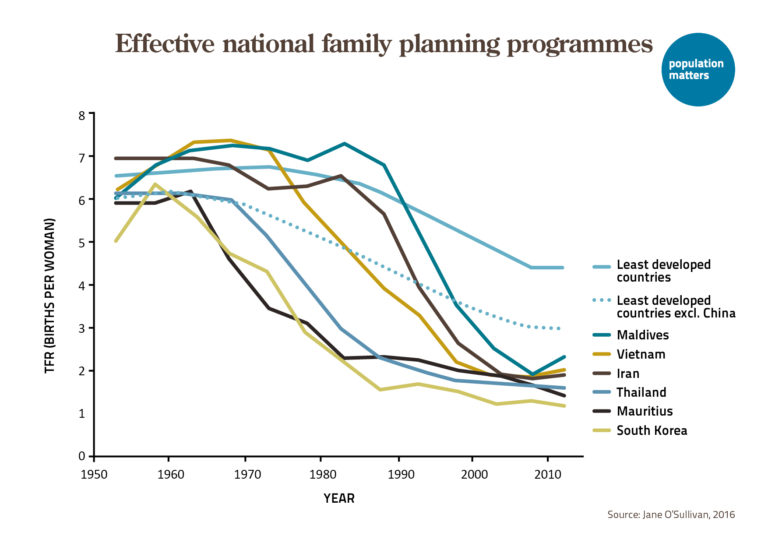
The late Carl Warren, deeply involved in family planning aid from 1962 to 1998, strongly rejects the view that population interventions prior to the ICPD had been imposed by the West and conducted “without heed to people’s reproductive aspirations, their health, or the health of their children.” According to Carl’s account, countries such as Ceylon (now Sri Lanka) and South Korea initiated their own family planning programs and saw aid agencies such as SIDA as “cash cows.” International assistance, particularly through the UNFPA, helped disseminate best practices, and to dissuade coercive measures. The services at times offered limited choices and personal care, so the new emphasis at Cairo on client-centred services was to be welcomed. But the claim that women would be better served if reproductive health was delinked from demographic objectives has not proven to be true in the past three decades, as funding has plummeted and progress in providing services has stalled.
The Family Planning Impact Consortium recently reviewed evidence on the value of investing in family planning. The review demonstrated that fertility control allows women to attain a higher level of education and affords them a wider range of career choices. In this way, family planning programs primarily intended to slow population growth have proven to be highly effective vehicles for gender equity and fighting poverty.

It is difficult to fathom how these highly successful voluntary family planning programs, which elevated women’s health and social equity enormously, while enabling rapid development and increasing political clout for emerging economies, came to be cast as anti-women neocolonial power grabs. It shows the power of ideology to trump reality and rewrite history.
A false antagonism
The idea that demographic objectives undermine the reproductive rights of individuals is a fabrication of post-Cairo population-shaming rhetoric. Prior to 1994, the focus was on the synergy between these two objectives. We might ask, who benefits from this ideological agenda? It is evidently not poor women in high fertility countries.
The recent report, “Breaking Silos: Population and SRHR, thirty years after Cairo,” stresses the need to reconnect reproductive health, population and environmental agendas in order to exploit their synergies. Recent TOP blogs from Joseph Speidel and Madeline Weld further explore these synergies.
In rejecting “instrumentalist rhetoric,” SWP 2024 states, “The language we use to address inequality matters. It is crucial that we avoid depicting any individual or community as powerless or peripheral.” Again, the inference is that any focus on population growth automatically marginalises people. Better to use politically correct language that shows we care, than to actually address a major root cause of lagging development and widening income inequality. Better to talk about poor people’s rights than to sustain programs that actually secure them.
African voices unheeded
It’s sadly ironic that these self-appointed defenders of minorities are ignoring the voices of African women who are seeking more attention to population growth. Fifteen years after the Cairo ICPD, Dr. Musimbi Kanyoro, former CEO of the Global Fund for Women, told an NGO forum, “No one doubts the value of empowering women through education, but when population grows this fast, countries are simply not able to sustain their development. And when education and health systems are overwhelmed or fail altogether, I can assure you that it is women and girls who suffer first and most.” According to a first-hand account, she was booed by the Western feminist audience.
More recently, at a side event at the climate change COP26 in Glasgow, Malawi’s Minister for Forestry, Nancy Tembo, said, “Malawi is highly populated, highly vulnerable to climate change – we have rapid population growth. This is a recipe for disaster.” As Tembo explained:
“What we must do is ensure that gender and population dynamics are at the centre of climate change adaptation and mitigation strategies to offset the growing pressure on natural resources and degradation of the environment. This requires us to invest in education, to reduce the gender gaps … Because it follows that if you do not send a girl child to school, they will not understand that they need to have a smaller family. If their family is huge, they will not be able to send their child to school. And if they’re not able to send their child to school, that huge family will go back to nature in order to survive. And we will continue to degrade our landscape. So this nexus has to be addressed. … And I hope that all conversations here at the COP can address the issue of population, because unless we address issues of reproductive health, unless we address issues of population growth, we will not be able to achieve anything.”
Ugandan journalist Florence Blondel powerfully expressed her frustration with the post-ICPD population taboo:
“I am irked when organisations ignore talking about population or when they talk about it and totally misunderstand what it’s all about. I do not like when most assume that in low-income countries, or Sub-Saharan Africa in particular, where I am from, people do not mind the continuous unprecedented upsurge in numbers.
“Most people fighting against the discussion, especially people living in countries with high-income, make excuses like that’s racist, eugenics etc. I find the racist point an annoyance. What’s racist about it? Have you been to our countries? Have you smelt the stinking poverty and hunger? Noticed children hanging around their mothers hungry? Found a household with about 5 children under 5 years and another in the womb – with oldest girls married off at 13? …
“If this writing comes off as a rant, you are right. It is a rant. Because it is a crucial topic I am passionate about. Why would you be against anyone honestly talking about population when its growth mostly oppresses young girls and women?
Why, indeed! After thirty years of dismissing and disparaging population concerns, it’s about time the UNFPA was called to account.
Jan van Weeren is secretary of the Dutch foundation against overpopulation











Leave a Reply