The Most Appropriate Response to Falling Birthrates? Embrace Them

Many governments are panicking over declining birthrates, but efforts to reverse the trend are ineffective and undermine reproductive freedom. Falling birthrates should instead be celebrated as a sign of increased reproductive agency among women.

By Nandita Bajaj

As birthrates continue to decline in many industrialized countries, anxious governments are running out of schemes to keep women procreating.

In the US, millionaires and billionaires are lining up to donate to Trump’s “baby bonus” savings accounts. Trump accounts give parents $1,000 for all babies born between now and 2028, plus whatever private donors add.

Late last year tech billionaires Michael and Susan Dell donated $6.25 billion to them. The accounts are part of Trump’s far-Right pronatalist agenda, and also part of the broader trend of governments using heavy-handed pronatalist policies, ranging from bribes to outright coercion, to convince women to have more babies and shore up the supply of future workers, taxpayers, and soldiers.

These interventions are notoriously ineffective. A recent Heritage Foundation report recommended using economic incentives to convince American women to have more babies, “with preferences for larger-than-average [families],” while shaming those who choose to have fewer or no children.

But it also admitted, “Other nations have tried to reverse declining birthrates through financially generous family policies, none has succeeded. Government spending alone does not ensure demographic success.”

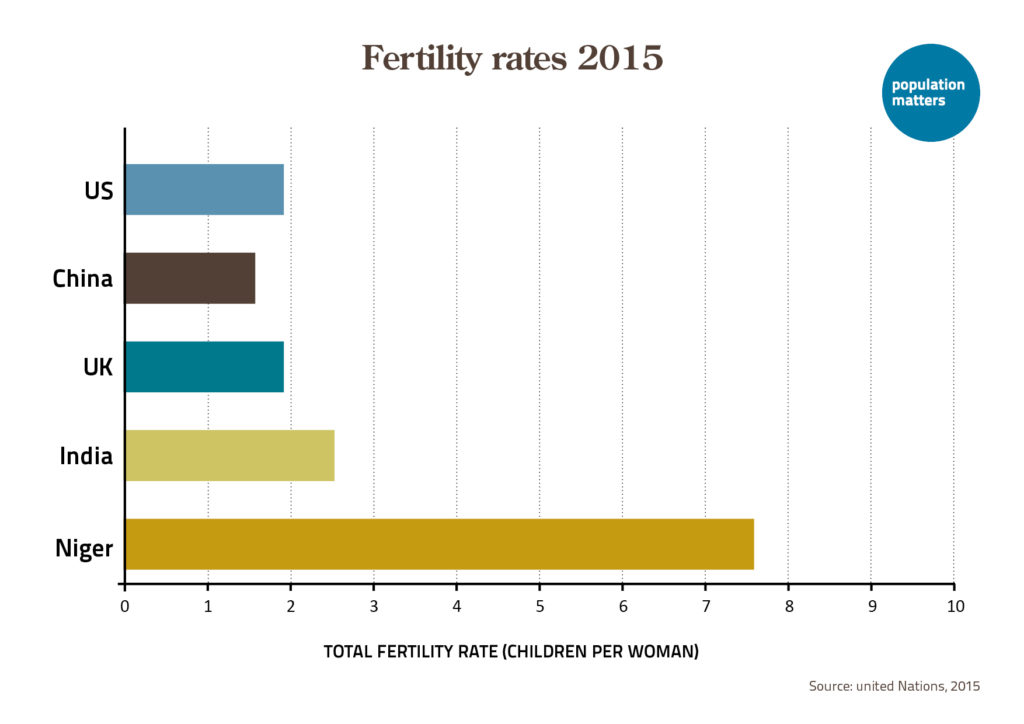
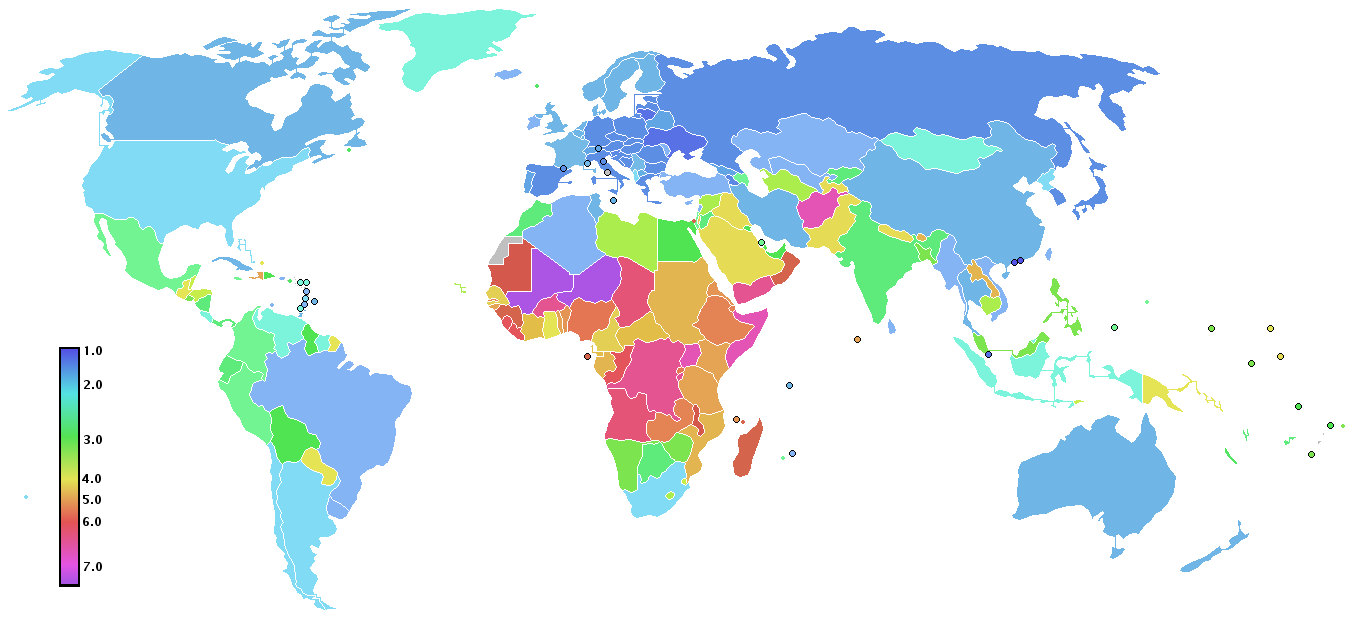
A family in South Korea, the country with the lowest Total Fertility Rate in the world (0.8)

Nor can such policies achieve what Heritage calls “success.” Trying to raise birthrates by incentivizing women to have babies not only undermines hard-won reproductive rights, it’s a waste of money.

Such spending is not a priority for U.S. taxpayers, as most Americans do not see falling birth rates as a crisis. Instead, they overwhelmingly want the government to address untenably high child care costs. But a one-time Trump account infusion makes no dent in high costs of raising children and other barriers to motherhood.

Just as recent cuts to SNAP and Medicaid disproportionately affect marginalized women and children, Trump accounts benefit least those who need help most. By the Administration’s own calculations, the accounts will benefit wealthy parents disproportionately.

This shouldn’t be surprising. Trump accounts and other pronatalist policies aren’t really about empowerment or saving families or supporting children. They are a bid to make more white Americans, part of a larger nativist program which includes cracking down on immigration from African and Muslim countries, detaining and deporting non-white people in huge numbers, and even abandoning former U.S. efforts to fight child exploitation and trafficking.

These policies overtly stoke panic about falling birthrates, and tacitly uphold the white supremacist “great replacement” conspiracy theory.

That makes support for pronatalism from some progressives especially disturbing. Even if their intent is not nativist, advocating policies that push women to have more children is anti-feminist and fundamentally at odds with reproductive agency.

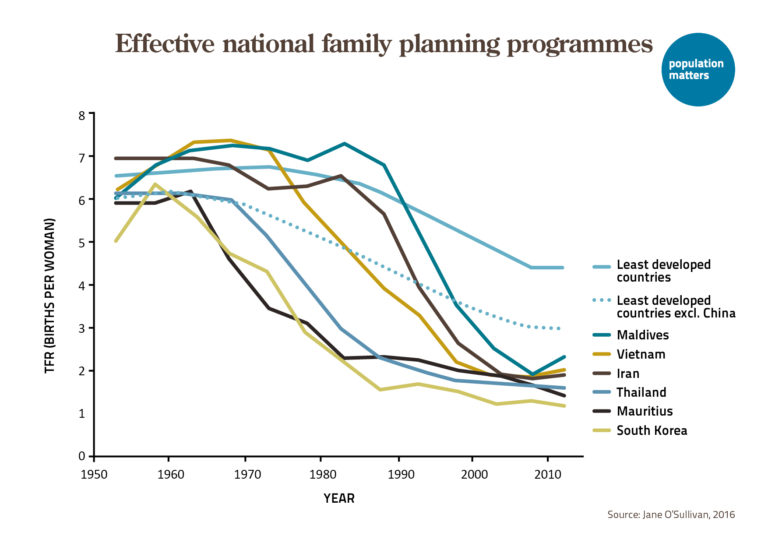
And even when such policies intend to serve feminist goals–for example Finland’s generous parental leave and child and health care—they fail to raise birthrates. That’s because the biggest factor in childbearing decisions isn’t affordability; it’s empowerment.

Nobel prizewinning economic historian Claudia Goldin has shown high birthrates are no longer tied to economic prosperity, as women increasingly choose education and careers over traditional family roles. In fact, she found an inverse relationship between per capita income and fertility. “Wherever you get increased agency,” she said, “you get reduction in the birth rate.”

Another study across 136 countries confirms this: whenever women achieve reproductive agency, birthrates decline, whether the economy is growing or shrinking.

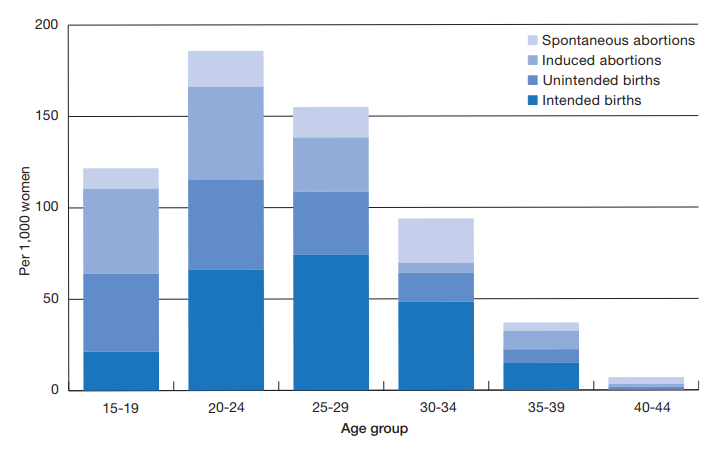
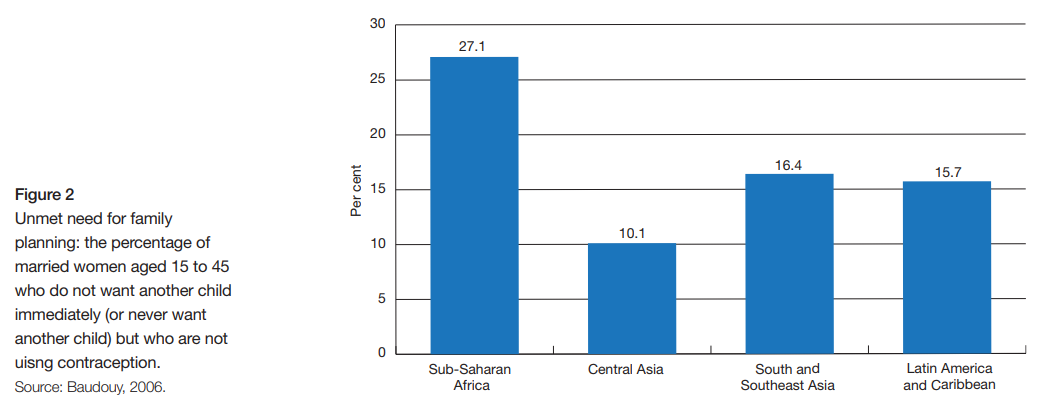
But hundreds of millions of women and girls are denied this agency. Over 640 million alive today were child brides (including in the US). Over 220 million have an unmet need for contraception. More than half of pregnancies are unintended—121 million annually. Cuts in USAID and other aid programs make the situation more dire.

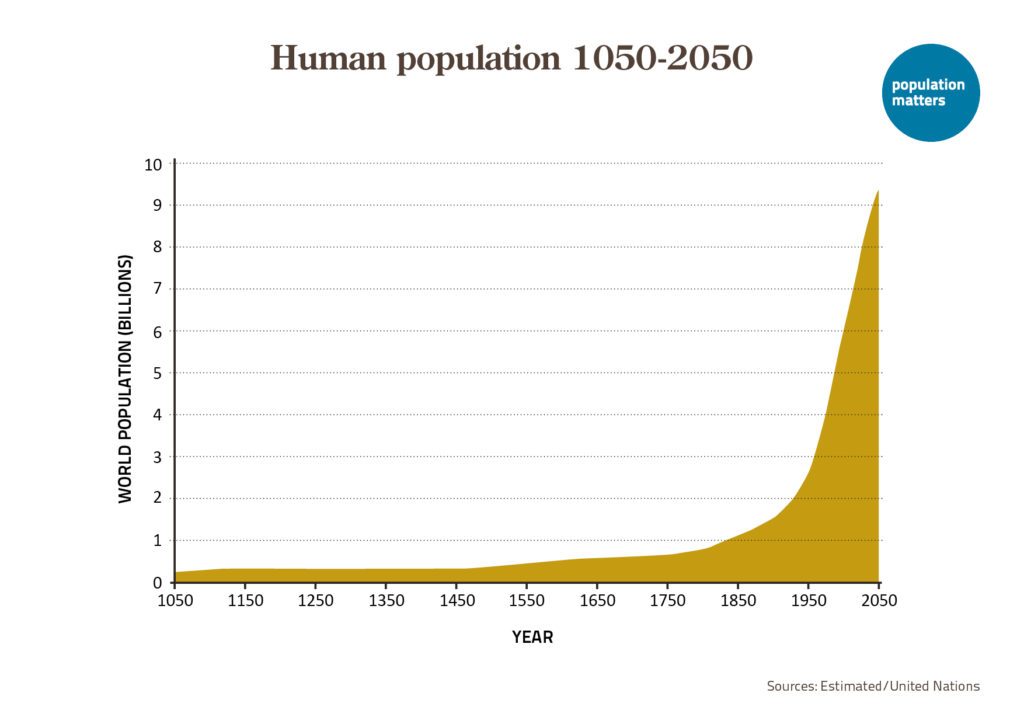
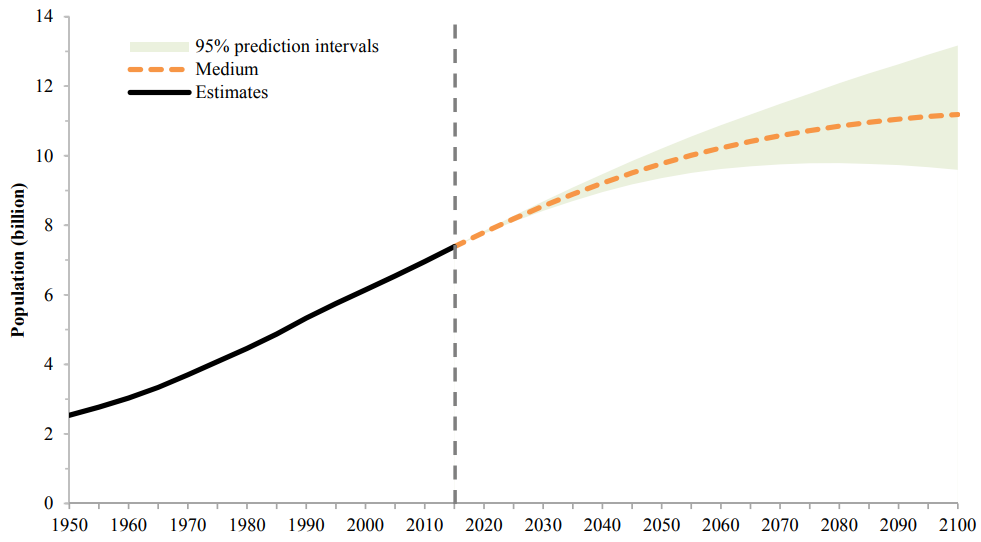
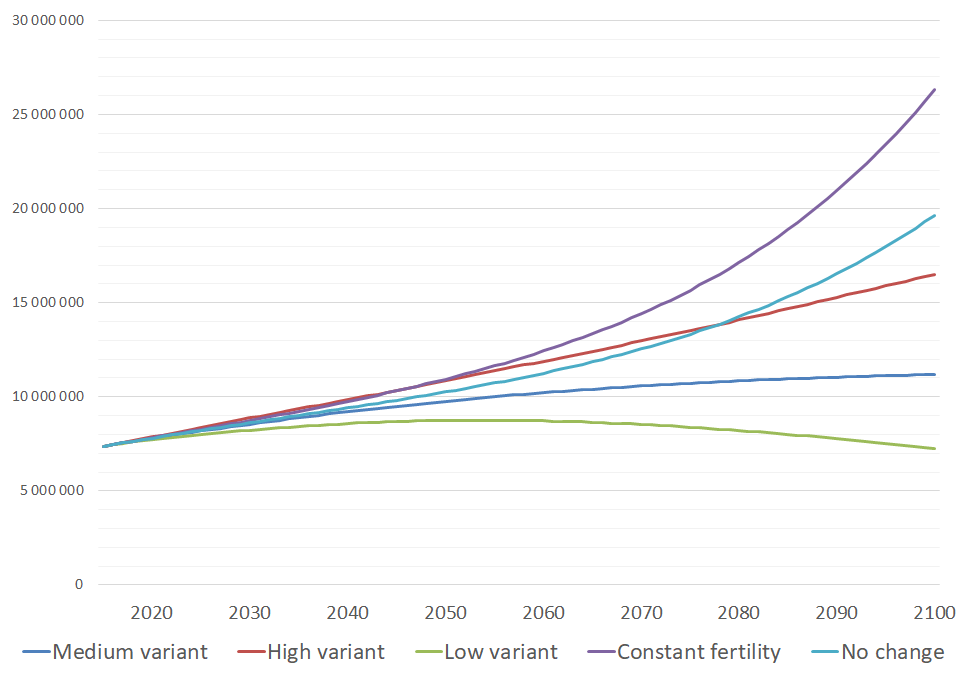
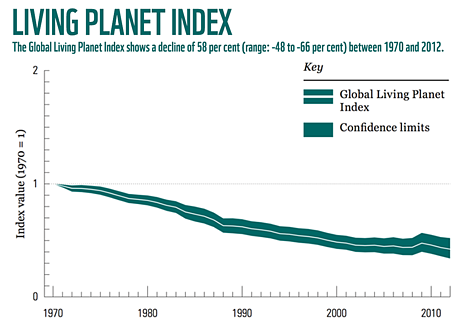
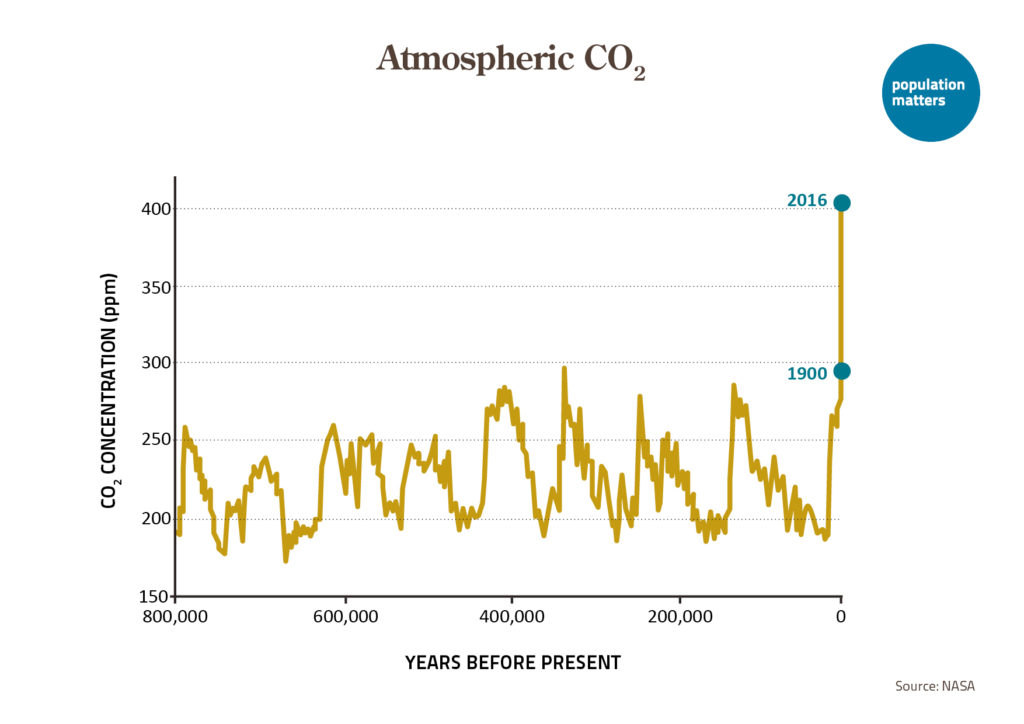
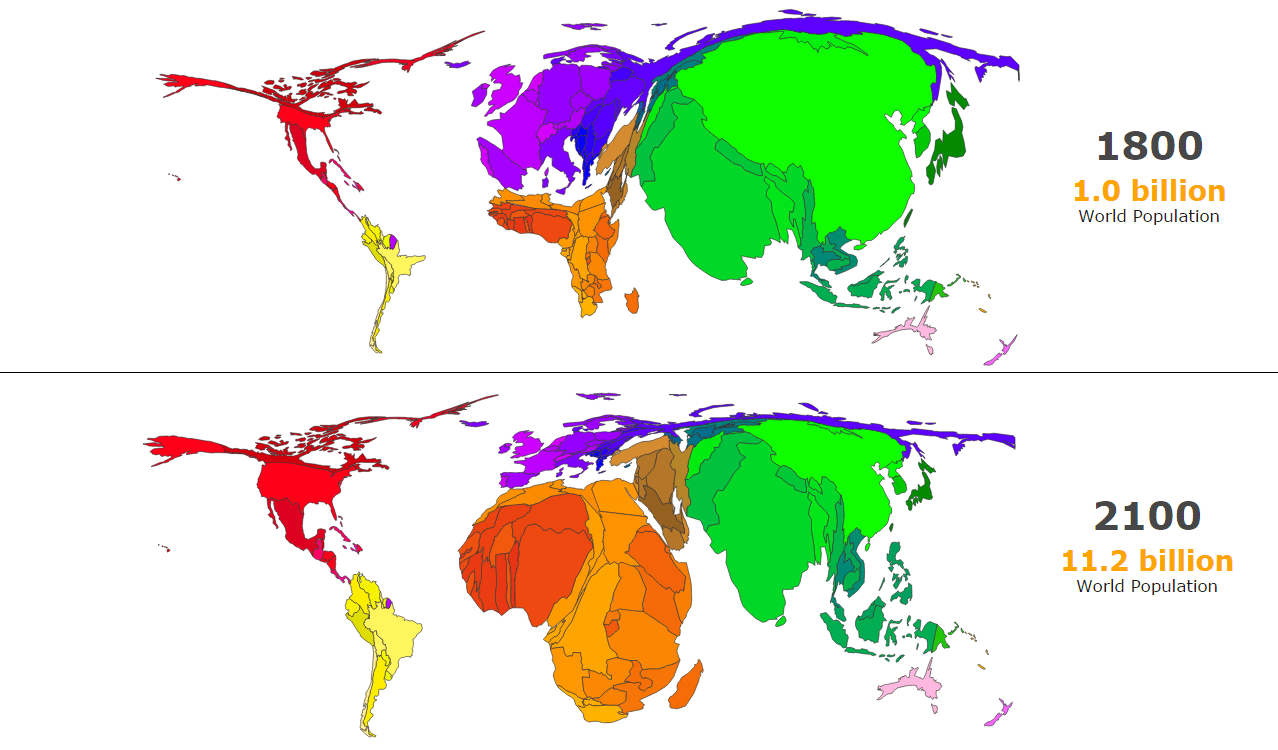
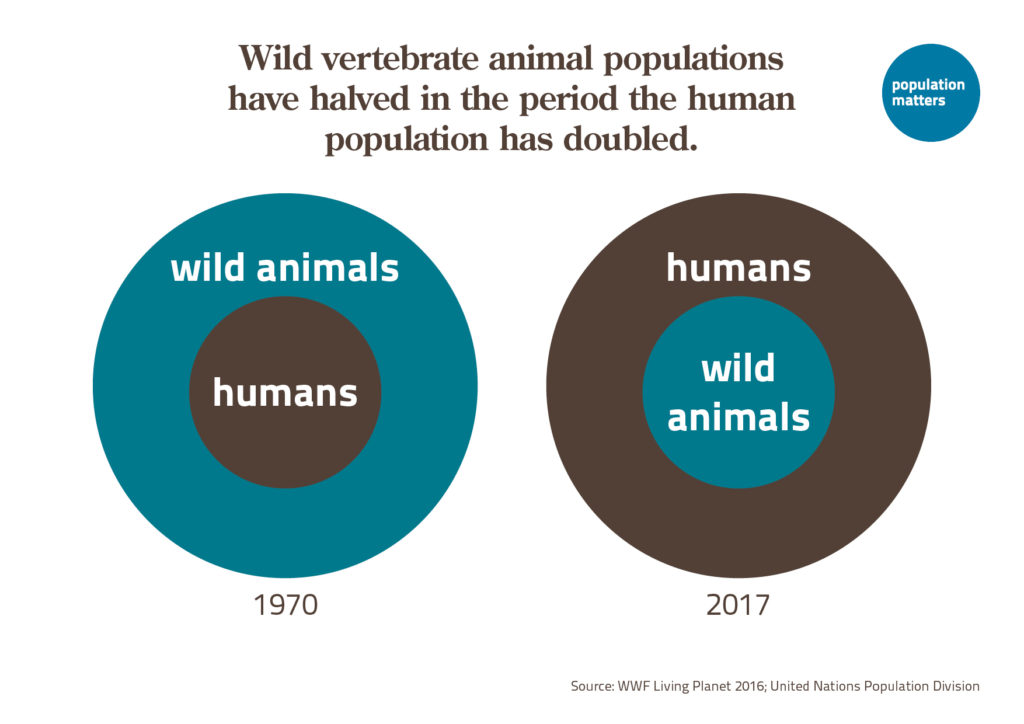
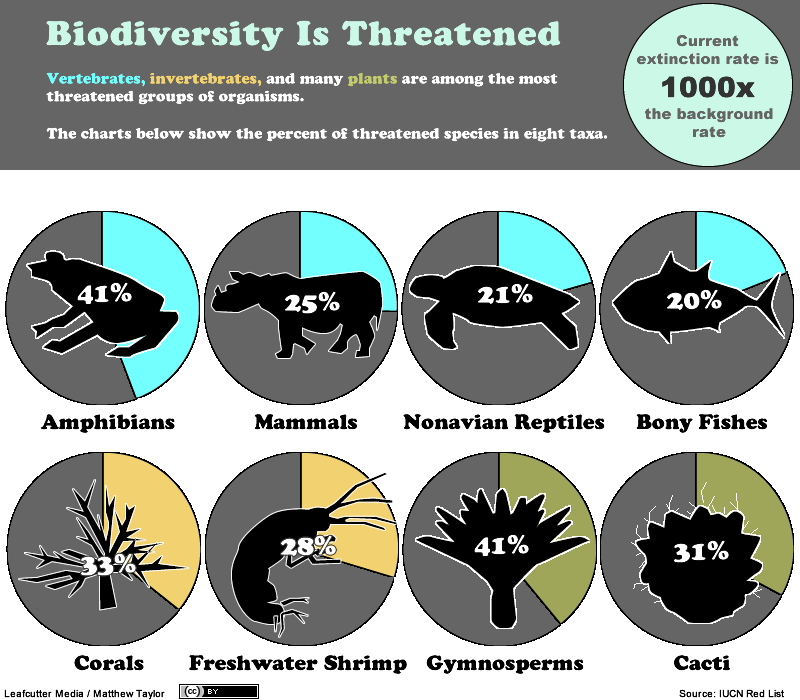
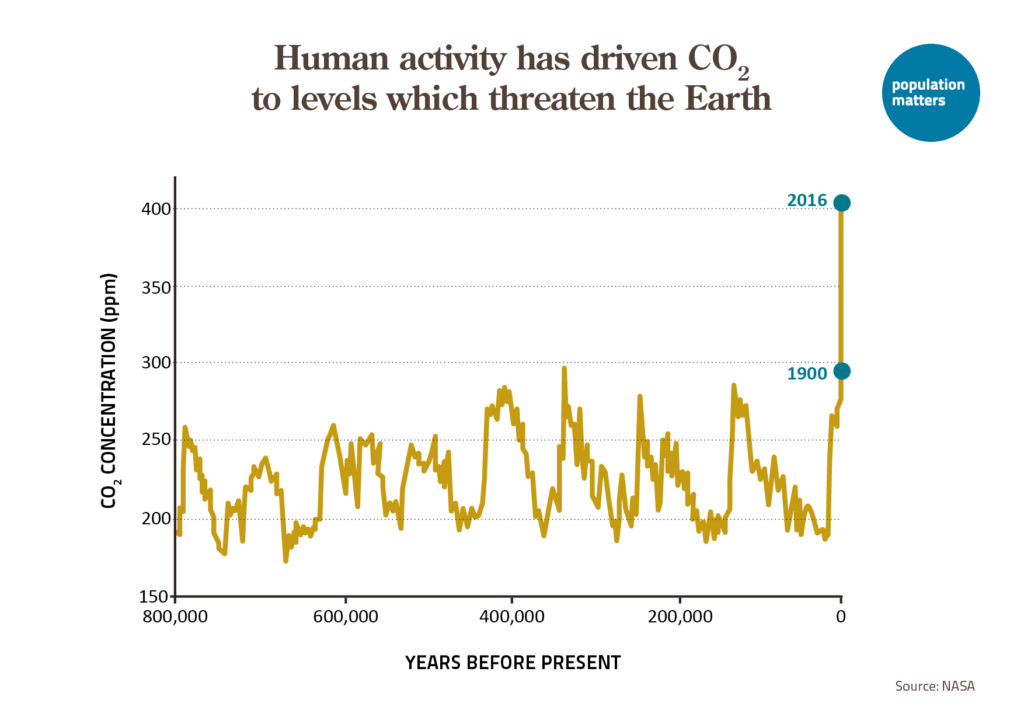
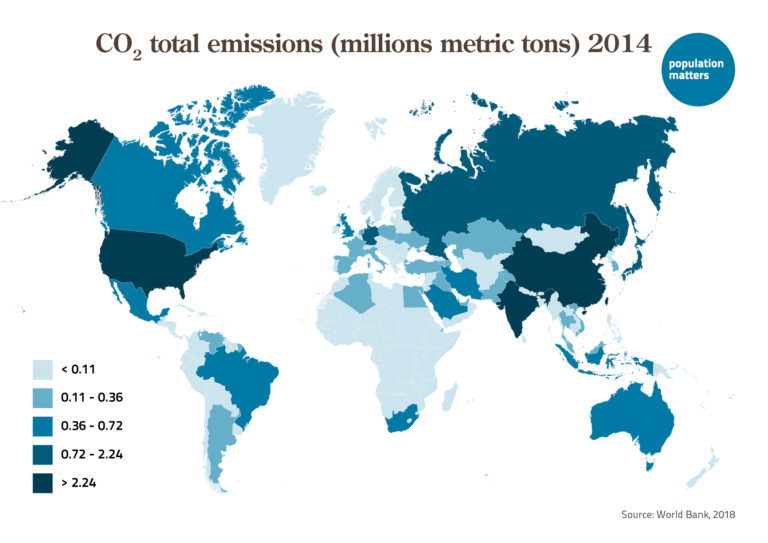
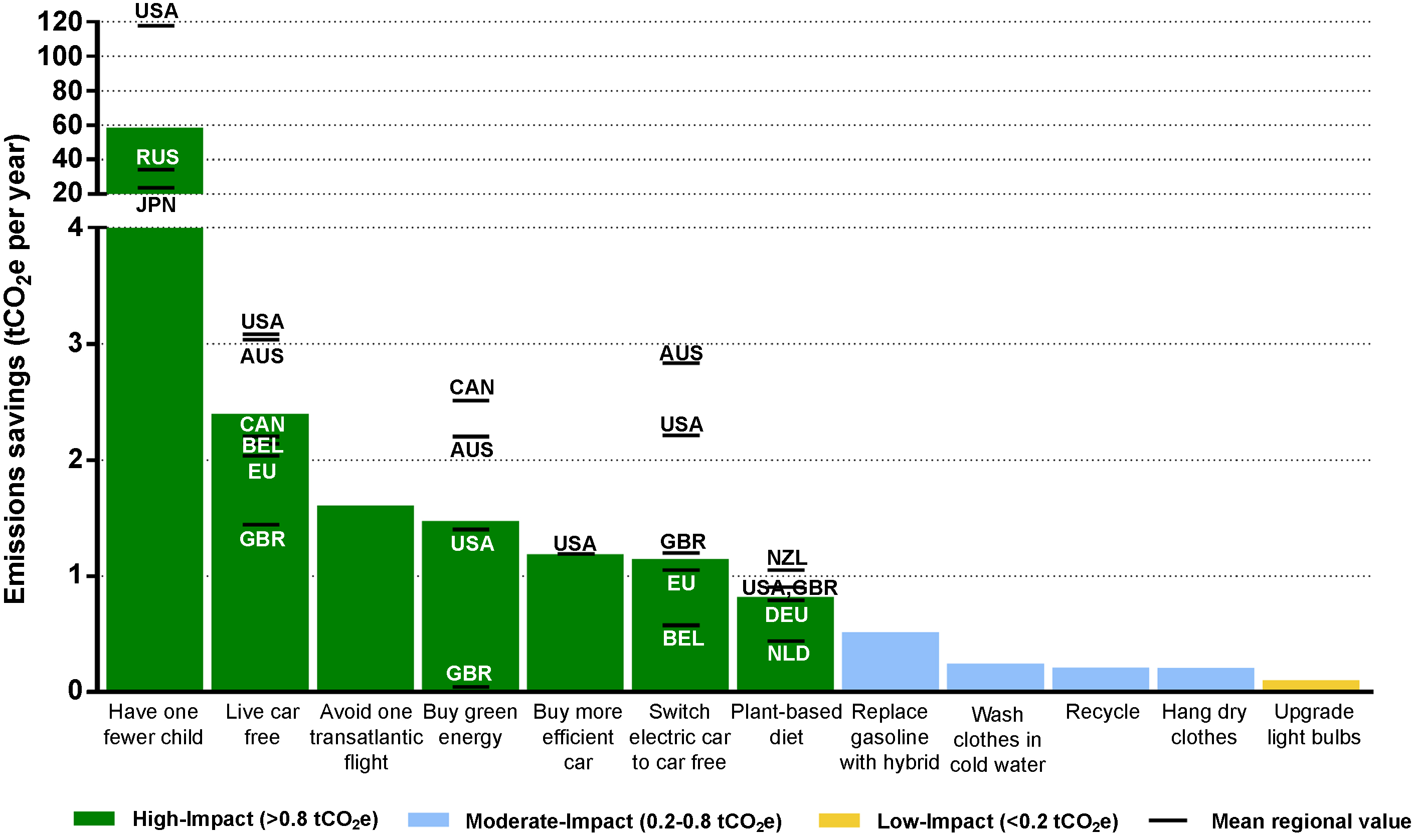
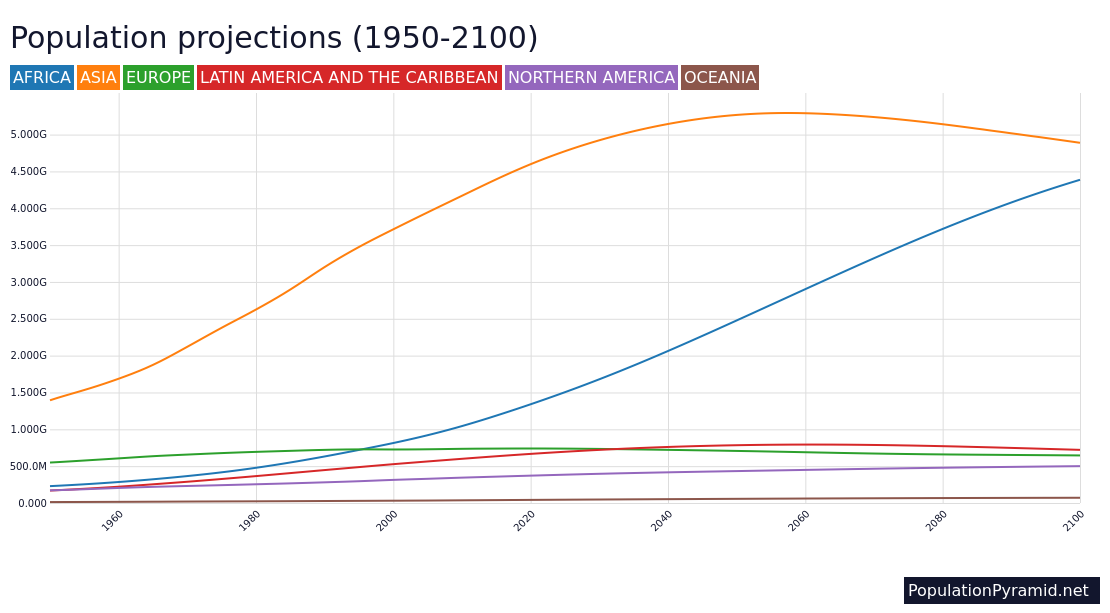
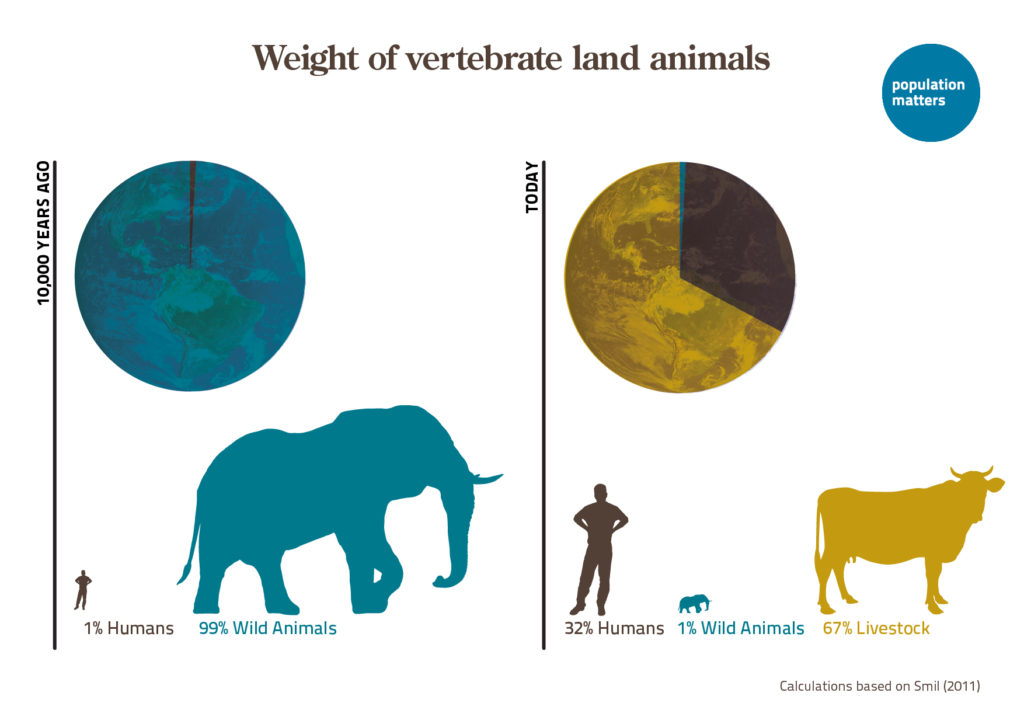
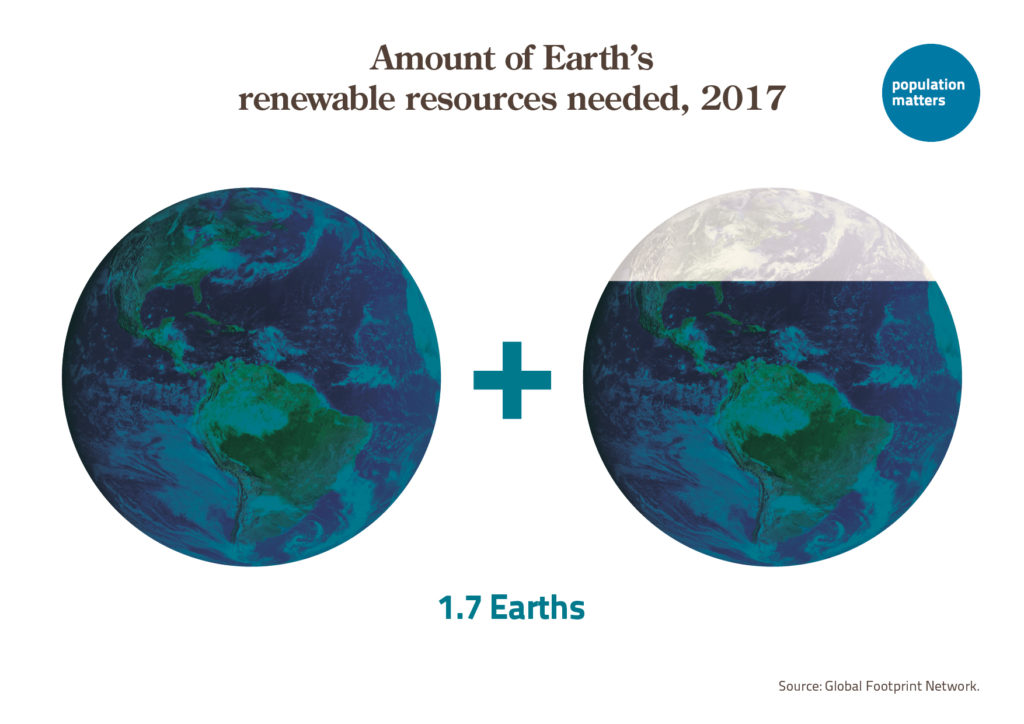
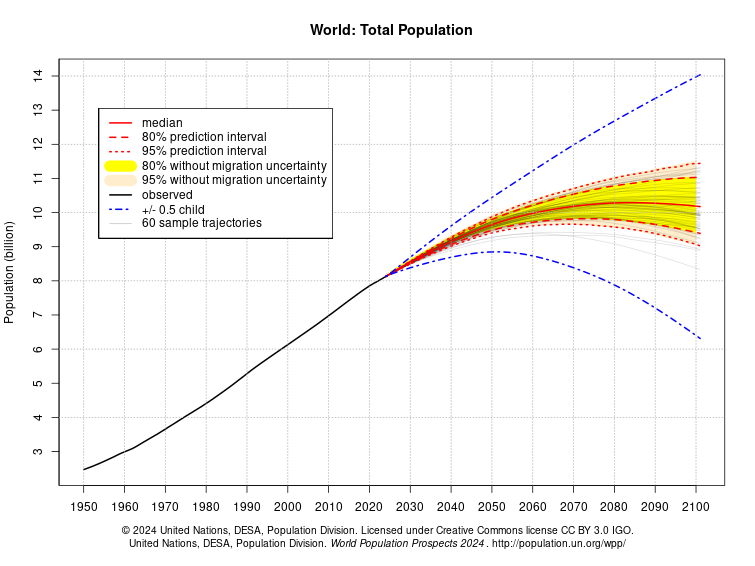
Despite birthrates declining in many countries, global population is going up, projected to swell by 2 billion to 10.4 billion by the 2080s, with vast ecological and social consequences. Extreme climate events are expected to kill more than a billion people and displace up to 3 billion this century, most in countries where women and girls are disempowered and fertility rates remain high. Pronatalism will only make ecological and social crises worse.

We need new policy thinking that recognizes this and embraces the many advantages of declining fertility and less growth. As fertility rates fall, female labor participation will increase and gender pay gaps will narrow.

As median age rises, changing demographics could enable policy shifts that improve wages and conditions for workers and extend job opportunity to billions on the sidelines who want work but don’t have it.

There is no lack of good ideas, from economic models that center wellbeing and rethink growth to radical ecological democracy. Exploring them requires getting off the endless growth treadmill that enriches elites at the expense of the rest of us. We must stop treating women like reproductive vessels for making more people to serve the economy, and start reshaping our economies to serve more people and the planet.

Nandita Bajaj is executive director of the NGO Population Balance, senior lecturer at Antioch University, and producer and host of the podcasts OVERSHOOT and Beyond Pronatalism. Her research and advocacy work focuses on addressing the combined impacts of pronatalism and human expansionism on reproductive and ecological justice.

Originally published by IPS on 12 March 2026

Published

14 responses to “The Most Appropriate Response to Falling Birthrates? Embrace Them”

  1. gaiabaracetti Avatar

    Replacement isn’t a conspiracy theory, it’s a fact. Whether one considers it a good thing, a bad thing, or neutral, it’s simply true that in many countries (not just in Western ones!) migrants are changing the ethnic/racial/cultural make up of the population. This has consequences. And personally, as controversial as this is, I think that people should be free to oppose that if they don’t want it. Peoples recognised as indigenous are allowed to protect their ways of life, so others should be given that option too – and if they don’t want to do that, that is also their choice to make (which is why MAGA telling Europeans to not welcome immigrants is also annoying: it’s none of their business).

    Racism and being against mass migration are two different things. Racism is a belief that some people are intrinsically inferior in some respect. Wanting the population to be more homogeneous and to have more cultural continuity is a personal preference, not racism. Speaking for myself, on the one hand I appreciate the opportunity to get to know different cultures through migration to my country, while I also want to share our unfair slice of global wealth, but on the other hand I am worried about how culturally disruptive this phenomenon is on such a large scale, with some schools pretty much having ONLY foreign children. I also partly resent the economic motivations of most migrants, which among other things makes de-growth in my country impossible. It’s not nice to see your homeland and environment treated by people who have no affiliation to them as mere economic opportunities for enrichment.

    We should really stop calling people names, and listen to them more.

    1. Philip Cafaro Avatar

      “Replacement isn’t a conspiracy theory, it’s a fact.” I agree. Mass immigration has the potential to radically and rapidly change the ethnic composition of a population, as we can see in many places around the world. As you note, It also undermines de-growth trends in developed nations and brings in people who (perhaps understandably) are likely to prioritize economic goals over environmental protection and other non-economic goals.

      Calling ethnic replacement a “conspiracy theory” is another example of Americans’ inability to talk honestly about racial matters these days. Also a sign of how weak arguments for continuing mass immigration actually are.

      1. gaiabaracetti Avatar

        Not just Americans, it’s called a “conspiracy theory” in Europe too. Interestingly, there are people that are explicitly blamed for wanting and implementing this – and the thing is, it’s correct. There are people who theorised an ethnically mixed Europe, migrants to replace declining natives, etc. Partly they proposed those things because of the trauma of generations of nationalism culminating in two world wars and the Holocaust. Of course criticising these projects does veer into paranoia and excessive finger pointing – this is happening because everyone wants it, not just a few puppeteers.
        I remember a cartoon in an Italian newspaper, of a journalist going to a far-right event with his African friend, introducing him as his “ethnic replacement”. It was funny. The changes are a lot more obvious in a continent that, while very diverse, was almost 100% “white” (not a European concept) until very recently. Settler colonies such as the US, Canada, Australia etc are a different story, where, say, black or native mean very different things.

  2. Esther Avatar

    There seems to be incredible confusion between environmentalism and social justice, and it was a negative move against the biosphere to state you could not have one without the other. Moreover, in a reproductive “free for all” there is absolutely no social justice, as the most reasonable/intelligent ones had no children, understanding that this reproductive situation was a recipe for catastrophe.
    Of course it would be preferable to have social justice but the bio-physical limits of the Earth that we have completely and utterly overstepped do not care about social justice. The limits of the biosphere are a hard scientific fact, social justice a human construct.
    Some people in the environmental movement have moved away from hard science into the realm of illusions or even delusions sadly. Bringing people out of poverty would have been possible when there were far fewer of us, now it would probably finish off the biosphere.
    A typical example is the Green Party in the UK where proper ecologists now seem in a minority – and the very basic the Party was founded on ie trying to deal with the rapidly augmenting world population is now being minimized if not “cancelled” as a major problem.

    1. gaiabaracetti Avatar

      We can still have *more* social justice, if not absolute justice. We don’t need billionaires and they are bad for the planet.

      1. Esther Avatar

        Absolutely agree Gaia

    2. Philip Cafaro Avatar

      We can have more justice, but Esther is right, it isn’t the same as sustainability, and it’s better to keep the two goals conceptually separate.

      A billionaire is no worse for the planet than a thousand millionaires. Earth would be better off without either of them. The problem is the economic activity that a billion dollars mobilizes.

      I support a more equitable distribution of wealth within my country (justice)– but also reining in the pursuit of wealth (sustainability). And I can easily imagine a future where we achieve one but not the other, or neither, or both.

      1. gaiabaracetti Avatar

        It’s not just a matter of numbers. People’s actions and wealth have an influence on others. The more the richest are able to consume, the more the others aspire to. We wouldn’t be thinking about flying to the other side of the world once or twice a year if it wasn’t common behaviour. We wouldn’t want new clothes all the time if there weren’t celebrities and influencers always being photographed with the newest trends.
        Also, people will demand better living conditions from their politicians. We can either do that by growing the economy, or by redistributing what’s already going around. The former is bad for the planet, the latter is neutral.
        So, while social justice and sustainability are not the same thing, it’s actually harder to achieve certain sustainability goals without redistributive policies (or repression, which doesn’t work and can lead to a rebound effect).

  3. Philip Cafaro Avatar

    It is true that people look up at the consumption patterns of those wealthier than themselves, thus spurring on greater consumption. From that perspective it is particularly important to set limits to the wealth and consumption of the wealthier members of society. Particularly valuable is saying “here are some things you simply cannot do, no matter how much money you have.” Just as today in decent societies it is not permissible to own slaves, in a climate-constrained future it probably will not be permissible to own/use private planes.

    Keeping this in mind, having a more egalitarian society does open up necessary space for sustainability. If “we all” refrain from certain excesses for the common good, this solidarity makes restraint easier.

    Having said that, redistributive policies could also make it harder to achieve sustainability in some contexts. The growth of a new “global consumer class” of several billion people in developing countries, working their way out of poverty to a relatively humble prosperity, has been a good thing for those people. Arguably it has led to a fairer sharing of global wealth. But as a recent paper from Lucia Tamburino et al. noted, this increased prosperity for the formerly poor has also been a major driving force in increased global carbon emissions. See “Carbon Inequality: Resolving Contradictory Results From Two Different Approaches,” https://www.qeios.com/read/CNVHVF.2

    Conversely, my idiot President’s war in Iran may touch off a global recession, leading to misery but also reducing carbon emissions, toxics production and other environmental harms.

    1. gaiabaracetti Avatar

      Yes but don’t forget the rebound effect.
      For what it’s worth, the most materialistic people seem to be those that come from poor countries, especially the communist ones. It’s like kids who grew up in poverty and often when they become rich, they just can’t stop. It’s like a trauma; once you’ve been hungry, you will always hoard food, for fear that hunger comes again, or to forget about it.
      Sustainability has to be something that is presented as desirable for its own sake, and reduced consumption good for a better life, so that people embrace it and make it part of who they are. “Here, you’ll be poor and struggling for a few more decades while I keep being rich” doesn’t do any good in the short or long term.

    2. gaiabaracetti Avatar

      P.S. Wars are extremely polluting. They’ve done the calculations for this one and, while I don’t remember the exact number, it was a staggering amount of GHG emissions. The weapons, the fuel, the dust, the burning of oil, the fact that you then have to rebuild everything… bad for the environment, very bad.

  4. Stable Genius Avatar

    For one of the least appropriate responses, a round of one-handed applause to the extremely well-paid boffins at the increasingly feminised Australian Treasury. Who are still running insane 1% rates of net migration, unlike every other wealthy nation in the western world.

    In four years flat, this Labor Treasury will have engineered net migration of at least 1.5 million, greater than the population of another Adelaide. The resulting housing pain and cost of living duress would crush anyone’s will to live, let alone reproduce.

    Indeed, the nation’s total fertility rate is projected to plummet to 1.42 in 2025-26. For no particularly plausible reason, Treasury blithely “forecasts” a rebound to 1.62 by 2031-32 and thereafter. Yep, even under conditions of 70-80% population replacement.

  5. Dag Lindgren Avatar

    The fewer we become the better it is.

Leave a Reply

This site uses Akismet to reduce spam. Learn how your comment data is processed.

NOTE: Comments with more than one link will be held in wait and will only become visible on the site after an admin has approved it.

Explore the content and topics covered by TOP, search here

Blog categories
Gallery of infographics – Learn more about overpopulation and environment

Discover more from The Overpopulation Project

Subscribe now to keep reading and get access to the full archive.

Continue reading