New paper defends a pragmatic definition of overpopulation

Distinguishing ecologically sustainable from excessive human populations is necessary to understand humanity’s environmental challenges and pursue our best options for addressing them. A new publication from TOP presents a definition of human overpopulation based on plausible scientific and ethical criteria, rather than wishful thinking.

by Philip Cafaro

Last year, TOP published a working paper presenting a new definition of overpopulation, which drew lots of comments on a previous blog. Now I have revised and published a shorter, clearer version in the Journal of Population and Sustainability. I think this version of “A new definition of global overpopulation, explained and applied,” is much improved, in part thanks to the many excellent comments received earlier.

The core definition of overpopulation remains nearly the same:

Human societies, or the world as a whole, are overpopulated when their populations are too large to preserve the ecosystem services necessary for future people’s wellbeing or to share the landscape fairly with other species.

The paper goes on to argue that it is morally problematic to define a sustainable population based on ambitious policy reforms that might not happen. A reasonable precaution demands we base such judgements on the production systems and consumption levels currently in place, or something close to them. After all, reforming these is difficult and they currently are moving in the wrong direction vis a vis sustainability.

That is not to say such reform efforts are not needed! As Gaia Baracetti noted in her comments on the working paper, calls for population action can be mistaken for claims that reducing per capita environmental demands and impacts are not needed. To the contrary, we at TOP believe that in a time of gross ecological overshoot, both kinds of efforts are urgently needed.

In another comment, Fons Jena wrote that it can sometimes be unclear in the literature whether scholars are defining criteria for optimum or maximum human population numbers. Either sort of claim involves numerous, difficult to adjudicate ethical assertions and scientific questions, which is why such attempts typically end in uncertainty and calls for “further study.”

Again, we agree with this comment. The new paper seeks to avoid unnecessary complexity yet preserve a solid grounding in ethics and science, by defining overpopulation pragmatically and without reference to optima, maxima, or the related concept of carrying capacity. Instead, it simply proposes that if humanity is rapidly degrading the global environment and fewer people would help us decrease the damage we are doing, then we are overpopulated.

The Upshot

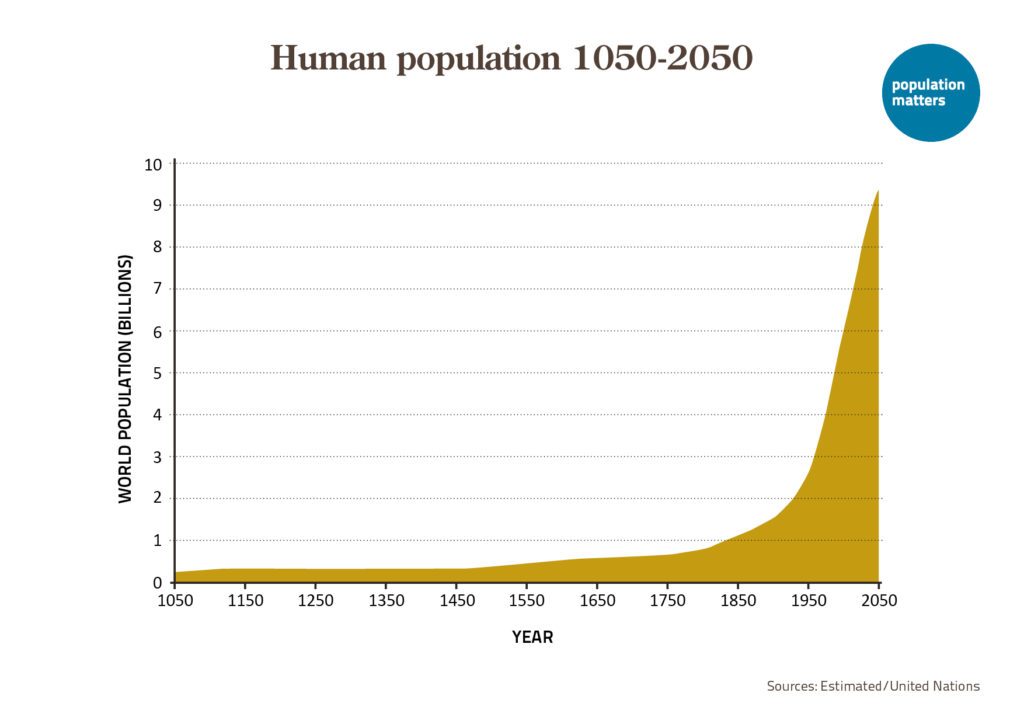
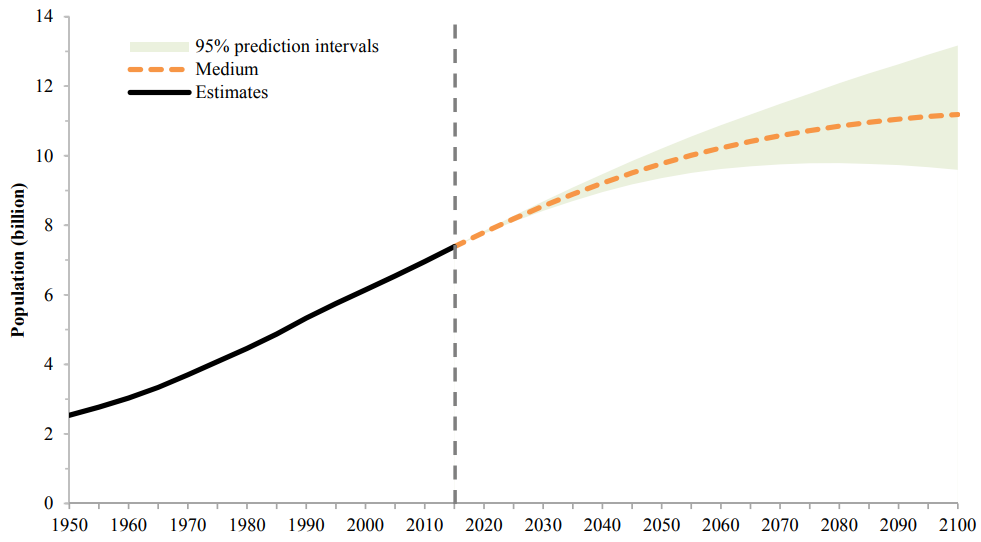
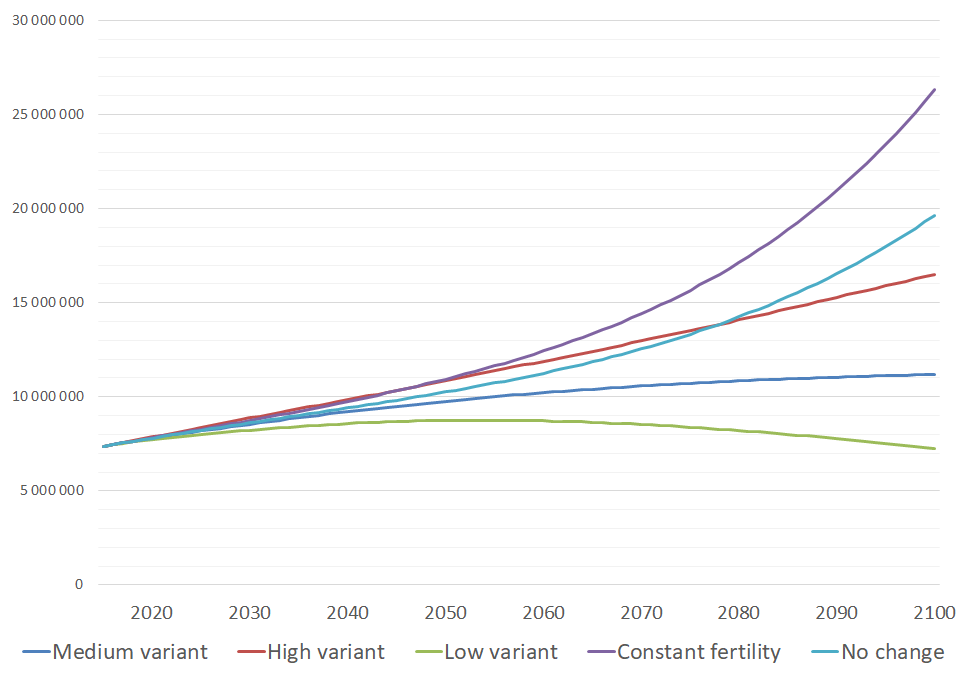
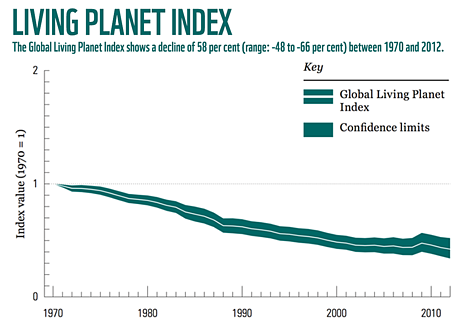
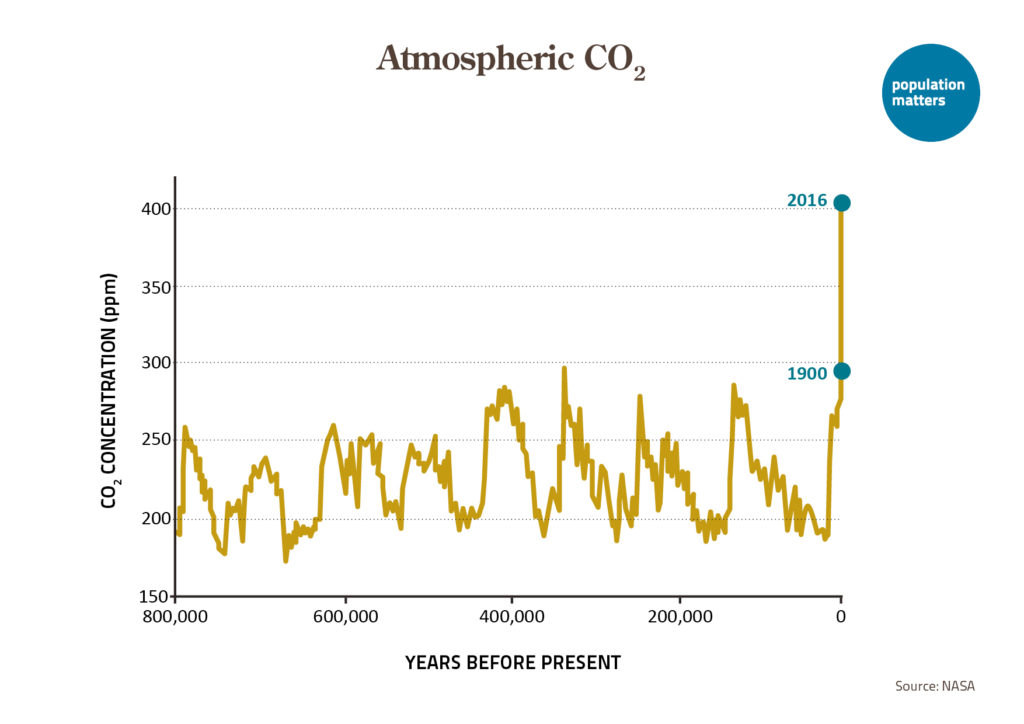
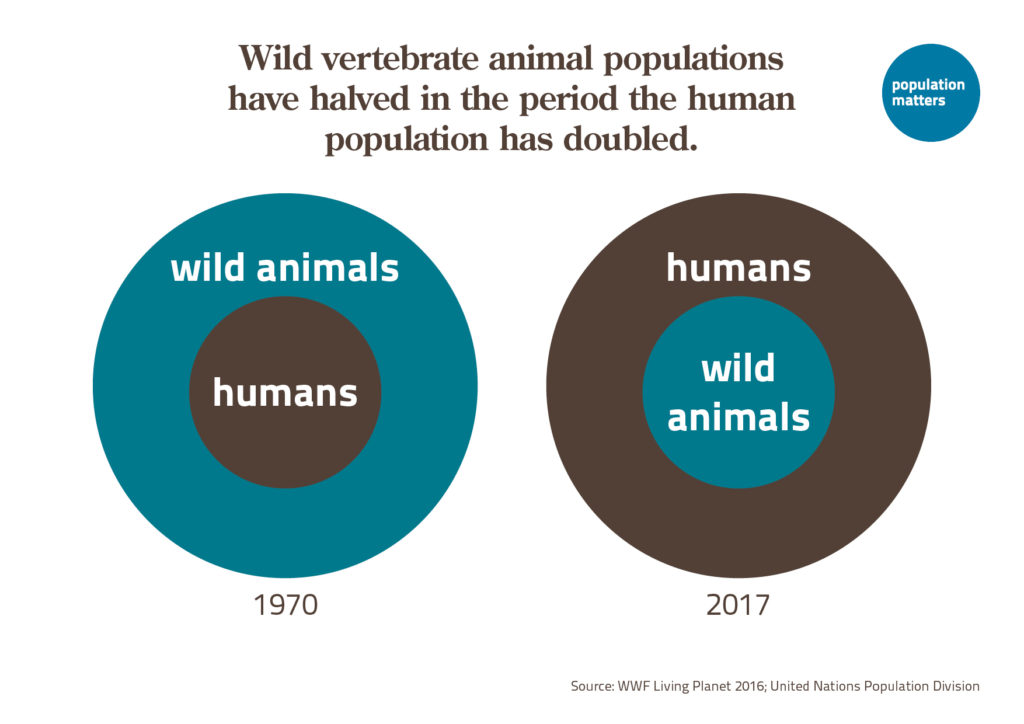
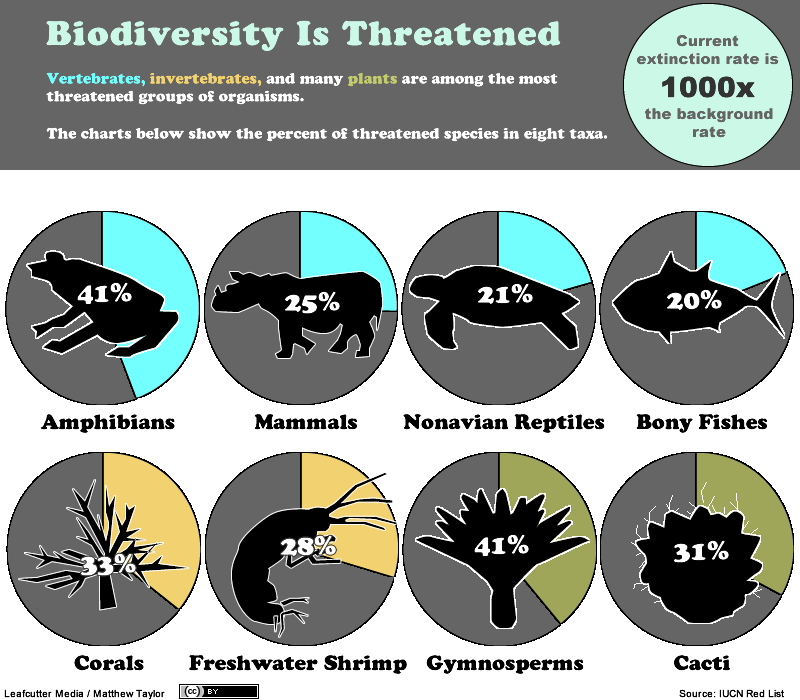
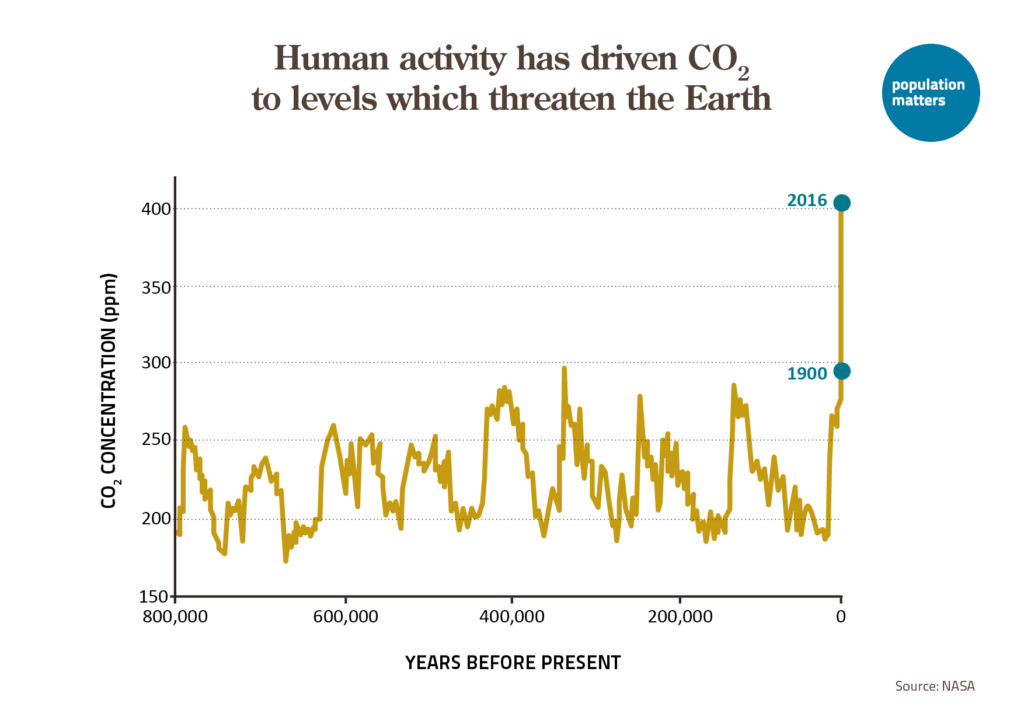
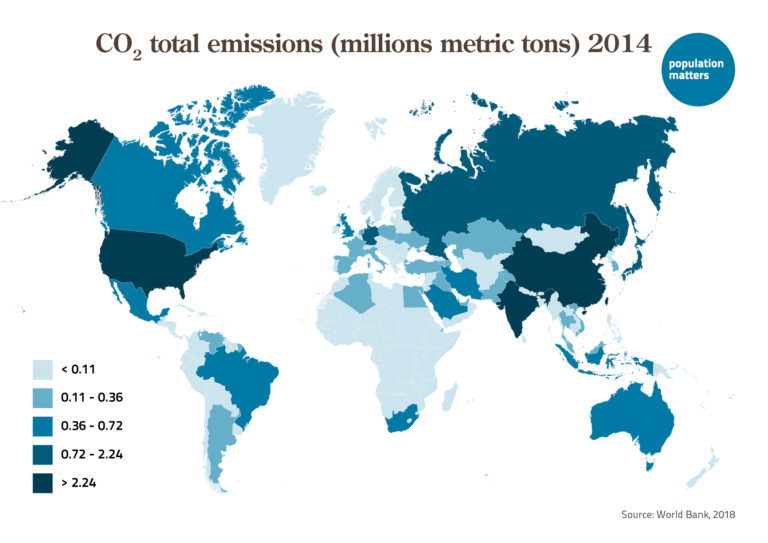
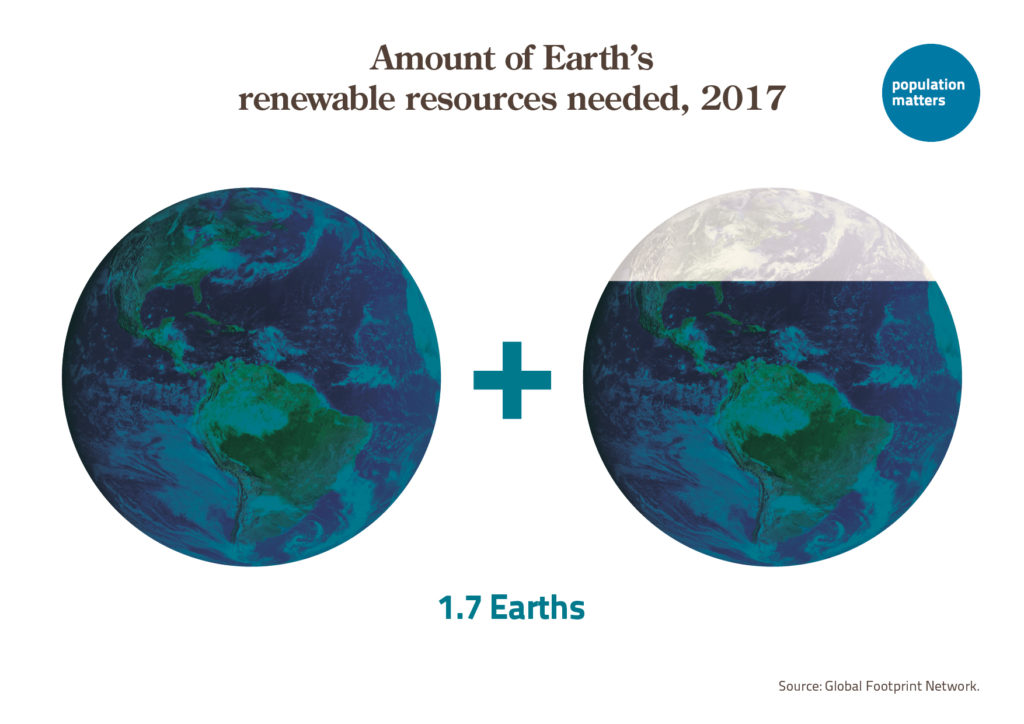
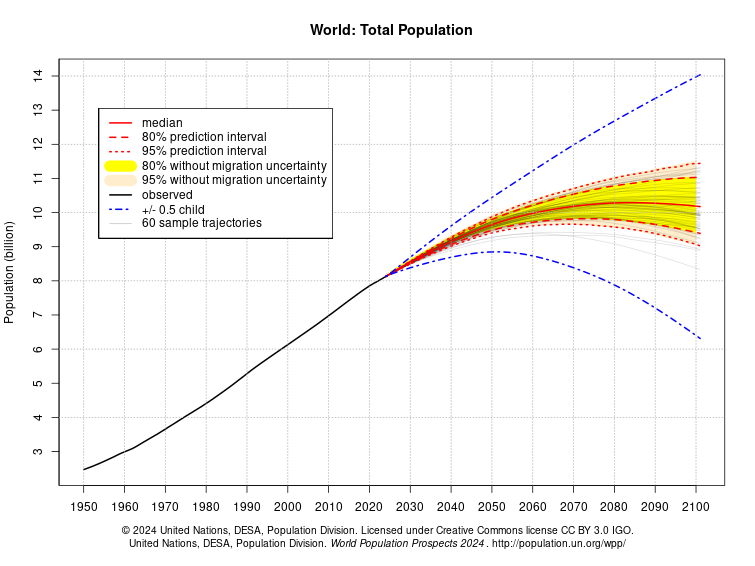
Having developed this definition of global overpopulation in the first half of the paper, I go on to apply it in the second half, asking whether humanity is overpopulated at 8.2 billion people. The analysis focuses on the two defining global environmental problems of our time, climate change and biodiversity loss. It also considers global ecological overshoot generally, in the context of the planetary boundaries framework. Its conclusion will not surprise regular readers of this blog. Given current systems of economic production and consumption, the direction they are trending, and the environmental threats these pose to humanity and other species, humanity is indeed overpopulated at 8.2 billion people. We thus have a moral obligation to take steps to reduce our numbers.

The approach to defining overpopulation laid out in this new paper is cautious, non-ideological and reality-based for a reason. The reason is that life is good. At TOP, we believe we owe it to our children and grandchildren to pass on the means to enjoy their lives: a healthy, flourishing biosphere. We also owe it to all the other species whose continued existence depends on human restraint.

Overpopulation threatens great suffering for billions of people and extinction for millions of species. These facts justify humane efforts to reduce human numbers, as a matter of justice between current and future generations, and between people and other species. Addressing population is only part of creating just and sustainable societies, of course. But it is a necessary part. While taking up population matters can be contentious and challenging, continuing to ignore them will likely prove much worse. Spread the word!

Published

13 responses to “New paper defends a pragmatic definition of overpopulation”

  1. Stable Genius Avatar

    Unfortunately, the promulgation and overnight world dominance of the unrealistic Net Zero Emissions concept (over 2016-18) has removed whatever vestige of common sense was left, on global overpopulation. UN Net Zero has become the ultimate environmental Get Out of Jail Card.

    Take Australia. On the one hand, committed to a Net Zero Economy by 2050. On the other hand, the government pathway to Net Zero takes in a planned ~ 50% population hike and ~ 100% hike in energy and water consumption. This doesn’t make sense, but the inherent “virtue” of Net Zero means, it doesn’t have to make sense.

    When Paul Ehrlich died just recently, he was jeered, for being “wrong”. Actually, the global level of conflict would be lower, the environment would be coping much better, if the global population was way lower than eight billions. When you consider the biogeography of Iran, its population of 90 millions is nuts.

    1. gaiabaracetti Avatar

      Iran is a bad example, since it did not initiate this conflict and it was not migrating in mass (most migration was due to repression and a badly managed economy). Unless you’re talking about water. I think that Syria, Israel and Palestine, and the Gulf States are better examples of overpopulation leading, among other things, to conflict (or, in the case of the Gul States, extreme vulnerability).

    2. Philip Cafaro Avatar

      Stable Genius, I agree. It’s an interesting rhetorical dynamic: because politicians promise radical technological improvements, they can foster continued growth in population and in per capita energy, water and materials consumption. Essentially, the argue away limits while still paying pro forma attention to one kind of limit (limiting carbon emissions). But it’s just for show. I doubt most politicians believe it themselves.

      The answer, which I think has less chance of being enacted than “net zero emissions,” is to accept limits across the board and to pursue less in multiple areas. Fewer people, less per capita energy and water use, etc. A fundamental reordering of nations’ political economies around sufficiency rather than more.

  2. gaiabaracetti Avatar

    The problem with convincing people that the world is overpopulated is exactly this: unless everyone is starving, they won’t be convinced, and the rights of other species are not factored in, partly because lots of people don’t care, and partly because it’s such a value judgement: that word you use, “fair”, has to do so much lifting. What’s a “fair share”?
    It’s good to bring this to people’s attention, though. We need to talk about it and make decisions. The world can have too many humans even when no one is starving.

    1. Philip Cafaro Avatar

      Gaia you are right, the notion of a just or fair distribution of habitat and essential resources between people and other species is an inherently contestable value judgement. I’ve written about this in a few places, arguing that when people drive species extinct, that is a gross injustice and demarcates an unfair hogging of the habitat and resources they need to survive. It is a sort of worst case or “if anything is unfair, this is” argument.

      In the paper at hand, I argue that people from a wide variety of ethical perspectives can agree that humanity owes other species room to thrive. Noting that the question of what a fully just division of habitat and essential resources might look like is an interesting one, I just say that the current distribution seems tilted way too far in humanity’s favor. Again, given the pitiful remnant of wildlife remaining in many regions and countries, given the current or impending sixth mass extinction, we are taking way too much.

      1. gaiabaracetti Avatar

        This is an interesting way to frame it, “we don’t know where the limit is exactly, but we’ve certainly passed it now”. I find that it applies to other issues in life, for example abortion (when do you become a “person”?) or end of life (when is enough, when is too much?). You can’t say a priori where the limit lies, but sometimes you can clearly tell you’ve passed it.

      2. dit7 Avatar

        We also need to properly date human overpopulation as having began before Arctic habitation, since there is no other possible explanation for tropically evolved humans to settle the Arctic any more than there is any other reason for Musk to settle Mars. We should all be able to live in Hawaii with cars, though I guess that might involve one oil tanker and some temporary oil workers somewhere else.

    2. dit7 Avatar

      We have an opportunity right now to gain huge momentum by bringing abortion rights to Lebanon and Gaza as on the Golan Heights while reducing abortion banning populations in the process, which is what made the Iraq war worthwhile even if it failed to bring abortion rights to Iraq. Even if displaced women remain unable to obtain abortions at their destinations, such as Somaliland, bringing abortion rights to the land if not the women remains worthwhile. Plus this would give us huge momentum once we get AIPAC on our side with Bill Maher.
      Again, most of the goal is to expand per capita consumption, thereby reducing population goals enabling everyone to live in Hawaii with cars, so we should abandon per capita consumption limits beyond the .01% blasting themselves into outer space for fun like Musk. The 1% defeated Occupy so we need to pick on a much smaller group.
      Local abortion funding saves local school tax. We must not allow powerful teacher’s unions to resist retraining for elder care for the ageing childless like me even while nursing homes need oil more than labor.

  3. Max Kummerow Avatar

    Refinements suggested:

    Emphasize that preserving other species, the biosphere, is not optional, but essential for human survival. We need food, oxygen, and decomposers, all provided by other co-evolved species. The Gaia concept shows life creates conditions for life, including human life. Because of “keystone species” and “extinction cascades” loss of any species can have unforeseen consequences. The rivets in an airplane analogy–how many can fall out before it crashes? So keep working on that “fairly with other species” wording. Maybe something about all life is sacred as a shorthand way of expressing interdependence.

    Distinguish consumption from well being or even “utility.” Rich countries might find it pretty easy to cut consumption by increasing leisure and reallocating scarce time from “stuff” (consumption of goods and services) to human interactions, education, art, music, appreciation of nature, etc. Herman Daly suggested some policy levers to make that happen very quickly and relatively painlessly.

    When people talk about “birth dearth”, why not develop the idea of “density dependent fertility.” Every ecologist knows about density dependent mortality–death rates increasing with population density as malnutrition, disease, and predators thrive. And wars in social animals like us. But why aren’t the “free market” faithful embracing fertility decline as a rational decision by couples concerned about the high cost of living, etc. imposed by overpopulation?

  4. kurtklingbeil Avatar

    I’m uneasy with the constant reference to “8.2 billion” as if per‑capita loading were uniform. In practice, per‑capita consumption and emissions differ by orders of magnitude between classes and regions; the richest decile drives a huge share of the damage while the poorest half emits very little. Treating headcount in the abstract, without foregrounding those disparities, makes it too easy—historically and politically—to imply that “the poor breeding” is the main problem, while the consumption patterns of the rich are treated as background noise. Any account that claims to be “humane” and “just” has to keep that asymmetry in clear view, not tuck it behind a global aggregate.

    The paper calls its approach “pragmatic,” but there’s a basic mismatch of timescales here. Any humane, rights‑respecting approach to lowering population plays out over 2–4 generations; absolute numbers only fall significantly as existing cohorts age out, so we’re talking on the order of a century. Meanwhile, ecological overshoot and climate risk are escalating on decadal timescales. We saw during COVID that sharp cuts in energy use and mobility produced noticeable emission and pollution reductions within weeks. If we’re serious about pragmatism in the face of accelerating overshoot, then rapid reductions in high‑consumption, high‑emission lifestyles and infrastructures necessarily have to be the primary area of action. Long‑run demographic change is important, but it cannot honestly be centered as the main “pragmatic” lever for near‑term risk.

    Put bluntly: if we downplay classed per‑capita impacts and emphasize a century‑scale lever over the tools that bite within years, we’re not being pragmatic—we’re protecting existing privilege.

    Perplexity dialog:
    https://www.perplexity.ai/search/more-from-top-the-overpopulati-Ih0l4d3xQhe8KKV7Yzy_EQ

    1. gaiabaracetti Avatar

      The topic of consumption and redistribution has been addressed several times on this blog already, it can’t be the focus every time.
      At any rate, “poor” and “rich” are not genetic characteristics, they are things that can change over a lifetime. Since, as a general rule, poor people don’t want to stay poor but want to consume more, the less there is of them as well as of the rich, the better for humanity and for the planet.

    2. Philip Cafaro Avatar

      I’m interested in protecting the “existing privilege” of people around the world having enough food to eat. Also the privilege to take a walk in a nearby forest or meadow and see some wildlife, the privilege of breathing clean air and drinking clean water, etc. Reducing our numbers is an important tool to protect these privileges, the lack of which tends to hit poor people first and hardest.

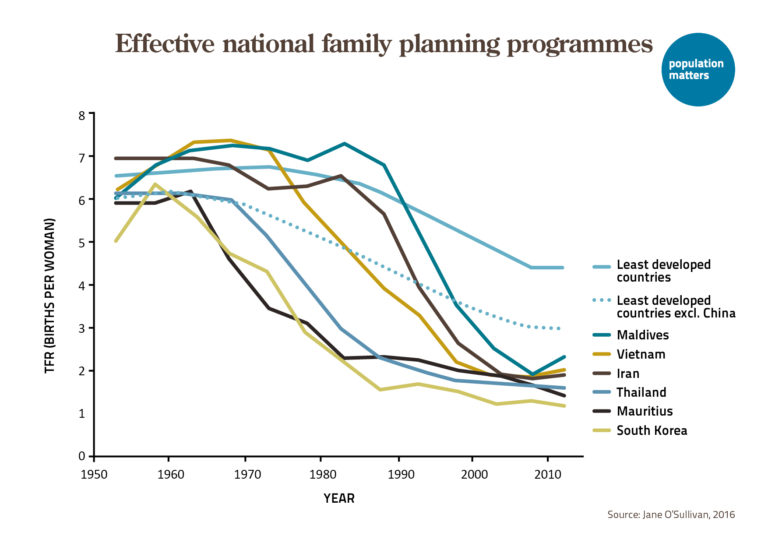
      The idea that population only shifts very gradually, while per capita consumption can shift rapidly, isn’t accurate. It takes time to “turn the ship” for both of them. And while there is lots of evidence that societies can successfully and voluntarily reduce fertility and eventually end population growth — in a few decades, not a century — there is little evidence of societies voluntarily embracing consumption reductions. As I say in the blog, our economies — in both richer and poorer societies — are built around precisely the opposite: working to increase wealth and consumption. The COVID experience shows we can cut way back on consumption and economic activity — and that people generally don’t like doing so.

      1. gaiabaracetti Avatar

        Yes and no. Lots of people reconsidered their life choices during Covid, many quit, looking for a new and maybe simple lifestyle. For most human history, economic growth wasn’t a policy or even a concept. We shouldn’t assume that what has been true for a couple centuries represents the human condition as a whole. Humans are infinitely adaptable. Not everyone wants more money.

Leave a Reply

This site uses Akismet to reduce spam. Learn how your comment data is processed.

NOTE: Comments with more than one link will be held in wait and will only become visible on the site after an admin has approved it.

Explore the content and topics covered by TOP, search here

Blog categories
Gallery of infographics – Learn more about overpopulation and environment

Discover more from The Overpopulation Project

Subscribe now to keep reading and get access to the full archive.

Continue reading