The Overpopulation Project
TOP – Research and Outreach
Too many people consuming too much
The views and opinions expressed in guest blog posts are those of the authors and do not necessarily reflect the position of The Overpopulation Project.
-
The Progressive Left are the Bad Guys Too
The “Progressive Left” loves to shift blame for the climate crisis onto the climate-change denying right. But close examination reveals that they are just as guilty… by Michael Seebeck The progressive Left is as complicit as the climate-denying Right in driving mass extinctions, biosphere collapse, and anthropogenic climate change. Each side enables the other, accelerating…
8 comments on The Progressive Left are the Bad Guys Too -
Reproductive rights: an unfinished project and an ecological imperative
Modern contraceptives are an important tool to strengthen women’s bodily autonomy while simultaneously helping lower fertility rates and slow population growth. Yet in recent years, family planning programs have been deprioritised and international aid slashed. A new discussion paper from Sustainable Population Australia explains the reasons behind this prioritisation shift and explores its consequences. By…
-
A shrinking population might actually be a good thing
Many articles warn about falling birth rates, stoking fears that a shrinking population will destroy the economy. This ignores how other factors influence economic growth. In an article first published by The Globe and Mail, Chris Gay explains how increased productivity gains can counteract the effects of a smaller workforce, ultimately allowing the population to…
-
Cutting the global population in half to achieve sustainability
A recent paper documents the role population growth has played in driving global ecological overshoot and advocates gradual population decline by encouraging low birth rates to help reverse it. “Malthus was wrong, Ehrlich was wrong, and these idiots are wrong,” wrote one annoyed commentator on X. Yet it has gotten a surprisingly thoughtful hearing in…
-
Ceuta incident: Population growth threatens both poor Africans and climate stability
Have you tried to publish a critical piece on population growth in the media? I find that such attempts usually fail. Yet it pays to contact and stay in touch with editors, who sometimes listen and publish. See my guest leader in Göteborgs-Posten, one of three large morning newspapers in Sweden (translated below). By Frank…
-
Reality Check: We’re Still Overpopulated—And It’s Still A Problem
We cannot confront our environmental crises without confronting our problem of scale. It’s time for a reality check, according to the director of Greenwashed. by Sofia Pineda Ochoa, MD Today, human overpopulation is treated as an outdated issue by much of the environmental movement. Raise the subject, and you’re likely to be met with sneering,…
-
Here’s Some Good News!
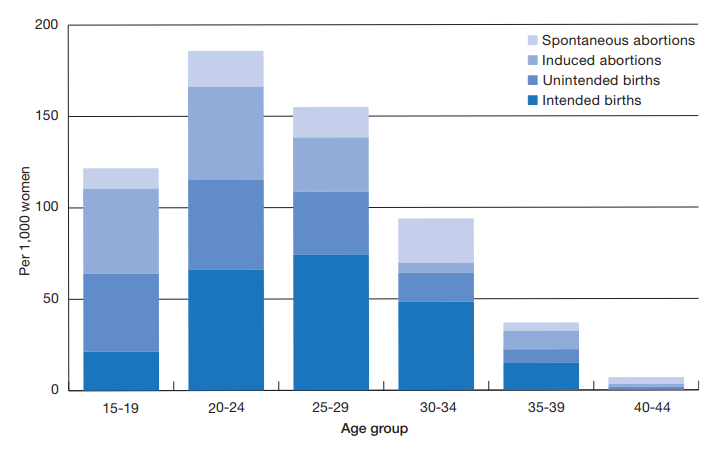
It is estimated that more than 120 million unintended pregnancies are conceived every year. Some of these are miscarried and some are aborted, but perhaps half – 60 million – are carried to term. Most of the children who were unintended will nevertheless be loved and cared for, but some won’t. There is evidence that…
-
Two prominent economists talk up population decline
Recently two of the world’s most eminent economists separately published articles on the benefits of population decline, debunking many contrary claims. Let’s hope some governments are listening. by Jane O’Sullivan Daron Acemoglu is a professor at Massachusetts Institute of Technology (MIT) and won the 2024 Economics “Nobel Prize” (along with Simon Johnson and James A.…
-
Why Project Drawdown should recommend family planning
The climate researchers at Project Drawdown didn’t always have a blind spot toward population. Their retreat means many concerned activists will remain ignorant of the most effective means to limit greenhouse gas emissions and adapt to the change that’s coming. by Pernilla Hansson While consumption is a widely recognised contributor to climate change, population growth…
-
World Population Day 2026 offers little cheer
11 July is World Population day, a day to reflect on demographic trends. Unfortunately, instead of renewed attention, the last year has seen the effects of slashing of funds to family planning programs in many countries where they are still needed, which will have long-lasting effects. by The Overpopulation Project World Population Day on 11…
Explore the content and topics covered by TOP, search here
Recent blog posts
- The Progressive Left are the Bad Guys Too
- Reproductive rights: an unfinished project and an ecological imperative
- A shrinking population might actually be a good thing
- Cutting the global population in half to achieve sustainability
- Ceuta incident: Population growth threatens both poor Africans and climate stability
Blog categories
What we are reading, listening to and watching
Gallery of infographics – Learn more about overpopulation and environment