
Recently two of the world’s most eminent economists separately published articles on the benefits of population decline, debunking many contrary claims. Let’s hope some governments are listening.
by Jane O’Sullivan
Daron Acemoglu is a professor at Massachusetts Institute of Technology (MIT) and won the 2024 Economics “Nobel Prize” (along with Simon Johnson and James A. Robinson) for work on how political and economic institutions are formed and how they affect national prosperity. Much of this work was published in the influential book “Why Nations Fail”. Acemoglu and co-worker Pascual Restrepo previously published work demonstrating that demographic ageing hasn’t been an economic negative and show that ageing leads to faster adoption of automation technologies.
His recent paper, with co-authors David Autor, Keelan Beirne and Andrew Scott, is titled “Baby Busts and Growth Booms: Demographic Change and the Macroeconomy”.
Acemoglu and co-authors say,
“The secular decline in birth rates across the globe over the past seven decades has slowed population growth, raised average ages, and reshaped labor markets and the macroeconomy. Contrary to the widespread expectation that these trends hamper economic growth, we find lower birth rates are associated with higher growth in GDP per working-age adult across countries and higher wage growth across US commuting zones, with no negative impact on aggregate GDP or earnings. These patterns are not explained by educational upgrading, rising female labor force participation, the declining importance of agriculture, or neoclassical-Solow mechanisms. We argue that they reflect the endogenous, labor-saving response of technology to the scarcity of younger workers. Consistent with this interpretation, countries and regions with lower birth rates exhibit more labor-saving patents and growing high-tech activity.”
Labour scarcity drives productivity gains
Acemoglu and company argue that the main channel for these economic benefits is not more women entering the workforce or even higher human capital as parents invest more per child (classic “demographic dividend” arguments). Instead it “appears to be labor scarcity: changes in the ratio of older to younger workers stimulate the development and adoption of labor-saving technologies.” Which is to say, labor scarcity pushes wages up and, contrary to the constant bleating of the corporate lobby, higher wages are good for the economy.
While they admit that “we can offer only indirect evidence that endogenous technology responses are responsible for the positive effects of falling birth rates on economic growth,” they do not explore the other major channel of benefit from falling birth rates: not having to build so much new housing and infrastructure to keep pace with population growth. I refer to this as the “infrastructure dividend.” When that burden is eased, inevitably funds are diverted to increase capital per worker, including through new labor-saving technologies. And the activities of those well-resourced workers tend to be more focused on serving people’s wellbeing, such as in health, education, entertainment and the arts, and environmental improvement, than consumed in extraction and construction.
Decline toward a more equal society and healthier environment
These themes are among those explored by Lord Adair Turner in a wide-ranging essay titled “The Case for Gradual Population Decline”.
Turner is a high-flying British economist whose contributions to the nation earned him a lifetime peerage in 2005, with the title Baron of Ecchinswell. When not lecturing at the London School of Economics, he has led a range of government advisory boards, including the UK Pension Commission, the Financial Services Authority during the GFC, the Economic and Social Research Council, the Overseas Development Institute, the Committee on Climate Change and currently the Energy Transitions Commission.
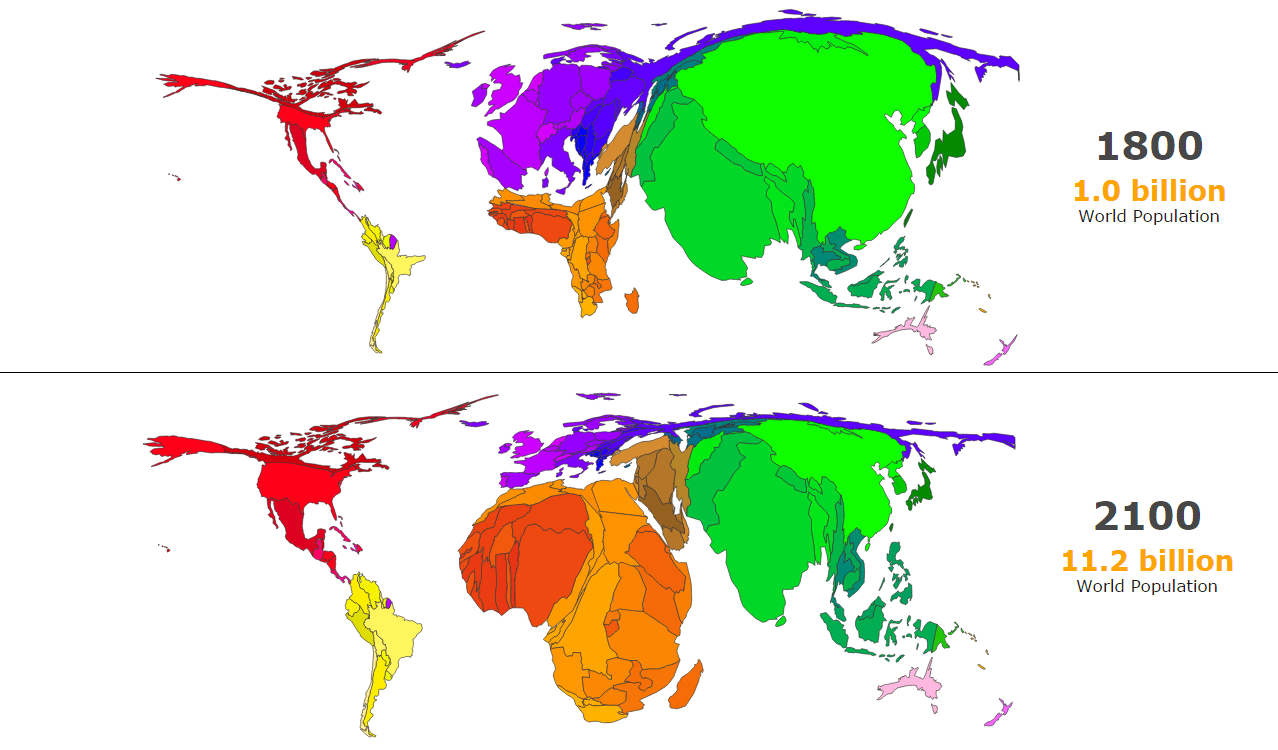
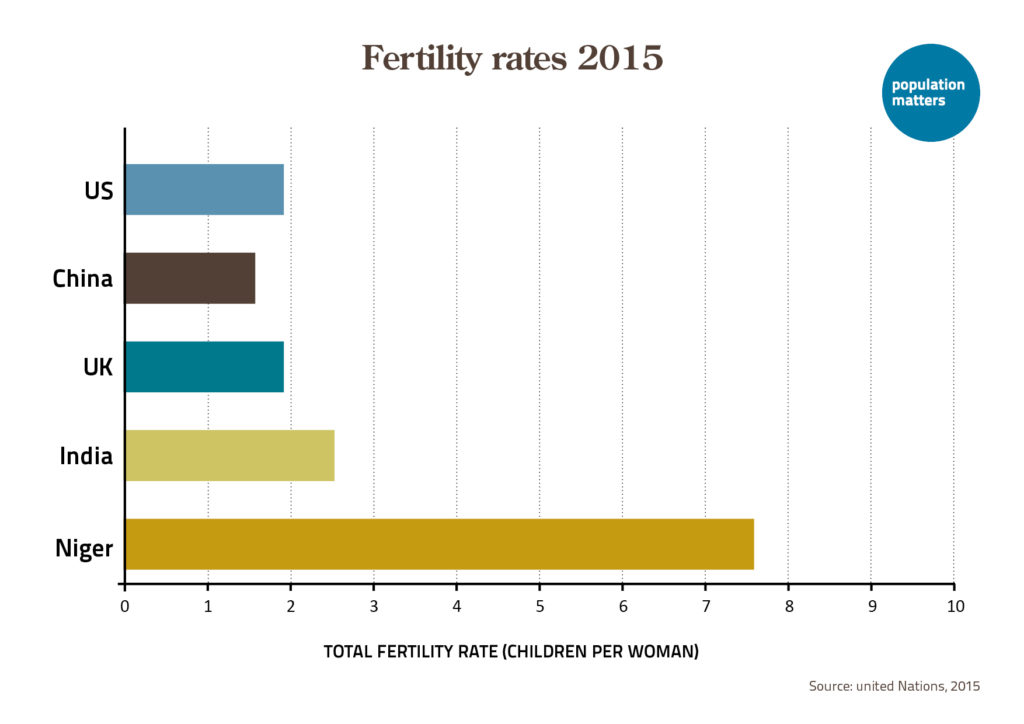
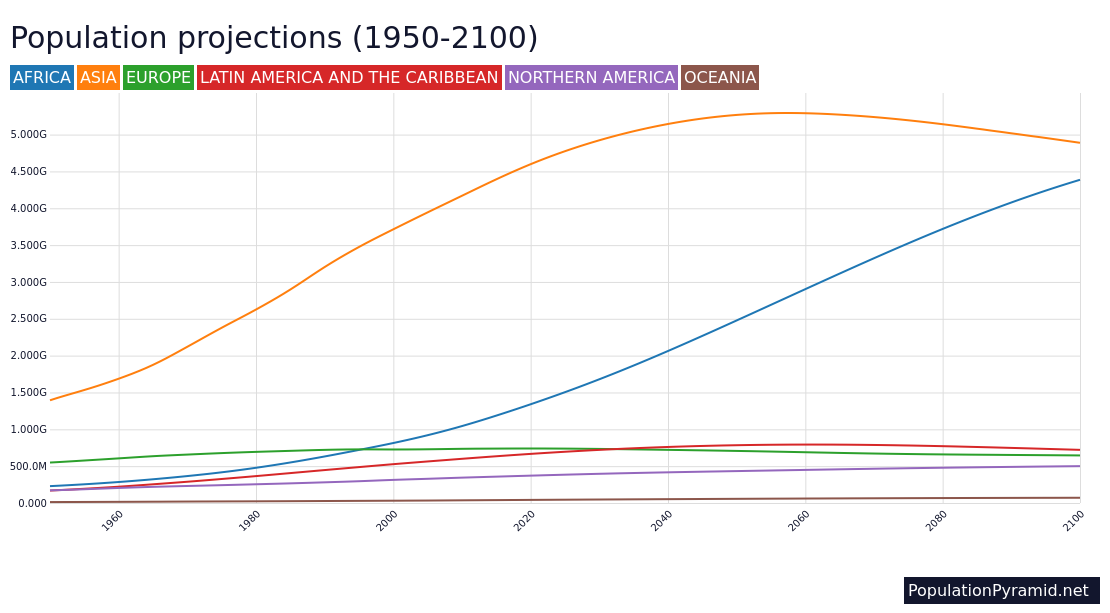
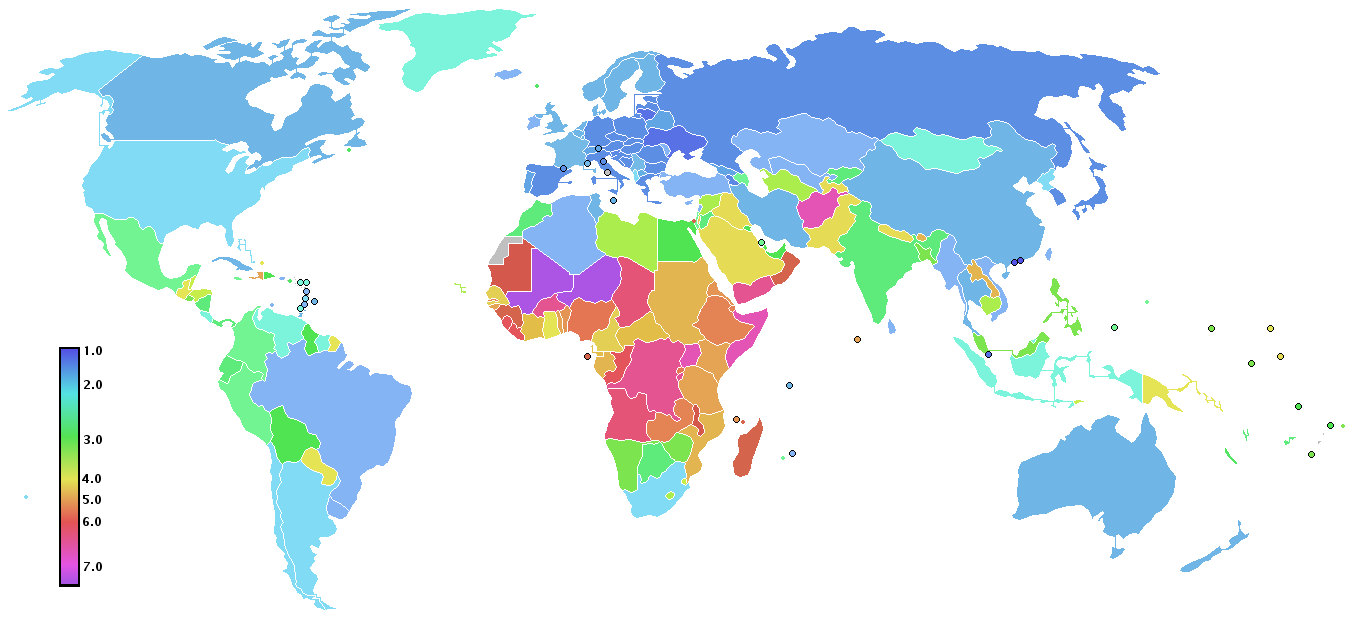
In his essay, Lord Turner opines that framing low fertility rates as a crisis is “deeply misguided,” arguing, “fertility rates in the 1.5–2 range are likely more conducive to human welfare than those above the replacement threshold of 2.1.” He reminds readers that the greatest demographic challenge remains “explosive population growth in many of the world’s poorest economies, particularly across Africa.”

Turner dismisses concerns about dependency ratios, noting that, so far, productivity increase has outstripped any relative reduction in “working age” people. Like Acemoglu and co., Turner hails AI as “not just a technology which can increase productivity, but one which can itself accelerate technological advance,” adding, “as work is automated across all other sectors, finding enough workers will hardly be a major challenge.” While this might raise concerns about the opposite problem, how people whose jobs are automated might make a living, Turner observes, “When it comes to desk jobs, humanity has shown an almost limitless capacity for inventing tasks devoted to zero-sum competition, especially in areas like marketing, sales, lobbying, and finance.” This observation exposes the farce of GDP representing a country’s production, when so much of the measured activity is “zero-sum competition”.
Turner suggests, “By 2100, all the world’s food could be produced by less than 1% of the global population, and manufacturing, transport, and logistics could require a similarly small fraction of the workforce. Many people may remain employed in these sectors, but only because high fertility rates in poorer countries continue to generate surplus labour willing to work at very low wages, not because it is technologically necessary.”
Turner rejects the idea that older people are less innovative, citing the increasing creativity of superstars such as Beethoven and Picasso. “The idea that low fertility rates inevitably result in technological and cultural stagnation is supported by neither logic nor empirical evidence.”
Speaking of sub-Saharan Africa’s growth since 1990, Turner argues, “Rather than producing a demographic dividend, this population boom has fueled an underemployment crisis. … Africa will reap a true demographic dividend only when its fertility rates fall below replacement level.” Turning to developed countries, he notes that the UK’s recent surge in immigration-driven population growth has coincided with decidedly weak growth in GDP per capita, countered by rising cost-of-living pressures, particularly due to housing. He notes, “Supposedly ‘demographically stagnant’ Japan, with a population now 4 million smaller than in 2000, has grown faster.”
Declining populations, Turner believes, are likely to improve wages for low-income earners and reduce income inequality. If AI is bound to intensify inequality by making many jobs redundant, a shrinking labour pool might at least mitigate its impact. Although he concedes that extremely low fertility (such as South Korea’s current 0.8 TFR) might generate challenges if sustained for decades, even this might prove advantageous against widespread automation. Think of all those “zero-sum” jobs that could be shed before any essential services came under threat from labour shortages.

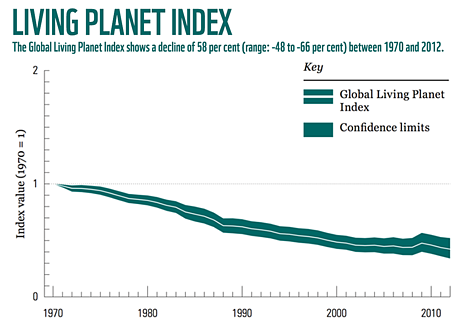
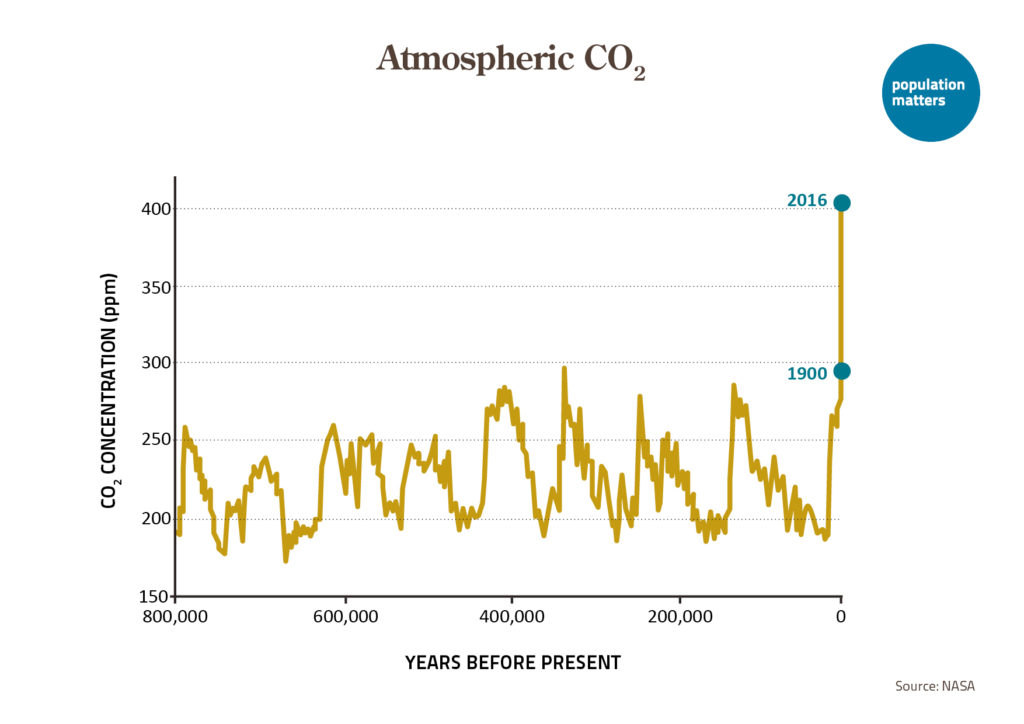
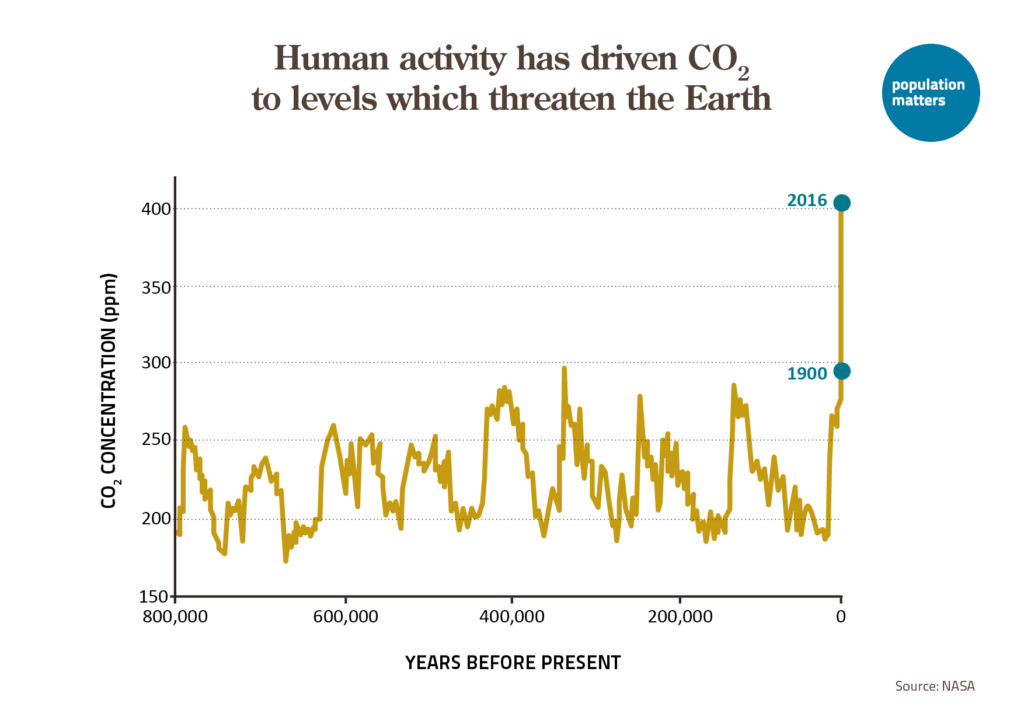
The environment would also benefit, Turner notes, as population decline would lessen environmental strains and make it easier to address climate change.
He argues, “Any serious assessment of fertility decline must therefore weigh costs against potential benefits, rather than reflexively assuming that any rate below 2.1 is inherently bad.” Bravo! The positive side of the ledger is completely ignored in the constant barrage of articles panicking about hypothetical challenges from demographic ageing decline, most of which are exaggerated.
We should all get behind Adair Turner’s conclusion: “Rather than being feared, [low fertility] should be celebrated as the hallmark of a prosperous society where people are free to decide how to live their lives.”













Leave a Reply