
Modern contraceptives are an important tool to strengthen women’s bodily autonomy while simultaneously helping lower fertility rates and slow population growth. Yet in recent years, family planning programs have been deprioritised and international aid slashed. A new discussion paper from Sustainable Population Australia explains the reasons behind this prioritisation shift and explores its consequences.
By Jane O’Sullivan and Sandra Kanck
Since the 1960s, modern contraception has brought a revolutionary advance in women’s bodily autonomy and their freedom to shape their own lives.
Simultaneously, it was a powerful tool for reducing poverty and enabling economic development in low-income countries.

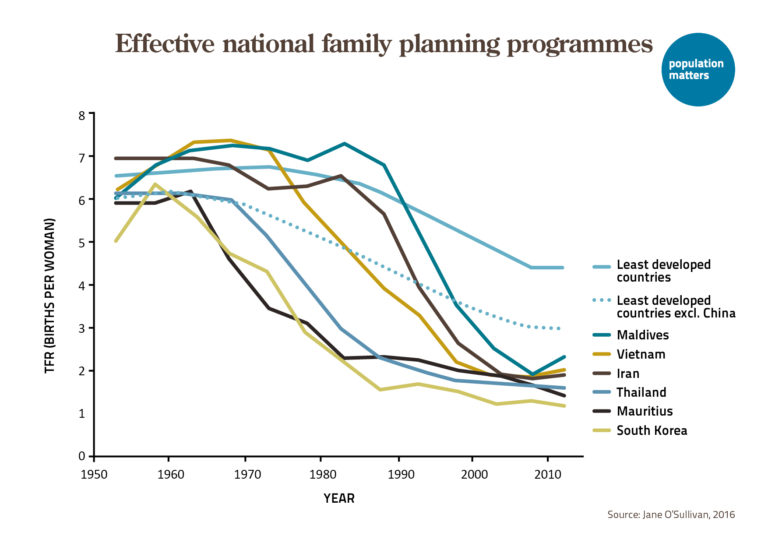
Those countries that embraced this synergy through well-executed voluntary family planning campaigns have experienced steady improvement in their circumstances. Those that did not, and retain high rates of population growth, have floundered.
However, such family planning programs were deprioritised in the 1990s, due to a campaign to discredit population stabilisation efforts. Family planning was reframed as exclusively serving women’s reproductive health and rights, without attempting to influence reproductive choices. Subsequently, both domestic and international support for family planning shrivelled, leaving women’s reproductive rights worse off.
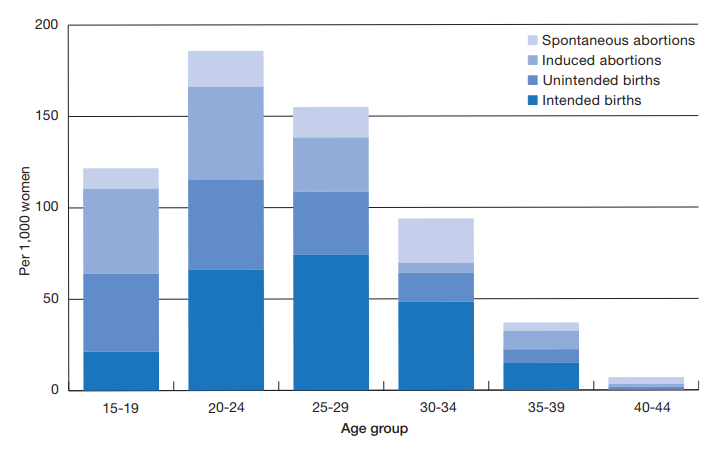
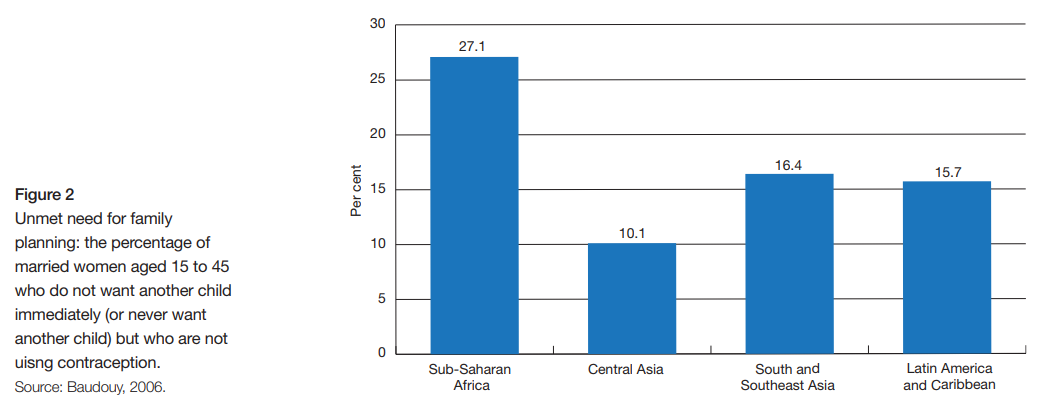
Even now, around half of pregnancies are unintended. Even in rich countries, many women face formidable barriers to obtaining contraception that suits their needs. In low income countries, cultural influences add to problems of access and affordability. UN data shows that the number of women 15-49 years who have unmet need for modern contraception has increased from 236 million in the year 2000 to 260 million in 2025.
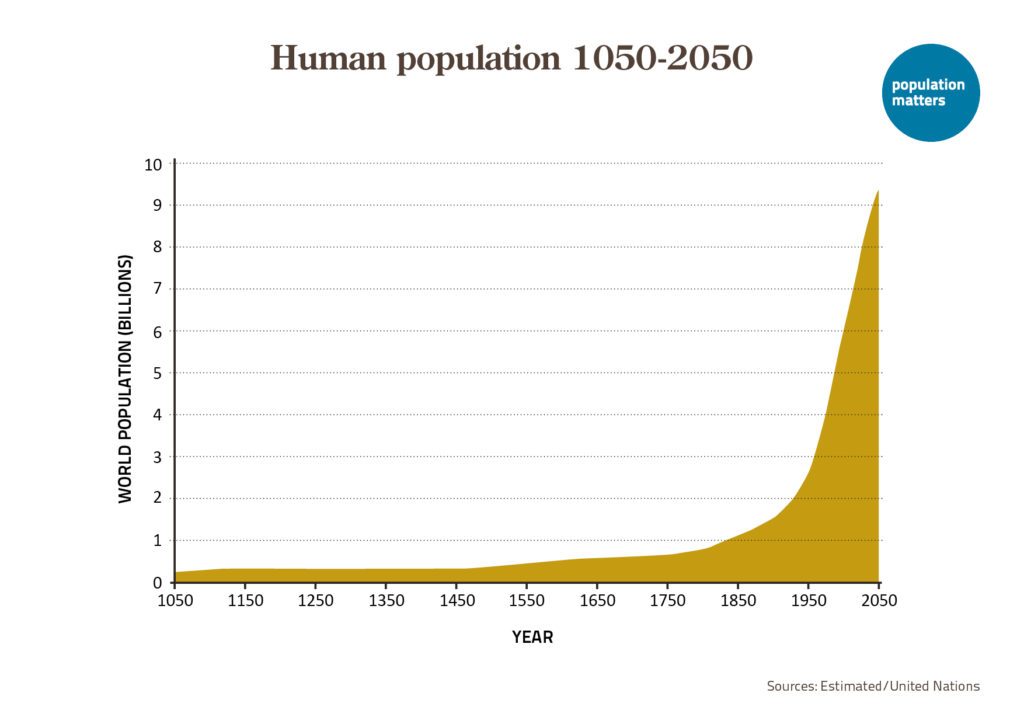
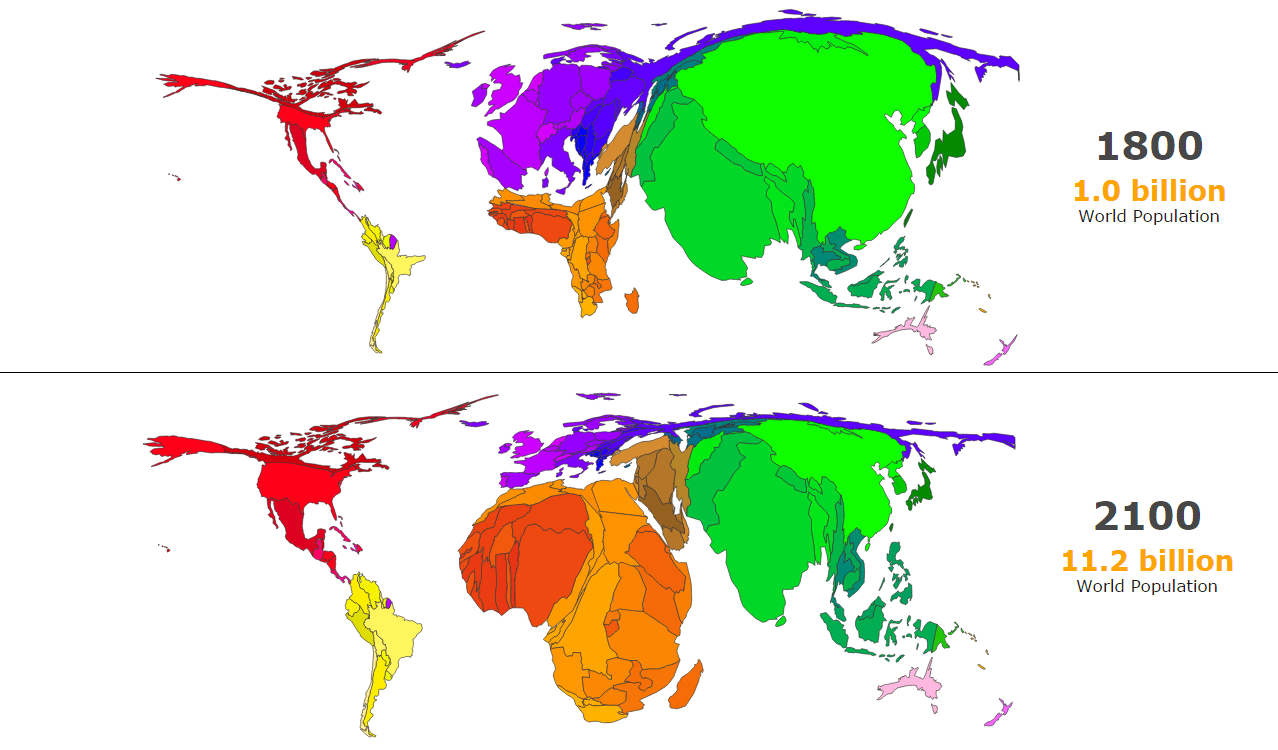
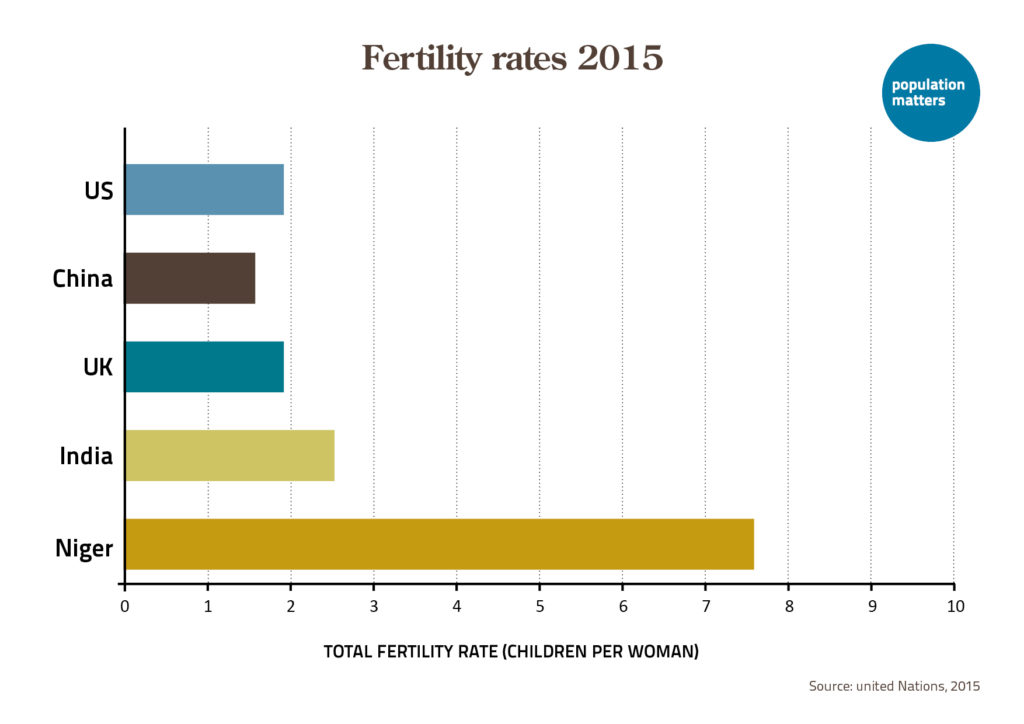
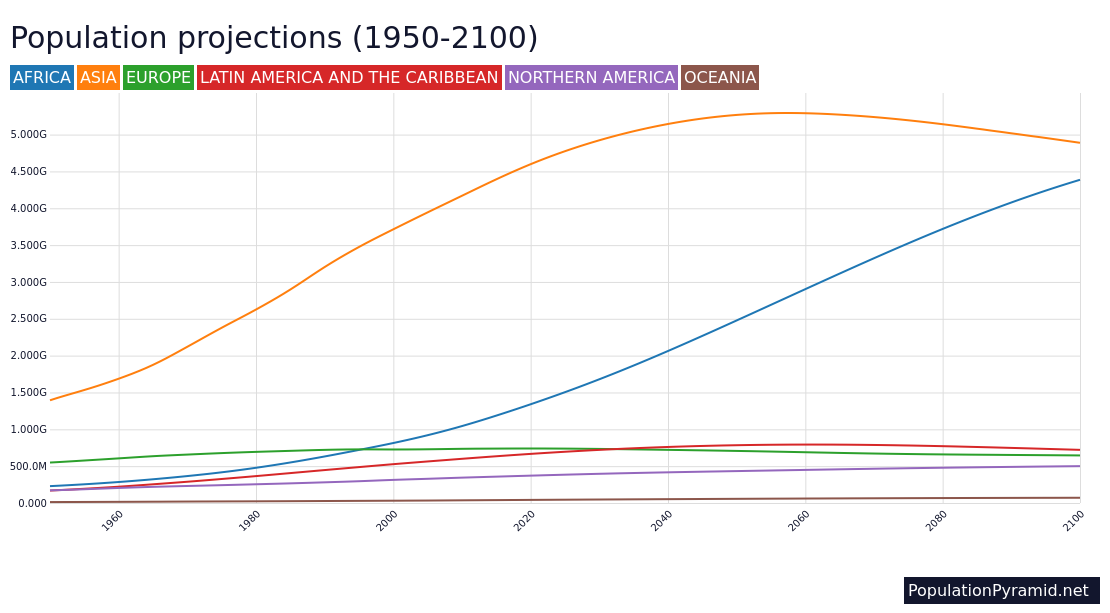
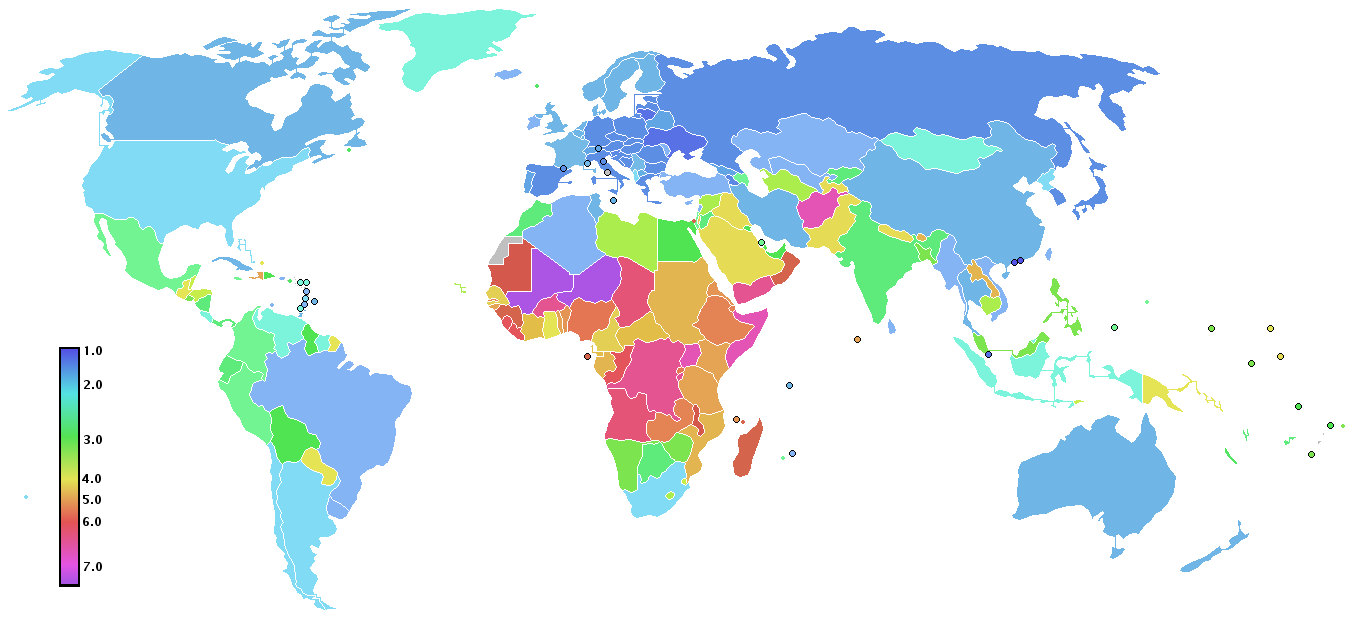
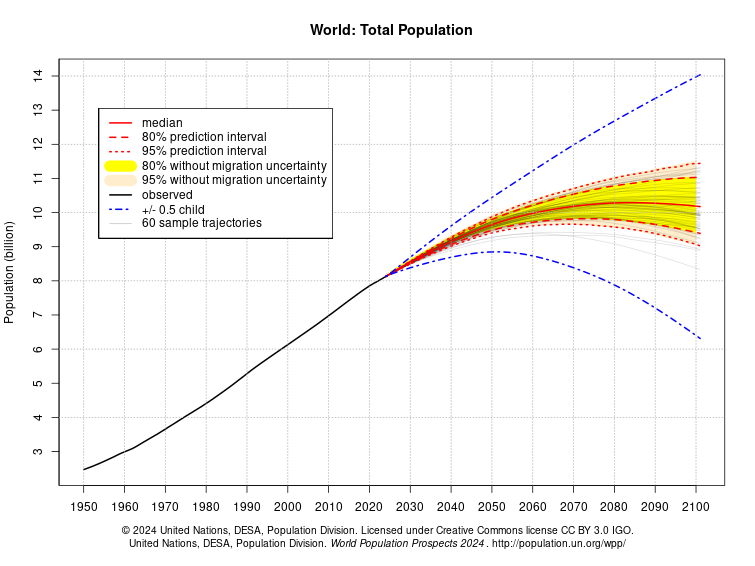
At the same time, world population growth continues unabated. The common claim, that a ‘birth dearth’ is about to precipitate population collapse, is ill-founded, ignoring the increasingly dominant influence of the rapidly growing, low-income countries. The majority of children born this century will be born in these countries.
These low-income countries tend to be very conservative societies, characterised by high levels of religiosity and patriarchy. This makes it harder to shift cultural norms to accept that small families are beneficial and that women may have autonomy over their reproduction and their careers. In these countries, simply providing access to contraception is not enough. Renewed efforts are needed to promote small family norms and debunk harmful myths that make people fear contraception.
However, instead of renewed efforts, many developed countries are reducing spending on international aid, including family planning. Reasons given include the need for increased spending on defence and on accommodating immigrants seeking asylum. Thus overpopulation is fuelling an ironic vicious cycle, where population growth leads to resource scarcity, violent conflicts and out-migration, causing destination countries to reduce the aid that might have eased the pressures.
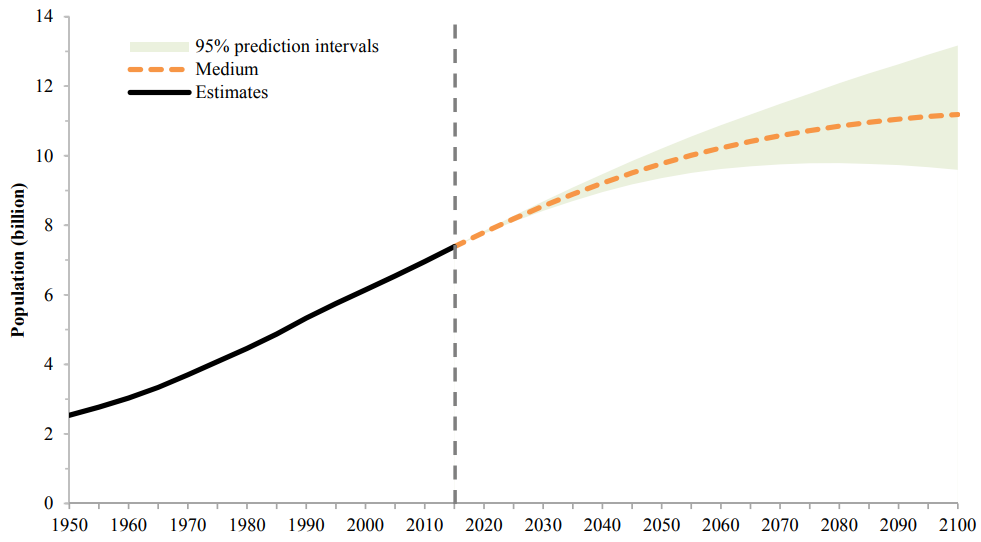
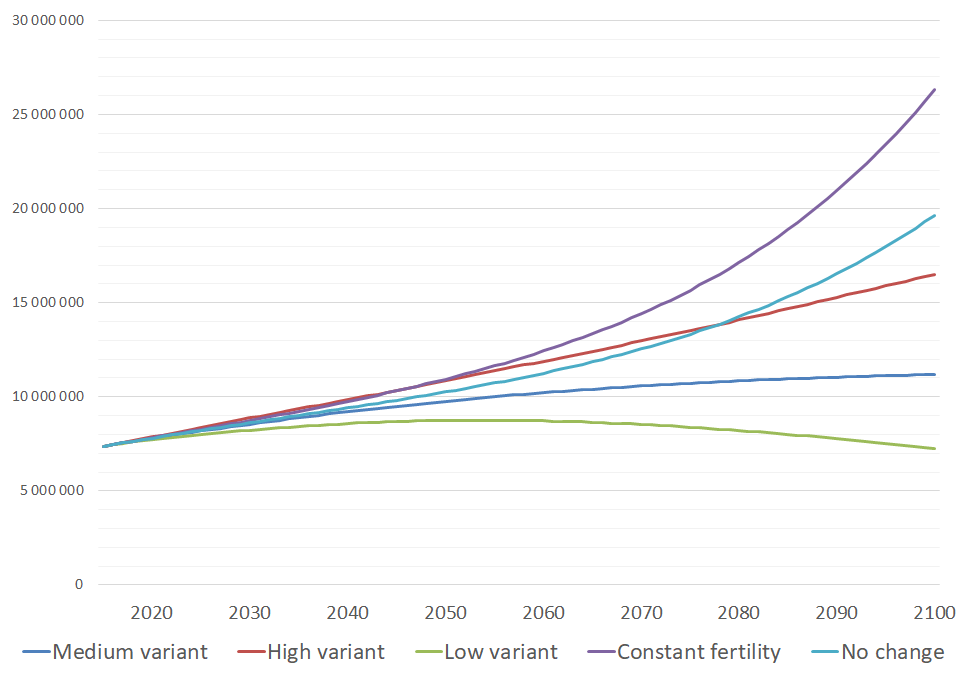
While the UN has projected that global population will peak at around 10.2 billion later this century, this depends on all the remaining high-fertility countries experiencing a much more rapid fall in fertility than they have achieved so far.
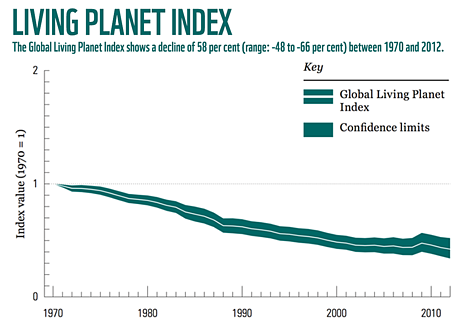
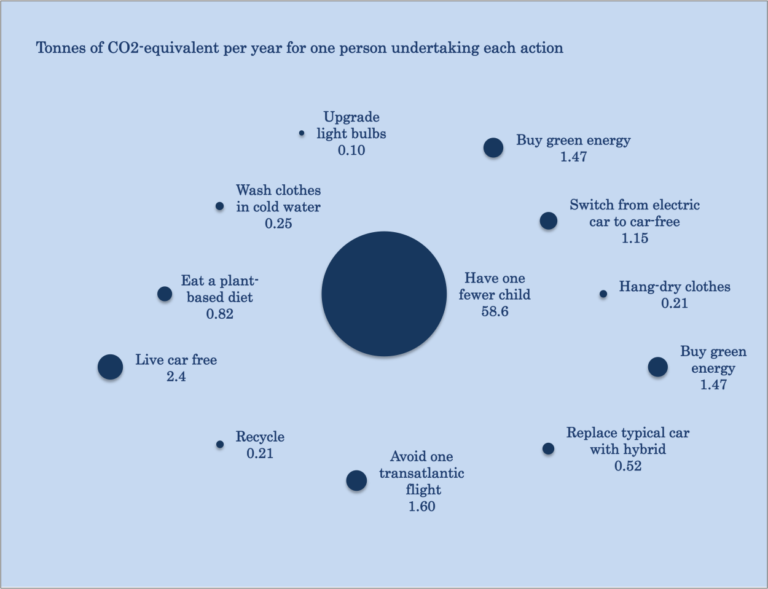
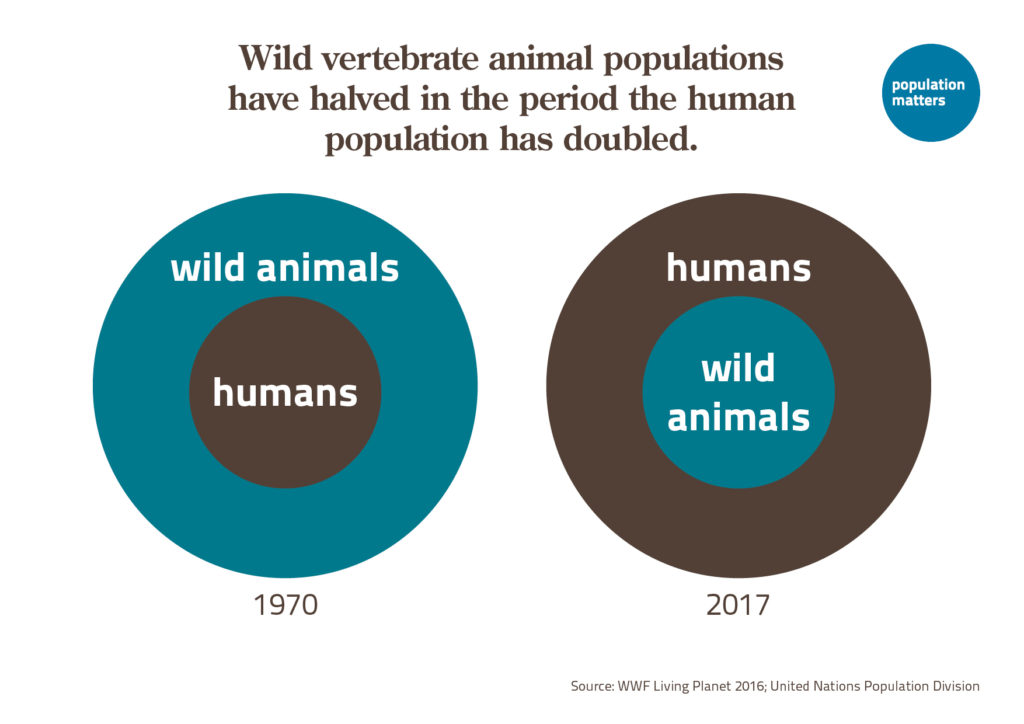
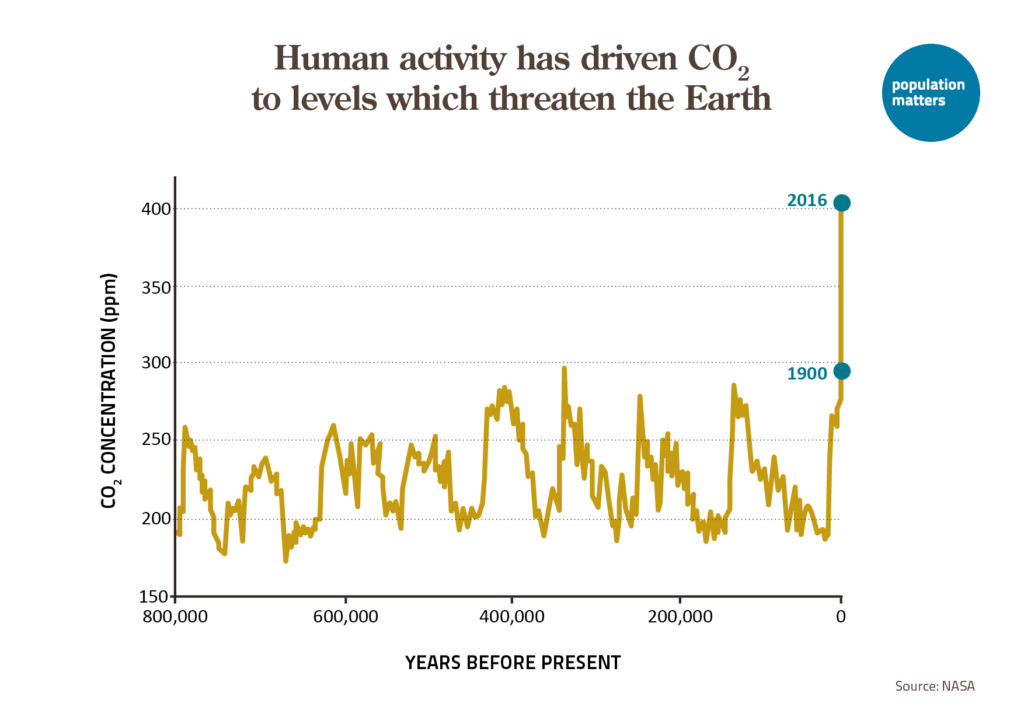
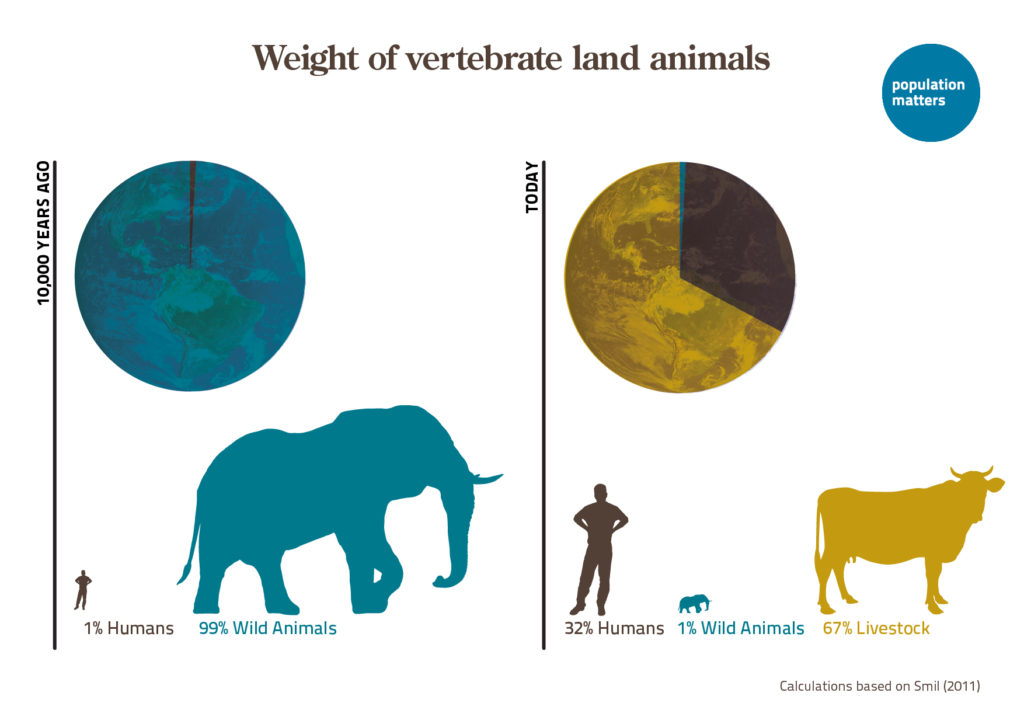
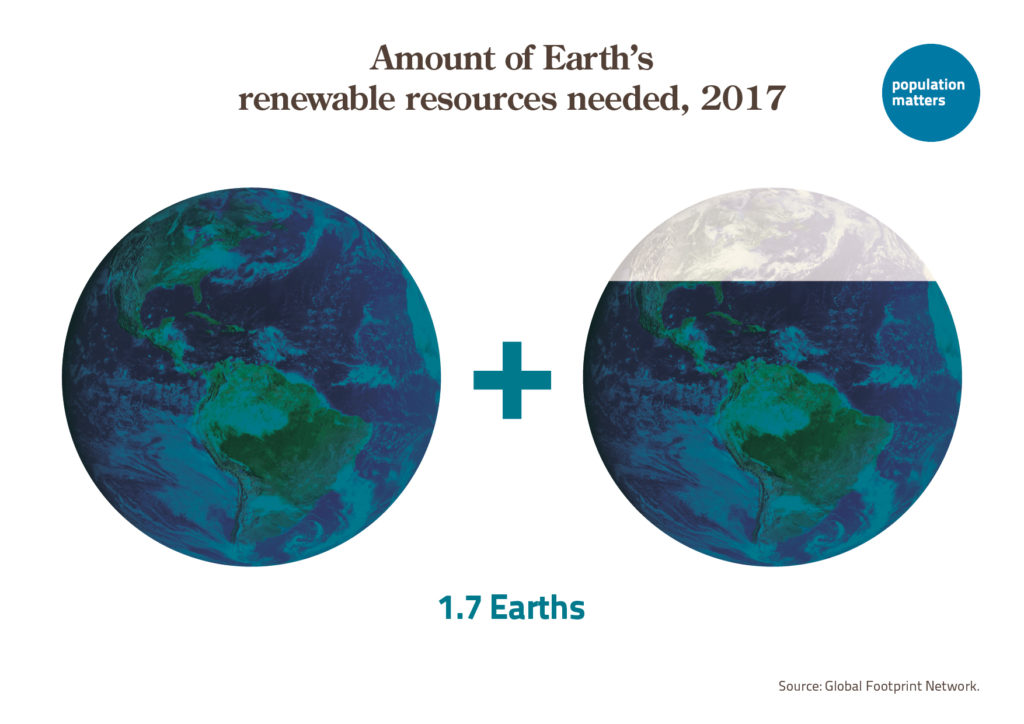
Without a renewed commitment to support family planning, world population will likely exceed the UN’s projection, further jeopardising food security, climate change mitigation and ecological sustainability.
Read the full discussion paper here.
On 21 September, the International Union for the Scientific Study of Population held a debate about whether sufficient attention is being paid to population growth. After the debate, the audience was polled on the following question: “Since the Cairo Conference on Population and Development in 1994, too little attention has been paid to the problem of rapid population growth, particularly in some countries in Western Asia and in Sub-Saharan Africa – Yes or No?” A majority of 66% voted yes. You can watch the whole debate or check the arguments in the power-point slides from the presentations, here.














Leave a Reply