
Have you tried to publish a critical piece on population growth in the media? I find that such attempts usually fail. Yet it pays to contact and stay in touch with editors, who sometimes listen and publish. See my guest leader in Göteborgs-Posten, one of three large morning newspapers in Sweden (translated below).
By Frank Götmark
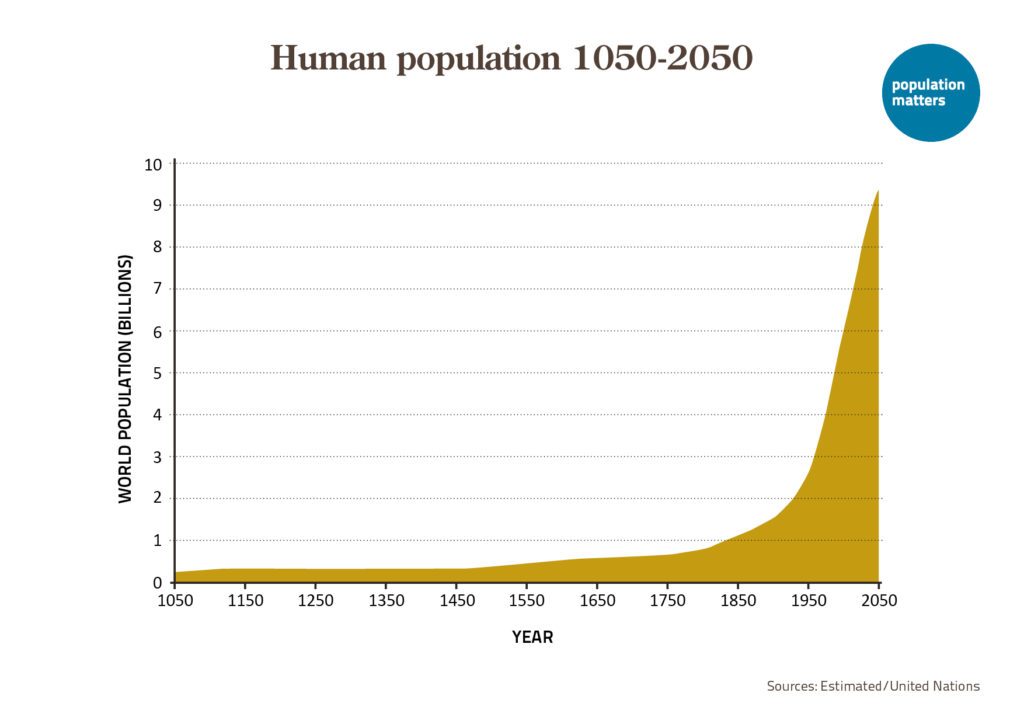
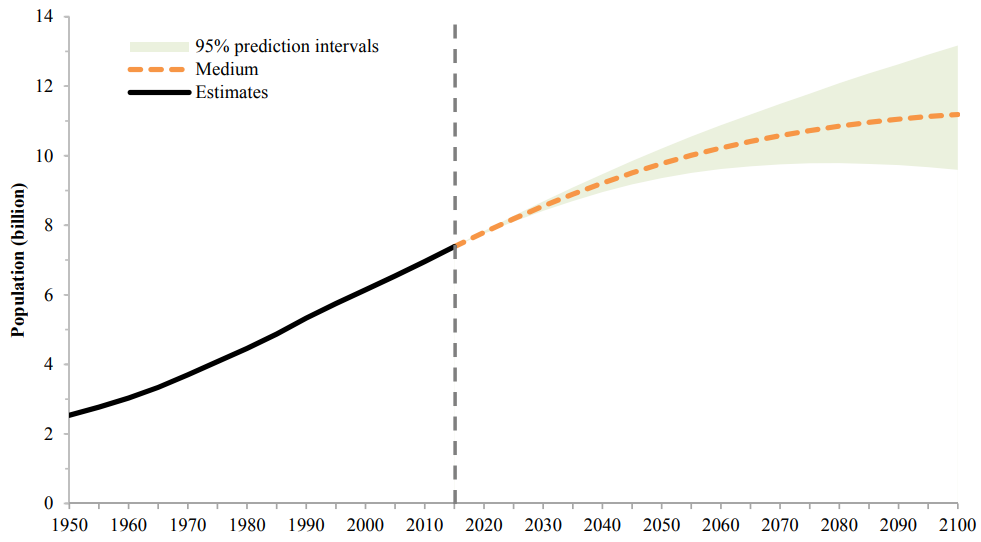
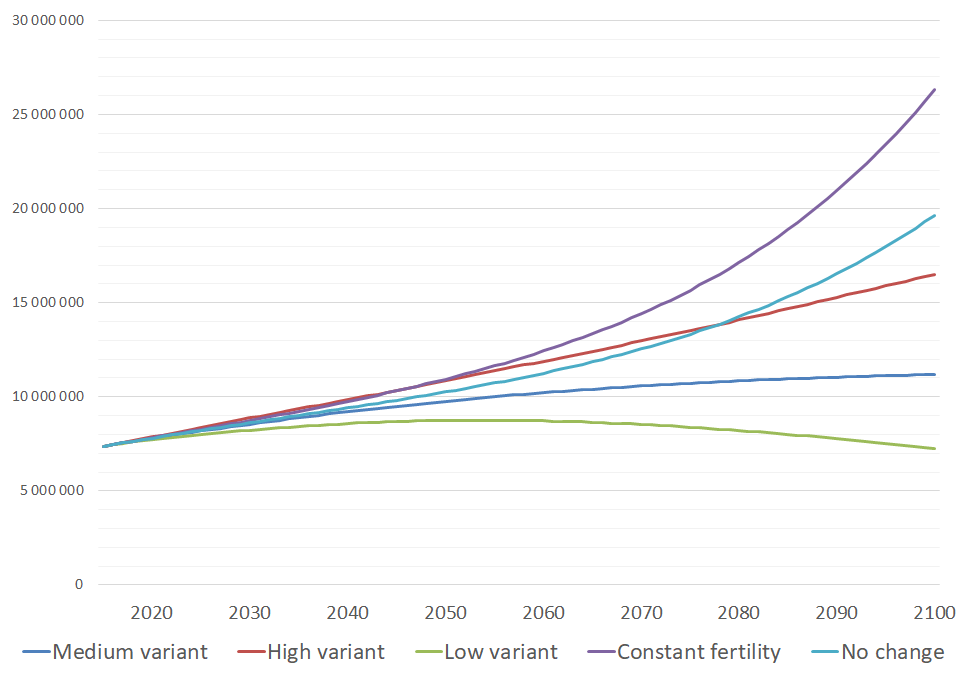
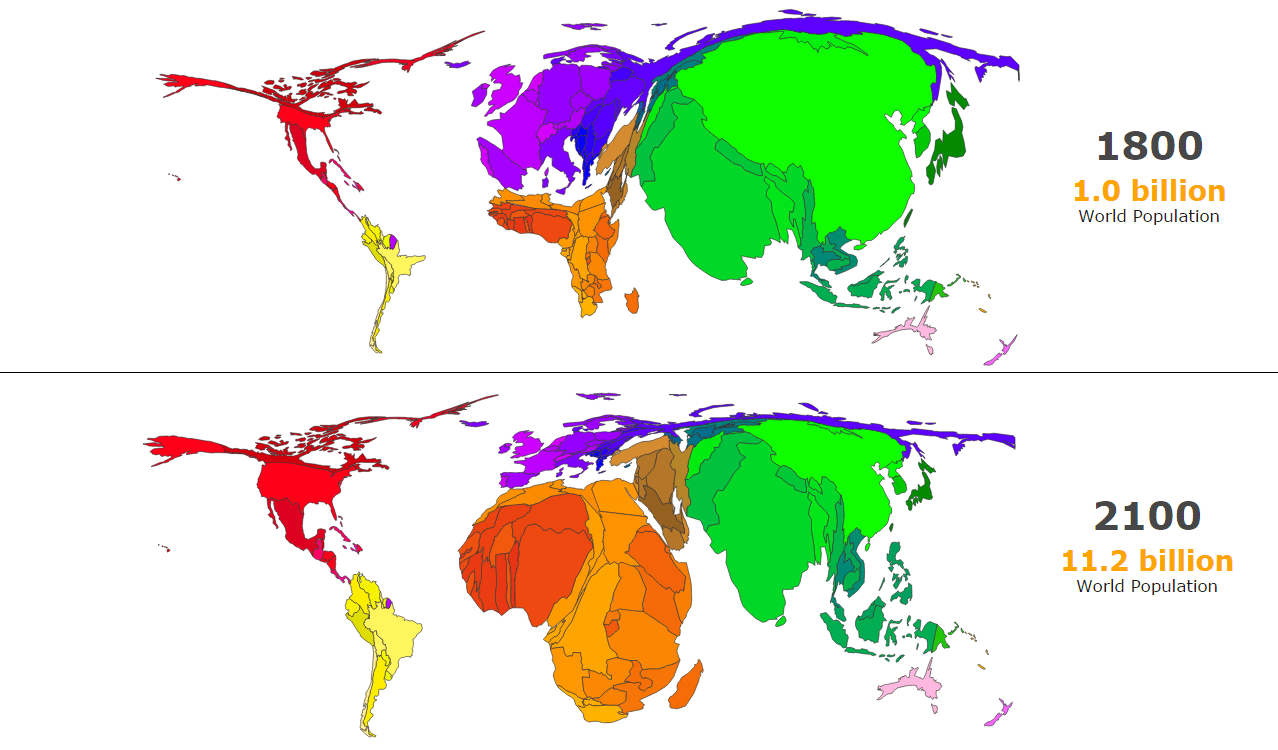
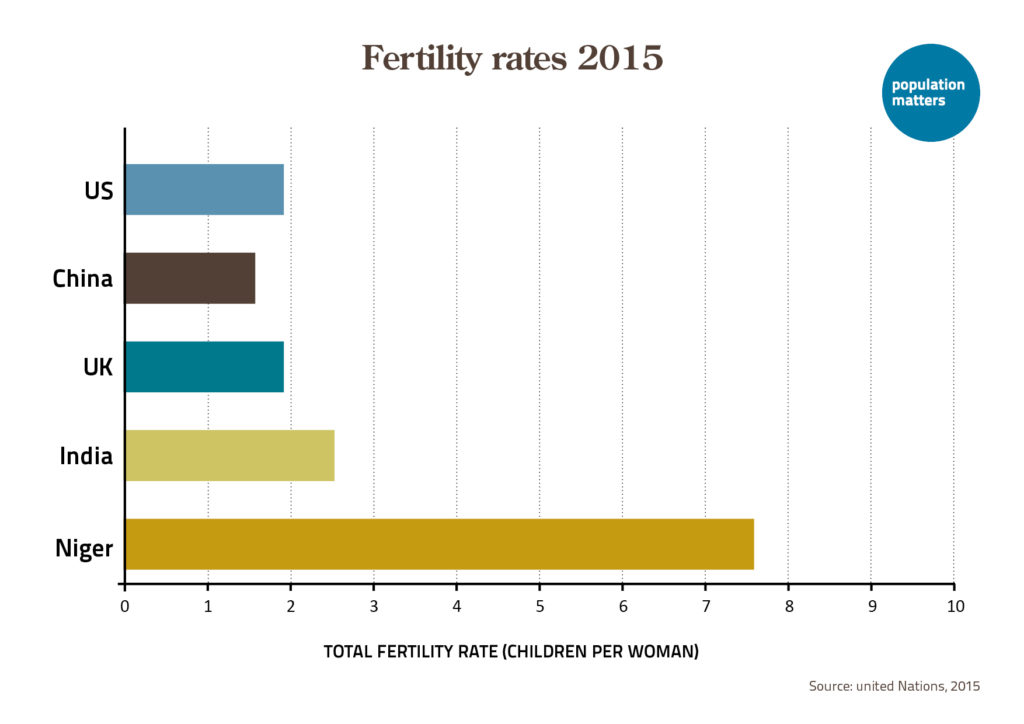
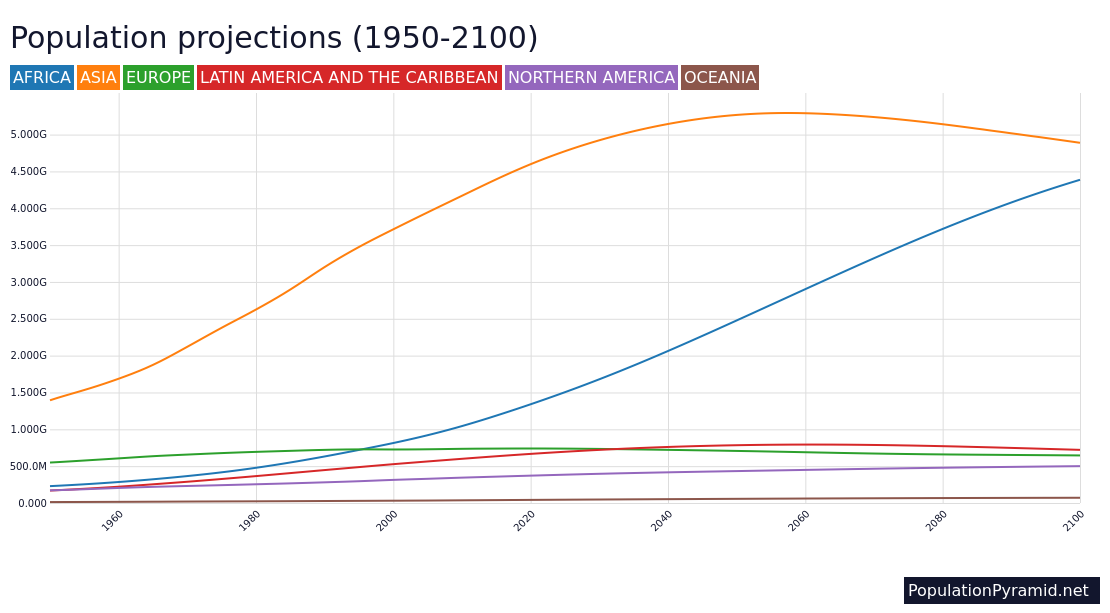
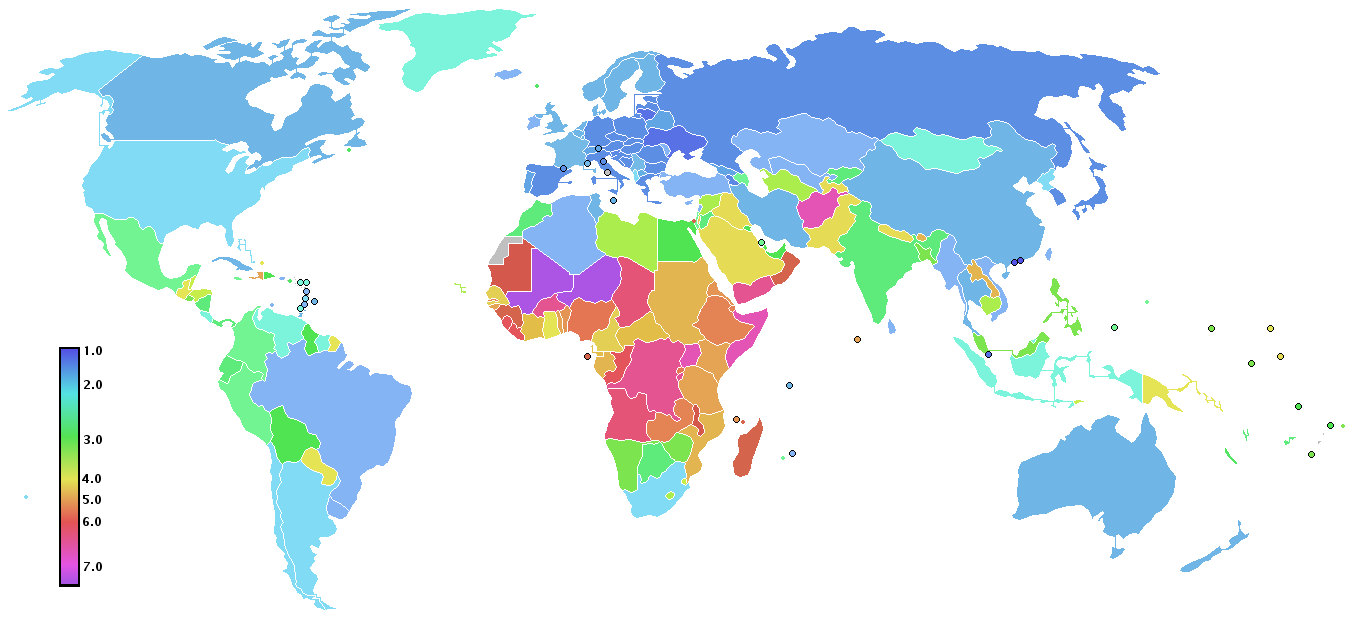
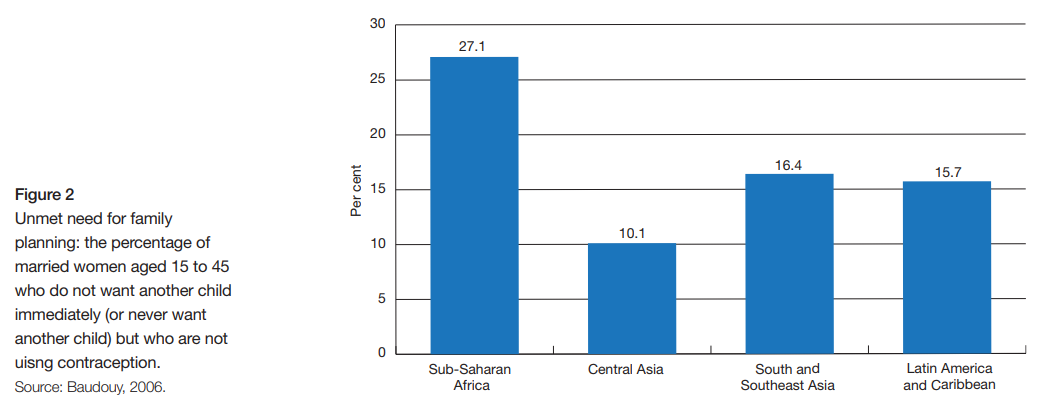
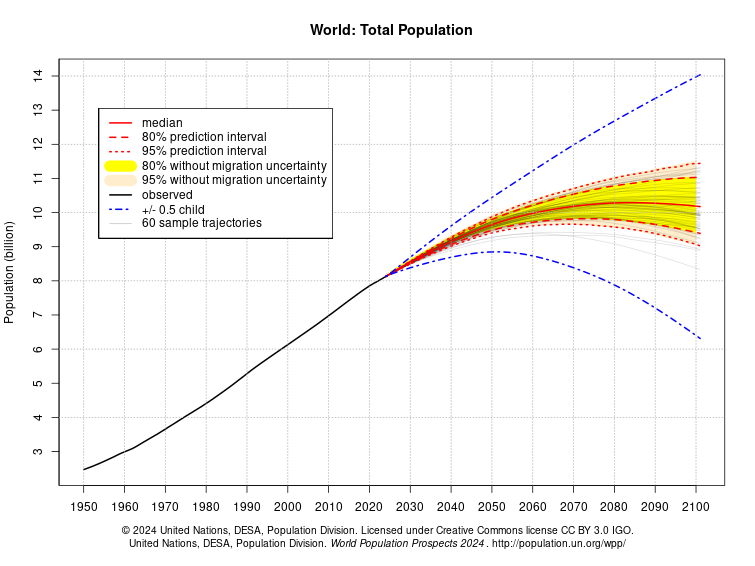
Recently, around 70,000 migrants, mostly young men, managed to reach the Spanish exclave Ceuta from Morocco. Most have returned, but the incident is being highlighted in the media and in the EU. But an important background is missing from media discussions: population growth. According to the UN, the population in Africa is expected to increase from today’s 1.5 billion to 3.5 billion around 2085. Compared to, for example, East and South Asia, the birth rate is still high in Africa, especially south of the Sahara (on average 4.3 children per woman). Only about 25 percent of sexually active couples use modern contraceptives – they cost money, are often difficult to obtain, are falsely claimed to cause serious harm, and are opposed by many religious leaders and other men.
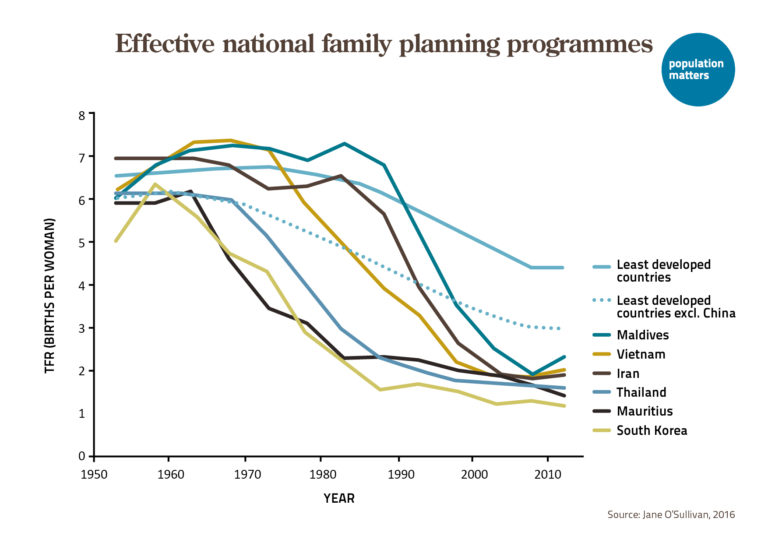
The situation in large parts of Africa is likely to be greatly worsened by population growth – some researchers report that it could even have worse consequences than climate change. But the Swedish aid agency Sida, the EU, politicians and many researchers are largely silent on this issue. In Latin America and large parts of Asia, the birth rate fell sharply between 1970 and 1995, and family planning programs and aid to them contributed greatly. This also benefited the economy and development. Missteps and coercion occurred in China, and in India for 2-3 years, but in most developing countries the programs were voluntary and successful.
It is often said that “as long as they are allowed to develop” and the economy improves, countries’ birth rates will decrease. But my colleague Malte Andersson and I have shown that in developing countries (1970 – 2015) the fertility rate fell simultaneously with increased contraceptive use and not with economic growth (GDP or consumption per person). Contraceptives are part of family planning programs, which also help to change social norms about large families.

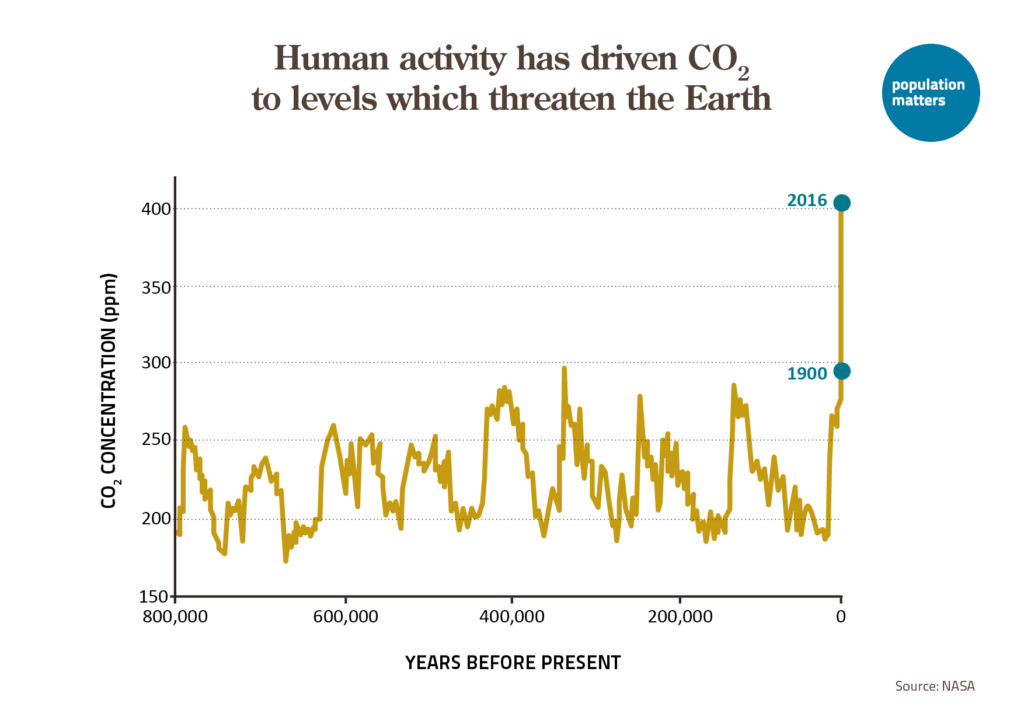
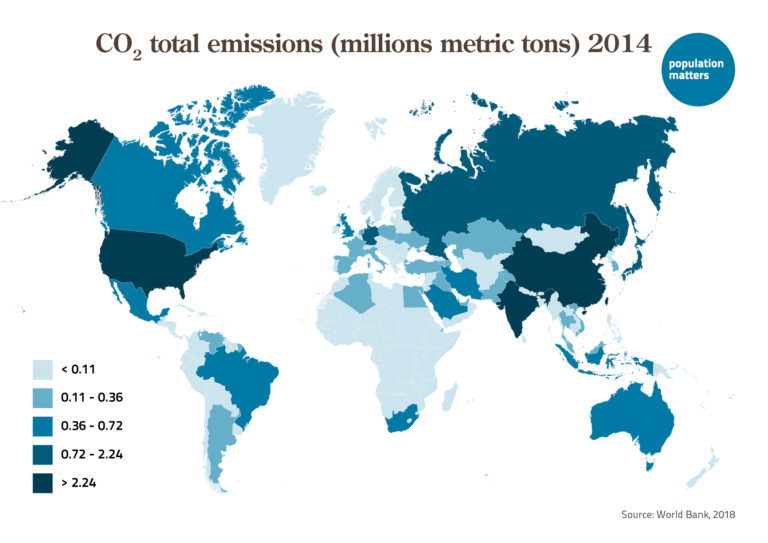
Population growth is often left out, or denied in the climate debate. And the following clear conclusion from the latest IPCC report (2022) is nearly always omitted: “globally, GDP per capita and population growth remained the strongest drivers of greenhouse gases … during the last decade (robust evidence, high agreement)”.
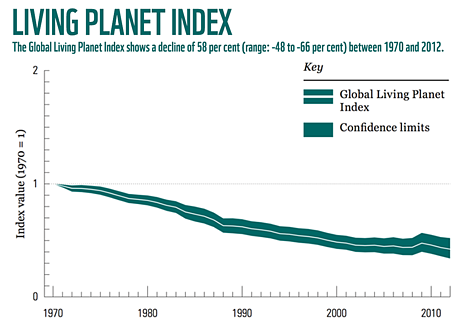
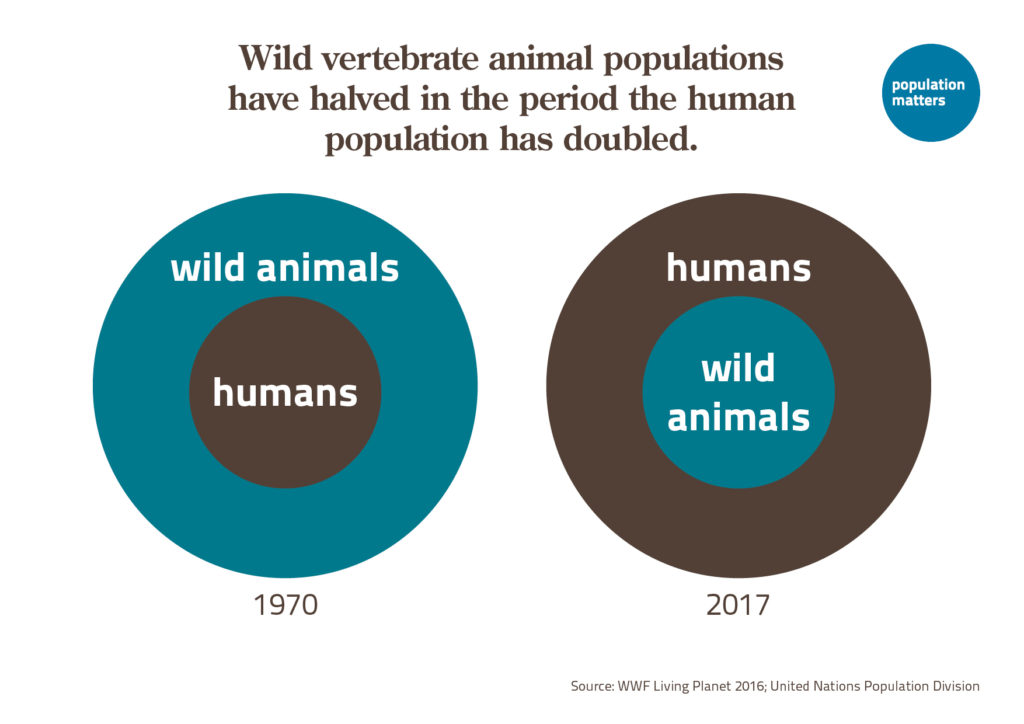
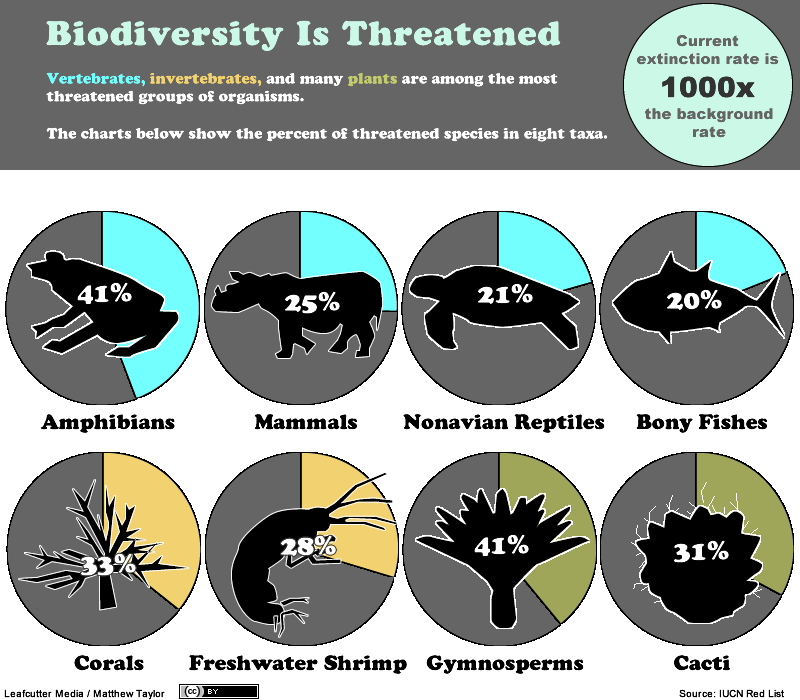
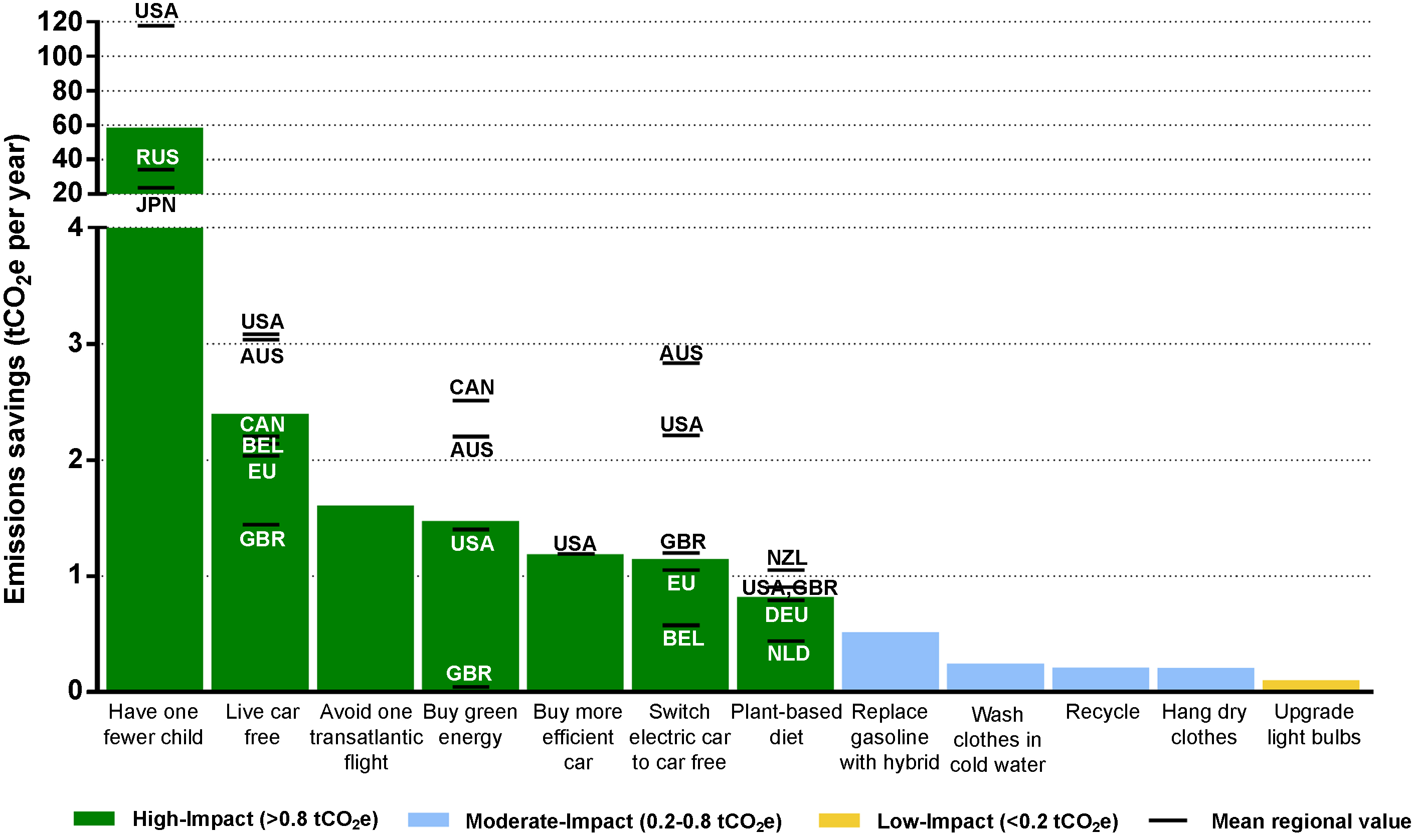
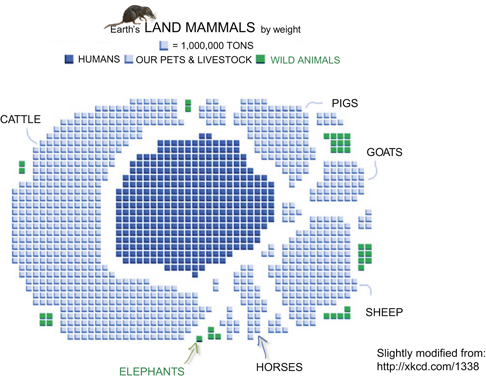
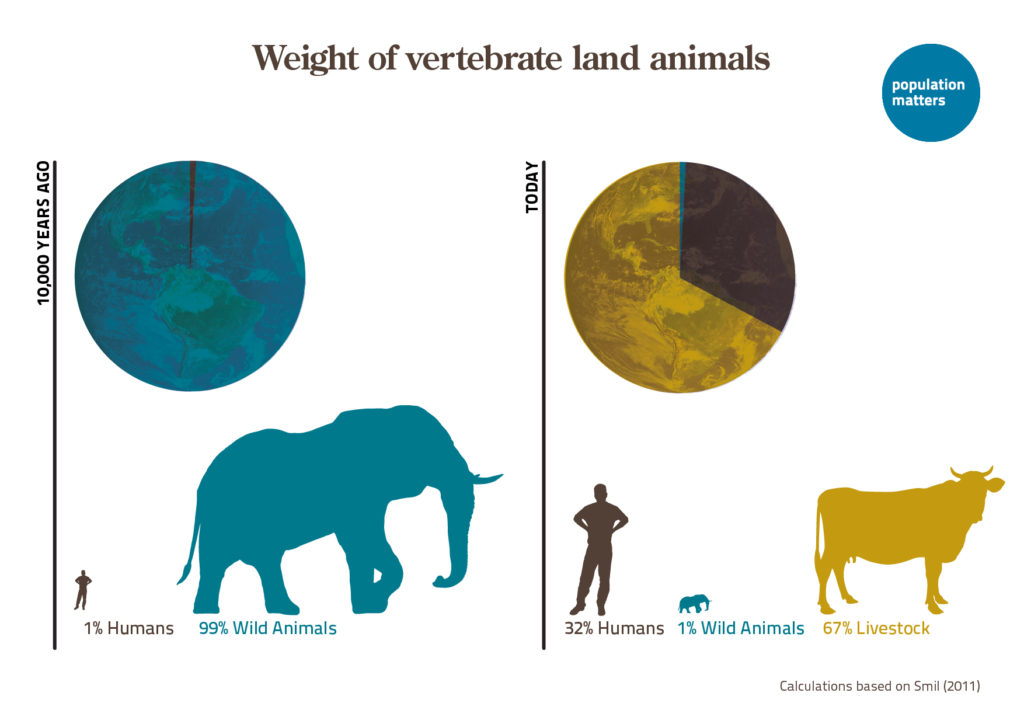
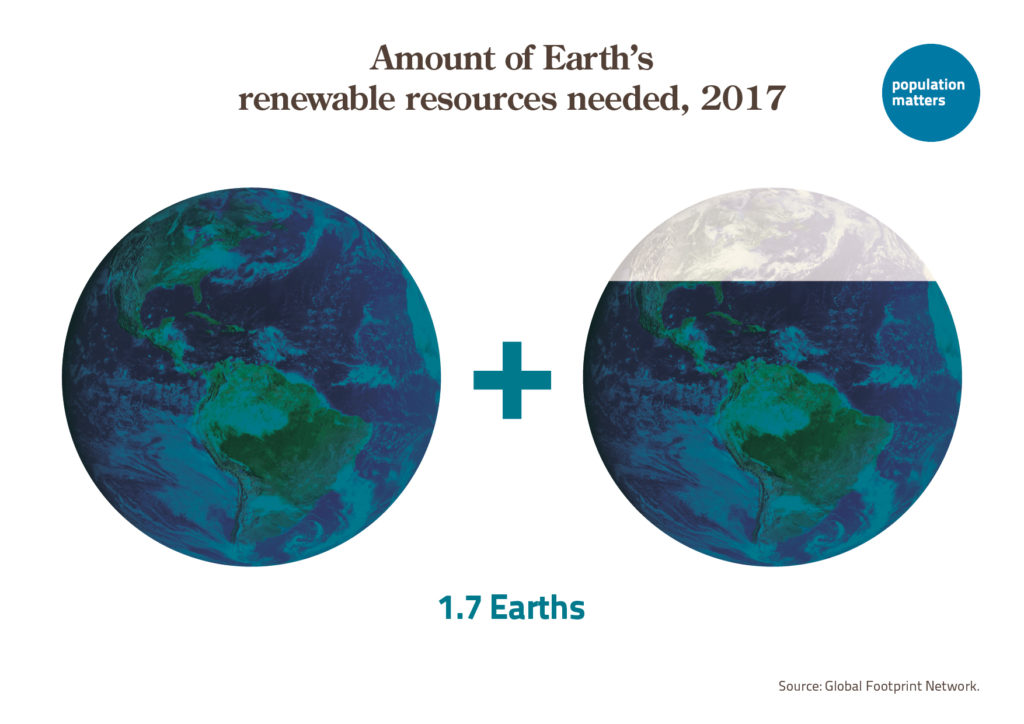
The world’s climate, ecosystems and biodiversity are being degraded by an increasing number of people and increasing consumption per person, not least in the West. In countries with strong population growth, the environment and ecosystems are being destroyed rapidly. Through assistance for family planning (FP), living conditions can be improved for women, children and families in lower-income countries. But today, barely 0.5 percent of all international aid goes to FP.
The IPCC drew its conclusion – but left it hidden in a large text. And silence among most researchers means that population growth is often assumed to be a non-problem. Many researchers argue that redistribution of wealth can solve environmental problems. Others, including economists and politicians, assume that more technology and energy will provide the solution. But there are good exceptions in the crowd.
After many successful FP programs around the world from 1965 to 1994, the third UN conference on population was held in Cairo in 1994. There, SRHR, “sexual and reproductive health and rights”, was strongly emphasized. Rights are of course important, but FP aid decreased from 55% to 5-6% of sexual health funding in just over 10 years. Population growth became almost taboo in the UN and in the West. The world population grew by almost a billion to 2004, when the next UN conference was to be held – but was dropped. Overpopulation has increasingly become a reality. Can all 8.2 billion people enjoy the rights often promoted in the media?
Back to Morocco: the country started a FP program already in 1965, when the fertility rate was about 7 children per woman. But FP got off to a weak start and received little support from the country’s leadership. It was not until the 1980s that counselling and use of contraceptives increased, from 7 percent to 63 percent in 2004. Today, fertility is relatively low, averaging 2,2 children per woman. Yet between 1985 and 2025, the population increased from 22 to 38 million – it takes time to slow population growth by FP programs! Today, Morocco is unable to provide work for its many citizens – youth unemployment stands at about 35 percent.
The situation is even more serious in the 45 countries south of the Sahara. Aid agencies like the Swedish Sida and the UNFPA need to face the facts, lead by example, and provide increased support for family planning programs where they are desired and needed, in Africa and other countries.
The original leader article was published in Swedish here: https://www.gp.se/ledare/gastkronika/befolkningsokningen-hotar-bade-afrika-och-klimatet.f6318498-8034-4819-a6a8-0b8fcb963c21
The translated English text is slightly edited and contains more Internet links.
Have you published an article on population growth in your country? Please send it to us – we are curious about such successes and topics of articles.











Leave a Reply