
The climate researchers at Project Drawdown didn’t always have a blind spot toward population. Their retreat means many concerned activists will remain ignorant of the most effective means to limit greenhouse gas emissions and adapt to the change that’s coming.
by Pernilla Hansson
While consumption is a widely recognised contributor to climate change, population growth is an equally important climate threat multiplier. So when I saw last year that Project Drawdown was planning on including Family Planning in their list of solutions, it felt like a step in the right direction.
Project Drawdown is an authoritative guide on climate solutions. Their Drawdown list is meant to help people, including policy makers and leaders, make informed decisions by listing and categorising solutions proposed to lower greenhouse gas emissions. Each solution is given a recommendation classification, ranging from not recommended to highly recommended, as well as its own page with more information, such as why it was given that classification, any additional benefits it may bring, and how to take action.
Although initially only marked as “coming soon,” the solution named “Support Family Planning and Education” was the only item in the “Health and Education” category, and classified as highly recommended. A highly recommended solution is one that works consistently, is ready for implementation, is backed by data, is large enough to matter, and poses no risk to people or the environment.

Cost is also taken into account in categorizing solutions, but with the only criterion that “the cost must not be exorbitant compared to another functionally equivalent solution.” If Project Drawdown reviewed the cost of Family Planning, they would find no objection to its implementation: Family Planning is one of the most cost-effective ways to lower emissions.
Even though Project Drawdown did not shy away from family planning as a solution in their 2017 book, they have severely downplayed the connection between population and climate change in more recent publications. Their decision to again raise the topic in this newest Drawdown list seemed to represent a positive shift back to acknowledging one of the main drivers of climate change.
Which is why it was such a let-down to see that towards the end of April this year, the solution “Support Family Planning and Education” was completely dropped from the list.
So, if Project Drawdown is not going to explain why supporting family planning is an effective way to fight climate change, we at The Overpopulation Project will.
Population growth and climate change
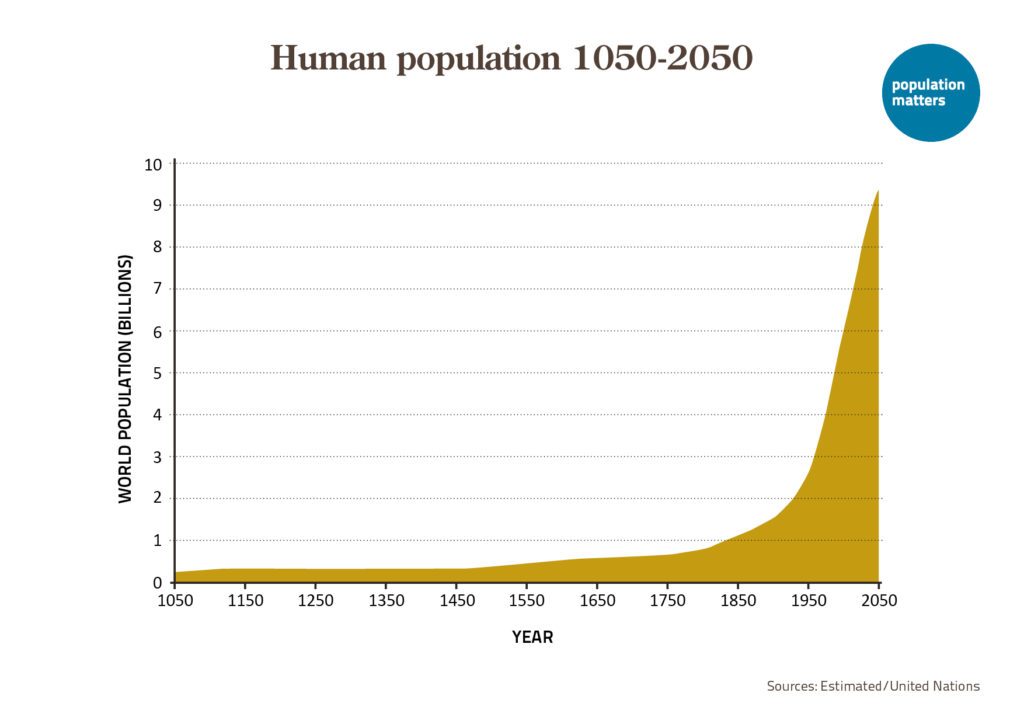
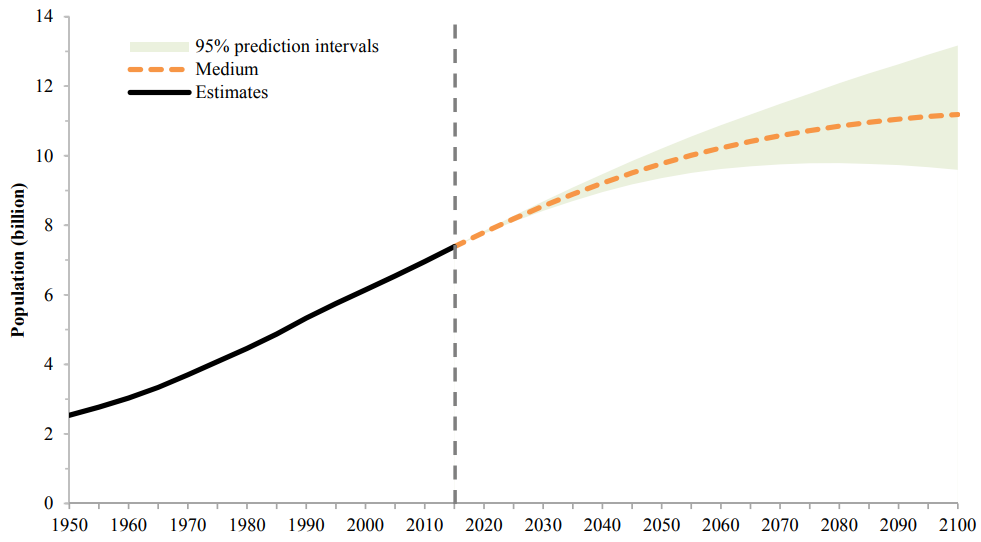
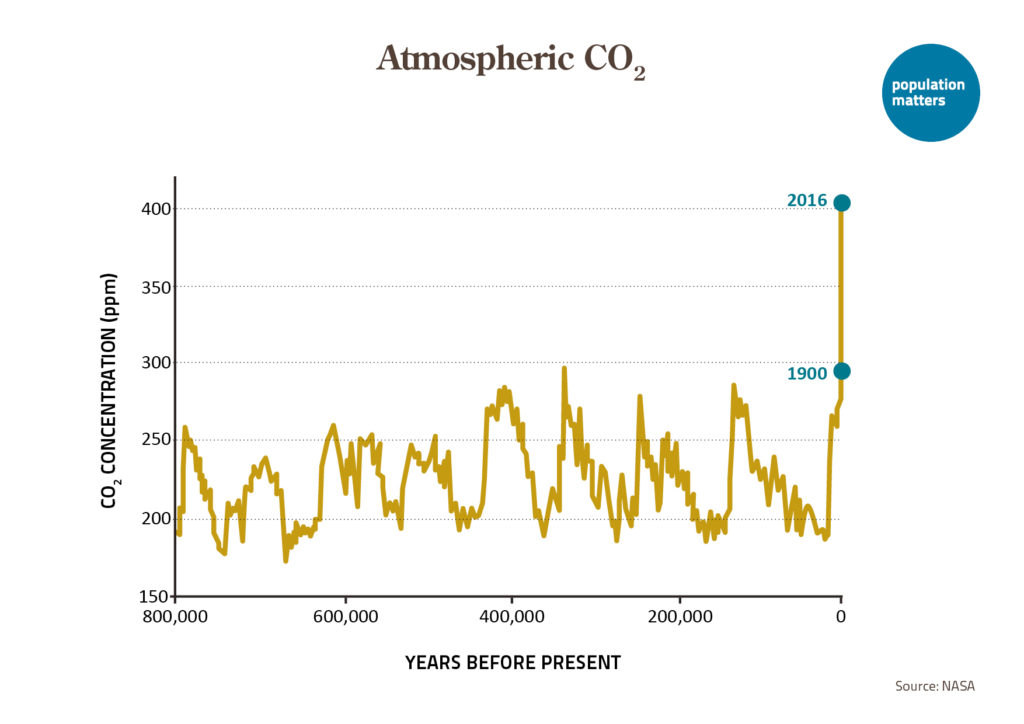
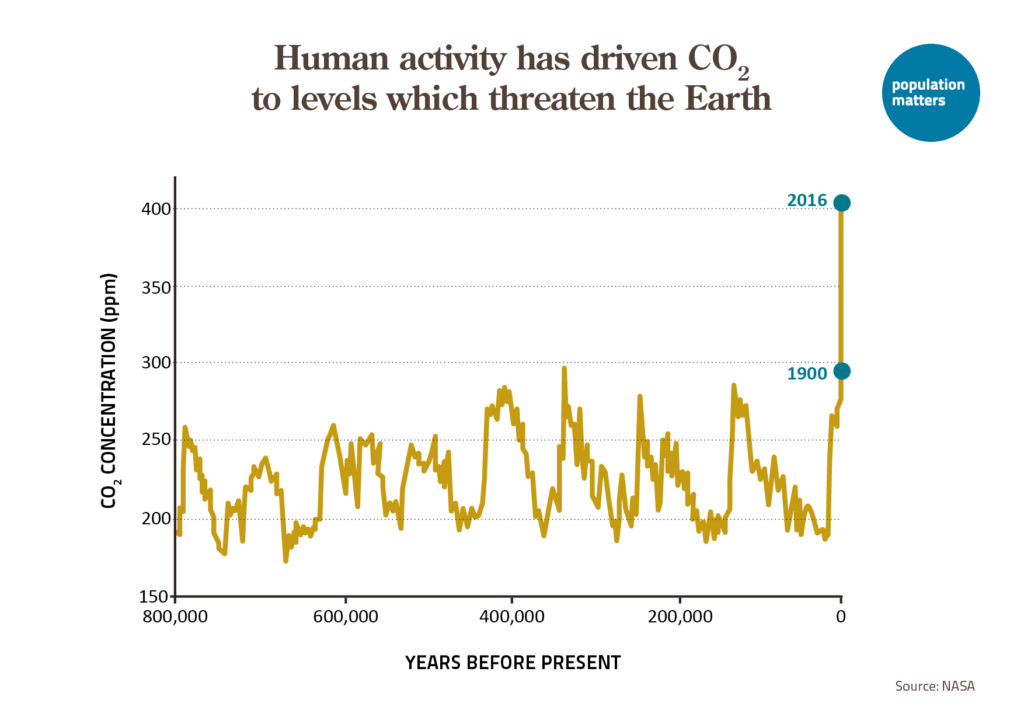
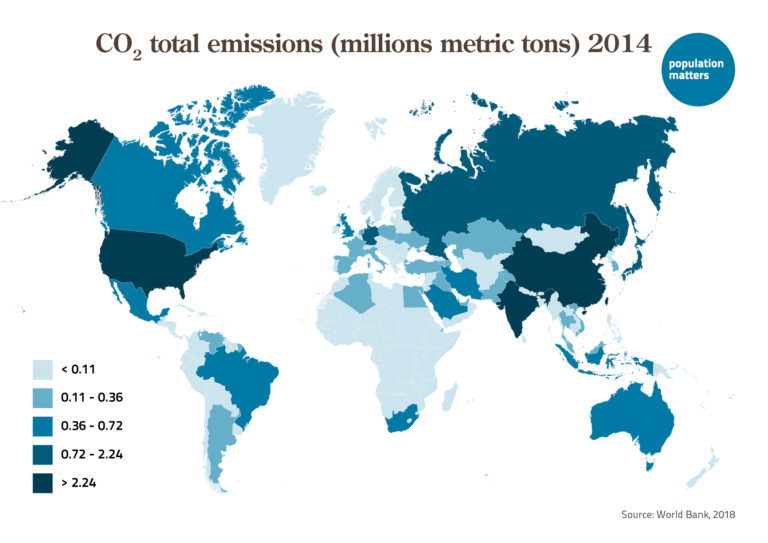
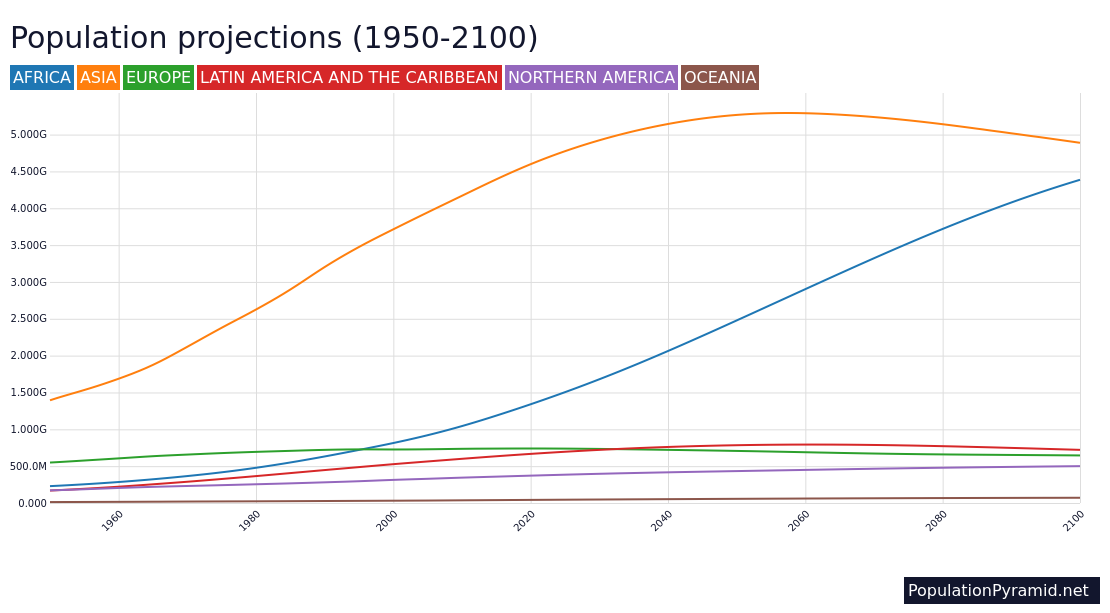
The two fundamental drivers of increased emissions are GDP per capita, a proxy for economic growth, and population growth. AS the IPCC’s Sixth Assessment Report stated back in 2022: “Globally, GDP per capita and population growth remained the strongest drivers of CO2 emissions from fossil fuel combustion in the last decade. Trends since 1990 continued in the years 2010 to 2019.” The Technical Summary for the Sixth Assessment Report notes that demographic and economic growth will likely continue driving emissions higher in the future.
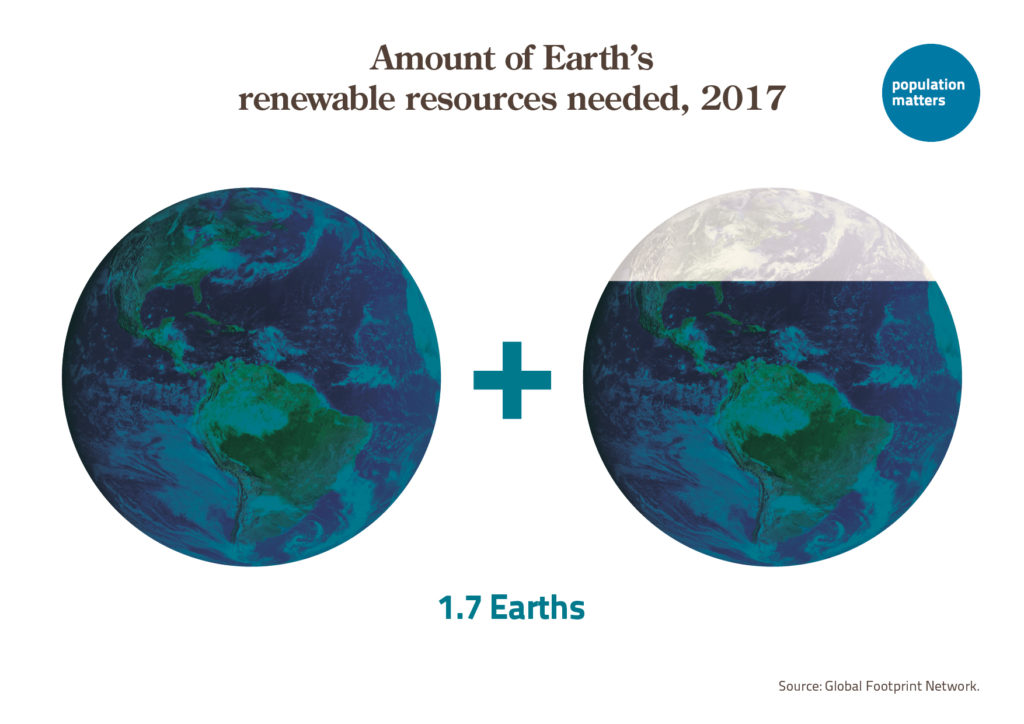
Project Drawdown is good at addressing the first factor. Almost all their currently recommended solutions in some way relate to improving the efficiency of current production systems, reducing unnecessary consumption, or minimising emissions from necessary consumption. But while the economic driver must undoubtedly be addressed, we must also address the population driver and become fewer total producers and consumers.
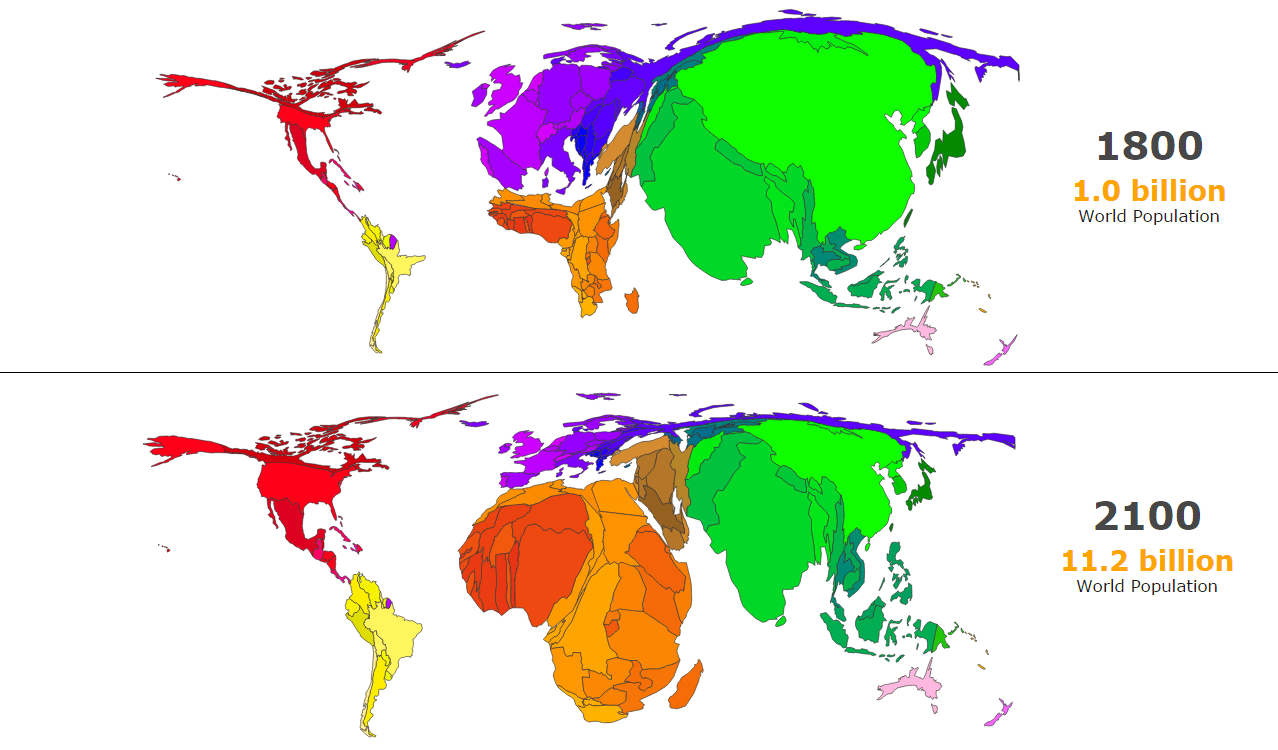
A growing population requires the development of more agricultural land. Expansion of agricultural land is by far the biggest driver of deforestation in low- and middle-income countries, which itself is a significant source of carbon emissions. In addition, the energy and transportation sectors are major sources of emissions that tends to scale up to match the needs of an ever-increasing population.

The construction sector is among the most emissions-intensive, and a growing population requires much more construction per capita than a stable or declining population, especially where increasing population densities require more reliance on concrete and steel. Construction is much more difficult to decarbonise than the energy sector.
The rising demands of a growing population are also a major culprit in counteracting actions that have been taken to fight carbon emissions. More than ¾ of reductions in CO2 emissions that have been achieved since 1990 through increased efficiency and reduced emissions from energy production have been cancelled out by the effects of population growth.
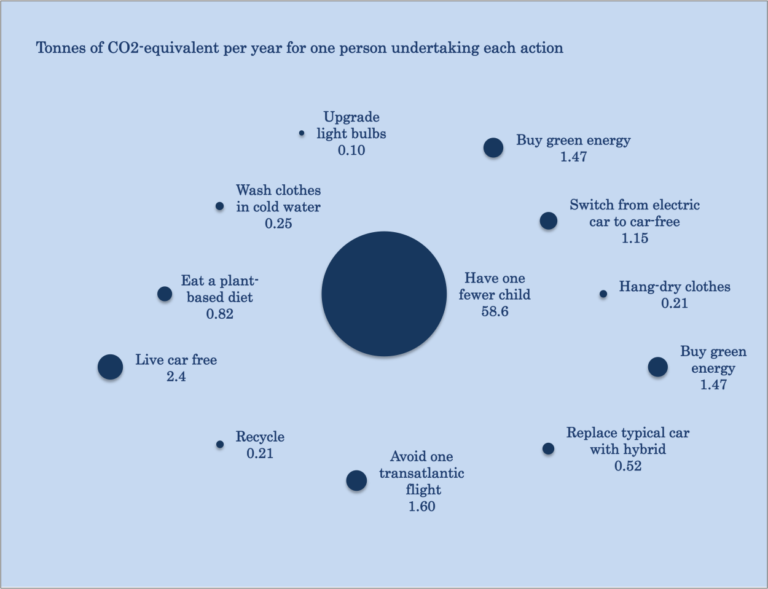
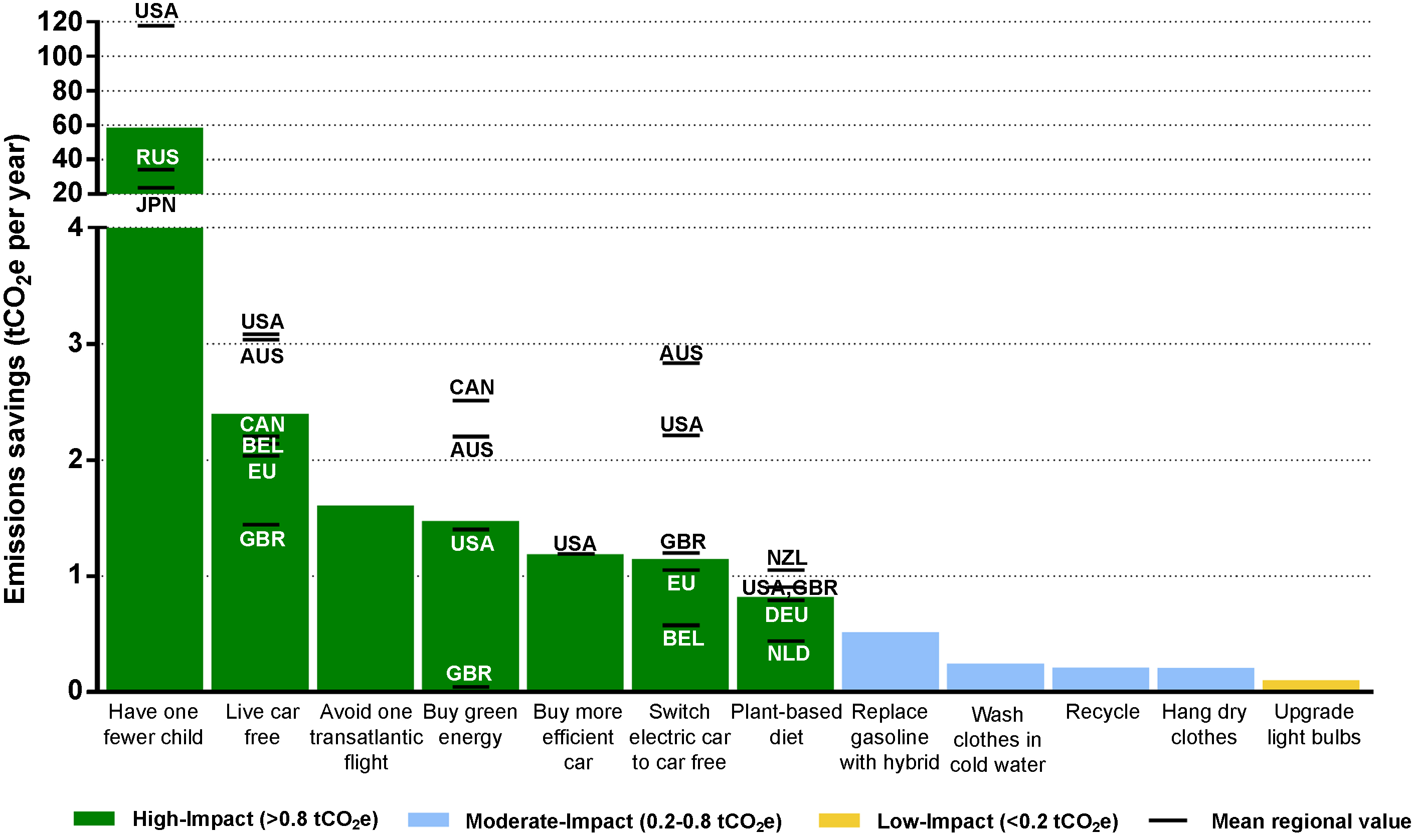
A study from 2017 showed that in the long run (over generations) having one child less saves between 24- and 120-tons CO2 emissions per year depending on affluence. In comparison, living car free, which was the second best action, would save at most 5.3 tons CO2 emissions per year. Taken all in all, choosing to have one fewer child is the most effective action one can take to reduce personal emissions.
Family Planning as a solution to more than just emissions
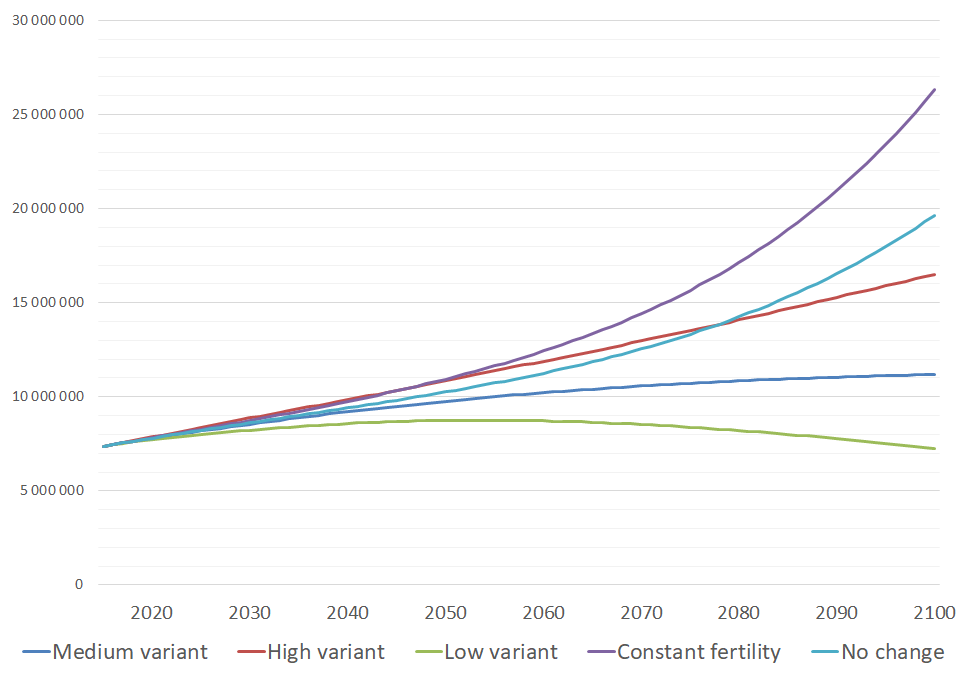
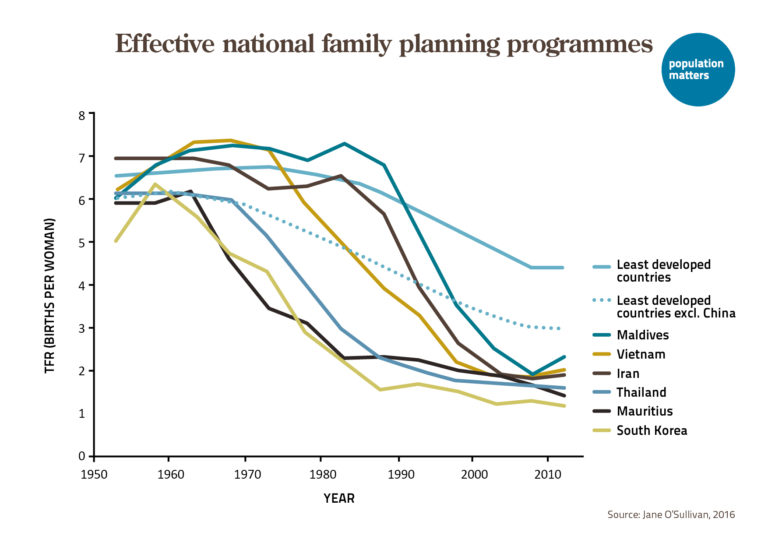
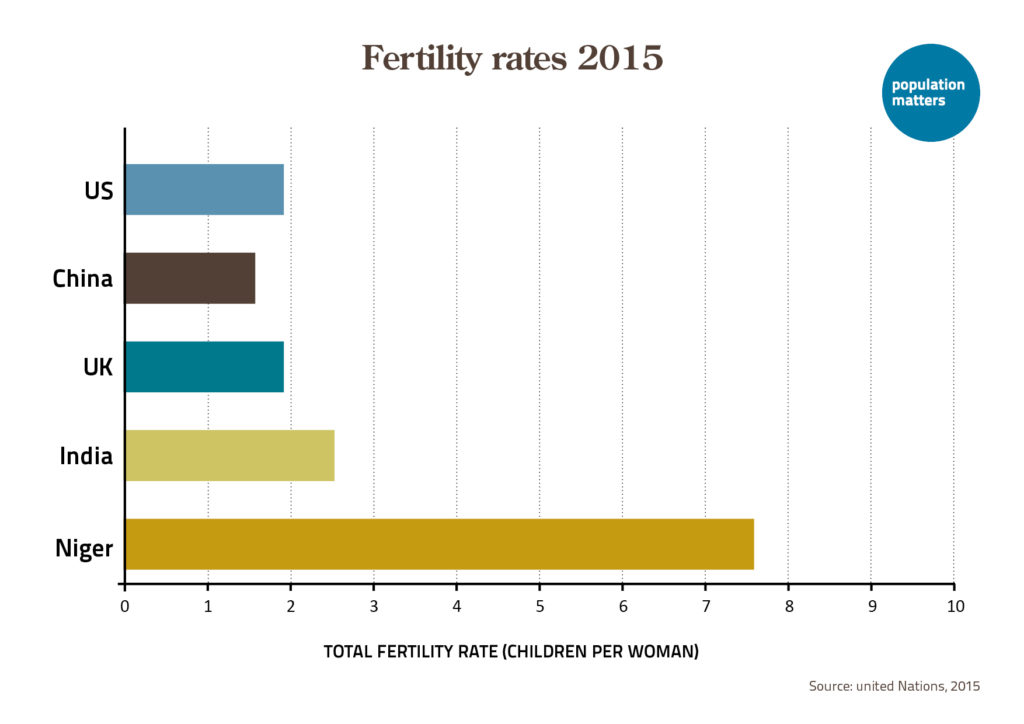
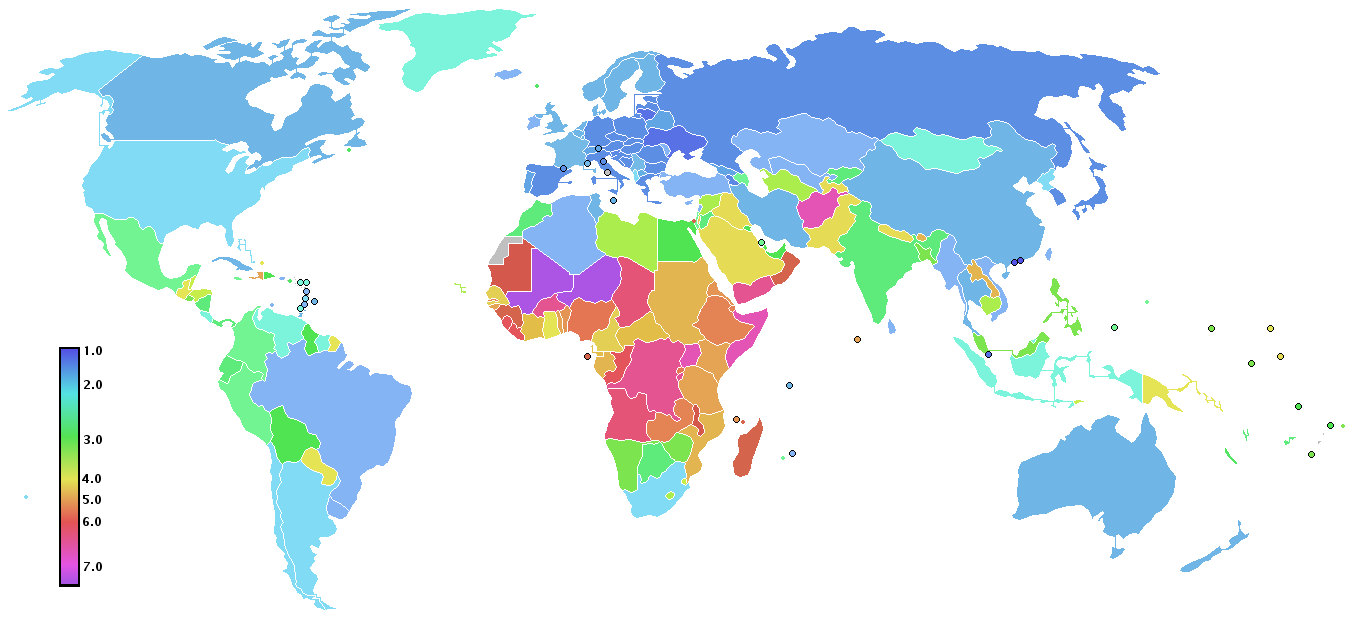
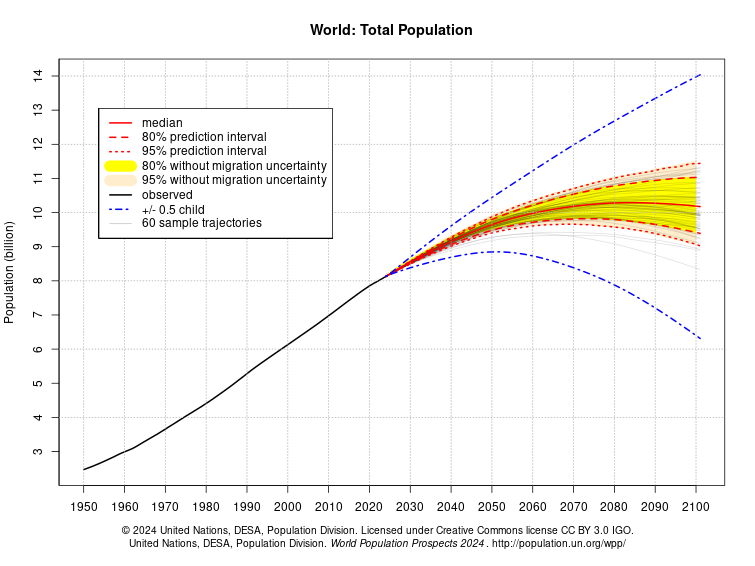
Fertility rates can drop quickly with properly funded and ethically implemented family planning programmes, which in time, allows for population degrowth. Pairing this with educational improvements can lead to a more equal society.
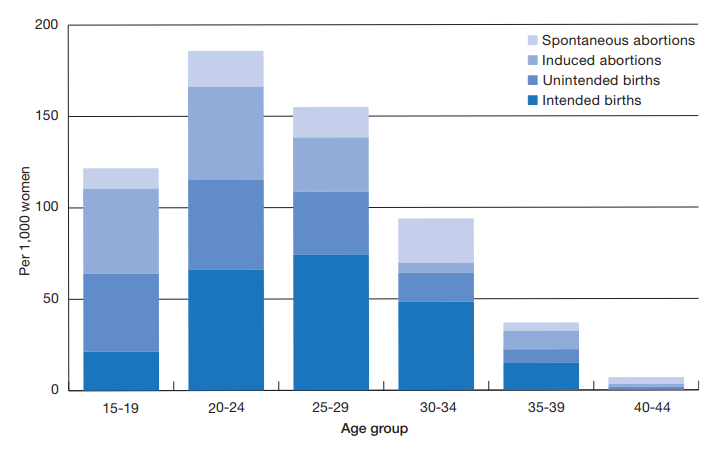
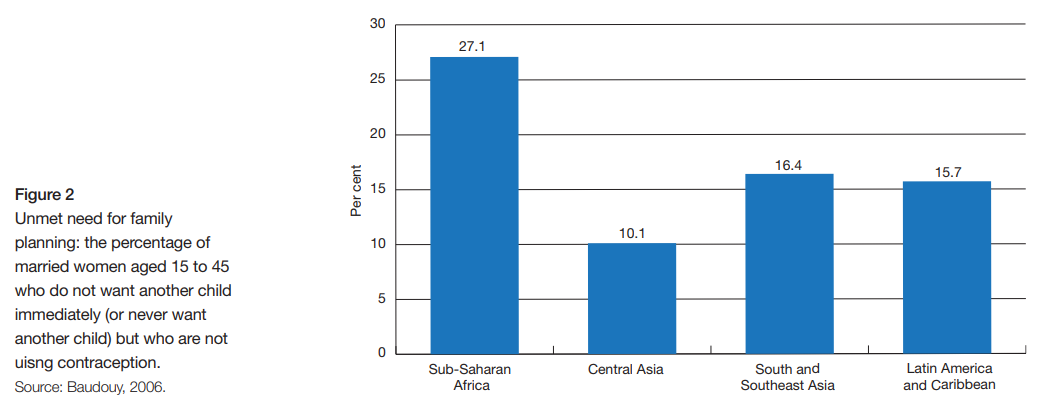
Tragically, there is a massive unmet need for contraception, over 200 million women. Additionally, almost half of women in low- to middle-income countries lack decision-making power over their health, contraceptive use, and sex lives. It is a recognised human right to be able to make an informed decision on the number and spacing of the children you want, so the underfunding of family planning programmes represents a severe failure of the international community to secure the rights of vulnerable women.
Providing contraception to families who desire it is not only cost-effective, it also brings with it other benefits. A UNICEF report from 1992 succinctly stated that “family planning could bring more benefits to more people at less cost than any other single ‘technology’ now available to the human race.”
Access to family planning can be especially important for climate change adaptation. Small families have smaller needs for food, water, fuel and shelter, making it easier for poorer people to fully support all their children. As climate change undermines food and water systems around the world and drives up food prices, successful adaptation could depend on societies limiting their numbers.

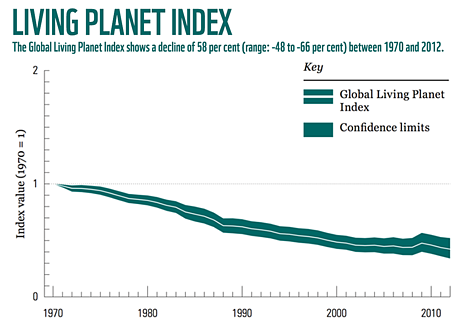
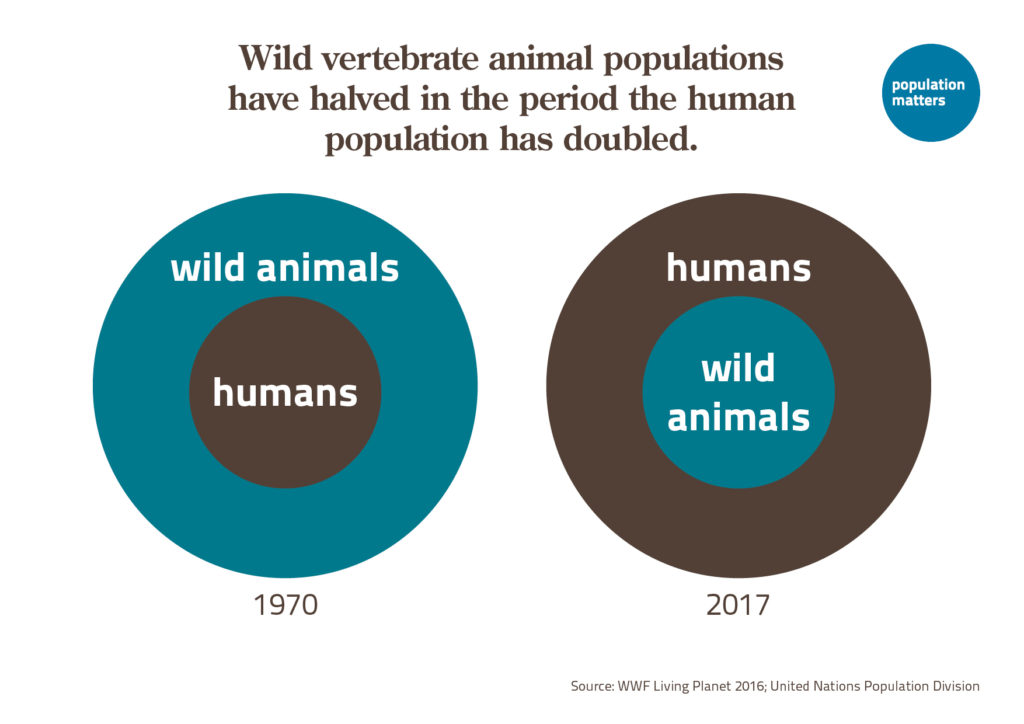
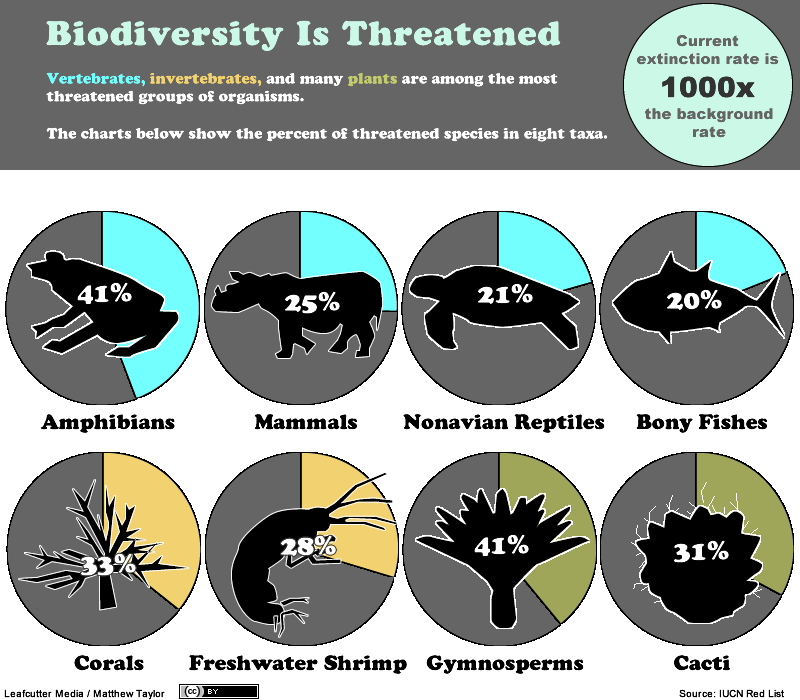
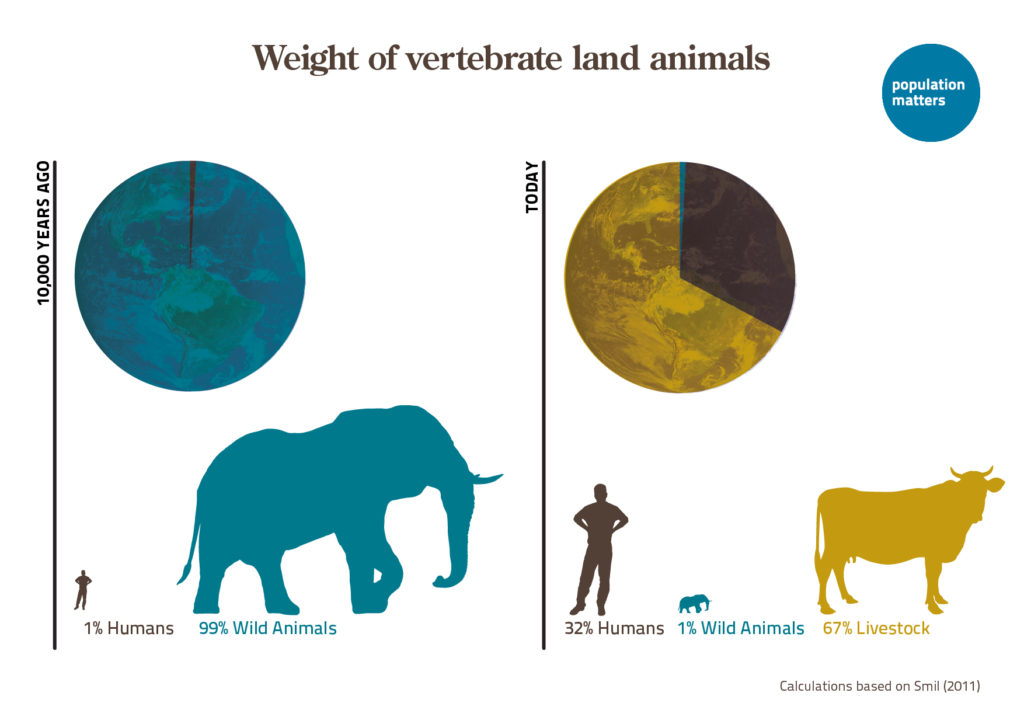
In a less anthropocentric view, population growth is also a main factor in the biodiversity crisis. With our demand for food, water, and resources, we are destroying natural habitats, polluting waters, and driving animals to extinction. These species have just as much right as us humans to live on this planet.
So where does this leave us? With an incredibly cost-effective solution that is consistently swept under the carpet. A solution that would strengthen women and benefit vulnerable communities while simultaneously improving water and food security as well as protecting what remains of the natural world. Population is at the nexus of all our problems. It is a shame that the leaders at Project Drawdown continue to ignore it.











Leave a Reply