
11 July is World Population day, a day to reflect on demographic trends. Unfortunately, instead of renewed attention, the last year has seen the effects of slashing of funds to family planning programs in many countries where they are still needed, which will have long-lasting effects.
by The Overpopulation Project

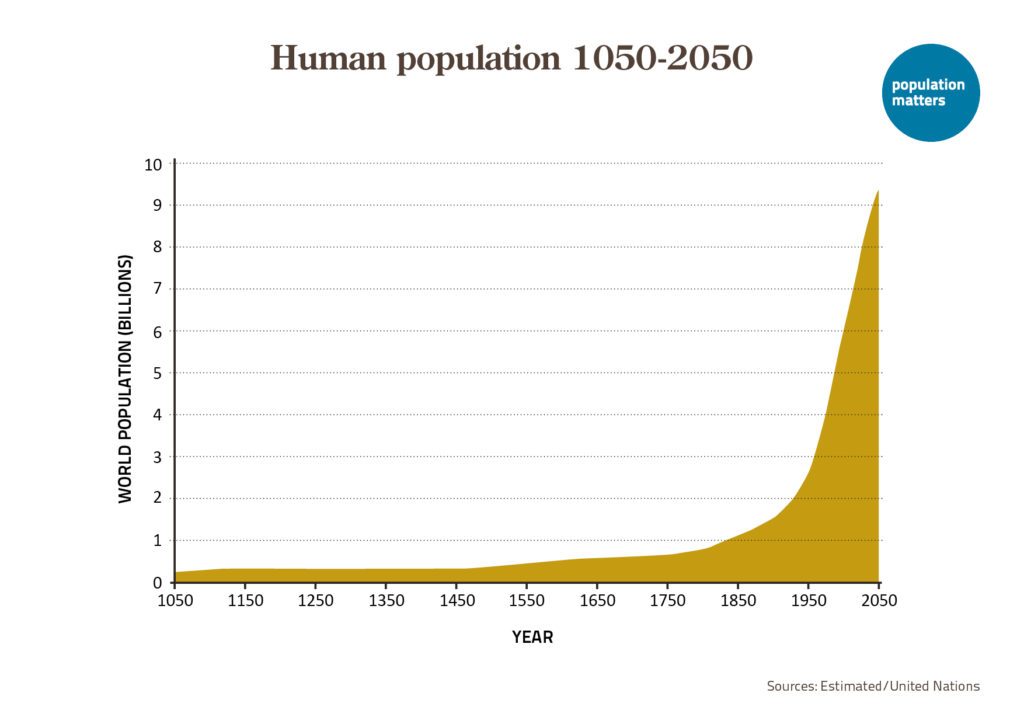
World Population Day on 11 July reminds us to reflect on demographic trends and renew commitments to address the issues they raise. While developed world media continue to jump at shadows of the largely imaginary challenges of population ageing and decline, the prospect for easing the pace of growth in poor countries seems bleaker that it has for many years.
The incoming Trump administration’s immediate re-instatement of the “global gag rule” and freezing of aid funding was followed by complete dismantling of USAID in May last year. This has been particularly damaging to family planning and reproductive health programs. Other donor countries have not stepped into the breach – indeed, several vital donors have signalled reduced funding, including the Netherlands, UK, Canada and Australia.
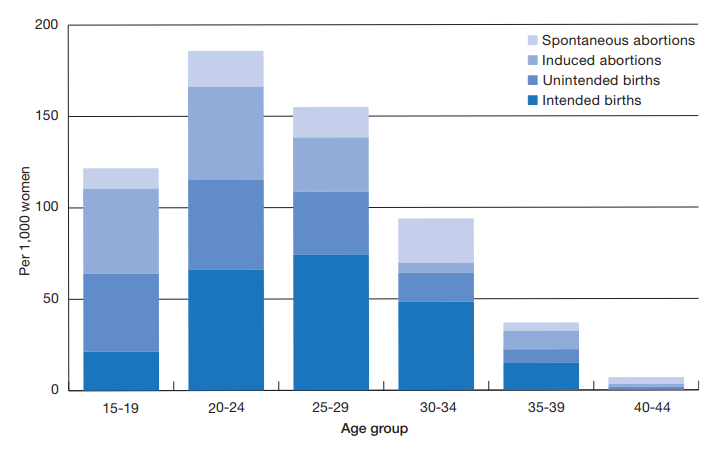
These cuts to family planning funding could result in tens of millions of additional unintended births and unsafe abortions. Between 2025 and 2028, 2.6 million births could result from USAID cuts to MSI alone. Donor-dependent countries like Malawi are reeling from the impact.
The invaluable Demographic and Health Survey (DHS) program and database went off-line along with USAID, but at least one piece of good news is its revival under the auspice of the International Union for the Scientific Study of Population (IUSSP). Nevertheless, aid cuts are likely to make future surveys less frequent.
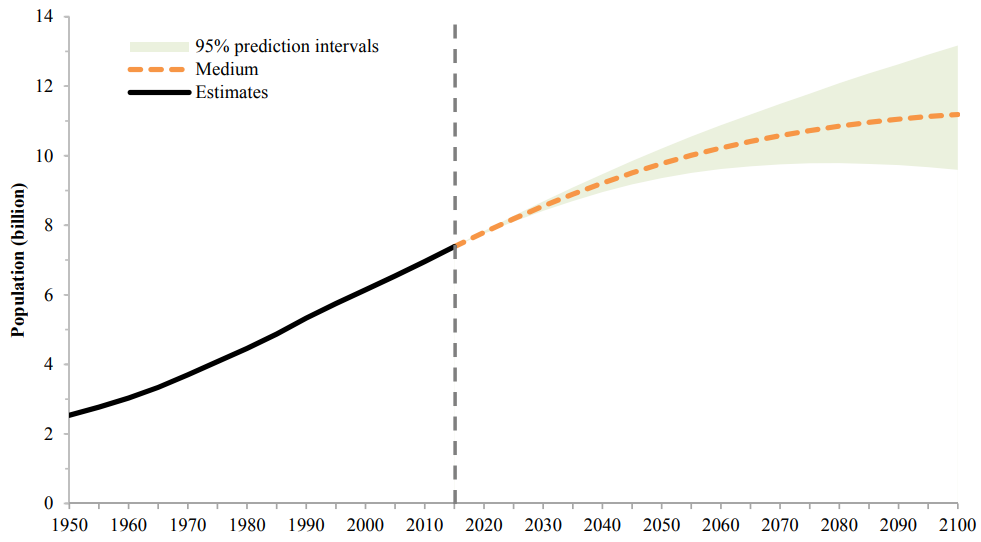
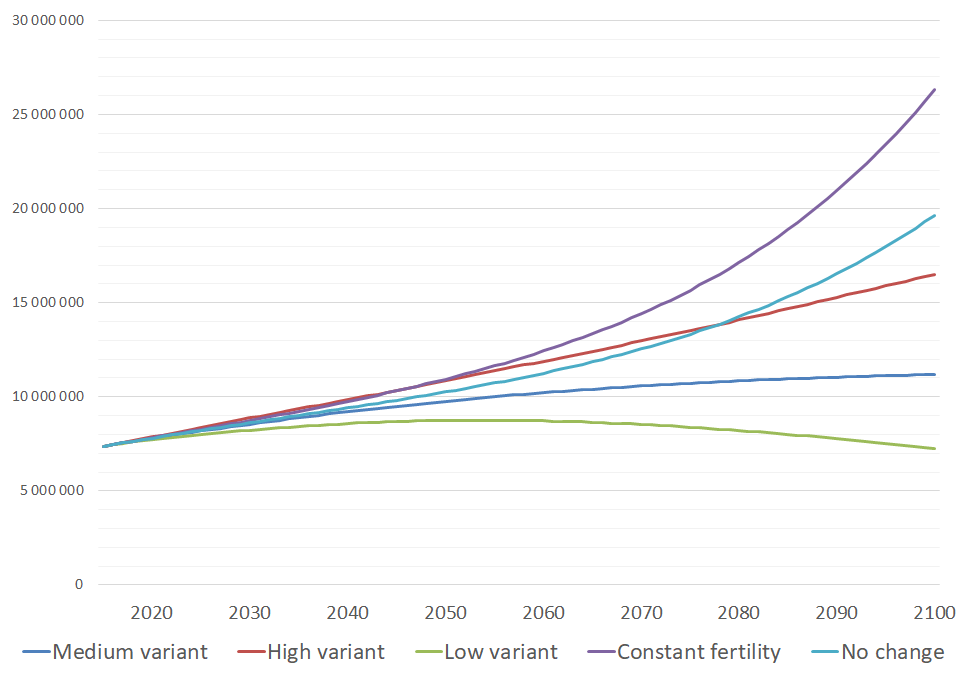
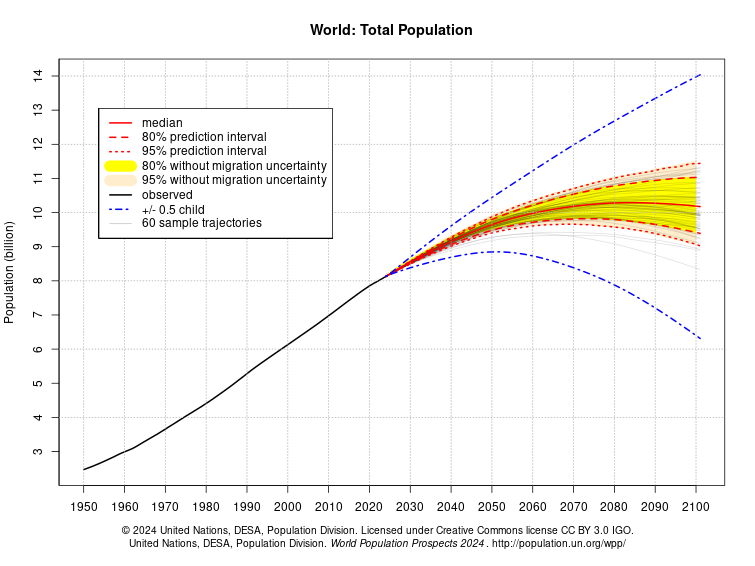
In many poor countries that don’t collect vital statistics, DHS surveys are the most reliable measures of fertility and mortality. The impacts of aid cuts on fertility and population growth won’t be known until new survey and census data are collected and incorporated into the UN’s population estimates. We await with eagerness the next revision of the UN’s World Population Prospects, which should have been presented this World Population Day. However, due in part to aid cuts, the release has been postponed to 2027.
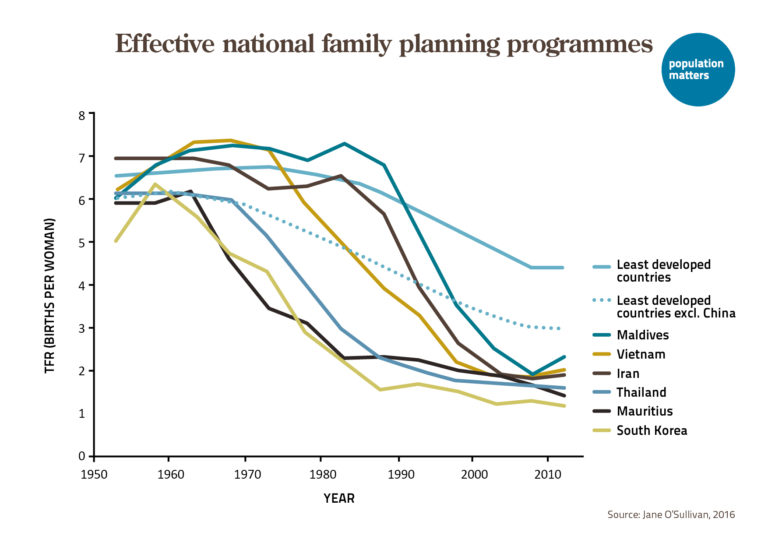
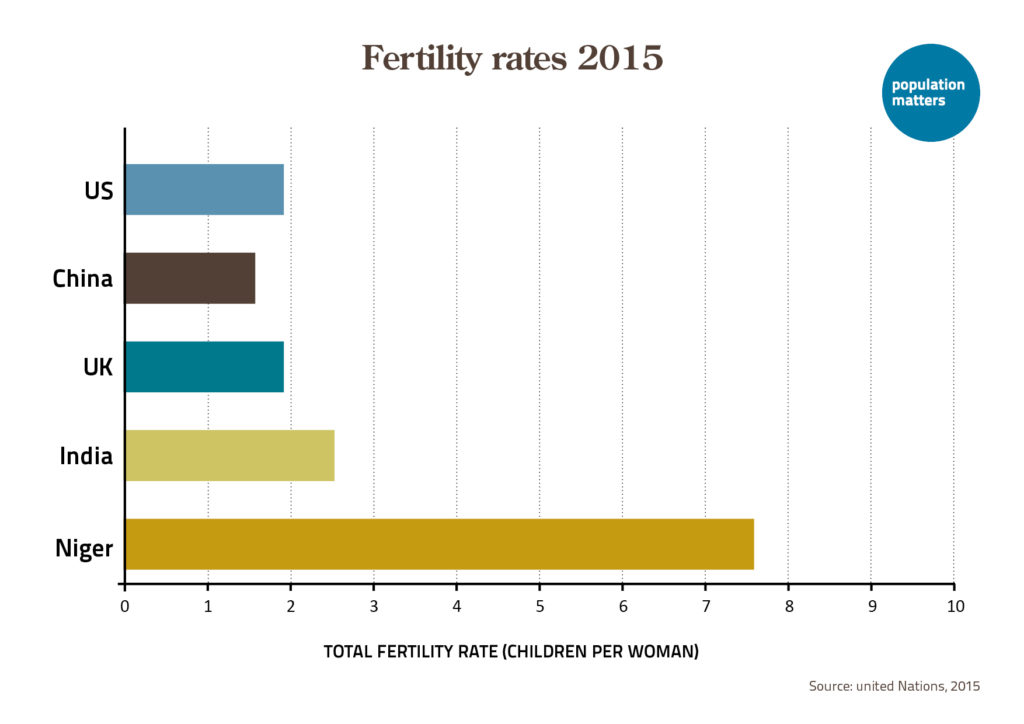
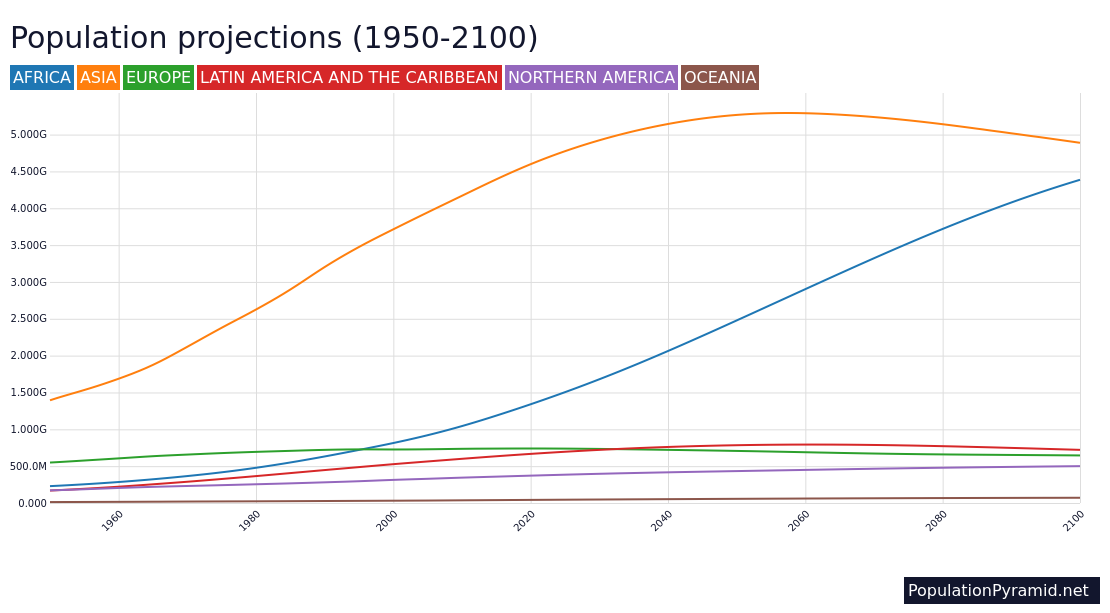
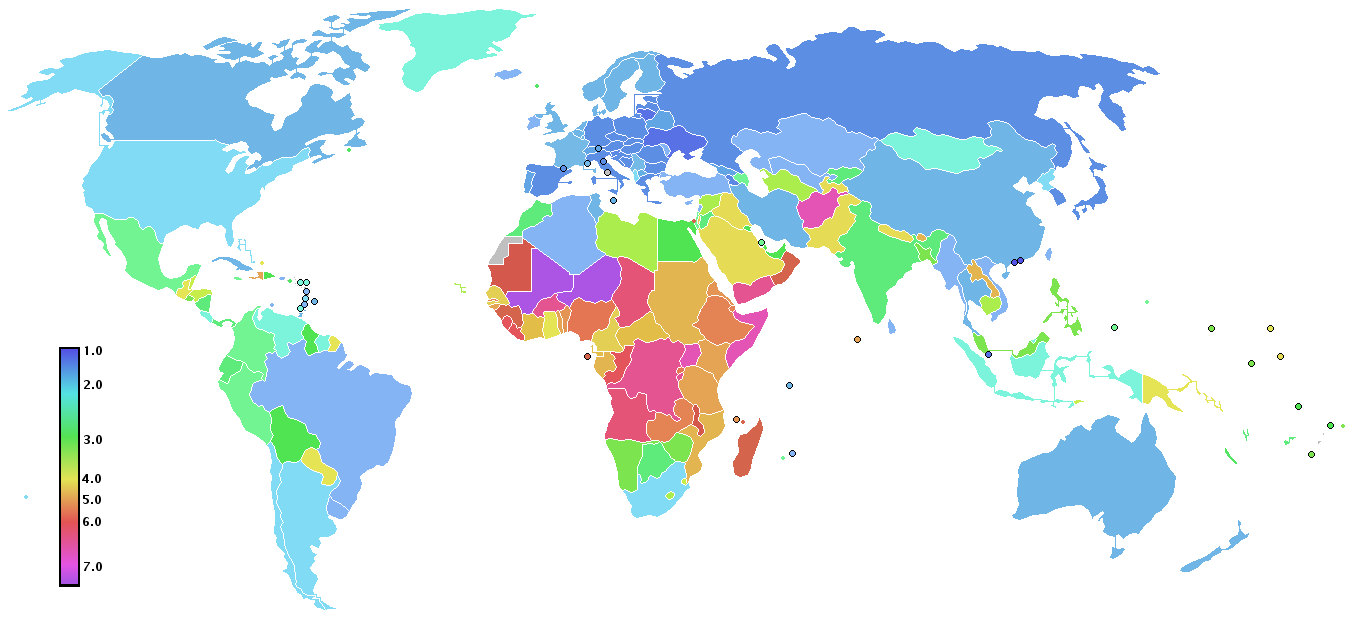
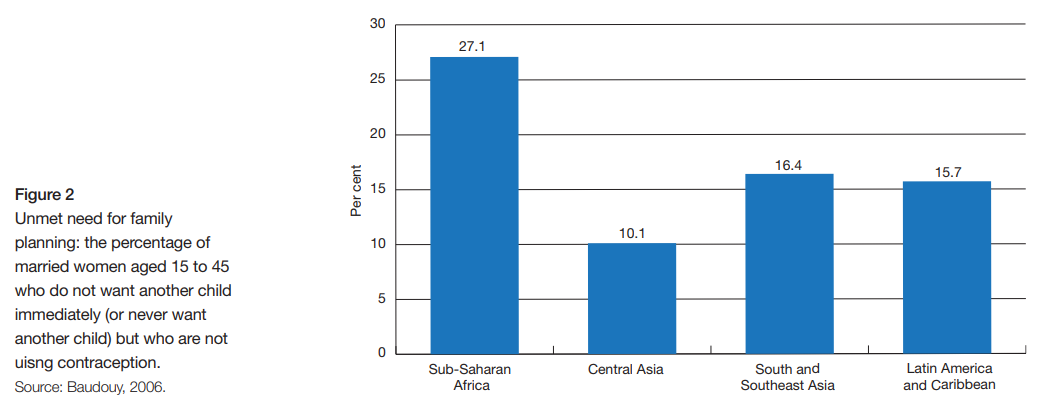
Meanwhile, the UN theme for this year’s World Population Day, “Realizing the hopes and aspirations of young people – today and for the future” further divorces the UNFPA from any interest in population stabilisation. Instead, they focus on what anxieties or constraints dissuade young people from making babies. What they avoid saying is that a major underlying source of economic insecurity, housing stress and environmental pessimism is too many people. UNFPA needs to renew its interest in family planning programs, helping to reduce population growth especially in Sub-Saharan Africa.
For an overview of current population trends and their environmental implications, visit our friends at Population Balance. A special Population Day episode of their Overshoot podcast interviews mathematical ecologist Corey Bradshaw. Corey and hosts Nandita Bajaj and Alan Ware discuss a wide range of topics, including why discussion of overpopulation remains taboo across the political spectrum, and what slowing population growth rates reveal about the planet’s long-term sustainable human population.











Leave a Reply