To grow or not to grow

All around the world, politicians, business leaders, academics and many members of the general public worship at the shrine of ‘growth’. They are profoundly and dangerously wrong.

by Sandy Irvine, eco-activist from England

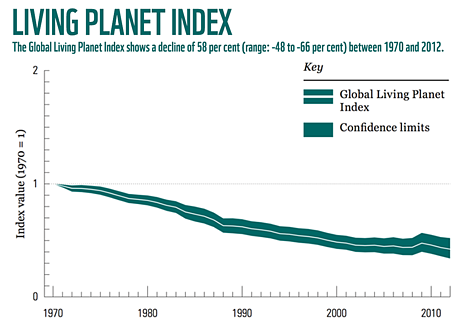
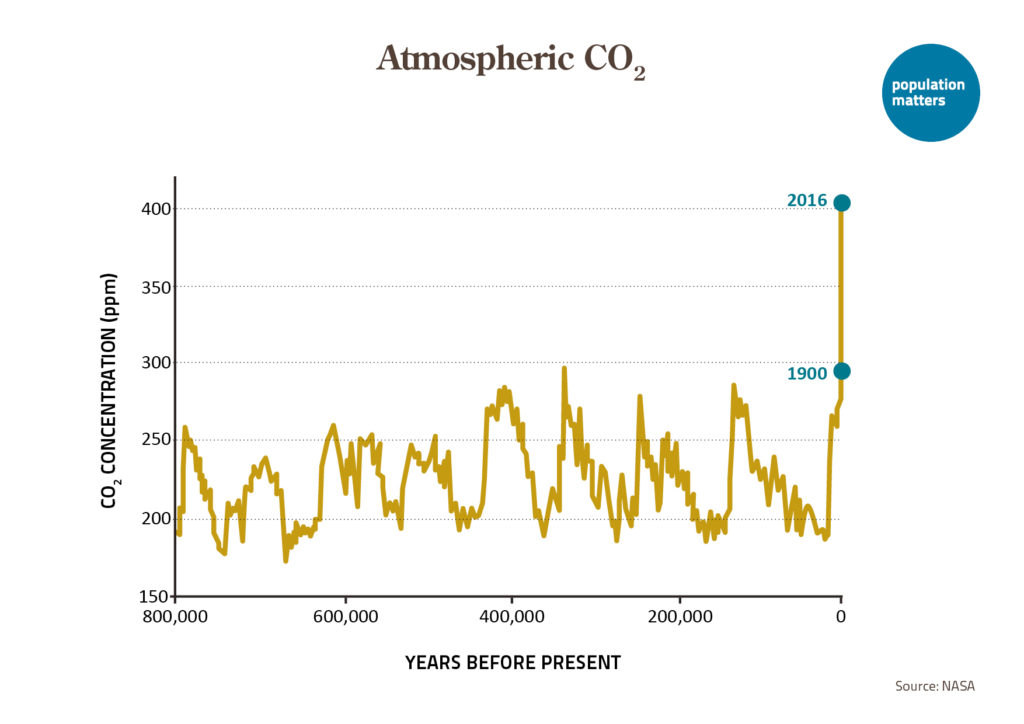
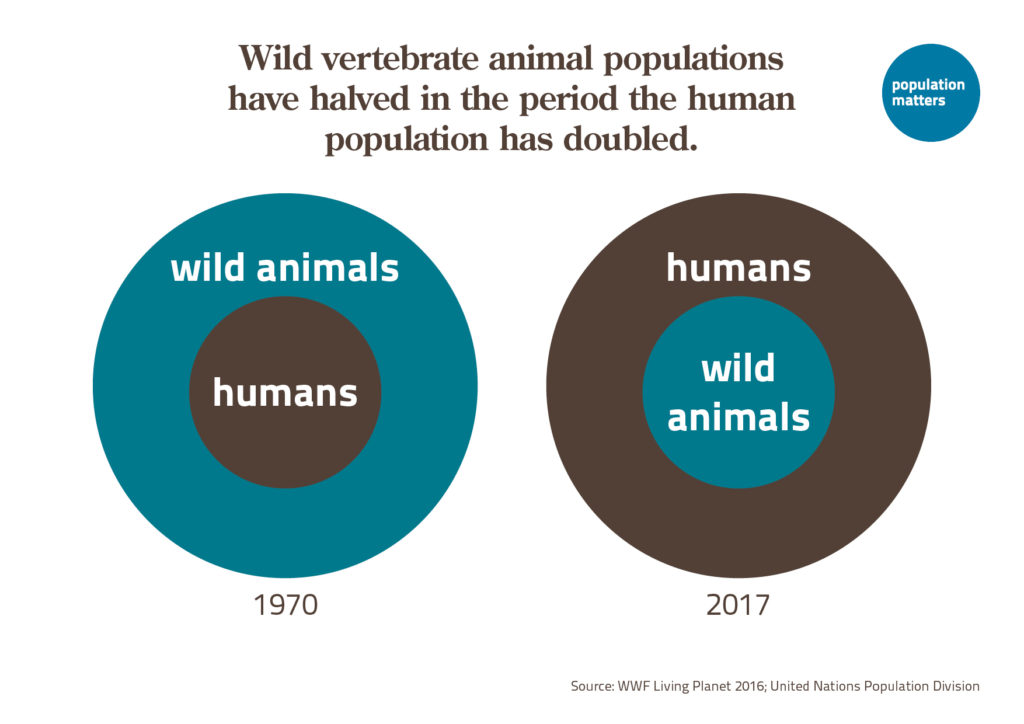
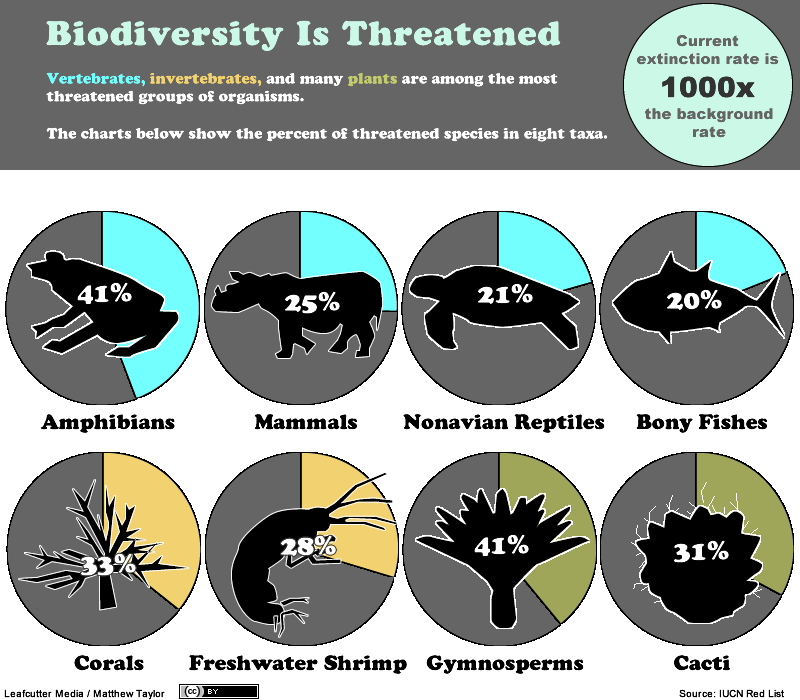
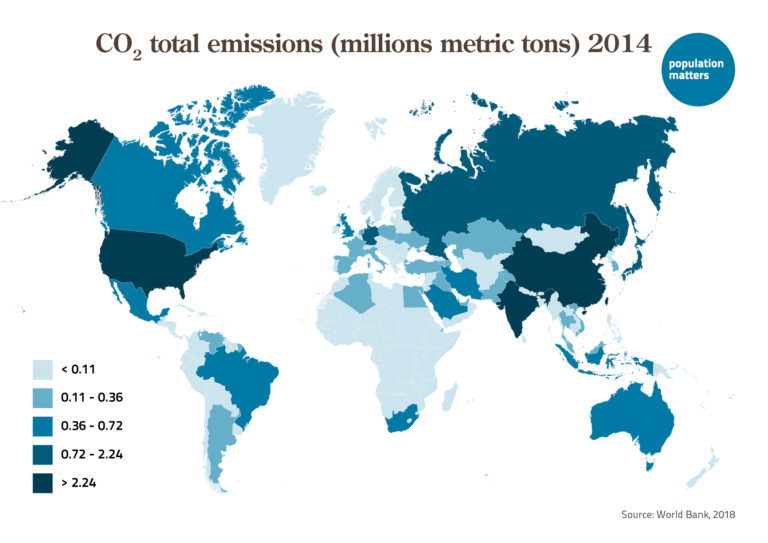
To grow or not to grow is the really big issue of our times. Most problems boil down to excess growth – population growth, economic growth (increasing per capita consumption), growth in technological power (including sheer speed as well as ‘might’), domineering physical structures (ever higher tower blocks), more centralised institutions, general overcomplexity. All tend to fuel environmental degradation, pollution, depletion of specific resources, social disintegration, anomie, inequality and such other ‘illth’, as opposed to sustainable wealth.

Thus the post-war boom in human numbers and economic activity was accompanied by what is commonly called ‘the great acceleration’ in negative impacts. Many social ills increased, despite greater prosperity. Often the really poor were left behind. Greater wealth did not give greater happiness; instead it destroyed national health and our sense of community, while leaving us feeling dissatisfied.

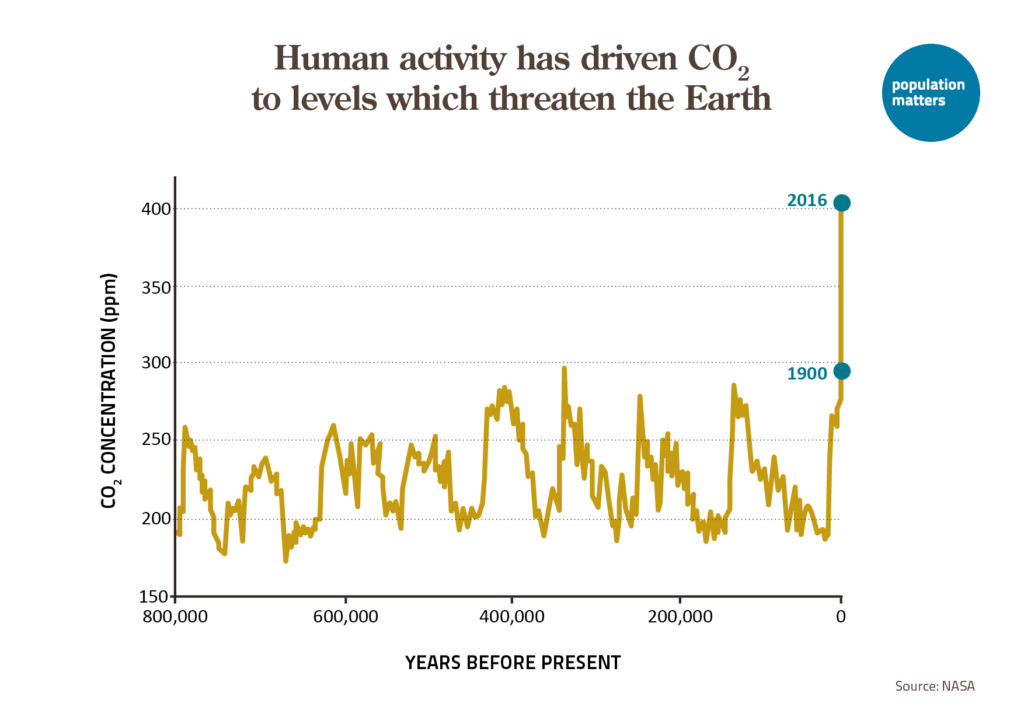
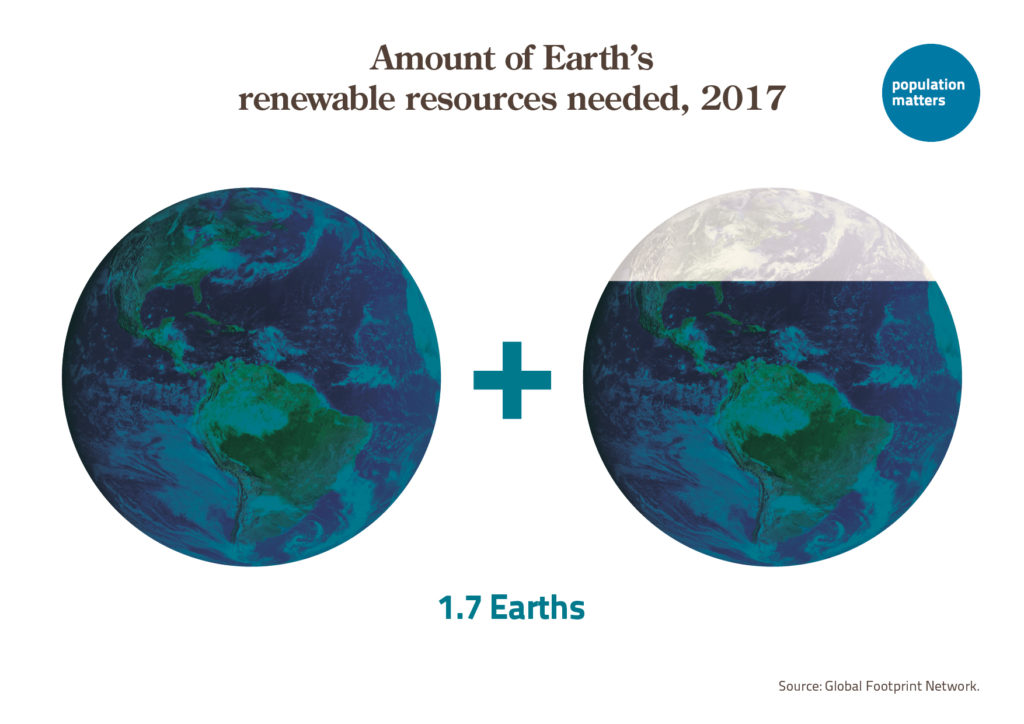
All the chickens predicted by studies such as Limits to Growth are coming home to roost with a vengeance. The consequence is potentially fatal ecological overshoot (Bill Rees is a particularly good explainer of this most fundamental fact of life on Earth today and also of the major shortcomings of widely touted solutions, not least myths about ‘abundant’ renewable energy sources; see his and Megan Seibert’s paper on renewable energy in the context of ecological overshoot, as well as their reply to a disagreeing commenter). The essential arguments go back a long way, with two particularly prescient studies by William Vogt and Fairfield Osborn in 1948, analyses both Left and Right could not and would not grasp. Indeed you can find the same basic sentiment voiced by some of the sages of ancient Greece and less directly by the Taoists of ancient China.

Cartoon by Richard Wilson, used with permission of Teddy Goldsmith.

But it is only since the massive increases of the past few decades that growth has turned so harmful and potentially fatal for civilised life and for the thriving of other forms of life. For the bulk of humanity’s existence, our numbers were too small and our technologies too weak to match the scale of destruction happening today.

Now the pursuit of growth on all fronts is the predominant goal around the world. Thus Donald Trump, President of what, by conventional measures, is the richest country in the world, claims Americans will “soon be stronger, wealthier and more united than ever before.” The twin mantras of the Labour government in the UK are “growth, growth, growth” and “build, baby build.”

Meanwhile in most countries, politicians, business leaders and scientists are mesmerized by what they perceive to be the transformatory powers of Artificial Intelligence. Its all too real costs, not least in terms of energy and water, are discounted. Various countries rush to build the world’s tallest buildings. Cambodia has constructed one of the world’s biggest airports but other countries similarly seek to expand aviation. On the ground, road construction relentlessly grows its tentacles. In China huge new cities have sprouted, eating up former agricultural land. Actually, it is not just the economy or the total human population that is growing, it is people themselves, in a growing obesity epidemic.

So, growth – more production and more consumption – almost has a religious status. In case you thought we cannot have infinite growth on a finite planet, there is a growing cult that thinks otherwise. To the fore comes the world’s richest man, Elon Musk. He and his ilk hold out the ‘vision’ of growing human communities on other planets, although many question the soundness of that vision.

There are more moderate voices in the ‘growth lobby’. They will recognise for example, the clear and present danger from climate breakdown. But they see it in terms of damage to economic growth, not growth causing this damage. Representative of this section of the congregation is Will Hutton, Guardian columnist and former head of the Industrial Society in the UK who shares his optimism toward green growth in his columns. In such circles, no growth or, heaven forbid, declining growth rates, are treated as portents of disaster. Just a forecast of ‘poor’ growth can trigger currency troubles for a country.

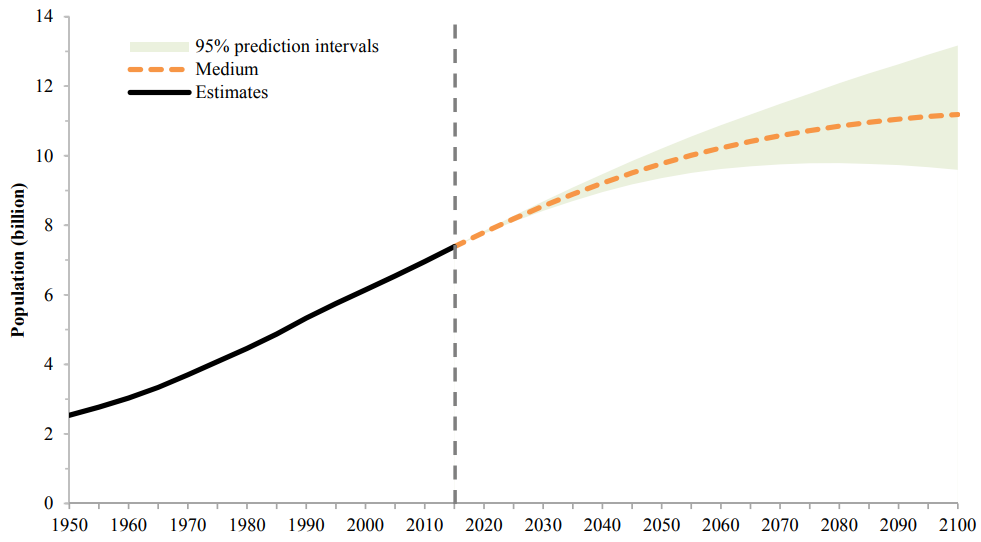
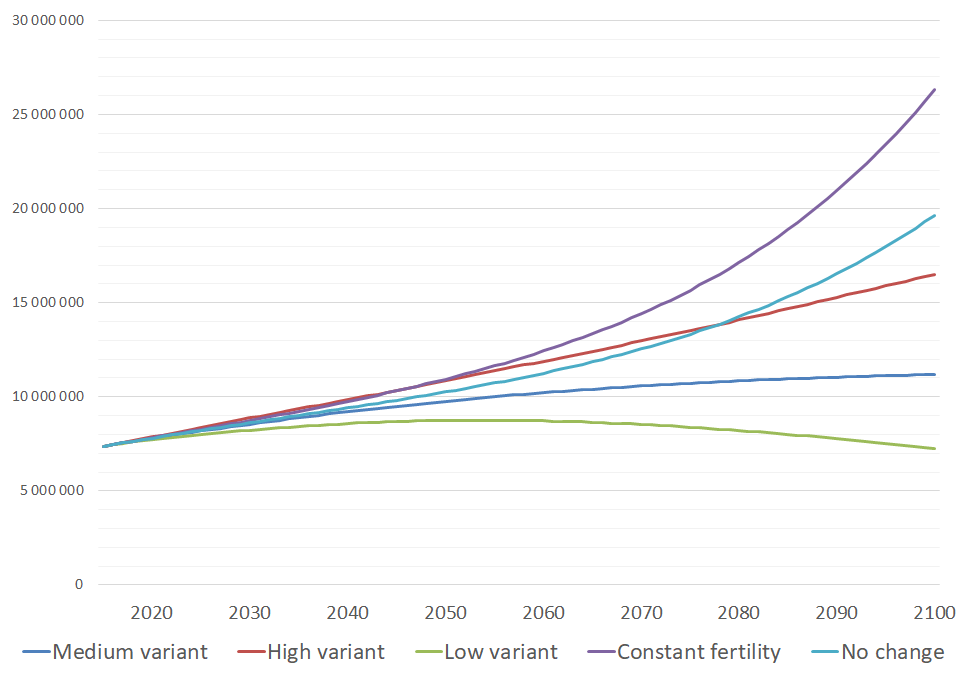
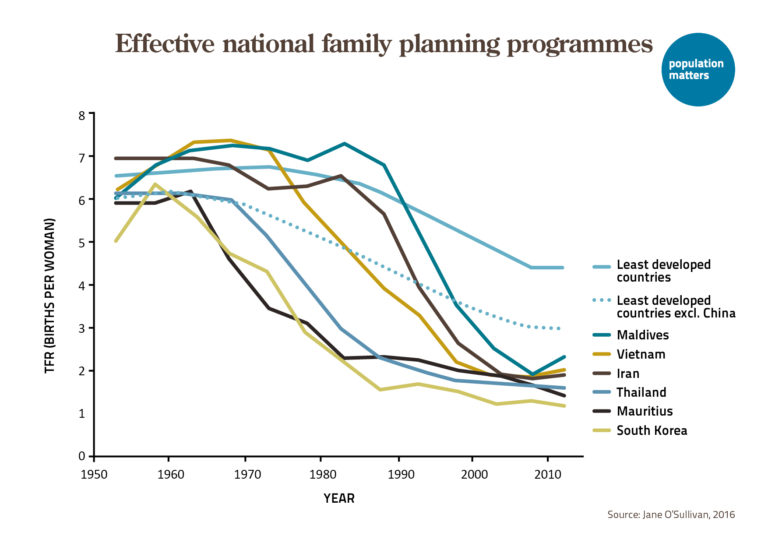
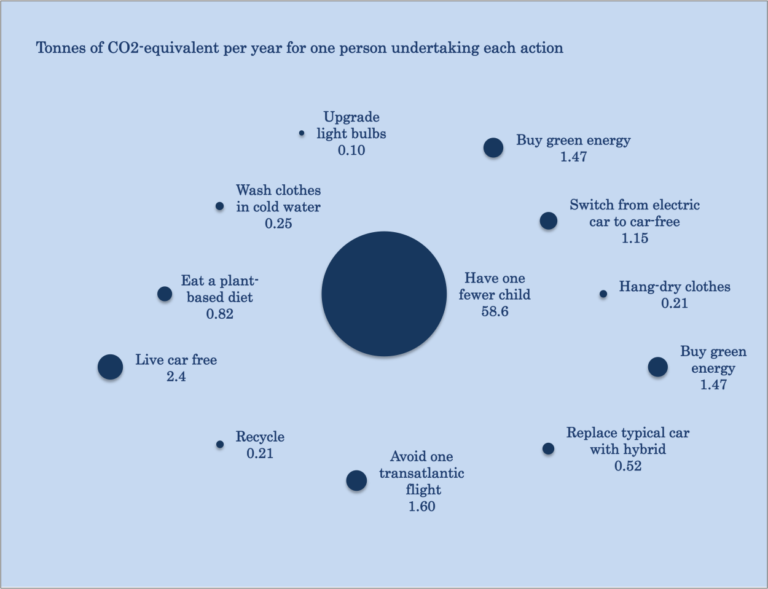
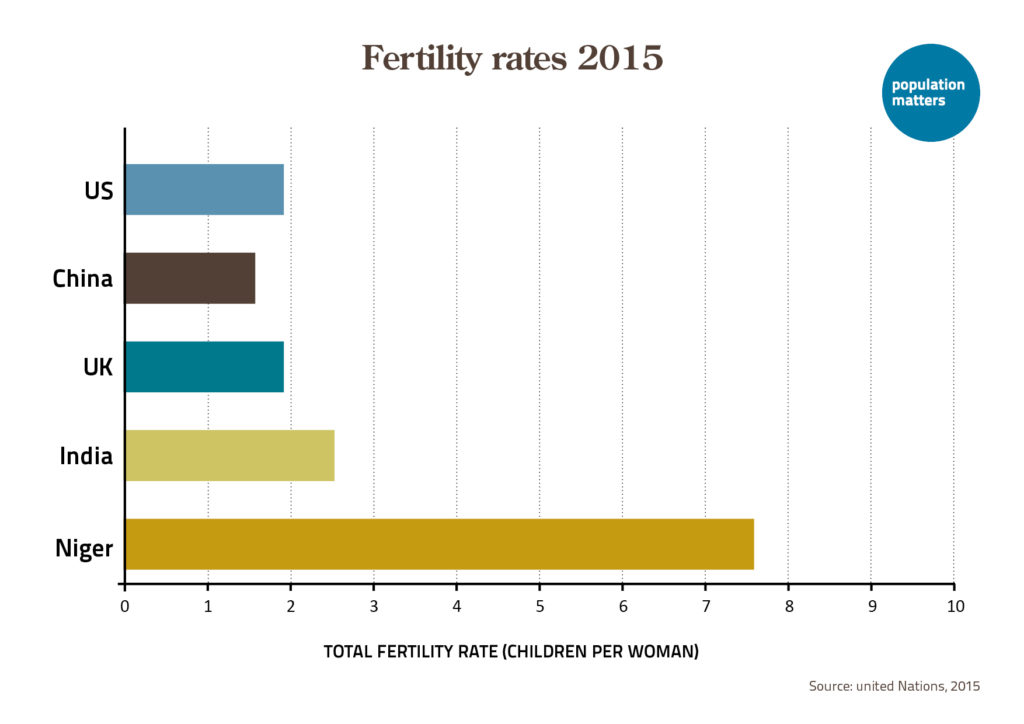
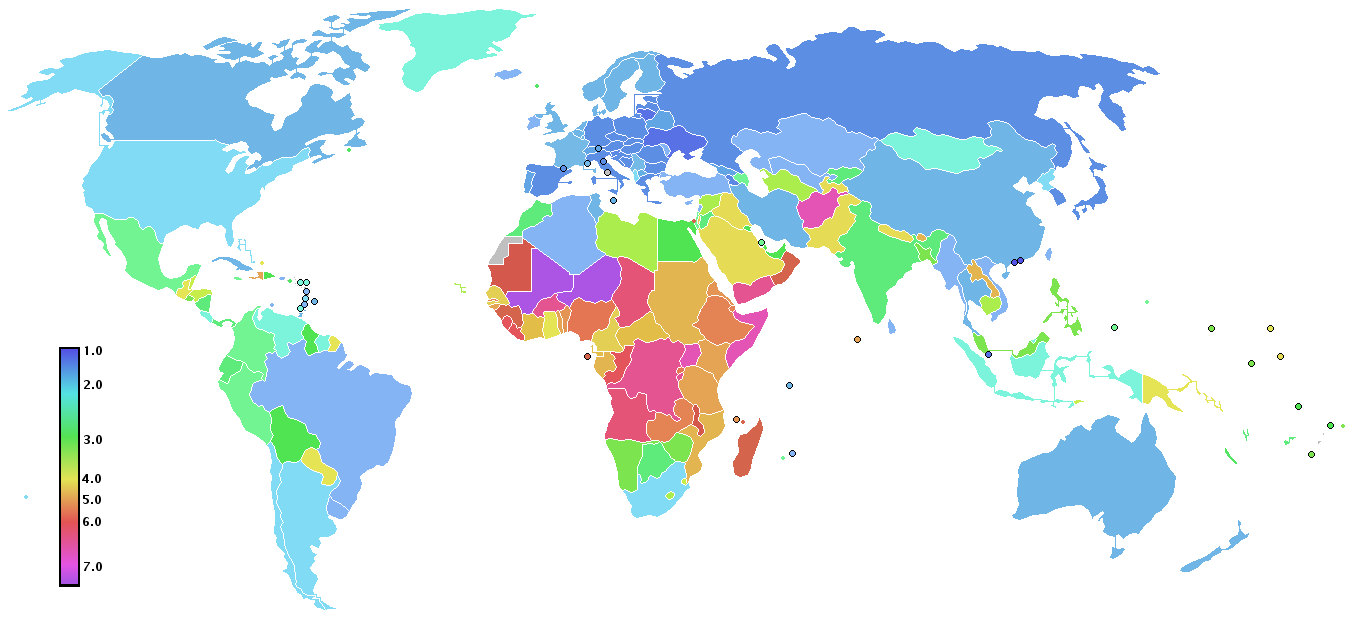
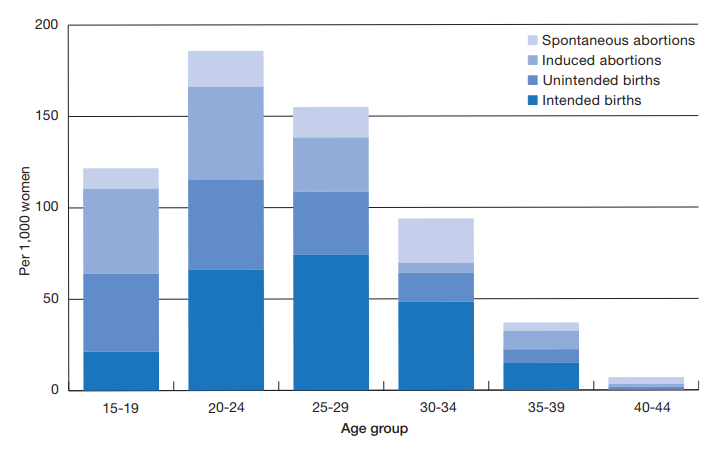
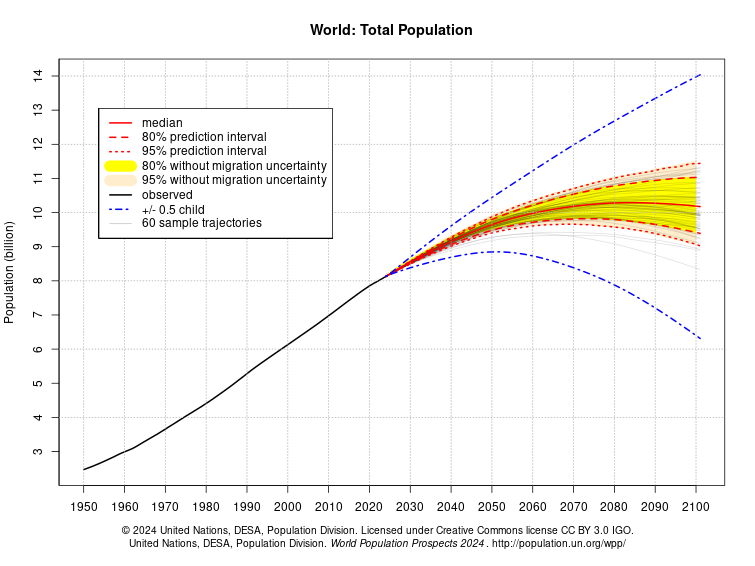
But nothing riles the growth lobby so much as the idea that human fertility rates might be falling. Indeed, there is growing rhetoric about a ‘demographic winter’ and a ‘birth dearth’. One familiar face warns of “mass extinction” of the human race. One can encounter books with alarming titles about an ”empty planet.” It has led politicians of many different hues to call for renewed population growth, perhaps stimulated by baby bonuses and other inducements (for example in Russia, India, Turkey, and the US).

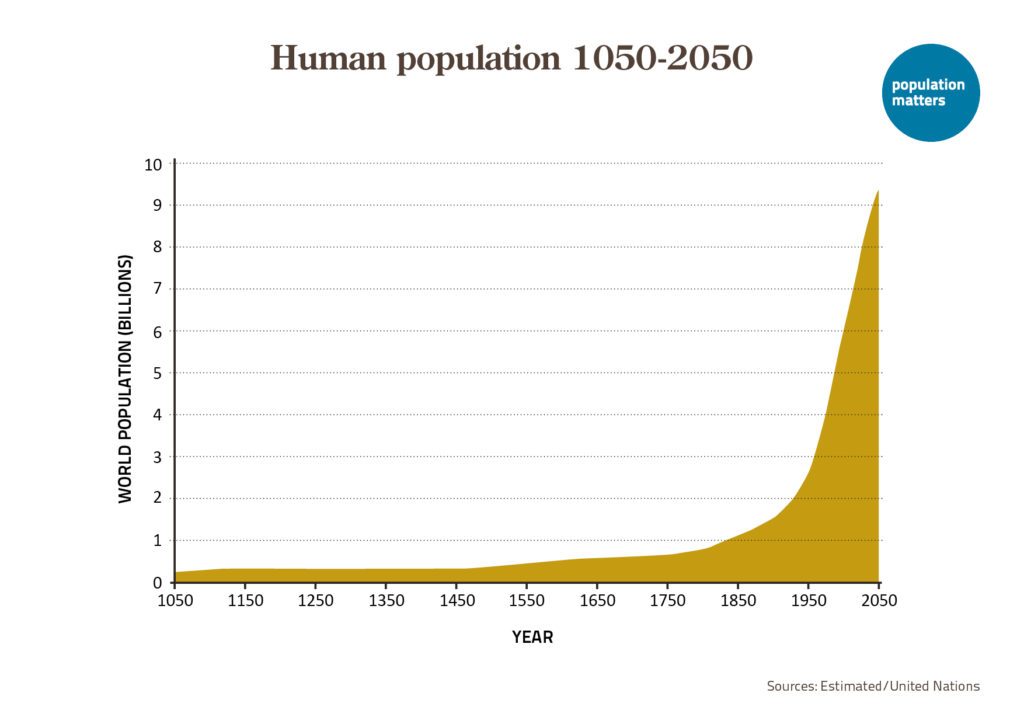
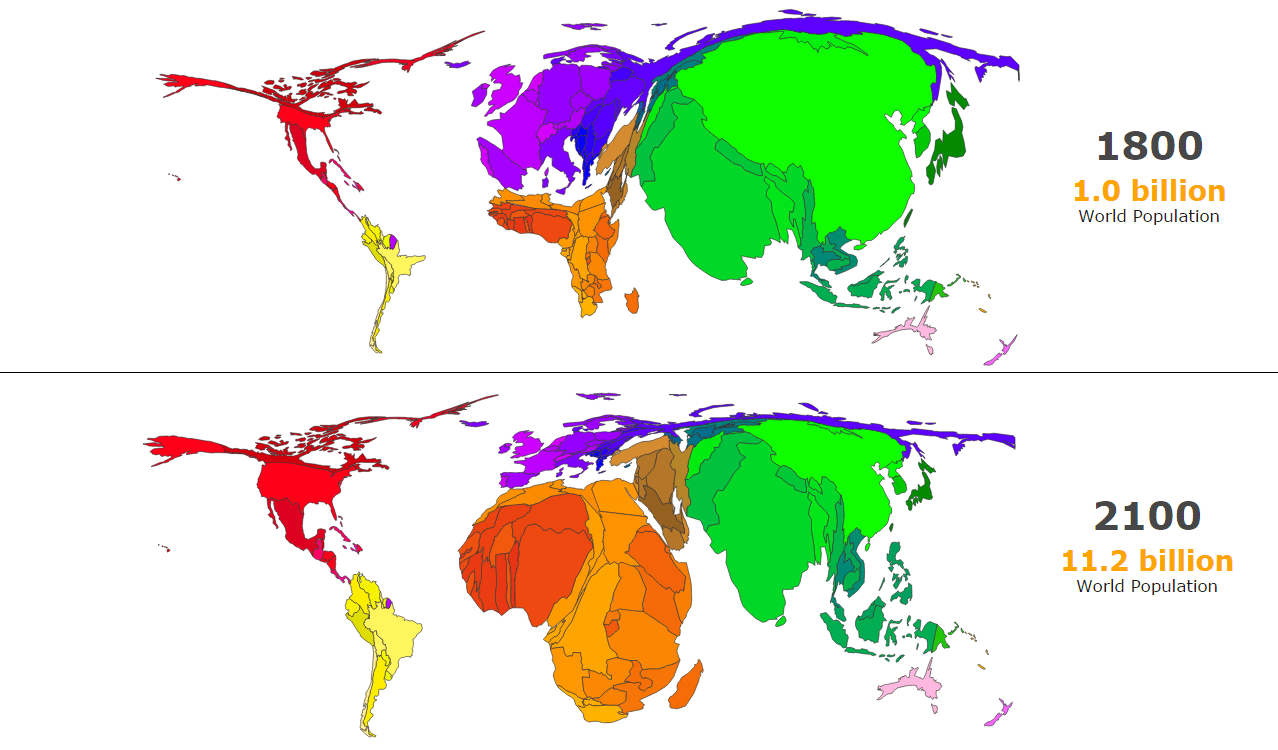
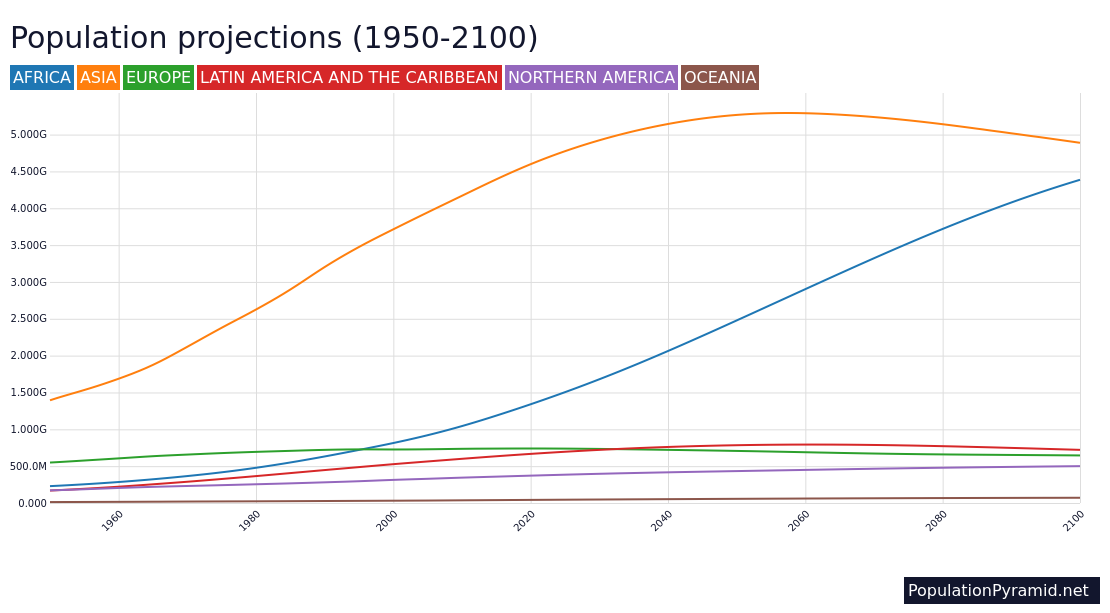
In some countries this pro-natalism is linked to greater restrictions on family planning, such as in Tanzania and some US states. One would never guess from this furor that the world’s population is still increasing, or that it has already shot far past what can be sustained. Given the variables involved, such as numbers vs. living standards, it is hard to be precise regarding a sustainable number, but this estimate of 3 billion gives a flavour of how far numbers have transgressed carrying capacity.

Elsewhere the insights of ‘limitology’ are denied or evaded, including by groups that ought to know better. For example, the UK Green Party attacks ‘growth at all costs’, with various such statements in their press releases. But these statements imply that some costs of growth are acceptable and, further, that collectively we are not already massively in the ecological ‘red’. A recent press release responding to the plans of UK Chancellor of the Exchequer Rachel Reeves’ plans argues that we can have our cake (“economic prosperity”) and eat it, too (“safeguarding our children’s future”). No sense of trade-offs there! Generally, the Green Party has failed to critique the ‘growth, growth, growth’ mantra of the government. It has not just lost the ideological battle. It hasn’t even tried to fight it.

In the same vein, in the Observer, David Mitchell voices a common thought: “I’m not against economic growth but it’s definitely not the most important issue.” Mitchell is a professional comedian as well as a columnist, but his thoughts probably echo those of most members of the public. That is one reason why political parties vie to promise the most growth (compare for example, the main British parties: Labour and Conservatives). Note that the growth economy is often badged as a “strong economy”.

Cartoon by Richard Wilson, used with permission of Teddy Goldsmith.

The assumption appears to be that continued expansion is OK, providing it is ‘done well’, properly planned and sensitively managed. Similarly, Colin Hines of the Green New Deal Group argues that the alternative to Reeves’ plans is ‘an increase in economic activity directed predominantly towards rebuilding public services and turbocharging a green transition’ (Guardian letters, 26/01/25). In other words, the problem is not the size of the cake, but its content and, especially, the way portions are divided up.

Elsewhere, Green Growers assert that all we have to do is create more money (‘quantitative easing’) and that will buy the ticket to the Big Rock Candy Mountain. But money only has lasting value if there are physical resources to back it up. However, the resource base is contracting, with several ‘peaks’ on the horizon, not just steady supplies of cheap oil. They include many of the metals critical for the ‘machinery’ of renewable energy, calling into question how “green” Green New Dealism really is.

Many critics of government plans to expand aviation specifically argue that growth could be achieved in better ways. In many quarters, it is not growth that is attacked but only ‘GDP growth’, but, again, not physical growth per se (actually, most non-physical growth depends on physical things and is therefore constrained by whatever limits the latter).

All these arguments are often accompanied by fine-sounding rhetoric such as ‘green growth’, ‘circular economy’, ‘sustainable development indicators’, and the ‘renewables transition’ (i.e. replacement of non-renewables by solar, wind and similar sources on a comparable scale). ‘Decoupling’ (i.e. separation of growth from its costs) is more often implied rather than overtly stated, but it is a physical impossibility on any significant scale and cannot be the sole strategy for sustainability.

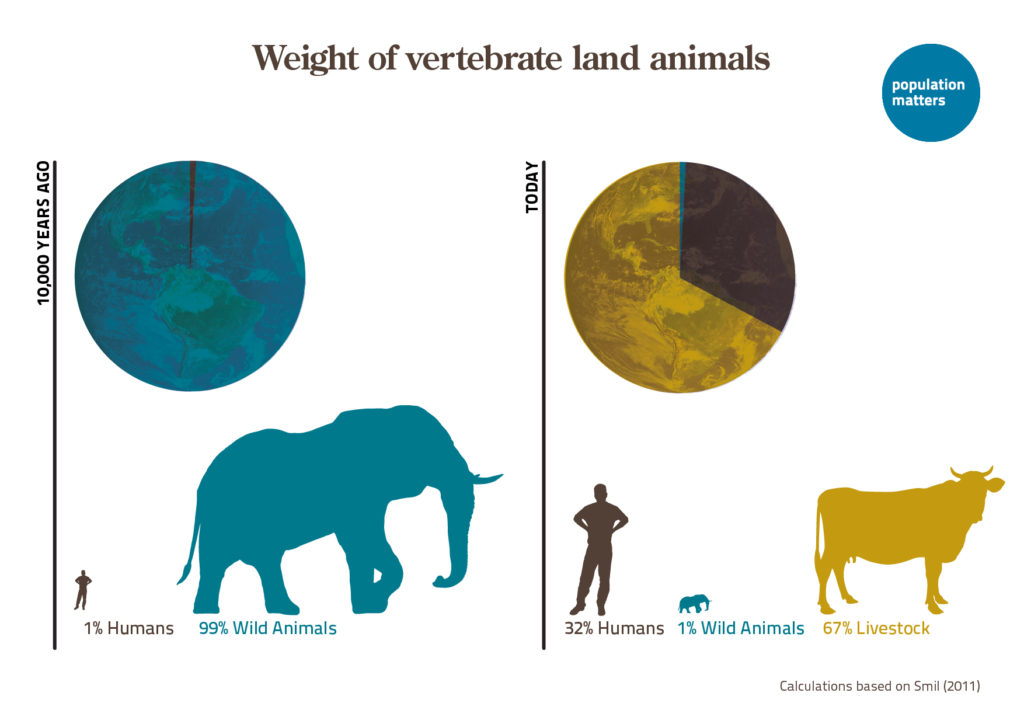
We need to go back to basics when the merchants of growth suggest that better management, greater efficiencies and new technologies can do the magic trick. The problem is the very scale of economic activity, specifically the throughput of energy, raw materials and physical space. The human economy takes from the stocks and flows of the ecosystems on which it inescapably depends, and to which it returns the wastes inevitably generated, for basic physical reasons. It does this through energy and material conversions. There are very real limits to both ‘sides’ of the process and they have now been overshot. Population is the critical component of that transgression. But the Green Fakers look the other way.

Real Greens need to reassert the notions of limits to growth, steady-state economics, appropriate technology, human scale, subsidiarity and the precautionary principle. We also need to insist on due allowance for the needs of non-human nature. The latter alone demands a big contraction of the human takeover of the Earth, its spaces, and resource flows.

Of course, there could still be growth in certain fields, but only if offset by reductions in throughput elsewhere within an overall non-growing ‘budget’. That is the economics of the sustainable common good. In arguing this case, care might be needed about how the message is expressed. ‘Slimming’ sounds better than ‘contraction’, while ‘post-growth’ does not sound as negative as ‘degrowth’. Slogans such as ‘better not bigger’ have a positive ring. But whatever the presentation, the core idea remains the same: think shrink!

Published

11 responses to “To grow or not to grow”

  1. Edith Crowther Avatar

    “Growth” does seem to be the overarching problem, for all civilizations, once they reach the point where they need to stop growing either voluntarily or through collapse (usually it seems to have been the second pattern).  It is an odd word – I looked up the etymology.  “Old English growan (of plants) “to flourish, increase, develop, get bigger”, from Proto-Germanic *gro- [source also of Old Norse groa “to grow” (of vegetation), Old Frisian groia, Dutch groeien, Old High German gruoen], from PIE root *ghre- “to grow, become green” (see grass). Applied in Middle English to human beings (c. 1300) and animals (early 15c.) and their parts, supplanting Old English weaxan (see wax (v.)) in the general sense of “to increase.” Transitive sense “cause to grow” is from 1774. To grow on “gain in the estimation of” is from 1712.”
    So in English it was not used for humans until 1300 and not for other animals until the early 1400s.  
    I prefer “wax” I think – because it has a natural opposite “wane” – and we can see the moon waxing and waning over a very short term.  We all see waxing and waning in the seasons of the year if we live far enough from the Equator.   And even near the Equator, plants and animals don’t run amok in virgin tropical forest – there is an innate ecology that keeps lifecycles in balance.  “Wax” and “Wane” have a similar etymology to “Grow”.
    De-Growth is the current term for what we should aim for – but Waning sounds a lot more appealing.  Waning also sounds better than Decline.  Juliet says that a rose by any other name would smell as sweet – but Shakespeare clearly did not agree with this dotty statement, it is just the madness of teenage love, and its denial of reality ends very badly indeed.  
    Another problem is that De-Growth suggests active human agency – but it is becoming increasingly obvious that humans are not going to actively De-Grow anything.  A set of natural or super-human forces will engender a cessation of Growth and after that a kind of Winter where Growth seems to have gone backwards, maybe for a very long time if not for ever,
    Waning suggests that whilst all this may not be at all pleasant, it is as inevitable as the sun rising and setting or other processes entirely within the control of “Nature”.   So we should accept Waning without raging against it, like drunken Dylan Thomas raging against dying – just as we accept the setting of the sun and the arrival of Night, when we can recover our energy through Sleep.  
    I am annoyed by the panic over “Ageing Societies”.  Nations ought to age, just as humans do, or they are like those huge cowpats that do not decay because the cows have consumed too much Ivermectin and the insects that break down cowpats are killed by traces of Ivermectin (otherwise a wonder drug for all kinds of parasites).  In 1996, the National Trust banned the use of Ivermectin on some of the farms it owns in the west of England. The ban was introduced to try to encourage the return of the chough, a bird that had disappeared from Cornwall.  But the Trust found after three years, that other birds and also bats were increasing because there were more insects available for them.  I don’t think there is a ban nowadays, and certainly there are no bans outside England.  Yet there are a multitude of RECENT studies confirming the NT’s observations in 1999.  Ivermectin is widely available on-line and is even recommended for pet guinea-pigs.  It was also mooted as an antidote to Covid-19 – and although this was not recommended, it reminds us that our excretions and those of our pets and livestock are capable of wiping out many wild species on top of all the other forms of pollution, because they contain traces of biocides, endocrine disruptors, potentially toxic drugs, etc.  Indeed, it seems likely that our own Wastes, organic and inorganic, are going to induce Waning for our own selves, not before time – just as they have bumped off hundreds of thousands of other animals and plants which we think we can do without.

  2. gaiabaracetti Avatar

    I agree with everything, but the problem then becomes how to make no growth palatable enough to the general population that they will support it, and that means that we have to talk about redistribution. Growth is presented as the solution for people who are struggling with no money, no jobs, a much lower standard of living compared to others… the only solution to this that doesn’t require growth is economic redistribution. And yet I almost never see it mentioned in the degrowth and overpopulation spaces… this is a serious problem: you won’t convince people if you don’t offer them something, and while a healthy planet is a wonderful prospect, economic equality is also necessary for the message to be accepted. Very few people are willing to live with less, materially, if they don’t see the rich doing the same. Part of that is because people compare themselves to others, but it’s also that no one wants to have a small footprint for the sake of the environment if there are no mechanisms to ensure no one takes advantage of that and just hoards the resources for themselves.

    1. Frank Götmark Avatar

      Hi Gaia, do you mean economic redistribution through some tax system? Could work, but needs to be combined with fewer people too (each person is also a bit of an “economic machine”). We need to have a program including all growth.

      1. Philip Cafaro Avatar

        Totally agree. The more economically secure people feel, the more comfortable they should be with foregoing “more,” the more willing they should be to take a chance on new approaches to organizing economic life.

        This is something that ecological economists have been talking about for decades, a big theme in Herman Daly’s work, for instance. More recently, degrowth theorists like Giorgios Kallis also talk a lot about combining less economic activity with a more equitable sharing of resources, as necessary to the success of “degrowth.”

        I don’t think we need a perfectly fair distribution of wealth to make a saner approach to growth possible. Just the difference between Nordic and US wealth distribution is enough to make Scandinavians more open to thinking about economic alternatives.

  3. Design and Build Avatar

    Great insights, Sandy! The obsession with growth at all costs is truly concerning. It’s refreshing to see someone challenge the mainstream narrative that more is always better. I agree that we need to shift our focus from endless economic expansion to sustainable practices that prioritize ecological balance and well-being. The concept of ‘thinking shrink’ is powerful—sometimes less really is more. Thanks for sharing such a thought-provoking perspective!
  4. gaiabaracetti Avatar

    Frank and Philip, taxation is one way, but there are others, such as eliminating subsidies for economic activities that benefit the rich, making it impossible to hide wealth in offshore havens, reducing the salaries of top politicians and bureaucrats, breaking monopolies, tackle corruption and crime… it depends on the system you are working in, the important thing is to want to do it.
    We don’t need everyone to have the exact same amount of money, and so many things are not even measurable. But we do need to address the vast existing inequalities at both the national and international level. In a country such as Italy, even though it’s declining, you can basically have a very comfortable lifestyle even if you’ve never worked or worked extremely little in your life, while there are places where you break your back, as we say, at a job, and never make it out of poverty. Not to mention, of course, the rich with their wasteful lifestyles and the megarich with their yachts. But the global 1% includes the upper-middle classes of rich countries. Often the same people saying that we need degrowth.

    1. gaiabaracetti Avatar

      I will add: in theory, a greater availability of natural “resources” due to a lower population should make people more appreciative of what they’ve got even though their income is low. In practice, this only works with some people and in some cultures. Look at Eastern Europe: vast expanses of wild or agricultural land, many own multiple large homes and can farm and roam as much as they want… and yet most people prefer to migrate to crammed Western Europe to make more money, often leaving their children behind. It’s the same in other places in the world. Regional inequalities make demographic reduction almost impossible.

  5. Don Owers Avatar

    Economists love it, (growth), corporations benefit from it, politicians win elections because of it, the media echos it, and the Greens accept it.

  6. Rob Harding Avatar

    Thank you, Sandy. To add to what you wrote, I’d like to share an excerpt from the Executive Summary of NumbersUSA’s scientific analysis of growth’s impacts on the Greater Yellowstone Ecosystem, which is a national and global natural treasure.

    Link to NumbersUSA’s analysis and related resources, all freely available online: https://yellowstonesprawl.com/

    EXCERPT
    “As environmental activist Jordan Perry so succinctly put it, “The nature of consumption is the consumption of nature.” There is no way around it, humans must consume in order to survive and propagate. But at no time before us has so much been consumed by so many. There is more to life than maintaining three percent annual GDP growth, but you wouldn’t know it by listening to experts, elected leaders, and even many of the louder voices within the environmental movement, who mostly support perpetual growth as long as it’s “smart” or powered by supposedly “green, renewable” energy sources.

    Most Americans have been conditioned to think of “the environment” in abstract terms, not as the place where we all live, wherever we live. We need to change that way of thinking. Every action an individual takes has an effect on our environment, and the preservation of “wild, wide open” spaces is essential to human flourishing. Collectively we must come to terms with that reality while committing ourselves to minimizing irreversible damage to ecosystems. When it comes to the Greater Yellowstone Ecosystem, that means realizing that there are limits to growth and acting accordingly; or admitting that we are committed to the proposition, as ludicrous as it is, that we can grow forever while still managing somehow to live sustainably.”

  7. Mary Hill Erickson Avatar

    Usually when I hear the word growth, they are talking about numbers. Immigration increases our numbers, but it does not increase our wealth or well-being. When Ellis Island was open, millions of people came into America. They were strictly vetted. Anyone that was considered a potential burden upon society was sent back to where they came from. However, there were so many that did come that expected new hope and better conditions, found themselves in ghettos, slums, whatever you want to call them. There was not enough housing. Many families ended up living in tenements that had no indoor plumbing, poor ventilation, and they were built for a family of two to four. The newly arrived could not afford the rent and others had larger families, so ten to fourteen people would end up living in a space meant for two or four. Over-crowding led to miserable living standards, and a filthy environment rife with crime. People who had jobs were underpaid and often you could find a six-year-old child working a 10-to-16-hour days. There was no sick leave, no vacations, and no benefits. The poor became the building blocks for the very rich to become richer.

    Growth should not have anything to do with numbers. It should have to do with improved living conditions for everyone. Having enough to live well. Living safely and comfortably. These things have been and are missing in so much of the world. Growth must be about “getting better, living better with less stress and worry.”

    Today we have something to live with that the past did not. We don’t have enough water to maintain exponential growth in numbers. There isn’t enough land, and what there is of it is being bought up and held by foreign entities and people like Bill Gates. We must maintain a manageable number for better lives for ourselves and the earth.

  8. […] * Sandy Irvine, To grow or not to grow […]

Leave a Reply

This site uses Akismet to reduce spam. Learn how your comment data is processed.

NOTE: Comments with more than one link will be held in wait and will only become visible on the site after an admin has approved it.

Explore the content and topics covered by TOP, search here

Blog categories
Gallery of infographics – Learn more about overpopulation and environment

Discover more from The Overpopulation Project

Subscribe now to keep reading and get access to the full archive.

Continue reading