The Overpopulation Project
TOP – Research and Outreach
Too many people consuming too much
The views and opinions expressed in guest blog posts are those of the authors and do not necessarily reflect the position of The Overpopulation Project.
-
Religion and religiosity pose challenges for fertility decline in Sub-Saharan Africa
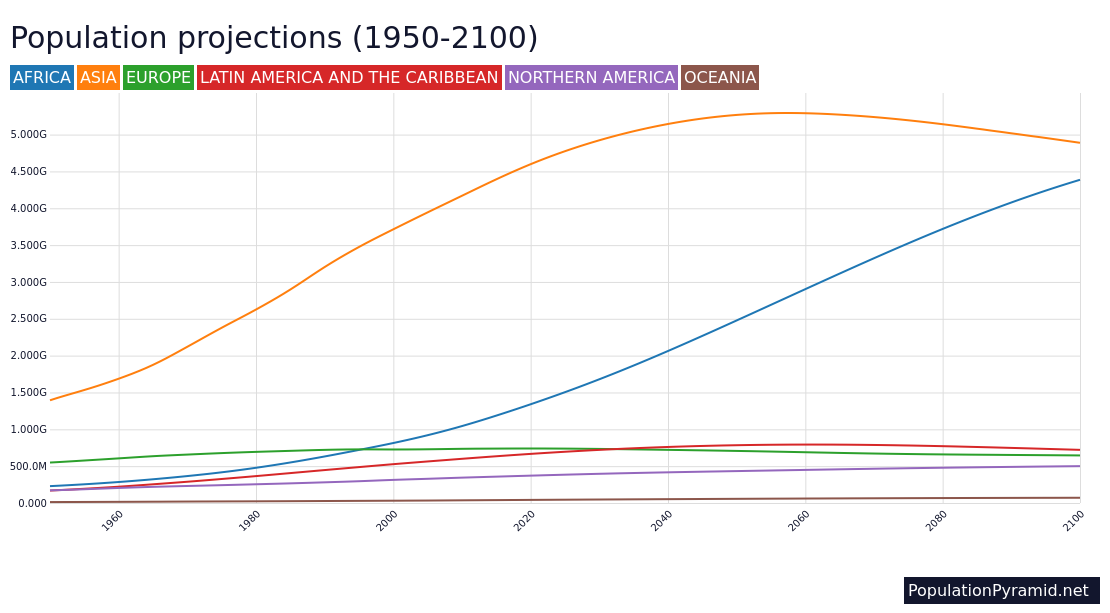
Sub-Saharan Africa (SSA) is the only world region projected to continue population growth in the second half of this century, and even beyond 2100. In SSA, religion and religiosity are major factors contributing to the persistent high birth rates. A new publication by TOP co-workers is reviewing the relationship between human fertility and religions in…
6 comments on Religion and religiosity pose challenges for fertility decline in Sub-Saharan Africa -
Smaller human populations are neither a necessary nor sufficient condition for biodiversity conservation
That’s the title of a paper just published in Biological Conservation in response to TOP’s recent paper on population and biodiversity loss in that journal. Are its authors right? by The Overpopulation Project In one sense, Alice Hughes and company clearly are correct. Efforts to protect wild nature are ongoing throughout the world, and for…
-
Boiling Frogs
Human population growth has exploded during the last century, decimating wildlife and devastating ecosystems. Without honest conversations about overpopulation, continued growth will likely condemn most wild animals to extinction and leave us with a much poorer planet By Brad Meiklejohn “Fewer people, more wild animals. Right now that feels like coming back from a time…
-
Linking population growth and biodiversity loss: a new bibliography
Excessive and growing human numbers are a leading cause of decreasing biodiversity in many parts of the world. In researching a paper on this topic last year, we became aware of the large amount of good scientific work recently published on it. In an effort to spur more such work, we are publishing an annotated…
-
Mainstream Media Blindness to China’s Depopulation Dividend
China’s population has started decreasing, which the media reports as an economic disaster. In his article originally published at Overpopulation News, Jon Austen explores how the media ignores the benefits of such a decline and finds agreement among commenters. By Jon Austen China has had its first fall in population in 61 years. The media…
-
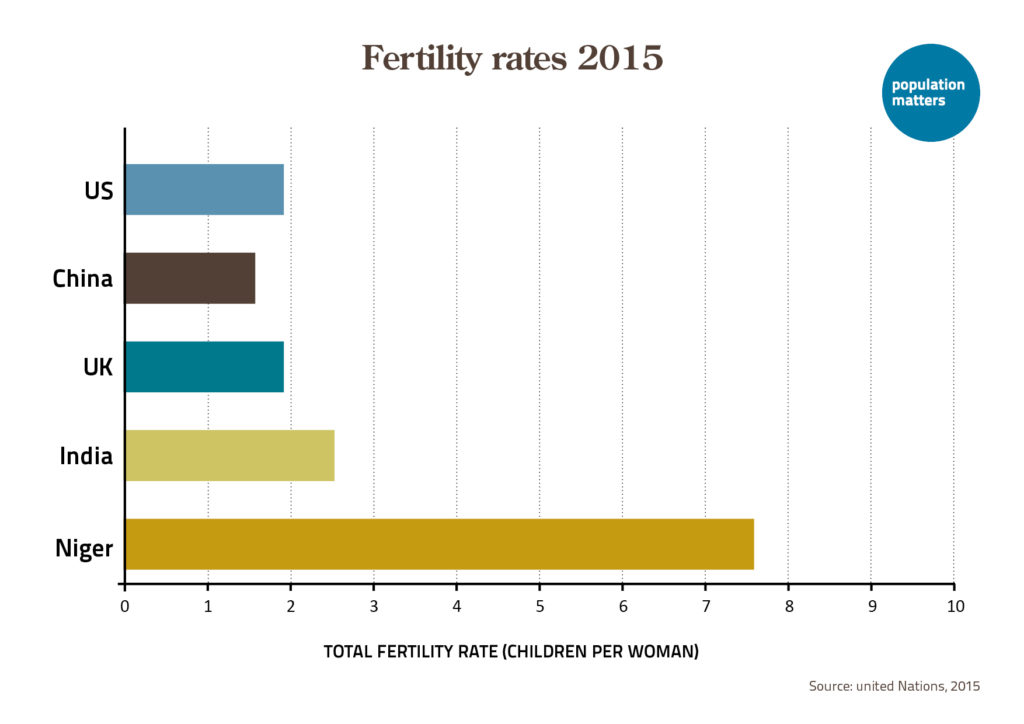
Fertility decline in developing countries does not depend on economic growth but follows contraceptive use
Many politicians, the public, and some scientists still think that economic development is a major cause of reduced birth rates in developing countries. We tested this belief empirically in a recently published long-term study of many countries (1970-2014). We found no relationships between fertility and economic growth, but a strong association with modern contraception: birth rates…
-
The Great Multiplier
At the end of 2022, the Wittgenstein Centre for Demography and Human Capital held a conference titled Population and Climate Change: The Defining Relationship of the 21st Century. Yet as one participant noted, in this presentation from the conference, the desire to downplay population’s importance is hard to avoid, even among those who should know…
-
Eight Billion – Our Greatest Mistake
According to the United Nations Population Fund, reaching a global human population of 8 billion is an achievement to be celebrated. In “a world of infinite possibilities,” they state, “imagine the boundless paths 8 billion can take.” Rather than taking refuge in irresponsible fantasies, it’s time our bloated societies reckoned honesty with demographic reality. By…
-
A year of milestones and mourning
2022 saw record amounts of ink spilled and electrons broadcast about the chief environmental disorders of our time – climate change and biodiversity loss – while the global population surpassed 8 billion people. Compared to past years, it seemed as if the media did a somewhat better job connecting the dots between the first two…
-
The moral imperative of depopulation
Anthropocentrism is preventing humanity from dealing with the world’s cascading environmental crises. Stephen Williams reviews the work of Catholic historian Paul Collins who argues depopulation is an urgent moral imperative. By Stephen Williams A new discussion paper on population ethics written by Catholic historian Paul Collins is as radical as it is worthy. The paper…
Explore the content and topics covered by TOP, search here
Recent blog posts
Blog categories
What we are reading, listening to and watching
Gallery of infographics – Learn more about overpopulation and environment