The Overpopulation Project
TOP – Research and Outreach
Too many people consuming too much
The views and opinions expressed in guest blog posts are those of the authors and do not necessarily reflect the position of The Overpopulation Project.
-
Religion, Religiosity, Fertility and Contraception in Sub-Saharan Africa: Part 3, A Study of Christian Denominations in Mozambique
How does affiliation with different Christian denominations influence fertility? In a study1 from a Christian high-fertility area in Mozambique, Victor Agadjanian and Scott Yabiku examine fertility from two perspectives: dynamically, by looking at risks of births in any given year, and cumulatively, by the number of children ever born versus length of membership in a…
-
Just population policies for an overpopulated world
After three decades of neglect, more environmentalists are waking back up to the need to limit human numbers. But like Rip Van Winkle, we find that the world changed while we were asleep. There are now billions more people, consuming more than ever, while our world has grown warmer, tamer, and more polluted. A new…
-
Limits to Sustainability, Population, and the TEDx Experience
A recent TEDx talk delves into our species’ reverence for economic and population growth, which is pushing us – and the natural world – outside our safe operating space. In ‘Limits to Sustainability’, João Abegão attempts to communicate the expanding footprint of our species by comparing it with transformations suffered by past complex societies. By…
-
Pro-natalism: The role of the Vatican
Those of us who care about overpopulation need to pay far more attention to the powerful pro-natalists who are coaching or instructing people to have more children. Religion is obviously a big factor, although not the only one, and there has been much coverage of evangelical Christians. Much less has been written about the Catholic…
-
Glasgow follies
This coming weekend, representatives from 196 nations will gather in Glasgow for the 26th Conference of the Parties to the UN’s Framework Convention on Climate Change. Failure is assured, since addressing the fundamental causes of climate change isn’t on the agenda and all proposed national commitments are voluntary, with no penalties for not living up…
-
Move Upstream
Environmental organizations around the world are often stuck treating symptoms, rather than addressing the root causes of environmental problems. Author and naturalist Karen Shragg joins Phil Cafaro for a new episode of The Population Factor to discuss how “moving upstream” could reinvigorate a tired environmental movement. by The Overpopulation Project As representatives from the nations…
-
Religion and Fertility in Sub-Saharan Africa – Part 2, Differences Among Denominations
Among the eight regional groups used for the United Nations Sustainable Development Goals (SDGs), only Sub-Saharan Africa (SSA) is projected to sustain a rapid population growth up to 2100, while the seven other regions either have started to decline, or are projected to stabilise, by 21001. In SSA, many countries have a young population; 40-50%…
-
Should the right to procreate eclipse future generations’ interests entirely? Book review of “Under the Sky We Make” by Kimberly Nicholas
Under the Sky We Make is an excellent exploration of what needs to be done to fight climate change. Its author succeeds in the difficult task of inspiring the desire to act. Yet she ignores the importance of reversing population growth, missing an important opportunity to educate readers on a key aspect of climate disruption…
-
Religion, religiosity, fertility and contraception in Sub-Saharan Africa – Part 1, Introduction to studies of religion
How important is religion and belief in the supernatural for family life, contraceptive use, fertility, and family size? Presumably many of our readers have considered the role played in high-fertility societies by the belief that “children are God’s will”. In this blog series based on a literature review1, we focus on Sub-Saharan Africa (SSA) and…
Explore the content and topics covered by TOP, search here
Recent blog posts
Blog categories
What we are reading, listening to and watching
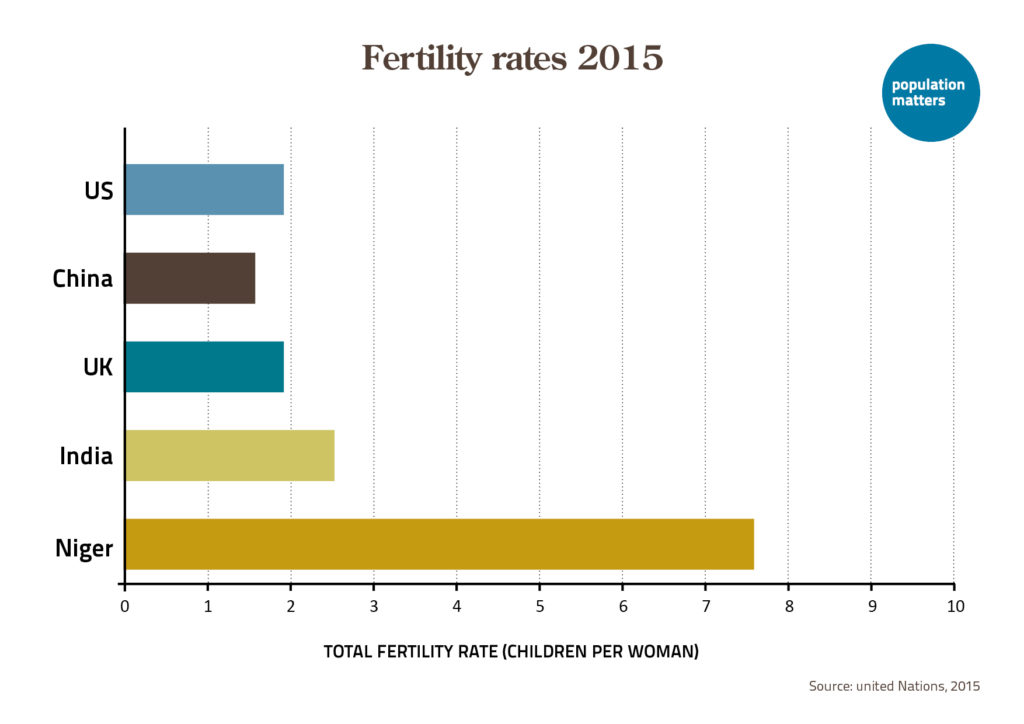
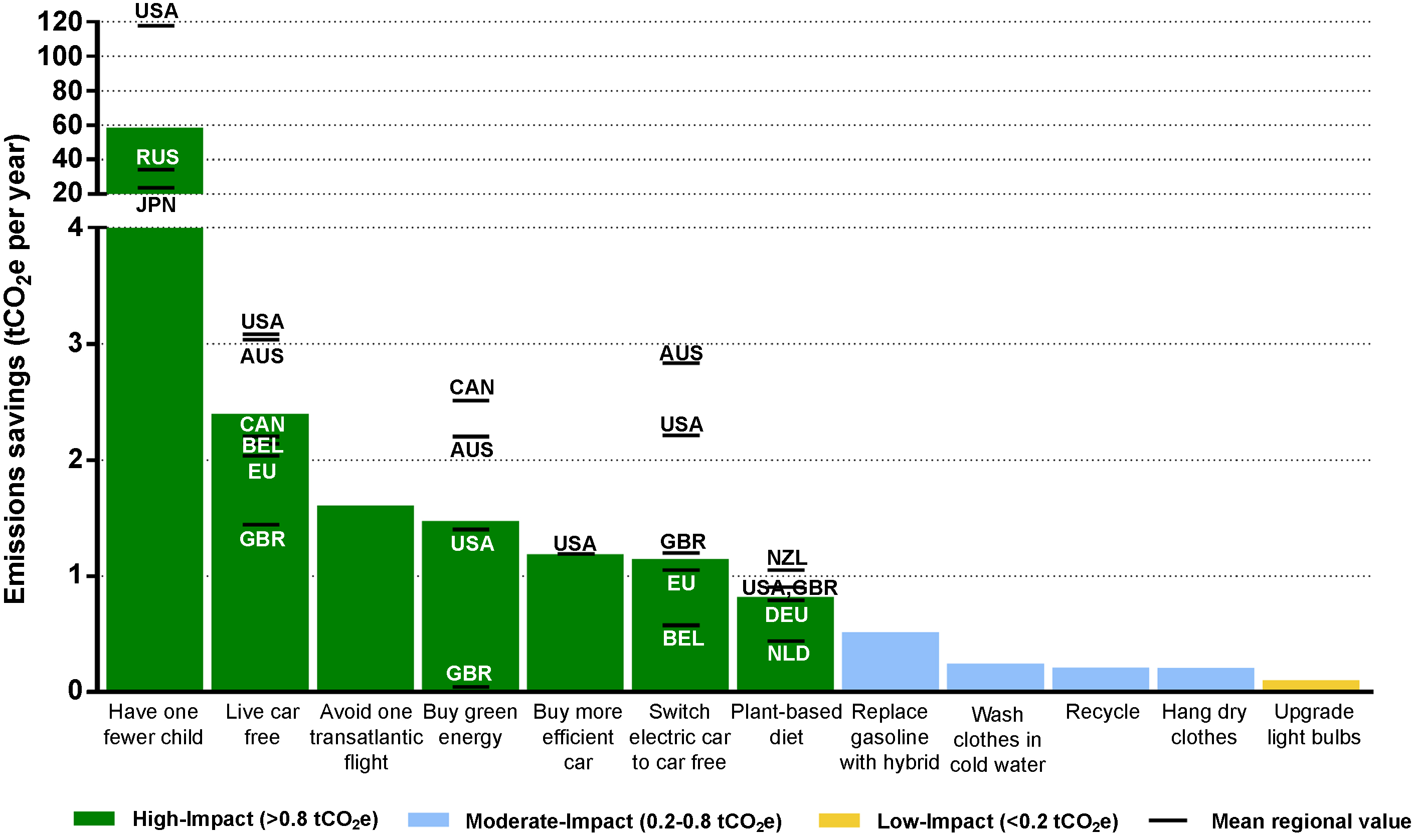
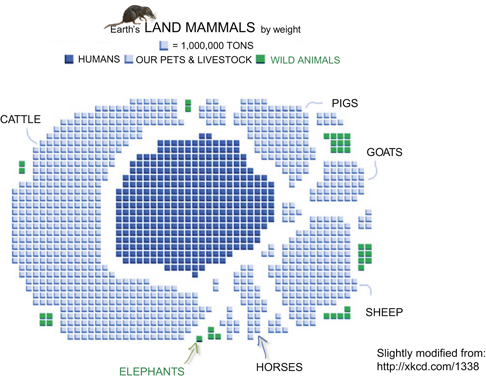
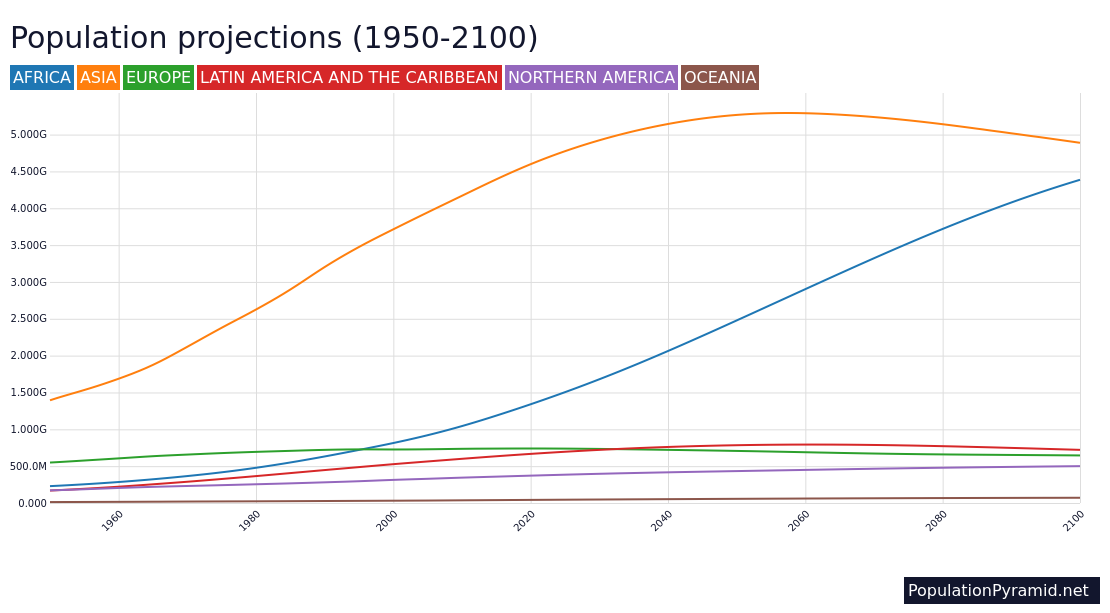
Gallery of infographics – Learn more about overpopulation and environment