The Overpopulation Project
TOP – Research and Outreach
Too many people consuming too much
The views and opinions expressed in guest blog posts are those of the authors and do not necessarily reflect the position of The Overpopulation Project.
-
Slow Down: The Degrowth Manifesto
Socialism or barbarism or … social democracy with a mature acceptance of limits to growth? That’s the question posed by Kohei Saito’s provocative new best-seller. by Philip Cafaro Let me admit right up front that I’m a little jealous. As a philosophy professor who’s written a few books but no best sellers (yet!), I can’t…
19 comments on Slow Down: The Degrowth Manifesto -
Carbon emissions and the desperate search for culprits
Are rich people with their private jets the main cause of climate change? Or are the hundreds of millions joining the middle class in China and India? Or maybe large families of poor farmers in the tropics deforesting to make room for low-productive agriculture? This blog questions the search for specific culprits, which is often…
-
Kohei Saito’s Degrowth Manifesto: A nonviable solution to a misidentified problem
An obscure Japanese philosophy professor produces a surprise best seller, urging the world to slow down and shrink consumption via economic “degrowth.” Population Institute Canada’s president provides a critical overview. by Madeline Weld Until his book “Slow down: The Degrowth Manifesto” recently hit the market and became a surprise bestseller in Japan, I had never…
-
A new sustainability initiative of the Swiss People’s Party
While population growth lies at the root of many environmental problems, concerned citizens often feel disempowered from addressing it. A popular initiative in Switzerland may provide a blueprint for activists in other developed countries. by Roland Schmutz After Swiss voters narrowly rejected joining the European Economic Area in 1992, the European Union and Switzerland began…
-
Demography and reproductive rights are environmental issues: Insights from sub-Saharan Africa
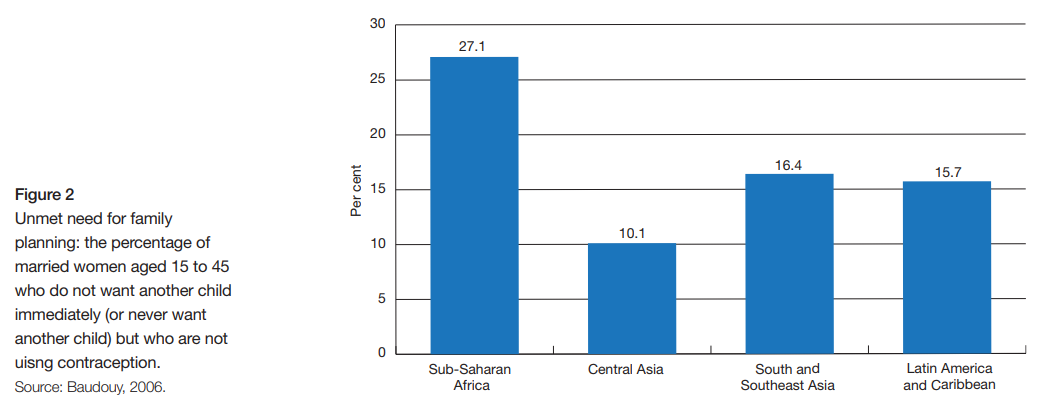
Rapid population growth impacts many social, economic, and environmental issues, and sub-Saharan Africa is the fastest growing region in the world. Céline Delacroix and Nkechi S. Owoo asked stakeholders in the region how important they think population growth is as a factor in meeting the region’s challenges. By Céline Delacroix Sub-Saharan Africa’s population is growing…
-
Birth rates have been falling in Nigeria, though slowly. What factors cause declining fertility, according to educated people in Nigeria?
Since 1970, birth rates have been falling in most developing countries. An earlier study by TOP researchers found that Swedes generally think that improved living conditions, including economic and educational progress, are the cause for declining fertility. What do Nigerians, living in a developing country, think about declining fertility in their country? By Frank Götmark…
-
Biodiversity and the roles of human population and consumption: a debate
It is the rich minority’s consumption that mainly affects the status of the Earth’s life support system, according to a response in Svenska Dagbladet by David Collste at Stockholm Resilience Center and Jennifer Hinton at the University of Lund to an Op-ed by Malte Andersson and Frank Götmark. But will the poor majority consent to…
-
The Other Side of Reproductive Coercion
Reproductive coercion comes in different forms – forced sterilization as well as forcing women to bear unwanted children. Both forms must be fought. By Richard Grossman Reproductive health abuses, especially coercion, have turned many people away from concern about human population. I agree: reproductive coercion should be shunned. Examples of coercive actions include sterilization of…
-
Earth’s nature is being ravaged by population growth
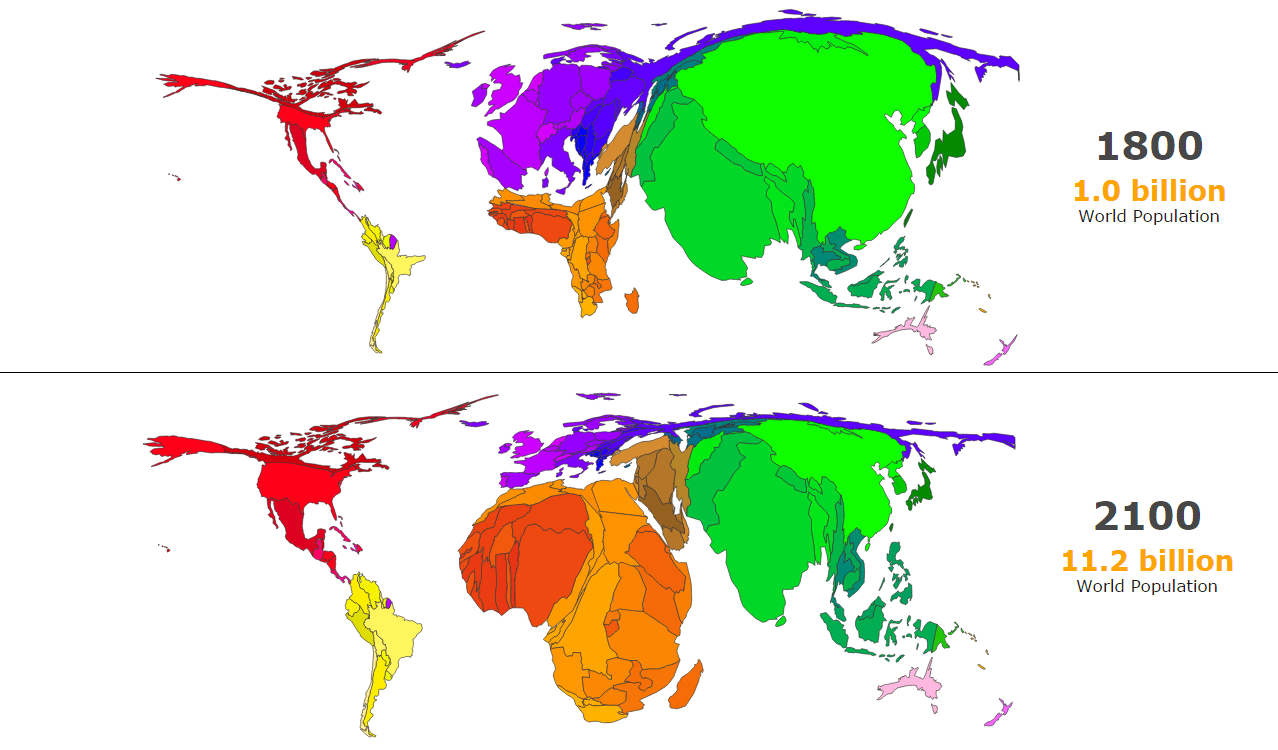
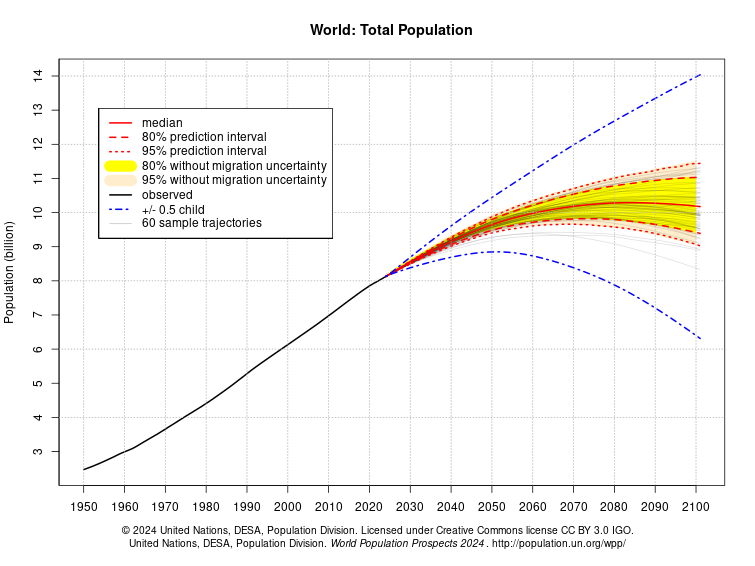
Humanity’s rapid expansion leads to environmental destruction, starvation and ravaged biodiversity. Population growth needs to be ended as soon as possible for sustainability. By Malte Andersson and Frank Götmark Published 2024-01-02 in Svenska Dagbladet, morning newspaper in Sweden (translated by TOP) In 1800, the world’s population was 1 billion, but in 2022 we exceeded 8…
-
Pronatalism on the Rise to Counter Growing Push for Gender Equality
Pronatalists try to present their ideology as promoting the security of the family, but it is linked to the far-right agenda, uses falsified data to prove their points, and counteracts gender equality. By Nandita Bajaj There’s an insidious new tactic emerging for selling right-wing ideology to wider audiences, evident in [the September 2023] Budapest Demographic…
Explore the content and topics covered by TOP, search here
Recent blog posts
Blog categories
What we are reading, listening to and watching
Gallery of infographics – Learn more about overpopulation and environment