The Overpopulation Project
TOP – Research and Outreach
Too many people consuming too much
The views and opinions expressed in guest blog posts are those of the authors and do not necessarily reflect the position of The Overpopulation Project.
-
How to Fix the Planet, the Easy Way
To avoid disastrous deterioration of Earth’s climate and biosphere, humanity has to reduce its demands on nature. Fewer births and a falling population is no quick fix, but compared with voluntary austerity, it has many more up-sides than down-sides. by Jon Austen Scientists are reporting that there is an existential threat to life on Earth.…
14 comments on How to Fix the Planet, the Easy Way -
How environmental professionals acknowledge overpopulation – and then ignore it
We can have an environmentalism that ignores the fundamental causes of environmental problems, including lucrative careers treating overshoot’s many symptoms. Just not a successful environmentalism. by Leon Kolankiewicz Veteran population campaigners like me have long lamented the fact that at both the national and international scales, the environmental establishment (Big Green) and climate activists alike…
-
Strange bedfellows of sustainability: How identity politics obstructs the future of wilderness
Preserving wild places is key to protecting Earth’s biodiversity. In the United States and elsewhere, identity politics undermines the commitment to do so. by Karen Shragg Preserving wilderness is in the best interests of all of us, especially the four-legged and two-legged creatures with whom we share our countries. When people give other species room,…
-
Delusional population projections lead us sleepwalking into catastrophe
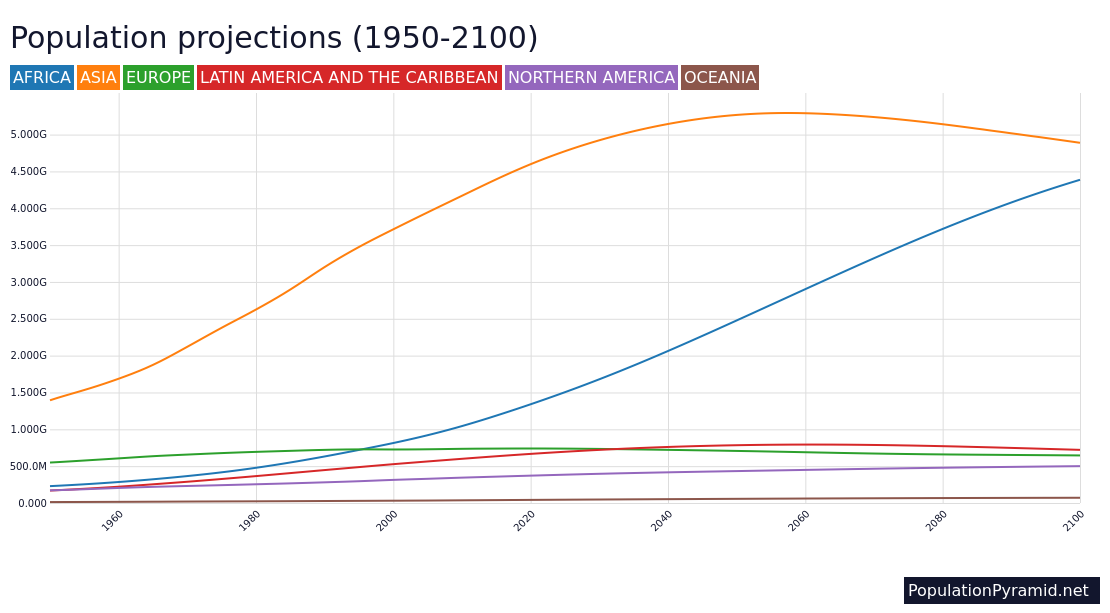
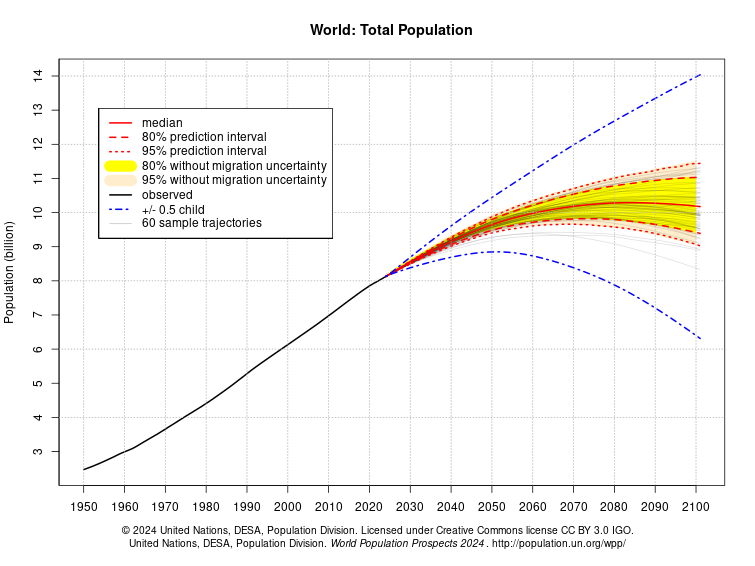
Recent United Nations population projections paint a comforting picture of immanent population stabilization. But what if they are wrong? Global population growth does not appear to be slowing as quickly as UN demographers have predicted, making widespread famines and run-away climate change more likely in the coming decades. By Jane O’Sullivan The Elon Musks of…
-
Procreation and Consumption in the Real World
The cause of global environmental decline is clear: an immense and rapidly growing human economy. In response, environmentalists should advocate policies leading to fewer people and lower per capita consumption, not one instead of the other. Addressing both provides our best hope of creating sustainable societies and preserving Earth’s remaining biodiversity. by Philip Cafaro There…
-
What you should know – but didn’t know to ask – about overshoot and the ‘population question’
William Rees explores the nature of humanity’s relationship with energy and the ecosphere, and reaches the unsettling conclusion that a population ‘correction’ is in the offing. By William Rees What would you think if someone called you out as a ‘dissipative structure’? Or better, claimed that you were a ‘thermodynamically far-from-equilibrium dissipative structure’? Chances are,…
-
Human population reduction is not a quick fix for environmental problems
Then again, neither is anything else. The long lag time between fertility reduction and population stabilization is a key reason we need to address excessive human numbers sooner rather than later. by Phil Cafaro There’s an argument one often hears that goes like this: “sure, population is important. But we need to reduce our environmental…
-
Walk the talk: the world needs more Gretas and fewer Leonardos
People in rich countries must rein in their consumption, but the hypocrisy of high-profile environment advocates makes them poor role models, argues Gaia Baracetti. By Gaia Baracetti This is an overpopulation blog, but its authors have made it clear that overconsumption is a problem too, and that the two are, as it is often said,…
-
Earth Overshoot Day reminds us how far we are from sustainability
On 2 August, humanity will have used up its quota of renewable resources for 2023, according to Ecological Footprint analyses. But this barely scratches the surface of understanding the overshoot predicament we now face. By Jane O’Sullivan Earth Overshoot Day falls on 2 August this year. This is the day on which, according to the…
-
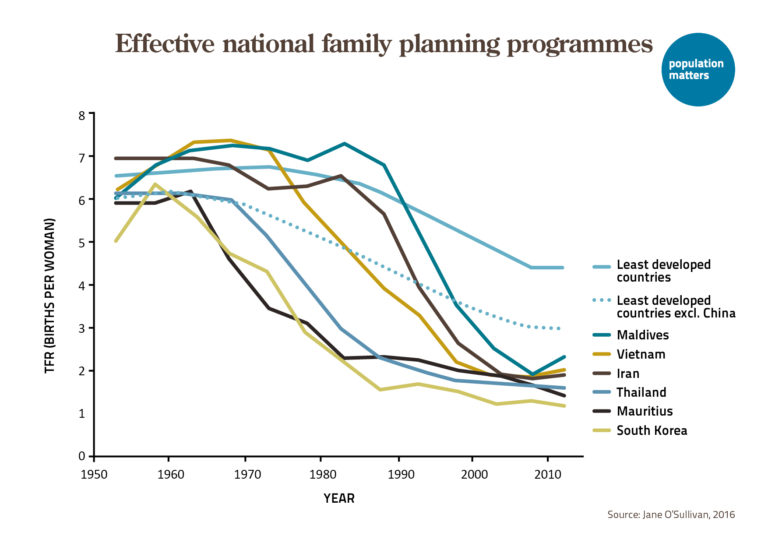
Even with strong early family planning programs, 50 years or more are needed to halt population growth
Low birth rates are often regarded as problematic by major media, which overlook the perils of population increase. Here we show that unsustainable long-term population growth prevails in developing countries, despite historical family planning and gradually sinking birth rates. One lesson is that further reduced rates are urgently needed in high-fertility countries, in Africa and…
Explore the content and topics covered by TOP, search here
Recent blog posts
Blog categories
What we are reading, listening to and watching
Gallery of infographics – Learn more about overpopulation and environment