
In the 1970’s the leading intellectuals in the United States were concerned about overpopulation. Fifty years later, the best and brightest minds in America now think we are running out of people. What the hell is going on?
by Brad Meiklejohn
“Growth for the sake of growth is the ideology of the cancer cell.” – Ed Abbey
Fifty years ago, the brightest minds in the United States were deeply concerned that 210 million Americans were too many and that 280 million would be “much too many.” Now that we total 335 million Americans, the titans of Silicon Valley claim that we are running out of people.
How did we lose our minds so quickly?
In a 1973 paper from the California Institute of Technology, John Holdren asserted that the United States, then at 210 million people, had “considerably exceeded the optimum population size under existing conditions” and that “we have already paid a high price in diversity to achieve our present size.” Holdren is no lightweight. He has had an illustrious scientific career capped by a MacArthur “genius award” and eight years as President Obama’s Advisor on Science and Technology. Holdren now heads the Belfer Center at Harvard’s Kennedy School of Government.
Fifty years on, contrast Holdren’s views on population with those of venture capitalist and tech entrepreneur Marc Andreesen in his Techno-Optimist Manifesto: “We believe our planet is dramatically underpopulated … We believe the global population can quite easily expand to 50 billion people or more … We believe not growing is stagnation, which leads to zero-sum thinking, internal fighting, degradation, collapse, and ultimately death … Our enemy is deceleration, de-growth, depopulation – the nihilistic wish, so trendy among our elites, for fewer people, less energy, and more suffering and death.” Nearly every day Elon Musk has another baby and another delusional rant about the impending extinction of humanity.

Endless growth is not just the fever dream of techno-utopians. The New York Times regularly laments the global birth dearth as a bad, plummeting, looming crisis. Former U.S. Vice President Mike Pence urged the Supreme Court to overturn Roe v. Wade because “plummeting birth rates represent a crisis that strikes at the very heart of civilization.” Now comes J.D. Vance, pretender to the White House, lamenting the “childless cat ladies who are miserable at their own lives and the choices they’ve made and so they want the rest of the country miserable, too.” Very few prominent public intellectuals these days, including Holdren, have the courage to assert that 335 million Americans is “much too many”, and that a declining population might be a good, easing, dawning opportunity.
The main arguments for endless population growth derive from economics. As reported in the New York Times: “The strain of longer lives and low fertility, leading to fewer workers and more retirees, threatens to upend how societies are organized – around the notion that a surplus of young people will drive economies and help pay for the old.” The list of foretold human woes includes a failing social security net, stagnant wages, the closure of day care facilities, and “a gig economy filled with grandparents and Super Bowl ads promoting procreation.”
The brightest minds at California’s Stanford University now claim that “with negative population growth, the flow of new ideas goes to zero.” The sane among us know that creativity is not a function of human population density. None of the top 50 inventions in world history occurred in the last 50 years, and many of them, like language, the alphabet, gunpowder, and paper arose with less than 100 million people. It is equally plausible that human creativity has declined as population has increased. I’ll take Athens, Aristotle, Bach, and the wheel over Atlanta, Mark Zuckerberg, Beyonce, and the iPhone every time.
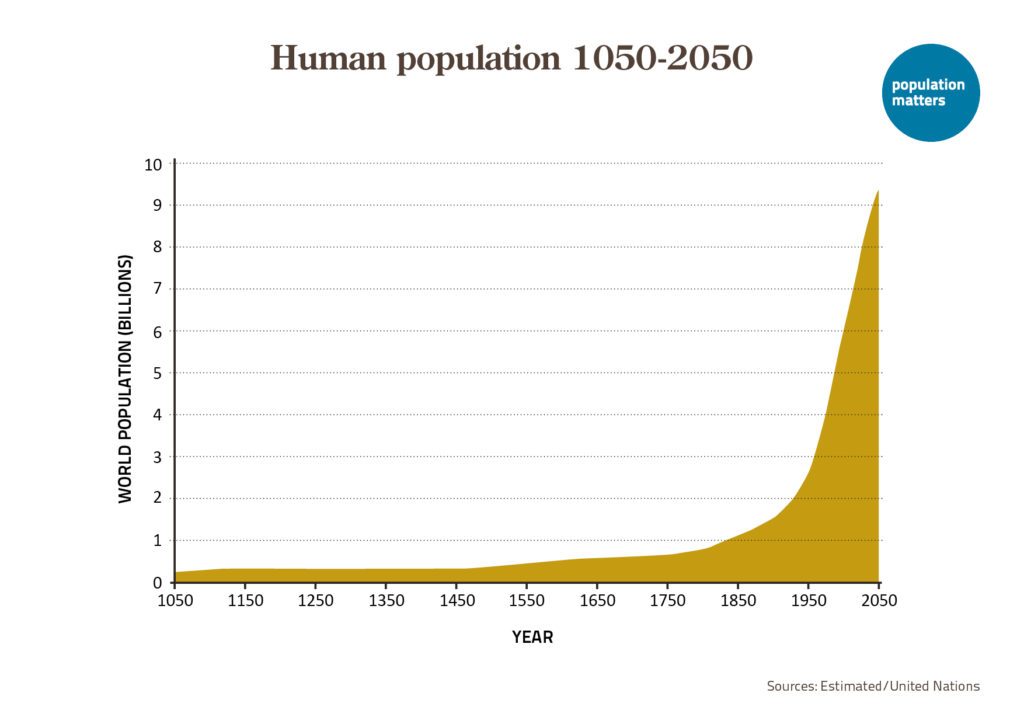
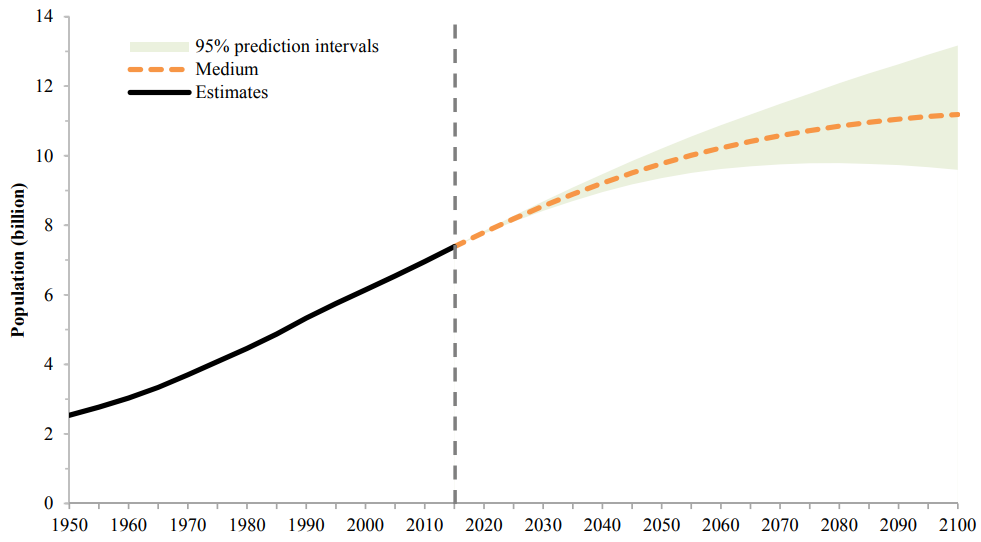
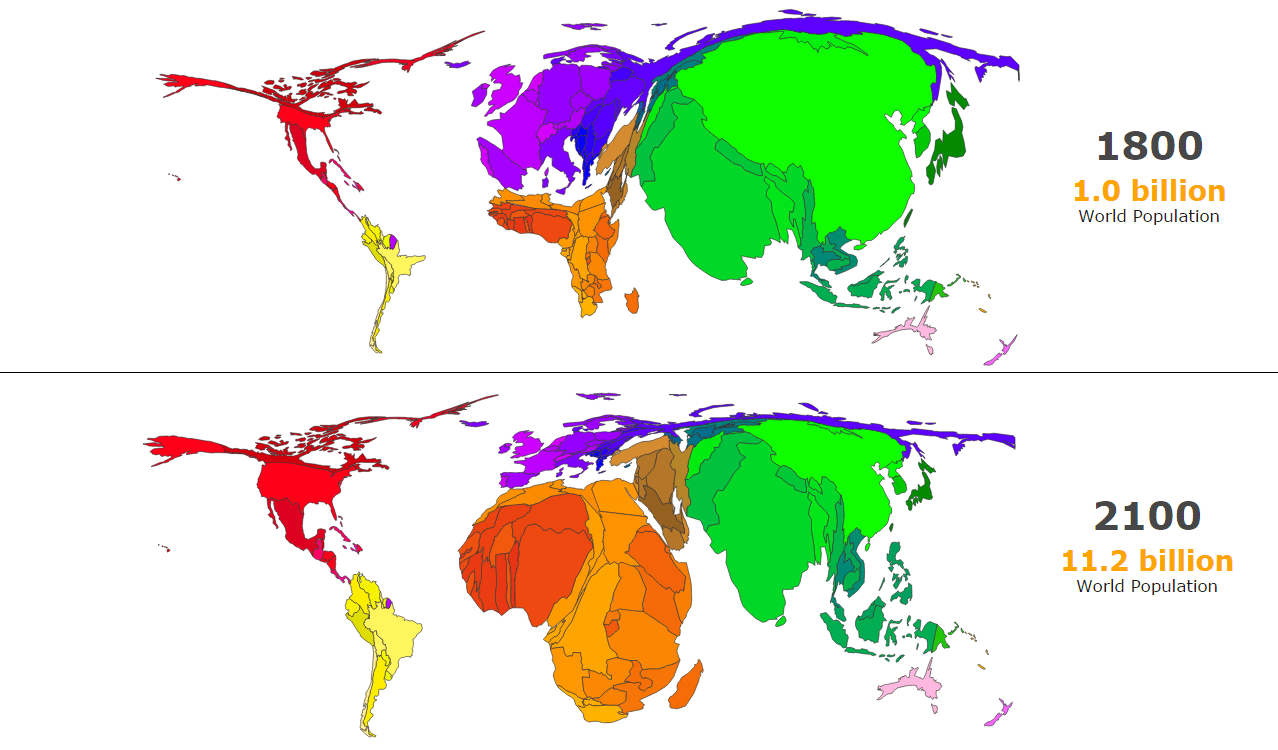
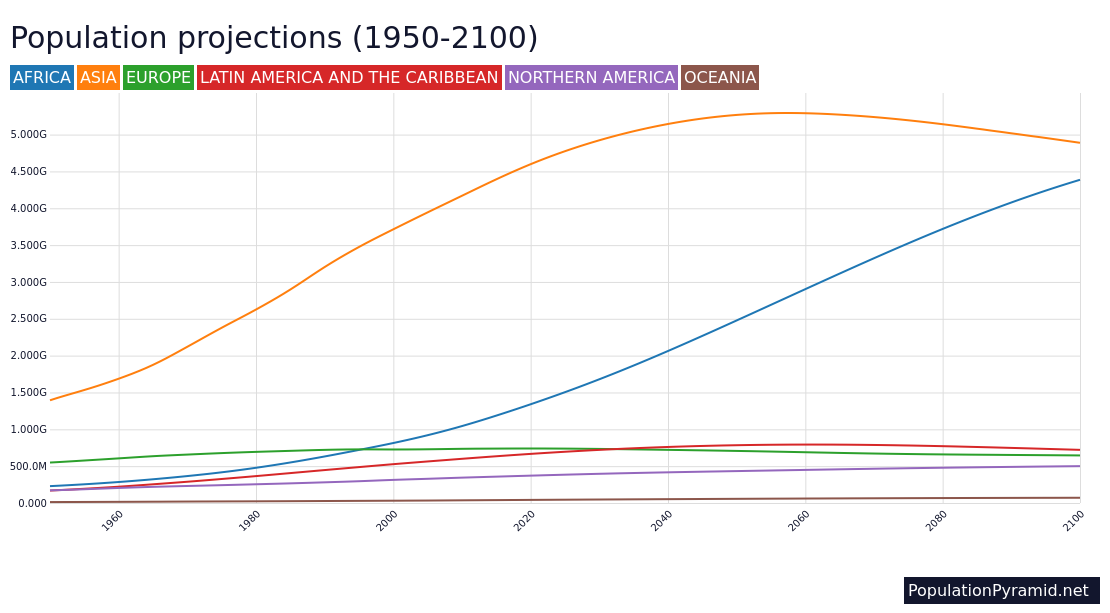
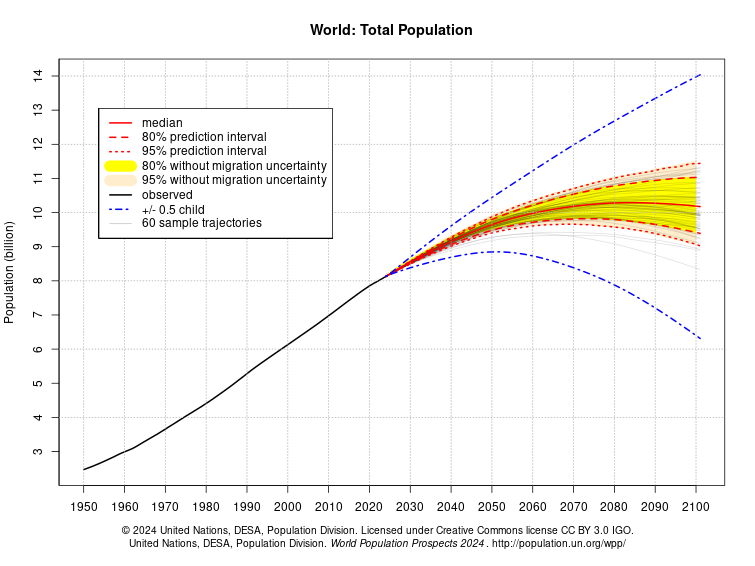
For 99.9% of human history the world population was under 1 billion people, a mark we crossed in the early 1800’s. We reached 2 billion people around 1920 and since then have exploded to over 8 billion today. Not since the dawn of time have our numbers quadrupled in the span of one human life. How can the claim that we are running out of people make any sense? How did we manage in 1975 when there were half as many people as now? If 4 billion was enough then, how is it that 8 billion is not enough now? If 8 billion is not enough, what is?
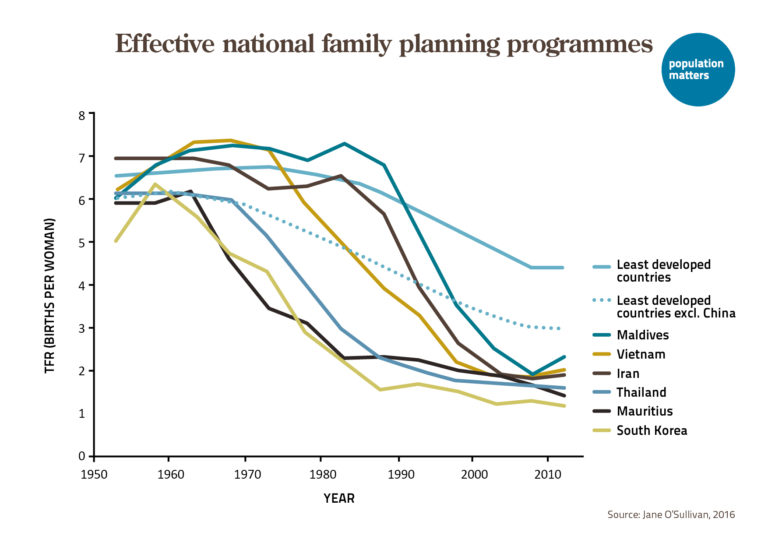
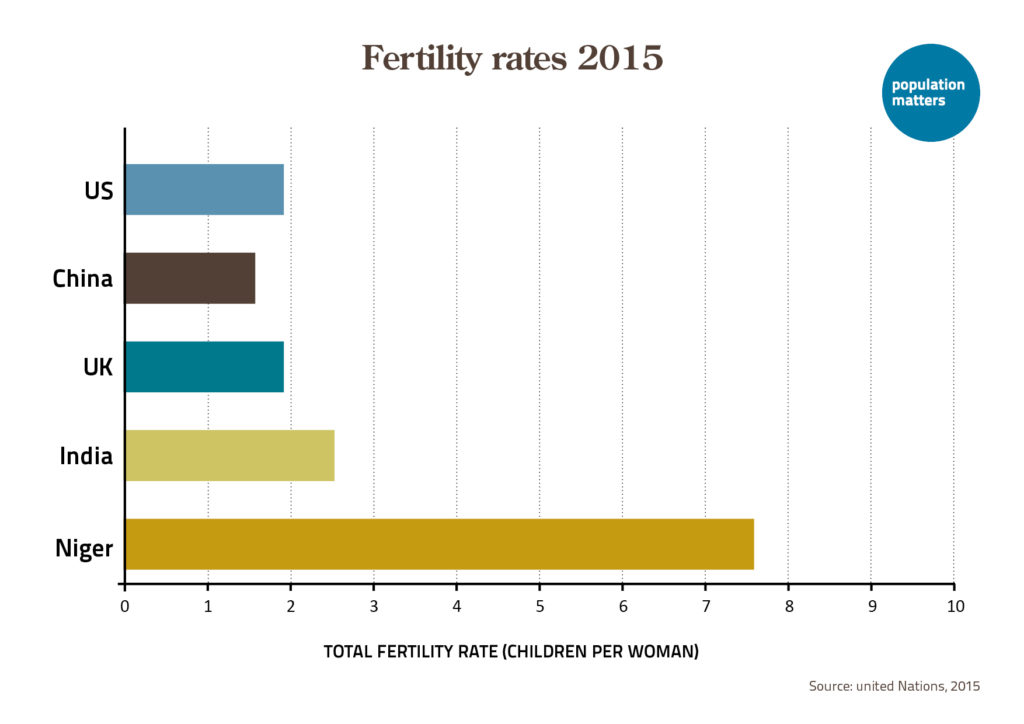
Authoritarians around the world, drunk on bad economic wine, are flexing their baby-making muscles. Want more humans for your sweat-shop growth machine? Cut off access to birth control, abortion, family planning, and women’s education. Yet coercive birth mongering is not working in China, South Korea, Hungary, or in New York City. People in many countries are having fewer children, and that is fantastic news for the living planet.
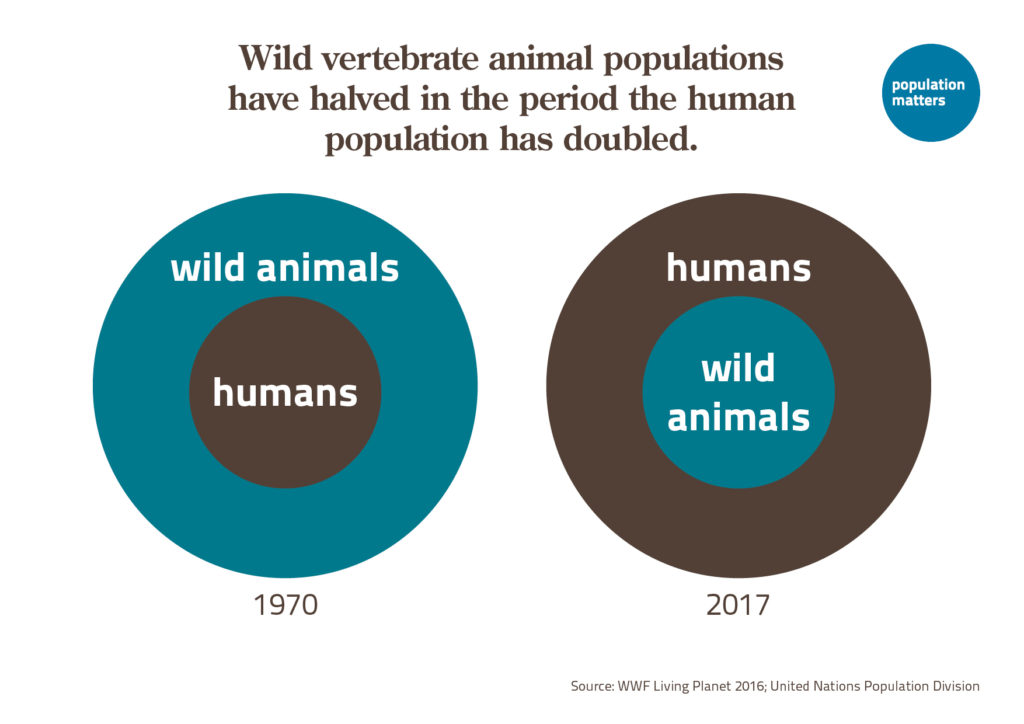
Exactly why people are having fewer children is not clear. Speculation runs to falling sperm counts, endocrine disrupters, existential gloom, and the overcrowding of too many rats in the cage. Those espousing endless human expansion fail to grasp that growth is a zero-sum game. Our growth has come at the expense of insects, birds, and now ourselves.
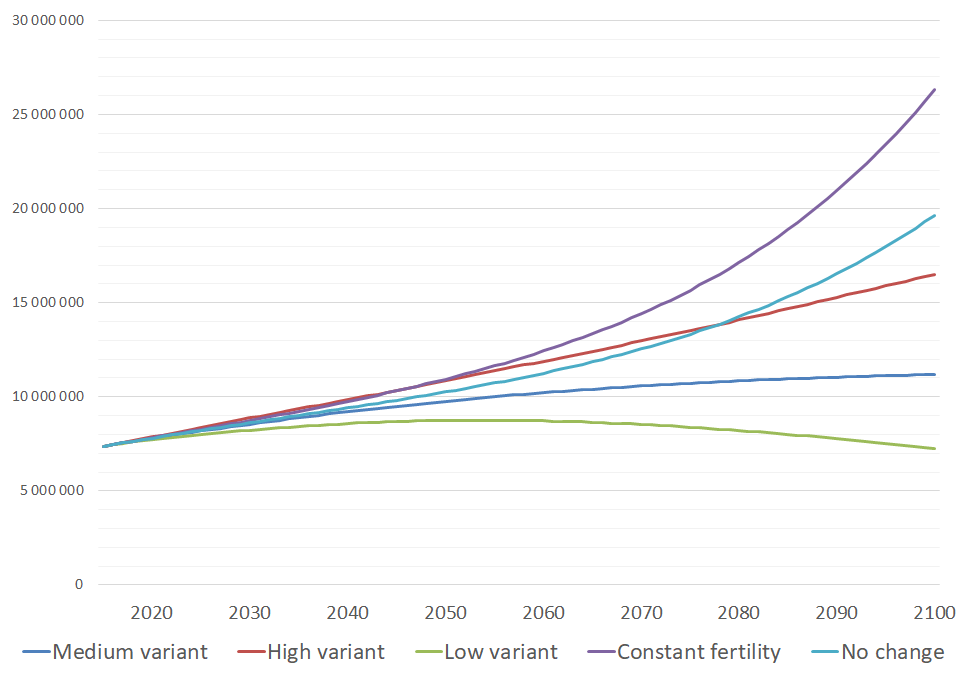
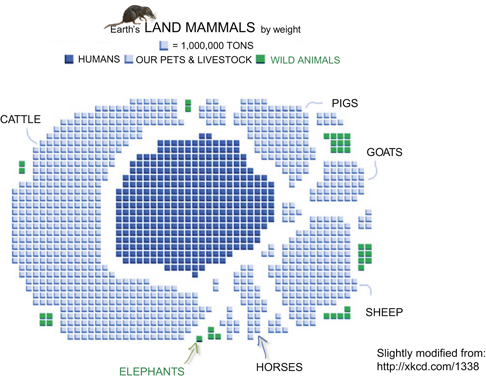
While some people are having fewer babies, the human population continues to grow year after year. 73 million more will join us in 2024. Watch the population clock to get a visceral feel for the burden the planet absorbs with every passing second. As we jam more bodies into this place, wild Nature is being annihilated and forgotten. Pass through the Doha airport and witness the glee of humanity in a windowless duty-free casino funhouse fantasy world of gluttony. Our divorce from Nature is so complete that we might as well be living on Mars.

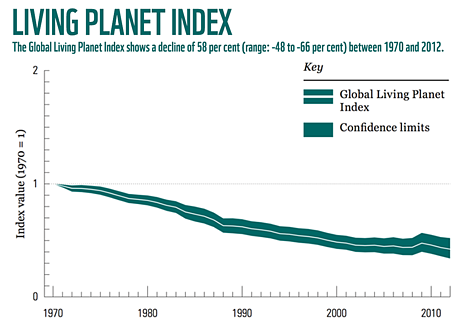
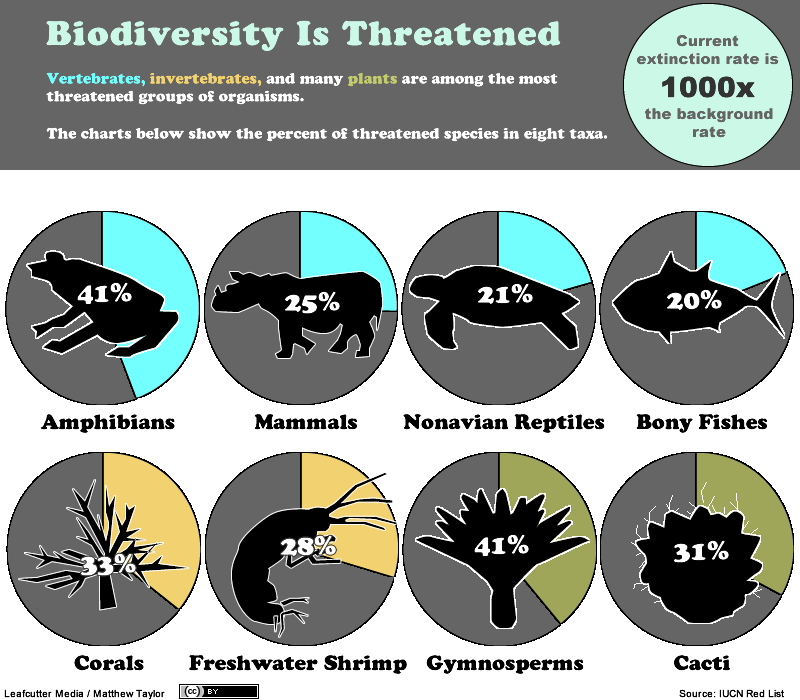
The idea that humans, at 8 billion and rising, are endangered is insulting to the creatures that truly are: California Condors (561 individuals), Great Indian Bustard (249), Hainan Black-crested Gibbon (20), Vaquita (12), Fatuhiva Monarch (50), Greater Bamboo Lemur (500), Red River Giant Softshell Turtle (3), Javan Rhino (87), and Ivory-billed Woodpecker (0). This is what collapse looks like for everything other than humans.
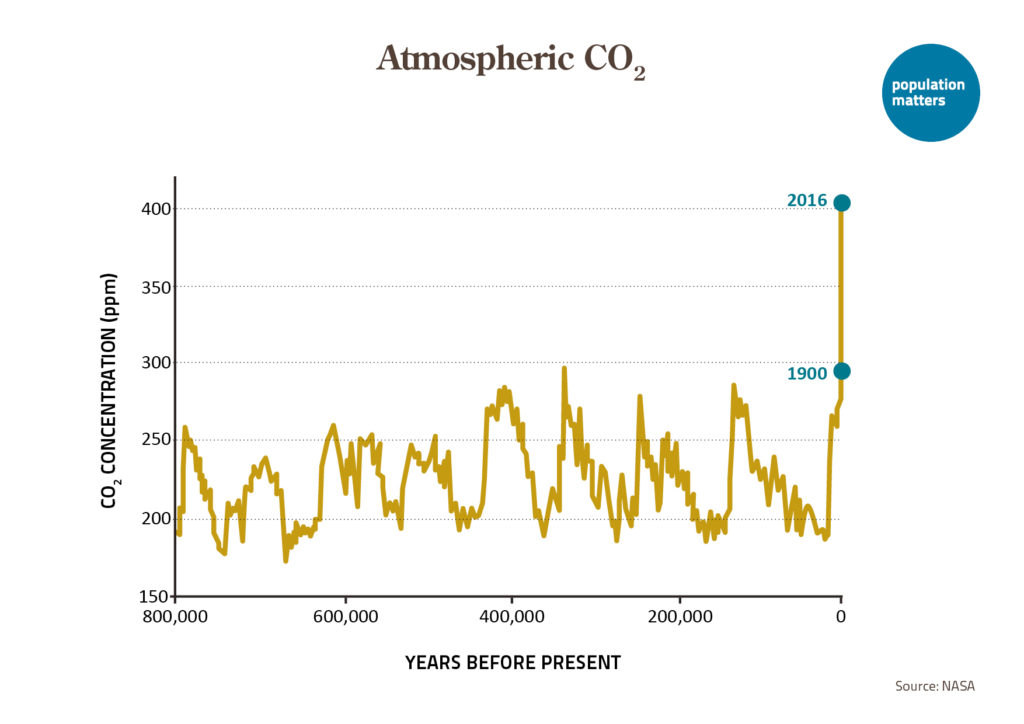
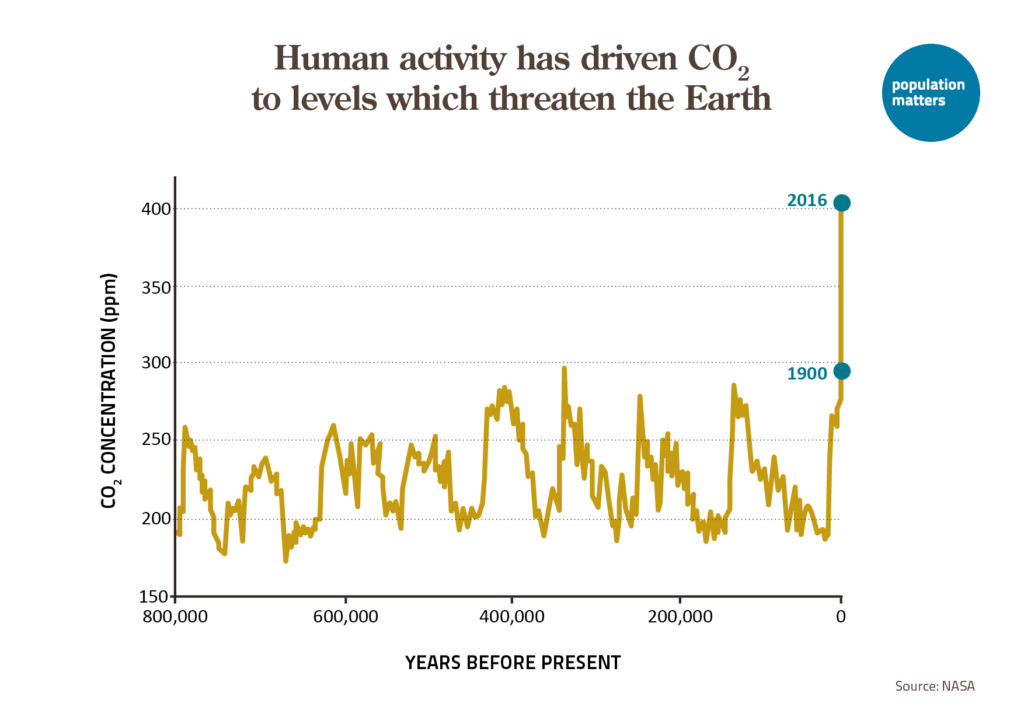
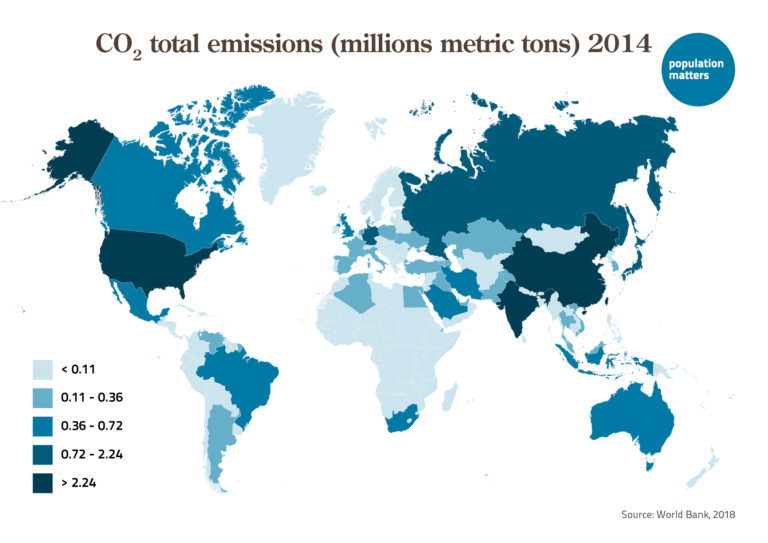
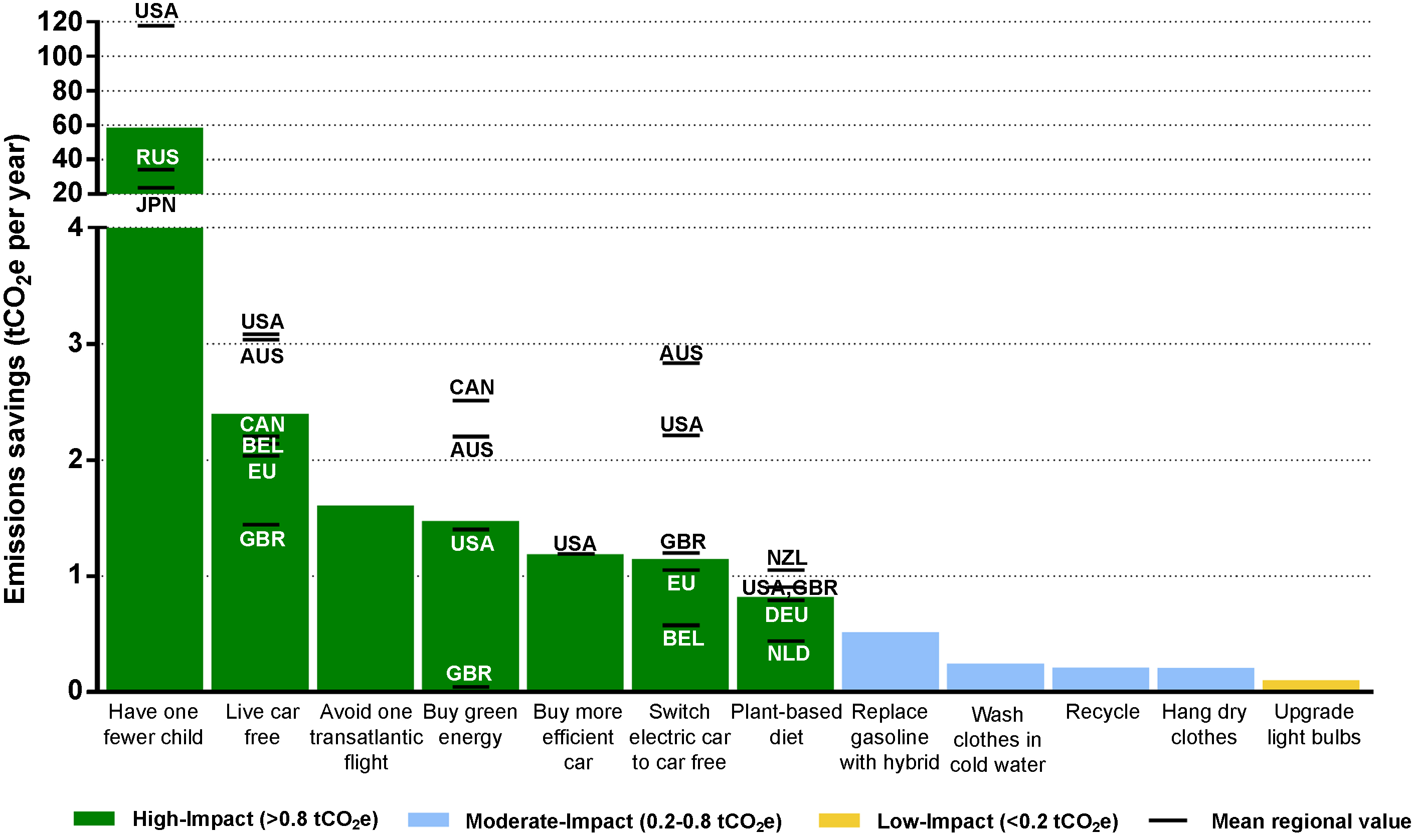
The symptoms of overpopulation that launched Earth Day, founded the modern environmental movement, and galvanized the best and the brightest in the 1970’s have only worsened in the past fifty years. Climate chaos, habitat degradation, species loss – the reality of overpopulation is inescapable. Yet the brightest minds of the United States today are content to trash the only known planet where humans can breathe the air, drink the water, and wander in an actual garden of earthly delights. Rather than elevate these false wizards we should ignore them. Better yet, let’s ship them to Mars.
Life is beautiful. How much of it will we obliterate to dodge geriatric commercials during the Super Bowl? Homo sapiens, the knowing animal, has the capacity for self-awareness and self-correction. We can do much better with much fewer.
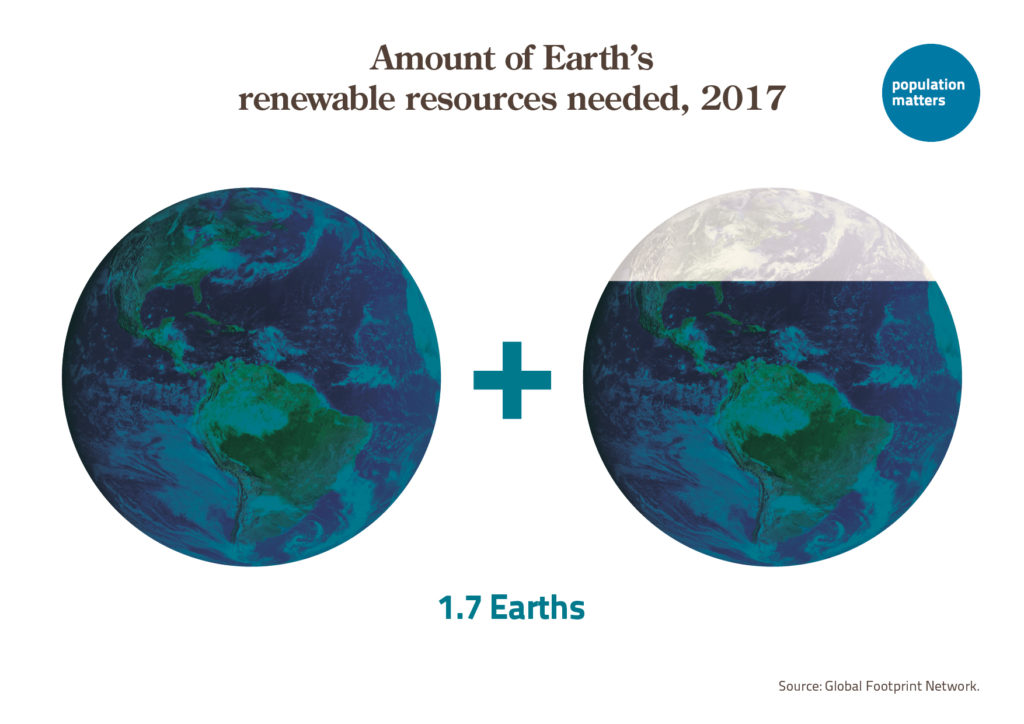
We are not running out of people. We are running out of planet.











Leave a Reply