The Overpopulation Project
TOP – Research and Outreach
Too many people consuming too much
The views and opinions expressed in guest blog posts are those of the authors and do not necessarily reflect the position of The Overpopulation Project.
-
The Greatness of The Great Decrease
A new international billboard campaign encourages the public and policymakers to “Celebrate Low Birthrates!” and “Shrink Towards Abundance!” The goals of the campaign are to draw attention to the benefits of declining populations and encourage politicians to rethink and reorganize the current economic system to take advantage of depopulation dividends. The environmental benefits of declining…
6 comments on The Greatness of The Great Decrease -
“Overpopulation threatens the world’s food supply, United Nations warns”
That was the front-page headline in the New York Times last Thursday, August 8th, announcing a new report from the IPCC, “Climate Change and Land.” I’m kidding, of course. The actual headline read “Climate Change Threatens the World’s Food Supply, United Nations Warns,” and the article did not mention population once. By Philip Cafaro The…
-
An integrated climate change response: the role of population
In April, TOP researchers organized a climate change seminar as part of the Gothenburg International Science Festival. Guest speakers were invited to discuss the role of population, affluence and technology in climate change solutions. The first presentation highlights how addressing population is a necessary measure to successfully mitigate and adapt to climate disruption. A recording…
-
One giant leap for mankind – but since?
By The Hon. Kelvin Thomson It has been great to re-live the Apollo 11 Moon Landing’s 50th Anniversary. What a monumental achievement and tribute to human intellectual candlepower, endeavour and above all courage. I was a Year 9 student at the time; like other classes we downed tools to watch it unfold. Our teachers were…
-
Freshwater, trade and population: global patterns and possible solutions
Climate change and it’s relationships to technology, energy and food are often discussed in the media, whereas freshwater, also a critical resource for humanity, tends to be overlooked. It is even more overlooked in terms of other species – lakes and other surface waters provide homes for hundreds of thousands of species. A recent article…
-
How should environmentalists think about immigration?
Between toxic calls for immigration controls based on racial criteria and hyperbolic denunciations of any mention of population issues as “ecofascist,” the room for intelligent and honest discussion of immigration policy is being gobbled up from both the Left and the Right. Yet the issue is too important to leave to the yahoos or the…
-
Ten things that you may not know about population
Articles about population in the media typically are riddled with misconceptions and tiptoe around taboos. Moving past these can free us to have open and honest discussions about population matters. The following list does not pretend to be exhaustive, but to help debunk the most common myths and become more aware of the complexity of…
-
World Population Prospects 2019 – good news or bad?
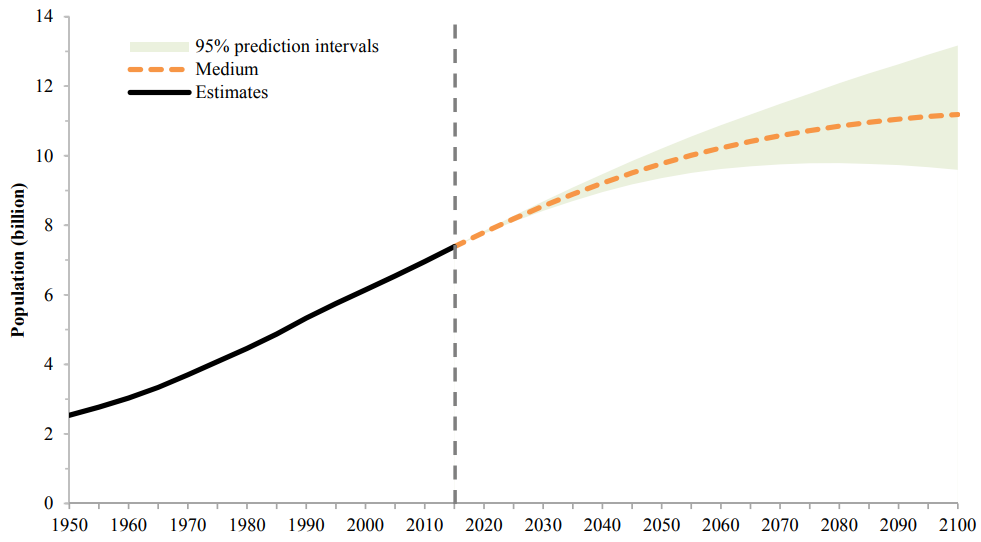
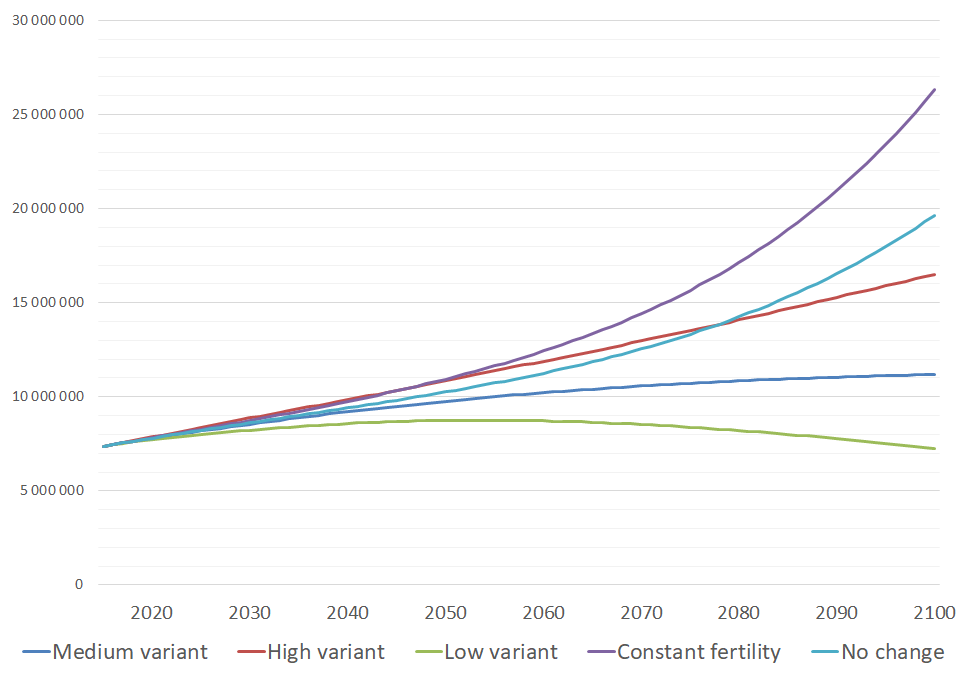
By Jane O’Sullivan The new United Nations projections for global population tempt complacency by lowering the estimate for growth across this century, but lacks justification for this lower figure. This could perversely counter the UN’s own message that these projections depend in increasing global efforts to ensure “further improvements in access to family planning information…
-
Does Sweden need immigration to support its aging population?
In Sweden, politicians and the media often claim that the country needs high rates of immigration to meet the needs of an aging population. This claim lacks support: rigorous demographic and economic analyses indicate that immigration instead entails an increased dependency burden and a poorer economy. By Malte Andersson & Frank Götmark In the spring…
Explore the content and topics covered by TOP, search here
Recent blog posts
- The Progressive Left are the Bad Guys Too
- Reproductive rights: an unfinished project and an ecological imperative
- A shrinking population might actually be a good thing
- Cutting the global population in half to achieve sustainability
- Ceuta incident: Population growth threatens both poor Africans and climate stability
Blog categories
What we are reading, listening to and watching
Gallery of infographics – Learn more about overpopulation and environment