
Continued rapid global population growth is unsustainable, but the media instead focus on low birth rates in developed countries. Most future growth will be in Africa, where young people want to emigrate to Europe or other developed regions. How will EU countries act in the face of Africa’s extreme population growth and increasing migration?
By Frank Götmark & Malte Andersson
Elon Musk and many economists abhor low birth rates and paint scenarios of population collapse, but today’s great concern about low birth rates is unwarranted. In 17 countries with declining population, GDP per capita rose between 2000 and 2020, and unemployment fell in 15 of them. Japan, where women give birth to on average 1.2 children, has no worse economy than other Western countries, despite a population decline from 128 to 124 million since 2010. The media is sounding the alarm, but lower climate effects and other environmental benefits of fewer high-consumption persons are ignored.
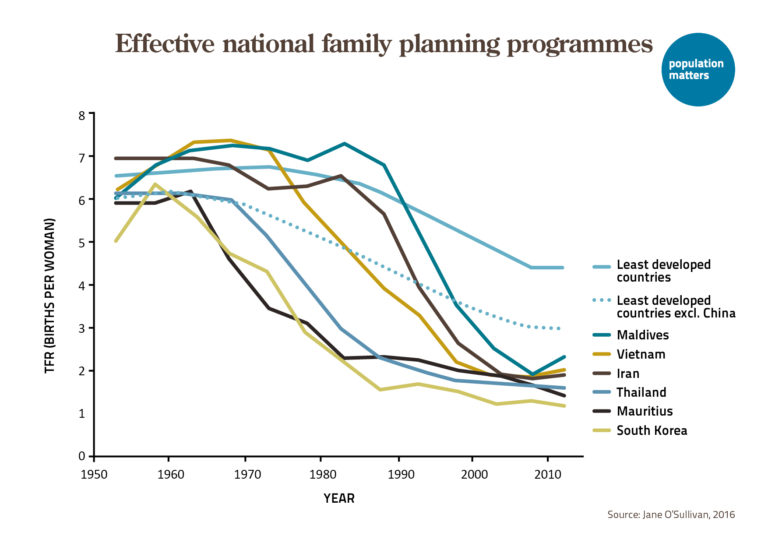
South Korea, also with high consumption per capita, is as densely populated as the Netherlands. It was one of Asia’s poorest countries in the early 1960s, but through a family planning (FP) program, supported mainly by Swedish Sida and the former USAID, fertility declined from 5 to 2 children per woman from 1965 to 1985. South Korea now has a top-heavy age pyramid (see populationpyramid.com) with an average of 0.7 children per woman, but the population has only just begun to decline, having grown with the momentum of the post-war baby boom. The FP program and low fertility assisted rapid economic development, improving survival and longevity which have also deferred the population decline.
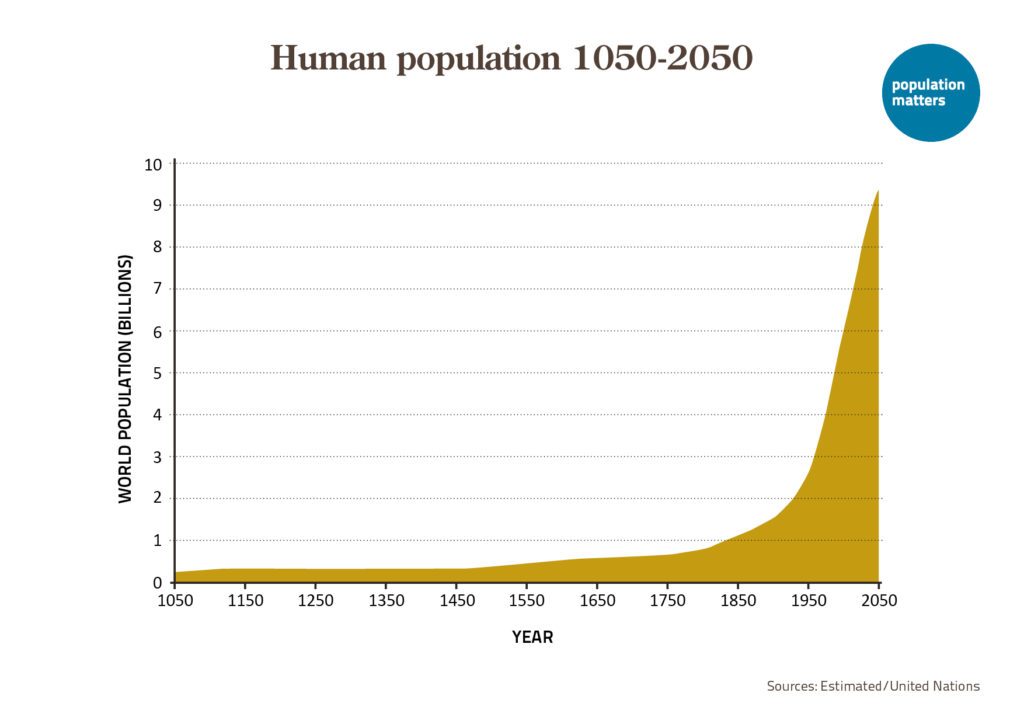
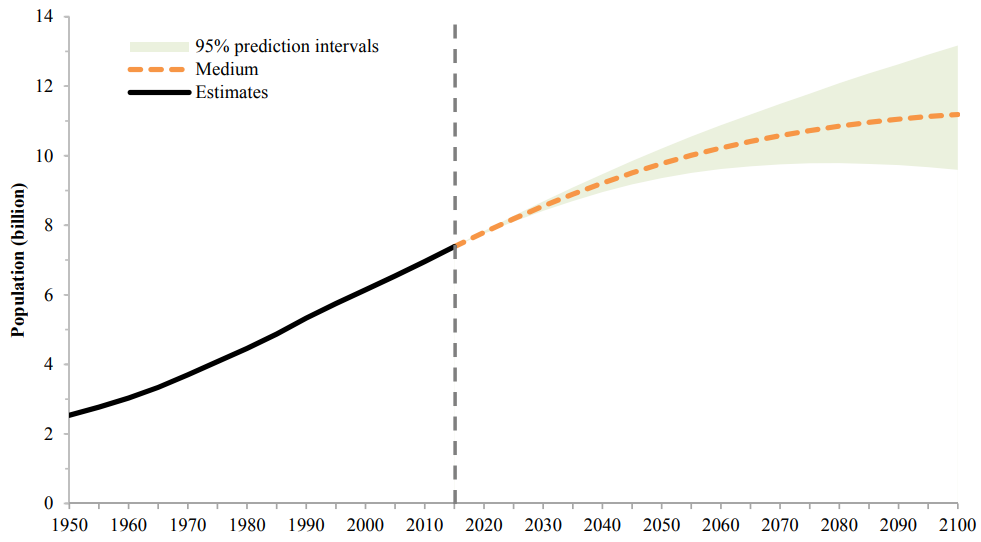
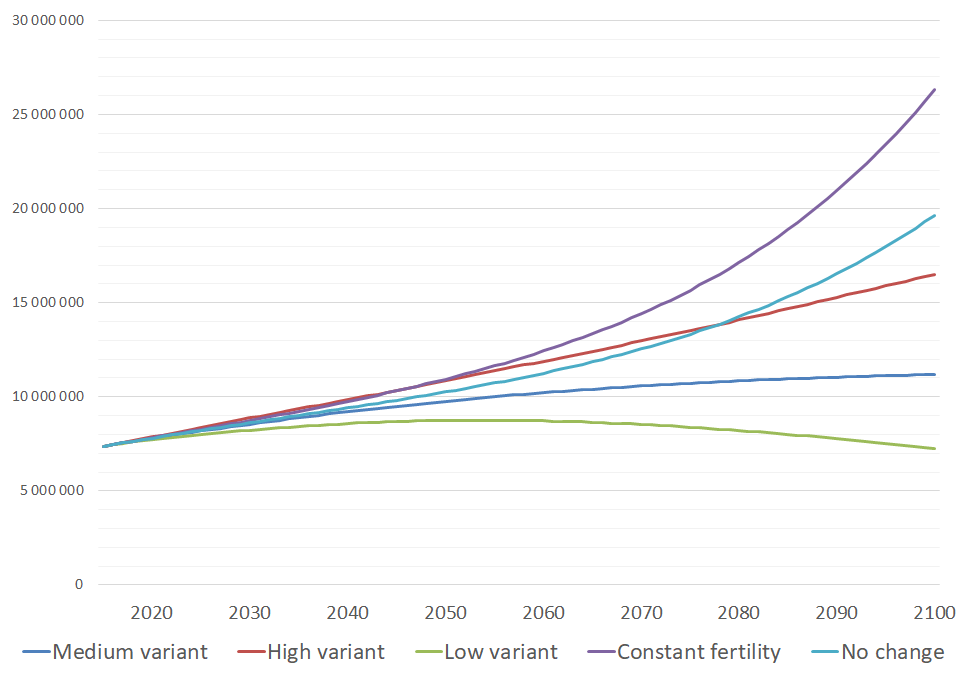
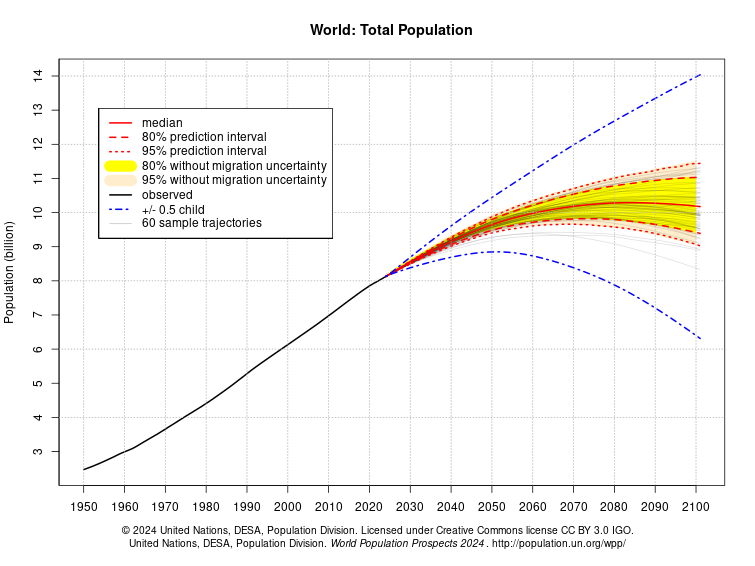
While these examples of successfully declining populations should dispel our fears of low birth rates, the many countries with high birth rates should have our attention. The UN’s population forecast from 2024 estimated a World population increase of about 2 billion people by 2084, from today’s 8.2 to 10.3 billion (but the UN usually underestimates population growth). If more vigorous efforts were made to provide good family planning services and promote the benefits of small families, birth rates could fall much faster in high-fertility countries. The UN’s Low Fertility projection could result in a world population of only 6.4 billion in 2100, instead of the one anticipated at over 10 billion.
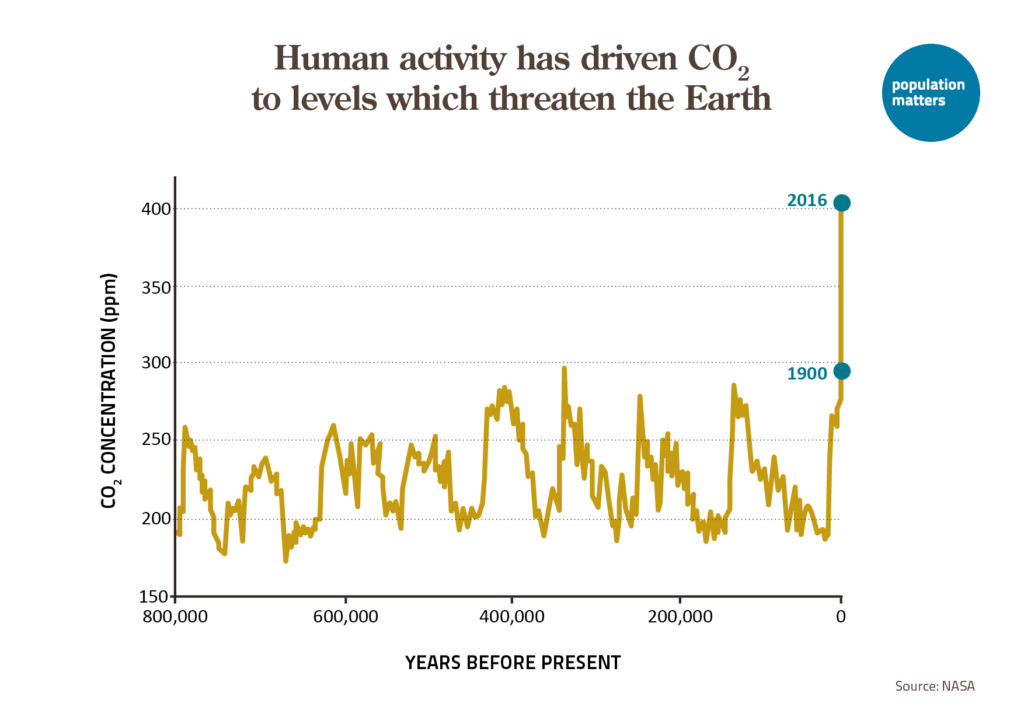
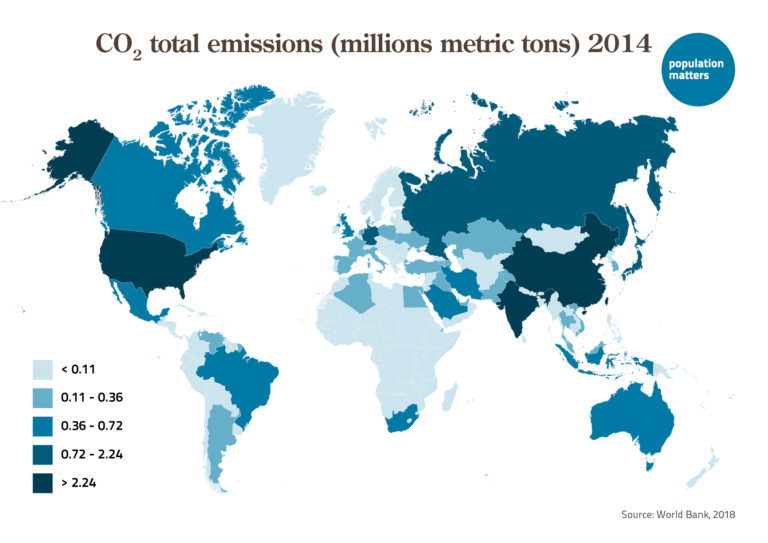
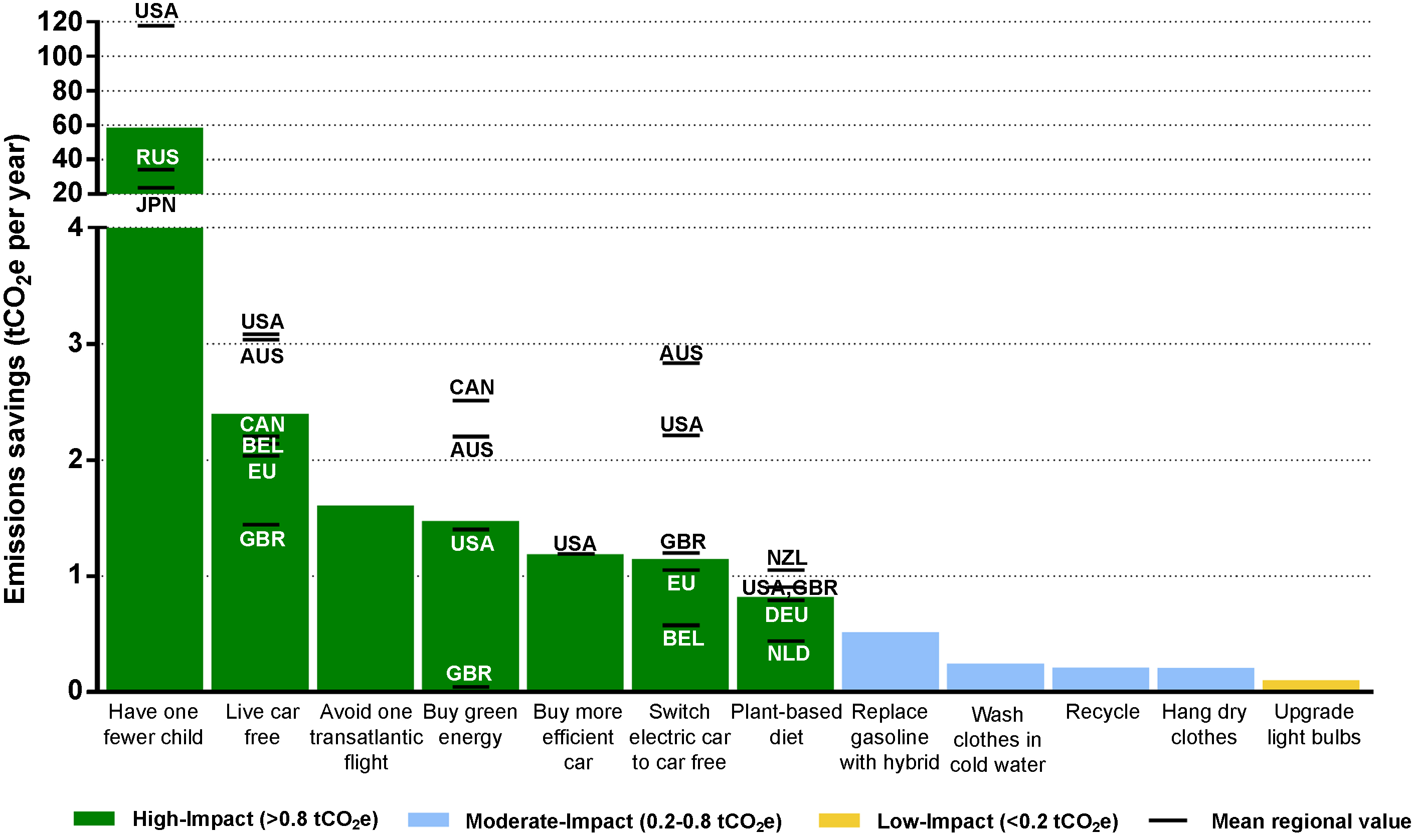
Such an outcome is of course highly relevant for climate policy – but ignored. The IPCC reported in 2022 that “Globally, gross domestic product (GDP) per capita and population growth remained the strongest drivers of CO2 emissions […] in the last decade (high confidence)”, but this important conclusion was lacking in the IPCC’s “Summary for Policymakers” and at the UN climate conference this year. It is also absent from the media’s climate reporting.
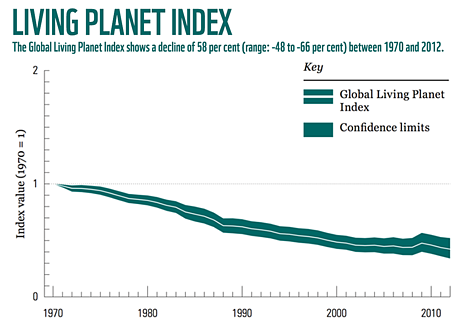
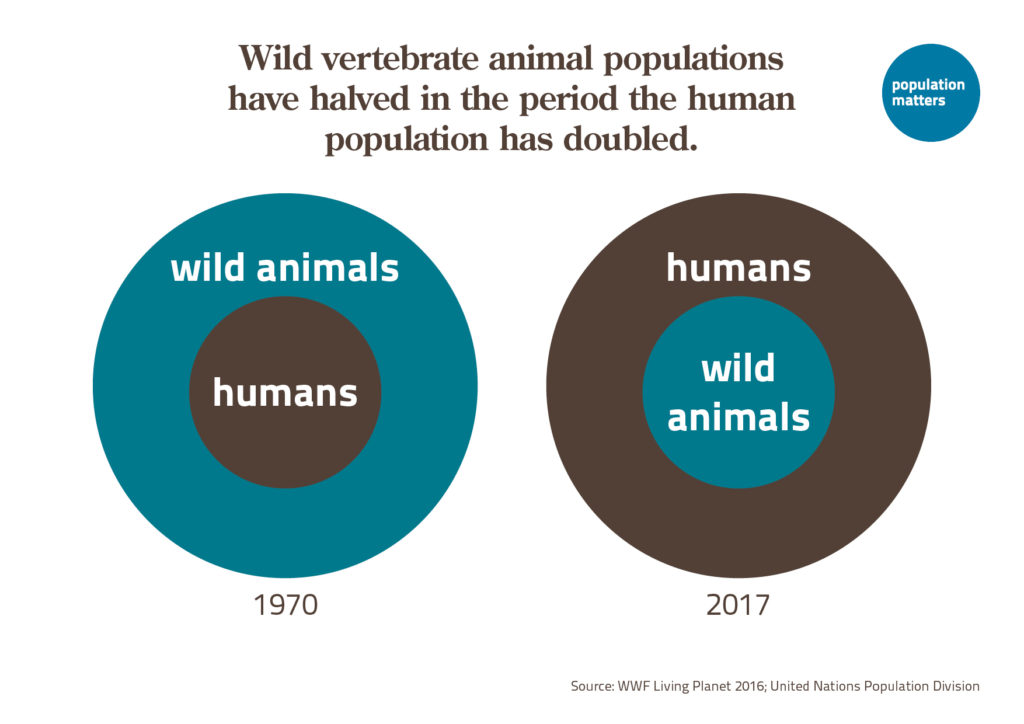
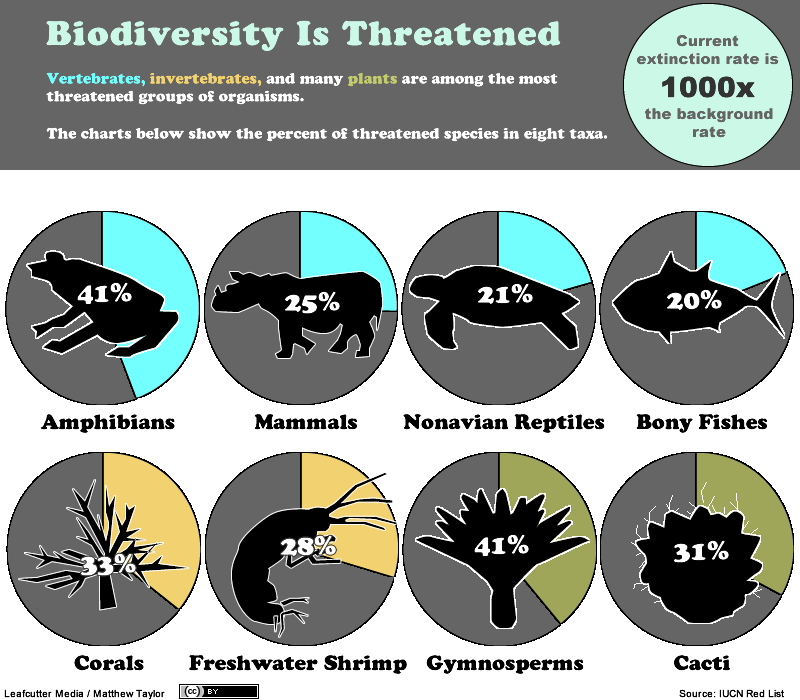
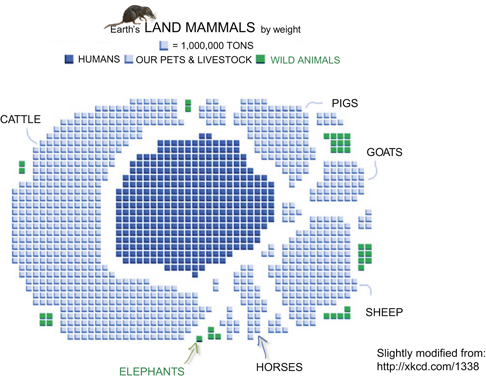
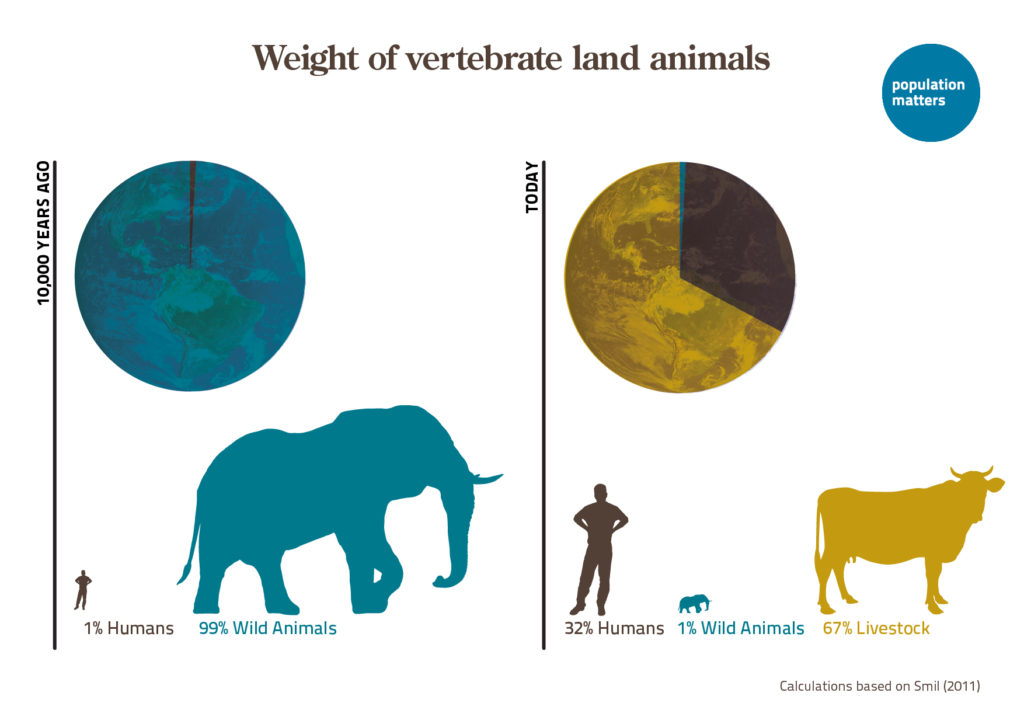
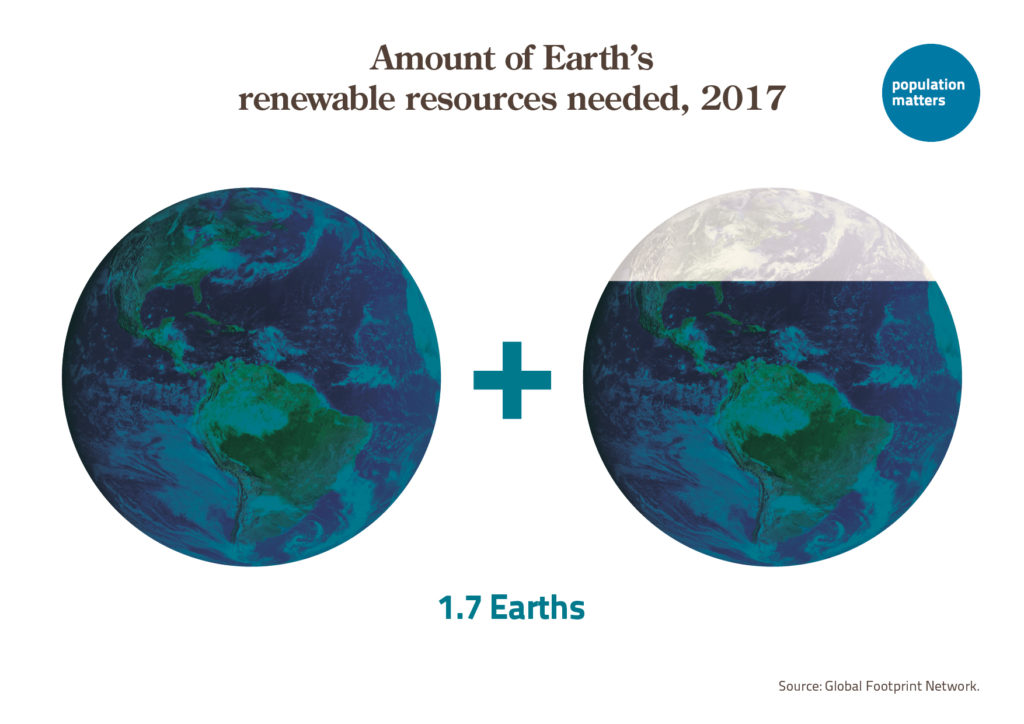
Earth’s climate, ecosystems and biodiversity are being degraded by increasing consumption by increasing numbers of people. Among Earth’s mammals, people, domestic animals and pets today make up 94.5% of the biomass, wild mammals only 5.5%. Over the last 50 years, populations of wild vertebrates declined by on average 73% according to the WWF. From this point of view, Homo sapiens is an invasive species, a deadly threat to most others.
Our growth also leads to more pollution in the ocean, on land and in the air (chemicals, oil, plastic, etc.), causes shortages of fresh water (increasingly used for irrigation), reduces natural environments when roads, cultivation and buildings spread, and causes worse pandemics. Storms and fires that usually kill relatively few people are given much attention in the media, but they hardly ever mention that population growth has grim consequences that kill many.

African population growth and migration
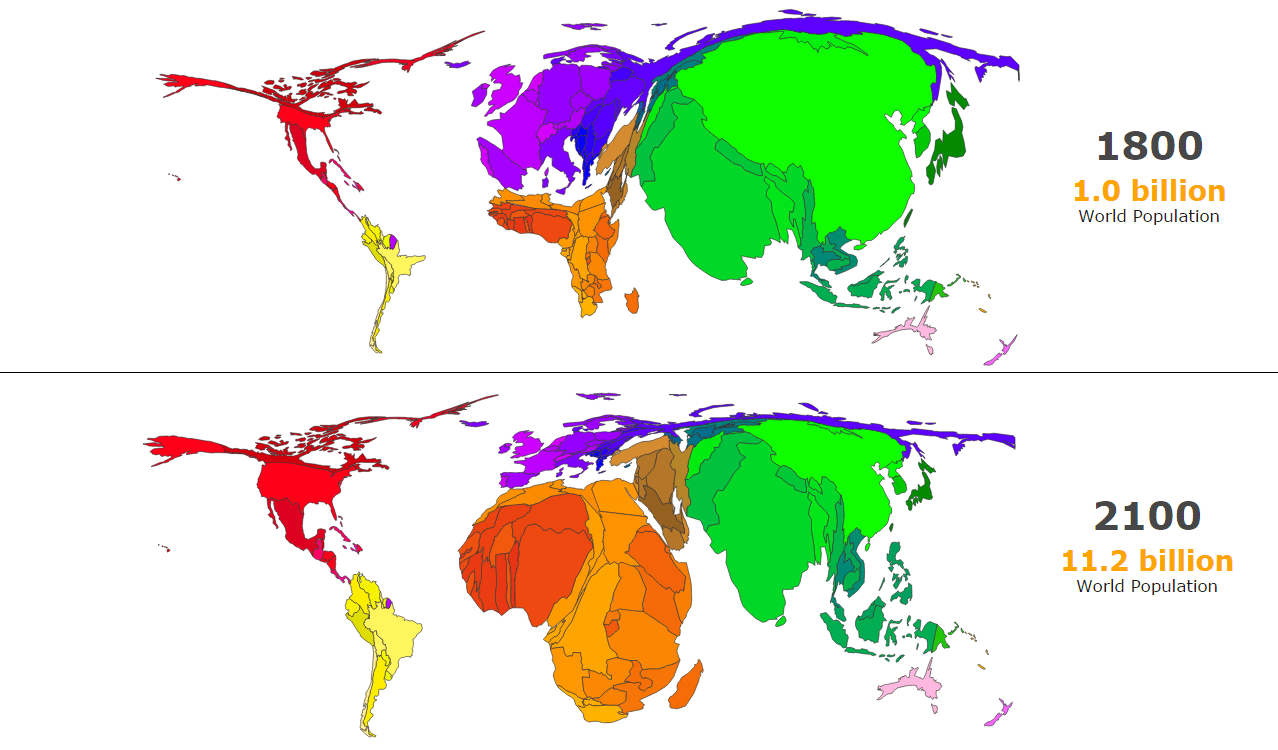
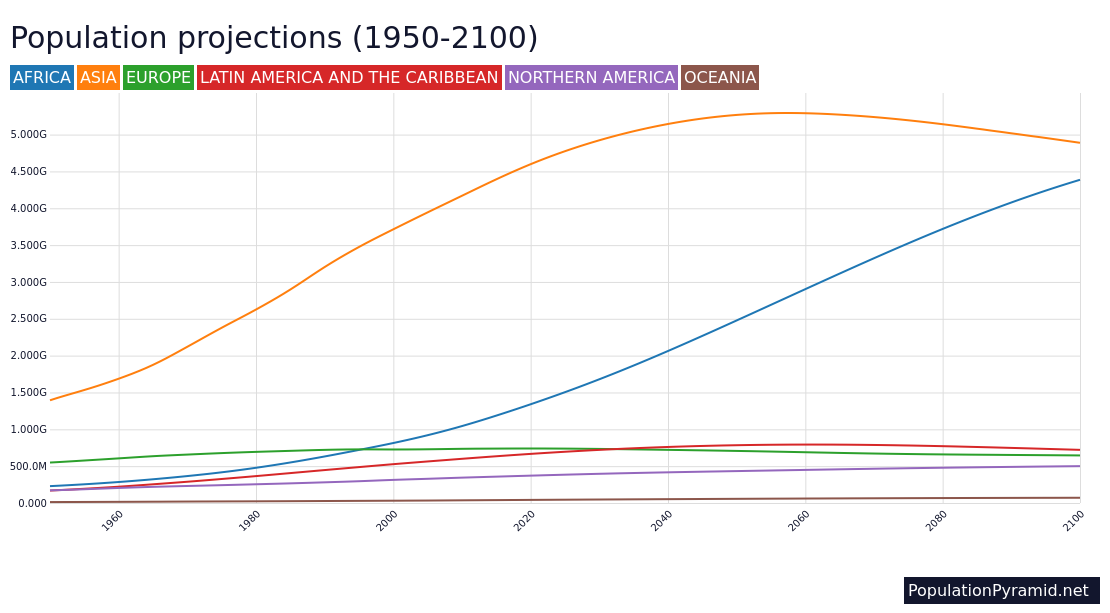
Africa’s population doubled in the past 30 years, and the UN expects its current 1.5 billion to grow to 3.5 billion by 2084. Africa did not benefit from the Green Revolution and has had repeated famines (see Africa here). Since 2017, the number of undernourished Africans has been increasing according to the FAO and is now 300 million. Conflicts, poverty and climate change are worsening, but media are silent about the role of population growth in driving malnutrition and food insecurity. The 2024 Nobel Prize winners in economics, Acemoglu and Johnson, found that population growth with a high proportion of young men exacerbates conflicts, which the news media ignored.
More than one in three Africans want to leave the continent, among young people (18 – 24) more than one in two, and Europe is a desired destination. But large parts of Europe are already densely populated, with relatively high unemployment, increasing automation and widespread resistance to asylum immigration.
In the refugee wave a decade ago mainly from Syria, Afghanistan and Iraq, around 1.2 million asylum seekers came to the EU per year in both 2015 and 2016. After Covid, the number of asylum seekers has increased again 2022 – 2024, to a total of around 3 million according to EU data. The same countries of origin dominate, but in 2023 Africans made up 23%, and in 2024 the proportion is (preliminarily) higher. Migrants often arrive via dangerous boat voyages. According to Eurostat, 1.3 million people were in the EU illegally in 2023.
Total migration to the EU after 2015 is difficult to calculate but is likely at least 25 million. Since 2003 the EU population has increased from 433 to 449 million (excluding the UK), and immigration has dramatically affected Europe’s voters and parties. In 2016, the journal Science published a survey on attitudes to asylum seekers among 18,000 voters in 15 European countries. There was support for highly employable asylum seekers and for those who had suffered physically, but less support for believers of Islam. These results were unexpectedly homogeneous and independent of age, education level, income, political ideology and country. A follow-up study in Nature 2022 reported that acceptance/resistance was largely stable over time. High acceptance was found for the 8 million Ukrainians who fled the war, and many were granted temporary asylum in the EU (the Ukrainian Migration Directive).
How might the EU be affected by increasing immigration from North & West Africa and West Asia? According to the UN, 736 million more people are expected in these areas already in 2045. If a third of them, 243 million people, made it to the EU during these 20 years, the Union would have to handle 12 million migrants per year, 10 times more than in 2015. Eurostat demographers now expect 1.2 million net migrants per year up to 2100, but they also present alternatives. “Low migration” could result in a population decrease in the EU from today’s 450 to around 370 million in 2100, and “zero-net” immigration could result in around 300 million in the EU in 2100.
Solutions?
To avoid suffering in Africa and political strife in Europe, the EU and its countries should support policies to help reduce unsustainable African population growth. On 8 December, EU ministers of interior presented a plan to reduce the flow of asylum seekers from safe countries (for which asylum will be rare), and to arrange “return hubs” in non-European countries. The situation in Africa was not mentioned, but few African countries are regarded as safe.
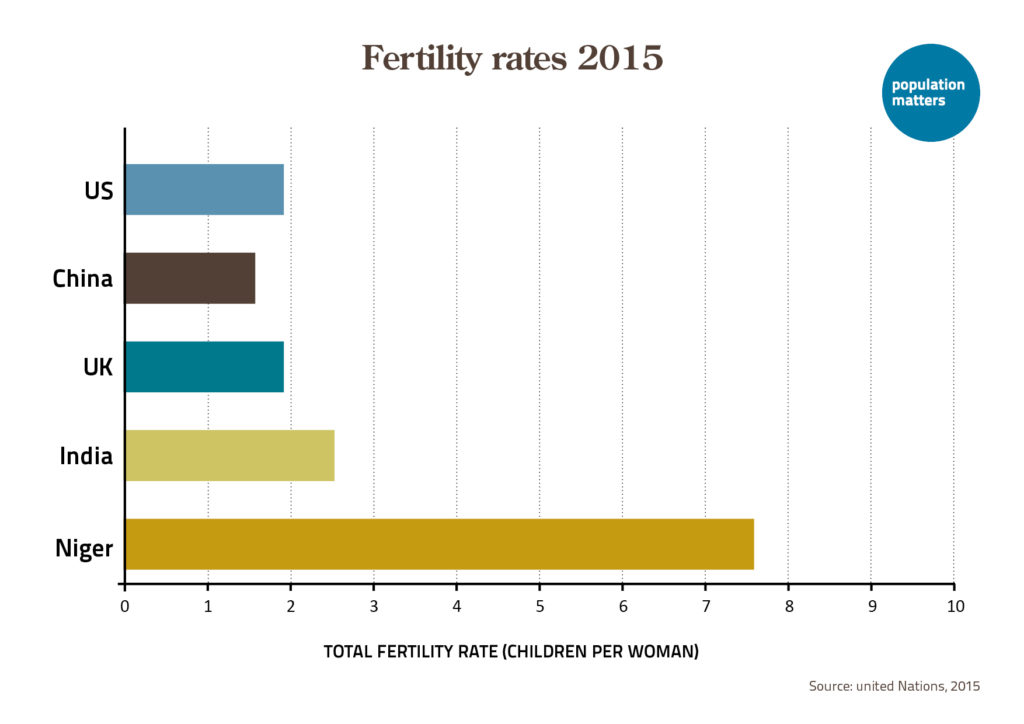
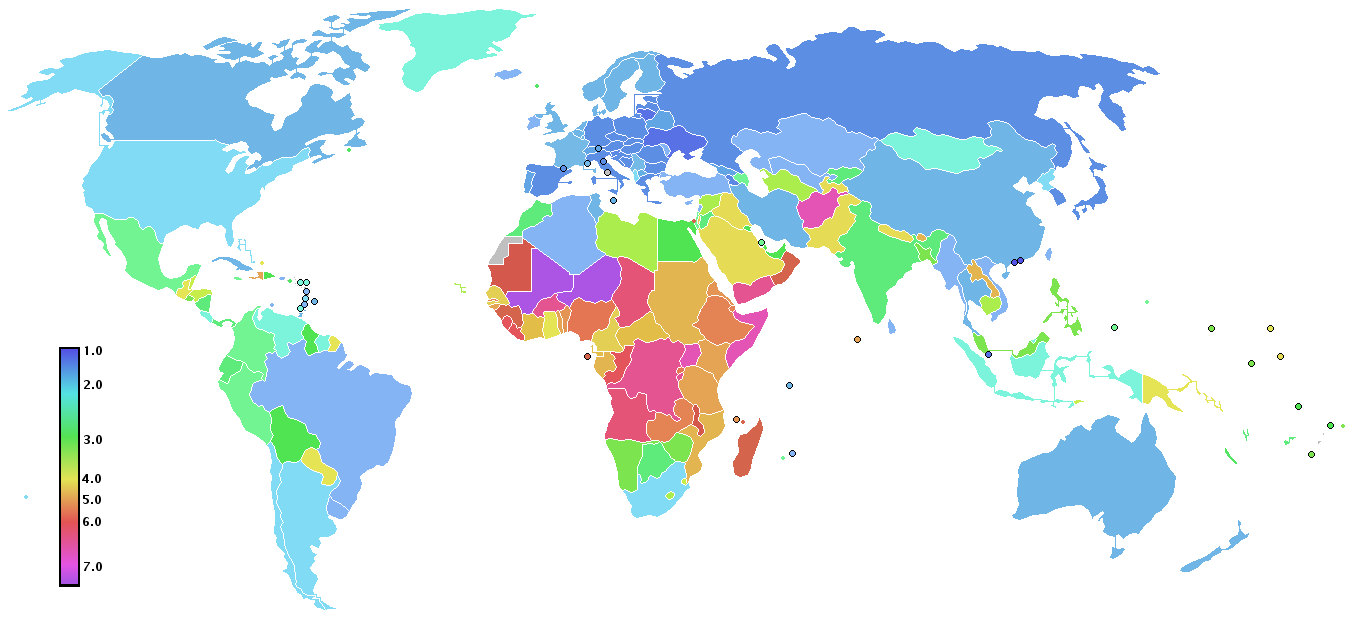
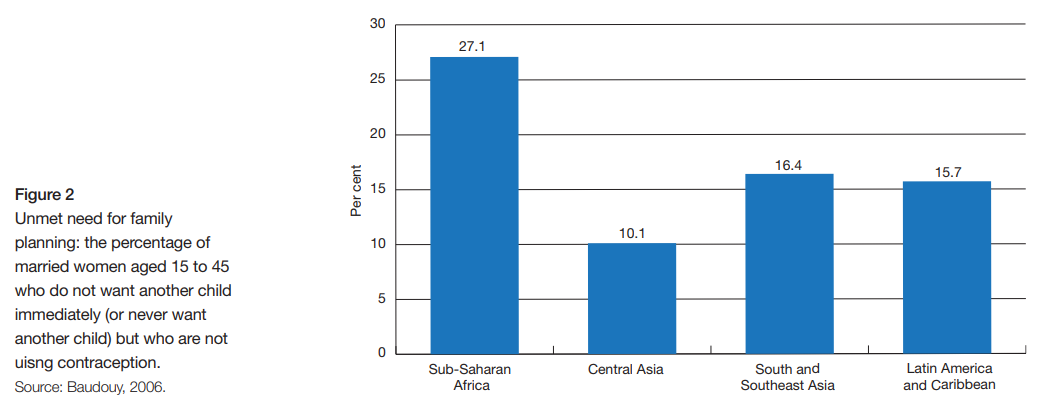
Women in Africa give birth to an average of 4.1 children, but many lack decent schooling. Women’s education is limited, healthcare often poor and food security insufficient in many countries. In a survey in 2024, we found that Swedish voters with information about the situation prioritize aid for family planning in Africa over the Swedish government’s present aid policy, in which trade and Swedish companies’ profits are prioritized. We are not aware of similar surveys from other European countries.
Family planning programs are often discussed and to some extent implemented in Africa. Good recent examples include Ethiopia, Rwanda and Malawi. Countries in Sub-Saharan Africa with relatively strong FP-programs were more successful between 1970 and 2015 in raising contraceptive prevalence than other countries that relied more on increased access to education, as shown in this graph:

As many as 42 African countries have policies to reduce population growth, and 45 have policies to lower birth rates, based on countries’ reports to the UN. There are hence opportunities for the EU and individual countries to support African countries planning FP programs, spreading norms and desires for smaller families, expanding counseling on contraceptives, and strengthening their voluntary use. Support is needed, for instance, for the initiative FP2030 to which 39 governments in developing countries have made commitments. Aid to African religious leaders who support FP programs is also likely to increase their success. The EU and its countries can also support the Population Media Center, whose popular series on radio and TV in developing countries help spread knowledge about gender equity and health issues, including the benefits of smaller families.
PS. Do you think TOP is doing a good job? We can do much more with donations for salary to young co-workers, competent in the field of population growth, overpopulation and environment. Visit this page.
Frank Götmark and Malte Andersson are ecologists and emeritus professors at the Department of Biology and Environmental Sciences, University of Gothenburg. This blog is a modified version of an article to be published in the Swedish digital journal Kvartal.











Leave a Reply