
Our planet can’t sustain an ever-growing number of humans, but many countries have already reached below-replacement birth rates enabling a future rebalancing of humans with nature. While modern contraceptive technologies deservedly take most of the credit, how important has abortion access been?
by Richard Grossman, MD, MPH
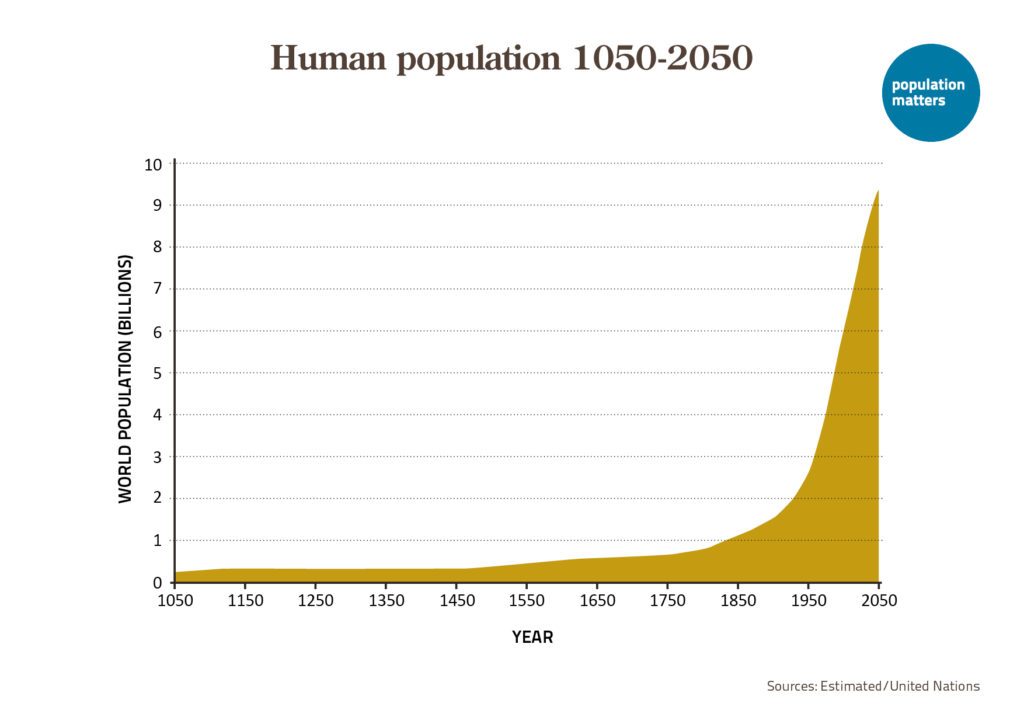
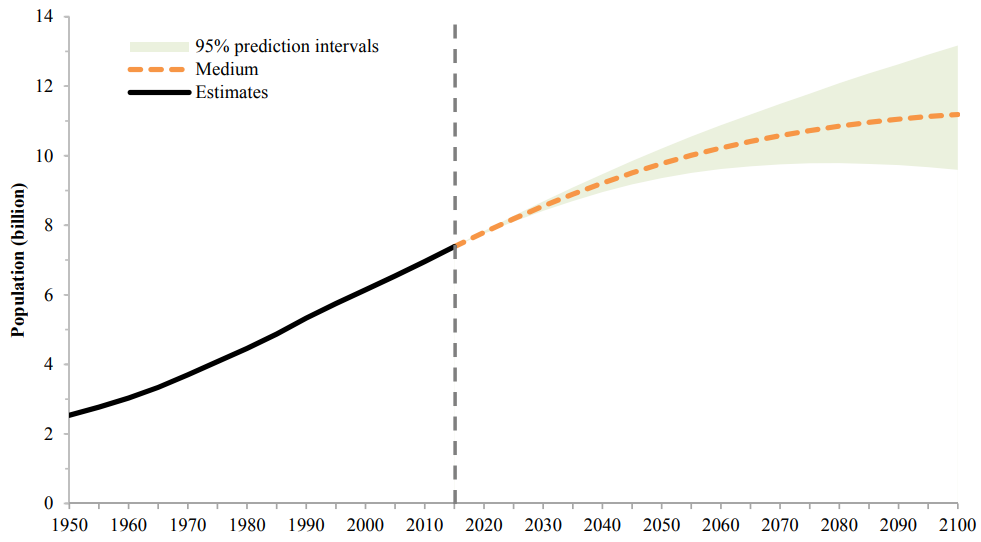
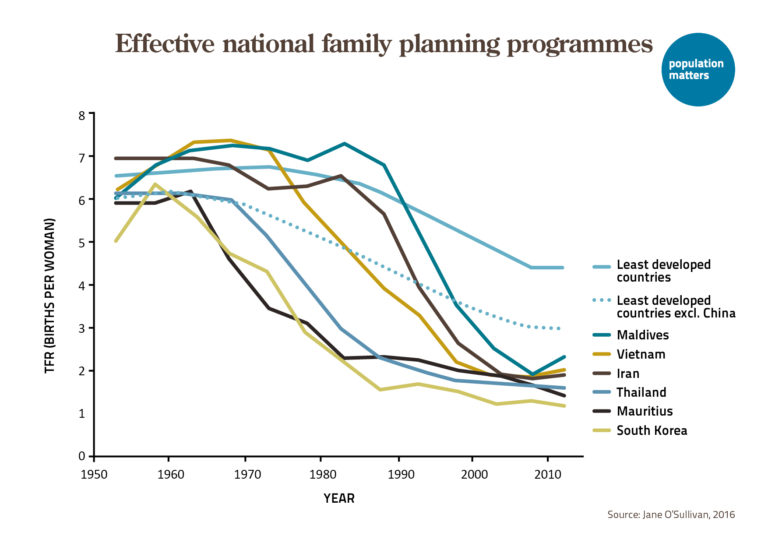
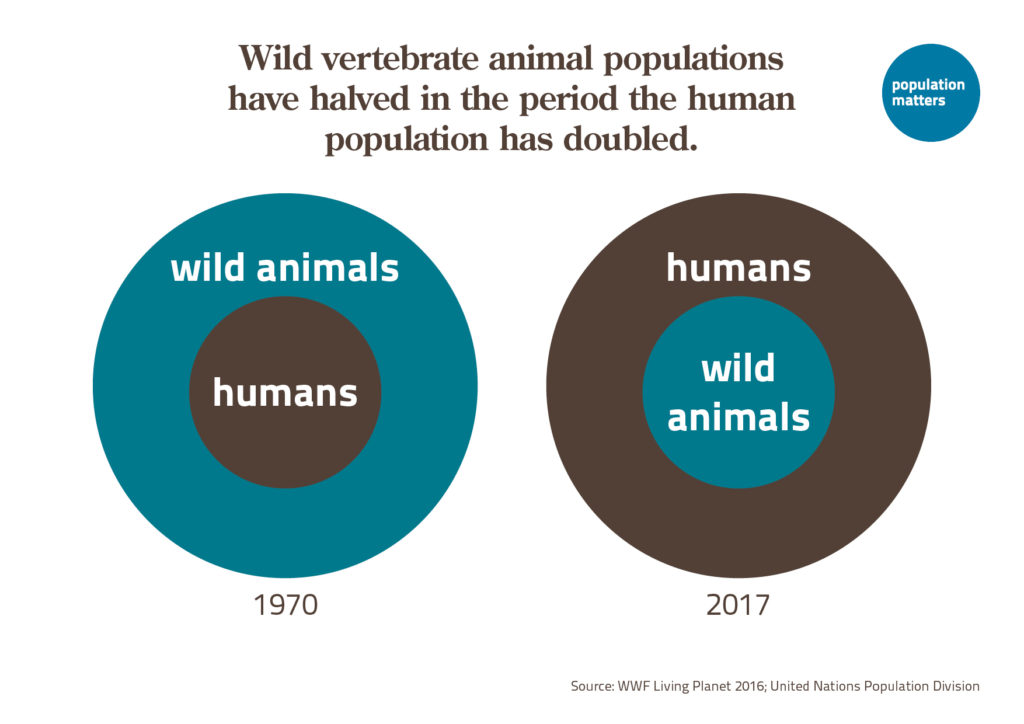
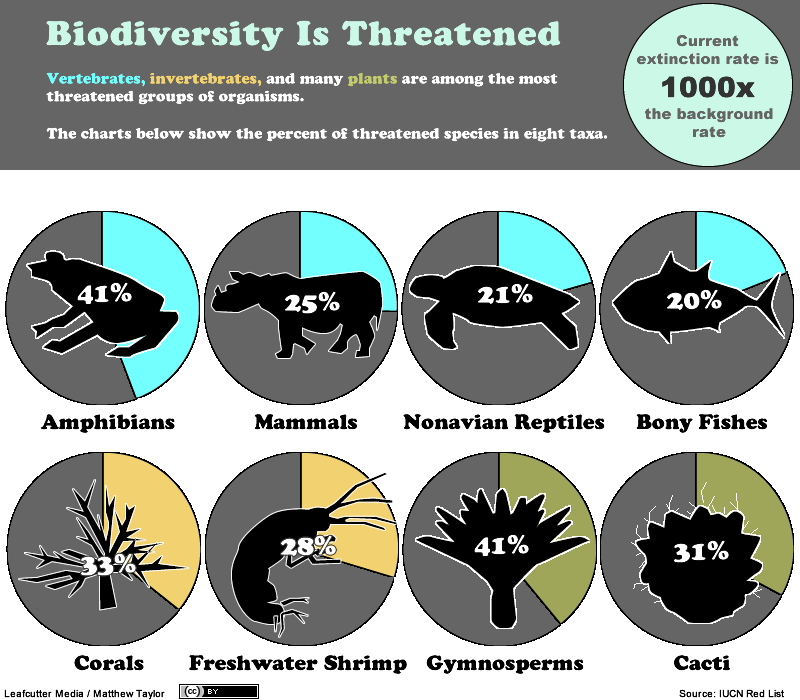
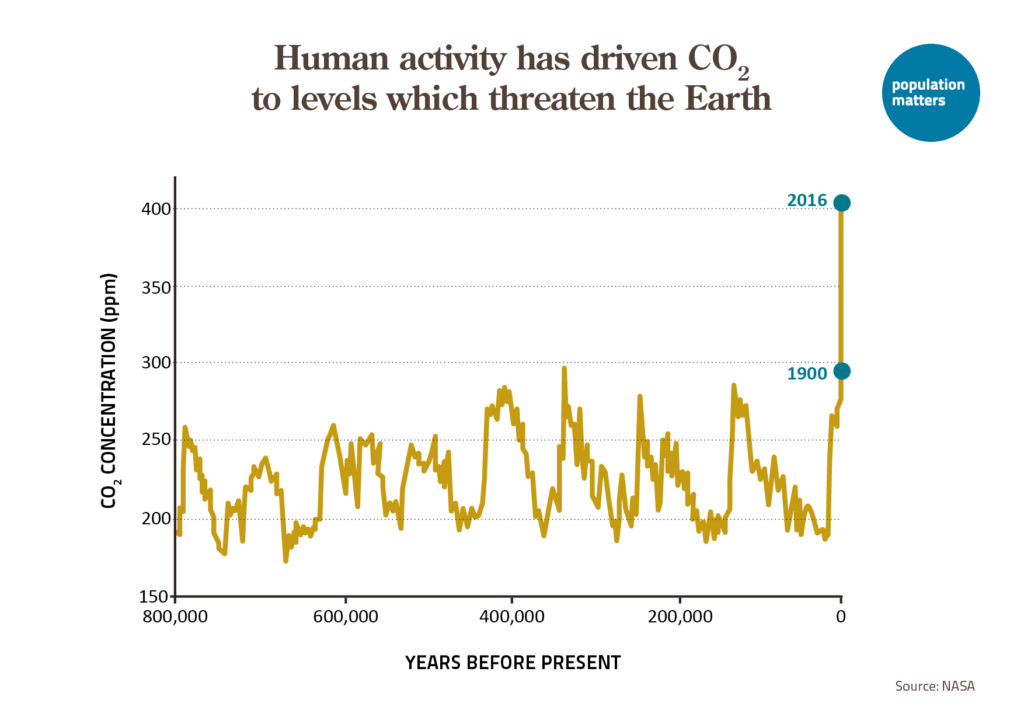
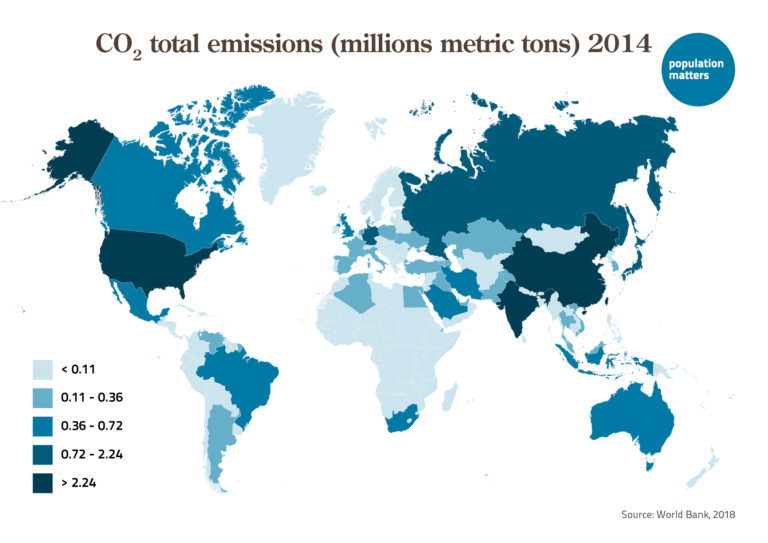
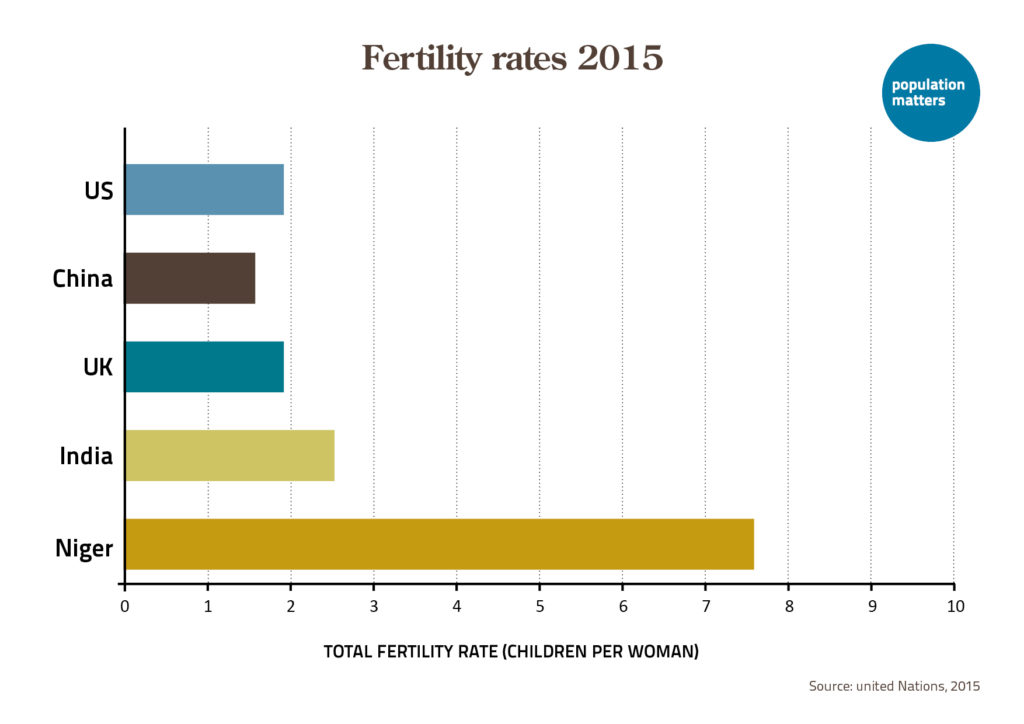
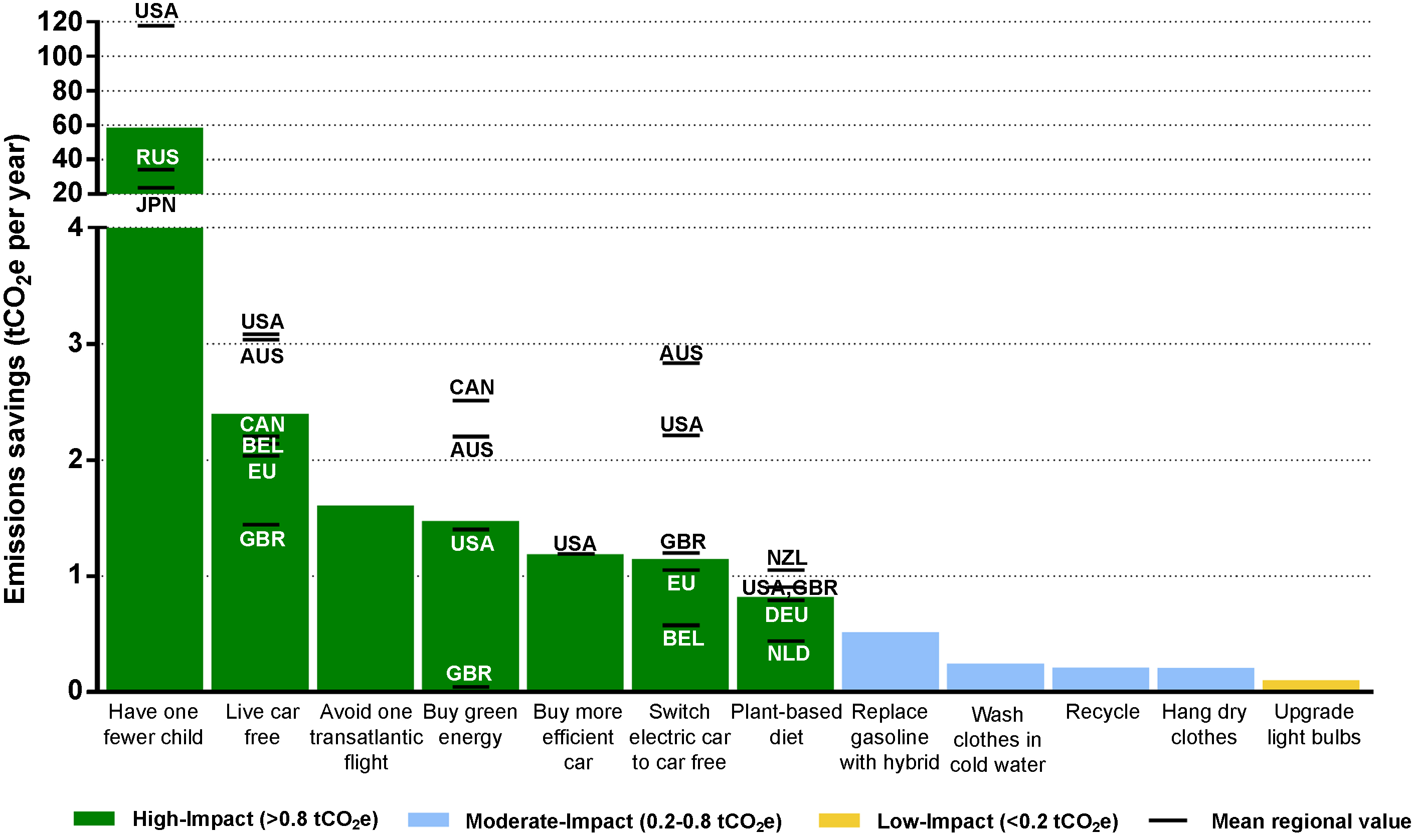
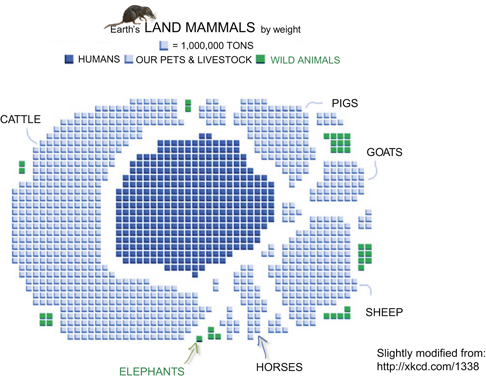
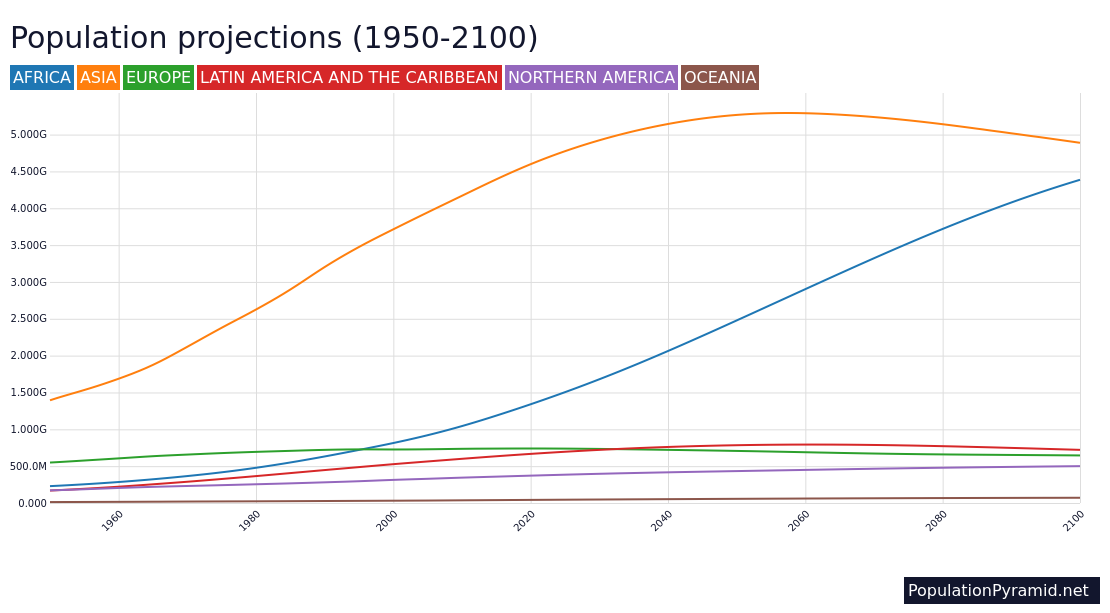
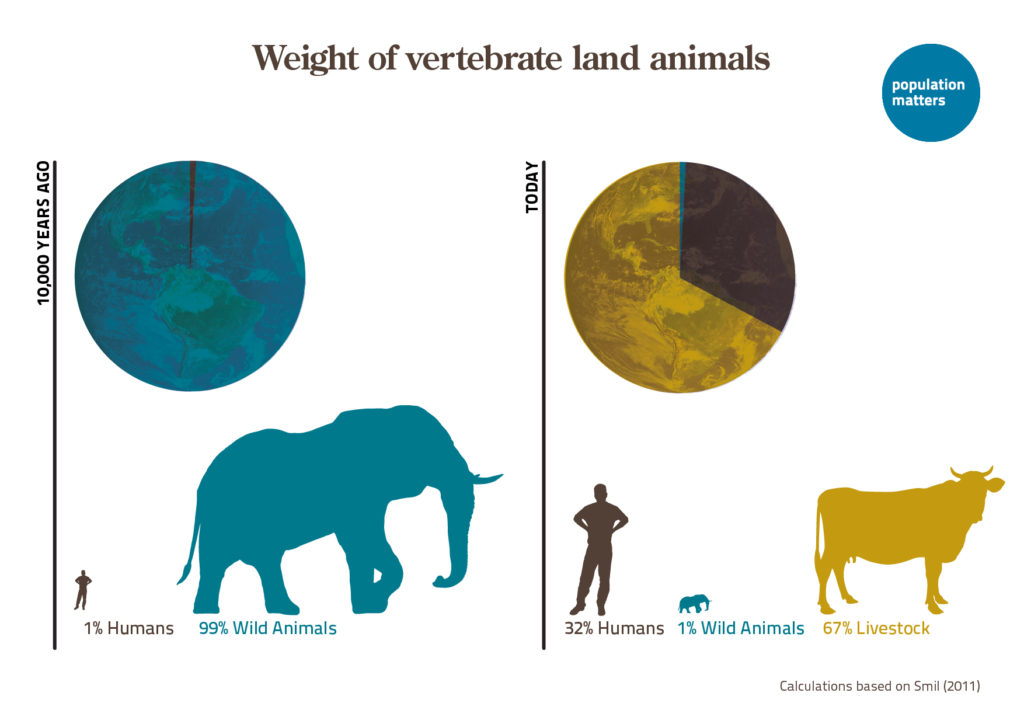
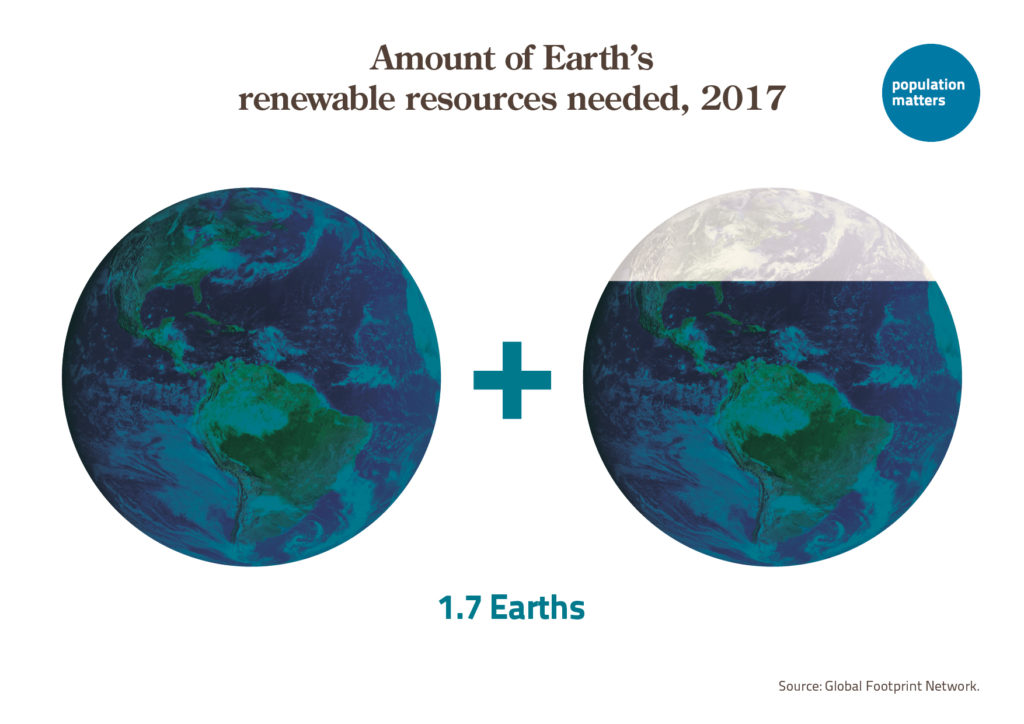
All readers should be aware that globally, humans are not living sustainably. Our impact is because of our numbers and our consumption, with our consumption being very variable depending on the country and socioeconomic status. Readers are also aware that our consumption and our numbers are causing major planetary problems, including loss of species, climate chaos and toxification of our environment. One way to approach sustainability is to decrease our fertility, and that is happening already. More and more people are using contraception voluntarily.
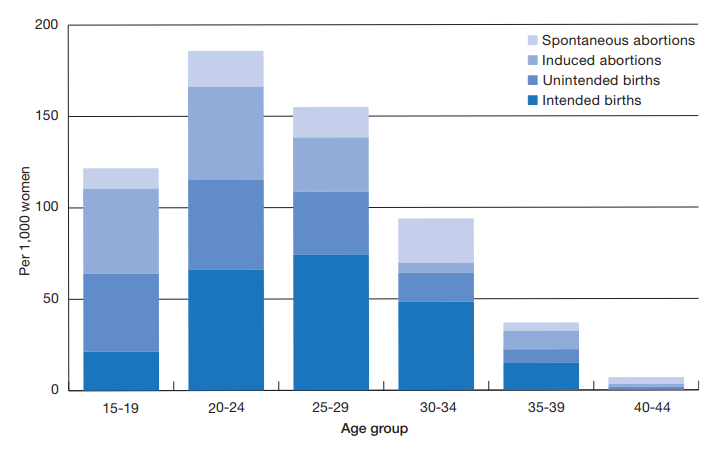
In the family planning literature, it has been stated that it is not possible to achieve replacement fertility without women having access to legal abortion services [e.g. 1]. This is because, even with a high rate of contraceptive prevalence, there are still failures. Unfortunately, there are still more than 120 million unintended pregnancies conceived each year [2]. I did a brief survey, published in the Journal of Population and Sustainability [3], to test the belief that legal abortion is required for a population to achieve replacement fertility or lower.
The Study
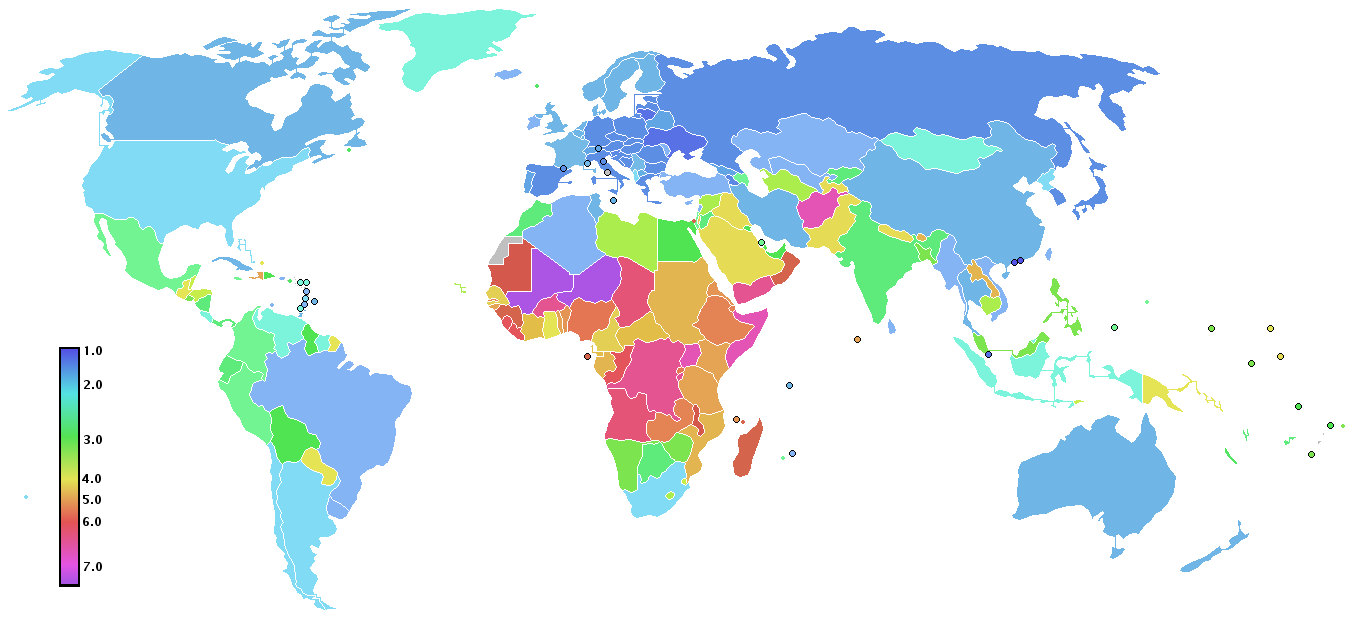
I used the United Nations website World Fertility 2024 to determine countries and territories with Total Fertility Rates (TFRs) equal to or less than 2.10, the threshold for replacement fertility and, eventually, a sustainable population size. The Center for Reproductive Rights website “The World’s Abortion Laws” was used to determine the legal status in each country. They used five categories, going from abortion is totally illegal in any circumstance to abortion being available on request. The two most stringent categories are a total ban, and abortion only allowed to save a woman’s life. In the USA, at least, it is very rare for a woman to have an abortion to save her life. These databases were used to search for countries that disobeyed the truism that legal abortion is required for sustainable fertility.
To my surprise, I found that there were 28 countries that fit these criteria of low fertility and laws forbidding abortion. Most of them are small or very small, and 19 are islands.
How did these countries have low fertility without legal abortion? In some cases the reason is evident. For instance, it is just a short distance to travel for abortion care on request in two. The island of Saint Martin is divided between Holland and France without any barrier to crossing from one to the other. Abortion is forbidden in the Dutch part, but freely available in the French half. Similarly, the tiny country of Andorra forbids abortion under any circumstance, but it is simple to go to either France or Spain, both having liberal abortion laws.
Some of the island nations in the Caribbean have strict abortion laws, but the physicians have an agreement with law enforcement to allow provision of abortion care. [4]
Because the fertility in Bangladesh is slightly greater than 2.10, it is not included in the 28 cited above. It is worth mentioning, however, because it has an interesting way of getting around the law. Abortion is illegal there except to save a woman’s life, however Menstrual Regulation (MR) is allowed up to 10 or 12 weeks since the first day of the woman’s last menstrual period. MR consists of starting a woman’s menses with herbs, medications or with a procedure to remove the uterine contents. The latter is usually done with suction aspiration, the same way abortions can be performed, however it is done without knowing if the woman is pregnant or not. MR was legalized in 1979 because of concerns over the high maternal mortality from illegal abortions.
How do other countries achieve low fertility rates with contraception but without legal abortion services? I do not know, but believe that illegal, unsafe abortion is often the answer. Now that safe abortions are available using pills, many women have access to misoprostol alone or to the combination of both mifepristone and misoprostol, making illegal abortions much less dangerous than in the past.
Oral medications for abortions are available from the black market in many places. Unfortunately, the fact that they are purchased on the black market causes price gouging and can be associated with other abuses. An example is the BBC documentary that showed a deal in Honduras between an untrained man and a woman with an unintended pregnancy. [5] He sold her four tablets of misoprostol, which is half or less of the dosage recommended by the WHO. Most tragic is that, if the abortion doesn’t occur because of an inadequate dosage, the baby might end up with Moibus syndrome, a serious congenital problem that can be caused by misoprostol.

Disease and Prevention
Let’s look at how someone with a public health background considers reproductive choices. Public health recognizes three levels of prevention. The first keeps the disease or other problem from occurring. The second includes early detection and treatment, and the third aims to minimize the effect of the disease or problem. Primary prevention of unintended pregnancies includes abstinence or using contraception. Secondary prevention would include abortion. Prenatal care, consideration of adoption and offering postpartum contraception would be included in tertiary prevention.
Women resort to abortion for various types of failure. Perhaps the most common would be failure to use contraception, or failure of a contraceptive method. Rape is the failure of a man to respect the woman. Abortions are sometimes performed because the fetus failed to develop normally. There are also failure of relationship, failure of a job to materialize, etc.
We recognize the importance of access to safe abortion care for secondary prevention of an individual. In addition, limiting human population growth through family planning (including abortion) should be considered primary prevention for care of our environment and of non-human species.
My country, the USA, has unfortunately limited access to abortion care in several states. Those states where abortion has been limited or is totally illegal have shown adverse effects from this action, including increased infant and maternal mortality rates. [6]
Conclusion
I found that legal abortion is apparently not always required for sustainable fertility. However, it is certainly preferable for women to have access to legal abortion in case of an unintended pregnancy.
It is my hope that access to effective contraception will become available to all those who wish to limit their fertility. Because no contraceptive method is completely effective, and because other failures cause unintended pregnancies, I also hope that safe abortion services will be available to all who need them.
Finally, I hope that people recognize that, in addition to great benefits to individuals, that family planning has global benefits. In fact, family planning may be the least expensive and most effective way to approach sustainability.
Dr. Grossman writes a monthly blog on aspects of human population. It is available at: www.population-matters.org (the hyphen is necessary) You can subscribe for free from the website.
References:
[1] Tietze, C. and J. Bongaarts. 1975. ‘Fertility rates and abortion rates: Simulations of family limitation’. Studies in Family Planning 6 (5): 114–20. https://doi.org/10.2307/1964745
[2] Bearak, J.A., A. Popinchalk, B. Ganatra, A.-B.. Moller, Ö. Tunçalp, C. Beavin, L. Kwok and L. Alkema. 2020. ‘Unintended pregnancy and abortion by income, region, and the legal status of abortion: estimates from a comprehensive model for 1990–2019’. Lancet Global Health (8): e1152 1161. https://www.thelancet.com/retrieve/pii/S2214109X20303156
[3] Grossman, Richard. 2026. Is legal abortion required for sustainable population? https://www.whp-journals.co.uk/JPS/article/view/950/1058
[4] Boersma, A.A., J.F. Alberts, J. de Bruijn, B. Meyboom-de Jong and G. Kleiverda. 2012. ‘Termination of pregnancy in Curaçao: Need for improvement of sexual and reproductive healthcare’. Global Journal of Health Science 4(3): 30–38. https://www.ccsenet.org/journal/index.php/gjhs/article/view/14961
[5] BBC. 2022. Inside Honduras’s abortion pill black market. https://www.bbc.com/news/world-latin-america-63905544
[6] Vavinsky, Rachel. and Mark Mather. 2025. Abortion Bans Linked to Sharp Rise in Sepsis, Infant Death, and Pregnancy-Associated Death, New Research Shows. https://www.prb.org/articles/abortion-bans-linked-to-sharp-rise-in-sepsis-infant-death-and-maternal-mortality-new-research-shows/











Leave a Reply