
United States law requires that important federal policies and projects undergo environmental impact statements. While immigration policy has never been subjected to such an analysis, that might be about to change, thanks to a recent court ruling.
by Philip Cafaro
The U.S. National Environmental Protection Act (NEPA) of 1969 mandates that any federal policy or project that might entail potentially significant environmental impacts undergo an Environmental Impact Statement (EIS). Because immigration has a large influence on the overall size of the U.S. population and population numbers are an important factor in determining environmental impacts, federal immigration policy would seem a likely subject for NEPA review. However, immigration policy has never been subjected to such an analysis, at least not officially.

That could now change. Recently, a federal judge for the first time held that US citizens have standing to sue the U.S. Department of Homeland Security for violating NEPA, by taking immigration actions that “unsecured the border almost overnight.” The case, Massachusetts Coalition for Immigration Reform v. Department of Homeland Security, has been brought by Julie Axelrod, Director of Litigation at the Center for Immigration Studies.
Plaintiffs claim that deliberately letting millions of additional people into the United States is an environmentally significant policy. After several rounds of briefing, U.S. District Judge Trevor McFadden held a bench trial to determine whether the Biden administration likely harmed plaintiffs living on the border, by terminating the Trump administration’s border wall construction and ending its “Remain in Mexico” policy for asylum seekers. Having found in the affirmative, he has granted them legal standing. A trial can now go forward on the merits of the case. You can learn more by listening to a recent interview of lawyer Axelrod on the Parsing Immigration Policy podcast.
NEPA, the foundational environmental law of the U.S., established a national policy to use all practicable measures “to create and maintain conditions under which man and nature can exist in productive harmony, and fulfill the social, economic, and other requirements of present and future generations of Americans.” NEPA highlighted the importance of population growth in its originating legislation of 1969, stating at the outset that Congress recognized “the profound influences of population growth” on the natural environment (Title 1, Section 101a). Among NEPA’s primary goals is to achieve a “balance between population and resource use which will permit high standards of living and a wide sharing of life’s amenities” (Title 1, Sections 101a and 101b).
A long line of environmental advocates and scientists have emphasized the important role population growth plays in increasing environmental problems in the United States. President Clinton’s Council on Sustainable Development put it bluntly nearly thirty years ago, in their report Toward a Sustainable America: “The sum of all human activity, and thus the sum of all environmental, economic and social impacts from human activity, is captured by considering population together with consumption.” One of their ten proposed national sustainable development goals was “move toward stabilization of [the] U.S. population.”

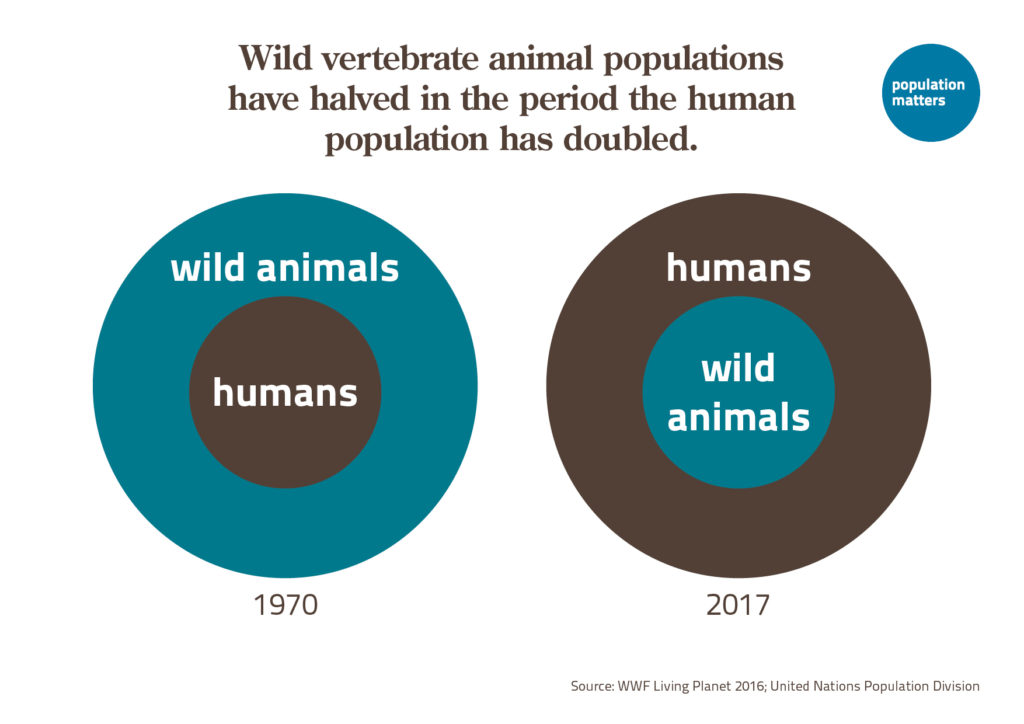
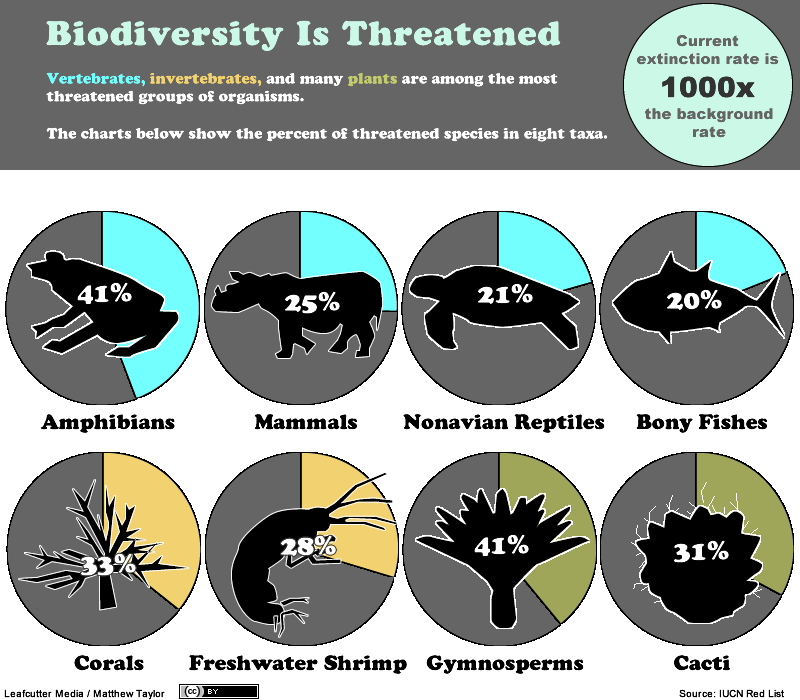
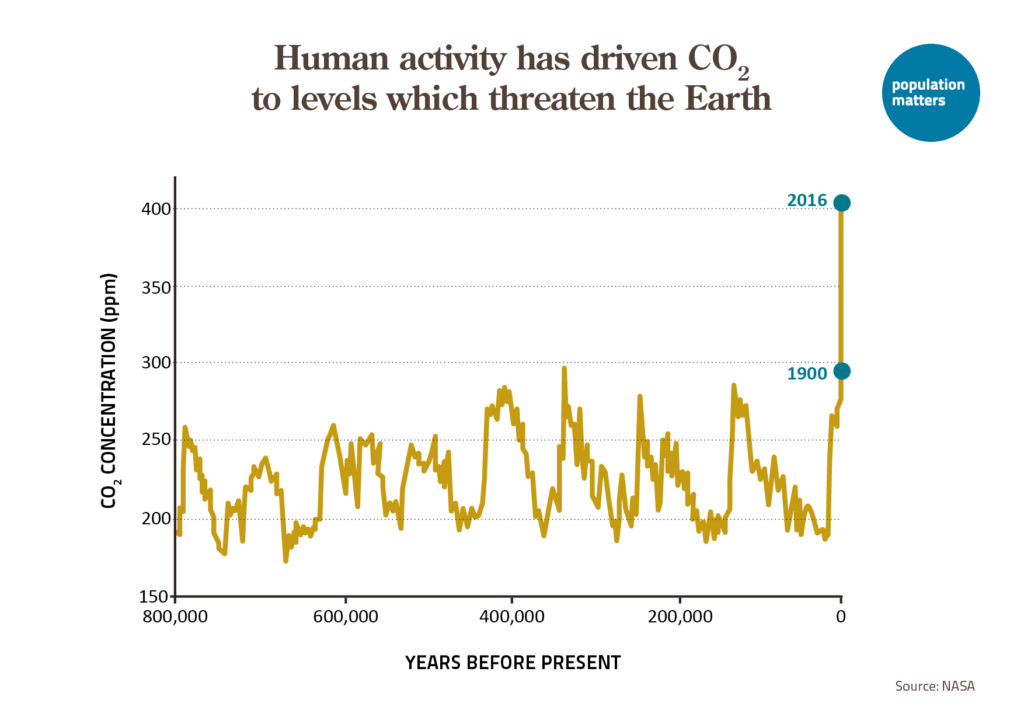
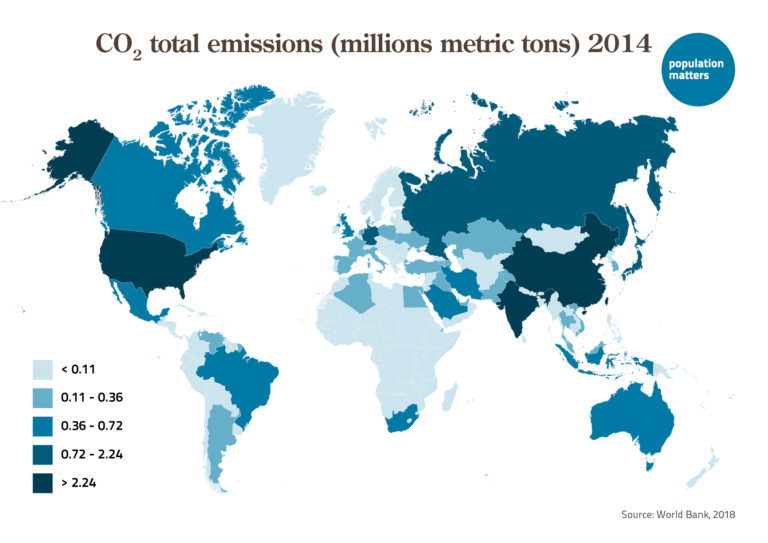
While there has never been an official government EIS on U.S. immigration policy, the advocacy organization Progressives for Immigration Reform did publish an extensive one in 2016. Potential environmental impacts were assessed for three immigration alternatives: net annual immigration of 250,000, 1.25 million and 2.25 million (recent annual net immigration into the U.S. has varied between 1 and 3 million). The study explored six main environmental impacts: urban sprawl and loss of farmland; habitat loss and impacts on biodiversity; water demands and withdrawals from natural systems; carbon dioxide emissions and resultant climate change; energy demands and national security implications; and the global ecological impacts of U.S. population growth.
Click here for the executive summary or the full EIS on U.S. immigration policy. To keep abreast of the ongoing legal case, visit the CIS website and sign up for email updates. TOP would be interested in hearing from readers about similar legal efforts in other countries.











Leave a Reply