The Overpopulation Project
TOP – Research and Outreach
Too many people consuming too much
The views and opinions expressed in guest blog posts are those of the authors and do not necessarily reflect the position of The Overpopulation Project.
-
Conserving biodiversity means limiting human numbers
A recent letter in Biological Conservation criticized TOP researchers for writing about how more people means less space for wildlife. We responded that without limiting our numbers, people will not be able to protect the natural world. Who’s right? Please share your thoughts and ideas in the on-line comments below. by The Overpopulation Project This…
22 comments on Conserving biodiversity means limiting human numbers -
Is it wrong to explore the connections between overpopulation and biodiversity loss?
A recent letter in Biological Conservation criticizes TOP researchers for writing about how more people means less space for wildlife. We are curious what our readers think of the arguments and how you would respond. Please share your suggestions in the on-line comments below. by The Overpopulation Project This summer, TOP researchers published an article…
-
Population and Cheap Labour
Herman Daly has made more fundamental contributions to specifying a truly sustainable economics than any economist of the past half century. At 85, he is still contributing to the development of ecological economics and still tossing off more memorable phrases in a short essay than most of us could work into a book. An example…
-
The Natural Synergy between Population Stabilization and Reproductive Rights
In the second essay we are featuring from the Great Transition Initiative’s forum The Population Debate Revisited, Céline Delacroix highlights the win-win relationship between elevating women’s health, rights and autonomy and minimising population growth. Why then is the topic so unwelcome in international policy discourse? By Céline Delacroix Reading Ian Lowe’s opening essay to this…
-
“Decline and Prosper!” A review of a comprehensive book about fertility by Vegard Skirbekk
A new book by the productive demographer Vegard Skirbekk has the commendable title Decline and Prosper!. It is a valuable resource, presenting much research on fertility around the world. It also raises questions about how to deal with high fertility and population growth in many countries. By Frank Götmark The book, in paperback from Palgrave…
-
Population and the Great Transition
In June, the Great Transition Initiative ran a month-long forum under the title The Population Debate Revisited. The collection of contributed essays is now accessible on the GTI’s site, and makes for interesting reading. We thought three of the essays held particular merit and will republish them here over the next few weeks. The first…
-
Elon Musk is wrong about population growth
Tech entrepreneur and multibillionaire Elon Musk claims that underpopulation rather than overpopulation is the greatest threat that faces humanity, despite current destruction of nature and the millions of people living in extreme poverty. Dr. David Walker examines Musk’s dangerous statements and sets the facts straight. By Dr. David Walker As a South African, I must…
-
Growing populations increase the risk of pandemics
Thank you, László We begin this week’s blog by gratefully highlighting the memory of László Szombatfalvy, Stockholm, who recently died at the age of 94. In his book The Greatest Challenges of Our Times László describes overpopulation as the overarching threat to Earth and humanity, above other existential threats. He and his research foundation supported…
-
World population is growing faster than we thought
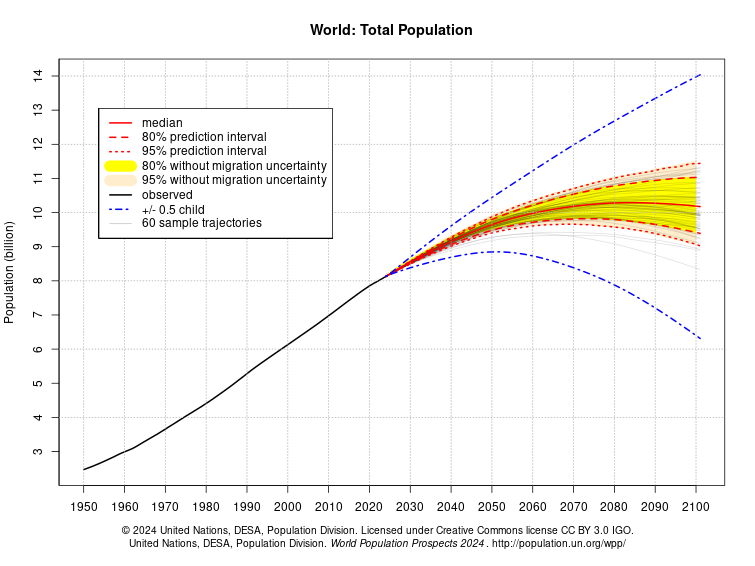
We’ve all heard the aphorism ‘Lies, damned lies and statistics.’ Statistics are an invaluable tool for understanding and responding appropriately to the world, but when the numbers say one thing and the headlines say another, it’s a cause for concern. TOP takes a dive into World Population Prospects 2022. by Jane O’Sullivan The world’s population…
-
3 Women, 2 Countries, 1 Voice for World Population Day 2022
For those times when we feel worn down by the thanklessness of campaigning for population sustainability, it can be uplifting to hear the voices of veteran campaigners whose courage has never wavered. Michael Bayliss introduces us to a conversation to inspire. by Michael Bayliss In the most recent episode of Post-Growth Australia Podcast (PGAP) I…
Explore the content and topics covered by TOP, search here
Recent blog posts
Blog categories
What we are reading, listening to and watching
Gallery of infographics – Learn more about overpopulation and environment