
The Swedish government wants to direct more aid to trade and business. But voters rate such orientation low and prefer developmental support and/or humanitarian aid. The results also show interesting support for assistance to family planning.
(A slightly shorter version of this article was published in Swedish as an Op-Ed in Dagens Arena, an online “radical and progressive” newspaper.)
By Frank Götmark, Ella Köster, Nordhild Wetzler, Malte Andersson
Sweden has a reputation for generously funding international aid, 56 billion SEK (5,1 billion US dollars) in 2024, down from 59 billion in 2023. The conservative government has launched a new focus in international aid; more funding for trade and entrepreneurship, including to Swedish companies. This shift and the decreased aid budget are now much debated. However, knowledge of voters’ current attitudes toward forms of international aid is lacking. We investigated their opinions about four alternatives for aid to Africa by Sida, the Swedish International Development Agency. The humanitarian situation is, despite terrible wars in Ukraine and the Middle East, perhaps worst in Africa.
Our survey, run by the company Indikator in September 2024, went to a representative sample of Swedes 18 years old and older. As knowledge about Africa is limited, the respondents were first given this background information:
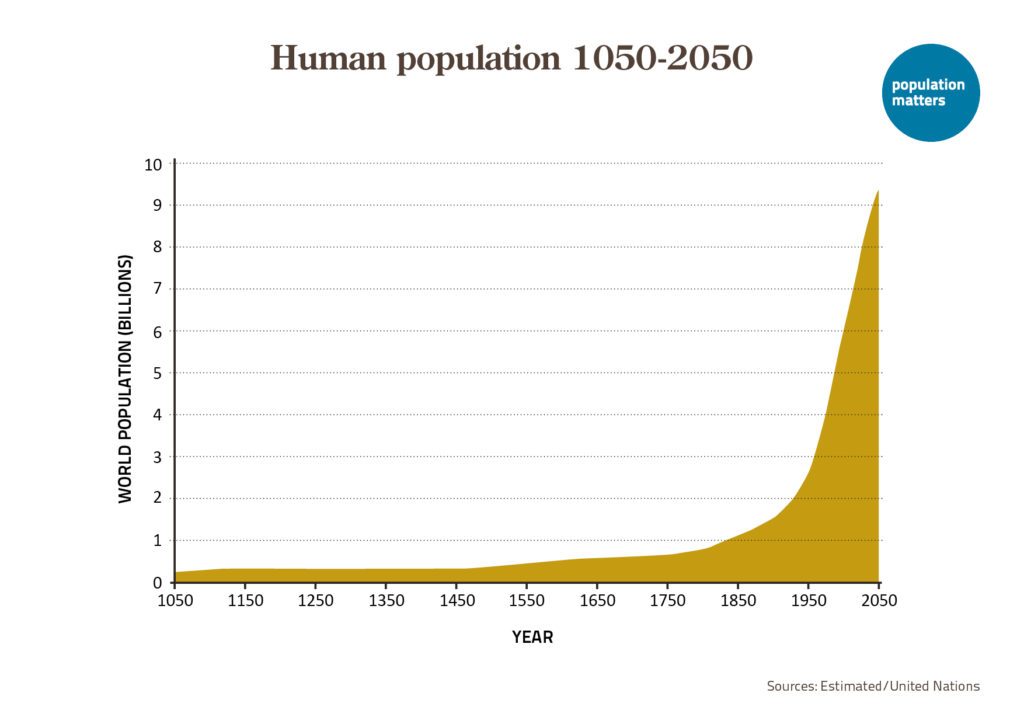
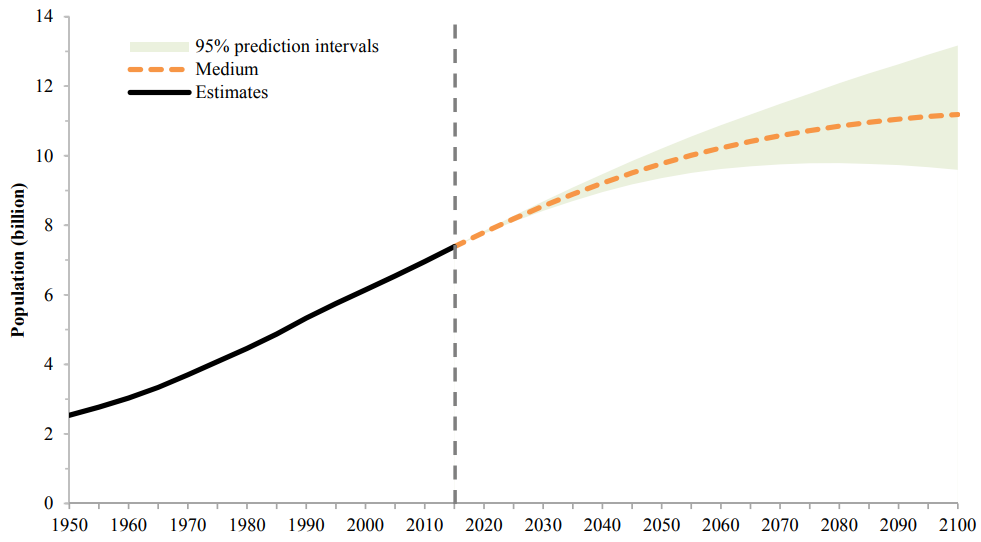
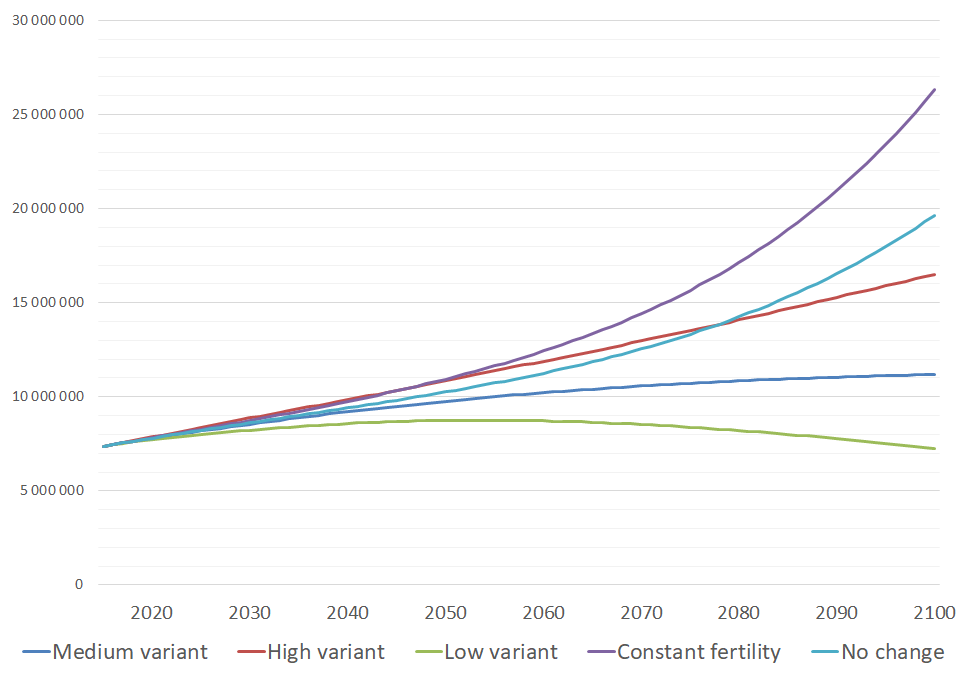
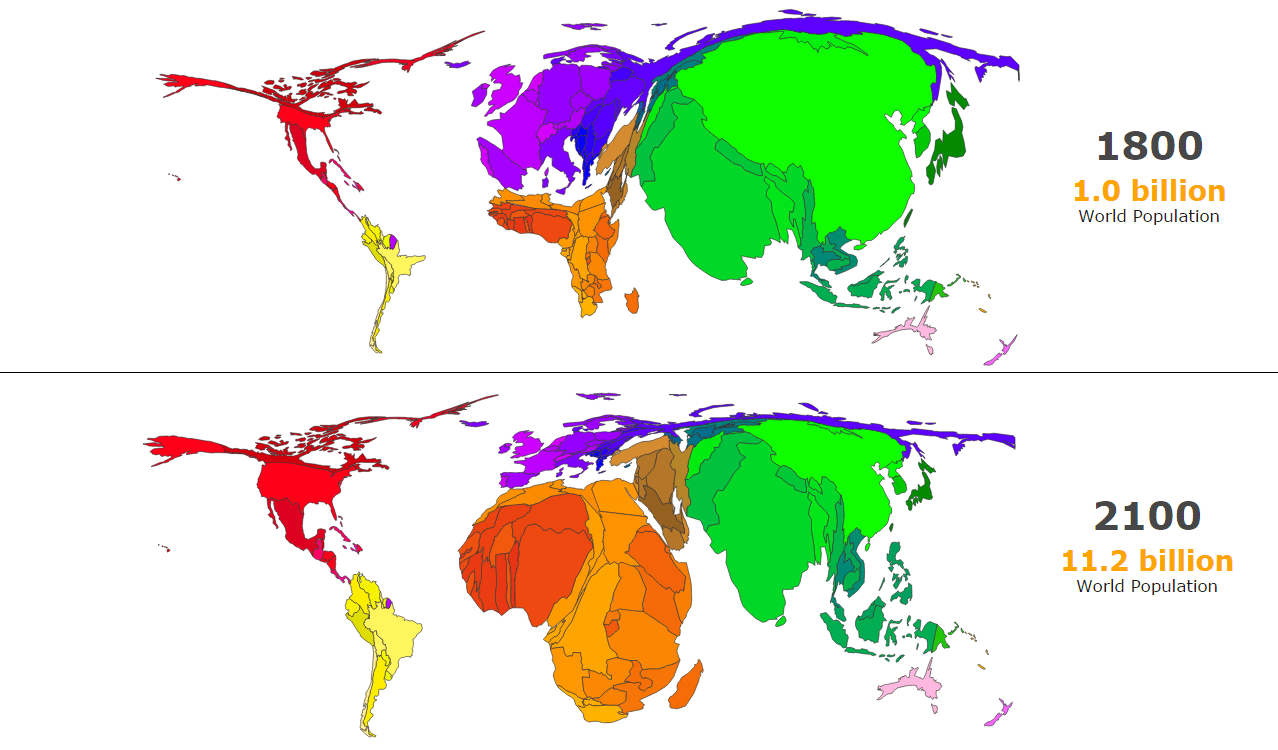
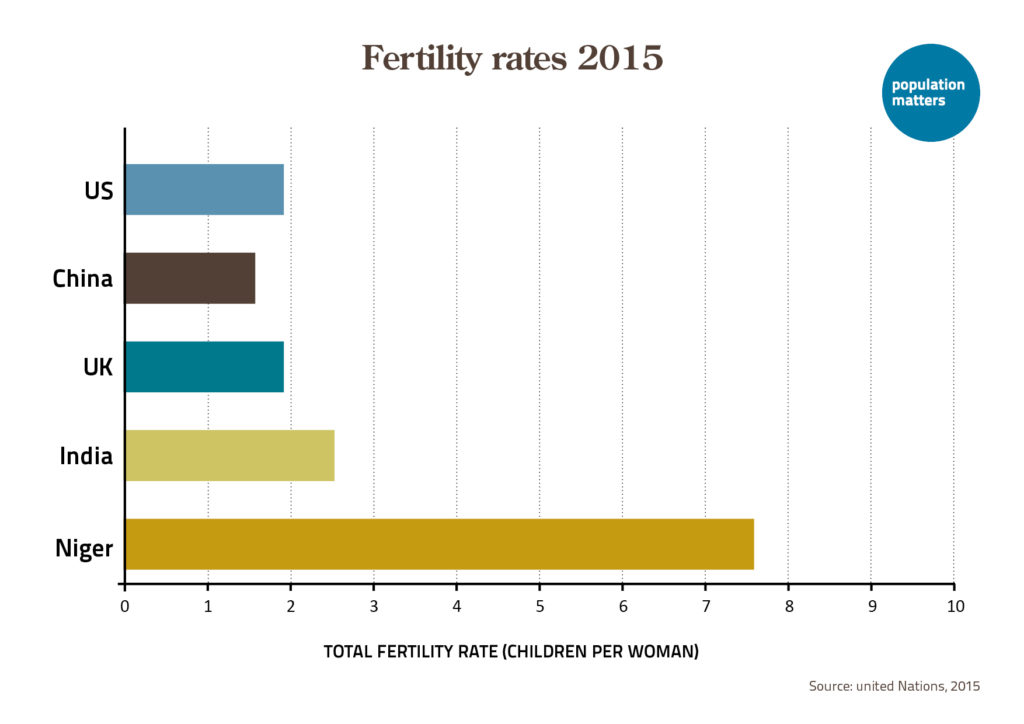
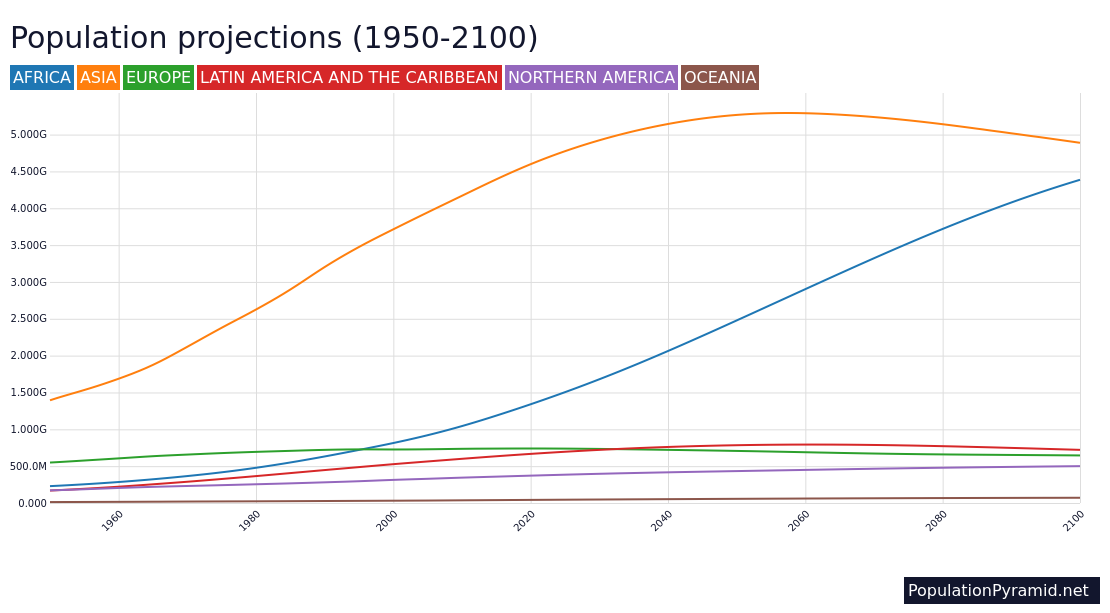
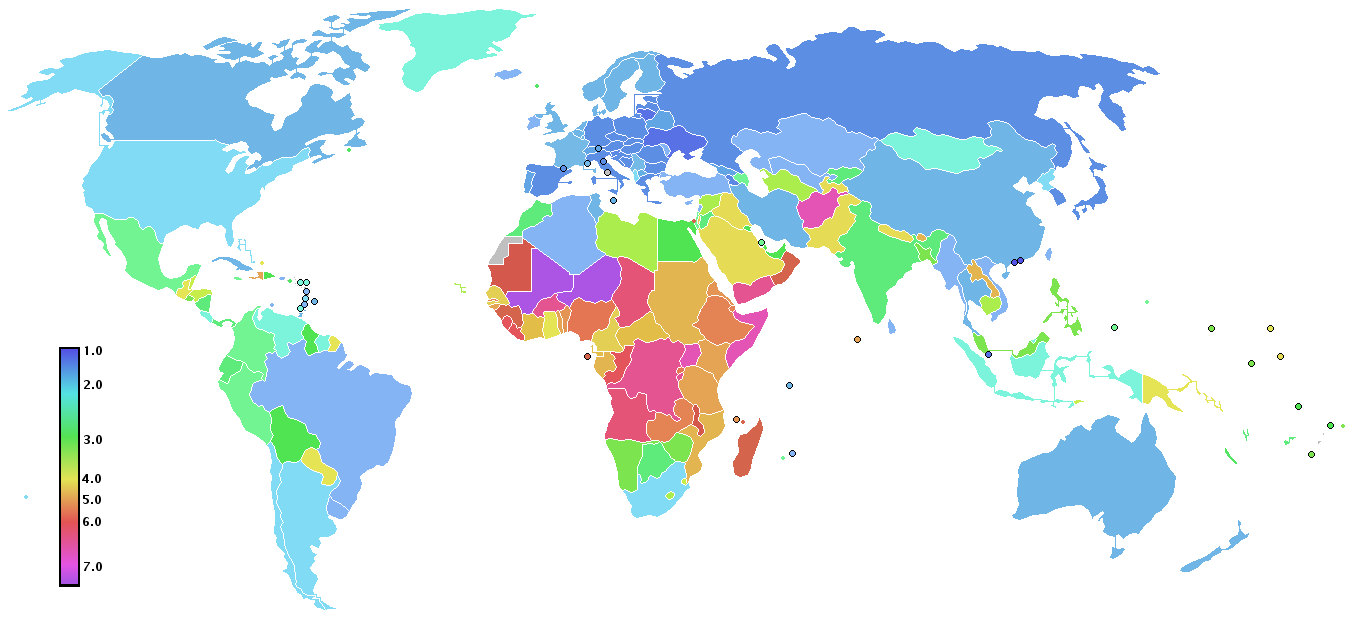
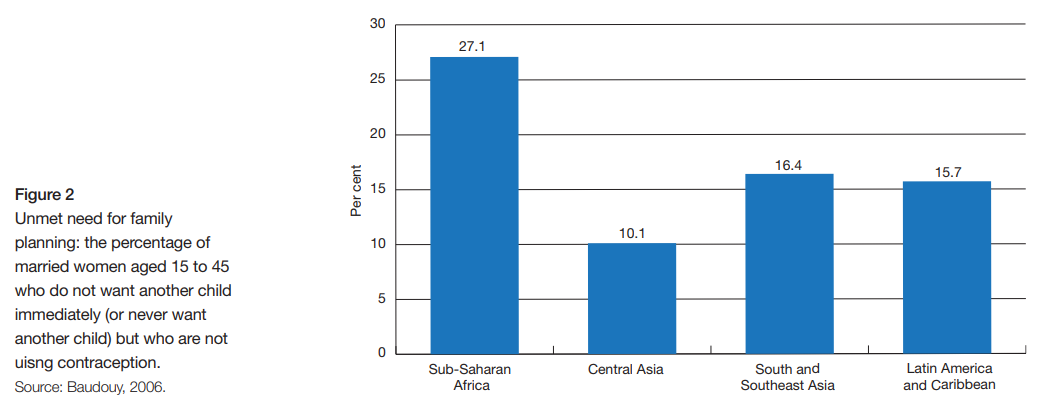
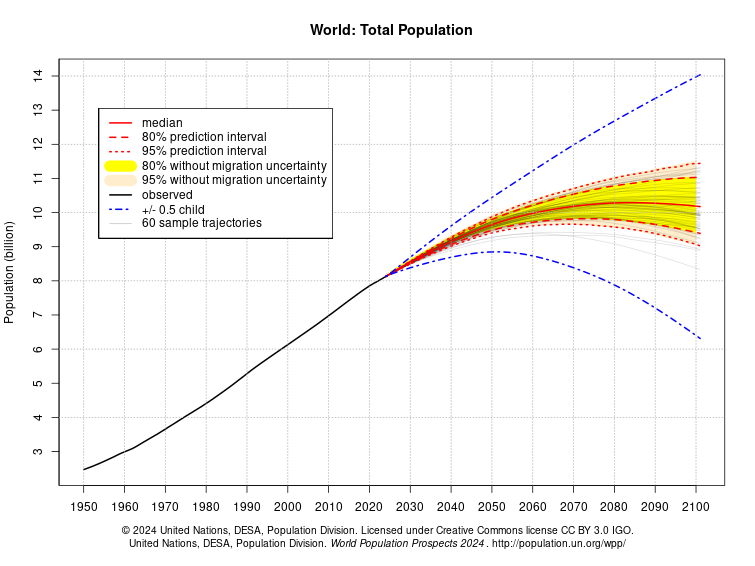
“Swedish aid is primarily aimed at combating poverty and hardship. Africa’s 54 countries face many challenges, including poverty, corruption and unstable governments. Climate change and military conflict are exacerbating already dire conditions. Population growth is high, and Africa’s population is expected to increase from 1.4 billion today to 3.8 billion by 2100. At the same time, access to modern contraceptives is limited and women on average give birth to 4.2 children. Africa’s agriculture is low in productivity and about 300 million are affected by undernourishment, which is increasing. Many young people see migration as the only way out of unemployment and poverty”.
We asked: “Which aid do you think is most important for Africa? Rank the following four options from 1 (most important) to 4 (least important)”:
- For democracy, human rights, equality and health.
- To mitigate undernourishment, famine and consequences of disasters.
- For family planning and lower population growth via information and advice, free contraceptives and more clinics.
- To connect aid and trade through new collaborations with business and Swedish companies abroad.
The first two options refer to Sida’s traditional development support and humanitarian aid, respectively. Option three, family planning, is almost completely absent from Swedish aid. The fourth alternative refers to the government’s new direction. A total of 1300 Swedes responded to the survey.

The government’s new direction for aid received the lowest support: only 5.5 percent ranked this alternative highest, and 62 percent placed it last. High and similar support was given to development and humanitarian aid: 42 percent and 41 percent of the respondents ranked these first. 12 percent of the respondents ranked assistance for family planning (FP) and reduced population growth highest.
The mean ranking (rank 1-4) of each alternative follows the same pattern: highest ranked were development and humanitarian aid (both means 1.9), then family planning (2.8), and last trade and cooperation with business (3.4). Respondents’ age, gender and education had only a marginal impact on these averages.
Undernourishment, diseases, wars and conflicts in Africa probably contribute to many wanting to support humanitarian aid (to a greater extent than in Sida’s aid budget for 2023). Many also see development support as more important than a focus on trade and business. Trade and entrepreneurship are ranked low, perhaps because economy and growth are already central goals of African governments.
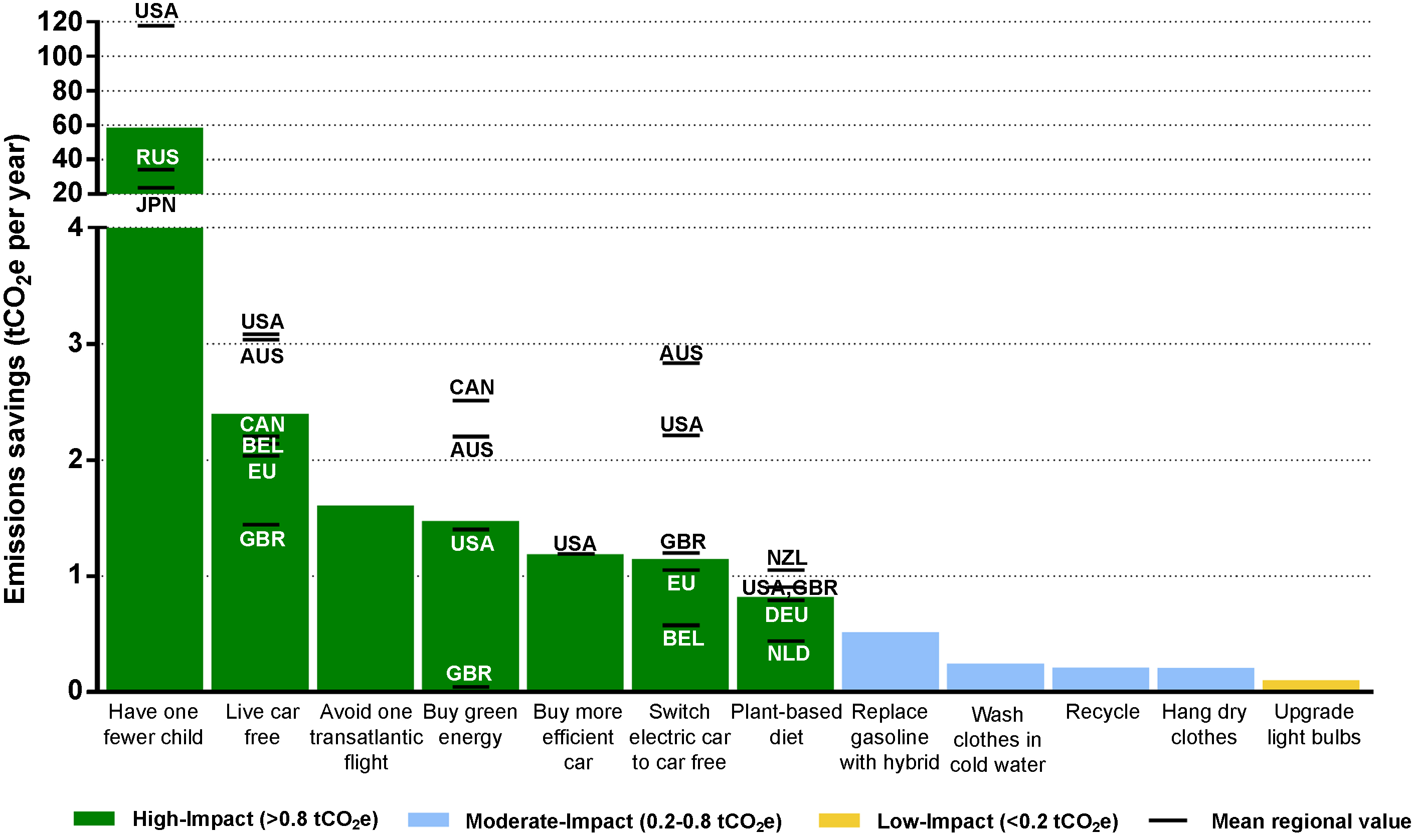
Would FP have been ranked higher if the respondents knew more about the demographic situation in Africa, and what FP may achieve? Sida gives little support to FP programs and does not present information about the dramatic present and future problems caused by population growth in Africa. The media and researchers largely ignore the subject. Our information text that preceded the four alternatives may have contributed to family planning still receiving some support.
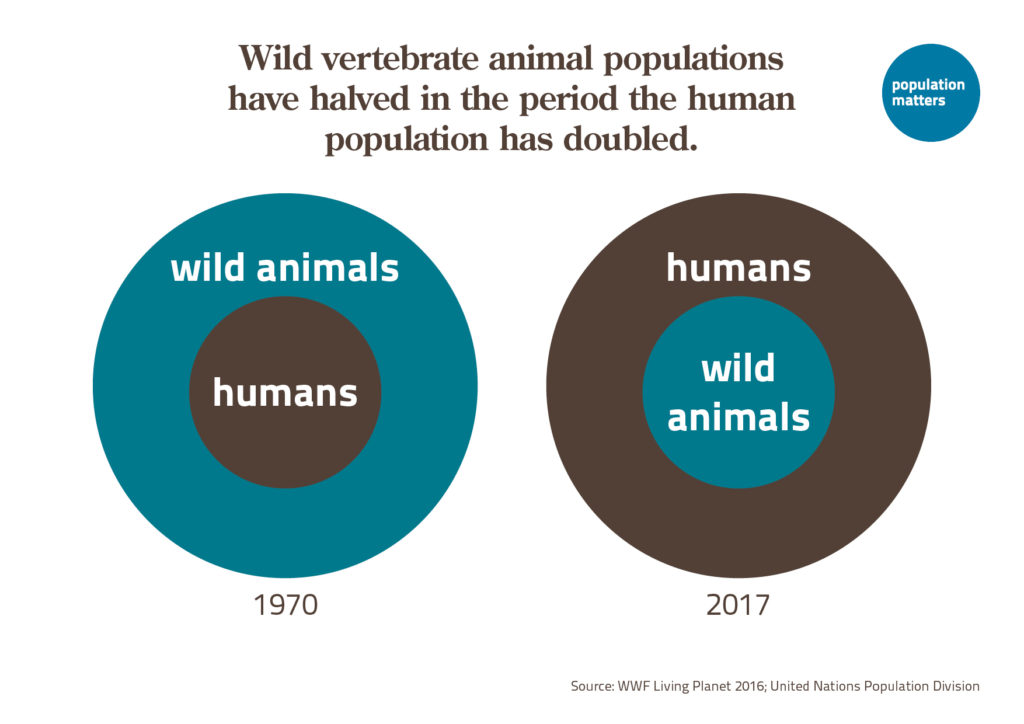
Only about 1 percent of the world’s international aid went to FP programs in 2016. Rapid population growth in Africa (2.4 billion more people by 2100) requires enormous efforts to combat poverty, undernourishment and environmental problems. According to one study, food security may deteriorate more due to population growth than to climate change by 2050. And the risk of conflicts could increase if the number of young men without job prospects continues to grow.
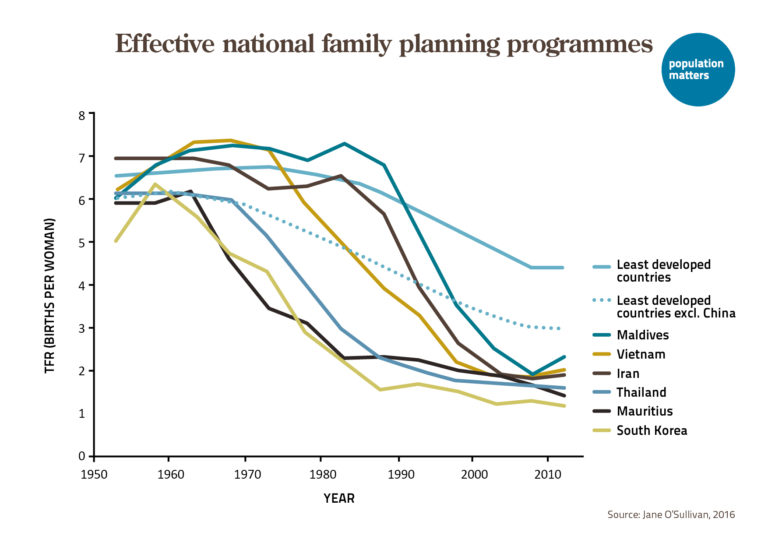
Education combined with FP programs increases contraceptive use in Africa, but such programs are opposed by some leaders and conflict with patriarchal norms that are strong in the region. Africa’s need for increased support for FP programs is therefore great and new research shows that they have a positive effect. African countries also report national policies to reduce birth rates, which increased international FP aid would support.
As the Swedish government reconsiders its foreign aid programs, efforts for family planning should increase significantly and be emphasized in instructions for Sida’s aid.
(Few people may be aware that Sida over a long period supported successful family planning programs in many countries. See film interview by a pioneer, here, and help spread it to interested viewers.)











Leave a Reply