
September 13 marks thirty years since the United Nations International Conference on Population and Development (ICPD) in Cairo effectively denounced population stabilisation as a development goal. The consequences have been disastrous.
by Jane O’Sullivan
The United Nations Conference on Population and Development (ICPD) held in Cairo in September 1994 profoundly shifted the UN’s approach to population issues.
Henceforth, according to the new framing, family planning should only be provided for the sake of women’s reproductive health and rights, not for any demographic motive. This change did not occur because harms caused by population growth were disproven, but because a new ideology falsely claimed all promotion of birth control led to human rights abuses.
The Cairo meeting was only one victory in a longer campaign to discredit family planning. The ICPD’s negotiated text, the Programme of Action on Population and Development still retained affirmation of “interrelationships between population, resources, the environment and development.” It advised, “To achieve sustainable development and a higher quality of life for all people, States should reduce and eliminate unsustainable patterns of production and consumption and promote appropriate policies, including population-related policies” and “Explicitly integrating population into economic and development strategies will both speed up the pace of sustainable development and poverty alleviation and contribute to the achievement of population objectives and an improved quality of life of the population.” While all participants at Cairo supported the greater focus on elevating women’s health and rights, few expected the complete deletion and delegitimization of all population focus from its implementation.
However, the baton passed to the United Nations Population Fund (UNFPA), which has progressively shifted from quietly omitting any language problematising population growth, to aggressively denouncing all population concerns as ‘alarmist.’
To uphold their trumped up demonisation of ‘demographic goals’, a new version of history denied the past achievements of voluntary family planning programs. Prior to 1994, it was claimed, family planning programs (pejoratively labelled ‘population control’) had been conducted “without heed to people’s reproductive aspirations, their health, or the health of their children.” Moreover, they “had been shown by history to be ineffective and even dangerous.”
This was nonsense: the needs of individuals, particularly women, were typically foregrounded in the family planning discourse in the 1960s and ’70s. Family planning had emerged in the early 1900s as a pillar of the women’s liberation movement in Britain and the USA, and that passion for women’s emancipation was central to international family planning efforts. Those efforts were energised by an urgency to rein in population growth, which was rightly seen as a severe impediment to reducing poverty and avoiding hunger. Despite the urgency, the international community insisted this must be done voluntarily.

The World Population Plan of Action, the product of the UN’s 1974 population conference, declared, “All couples and individuals have the basic right to decide freely and responsibly the number and spacing of their children and to have the information, education and means to do so.” In 1973, George H. Bush, Jr. (then U.S. Ambassador to the United Nations) said in a foreword to a history of family planning, “It is, above all, a story of individuals and institutions struggling to solve a new kind of worldwide problem within the framework of individual choice and responsible government.”
A fictitious revisionist narrative can be maintained as long as UNFPA’s ideologues control the conversation, disallowing objective evidence. No UN population conferences have been held since 1994. In 2004 the absence could be justified since the ICPD’s Programme of Action was intended to run for 20 years. In 2014, instead of a full review and renegotiation, only a low-key one-day meeting was permitted “to renew political support for actions required for the full achievement of its goals and objectives.” The Programme of Action was deemed sacrosanct, unimprovable and perpetual, at the same time it was pushed into the shadows by a “Framework of Actions for the follow-up to the Programme of Action of the International Conference on Population and Development” written in-house and omitting all mention of “interrelationships between population, resources, the environment and development.”
The alarming legacy of Cairo
The new agenda coming out of Cairo demoted family planning programs from central pillars of national development agenda to minor activities of health departments. Unsurprisingly, funding for voluntary family planning programs dropped precipitately, both in international aid and domestic budgets. Fertility declines that were underway in several countries, such as Kenya, Egypt and Indonesia, stalled or even reversed. In other countries, fertility has stayed high for much longer than anticipated.
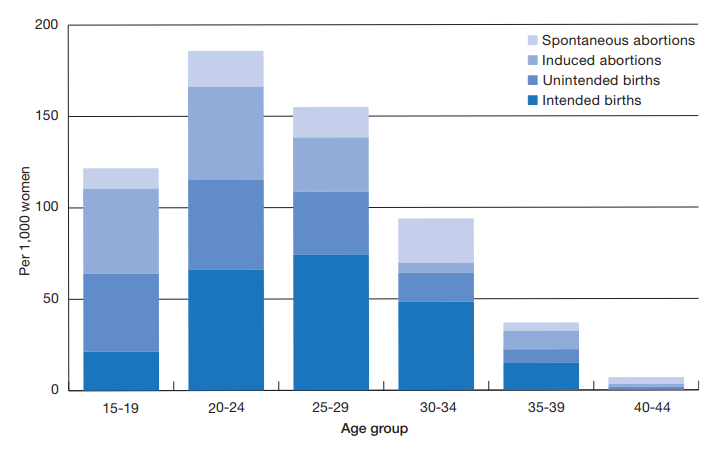
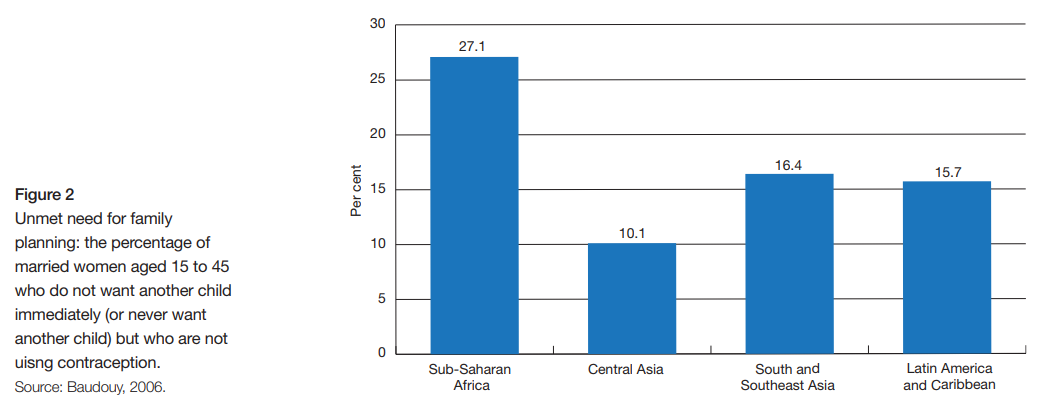
Nor did the new agenda help women. By decimating funding and political will, the well-meaning efforts to improve access to high-quality services simply lack the reach to do so. Globally, the number of women with an unmet need for contraception is undiminished since the 1990s. Family planning veteran, Dr Malcolm Potts, reflected, “The ultimate tragedy is that the idealism at Cairo … has actually left women worse off.”
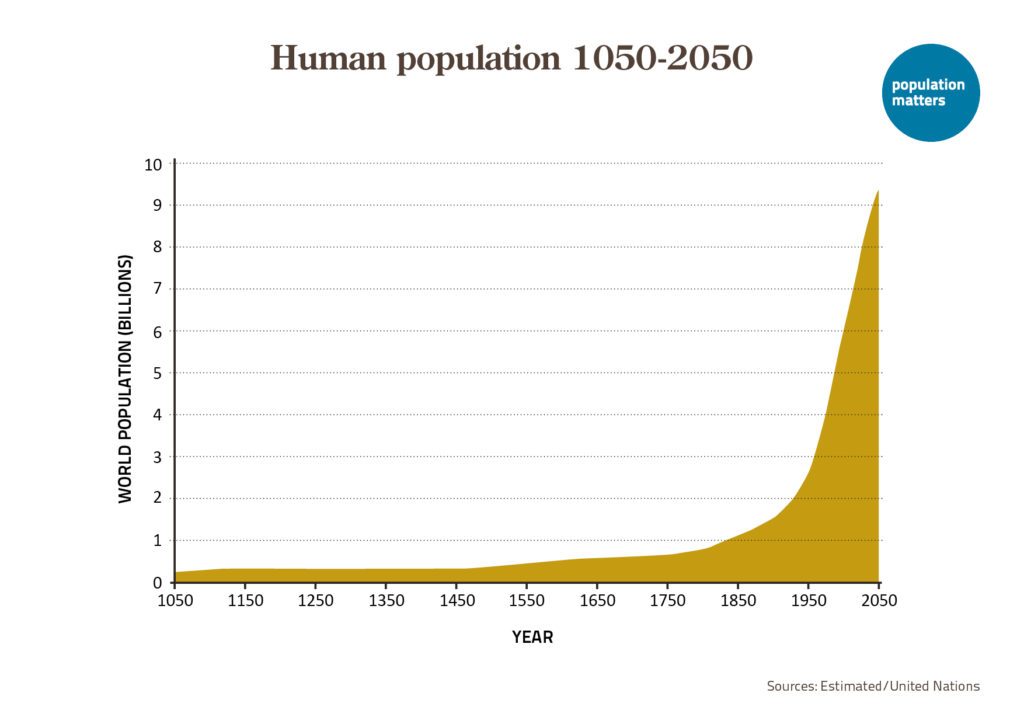
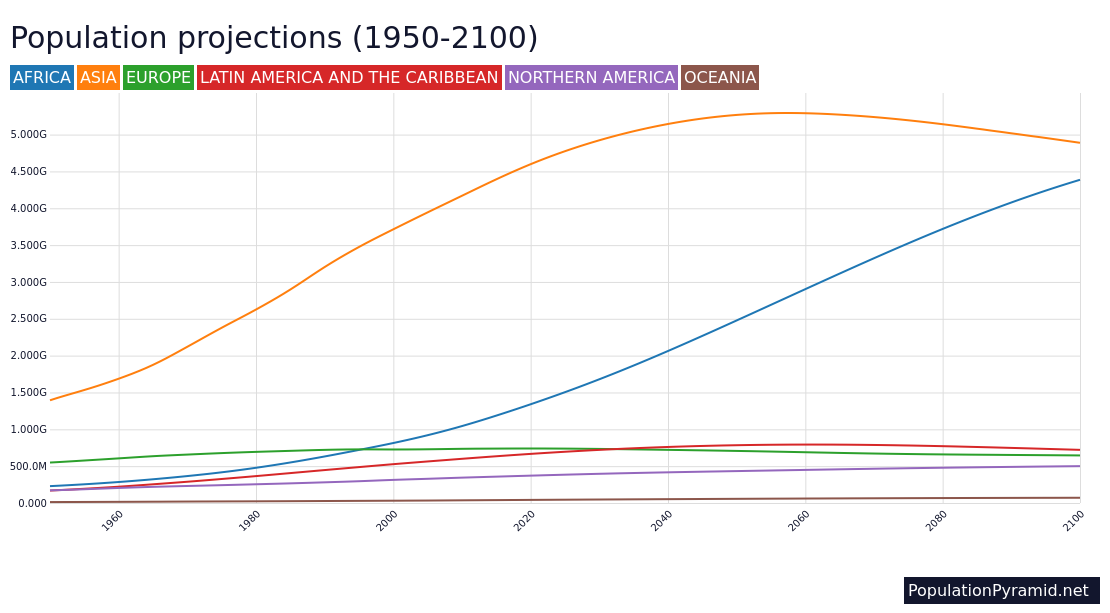
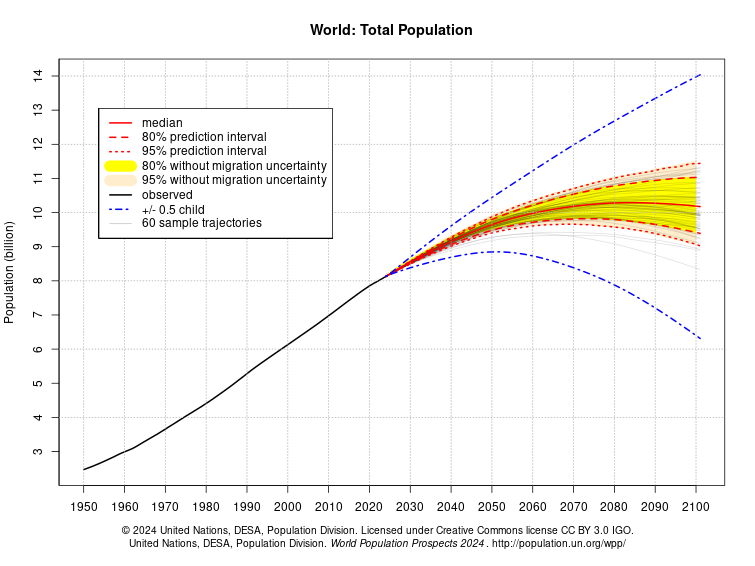
Inevitably, world population growth failed to decelerate as anticipated. Each new release of the UN’s population data has elevated the estimate of current population above previous projections. World population is apparently still growing by about 90 million a year. Yet the media would have us believe an imminent population peak and decline is the bigger problem.
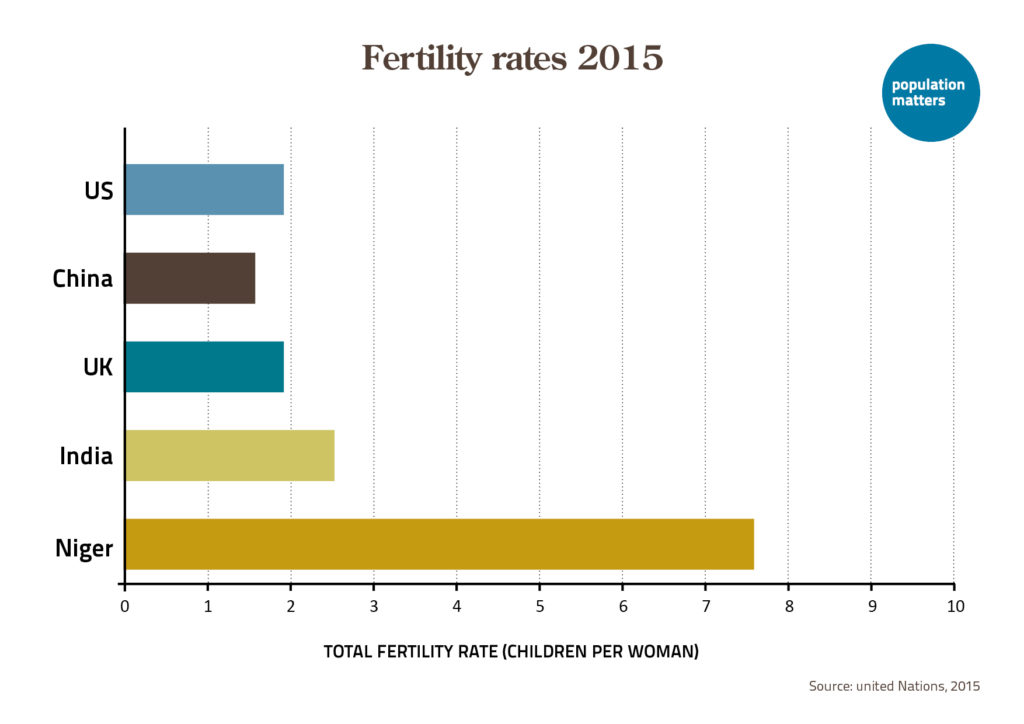
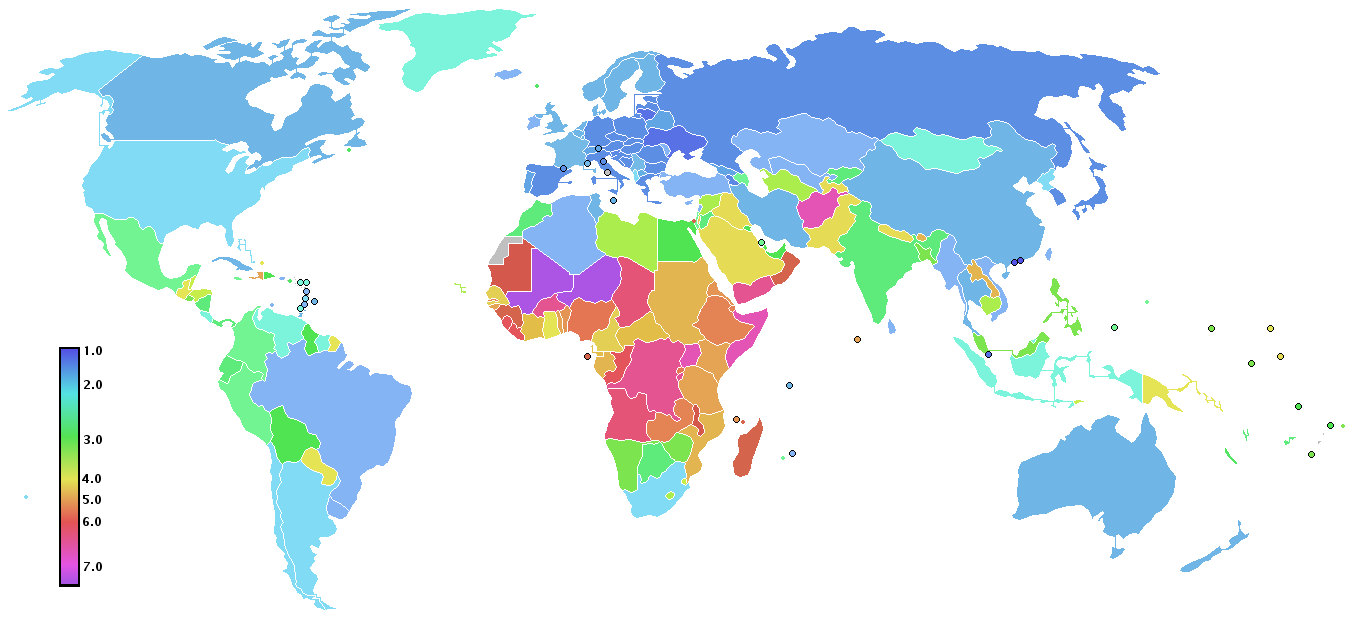
It is not true that birth rates are plummeting around the world. Lower fertility in rich countries will make little difference against the slow progress in high-fertility countries where most births now occur.
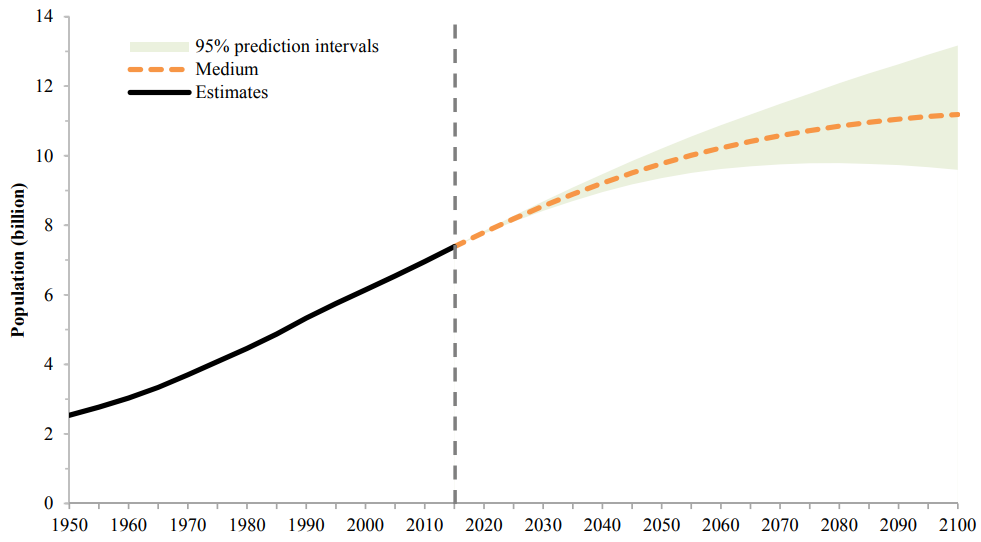
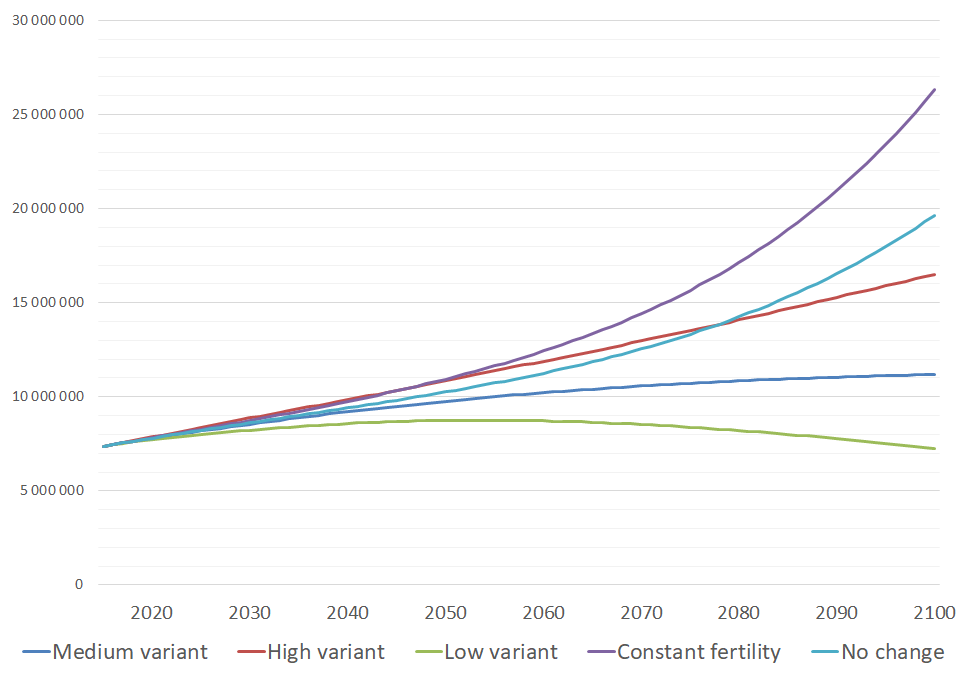
The chart below featured in the UN’s summary of its latest population forecast. It demonstrates that what happens in the remaining high-fertility countries (i.e. those not anticipated to peak in the next 30 years) is the entire game. For all the hand-wringing about a birth dearth in Europe or East Asia, tweeking birth rates there will hardly matter for humanity’s overshoot of Earth’s resources.

This utter calamity in poor, high-fertility countries garners barely a passing reference from the UN. They are in complete denial that:
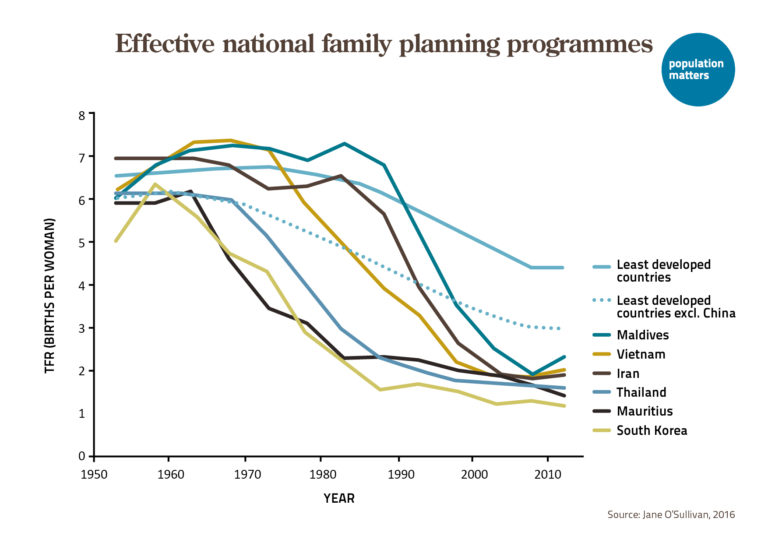
a) the most effective driver of fertility decline has been promoting contraception and smaller families through national family planning programs (not increasing wealth, educating girls, or any other indirect driver), and
b) fertility decline has proven to be an essential prerequisite for economic betterment (not merely a subsequent product of it). In this, the early proponents of voluntary birth control, now condemned by the UNFPA, have been soundly vindicated.
In the following charts, I collated data from all countries whose fertility was above 5 children per woman in 1950 and grouped them according to the speed of their fertility transition. (Countries with very high emigration or immigration were excluded, leaving a total of 82 countries.) All rapid transition countries (Group 1) had national, demographically motivated family planning programs of the sort now condemned by the UN. As Panel C shows, these proved to be the most powerful development interventions ever known. Countries that reduced their fertility increased their per capita wealth the most, by far. Countries that continued to have high fertility have stagnated economically and remain poor.

These programs are what the UNFPA doggedly seeks to obstruct. Still, the UNFPA remains steadfast in its assertion that the changes wrought at the ICPD have “worked like magic”. The conjuring trick has been to deem population growth and fertility decline so unimportant that their dismal progress goes unreported.
It is past time for a new UN Conference on Population
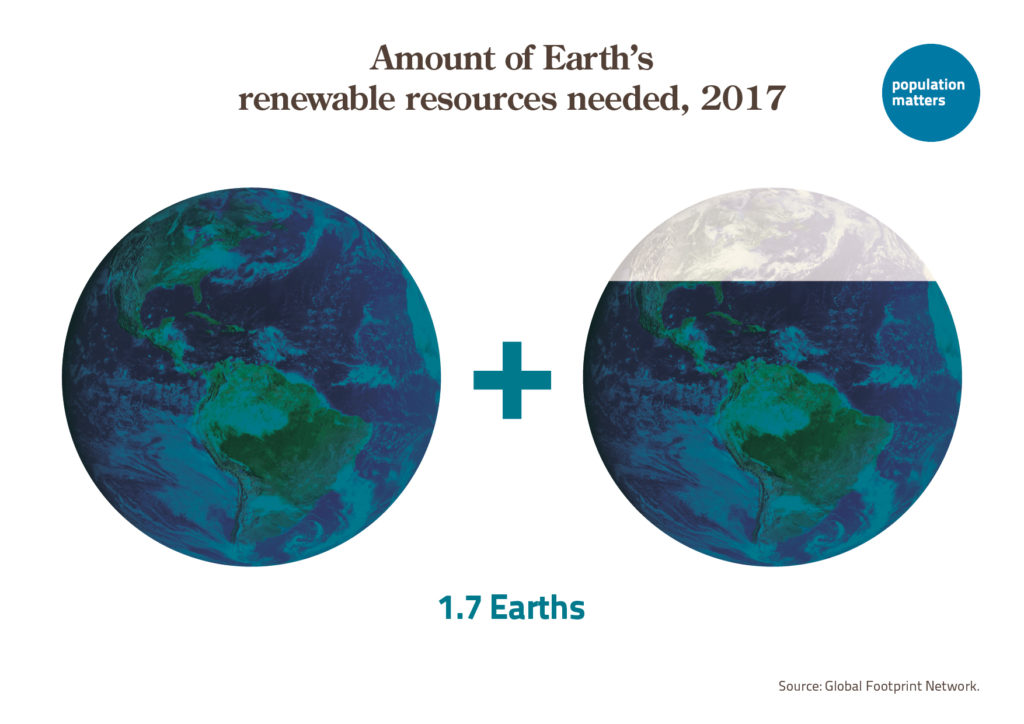
It is time for the world’s governments to reclaim the population agenda away from an ideologically captured UNFPA. A new UN Conference on Population and Development should record that fertility decline has proven to be a pre-requisite for reducing poverty. It should review the science showing sustainable food systems and limiting climate change to 2oC become infeasible if world population exceeds 10 billion. It might conclude population policy needs to address not only reproductive rights but the rights to food, shelter, peace and sufficient natural resources, all threatened by overcrowding. While coercive birth control is never acceptable, involuntary motherhood remains the greater scourge.
Unless political will is refocused on ending world population growth, a new era of famines and violent conflicts seems inevitable.













Leave a Reply