The Need For More Wilderness Preservation

In a picture essay with stunning photos from all around the United States, ecologist and author George Wuerthner highlights how valuable wilderness preservation is for both wildlife and human societies.

by George Wuerthner

Little Sur River Gorge, Ventana Wilderness, Los Padres NF, CA. Photo George Wuerthner

Big W, or designated wilderness as prescribed under the 1964 Wilderness Act, is one of the most biocentric pieces of legislation ever passed by Congress. Under the Act’s mandate, federal lands that meet the essential criteria of roadless character and “untrammeled” by human influence will be protected from resource exploitation so that natural evolutionary and ecological processes are preserved.

Sunset Mt Wrightson Wilderness, Arizona. Photo George Wuerthner

One of the values of wilderness designation is that it sets limits and promotes restraint, traits that humanity needs most. Wilderness designation prohibits most forms of human resource exploitation, including logging, mining, oil and gas development, and motorized access.

Aspen in autumn. South San Juan Wilderness, Colorado. Photo George Wuerthner

Wilderness designation is also one of the most democratic institutions in our society. While some human technologies are prohibited, wilderness areas are open to all members of society with no limits based on race, ethnicity, religion, or political alignment.

Kids with elk antler Cub Creek Teton Wilderness Bridger Teton NF Wyoming. Photo George Wuerthner

Wilderness designation has practical value to society because it protects the purity of watersheds, provides habitat for wildlife, and contributes to ecological processes that contribute to biodiversity.

Horse riders South Unit Wilderness Theodore Roosevelt NP ND. Photo George Wuerthner

Given that most authorities recognize that we are amid the 6th Great Extinction, preserving as much territory for the continuation of natural processes is critical to maintaining a livable planet for all life, including humans.

Hiker on Pickens Nose, Southern Nantahala Wilderness along AT, Nantahala NF, North Carolina. The Southern Appalachian Mountains have some of the highest biodiversity in the U.S. Photo George Wuerthner

In recent years, anthropocentric, politically liberal academics have criticized the idea of parks and wilderness, feeling that preserving nature harms social justice efforts. Social justice is a worthy enterprise, but there is ultimately no social justice on a dead planet.

Musk ox along the Canning River, coastal plain of the Arctic Wildlife Refuge, Alaska. Photo George Wuerthner

Wilderness designation promotes human sanity. Even if you don’t go there, knowing it exists has value to society. As author Wallace Stegner noted, such places are part of a geography of hope. Wilderness designation represents the best attributes of humanity.

East Branch Pemigewasset River, Pemigewassset Wilderness, White Mountains National Forest, NH. Photo George Wuerthner

Wilderness and park preservation is an act of generosity and humility. It recognizes that humans must and can share the planet with the rest of creation.

Swan Peak, Swan Range, Bob Marshall Wilderness, Flathead NF, Montana. Photo George Wuerthner

From a more significant philosophical perspective, these critics ignore justice for nature and life other than from a human-centric perspective.

Boundary Waters Wilderness, Minnesota. Photo George Wuerthner

Contrary to the academic left’s assertion, Nature doesn’t need humans to be “healthy” or “sustainable.” Instead, humans need intact Natural systems.

Hiker in Timber Canyon, Schell Creek Range Wilderness, Humbolt NF, NV. Photo George Wuerthner

One common reframing from critics is that there is no such thing as “wilderness” or “wildlands” since, in their view, every corner of the Earth has been impacted by human endeavors and societies.

North from Kendall Peak, Pacific Crest Trail, Alpine Lakes Wilderness, Mt. Baker-Snoqualmie National Forest Washington. Photo George Wuerthner

No place, they assert, is “pristine.” Pristine is a strawman. Every serious wilderness advocate knows that humans have influenced nearly every corner of the planet, and nothing is pristine in the sense that it is untouched by humans.

Red maple Billies Bay Wilderness Ocala National Forest Florida. Photo George Wuerthner

However, there are degrees of human impact. The Brooks Range of Alaska is under less human manipulation and control than the Los Angeles Basin.

Grizzly Creek, Gates of the Arctic NP, Alaska. Photo George Wuerthner

Wilderness advocates define wildlands as “self-willed.” That is, natural processes dominate and control the landscape and life thereon. The goal of wilderness designation is to set aside tracts of land (and sea) to minimize the human footprint.

Great Swamp Wilderness, New Jersey. Photo George Wuerthner

Some academics criticize the designation of wilderness as a “white man’s” idea and a form of colonialism. Yet every culture around the globe has places that are considered, for want of a better term, “sacred” lands where normal human exploitation, travel, and behavior are deemed unacceptable.

Ponderosa pine, Blue Range Wilderness, New Mexico, Photo George Wuerthner

Setting aside special areas primarily dominated by natural processes is a common denominator of all human societies. Whether they are called “wilderness” or have some other name, the preservation of nature is recognized in all societies as a social good.

Wilderness and parks preserve ancient ecosystems. Hiker views old-growth yellow poplar Ramsey Creek Trail, Great Smoky Mountains National Park, Tennessee. Photo George Wuerthner

Wilderness preservation is our secular American society’s way of recognizing natural values as worthy of special treatment and reverence. Just because American philosophers initially promoted the concept of wilderness does not make it less valuable than Democracy, which originated in Greek society 2000 years ago.

Bison, Sage Creek Wilderness, Badlands NP, South Dakota. Photo George Wuerthner

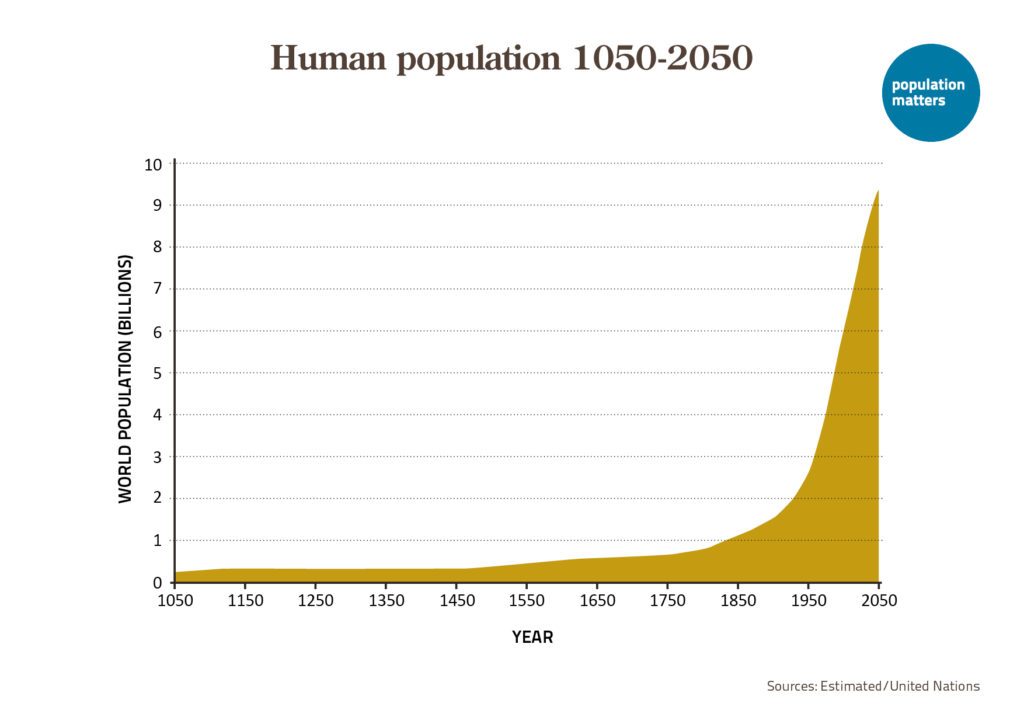
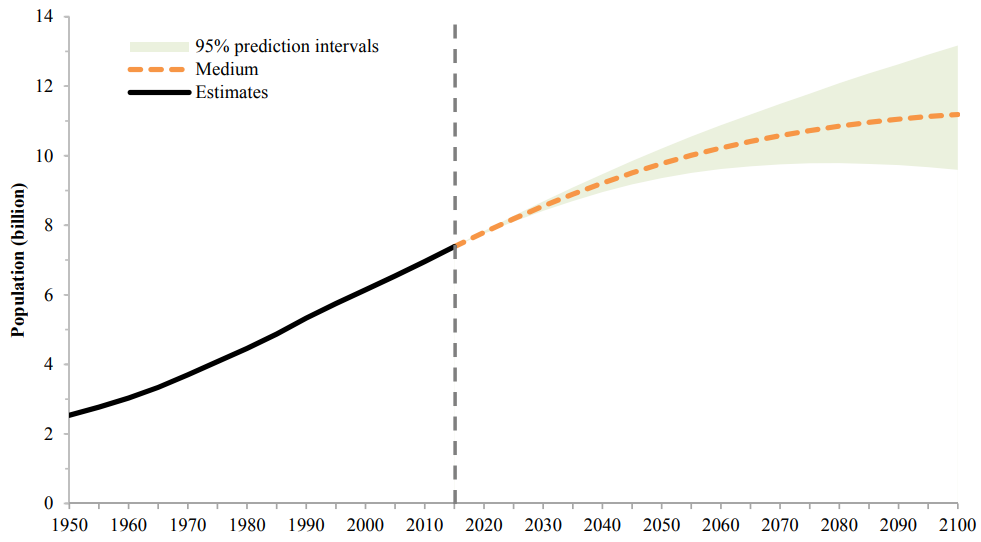
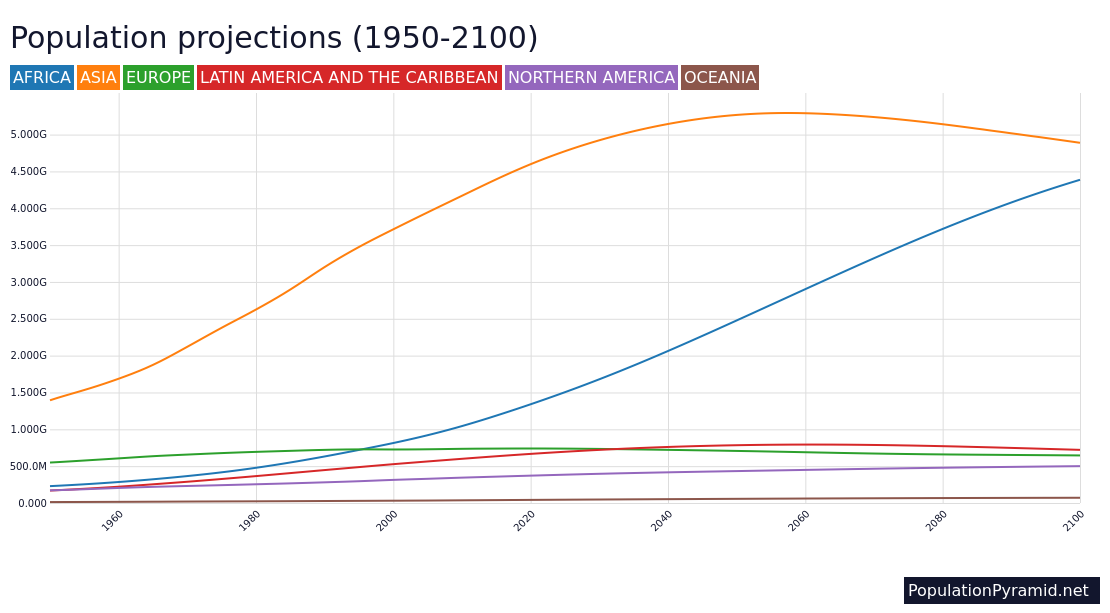
Given the burgeoning global human population and the growing technological ability to manipulate the planet, wilderness preservation has even more value today than when philosophers like Henry David Thoreau, Ralph Waldo Emerson, and John Muir first advocated for national parks and other nature preserves.

Boquillas Canyon, Rio Grande, Big Bend NP, TX. Photo George Wuerthner

Wilderness designation has practical value to society because it protects the purity of watersheds, provides habitat for wildlife, and reminds people that they are outside human influence.

Migration is an evolutionary process that has helped bison survive for millennia. Bison migrating in Yellowstone National Park, Wyoming. Photo George Wuerthner

Research has demonstrated that wildland preservation is the best means of preserving biodiversity because it protects evolutionary and ecological influences that create and support biodiversity.

Cottonwood Wilderness, Utah. Photo George Wuerthner

Ultimately, we do not designate wilderness for recreation, clean water, carbon storage, or any other human need, though it certainly does provide for these things; ultimately, it is about giving a voice and place to the voiceless on the planet.

Balsamroot, Hemingway Boulder Wilderness, Idaho. Photo George Wuerthner

Only 5% of the US land area is formally designated Wilderness under the Wilderness Act, but millions of acres possess the essential criteria for preservation. As a society, we can honor the planet’s evolutionary history by preserving more federal lands as designated wilderness.

Steens Mountain Wilderness, Oregon. Photo George Wuerthner

Thus, wilderness preservation is a gift to the future. It is ultimately about preserving the best of humanity’s traits—respect, integrity, humility, honor, sharing, generosity, and kindness. These values are essential in all societies and worth safeguarding. Wilderness preservation is one way we demonstrate a commitment to these values.

Originally published in The Wildlife News on 2 January 2025

Published

13 responses to “The Need For More Wilderness Preservation”

  1. gaiabaracetti Avatar

    Kind of ironic that so many of these pictures show humans being tourists in these “pure” wildernesses: tourism in any form is one of the most damaging, carbon-intensive activities there are. It’s also very elitist, in spite of what the author says. Most people in the world don’t travel.
    I much prefer the indigenous worldview in which you are allowed to take something from even the “wild” areas, as long as you do it sustainably and respectfully; in which some patches are completely untouched, yes, but you can interact with the rest, in small numbers and over wide areas. If all you do is hike through these wildernesses, you might think you are doing “nothing”, but you still cause disturbance and disruption, while taking your sustenance from somewhere else – double the damage.

    1. Kathleene Parker Avatar

      I couldn’t agree more. Way back in the 1970s, I watched the Weminuche Wilderness in southwestern Colorado become trashed by, quite simply, TOO MANY people loving it, camping there, hiking there, and by their sheer numbers doing it great harm. I saw similar damage in the Canyon Country of Utah and Arizona, plus always someone who sees it all as his personal playground to act irresponsibly, such as the man with his new Jeep Wrangler trying it out on the permafrost of the high San Juan Mountains. Ever the one to be tactful, I asked him if he had to work to be that stupid or if it was just a gift from the dealership.

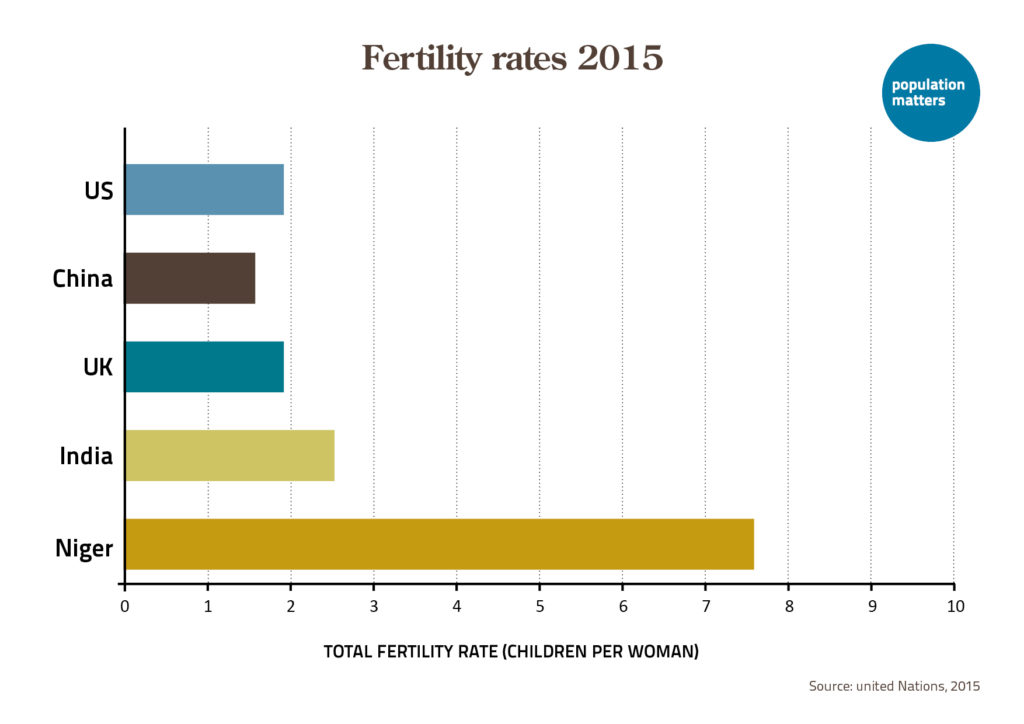
      What it boils down to is, when I was a child growing up in Colorado, there were only about 140 million people in the U.S. and today–THANKS ALMOST ENTIRELY TO OVER-IMMIGRATION–there are 343 million, though the U.N. (whose numbers I trust far more than our own Census Bureau) says we are well over 350 million. For perspective, we reached 300 million in October 2006, and in LESS THAN 20 YEARS, have achieved that much higher number SANS ANY REAL DISCUSSION BY THE AMERICAN PEOPLE, because our lying news media have sequestered the topic or overtly lied that since our birthrate is falling, we aren’t growing. Yet, as of January 1, 93 percent of our growth is immigration legal AND illegal.

  2. Kelvin Thomson Avatar

    A great article. In Victoria, Australia, we had a terrific period of setting aside National Parks for nature, and for the enjoyment of future generations, in the 1970s and 1980s. Unfortunately that has stopped in the 21st century, and is one of the reasons our native birds, plants and animals are in decline.

    1. gaiabaracetti Avatar

      Isn’t population growth and economic growth the reason? Aboriginal people didn’t have any parks, and the biodiversity was immense

      1. Claire Cafaro Avatar

        Gaia ….out of 23 photos, I counted 5 with people in them. Not hordes of people such as the ones who descended upon Roccaraso recently, but a few hikers and horses. As the article points out, ” pristine i a strawman”.
      2. Kathleene Parker Avatar

        As I see it, as long as major economic forces see growth as essential to economic prosperity (though even economist John Smith warned that that isn’t sustainable), we will not be allowed honest disclosure on population, especially in the U.S., because as Trump keep wrongly stating we “need” more people. (Though I absolutely support his border enforcement.)

  3. stevemckevittda604d1b36 Avatar

    Is this a reprint from 1994?

  4. gaiabaracetti Avatar

    Claire, based on my readings and pictures I’ve seen, the national parks in the US are utterly overwhelmed, even worse than Italy! But besides that, I favour a different model, in which we live lightly in nature, rather than in cities and then see nature as “recreation”. Of course there will always be cities, but they need to be downsized, and that’s where the rewilding should start.

  5. Dag Lindgren Avatar

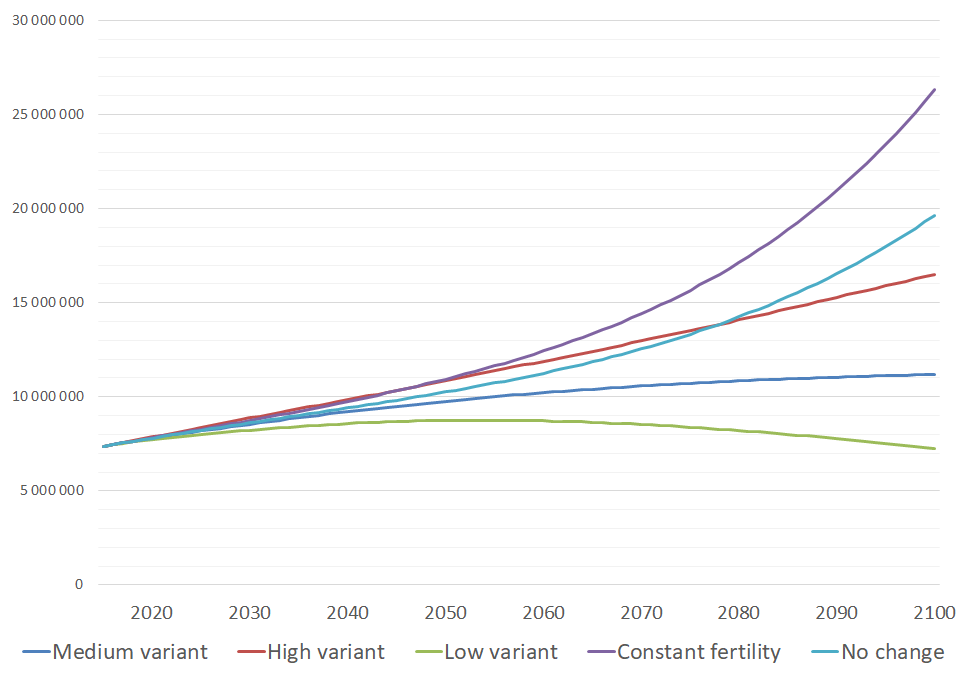
    In principle wilderness should be preserved. To make this possible overpopulation and overconsumption must be reduced.

  6. PHILIP CAFARO Avatar

    Most conservation biologists agree that we need more protected areas (PAs) to preserve biodiversity. PAs can have various designations (National Parks, wilderness areas, national forests, wildlife refuges, etc.). The basic idea is that they involve limits on intensive development and human use. In the United States, wilderness areas have the highest level of protection. In particular, they are strictly off limits to all vehicles and almost all permanent structures.

    Increasing the number of PAs and their degree of protection depends on limiting human numbers and economic activity. Reducing our numbers and economic activity is even better!

  7. Sub-Boreal Avatar

    A coalition of convenience seems to have emerged between some academic anthropologists/archaeologists who highlight evidence for ancient land use practices as a reason to denounce the idea of wilderness (e.g. https://www.pnas.org/doi/10.1073/pnas.2022218118) AND the ecomodernists (e.g. Breakthrough Institute) who love to play up the idea that all landscapes are human-constructed (e.g. this highly-cited review paper coordinated by an ecomodernist sympathizer: https://www.science.org/doi/10.1126/science.aax1192). At the risk of oversimplifying things, it’s not hard to see how this alignment can mean that appeals to recognize indigenous wisdom and land use legacies could end up smoothing the way for the anthropocentric technocracy fanboys.

    One way that this has been influential is in de-emphasizing how radical a departure the mid-20th century “great acceleration” of human exploitation of resources and the environment has been.

    But it’s tricky to voice any critical perspectives on this without the risk of being denounced as Eurocentric or worse. I’ve seen for myself evidence for sophisticated vegetation manipulation (“forest gardens”), along with extensive modifications (“clam gardens”) of intertidal zone sediments, on the Canadian west coast. These are real things, and the scholars who’ve documented them have done it in good faith, and have genuine respect for the indigenous inhabitants whose ancestors left these legacies. And compared to modern economic development in the same region (e.g. logging, mining, seaport developments, LNG projects), these ancient land use practices have left a pretty gentle imprint on the land.

    But it’s a big leap to compile examples like these and then imply that Earth is just a big garden on which we can impose our futuristic techno-hubris because somehow we’ve always done this.

    I hope this makes sense. I recognize that these comments are rather condensed, at the expense of a lot of nuance.

    1. gaiabaracetti Avatar

      I think this falls under the “slippery slope fallacy” category of argument.
      The opposite idea is just as dangerous – the David Attenborough, George Monbiot fantasy of densely populated human settlements, fed by industrially produced food, surrounded by untouched wildernesses. This is dangerous because there’s no guarantee that the former will ensure the latter, and also it’s a horrible way to live.
      Any species modifies its environment, we need to find a way, as humans, to do it more sustainably and respectfully, without going to either extreme, and while also accepting that some areas of the world should be designated to be left as untouched as possible.

  8. […] (Richard Grossman on Carl Safina’s Alfie and Me) to photo essays (George Wuerthner’s beautiful The Need for More Wilderness Preservation) to Leon Kolankiewicz’ eloquent obituary for the beloved defender of wild animals and places Jane […]

Leave a Reply

This site uses Akismet to reduce spam. Learn how your comment data is processed.

NOTE: Comments with more than one link will be held in wait and will only become visible on the site after an admin has approved it.

Explore the content and topics covered by TOP, search here

Blog categories
Gallery of infographics – Learn more about overpopulation and environment

Discover more from The Overpopulation Project

Subscribe now to keep reading and get access to the full archive.

Continue reading