Is Homo sapiens an invasive species?

The global spread and increase of the human species is exceptional and seems unmatched in the animal kingdom. Some researchers suggest we resemble so-called invasive species. Does the label fit?

By Frank Götmark

(This a translation of a Swedish essay published in Svenska Dagbladet on 30 March, slightly modified)

Japanese oyster, raccoon dog, lupine – an increasing number of species in Sweden are being designated as invasive, and action programs and laws exist to combat them. In most cases, we ourselves have caused their spread here, through the plant trade, horticulture, long-distance transport and tourism. Several researchers have highlighted our species, Homo sapiens, as invasive on Earth. Are there good reasons for this, and can such a label be accepted? Or is our love for ourselves too strong?

Most people are aware of our African origins, but few know how humans conquered all continents in a relatively short time (about 70,000 years). In Scientific American 2015, Curtis Marean at Arizona State University described the human dispersal and increase under the title “The most invasive species of all”. Ecosystems changed dramatically when we eliminated our closest relatives and many mammals outside Africa. Group cooperation, linguistic communication, and the development of weapons facilitated an enormous expansion that no other Homo species managed to achieve.

There were barriers, such as oceans that were not easy to cross, but we developed good boats. 45,000 years ago, we had reached Australia, where hundreds of large marsupial and bird species disappeared. 13,000 years ago, we managed to reach North America via northeastern Siberia, where sea levels were lower due to the Ice Age (perhaps boats were used across the Pacific Ocean earlier). In a short time, we then made it all the way down to Tierra del Fuego in South America.

On the Eurasian continent, large mammal species became prey for our ancestors. Here, after the last ice age, the mammoth, woolly rhinoceros, giant deer, steppe bison, wild horse, aurochs and cave bear went extinct. The new Homo species was probably the cause, although climate change also had an effect. But these animals had previously survived several ice ages and interglacials. The spread and increase of Sapiens, the smart ape, was the key factor.

A spectacular megafauna also disappeared in North and South America. Here, alongside the saber-toothed tiger, lived the strange giant sloth Megatherium americanum, a vegetarian weighing up to 4 tons that could stand on two legs, with strong claws for grabbing trees and defense. There were also spherical glyptodonts of the same size as a rhinoceros, with thick armor and a long tail equipped with a spiked club for protection against enemies. Other species quickly extinguished by the Paleo-Indians included the sabertooth Smilodon, scimitar cat Homotherium and American cheetah Miracinonyx; three pronghorn antelope species; numerous horse Equus, tapir Tapirus and camel family species Camelidae; gomphotheres, mammoths and the American mastodon (all in the Proboscidea order); and the Aztlan rabbit and a giant beaver as big as a bear.

Pleistocene mammals of Chile. By Jorge González

The enormous Amazon rainforest was also affected. Paleoecologists have examined the forest and found extensive human impact. In the article “Holocene Rain-Forest Wilderness: A Neotropical Perspective on Humans as an Exotic, Invasive Species”, researchers Robert Sanford and Sally Horn show that hunters and gatherers burned areas of the forest and cultivated corn and other crops. They also favored trees that produced nutritious large fruits, rearranging the tree composition. The Amazon is still species-rich and valuable for preserving a habitable climate, nature conservation and sustaining some remaining human tribes, but new, more modern Sapiens are on the move in the area.

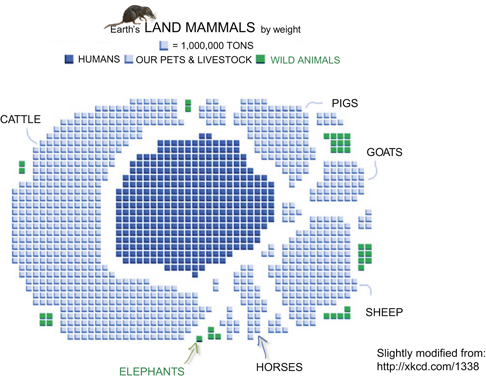
Sanford and Horn described humans as invasive in their 2000 article. After their insightful work and that of Curtis Marean, only a few academics seem to have used the term, yet humanity has expanded enormously in numbers since we left the hunter-gatherer stage. We seem to turn a blind eye to our increase and its effects on the ecosystems on which we depend. “We don’t see the forest for all the trees,” the saying goes, but also relevant seems to be “We don’t see nature for all the people,” crowded together as we are in urban environments.

Anders B Johnsson writes in a new (Swedish) book, The Invasive Man (Den invasiva människan), that we may have only been 10,000 at “out of Africa”, but 3-4 million already when the ice retreated in Scandinavia 22,000 years ago. The global expansion led to a large population increase. But note that our population in Africa did not exterminate large mammals on that continent. The large animals had lived side by side with the (low-tech) Sapiens and developed much-needed wariness of humans. This was not the case in America or Australia, or on islands like Madagascar or New Zealand, where the arrival of humans was disastrous for fearless, easily hunted animals.

Humans migrated across the Bering land bridge to get to the Americas, where they met animals naive to the dangers of humans. By Ettore Mazza

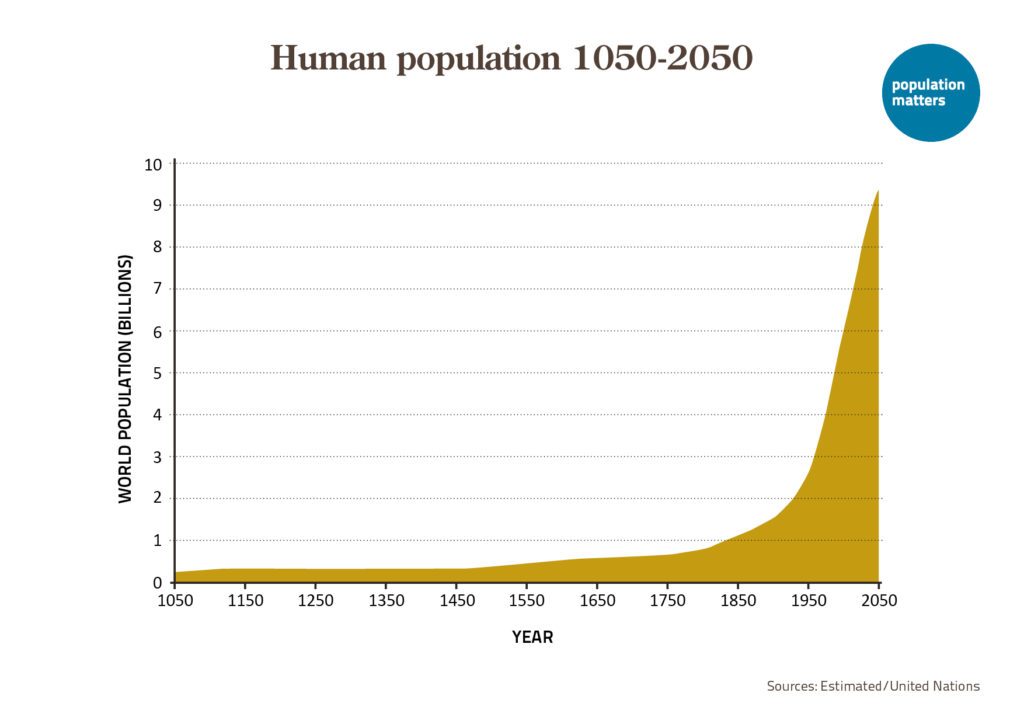
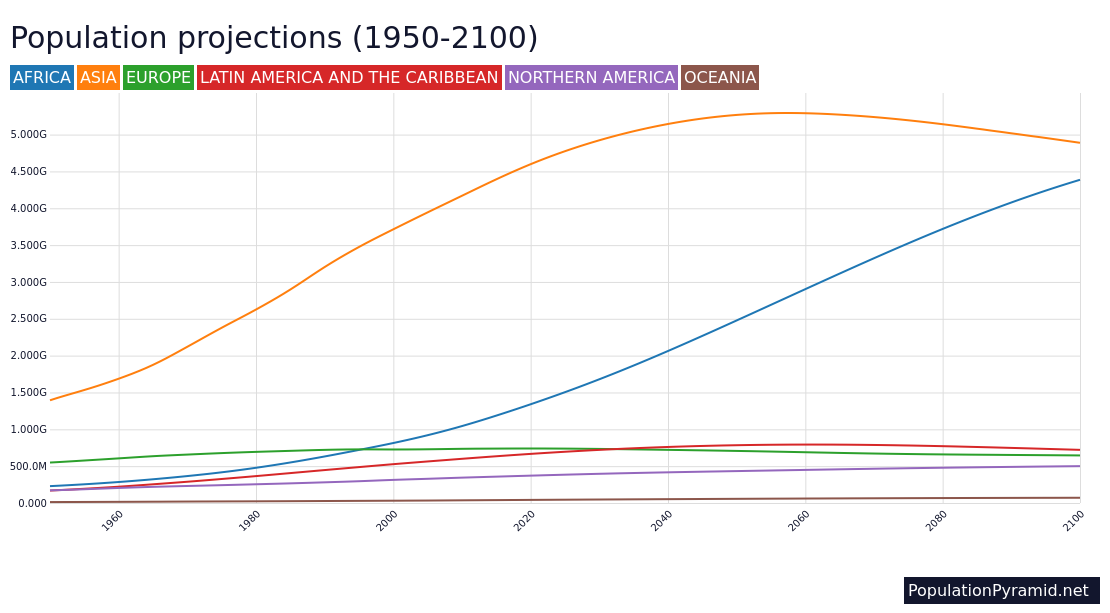
Around 3000 BC, according to Johnsson, we were 14 million, more than 3 times as many. In several areas, agriculture provided better food production and safer conditions in villages and small towns. The level of 50 million was passed around 1000 BC, and now the pace increased. On the way to 500 million people in the 17th century, some disasters occurred, such as the plague in the middle of the 14th century. But we only decreased temporarily, by about 80 million, and in 1750 we approached 800 million, a sharp increase in a short time.

At the beginning of the 19th century, humanity passed 1 billion. Now sanitary, medical and technological advances soon came and so, in 1960, we were 3 billion on the earth, an unimaginable increase. Europeans had colonized large parts of the “Third World” and increasingly used the ecosystems there for resource extraction and production. Nature at home had already been overexploited; for example, the forests were gone from large parts of Southern and Central Europe and Great Britain.

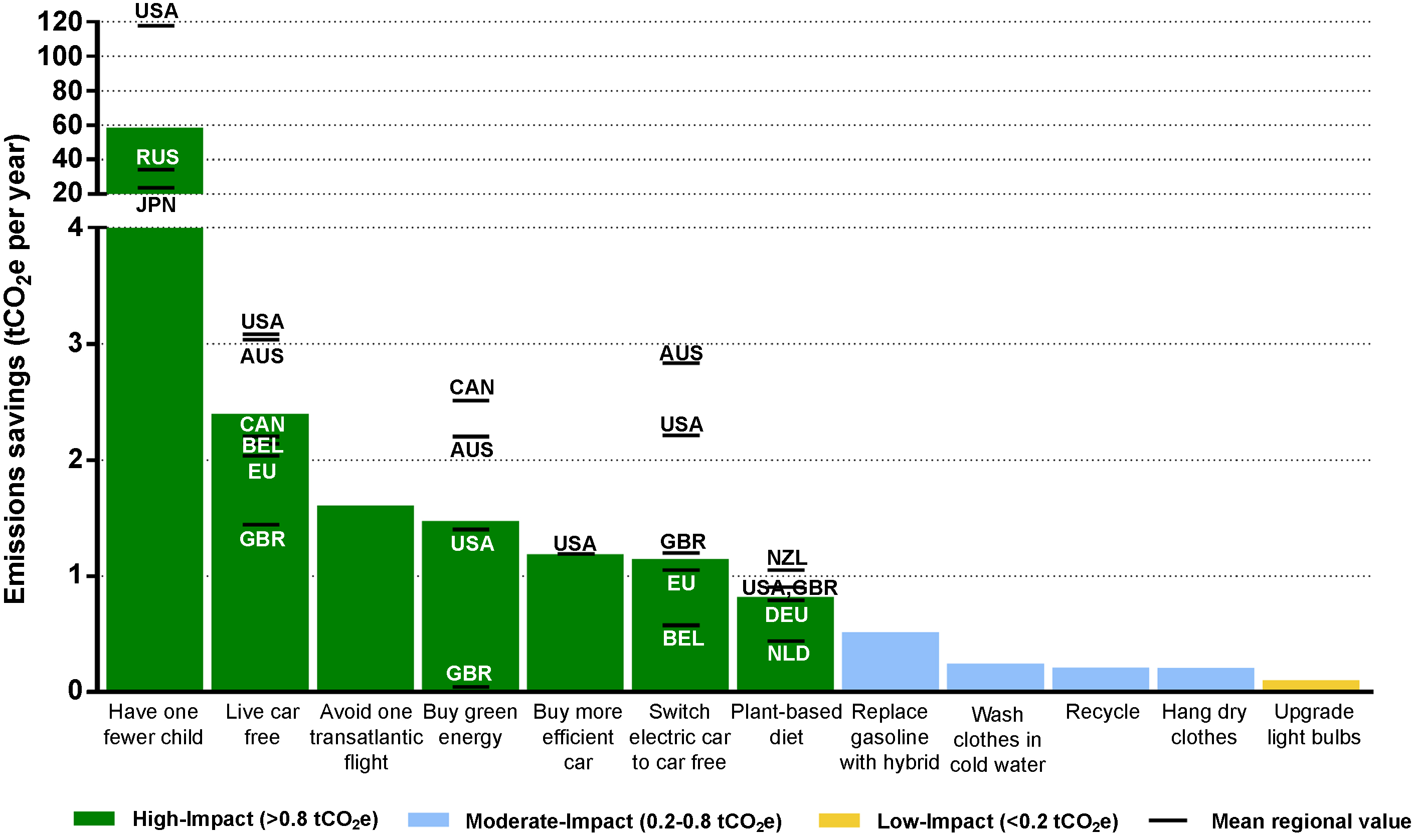
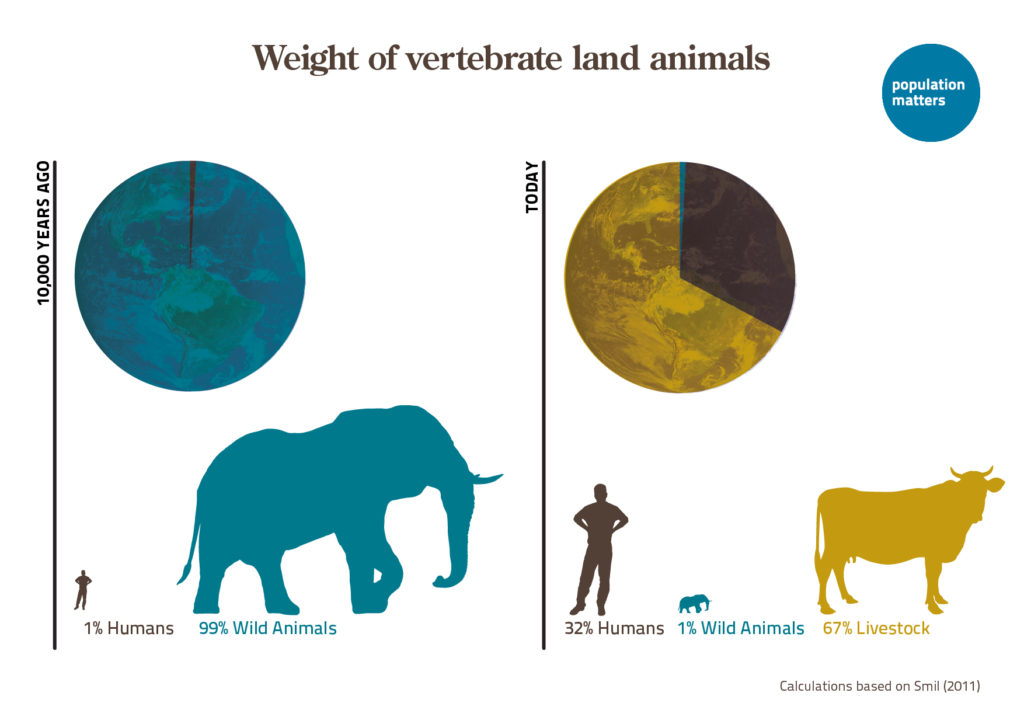
But our strongest impact on virtually all the world’s ecosystems and species came recently, from the 1970s until today. With 8.2 billion today, we are approaching a tripling of the population level in 1960! In 1968, Paul and Anne Ehrlich published their famous book The Population Bomb and followed this in 1990 with The Population Explosion, an appropriate title considering our numbers. The use of modern medicine, agriculture, fossil energy sources, technology and free trade explain our enormous increase. The eager anticipation among economists and politicians for “increased economic growth” characterizes the invasive human beings that Anders Johnsson describes in his book.

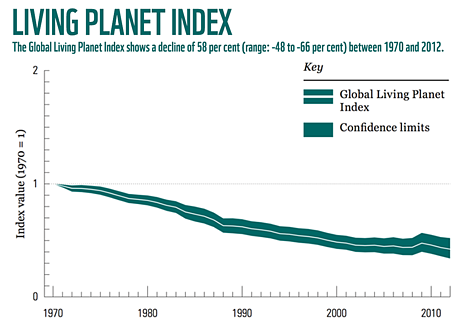
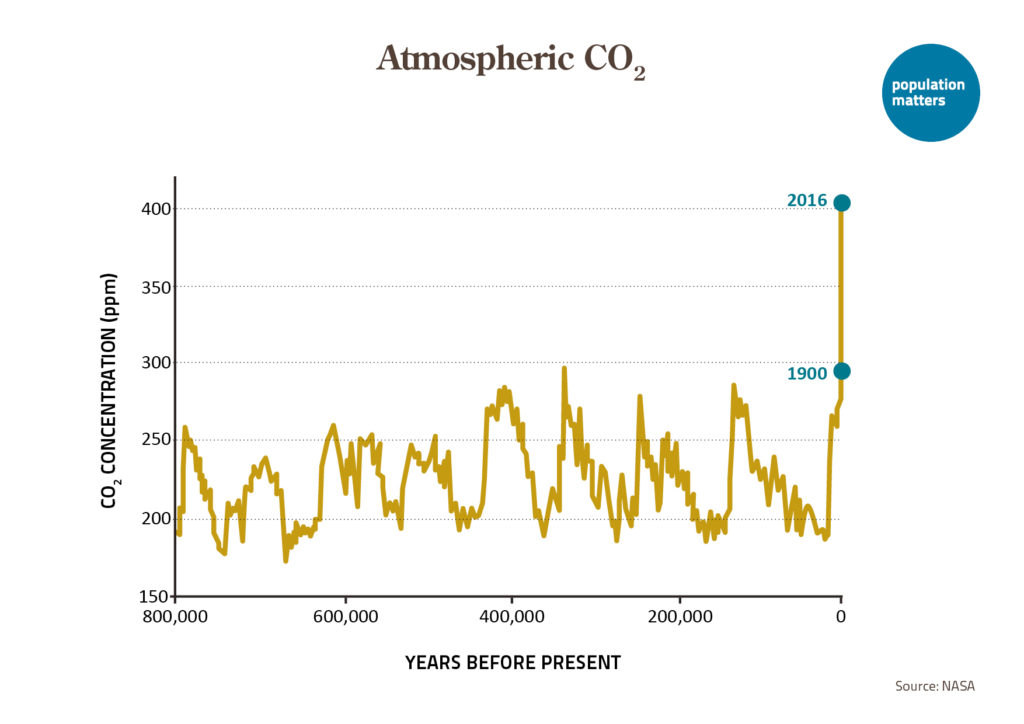
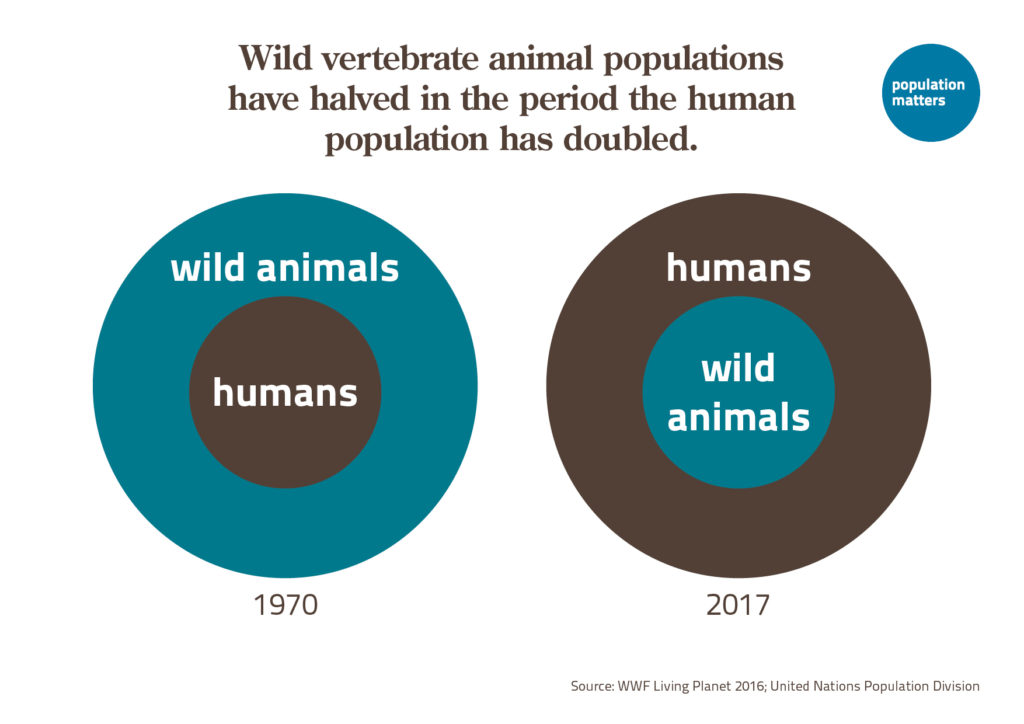
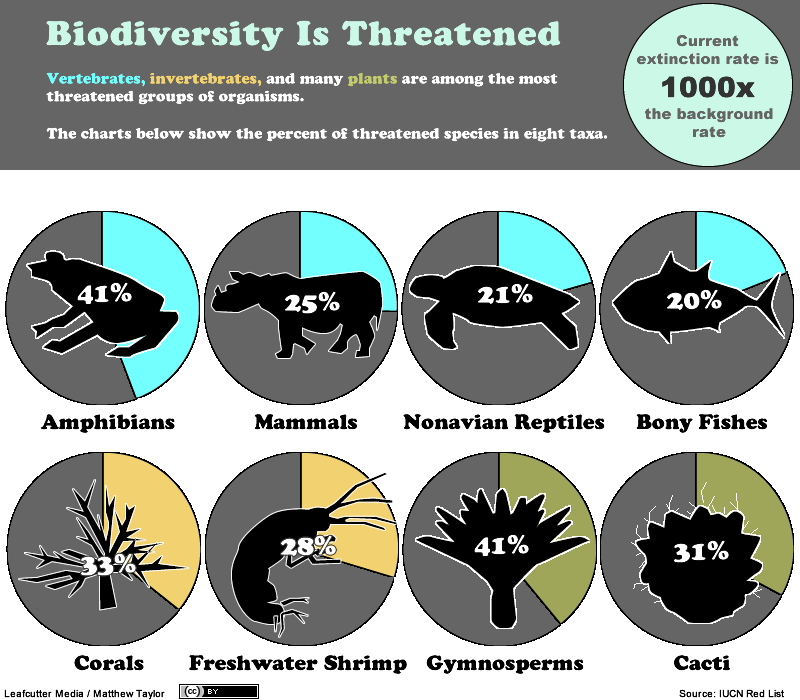
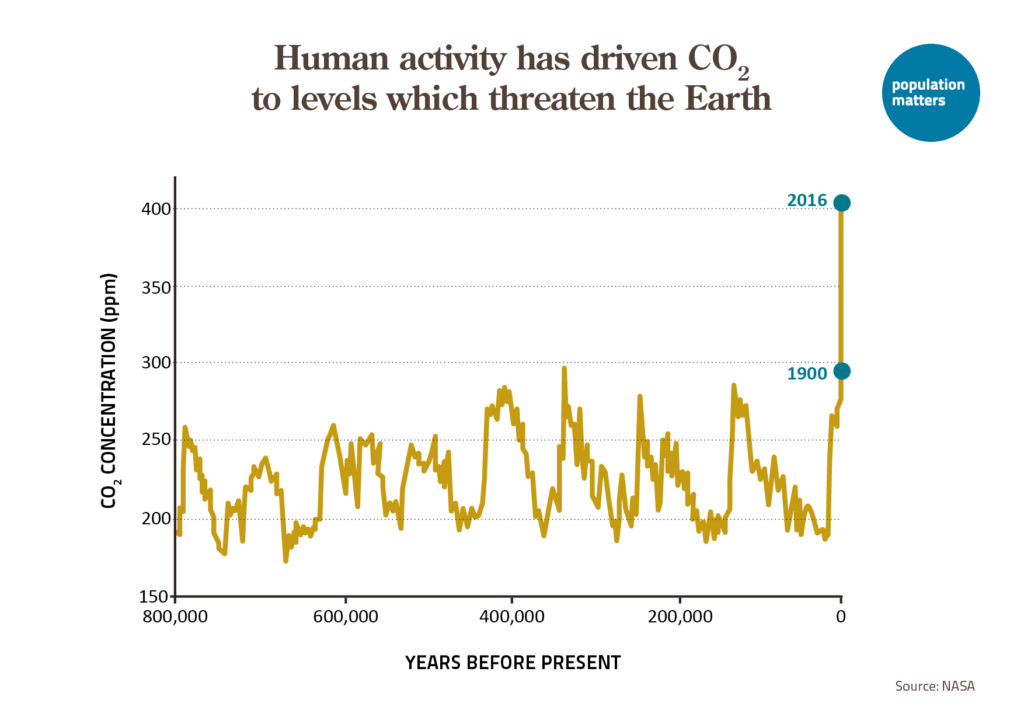
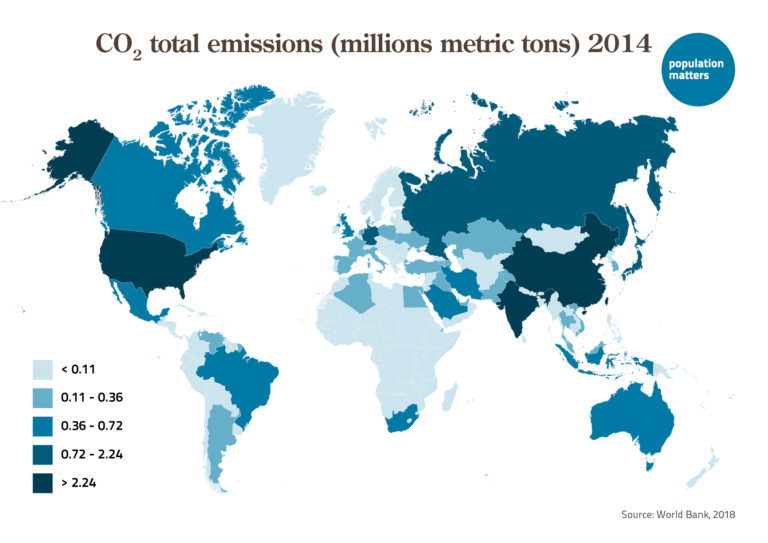
Populations of wild birds, mammals, amphibians, reptiles and fish species declined by an average of 73 percent between 1970 and 2020, according to the WWF. Our rampant exploitation, consumption and increasing pollution are reducing the numbers of many species. Regarding climate, the IPCC report from 2022 states; “Globally, GDP per capita and population growth remained the strongest drivers of CO2 emissions from fossil fuel combustion over the past decade (robust evidence, high agreement)”.

What is an invasive species?

An invasive species can be defined as an alien, non-native species that spreads and causes various forms of damage. Such species are desirable to regulate and, in the best case, eliminate from a country. But compared to our population growth they are a minor problem, at least in Sweden and many European countries. In North America and Australia, they are a larger problem. But again, they cause a lot less damage than Homo sapiens, who is in any case the cause of their spread.

Invasive species tend to appear near buildings and infrastructure; for example, on roadsides and other environments that are easily colonized, or in the sea via ballast in ships. It is often difficult to draw boundaries in time and space for invasive species. For example, in Sweden several species came in via seeds in agriculture during the 19th century and became common, such as certain weeds.

In other cases, we have deliberately introduced new species – the Contorta pine, planted in Sweden on an area equivalent to the size of the island Gotland in the Baltic, is an example. In addition, some native species are increasing and causing problems, such as the common rush in pastures, a species that in Sweden benefits from mild winters. Its negative effect (for humans) can easily be greater than, for example, the increase in exotic lupines, whose flowers are appreciated by many.

The colourful lupine is classified as invasive in many European countries, as well as in Argentina and New Zealand. Photo by Holger Ellgaard

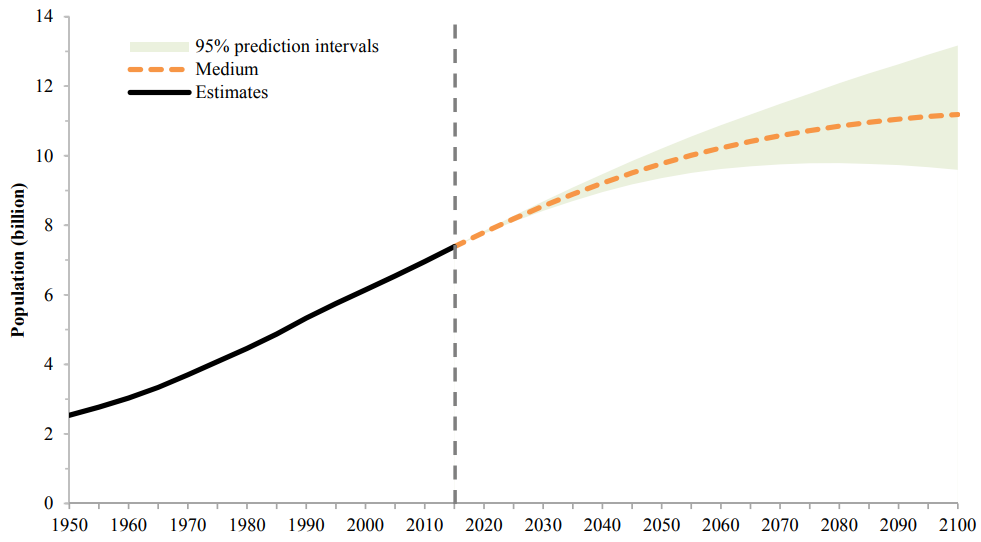
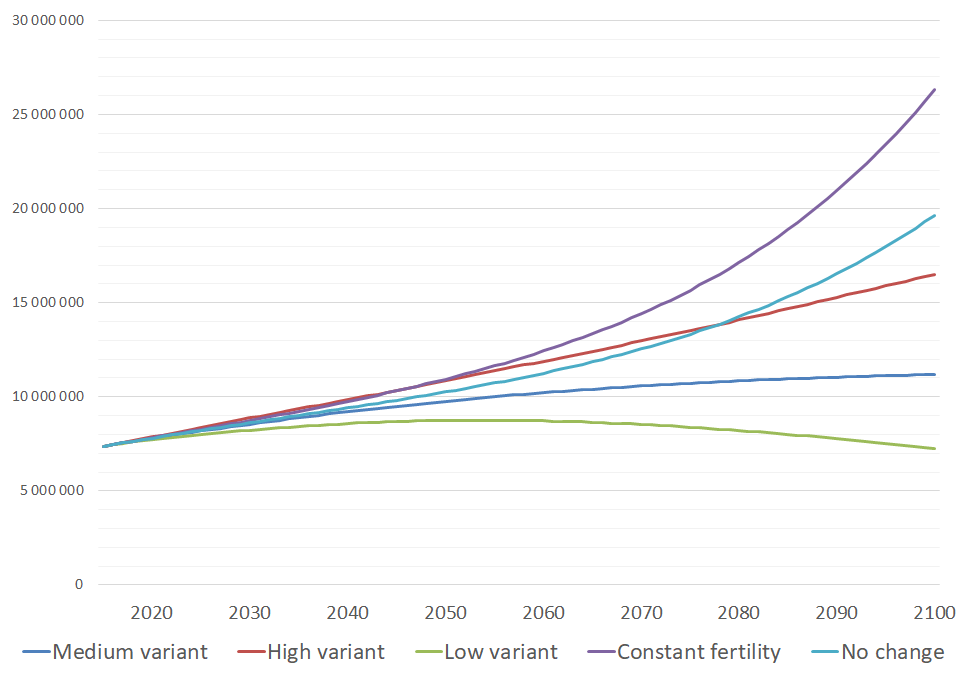
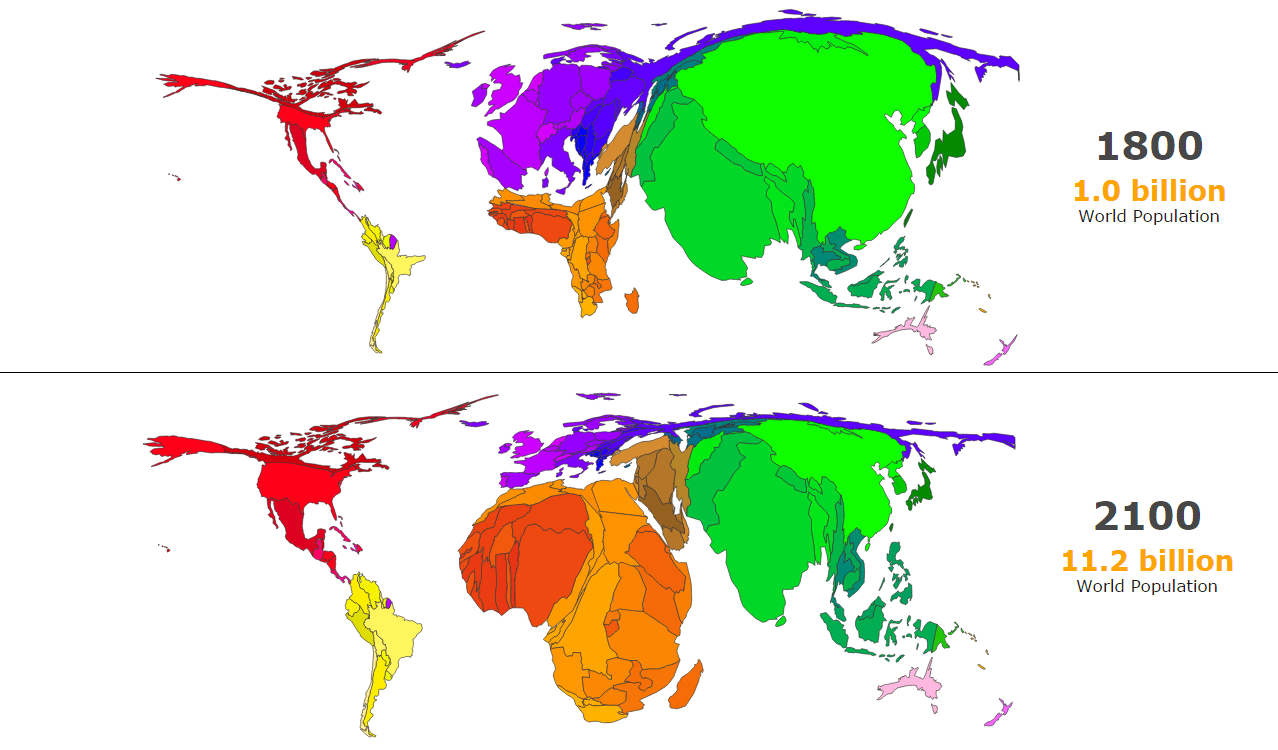
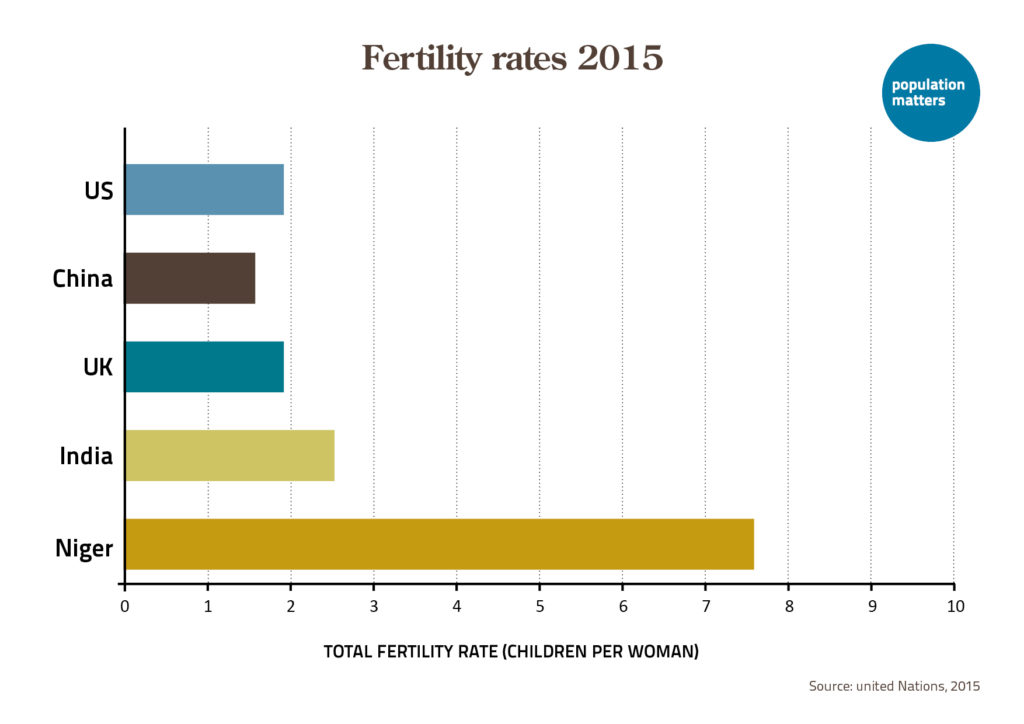
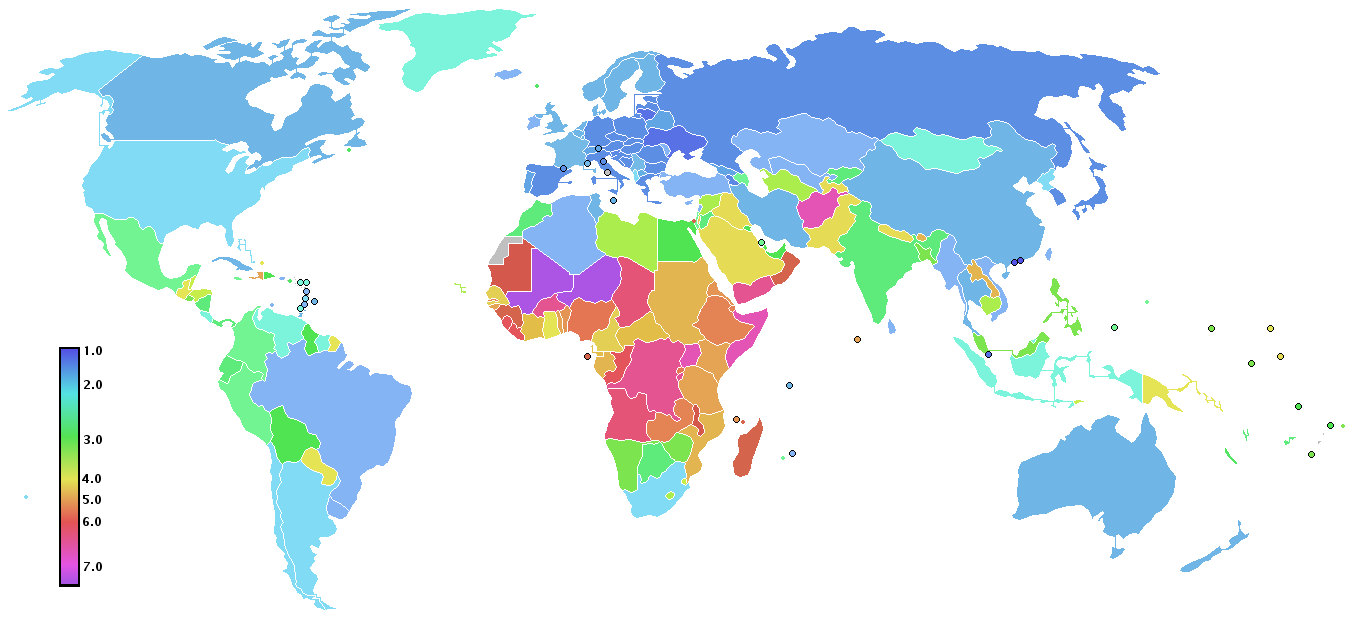
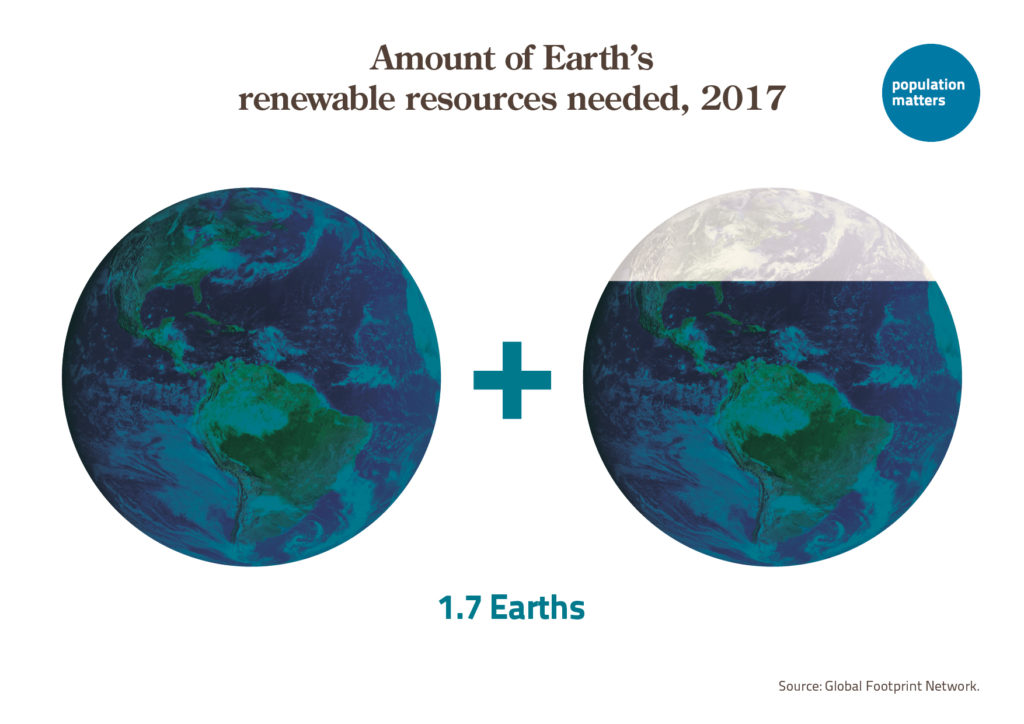
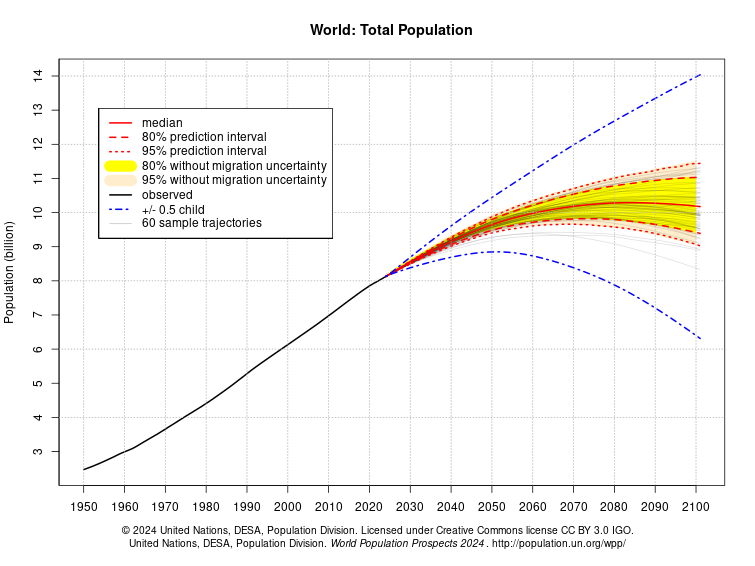
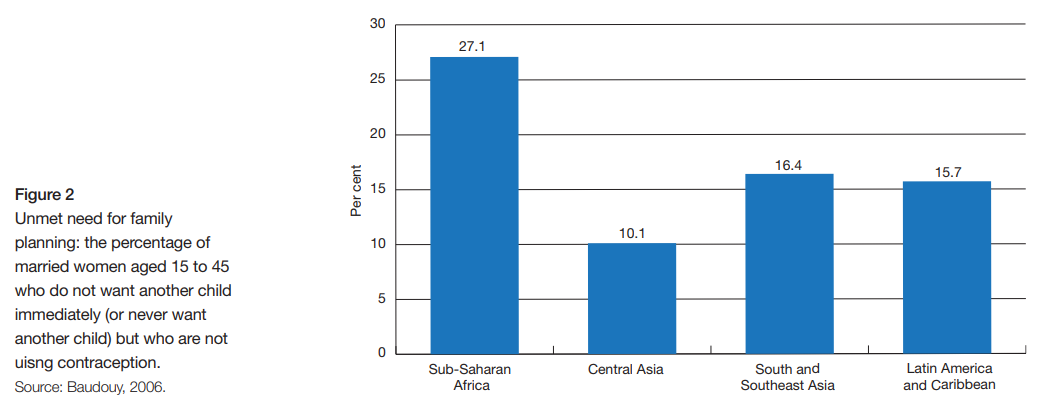
How consumption and the human ecological “footprint” should be reduced is discussed among some economists and politicians, but the potentially positive significance of slowed population growth and reduced world population is avoided by almost all economists, politicians, and environmental organizations. Today, population growth is strongest in Africa: the UN forecast is an increase from 1.4 billion today to 3.8 billion in 2100. The ongoing increase there is given incomprehensibly little attention in the media, despite the deplorable conditions for many women with large families and increasingly devastated ecosystems for everyone. Particularly south of the Sahara, birth rates are high (about 4.3 children per woman), which means even limiting population growth to the level predicted by the UN demands substantial increases in contraceptive use, and a major decrease in fertility.

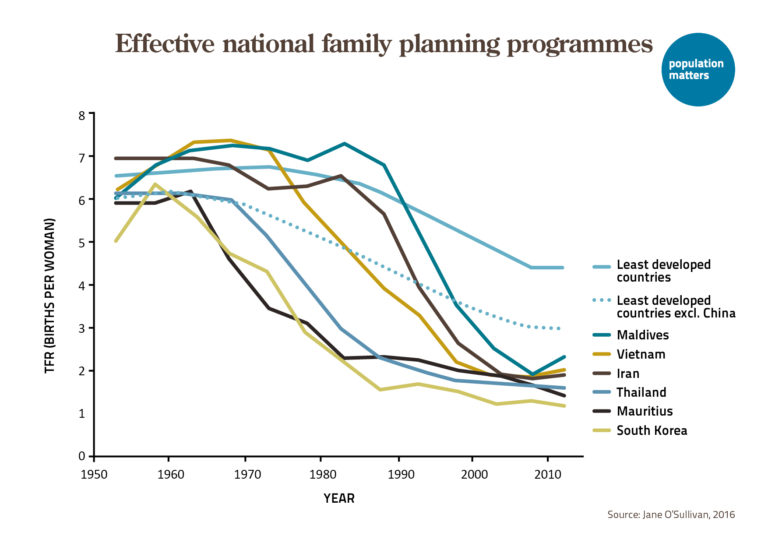
How can high birth rates best be reduced in developing countries? Most population advocates, such as the American John Bongaarts, emphasize voluntary family planning programs and assistance for these if they are started by leaders in developing countries. A Swedish pioneer recently summarized lessons learned from these programs from 1960 and onwards (see “Interview with Carl Wahren” 2024). Mistakes occurred (in China, and India 1975-76) but in most developing countries the programs were voluntary and contributed to falling birth rates. It is desirable that developed nations’ foreign aid budgets for voluntary family planning increase, to facilitate greater contraceptive use in poorer countries. Instead, such aid budgets are being cut, drastically in the case of the United States. But African and other high-fertility countries also have opportunities: commentators suggest that in the current situation, countries should reconsider population programs, increase self-reliance, and reduce dependency on foreign donors.

Human numbers will likely peak this century. The question is whether we can rein ourselves in sooner rather than later and begin to reduce our economic demands on ecosystems in ways that would leave space for other species and allow restoration of damaged natural areas. It is way past time for the most invasive and destructive species to change course.

Published

21 responses to “Is Homo sapiens an invasive species?”

  1. Kathleene Parker Avatar

    I am reminded of a paper I read years ago in which the author compared the spread of human communities with that of cancer cells. First comes a central community and then “stems” (in our case, roads and highways) reaching out to and from the community. Sadly, it appears that, like a cancer or other parasite, we won’t be happy until we destroy our “host,” gorgeous Planet Earth, especially since, in our times of failed “news” media, we are being deprived of sound environmental reporting and, certainly, ANY acknowledgement of today’s staggeringly high global human population approaching 9 billion AND its link to carbon emissions and species extinctions (the ladder a topic barely even acknowledged by media).

    Sadly, in paleontology, the Earth has seen multiple “climax” species (like the dinosaurs or, before them, sea life), but the Earth has also seen multiple “extinction events,” after which those species go into collapse, are replaced by other life forms and the planet moves on to new climax species.

    We are, literally, in what geologists call the “Age of Humans,” as every evidence is that we are exceeding the carrying capacity of the planet–at the expense of other life forms. It just seems common sense, such as that for POLITICAL reasons (as science is ignored) we are denied any real discussion on population.

    So, we too are headed for a collapse if we don’t wake up and apply common sense, but as I look around, even in my state with a low population, I see no evidence that even those who claim great concern for the planet are living in ways to reflect real concern, and that as the “news” is about the next celebrity scandal or political smear, NOT about species extinctions, water “shortages” or other carrying capacity issues.

  2. Esther Avatar

    Birth rates went down on various continents, but the money that was saved was then used for consumption so that is no good either. It would seems that this ape simply isn’t sustainable, and certainly made far too much of its so called “intelligence”. As to Sapiens? Lets laugh out loud together.

    We are even less kind when speaking of other species when they cause destruction on such a level – we call them vermin! This said there isn’t any species that has managed to cause such destruction so we are off any measurement scale – we need a new way to describe us!! Ugo Bardi proposed Meme Infested Ape.

  3. Max Kummerow Avatar

    About two thirds of women now have birthrates less than replacement. (2.1 births/woman) That leaves a billion or two of “demographic momentum” growth still to come before young populations age, plus the growth in remaining third with above replacement births cultures. Unless we choose higher deathrates, lower fertility is the better strategy for ending growth. Consumption is the bigger problem in the short run, but with fewer people perhaps greed will become less necessary with an economy based on abundance and sufficiency replacing scarcity and greed. Results of fertility declines have been positive for incomes and life expectancy. Europeans should give much more family planning aid to Africa to help reduce the future flood of immigrants Europeans aren’t prepared to accept.

    1. gaiabaracetti Avatar

      “with fewer people perhaps greed will become less necessary with an economy based on abundance and sufficiency replacing scarcity and greed” – this would be great, but it probably won’t happen by itself. Human greed (or need) drove environmental destruction and caused wars when we were much poorer and fewer. I don’t think there’s any level of consumption or population at which greed disappears automatically, unless there are other reasons or choices to make it disappear.

    2. Kathleene Parker Avatar

      Let’s get away from “they should do more.” We all should do more, but I, as someone who spent my life in journalism (then HONEST journalism) knows that when media focus on something, things happen. (My work was humble, regional work, but it still resulted in bills introduced in Congress.)

      What it boils down to, with our current DEREGULATED and no-longer-serving-the-truth “news” media, we won’t get focus on population because media (once banned by regulations) are now owned by CORPORATE giants, ranging from Big Pharma, to Big Medicine, to Big AG to Wall Street, and all with no understanding and concern about population or the environment and all eager that we NOT do anything, most particularly (Gasp!) reduce consumption!

      As an illustration of our ignorance, I doubt if one American in a million could tell you diddly squat about demographic trends in the U.S. over the last 75 years, nor even our current population, OR that we’re now the 3rd most populated nation behind only India and China! Though, I’m sure they could tell you–wrongly–that because of our falling birthrate, our population “isn’t growing.” But then, that has been the universal drone of legacy media. Meanwhile, things like a steady-state economy just drifts further and further into a vague, overpopulated future.

    3. Maria Fotopoulos Avatar

      Likely Europe needs to return immigrants or there may no longer be a Europe anyone wants to envision.

  4. Stable Genius Avatar

    You can see why UN “net zero” is such a global No 1 hit with the most invasive species. Population growth forever, limitless supplies of green energy, earth “captures” residual “emissions”, guilty global north pays loss & damage to the virtuous south. What could possibly go wrong?

    1. Kathleene Parker Avatar

      Yes! And I eternally embrace my favorite population comment ever, “Anyone who believes you can have infinite growth on a finite planet is either a madman or an economist!” Kenneth Baldwin in the 1960s or so.

  5. gaiabaracetti Avatar

    “An invasive species can be defined as an alien, non-native species that spreads and causes various forms of damage. ” I think that this definition doesn’t make sense. Or rather, it could apply to any species that expands beyond its original habitat (all species try to do that, many succeed); while the definition of “damage” is relative. Any species that expands its habitat will compete with other species and hurt them.
    I agree with the sentiment express but I’ve always been skeptical of the concept of “invasive species”. I think it’s an anthropocentric definition. With the exception of islands, new species usually find a new balance with the ecosystem after a while. I wonder if that will happen with us as well… The societies you mentioned that caused mass extinctions eventually figured out a way to live sustainably with the species left; otherwise they disappeared. Of course it’s tragic and infuriating to think of all that was lost, and we should try not to lose anymore.

    1. Frank Götmark Avatar

      Gaia, I agree with your point in that certainly other species – like common rush, Juncus effusus by latin, that I mention – also can spread and cause harm (to humans). People like to control as much as possible in their surroundings, whether it is “nature”, “countryside” or “rural area”. You also have a good point in that some species, even “invasive” ones, may increase and then disappear. Some natural enemy of it evolved and/or increased, reducing population density of the invasive one. But we face all this travelling, transport and mixing of new species that can become invasive and spread a lot. I remember a paper describing the situation, or the danger, as “biotic homogenization”. We want to keep all the different habitats, and local species, around the Earth.
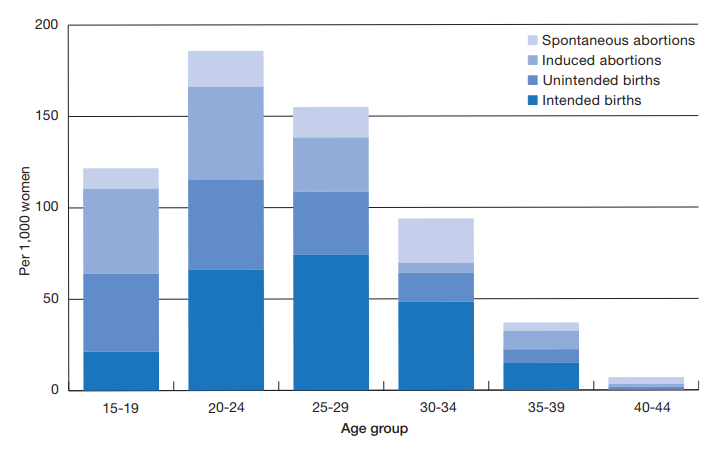
      On another point, ecological knowledge is fading away – in my original text, I picked up in the Swedish news media, “We have to be part of the American ecosystem” – that was about Swedish industry in the US! Yesterday, a paper on Researchgate had the title “Unintended pregnancy and gender inequality worldwide: an ecological analysis”. Believe or not, it had nothing to do with ecology, but rather with sociology. Has any other of you seen similar examples?

      1. gaiabaracetti Avatar

        I haven’t seen that use of the term in Italian – then again, ecology means “study of the house”, so maybe it’s going back to its original meaning?
        What I meant about the definition was that most species naturally tend to expand their habitat if they can, and they did so way before humans showed up. If the definition of invasive is “species that move”, then it’s all species, if it’s “species that harm humans”, that’s harder to define, and it wouldn’t make humans an invasive species in this sense. If it’s “species that move and cause damage to nature”, then we have the problem of defining what “damage to nature is”.

      2. Esther Phillips Avatar

        To Gaia
        Lets give it a try then. I would define damage to nature/the environment from the point of view of a talking ape, and say it is when the environment becomes too toxic and violent for mammals to survive and live lives of any duration or quality. Of course one could be the advocate of Tardigrades, Ants and Cockroaches and say that they will still thrive once Humans have poisoned everything. Cockroaches survived Hiroshima, they will survive the damage to our natural habitat and sure other creatures will evolve. With the foresight that we had we could have prevented all this.

      3. Kathleene Parker Avatar

        I agree in one sense. Yes, people do like to control to their benefit. And yet, I am authoring a piece on the Southwest’s wildfire situation (including Maui and Los Angeles) and how towns throughout the region–as we learned where I live in Los Alamos, New Mexico, in May 2000, when the Cerro Grande Fire burned much of the town–exist in what some experts are calling “forests of gasoline.” That’s forest reaching densities of thousands of trees per acre that, but for bad timber mismanagement, should be 200 or 300 trees per acre. Throw in the “modern megadrought” and is it any wonder the region is seeing fires of 300,000 to 500,000 acres when a large fire used to be 10,000 to 15,000 acres maximum and that people are dying in their homes without even time to flee a blowup?

        Yet, despite of the work of many people (myself included) to educate on this and that towns must “manage” their environments sufficiently to protect themselves; i.e. construct fuel breaks where the prevailing wind will bring fire into their towns, the region has seen no action by ANY government bodies to construct such fuel breaks. An event like that in Pacific Palisades is hard to defend against, but when Los Alamos–with the highest average education level in the nation–still won’t pass reasonable building codes or build a fuel break (not remove all trees, but thin them to manageable levels) between the town and remaining dangerous timber overgrowth, as Western writer William DuBuys said when Los Alamos first burned, “what hope for the rest of us?”

    2. Kathleene Parker Avatar

      I guess I have to argue invasive INTRODUCED species. The pioneer women (including my great-grandmother) brought tamarisk into New Mexico as an ornamental garden plant that seemed happy enough with our rotten soil. Sadly, it did way too well, discovering our riparian areas and lining riverbanks (like along the Rio Grande) to the point that wildlife habitat has been totally destroyed, huge areas of soil are destroyed (because they put out salt residues), and huge amounts of water is lost to them in a region with no water to spare. These are plant growths so thick that they are impossible to walk through. They can’t be irradicated, though our local Indian pueblos (Sorry. I worked for the SANTA FE NEW MEXICAN and we were required to use the term Indians out of respect to the wishes of our local pueblo people.) have tried valiantly, plowing the profits from their casinos into riparian restoration. At best, though, despite cutting, burning, spraying ghastly chemicals, the tamarisk is soon back.

      Now, another INTRODUCED SPECIES–neither with a local predator or anything to limit it–is getting into the act, with pampas grass, sold quite legally at local nurseries, even as taxpayers are paying to try to get it under control, is joining tamarisk along our river banks.

      So, I do believe in invasive species as define as those humankind has brought in from distant points without understanding of the consequences or the helplessness of nature to deal with them.

      1. gaiabaracetti Avatar

        True, but when things get that bad, the best course of action is probably to give up, let nature find a new balance as it always does, and in the meanwhile try and figure out if the new species can be good for anything; eating, for example. Otherwise you just keep wasting money and doing even more damage with attempts at eradication. Small ecosystems, such as islands, are different.
        I’ve done a bit of reading on fire ecology and the US and I believe that some areas should not be inhabited by humans, period. There’s a very good essay on fire and California, I’m sure you’re familiar with it: https://longreads.com/2018/12/04/the-case-for-letting-malibu-burn/
        Some environments seem to need regular fires, you can’t suppress them entirely. I think that most of Europe is different, but, interestingly enough, sometimes grass is better than forest and we should stop planting trees where they shouldn’t be. Many villages also use grazing to keep some areas less fire-prone, at least around the settlement.

  6. gaiabaracetti Avatar

    Esther, I have a personal belief that crows are the next intelligent species taking over. They are very smart, aggressive, adaptable – just like us! And, unlike most mammals, they can fly over all the barriers we’ve put around the world, so those won’t be a problem for them.

    Interestingly, mammals can survive nuclear disaster reasonably well – around Chernobyl, nature is thriving, including big wild mammals such as bison and wolves. There’s much more wildlife than almost anywhere else in Europe. I think this is actually an argument in favour of us being an “invasive species”, if we define it as one around which biodiversity and natural life collapse, only to recover when we are gone, no matter what state we leave the environment in.

  7. 780sdf390 Avatar

    splendid! Developing: Efforts Underway to Mitigate [Potential Risk] 2025 nice

  8. Kathleene Parker Avatar

    To “gaiabaracetti”: If you have ever stood on a mountainside and looked down on a bowl of fire of, roughly, 10,000 acres, not burning but EXPLODING, with trees there one moment simply disappearing into vapor, you begin to understand that with fire (and invasive species) we must start looking at broader, holistic causes. Those are a multitude of things, in the case of the above fire, 150 years of unmoderated livestock grazing in an arid environment, timber harvesting only interested in the huge, FIRE RESISTANT trees while leaving millions of small trees that, historically, should not have been there and (Wait for it!) then the U.S. Forest Service in the early 20th century beginning a policy of aggressive fire suppression in a region desperate for fire.

    What you are not understanding is that the climax cycle in Nature you are describing can never happen when (1.) the situation is too far gone for Nature to even be running the show and (2.) humankind continues actions to prevent the climax of vegetation or species from happen. Although, in the case of the above fire–that nearly killed 32 firefighters and melted a brand-new firetruck down to a pool of melted metal because of the high temperatures–yes, you’re right. After a point, Nature will “solve” the problem, in the case of “mega fires” in the American West, catastrophically in ways that massively kill wildlife , leave forests unable to regenerate perhaps ever due to soil damage and (as at Paradise, California, and the L.A. Basin in January, can kill, horrifically.

    And, by the way, the salt cedar (or tamarisk) I described is horribly flammable (but will only then promptly come back) meaning an ongoing fear along the Southwest’s riverbanks, especially since, during the Modern Megadrought, many rivers are now almost dry.

    And as to “animals surviving,” consider on the Southwest’s first “mega fire,” the Cerro Grande bordering my own town, Los Alamos, consider: many foresters and others re-entering the burn area carried pistols so that they could euthanize elk (in particular) and other animals caught by a blowup that burned at an acre a second but not necessarily killed, such as one elk I was told about with his back legs burned off but not killed.

    We have to stop the “oh it’s inevitable, no nothing” thinking a move aggressively toward aggressive remediation (in this case) timber thinning, NOT more misguided timber harvesting, so that at least in the worst areas we can keep cataclysmic “solutions” by Nature. BTW, in the areas burned by the blowups of the Dome and Cerro Grande fires mentioned above, over 30 years after one and 25 years after the other, effectively, almost no timber has returned, partly because the seeds needed to regenerate the forest burned up.

    1. gaiabaracetti Avatar

      Sorry, I do not understand what your point is here or in what way exactly you disagree with me. Life can survive fire, if we let it – of course that doesn’t mean that we should just shrug when fires happen, or that there won’t be suffering involved that should have been avoided.
      I’m no expert on fire ecology, and my understanding is that the solutions to recurring fires can vary a lot depending on the area (for example, grazing is used as a remedy in some places in Europe, but of course the climate is very different; we don’t have controlled burnings, but many indigenous people of the Americas or Australia did). There are probably whole areas of California and other place where houses should not be built and people should not go live, period.
      Timber might not return because the climate might no longer be suitable to timber. If the Western US becomes as dry as it is predicted, it will be grassland, not forest.

  9. […] a comparison with another environmental issue often discussed in Sweden. One may list, as recently suggested in TOP, also Homo sapiens as an invasive species, but I expected no such […]

  10. […] declined by on average 73% according to the WWF. From this point of view, Homo sapiens is an invasive species, a deadly threat to most […]

Leave a Reply

This site uses Akismet to reduce spam. Learn how your comment data is processed.

NOTE: Comments with more than one link will be held in wait and will only become visible on the site after an admin has approved it.

Explore the content and topics covered by TOP, search here

Blog categories
Gallery of infographics – Learn more about overpopulation and environment

Discover more from The Overpopulation Project

Subscribe now to keep reading and get access to the full archive.

Continue reading