
Drawing on demography, anthropology and history, a new book looks at how reproduction and population have shaped the course of civilization and humanity’s relationship with nature. At the heart of the book is a question: What happens when parents are able to determine the timing and frequency of childbearing for themselves?
by Robert Engelman
On the political right, there’s a panic today that population growth might stall or even reverse, because women the world over no longer want to be prolific mothers. Some commentators (and even much of the mainstream news media) argue that this spells economic stagnation and a coming crisis for countries, perhaps even for civilization itself.
On the left, meanwhile, there’s hostility to any acknowledgement of the environmental and social hazards of continuing population growth. The fear is that such acknowledgement blames women for problems that have non-demographic causes, and that it especially blames women of color for having “too many” children. Thus, this reasoning often goes, discussion of population growth is inherently misguided, misogynistic (“don’t try to solve environmental problems through women’s bodies”) and even racist.
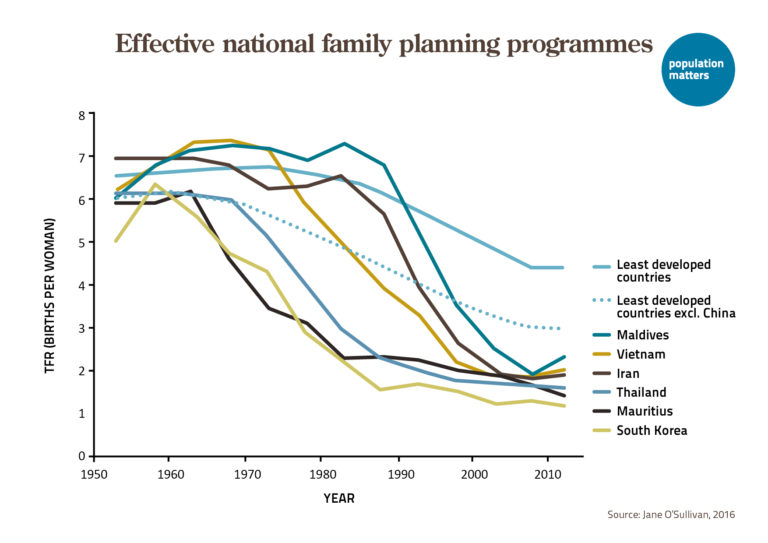
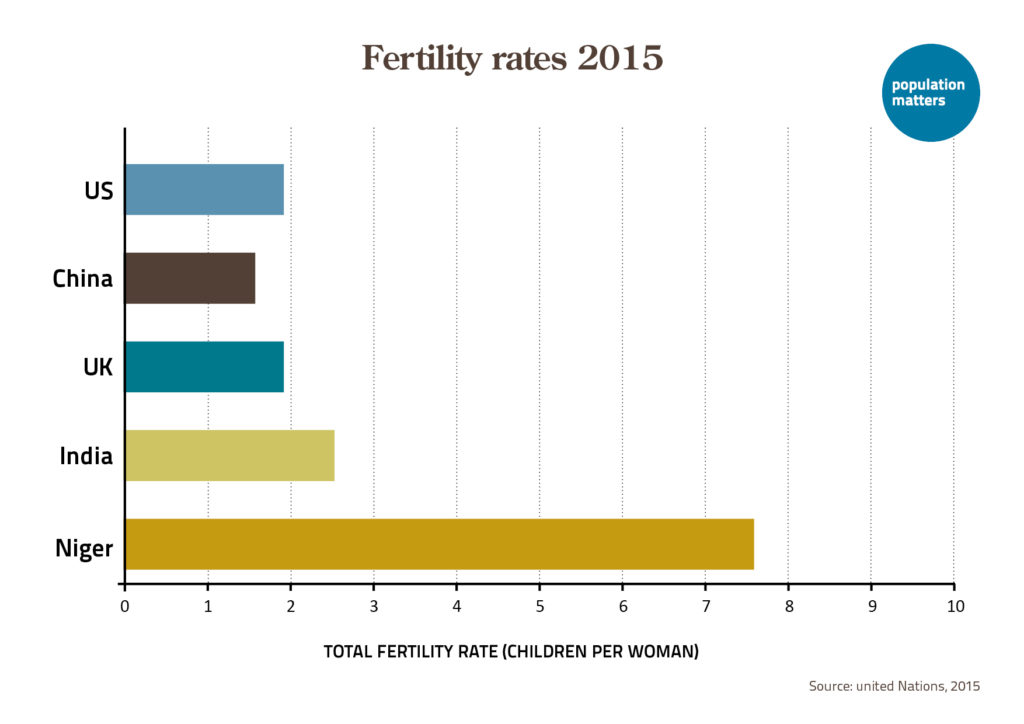
Squeezed into the narrow middle of these ideological bookends, I’ve just published an actual book that makes the case that the current global birth-rate decrease is one of the most hopeful developments on the horizon for an environmentally wounded world. Population growth of course exacerbates environmental problems that have multiple causes. An end to growth and a gradual decrease of population size, along with temporary population aging, will challenge societies — but in ways far more manageable than challenges caused by constantly growing populations. And low birth rates don’t result from coercion today but rather from women’s and couples’ realized reproductive intentions.
The path to a gradual demographic retreat thus lies not in “population control,” much less in misogyny or racism, but in an important linchpin of social justice: reproductive freedom and autonomy for all. Through greater gender equality and genuine choice by all people, the active catalysts for sustainable population change are the world’s parents, would-be parents, and those who do not want to parent. The foundation for demographic well-being that can last for generations is the intention of the sexually active to further their own health and prosperity, and that of any children they decide to have and their broader communities.

The book
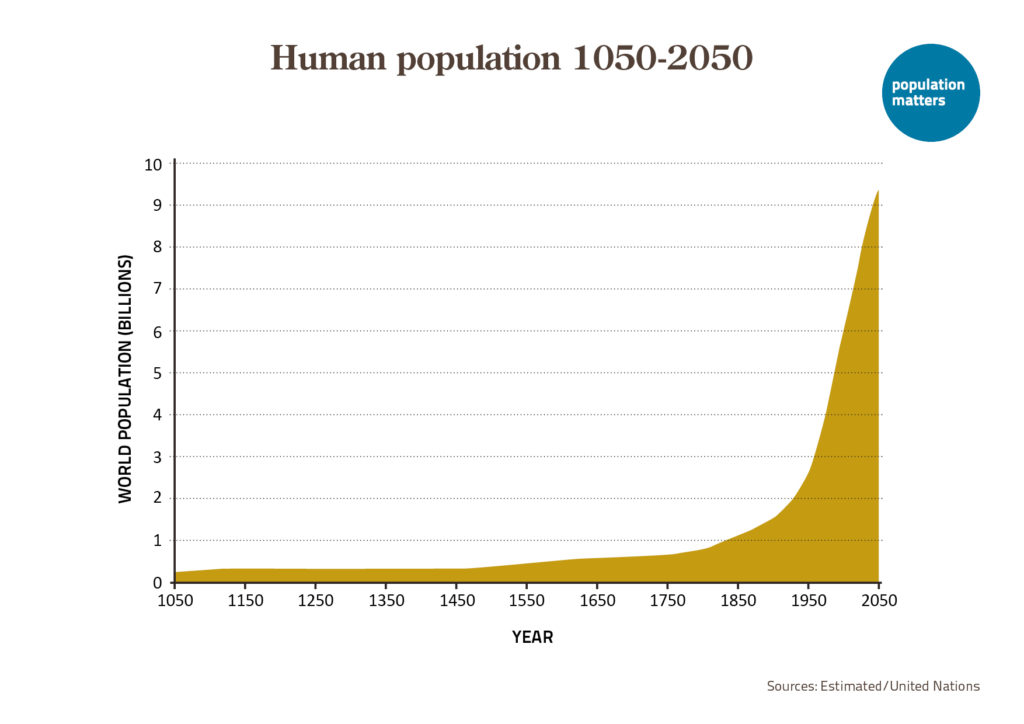
Intending Eden: Parenting, Population, and the Planet is a newly updated and expanded edition of a book published in 2008 titled More: Population, Nature, and What Women Want. In both editions, my objective has been to explore the implications of an obvious fact: that human pregnancy is a frequent and often unwanted outcome of sexual activity more often than not engaged in for pleasure, not for procreation. My thesis is that sexually active people, and especially women and girls, have sought for thousands of years to prevent unwanted conception and birth. Sometimes they succeeded in this effort even in ancient times, and their success has had an impact on the long history of human population growth that has led to today’s 8.3 billion people. What’s needed today is to expand the success of contraception through universal access to family planning services and sexuality education for a better world.
You could almost say it all started with a man, Onan, but the idea of taking steps to enjoy sex without risking bringing a child into the world is undoubtedly older still. Genesis 38:8-9 tells how Onan spilled his seed on the ground to avoid impregnating the widow of his brother. Once the Bible began to be translated into vernacular languages and then printed for mass audiences, this short passage may have offered the world’s first written guide to do-it-yourself birth control, i.e., withdrawal.
As readily available as withdrawal is, it suffers for being male-controlled — and often male-uncontrolled in the passion of the moment. What women have always needed to avoid unwanted pregnancy are contraceptives they can easily manage without hurting themselves and, ideally, can leave aside just as safely when they would like to conceive.
History and plant biology suggest such options were indeed available to women, although their less-than-ideal efficacy and safety would never be acceptable today. Even if individual users were often disappointed, on a population level contraception may have been successful often enough to slow growth beyond what it otherwise would have been. Certainly those who held power in patriarchal societies and religions feared the impact of contraception. As Intending Eden documents, they tried to restrict it and non-procreative sex generally, and to confine women to childbearing roles.
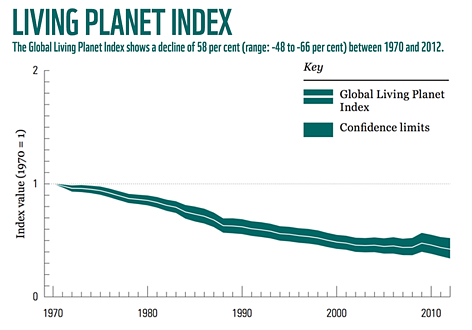
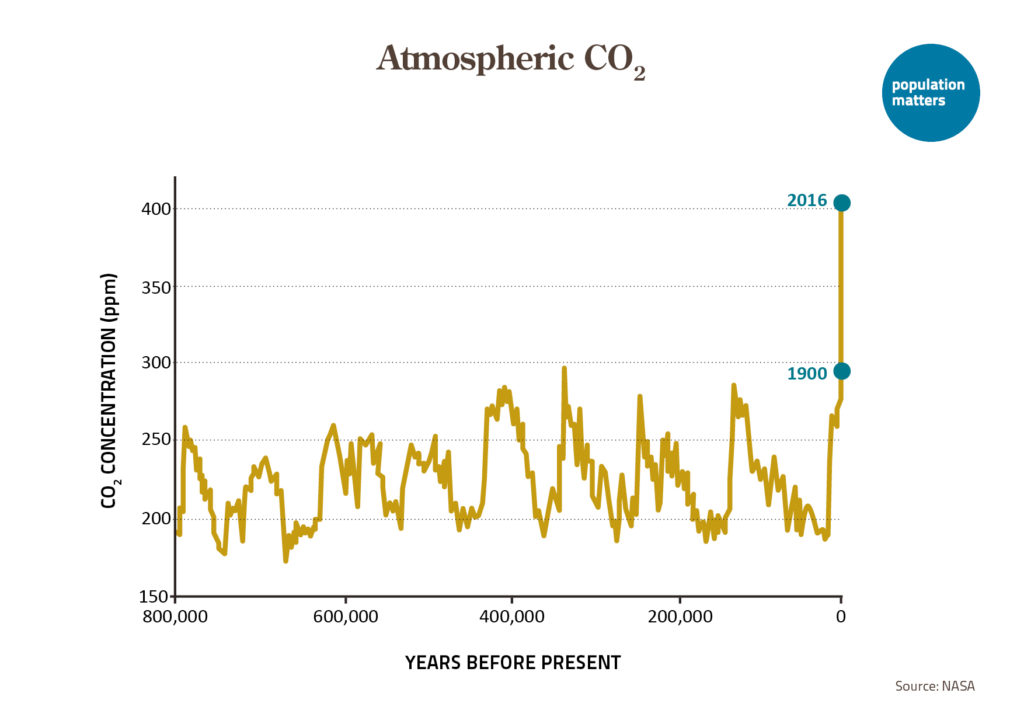
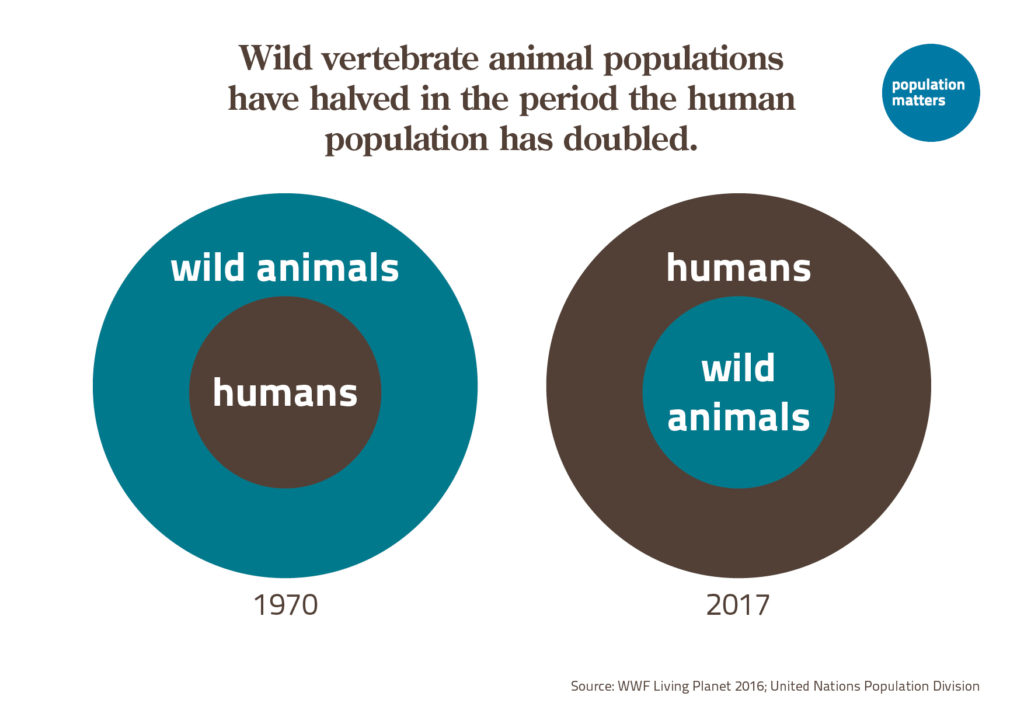
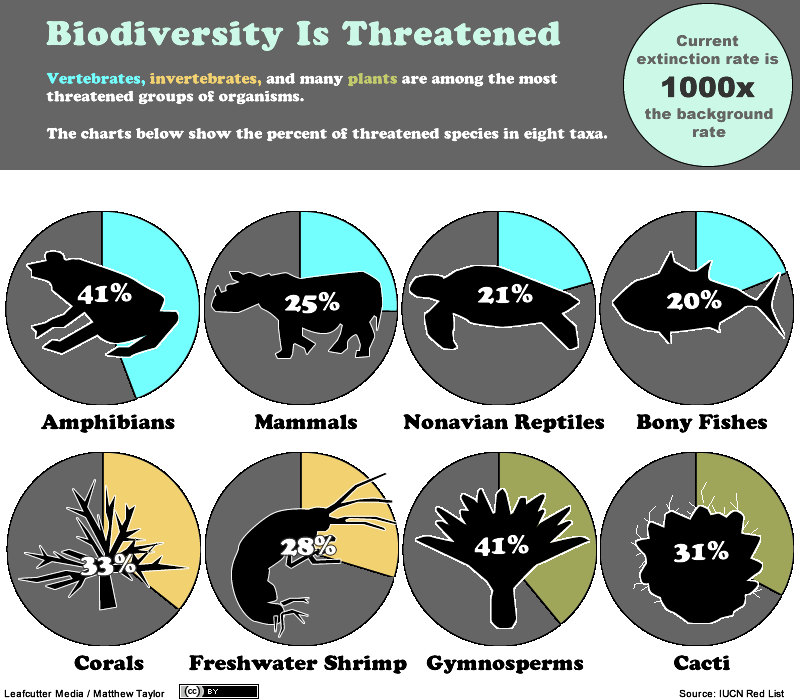
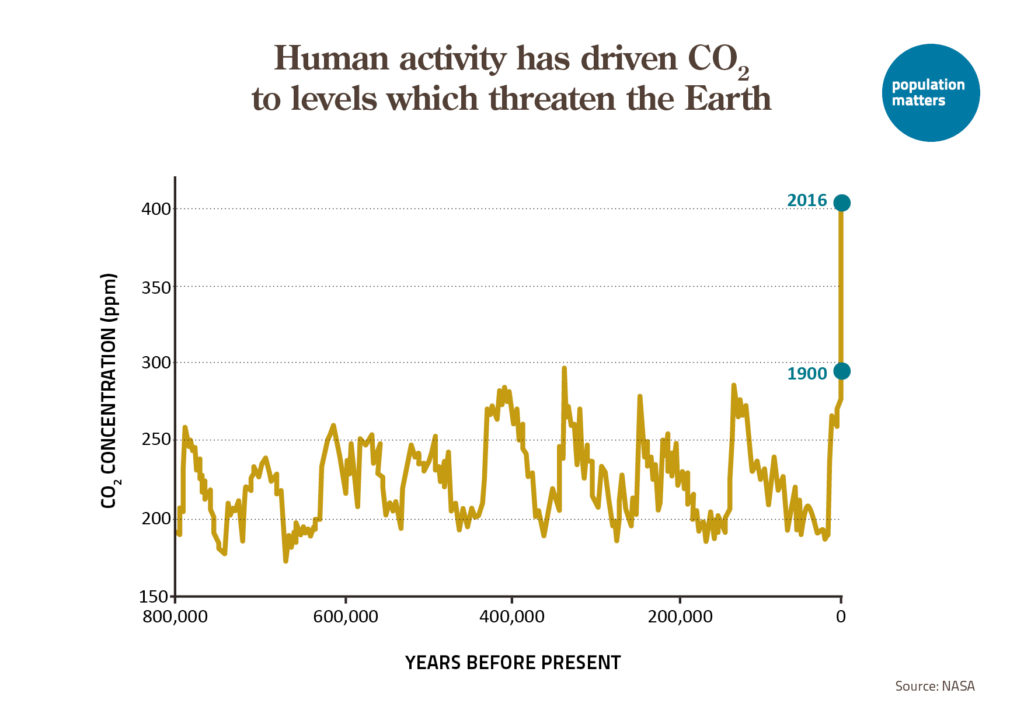
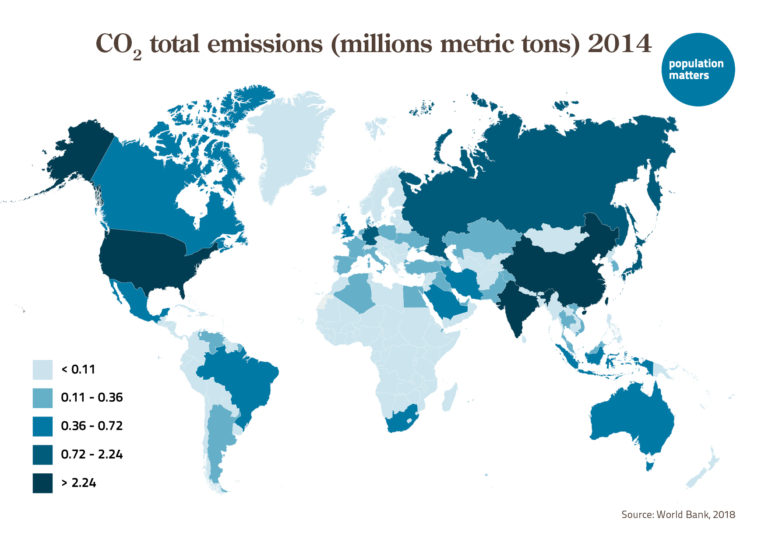
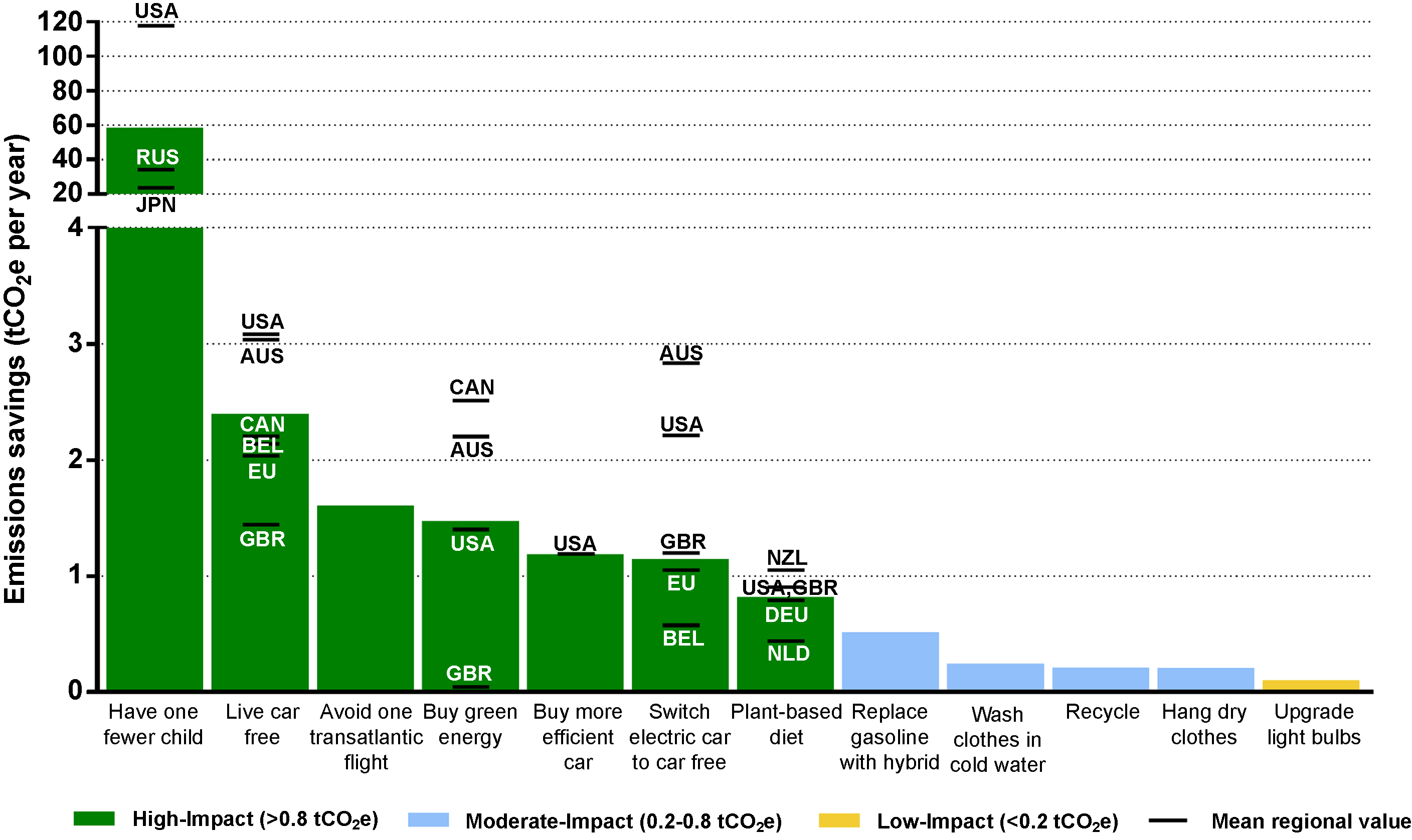
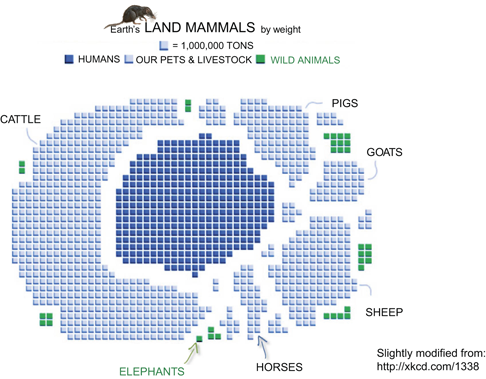
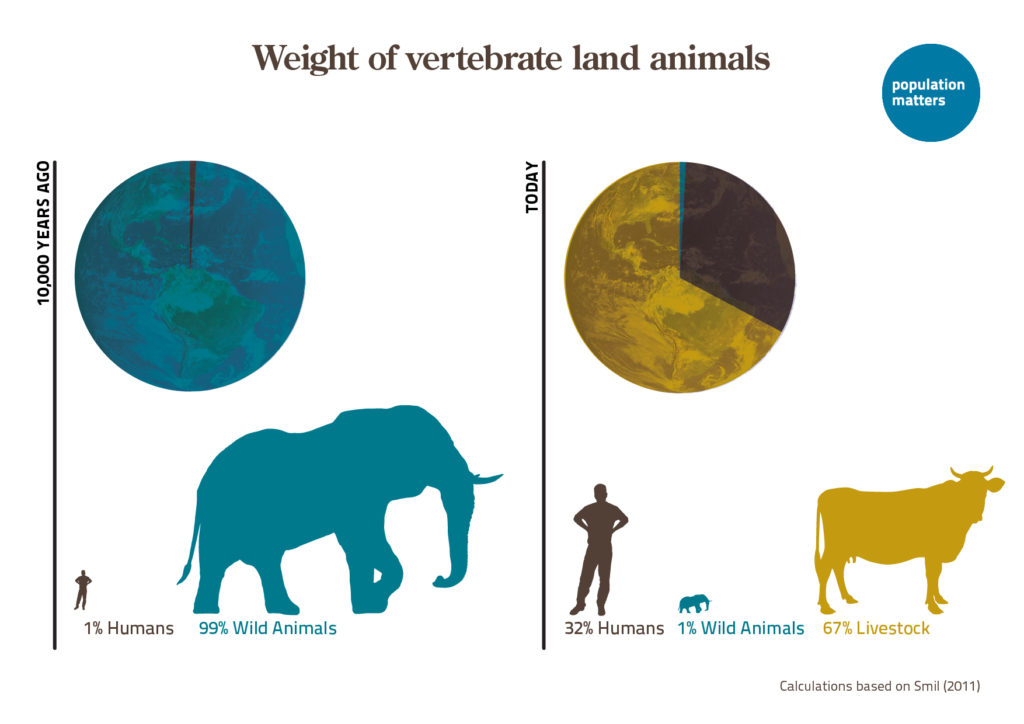
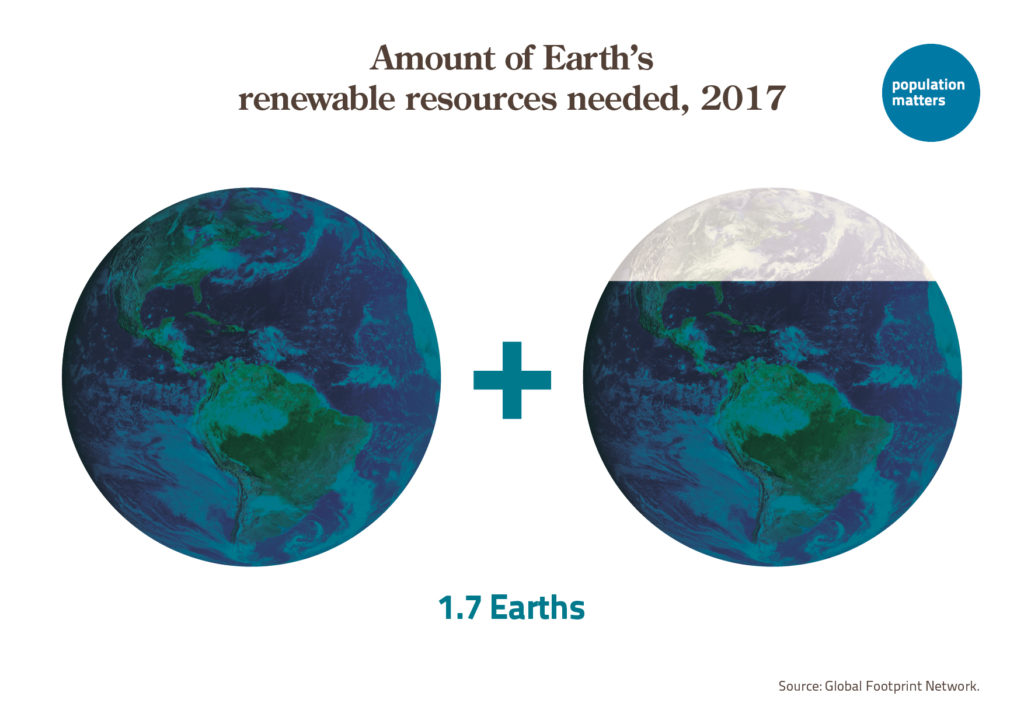
The book chronicles not only the status of women and reproduction over millennia but also the role that population growth has historically played in humanity’s expansion over all the ice-free land areas of the planet. And it examines attitudes about overpopulation going back to a Babylonian epic written before 1600 BCE. While many commentators argue today that population is not an important factor in climate change and environmental degradation generally, historians taking the long view and scientists measuring how human scale affects physical and biological systems are not in doubt. Climate change and environmental degradation may be today’s headlines, the book notes, but they are challenges that humans will be addressing as best they can for generations to come. Smaller populations than today’s will demand less from the natural world. Equally important, they will likely be more resilient to adapting to the rapidly changing environmental and climatic conditions ahead.
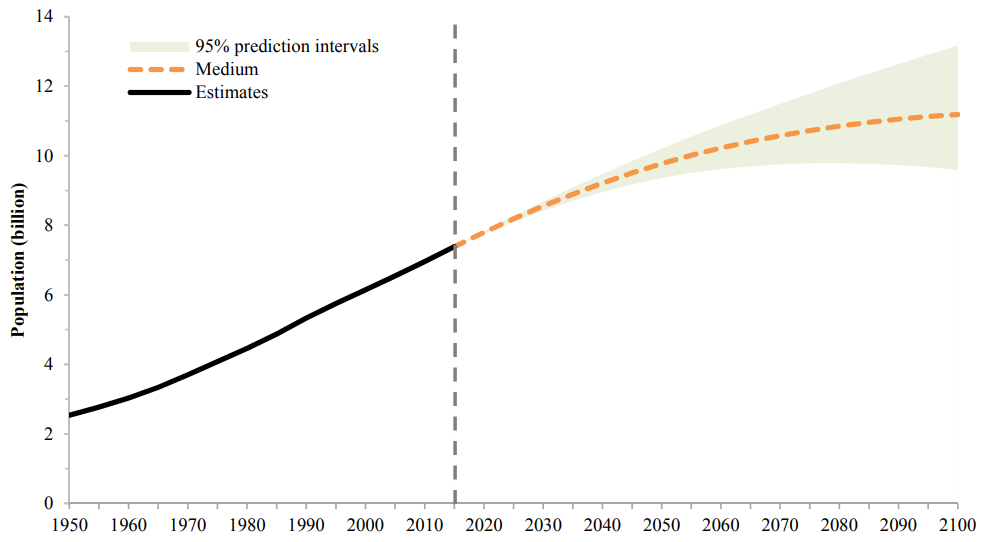
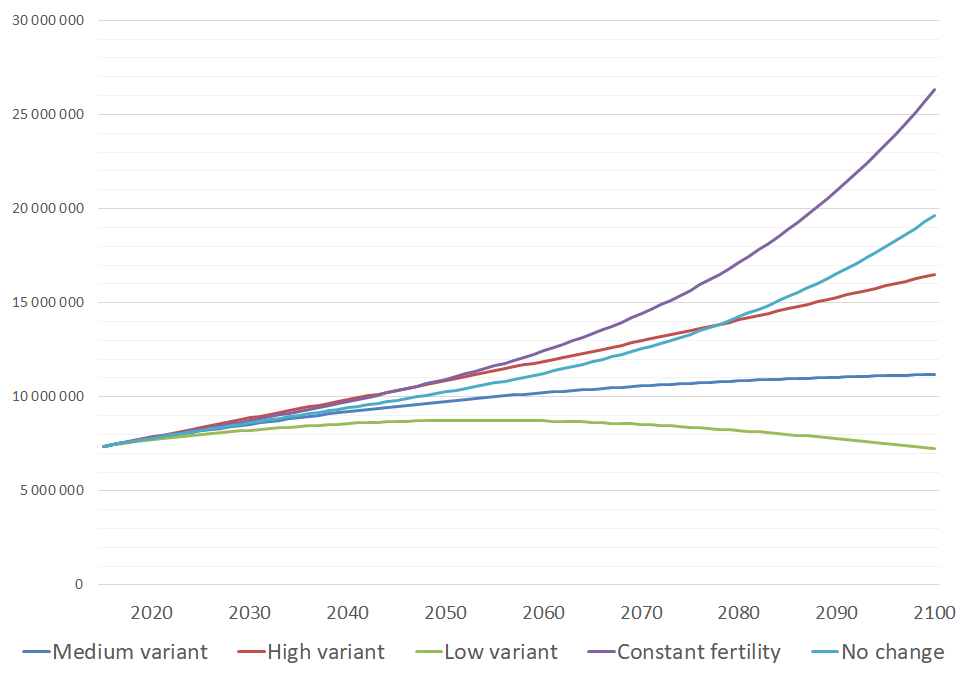
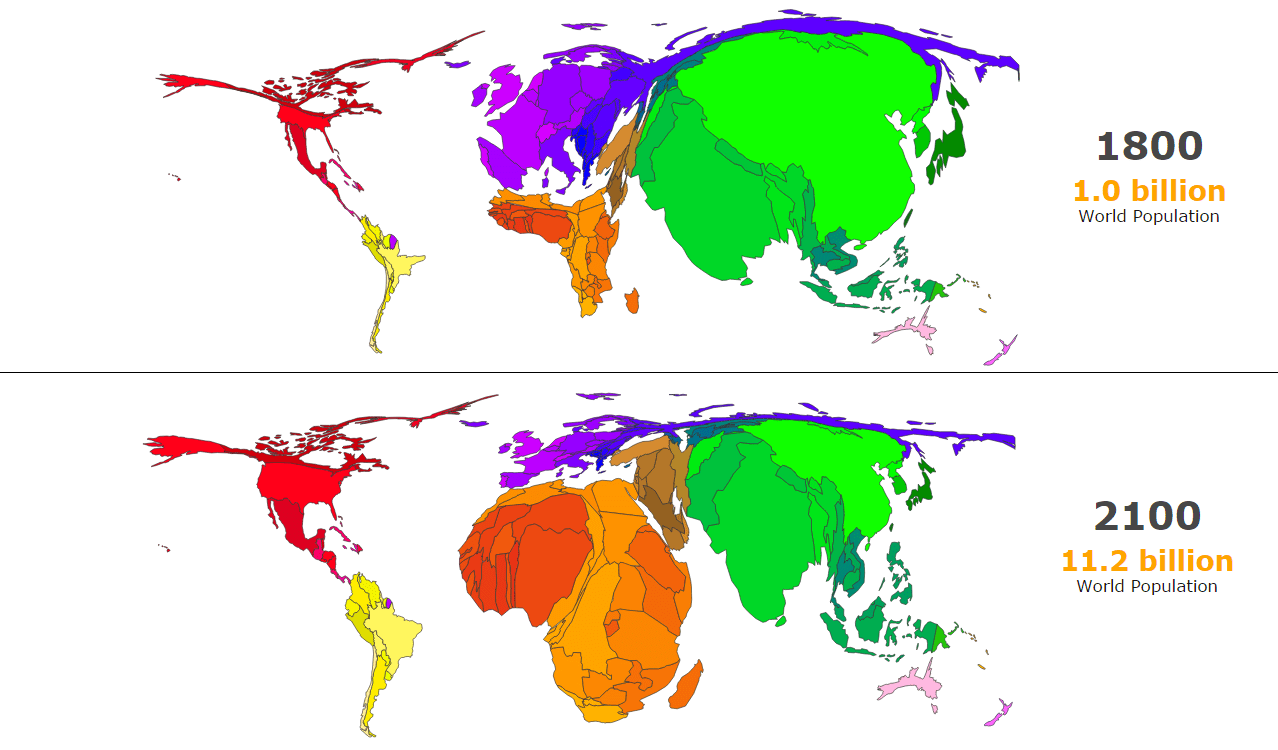
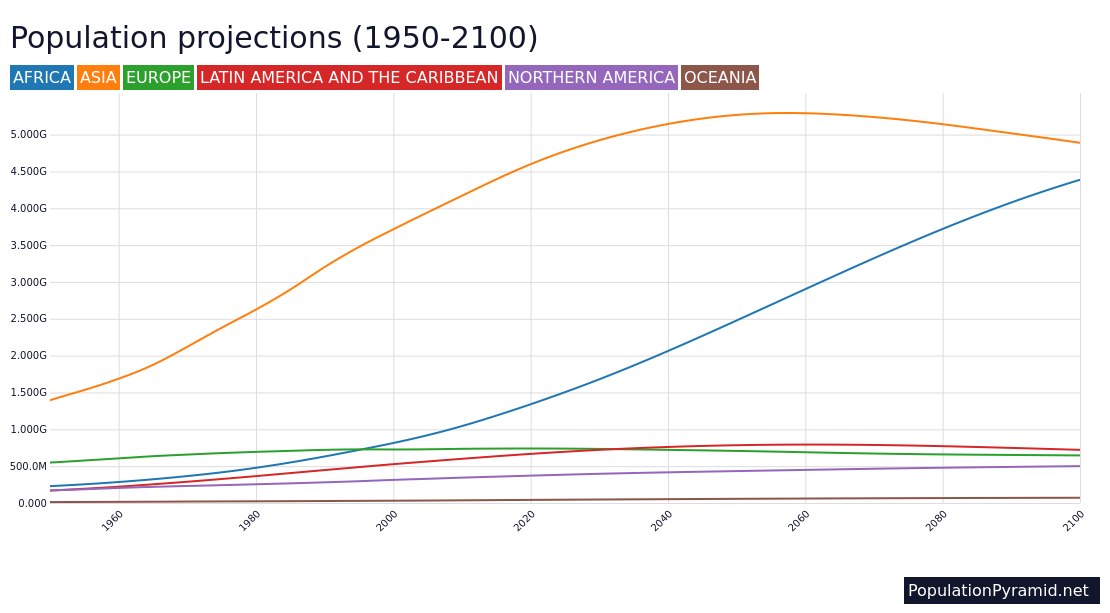
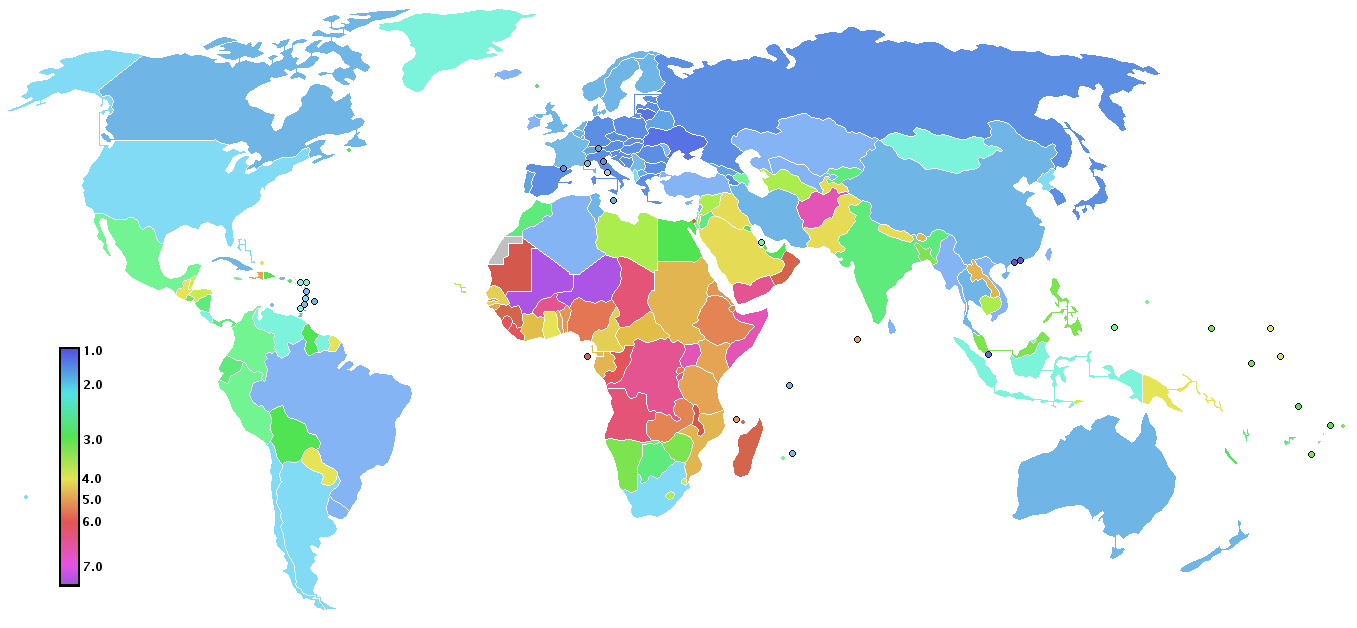
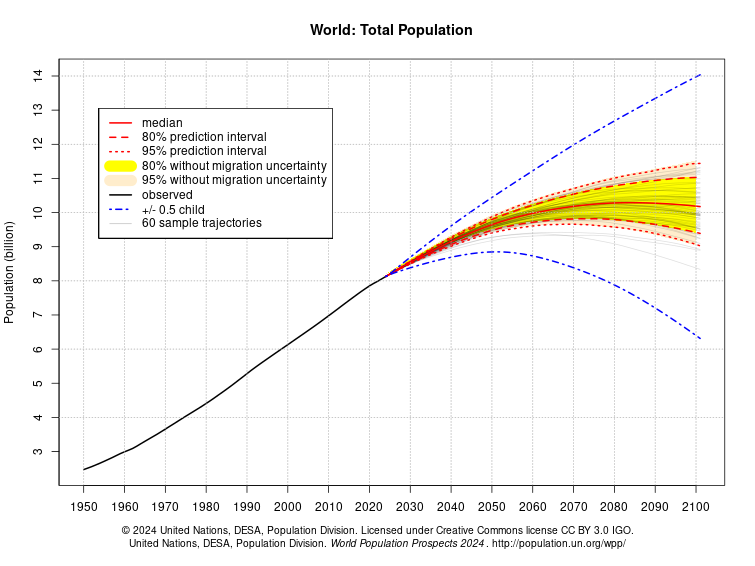
Signs are promising that human population growth will end within the lifetimes of young people alive today. And this is most likely to occur for the best of reasons, not higher death rates (though deaths may rise in the dangerous times ahead) and not the unintentional inability to conceive and give birth. The long-term objective is that birth-rate decrease and sustainable population retreat occur through the reproductive intentions of couples, and especially of women, the bearers of children.
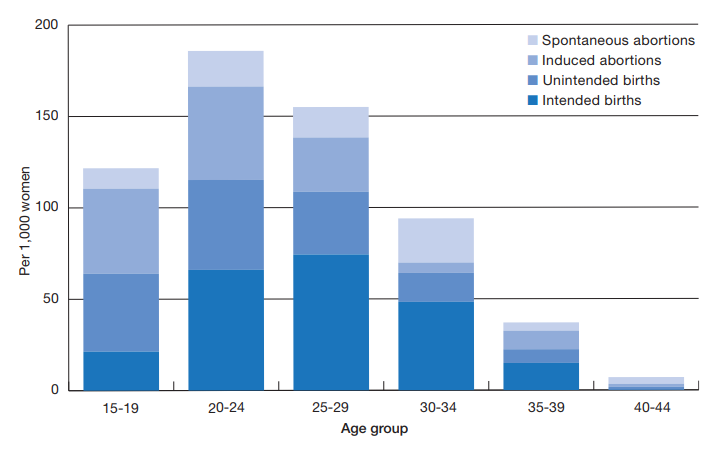
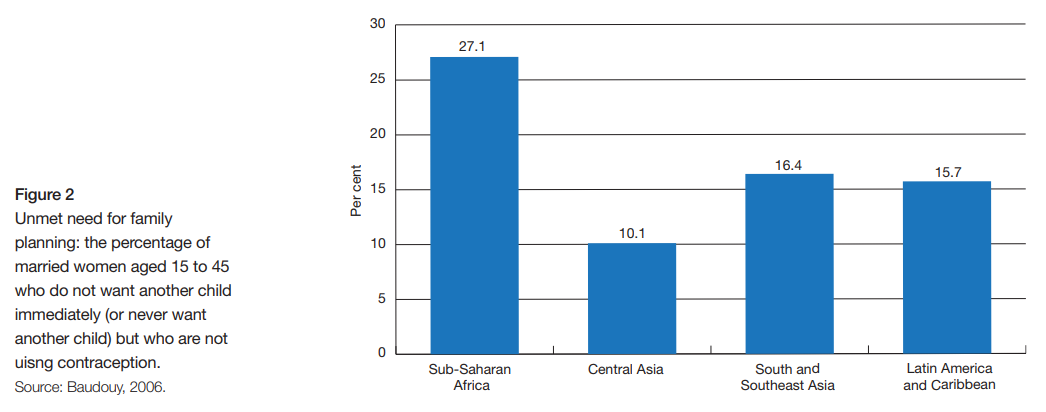
Humanity is probably closer than ever before to such an outcome, but unintentional pregnancy is still common in wealthy as well as middle-income and low-income countries. This is where the critical work lies. Those who care about the future must make sure there are no barriers to well-informed decisions that each person can make on whether, when, and with whom to become a parent. Not just people but all the living world will benefit, no matter the dangers and challenges ahead.











Leave a Reply