
Green and left-wing parties lost ground in recent elections to the European Union Parliament, in part by neglecting and even denying the relationship between population growth by immigration and environmental stress. They could have used the topic to their advantage, but failed to do so. Instead it became the flagship issue of the right.
By Jan van Weeren
Results of the 2024 EU parliament elections show a major shift towards the right. 7 seats more for the Conservatives and Reformists group, 9 seats more for the Identity and Democracy group, and even 27 more for the Nonaligned, a group dominated by right wing parties. Together they occupy 223 of the 720 seats in the new parliament.
On the left side, the Socialist and Democrats group lost just 3 seats and the far Left group even won 2 seats, but the Greens lost 19 seats. Together they occupy 227 of the 720 seats, so left and right are pretty well in balance. In the centre the liberal Renew Europe group lost 22 seats, but the (largely Christian) European People’s Party gained 19 seats. With 270 seats the centre is still going strong, but for majorities it has to negotiate with other groups.
This shift to the right is remarkable. Since right wing voters care more about national issues than about ‘Europe’, they typically turn up and vote to a much lesser degree than other voters in EU-wide elections. This redistribution might also reflect an increase in nationalism and cultural defensiveness against the more globalist liberal position.
Main topic immigration
A number of issues played a part in the run-up to the elections. These included the position of farmers in different member states, the reduction of greenhouse gases, environmental protection (nature restoration initiative, water quality, the emission of nitrogen oxides), the Ukraine war, and national autonomy generally. But the leading topic for many voters was undoubtedly immigration from countries outside the EU. What to do with refugees and economic migrants? How to stop them from coming? How to distribute them over the member states, and send them back if they are not entitled to stay?

Discontent with EU immigration policy, in combination with a compulsory quota system for member states, drove people towards parties such as Rassemblement National (France), Fratelli d’Italia (Italy), Alternative für Deutschland (Germany), Freiheitliche Partei Österreich (Freedom party of Austria), Vlaams Belang (Belgium) and, certainly not the least, Partij voor de Vrijheid in The Netherlands, currently by far the largest party in the Dutch parliament. The general sentiment is that a nation should be free to implement its own migration policy if the EU is unable to take appropriate measures to curtail uninvited immigration.
What about the left wing in the parliament? Their stance on immigration is completely different. They point to general human rights and the right of refugees set out in the 1951 Refugee Convention and the Charter of Fundamental Rights of the European Union (2009). They come up with the banality that ‘migration is of all times.’
According to these parties, immigration is the consequence of inequality, poor people in the South versus rich people in the North, as a result of (neo)colonial exploitation. Therefore, rich countries have no right to restrict immigration. They should work to reduce poverty in the global South and remove the necessity of migration.
More recently, the problem of climate refugees plays an important role in thinking on the Left. Rich countries are responsible for many years of GHG emissions causing climate change, by which poor countries are particularly affected. So migrants cannot be blamed for leaving their countries and striving for a better life elsewhere. The idea that overpopulation might play a role in driving mass migration is not on their radar.
Immigration and CO2 emissions
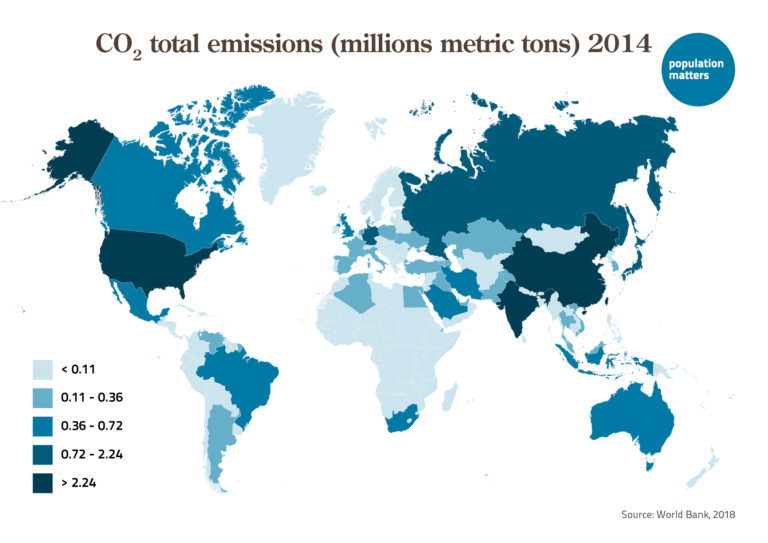
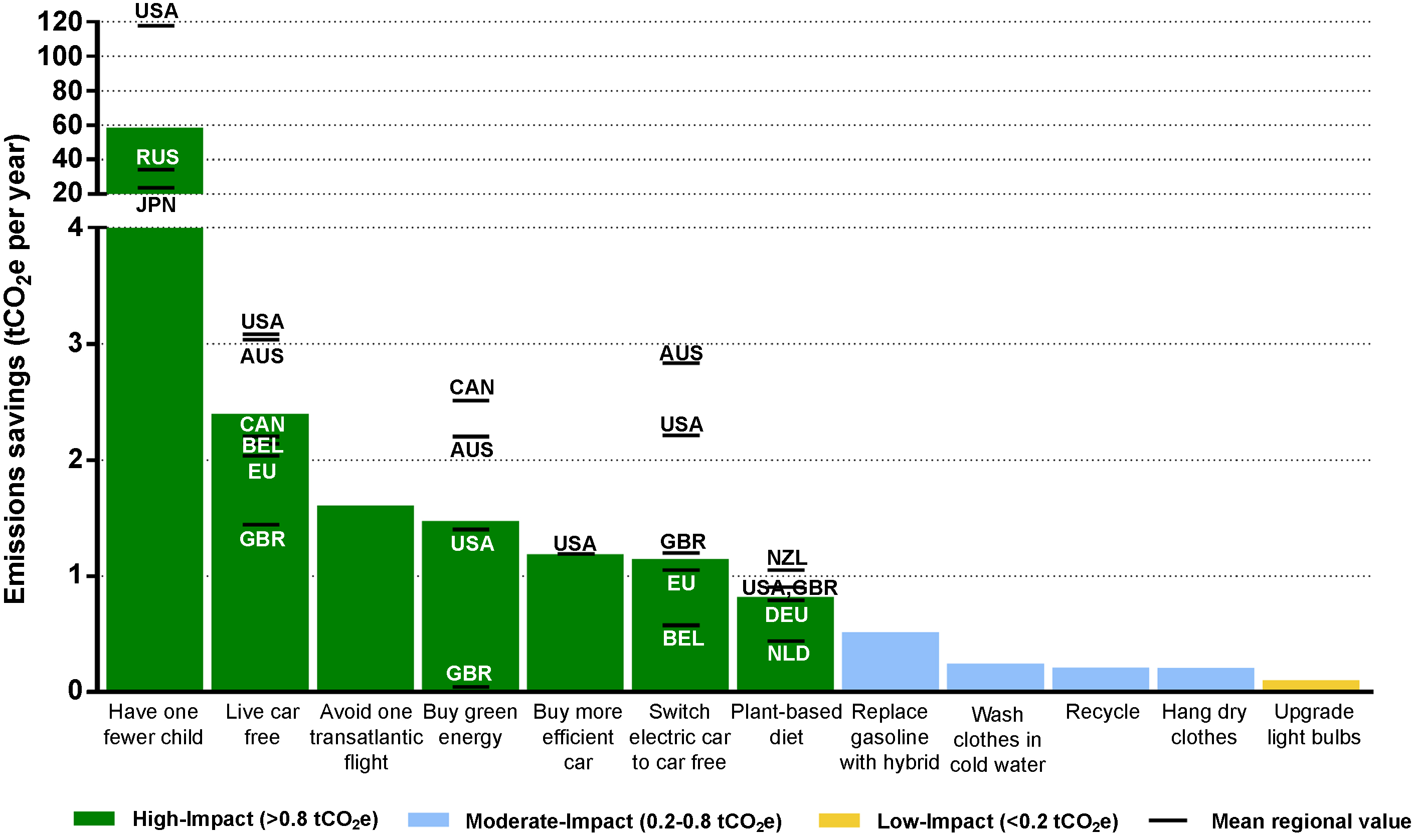
In January 2021, the Financial Post published an article titled “Immigration may make global net-zero harder.” It calculated that then-prevailing immigration levels in Canada would add three-quarters of a per cent to its population every year, so that in 2030, all else being equal, the country’s population and global GHG emissions would be 7.5 per cent above what they would have been otherwise. The size of this effect is determined by the average emissions in the country of origin of the immigrants as well as by their numbers.
Using CO2 emissions data for 2016 from the World Bank and immigration data on the sources of immigrants, the authors estimated that in 2017 the increase in global emissions was 11.33 metric tons per Canadian immigrant per year and that the 286,000 immigrants admitted in that year added a total of 3.25 million metric tons to global emissions and will add 97.4 million more metric tons over the remaining 30 years of their assumed lifespan. These figures were just for the immigrants who arrived in 2017, but they are also relevant for immigrants arriving in future years, in numbers that have increased substantially (to more than 1.2 million in 2023).
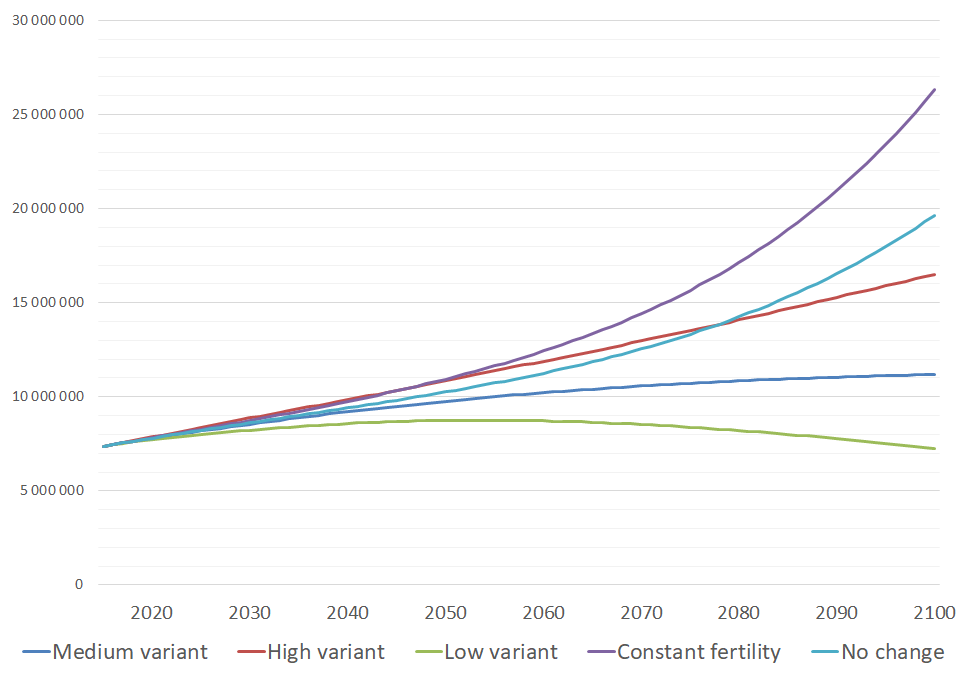
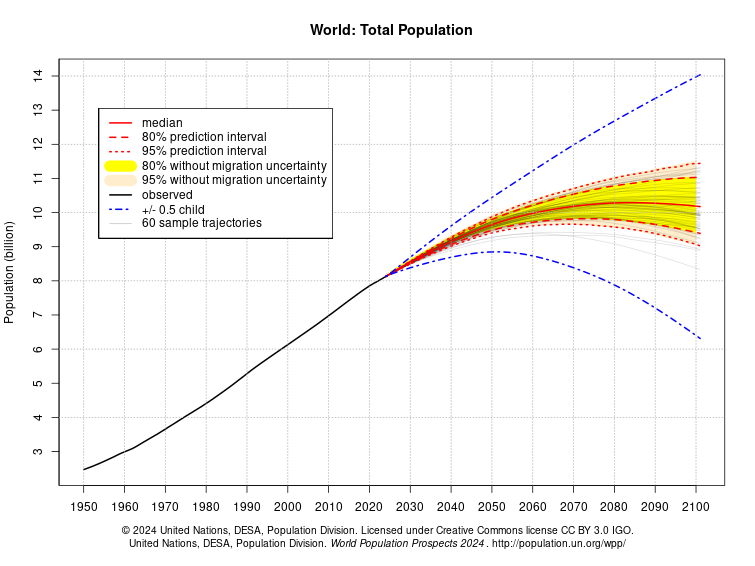
The conclusion that immigration into a high income country such as Canada adds considerably to the global stock of CO2 emissions obviously did not reach nor move Green or Left politicians in the EU, who are otherwise most eager to reduce GHG emissions. If the EU were to continue accommodating its current high level of net migration throughout the century, the EU population would approximately double by 2100, according to our TOP Grapher and pointed out by Philip Cafaro.
Of course, immigration into the EU is not confined to people coming from low income countries. Immigrants may also come from middle-income countries or even high income countries, where people already have high carbon footprints. But these are largely balanced by emigration from Europe. In terms of net gain, most immigrants into the EU are coming from low income countries and will, on average, increase their CO2 emissions and other environmental impacts.
Ongoing population growth in Africa
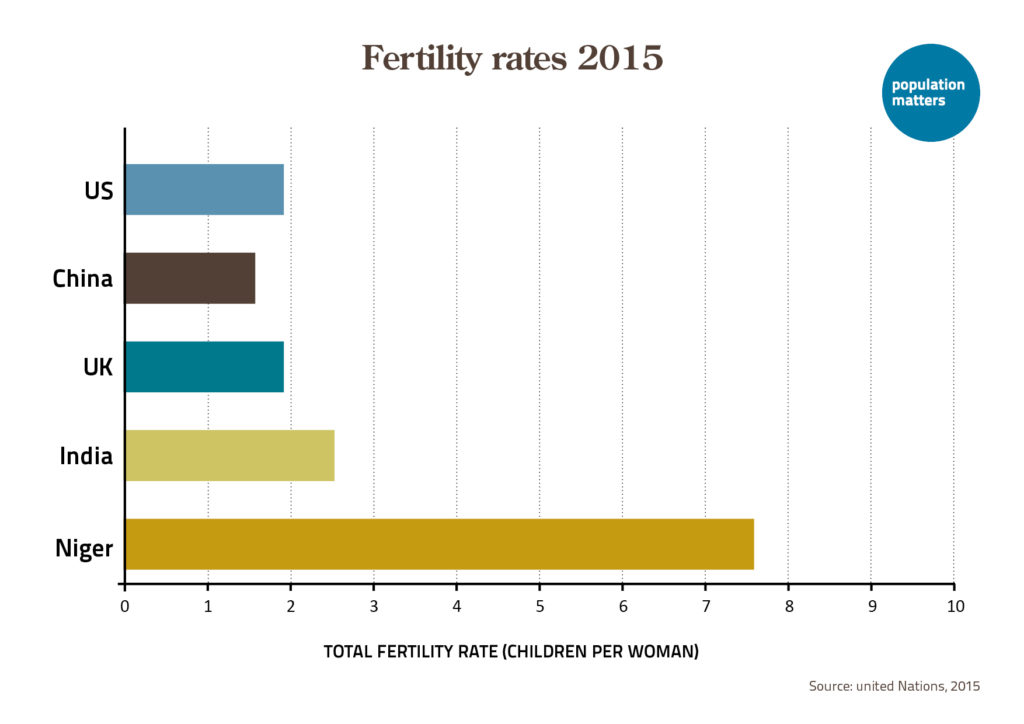
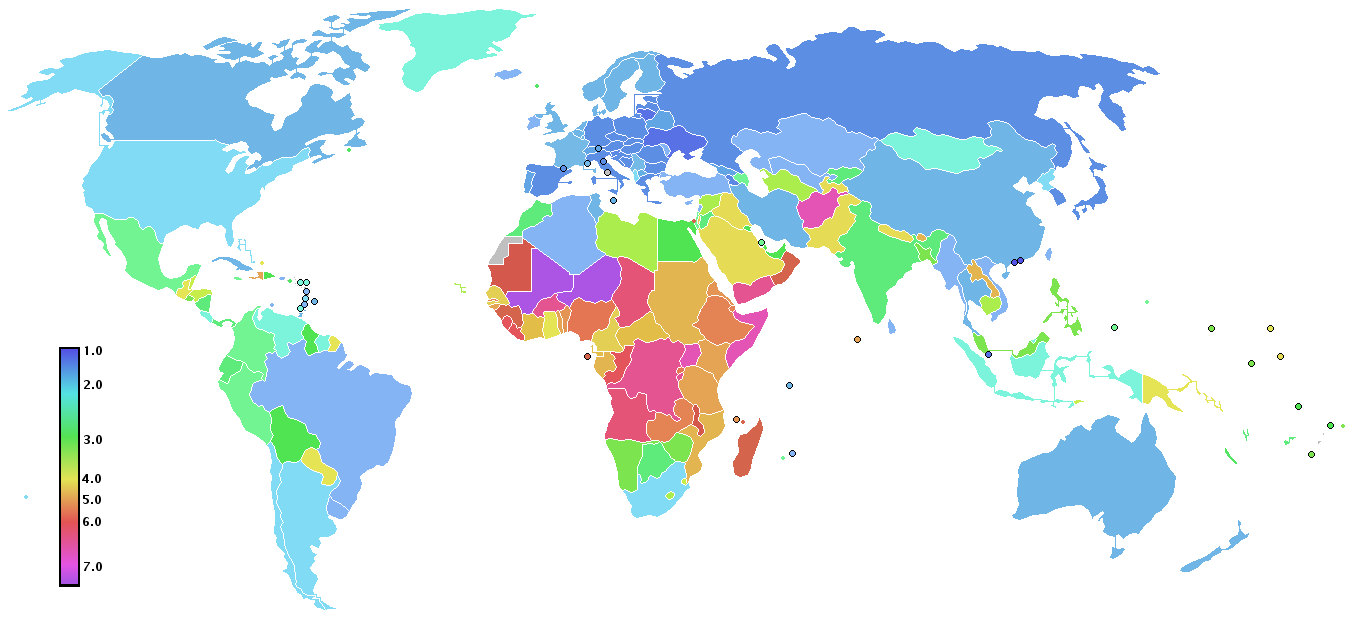
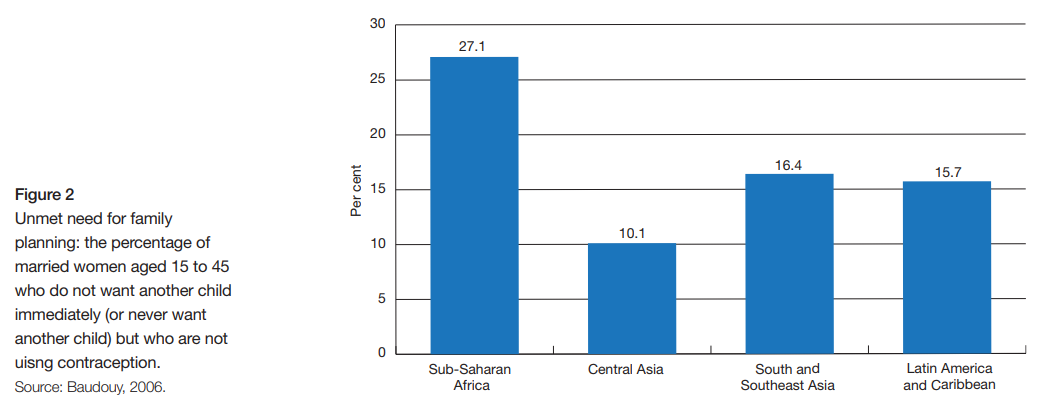
Current high population pressure on the EU originates primarily from Africa. One main migratory route runs via the Canary Islands. Most people come from Mali, Senegal, Mauritania and Morocco, especially young men with hardly a chance at a residence permit, according to Spanish and European rules. Still many keep setting out for this life-threatening crossing in fragile boats. The birth rates of last year in these countries speak volumes: Mali: 42.2 per 1,000 inhabitants, Senegal: 32.9, Mauritania: 29.9 and Morocco: 17.5. For a comparison: The Netherlands: about 9.5.

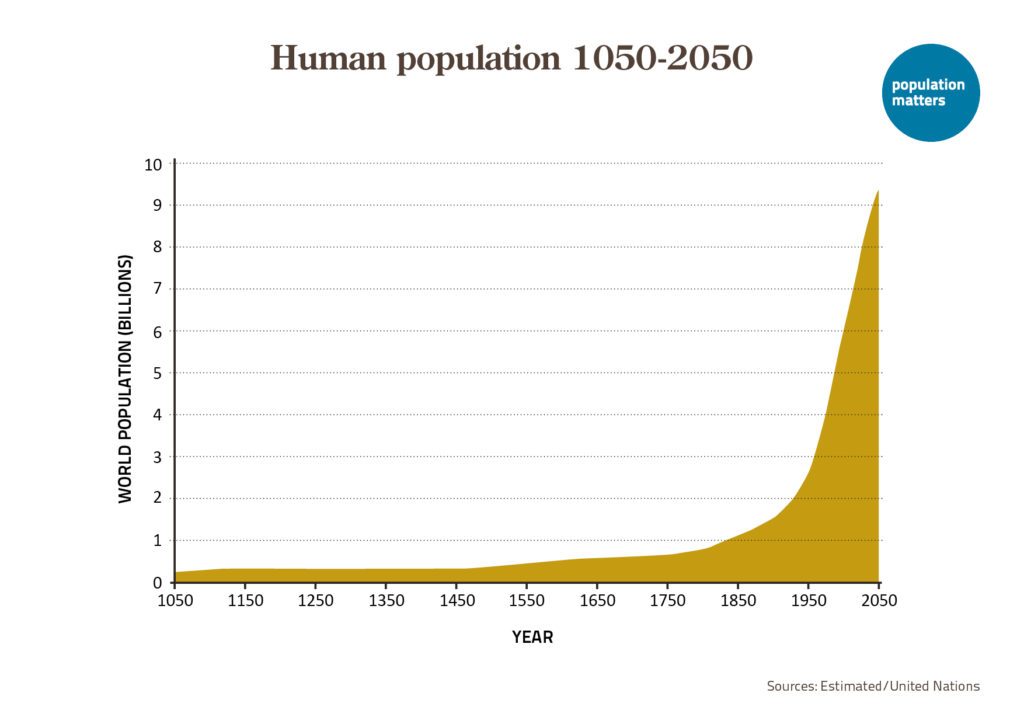
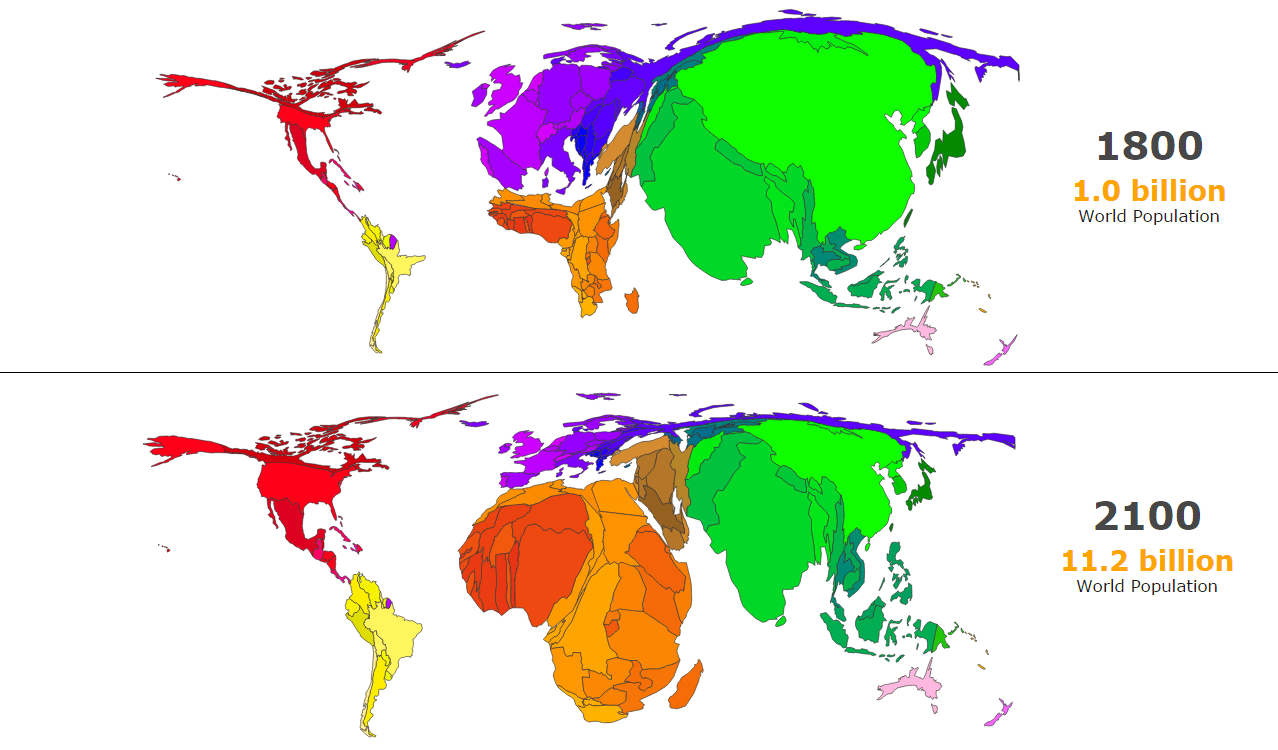
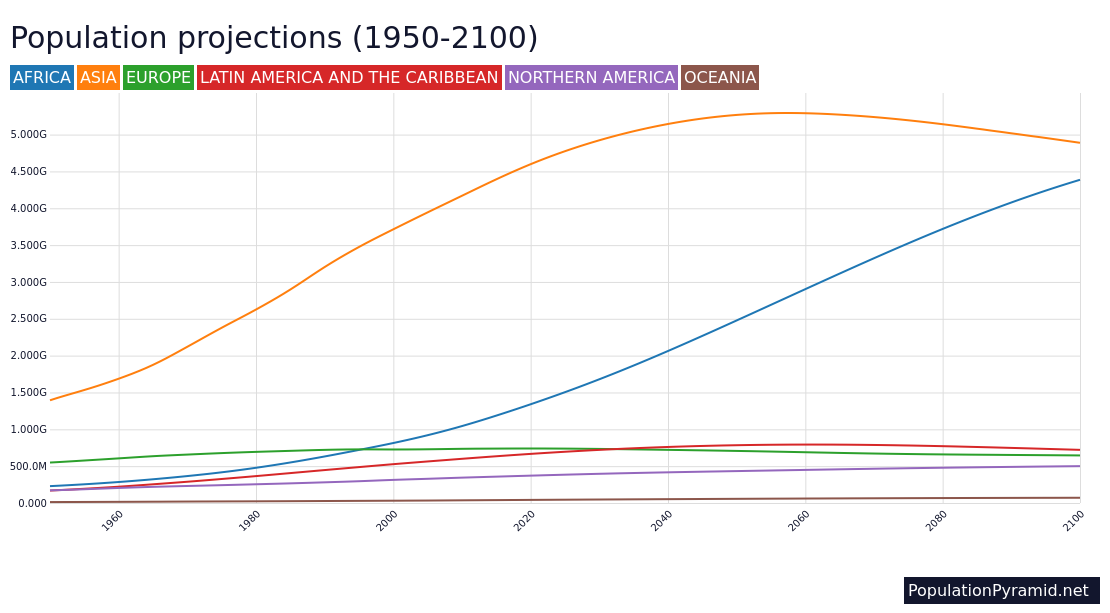
From 1960 onwards the population of all these countries, including The Netherlands, grew strongly; in the African countries exclusively by natural increase. The Dutch population went up from 11 million in 1960 to nearly 18 million in 2023, mainly as a consequence of immigration. Without immigration, the Dutch population would have been shrinking in recent decades. During this same period the population of Mali grew from 5.3 million to 23.3 million, and the populations of Senegal and Mauritania increased fivefold. Morocco’s population went up from 11.8 million in 1960 to almost 38 million in 2023. In these years the population of these four African countries increased by 61 million people.
Carbon isn’t everything
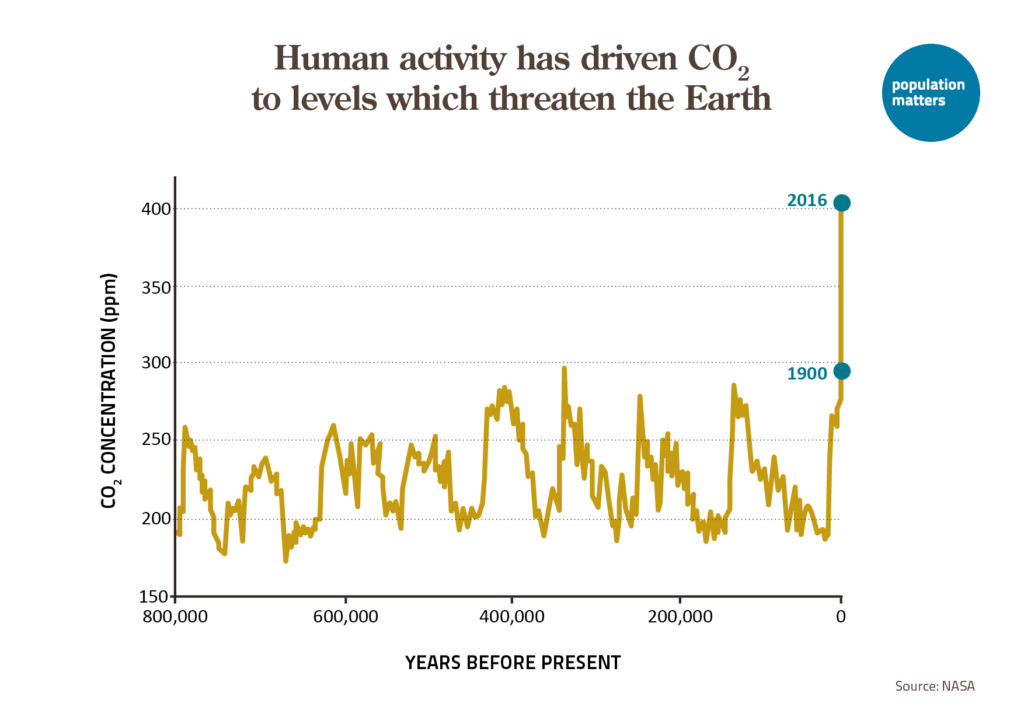
Let us return to the problem of increasing GHG emissions when immigrants with low carbon footprints take up the lifestyle of the receiving rich countries. Against the present background of a vigorous CO2 reduction policy in the EU, it might seem immigration numbers will not make much difference. Of course, every immigrant will add to this problem in the short term. But the ambitions of the EU — to reduce net greenhouse gas emissions by at least 55% by 2030 and no net emissions of greenhouse gases by 2050 — are so high that they will dwarf the carbon footprint of immigrants. However, there is still a major chance that these very high targets will not be met. In that case, the additional carbon footprint of immigrants will remain a huge problem.
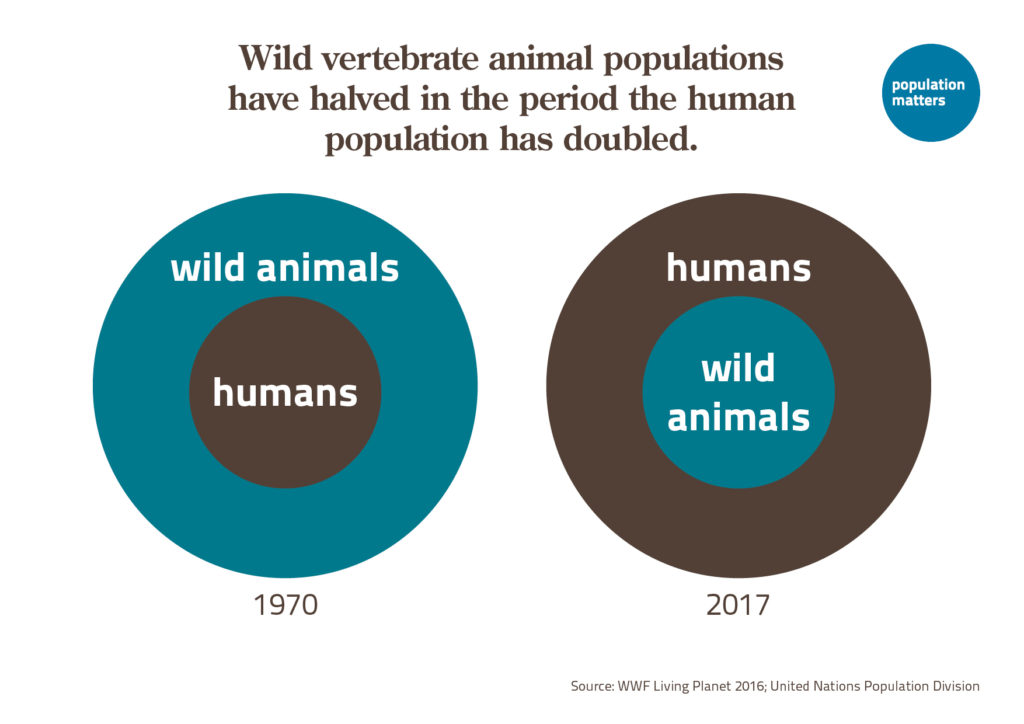
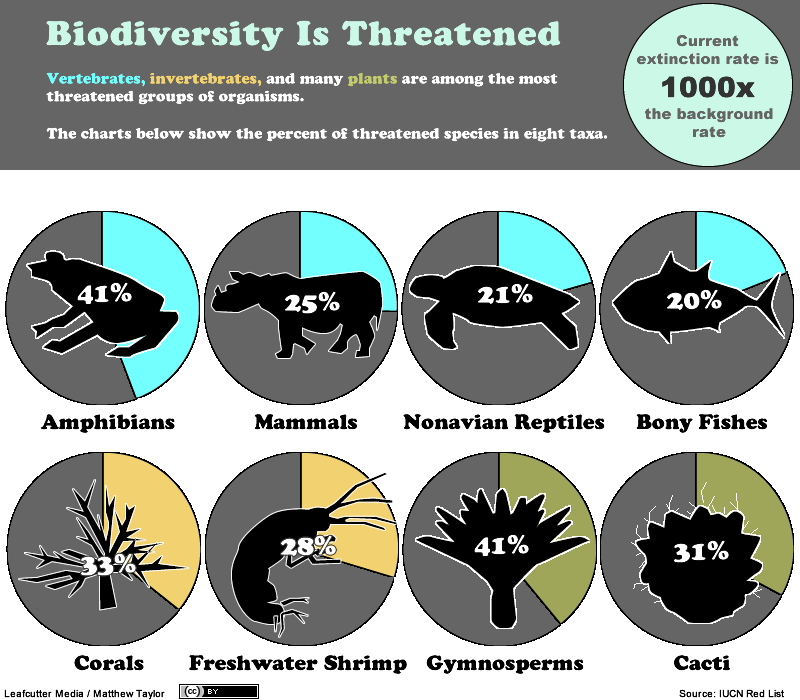
But that is not the whole story. Population growth by immigration will have a proportional impact on all our environmental challenges, such as proper land use, protecting biodiversity and ecosystems, reducing air, water and soil pollution, preventing water scarcity, reducing waste generation, and so on. These are typical concerns of the Greens. But they fail to see how they relate to with population growth, or just ignore the connections.
Greens could have strengthened their position in these and other recent elections by accepting that environmental damage in the EU is exacerbated by immigration-driven population growth. But unfortunately they did not. Not only was there an electoral cost to this willful blindness. Supporters of a strong and comprehensive environmentalism have to wonder whether the Greens risk sliding into political irrelevance.
The sad irony is that the Right are largely weak on environmental policy and social equity. Voters who see population stabilisation or contraction as a key to a progressive and environmental agenda have no one to vote for.
Jan van Weeren is secretary of the Dutch Foundation Against Overpopulation











Leave a Reply