The Overpopulation Project
TOP – Research and Outreach
Too many people consuming too much
The views and opinions expressed in guest blog posts are those of the authors and do not necessarily reflect the position of The Overpopulation Project.
-
A Simple Point (that makes a big difference over time)
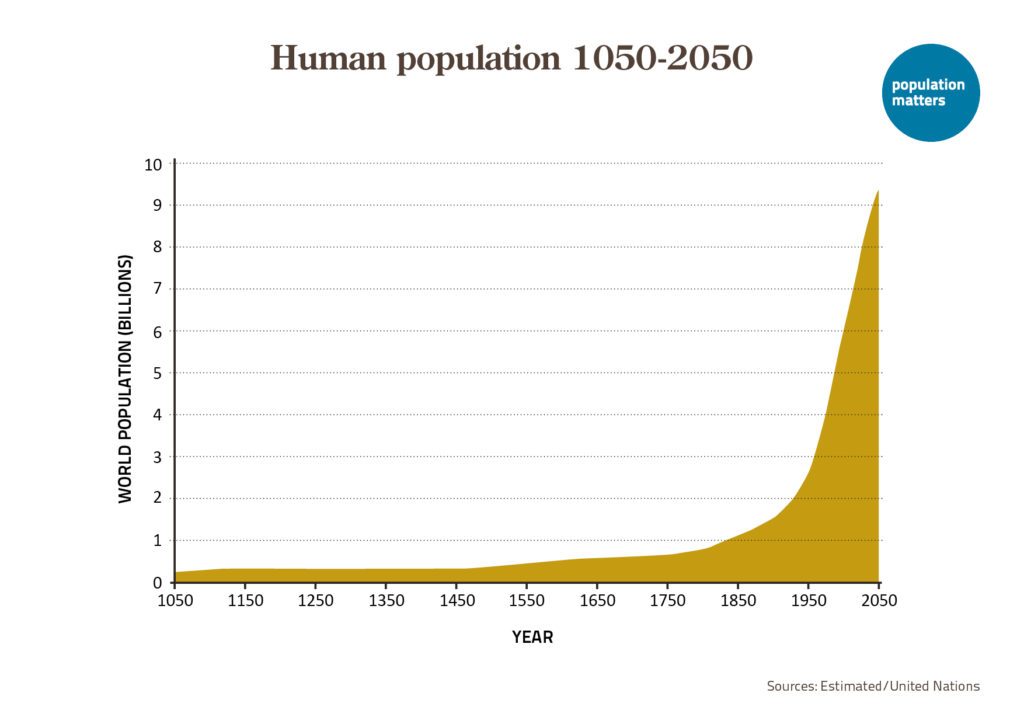
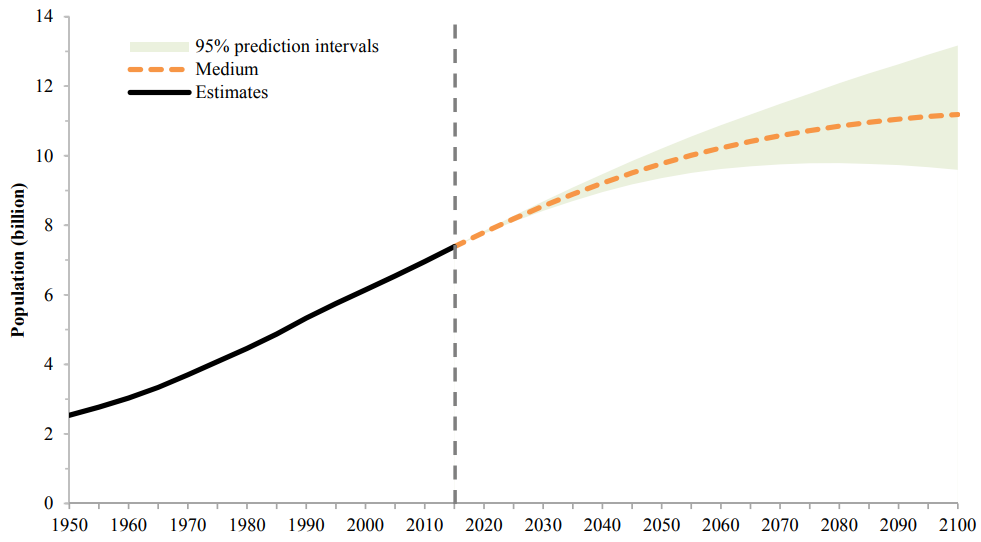
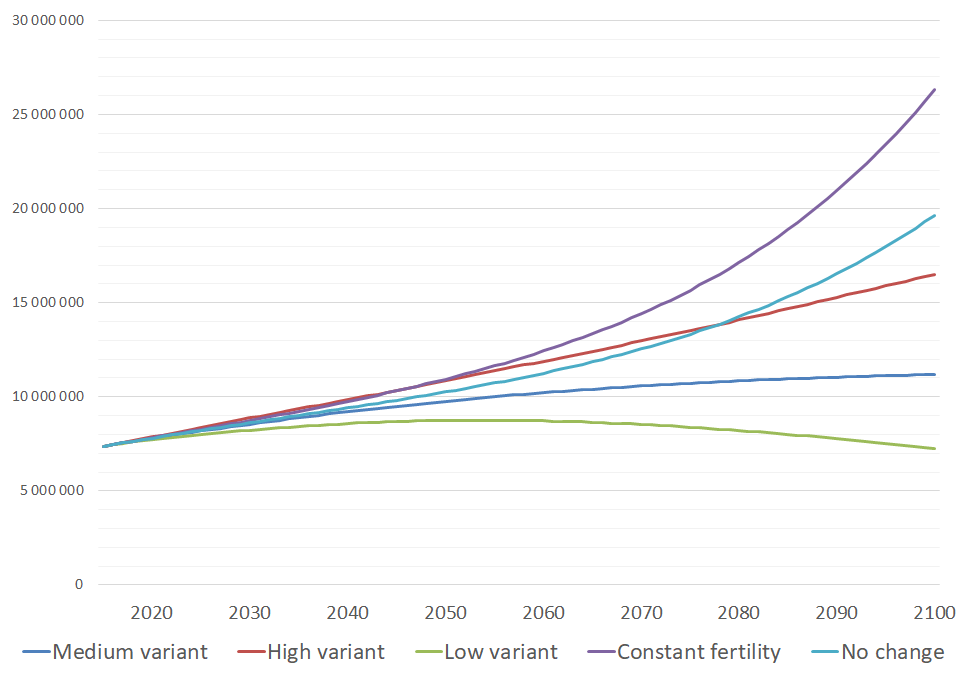
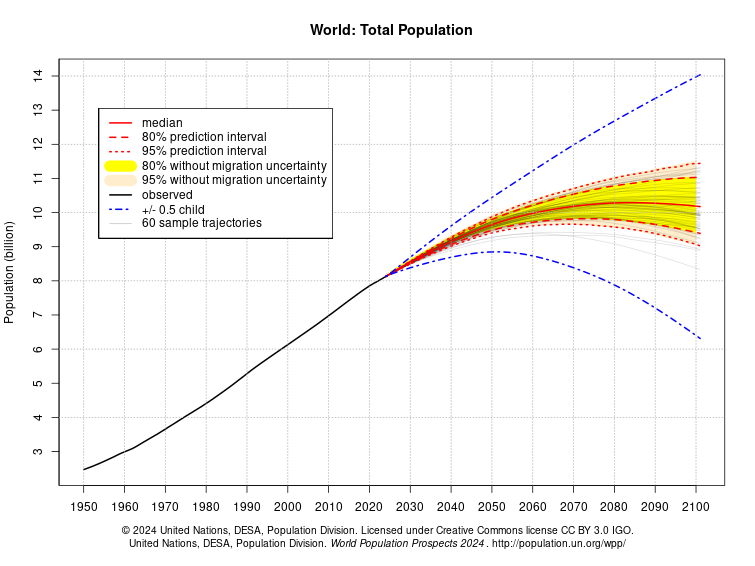
Here at The Overpopulation Project we explore various aspects of the population-environment connection, some of which get quite complicated. In this blog we make a simple point, well worth remembering and sharing with colleagues and friends. We highlight the difference between a decreasing rate of global population growth, the amount of growth, and an end…
9 comments on A Simple Point (that makes a big difference over time) -
Believe it or not: Education can cause trouble in youthful countries
Population growth contributes to conflicts, according to several studies. There is also evidence that a “youth bulge” in societies, creating a high proportion of young men, can lead to more conflicts and violence. But can violence really be exacerbated by education of a young population? By Frank Götmark High population growth has repeatedly been connected…
-
Civilization extinguishing biodiversity, where are the viable alternatives?
A new United Nations report on biodiversity was released this week with much media coverage. Scientists and mainstream journalists seem unwilling to address the fundamental drivers of biodiversity decline, but public response suggests transformative change is gaining traction. By Jenna Dodson This week, many media outlets are covering the pre-release of a new United Nations…
-
When the heroes win, everybody loses
Human overpopulation is real; it’s serious and needs to be humanely handled by conscientious and charitable individuals. Thanos from the Avengers movies is neither one of those things. He recognized the problem but acted viciously on his “solution,” phasing out of existence 50% of all intelligent life in the Universe. What Thanos ended up doing…
-
The implicit population hypothesis hidden within EU Green party platforms
By Phil Cafaro In the run up to elections to the European Parliament in May, 2019, the coalition of European Green parties has put forth a statement of principles and political goals: “Priorities for 2019: What European Greens Fight For.” Organized around twelve key goals, all in line with “core Green values that we pursue…
-
Review of “Empty Planet: The Shock of Global Population Decline” Part 1
By John McKeown Empty Planet moves confidently from an optimistic premise to unwarranted conclusions. It has been reviewed favourably by Steven Pinker, The Wall Street Journal and the New Statesman, among others. Its premise is that world population will peak far lower and sooner than the UN forecasts, and that because of a faster-than-expected decline in…
-
Two more reasons we love Australia
By Phil Cafaro Steve Irwin. Errol Flynn. The Sydney opera house. Kangaroos. Wombats. Here at TOP, we hardly need new reasons to love Australia. Yet last week, we came across two more: articles by Dr. Harry Recher and Dr. Freya Mathews that we somehow missed when they were first published several years ago. They do…
-
Overpopulation during my lifetime of eighty years
With a focus on fifty-six years of advising governments on policies and programs to achieve population stabilization By Bob Gillespie, President, Population Communication In 1938, when I was born, the global population was 2.2 billion. Today there are 7.7 billion. A child born today, who lives to 80, will witness 5.5 billion more deaths of humans…
Explore the content and topics covered by TOP, search here
Recent blog posts
Blog categories
What we are reading, listening to and watching
Gallery of infographics – Learn more about overpopulation and environment