
A recent discussion paper on climate refugees, Migration in Hotter Times: Humanity at Risk, does much to muddy the water without presenting practical solutions.
by Jane O’Sullivan and Philip Cafaro
Immigration is a deeply divisive topic, even among population activists. It is not uncommon to have a strong commitment to global population stabilisation while believing in open borders, disallowing any country to regulate its own population. Some marry this position with a conviction that immigration is an unalloyed good, conferring benefits on migrants, receiving communities and sending communities alike. However, these views are invariably articulated without any mention of the rate of immigration that would be manageable, let alone beneficial.
Indeed, the whole discussion of quantities of migrants is rendered taboo, as it infers some level of immigration control, immediately labelled anti-immigrant, xenophobic, divisive and toxic. This becomes a catch-22 because, without discussing numerical implications of an open borders position, its impossibility remains obscure. The comfortable myth is that open borders merely means being kind to migrants and not obstructing or delaying their access to jobs, welfare and all the privileges of citizenship, while their numbers would be largely unchanged, as would the labour markets, housing access and cultural character of receiving communities. The only change envisaged is the removal of ‘racism’, allowing people from different backgrounds to get along amicably together.
Enter the spectre of potentially a billion ‘climate refugees’. Does the responsibility developed countries carry for greenhouse gases oblige them to take in any migrant affected by climate change? In Migration in Hotter Times, Jonathan Porritt, Robin Maynard and Colin Hines attempt to carve out a middle ground. In this they fail dismally, in our assessment. All three are high-profile advocates for global population stabilisation, whose past work we warmly commend. However, on this occasion a brave attempt to broaden the migration conversation only widens the rift by hollow virtue-signalling to the Progressive Left while demonising disaffected citizens as Far Right extremists.
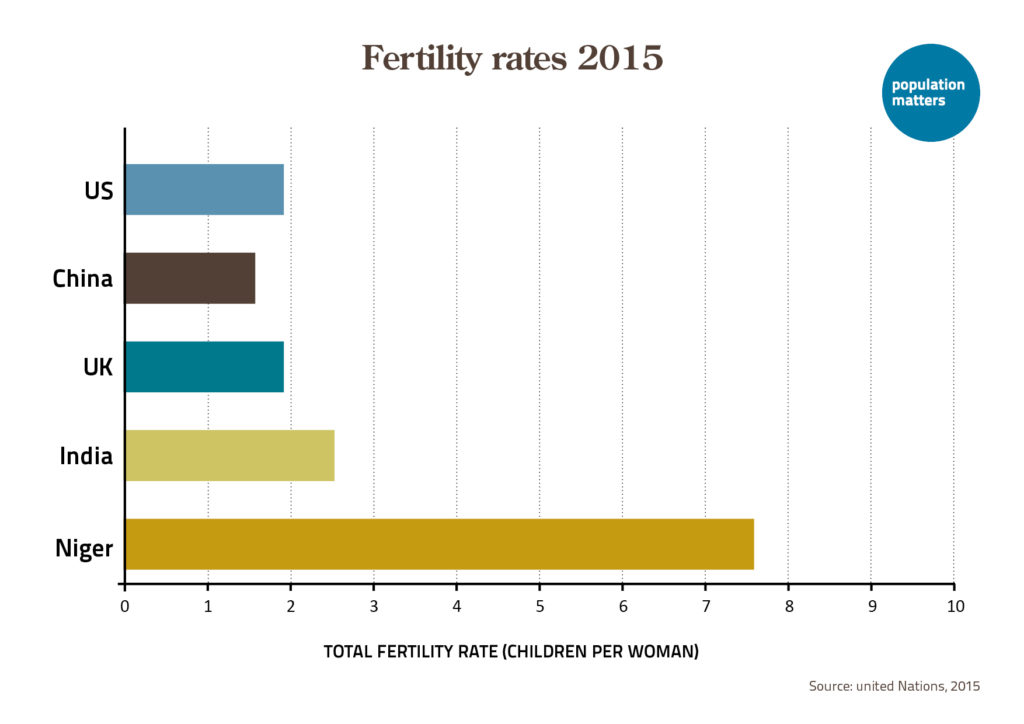
We hold the position that global population contraction is best served by sovereign nations regulating their own populations. This means limiting immigration to levels that, at most, compensate for below-replacement fertility (even lower levels, allowing some population decline, would be preferable). At European fertility levels, that means around 0.3% of the population. For the UK, that’s about 200,000 per year as an upper limit. With the UK recently seeing unprecedented net inflows exceeding 600,000 a year, calling for moderation can’t fairly be labelled extremist.
It is contradictory to say world population growth is environmentally and developmentally harmful and should end, but immigration-driven population growth in developed countries is a net benefit. Yet Porritt and co. constantly repeat the evidence-free mantra that the recent escalation in migrant numbers and cultural diversity benefited Europe. They cite economic growth, not acknowledging population growth conceals poor per capita outcomes.

That people are seeing tangible negative impacts on their lives from mass immigration is completely denied. Overdevelopment is destroying the character of their neighbourhoods, the ‘gig economy’ demonstrates the difficulty in finding secure work, housing unaffordability is epidemic, and government austerity, brought on by elevated infrastructure bills, steadily erodes welfare systems. The high levels of migrants in certain job categories are presented as demonstrating our dependence on migrants, rather than acknowledging migrants have been used to suppress employee bargaining in those sectors until they are unattractive to locals. In some neighbourhoods, it can’t be denied that ethnic tensions are making people feel unsafe.
Citizens across the developed world have voted for the so-called Far Right, often with pegs on their noses, because other political parties failed to engage with the realities of unsustainable levels of immigration. Yet all those people are cast as ‘Far Right’ racist nationalists. By using their democratic voice through the ballot box, somehow they became a threat to democracy. This framing is deeply unfair.
Porritt et al. devote much space to lamenting the electoral success of the so-called ‘Far Right’. They are astonished and appalled that almost one third of Europeans voted for ‘anti-establishment’ Far Right or Far Left parties. Is this surprising? When the ‘establishment’ abandons democratic representation and pursues an ideological globalist agenda that pretends to be progressive but plays directly into the hands of multinational capital at the expense of ordinary folk, being ‘anti-estabilishment’ is legitimate democratic behaviour.
The most problematic aspect of this report is its delegitimisation of resistance to mass immigration. Virtue is instead bestowed on various pro-immigration positions that are utterly divorced from reality. We are entreated to blame drownings of would-be migrants in European waters on far-Right nationalist sentiments that prevent “safe, orderly and humane” migration pathways. Yet there is no mention of the impact that guarantee of safe passage would have on the numbers. Without the power to expel uninvited migrants promptly, such a system cannot be sustained.
Likewise, the report commends the World Bank’s proposed ‘Match and Motive Matrix’, a corporate-friendly immigration policy in which “Countries of destination are implored to expand legal pathways for entry and remove barriers that prevent migrants and refugees from fully accessing the labor market.” Yet, those legal pathways already exceed sustainable volumes of migration in many countries, and new pathways from illegal to legal status invariably stoke the illegal inflow. The tired old argument that immigration “enables recipient countries to rejuvenate their economies with an influx of young people with needed skills” fails to mention that the net benefits (if any) are saturated at quite low levels of immigration: as mentioned above, the upper limit should be 0.3% of population annually unless European fertility falls further.
Forcing countries to accept more immigrants than they can sustainably absorb, or their citizens want, would mean the end of national sovereignty, representative democracy and any functional social contract. Strong welfare systems only persist where population growth is low and social cohesion is high.
Climate refugees or overpopulation refugees?
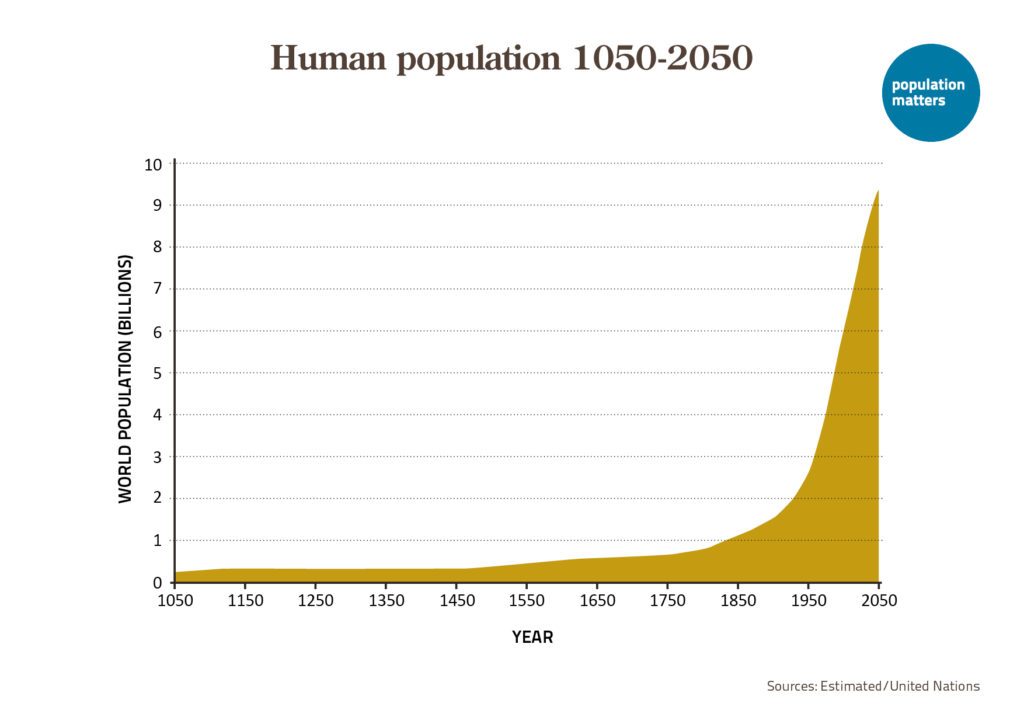
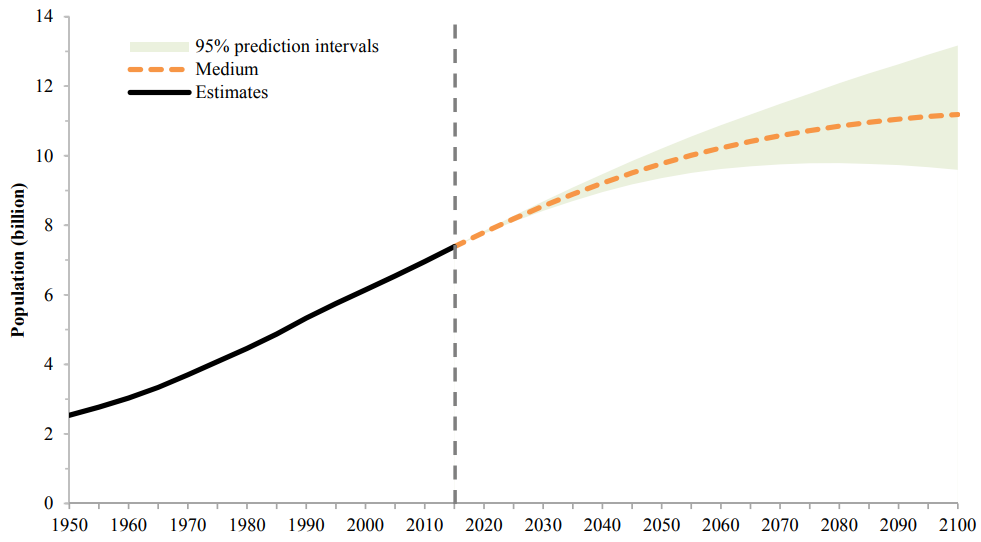
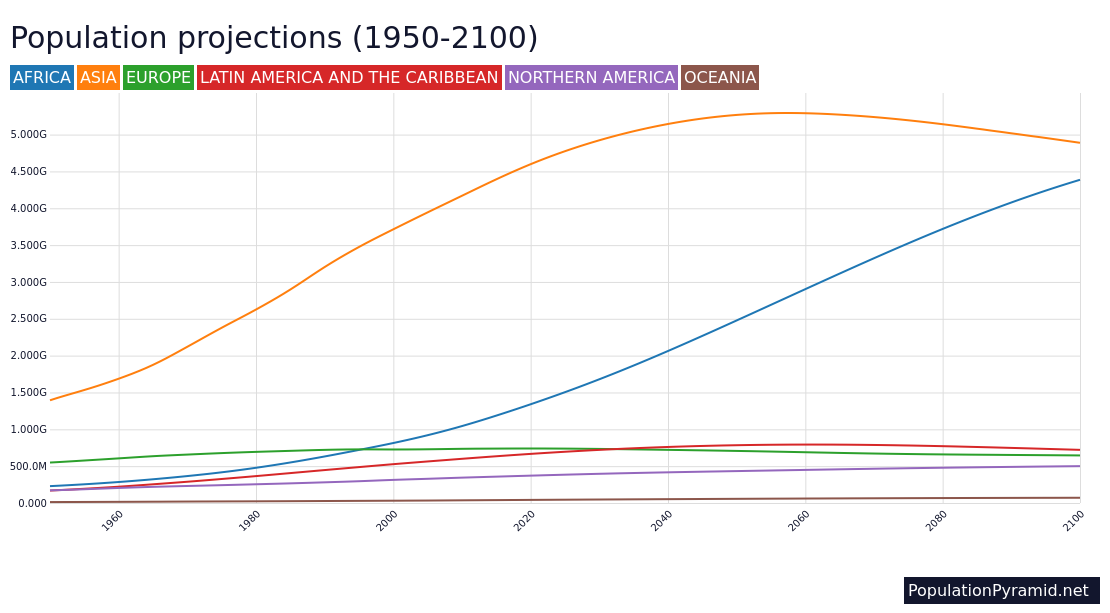
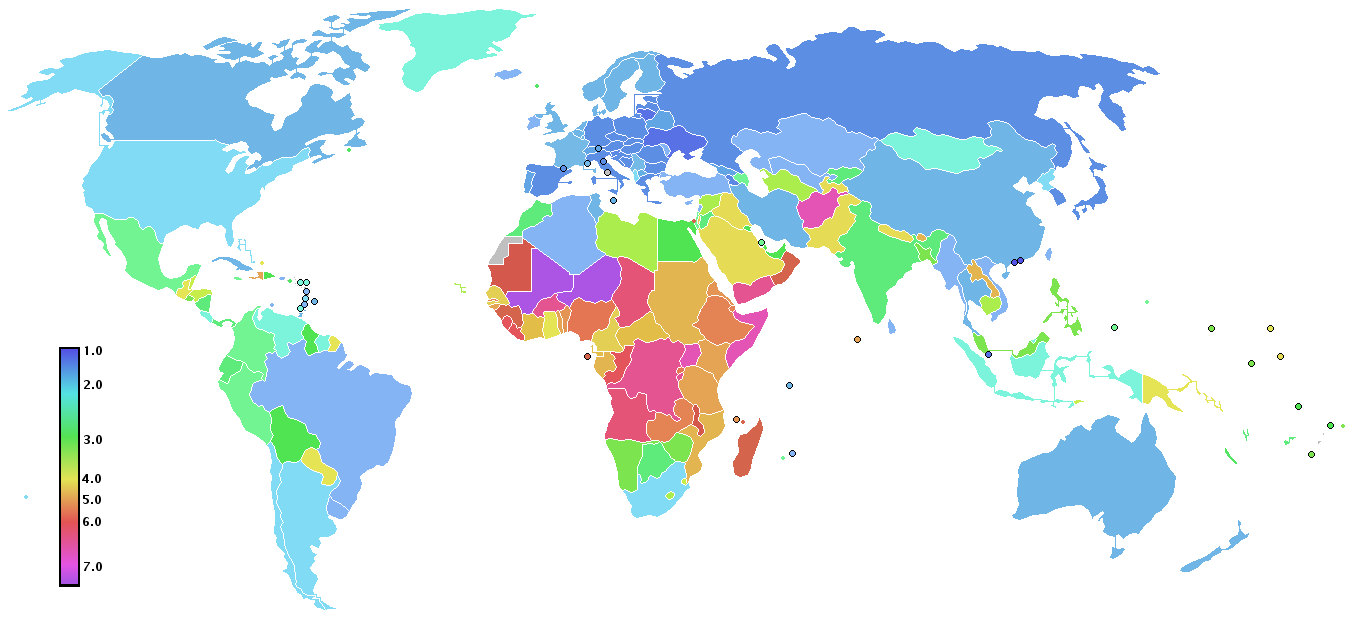
It is vital to acknowledge population growth’s dominant role in driving migration, whether people are fleeing conflict or poverty. Most ‘climate refugees’ are better described as overpopulation refugees. A weather event might be the last straw, but population growth drove the inexorably shrinking prospects of livelihood, removing any buffer of resilience to such an event. Porritt and co-authors list the countries most vulnerable to the impacts of climate change, due to what the Institute for Economics and Peace (IEP) describe as “extremely low societal resilience”: Burundi, the Central African Republic, Chad, the Republic of Congo, Somalia, Sudan, South Sudan and Yemen. They have all been brought to their knees by persistent high fertility despite vastly exceeding their country’s capacity to sustain its population. For the ‘progressive Left’, this is an inconvenient truth, as it diminishes the West’s culpability for their plight. Yet, blame is an unhelpful distraction from the question of how best to respond to growing needs of more people, whether displaced or in place.

Migration in Hotter Times does not attempt to define ‘climate refugees’. In most cases, the latest weather event is only the last straw in a constellation of challenges mostly stemming from past and ongoing population growth. The difficulty in establishing a workable definition of climate refugees is a large part of the reason international initiatives to deal with them have made little progress. It can’t all be blamed, as Porritt and co-authors claim, on the influence of ‘toxic’ Far Right nativist politics.
One reasonable criterion for ‘climate refugees’ would be that the place they are leaving sees a permanent decline in population due to climate change. This is almost never the case today, although we are likely to see it more often in the future. More commonly, an extreme weather event causes short-term displacement. Some of those people might decide to move on, and are categorised as displaced by climate change, but others move back and likely soon exceed the original population, giving lie to the idea that the place can no longer support human habitation.
How does an overly generous definition of climate refugees help? It is more likely to exacerbate the situation, by indoctrinating people to believe their hardships are entirely the fault of rich countries and not of their own cultural practices and domestic politics.
Mass migrations throughout history have been driven by overpopulation in the sending region and have been disastrous for residents of the receiving region. Not only indigenous peoples in the Americas and Australia, but African tribes mown down by the Zulu expansion, central Europeans decimated by the Mongol hoards, and any number of other expansionist pushes. It is bewildering that the same people who extol open borders simultaneously decry colonialism.
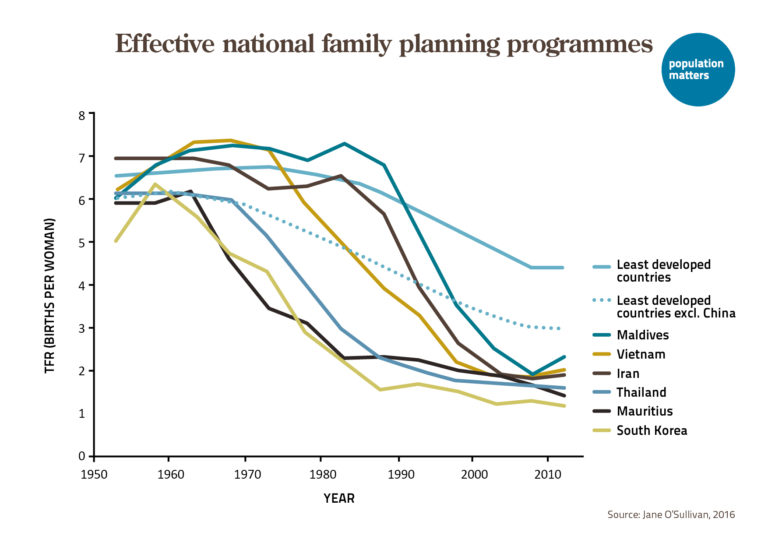
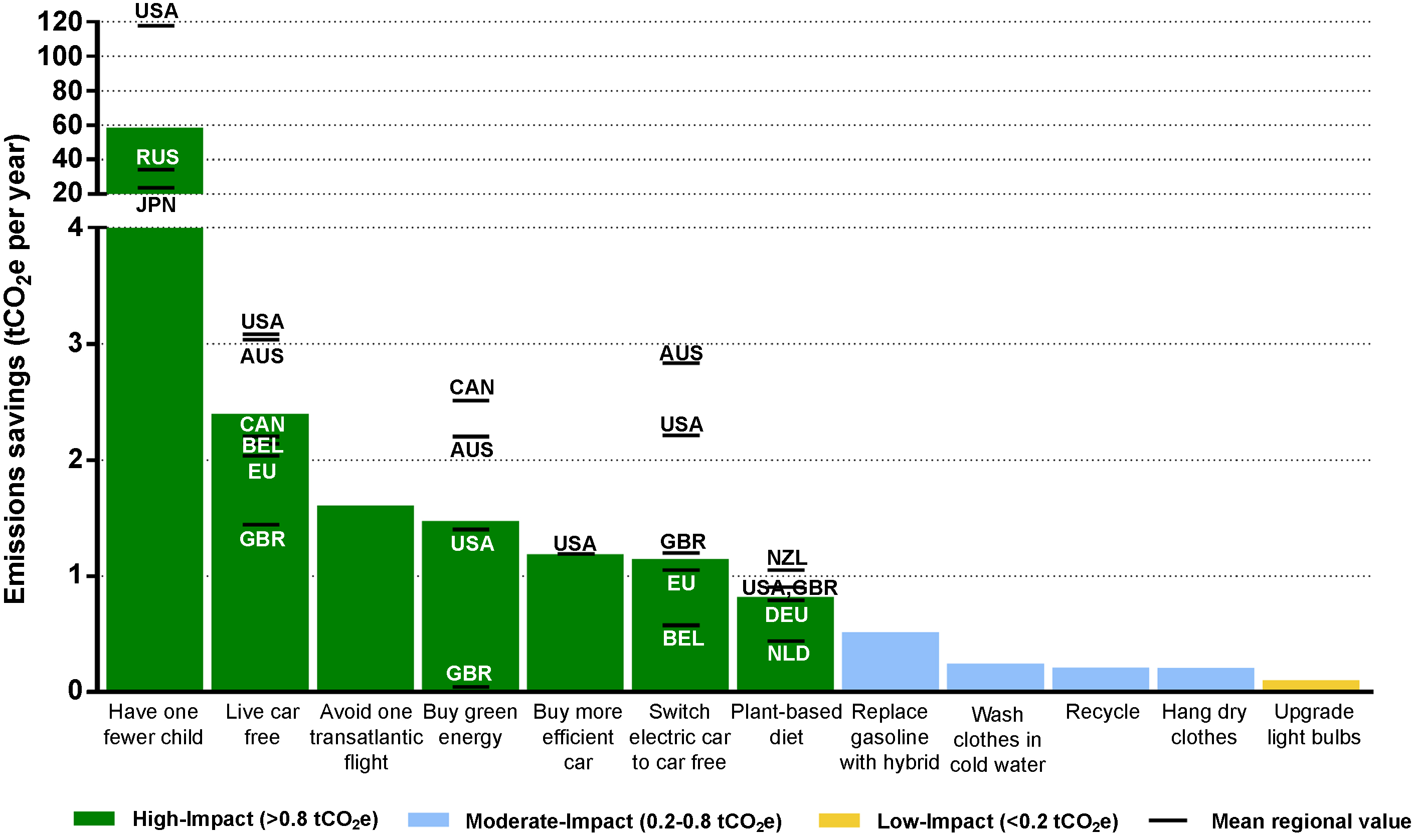
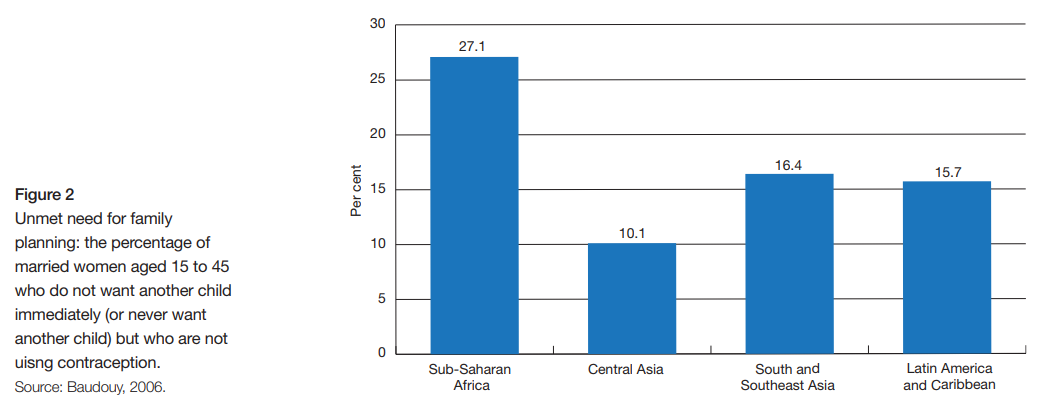
Migration in Hotter Times does advocate strongly for “stabilising and reducing human numbers” by providing greater resources for non-coercive family planning programmes. However, their advocacy in this area is inconsistent with their support for migration-fuelled population growth in the West. It undermines any arguments they might make to their fellow citizens to have fewer children or consume less, while encouraging demographic irresponsibility in sender countries.
Attempts to provide nuance merely add to the confusion. They say, “We should not underestimate the difficulty of managing existing levels of migration to the UK more intelligently and compassionately. … we’re one of the most densely populated countries in Europe, our natural resources are already seriously depleted.” This depletion comes through clearly in Trevor Beebe’s book Impacts of Human Population on Wildlife: A British Perspective. Yet Porritt and co-authors insist that recent UK immigration levels, historically unprecedented and driving rapid population growth, are normal and beneficial, and all who oppose them are toxic Far Right racists.
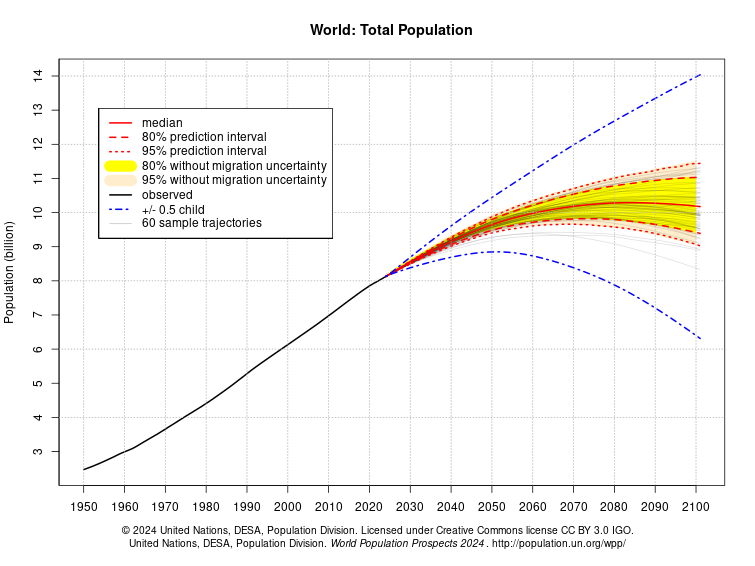
In the end, their policy position has little substance. They advocate a compromise between giving full recognition for climate-displaced people under the UN Convention on Refugees and their current lack of internationally recognised status. No hint as to what sort of compromises ‘climate refugees’ would be required to accept, nor whether this would reduce the numbers resettled. They advocate more international funding for climate mitigation and adaptation, in the apparent belief that this will reduce would-be migrants to manageable numbers – a forlorn hope in the face of ongoing population growth in Africa, the Middle East and Central America.
No discussion is provided about whether rich countries could possibly put a dent in resettling a billion people without crashing their own welfare systems and environmental protection efforts. No ideas are offered on how much immigration might legitimately be considered too much without being labelled Far Right xenophobia. In effect, no realistic solutions at all.
Readers might disagree with our interpretation. We urge readers to read the essay for themselves and post your views. We would welcome a response from Jonathon, Robin and Colin, the authors of Migration in Hotter Times.











Leave a Reply