
Recent research suggests lack of contraception and high desired family size both hinder population stabilization in Africa. We call on the newly elected Swedish government to prioritize international family planning aid, resuming a valuable Swedish tradition.
By Frank Götmark, Nordhild Wetzler, Malte Andersson, Carl Wahren, Karl-Erik Norrman
An Op-Ed originally published in Svenska Dagbladet
In an agreement (“Tidöavtalet”) between parties in the new Swedish government and their supporting party, the Sweden Democrats, international aid must now also include “effective measures to reduce the root causes of migration”. For this, several forms of aid are needed, but extensive population growth and its resulting human suffering and migration, especially from Africa, can be reduced through family planning.
Sweden’s large international aid is widely discussed, including catastrophic aid, agricultural development, global health, environment and climate. But to effectively support the wellbeing of people and environment in developing countries, aid is also required to curb unsustainable population growth.
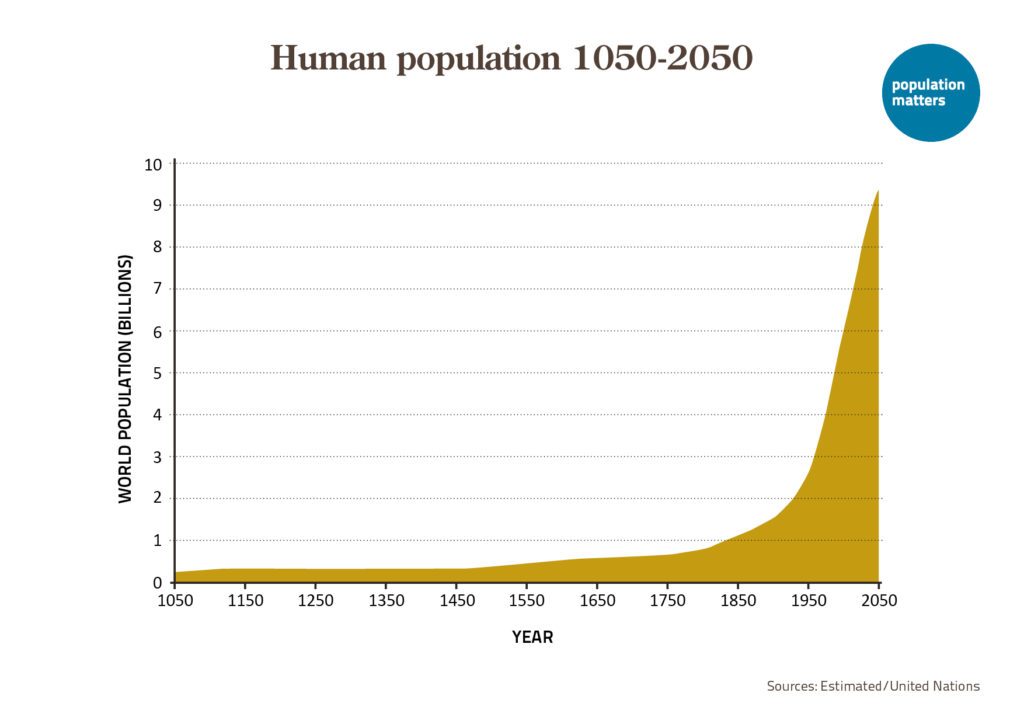
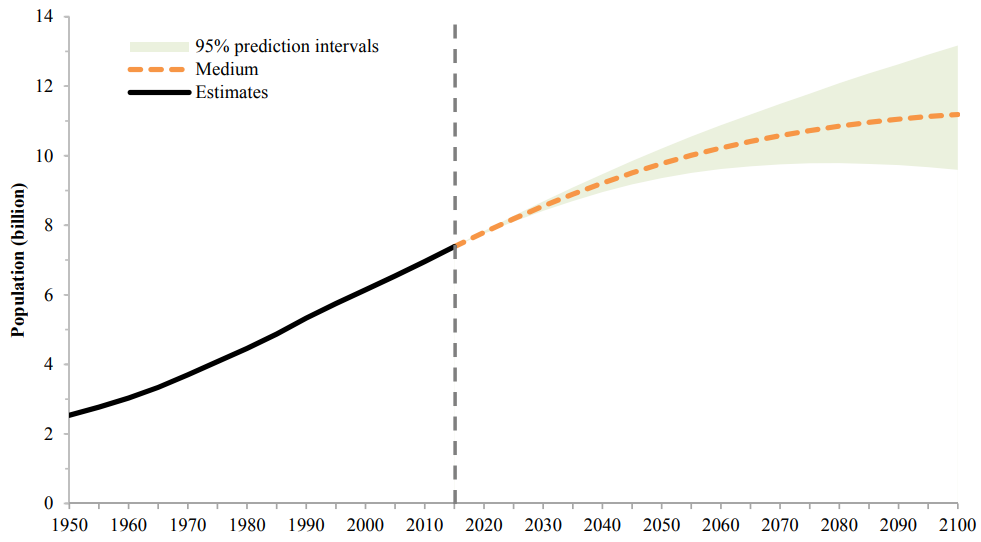
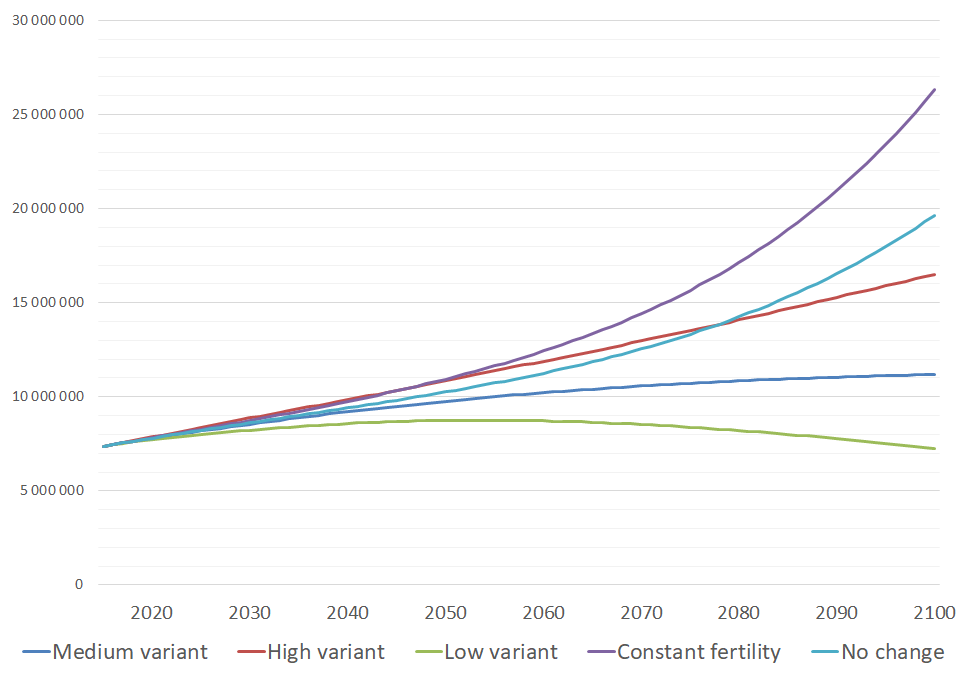
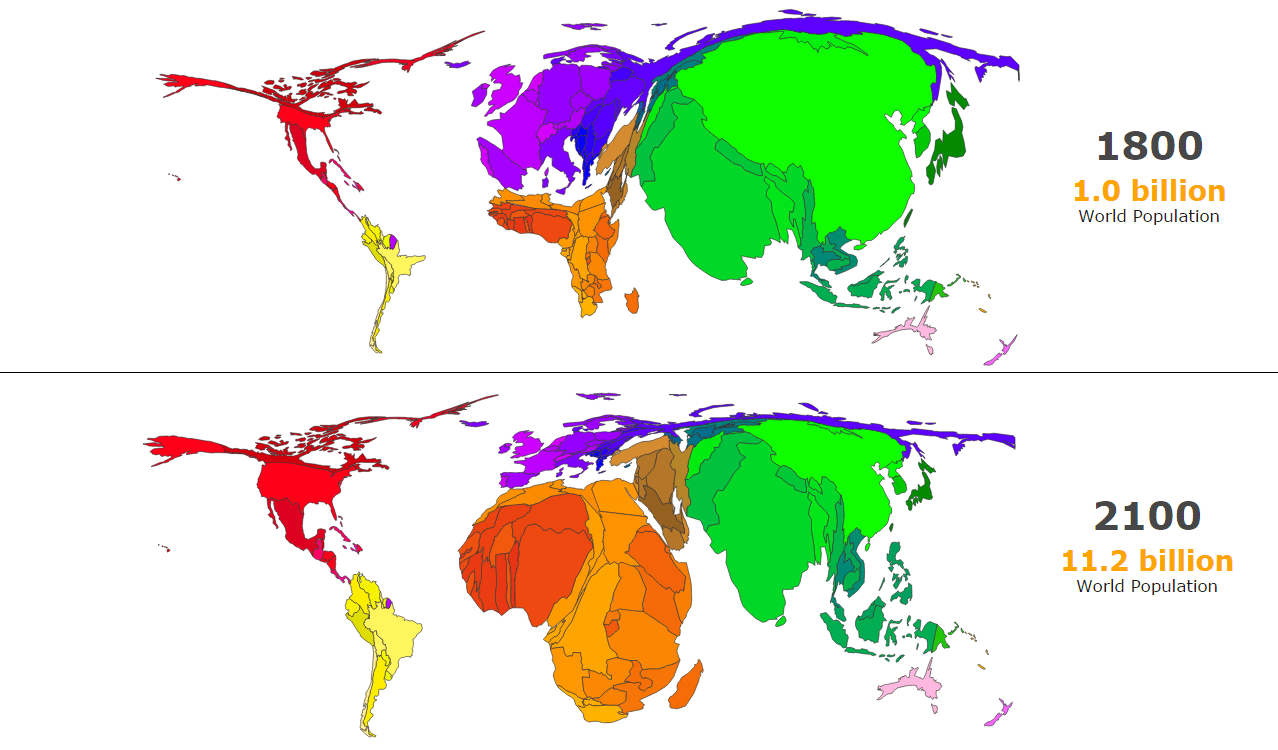
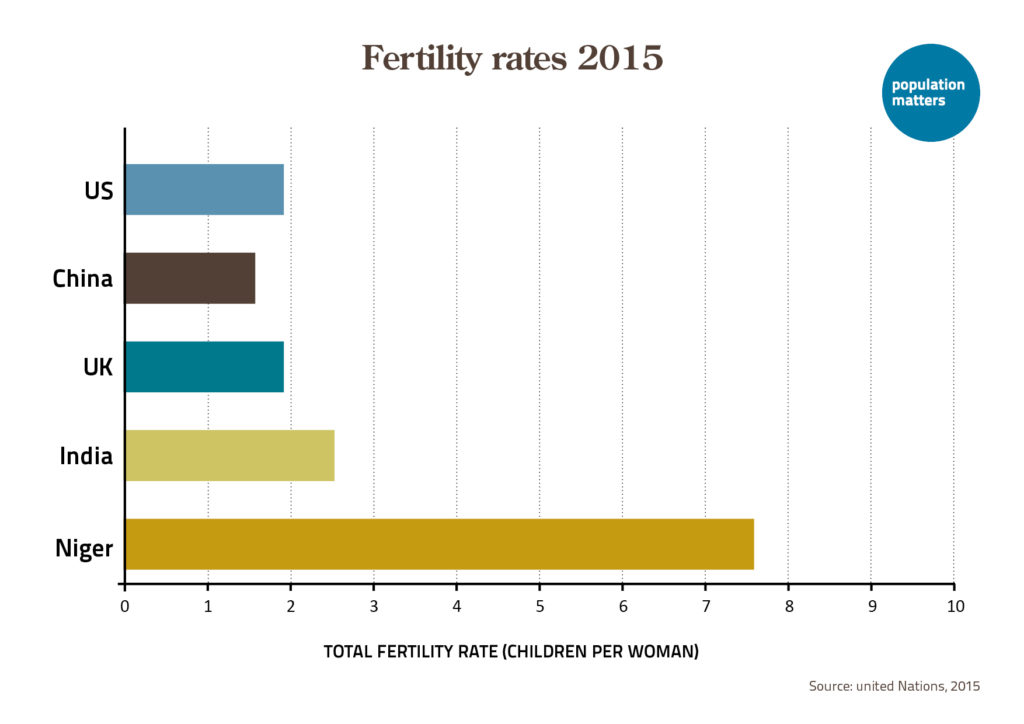
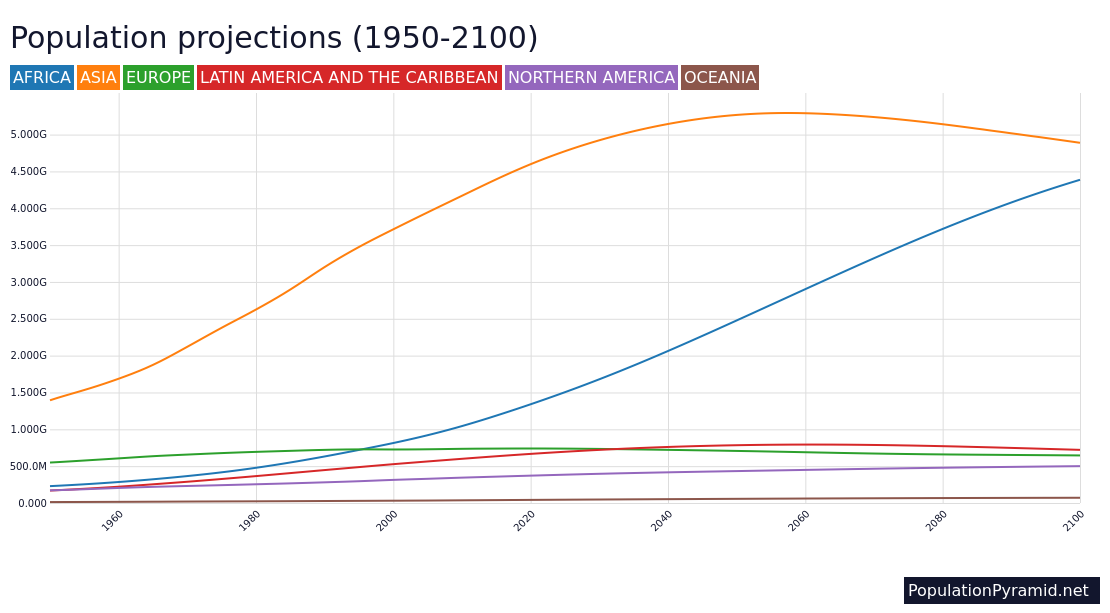
In many countries, the population is increasing rapidly. The UN’s forecast in July was that Africa’s population will increase from today’s 1.4 to 3.9 billion in 2100. The UN assumes in its demographic model that the birth rate will decrease strongly in the future. If today’s birth rate in Africa (4.3 children per woman) remains, according to the UN the continent could instead have 11 billion inhabitants in 2100 (the world’s population is now 8 billion). Even with 3.9 billion, an already critical food and supply situation would worsen greatly in Africa.
Faced with these prospects, support for reduced family size and an improved situation for girls and women may seem self-evident. But those in power shy away from the problem, while many religious leaders oppose women’s self-determination. Here there are great opportunities for Sweden to improve conditions for people, the environment and nature, through support for programs for family planning.
Africa has long suffered from undernourishment and famine, and there are no signs that conditions will improve. According to the FAO, 250 million people in Africa are now malnourished. Conflicts, wars, trade disruptions through pandemics, climate change and strong population growth mean that people and the environment are at increasing risk of disasters, with many more human victims than before.

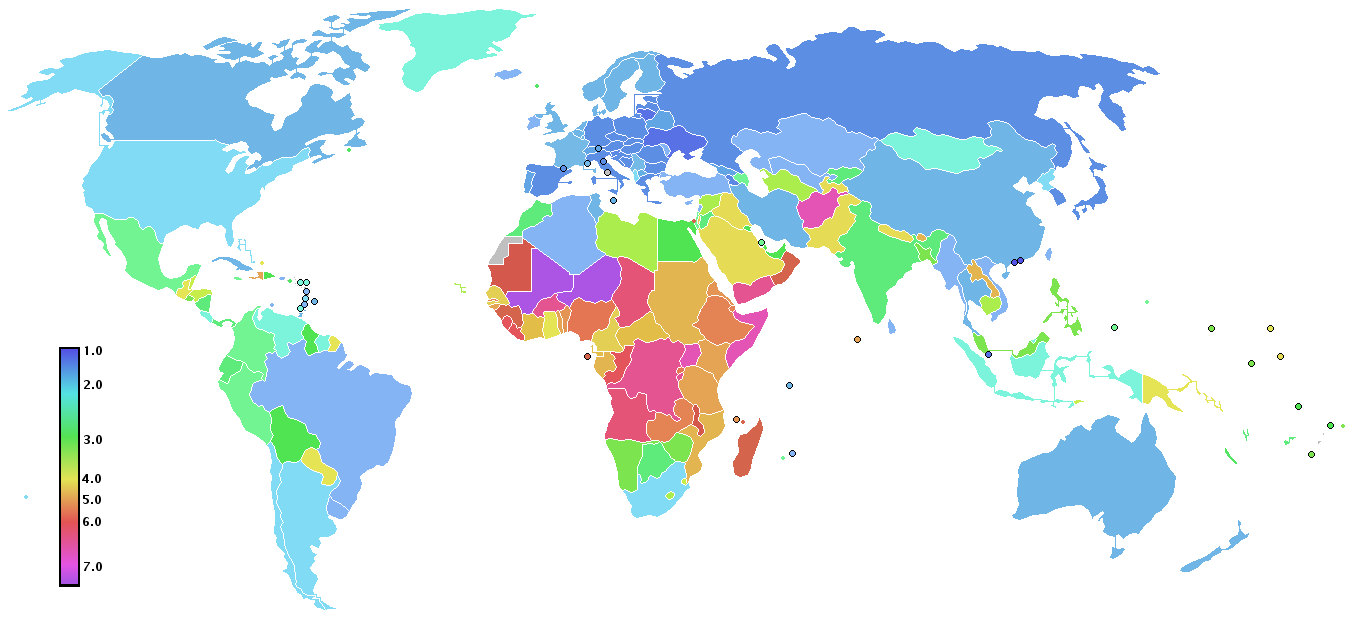
Even relatively inexpensive measures can make a difference. Counseling on the economic benefits of smaller families, and on the best use of contraception, can lower birth rates in Africa as has happened in Latin America and Asia. We recently studied the views of citizens on this important issue, in Sweden and now also in Nigeria. According to the most recent projection from the UN, Nigeria is on track to increase from 215 to 545 million people by 2100. The birth rate has fallen in many developing countries since 1960, but in sub-Saharan Africa only from about 1980, and only slowly.
Which factor do people think has the greatest significance for falling birth rates in developing countries? In our survey in Sweden in April (1,000 Swedes), 60 percent indicated one of the following four factors: better living conditions including improved economy, increased education, lower infant mortality, and generally progressive development.
For information from Nigeria, we used Kantar’s (non-representative) web panel where high education predominates among the English-speaking respondents. In the country’s national development program, family planning and lower birth rates have been emphasized for several decades, but the goals are still distant. We asked, “For Nigeria, which factor do you think is most important for decline in birth rates (decrease in number of children per woman)?”, and we informed respondents that the average number of children per woman was 6.7 in 1985, and had decreased to 5.4 by 2020.
Of 1,500 respondents, 70 percent indicated one of three related factors as significant: poverty, poorer socioeconomic conditions, and poorer health. Birth rates are thus assumed to be falling mainly because economic conditions in Nigeria are generally getting worse, not better. Only 8 percent indicated the factors that Swedes emphasized. Women and men in southern and northern Nigeria responded in roughly the same way.

If conditions improve in Nigeria, will the birth rate rise or fall? Research suggests that it can level off at high levels, even in urban environments. But many of the responses testified to deteriorating conditions; improvements hardly occur during persistent rapid population growth.
An important clue to understanding the results can be found in the “Demographic and Health Survey” for Nigeria, where the “ideal number of children” is 7.2 and 6.1 for men and women respectively. And Nigeria is not unique: the desire for large family, 5 or more children, is still common in sub-Saharan Africa and seems to have even increased in recent years. As in Sweden 150 years ago, it hinders economic development, better health, and education for women. Population growth is gradually destroying ecosystems that people in Africa depend on.
Migration from Africa and some other countries is largely driven by population growth and its consequences. Even if catastrophic aid is required, aid must also focus on root causes, as emphasized in the agreement among parties in the new Swedish government. Large families and population growth undermine the efforts to improve schooling, health, maternity care, and not least the economy. It is now time to learn once again from programs for family planning, where Sweden was a leader for a long time and contributed strongly during the period 1960-1990.

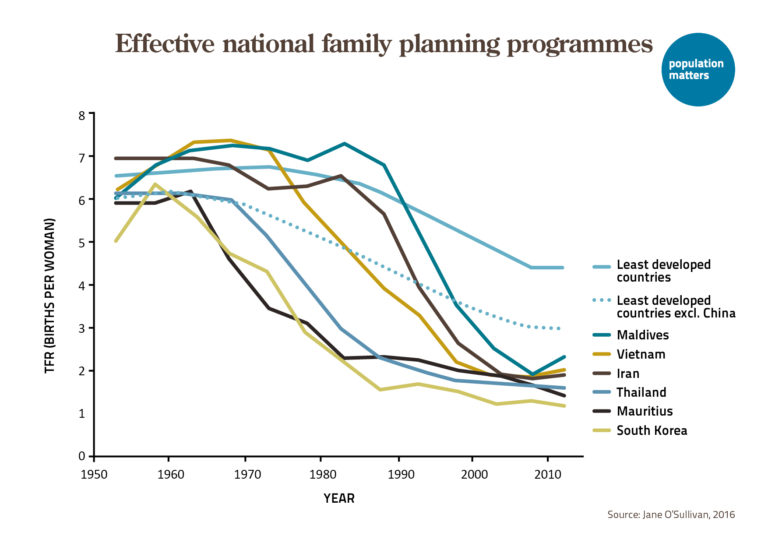
But the knowledge has almost been erased about how Sweden via Sida, the UN, and other organizations contributed to successful family planning in South Korea, Thailand, Indonesia, Sri Lanka and Tunisia, to take a few examples. In Africa there were partially successful programs, for example in Kenya (1984 – 1998) and in Ghana (1994 – ca 2000), which stagnated however, partly due to decreasing support from international donors. Rwanda now stands out as a forerunner and in Ethiopia, family planning seems to be gaining more support. With appropriate efforts, it is possible to influence the norm of large families.
Sweden can increase its support for the multilateral initiative FP2023, which cooperates with governments in 19 countries in Africa, and with 46 NGOs. Can Sweden also provide bilateral support to countries in Africa that are making an effort to reduce high birth rates? Many organizations work effectively with these issues, for instance the Population Media Center. We call on the Swedish government and the Parliament to prioritize support to family planning when the new policy for Sweden’s international aid is being implemented. Helping poor women in vulnerable countries to achieve full control over their childbearing should be a high priority in foreign aid policy, and it can reduce population growth, a root cause of emigration from such countries.











Leave a Reply