
Rapid population growth impacts many social, economic, and environmental issues, and sub-Saharan Africa is the fastest growing region in the world. Céline Delacroix and Nkechi S. Owoo asked stakeholders in the region how important they think population growth is as a factor in meeting the region’s challenges.
By Céline Delacroix
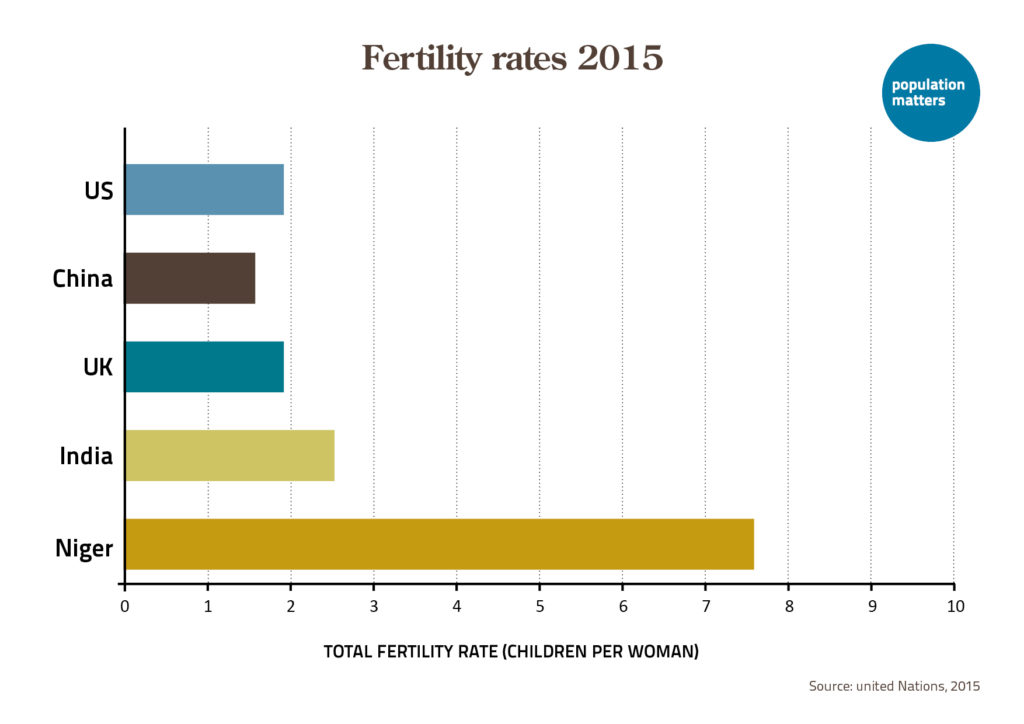
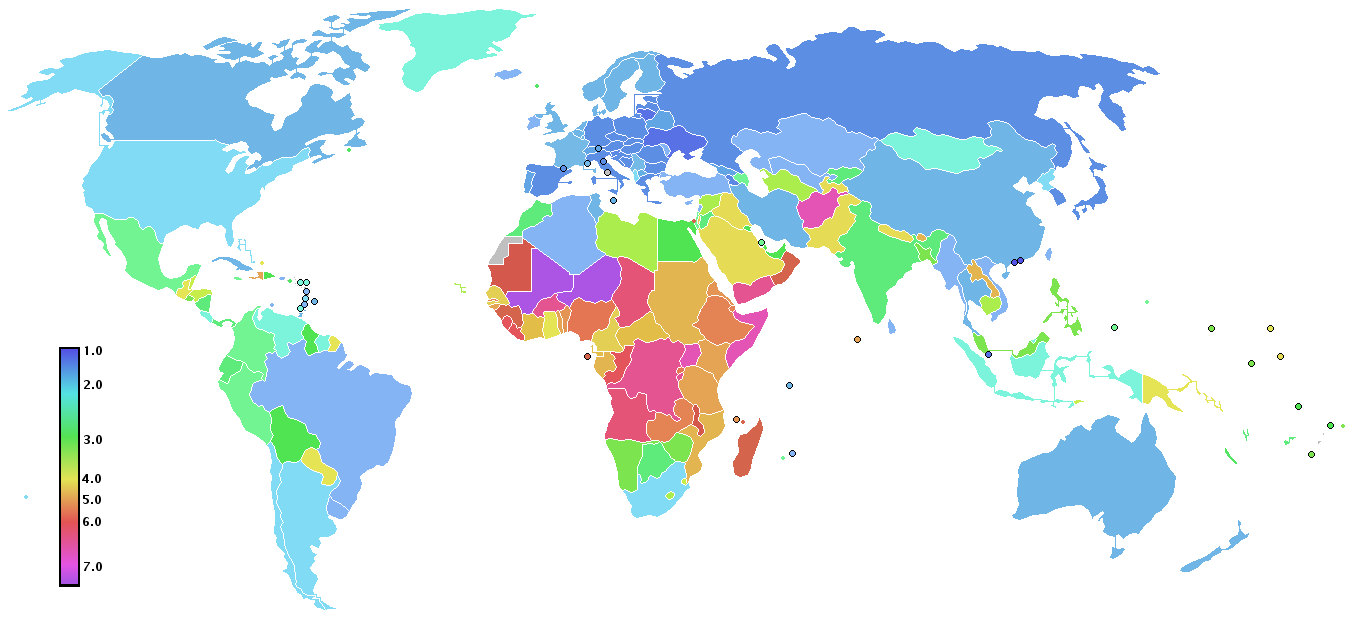
Sub-Saharan Africa’s population is growing three times faster than the rest of the world with an average of 4.6 births per woman in 2021. By comparison, the fertility rate in Canada was 1.3 births per woman in 2022.
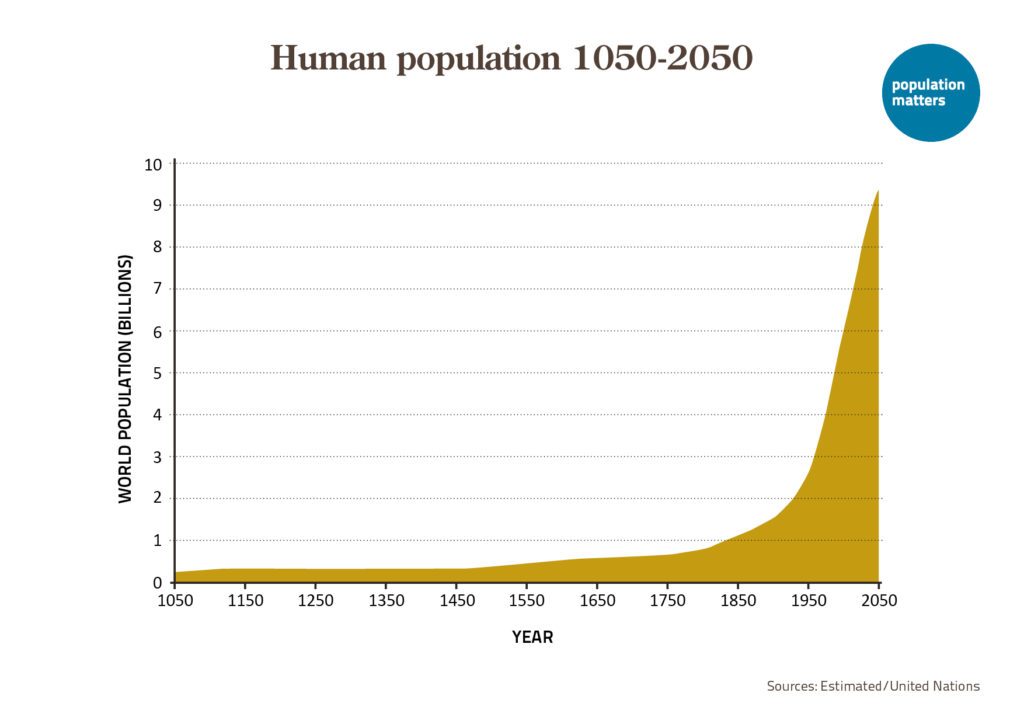
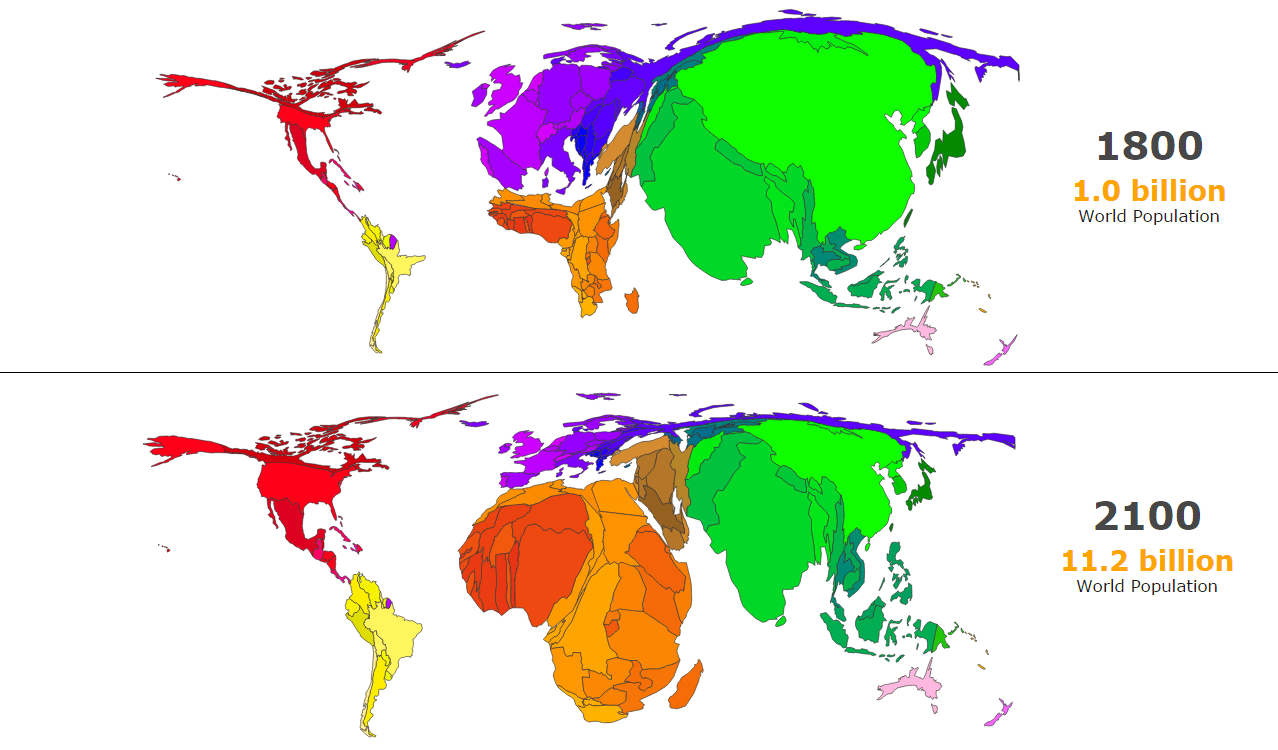
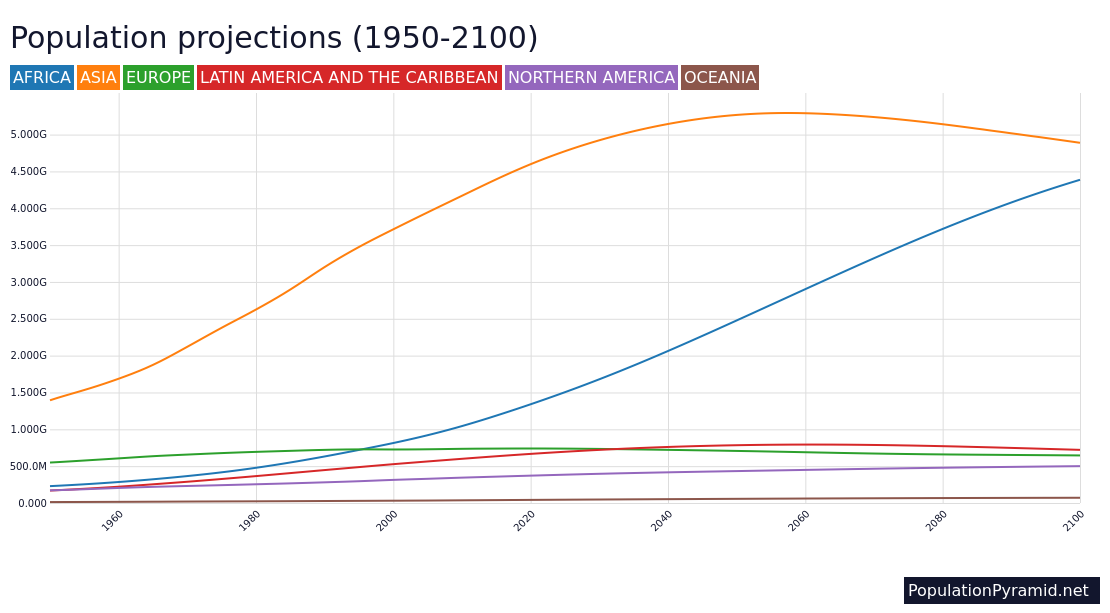
The region is projected to continue to be the fastest growing in the world, with a population increasing from 1.2 billion in 2021 to 2.1 billion in 2050.
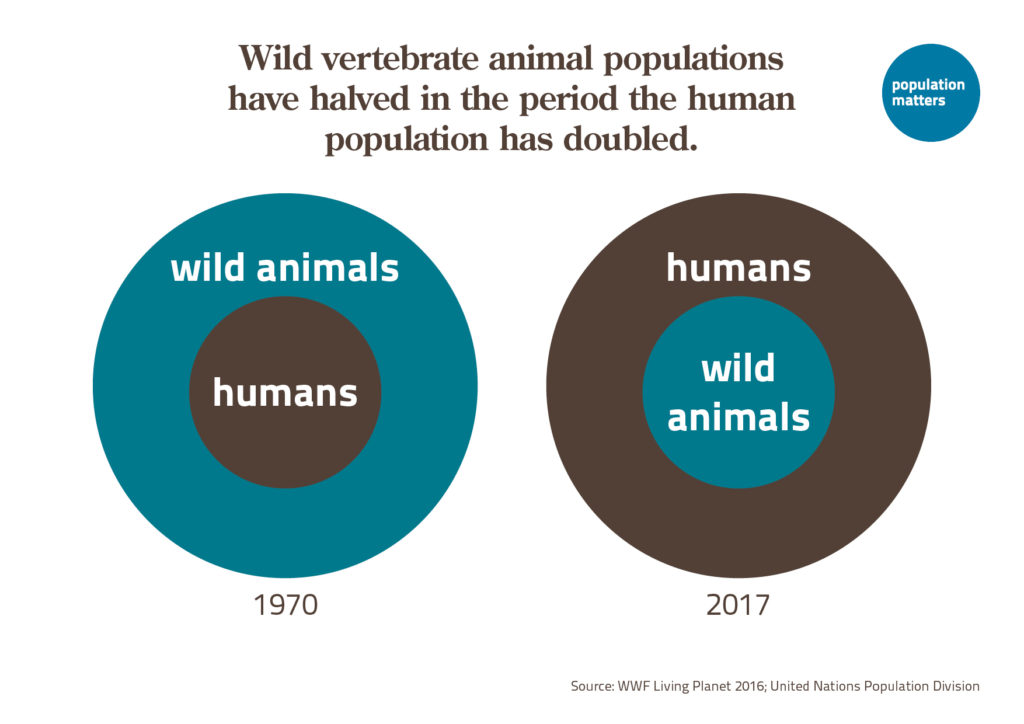
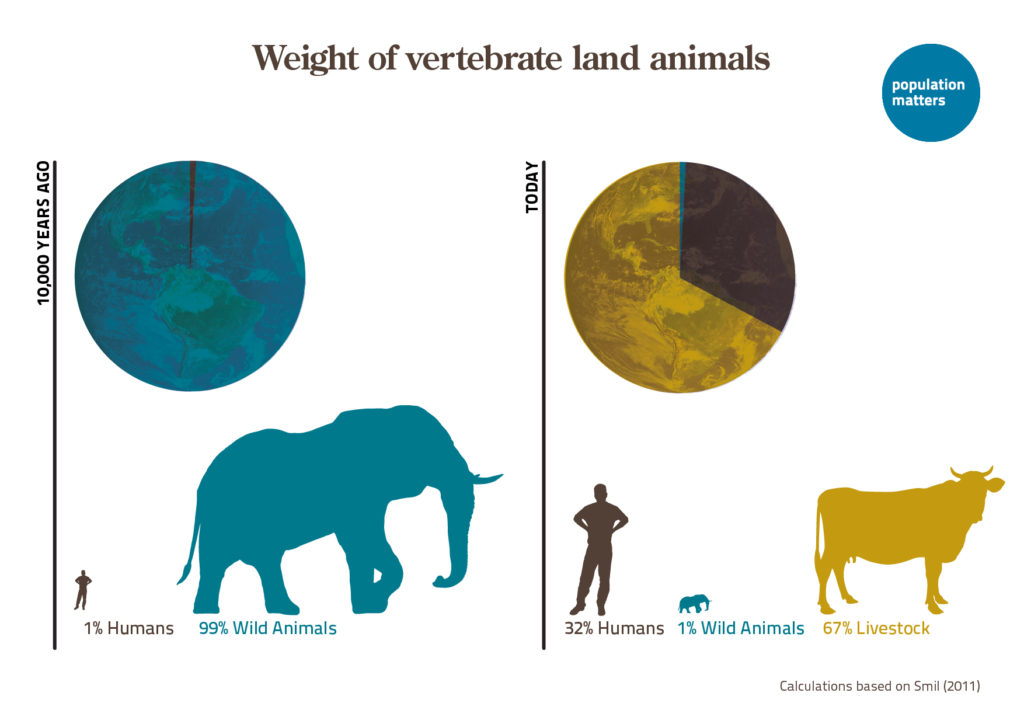
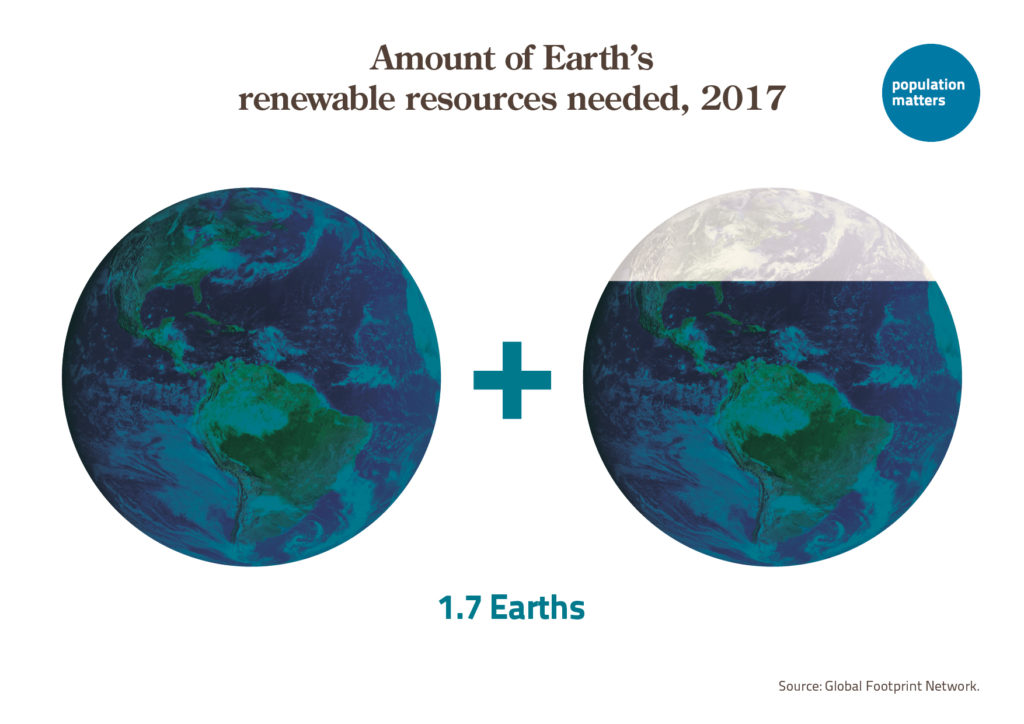
Sustained and rapid population growth has deep implications for development, exacerbating social, economic and environmental challenges from food insecurity and gender inequity to environmental degradation.
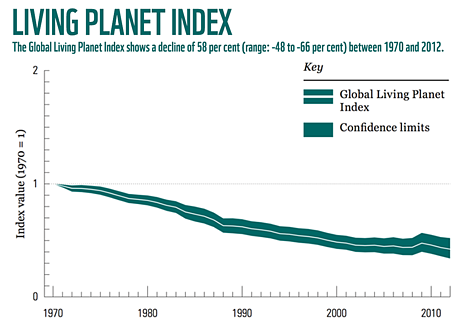
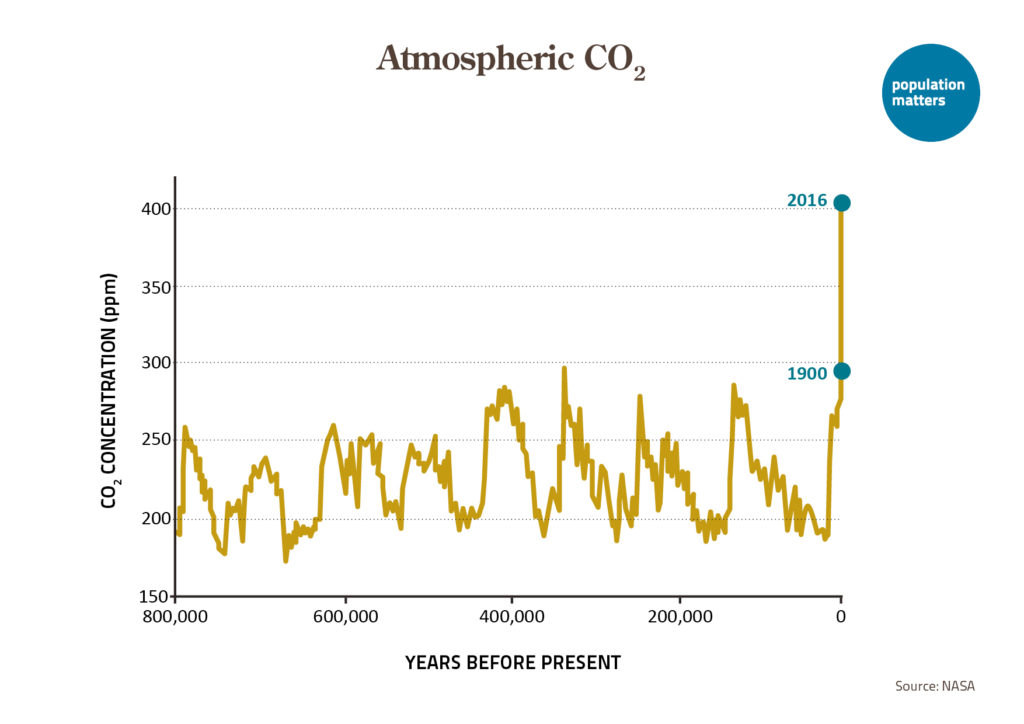
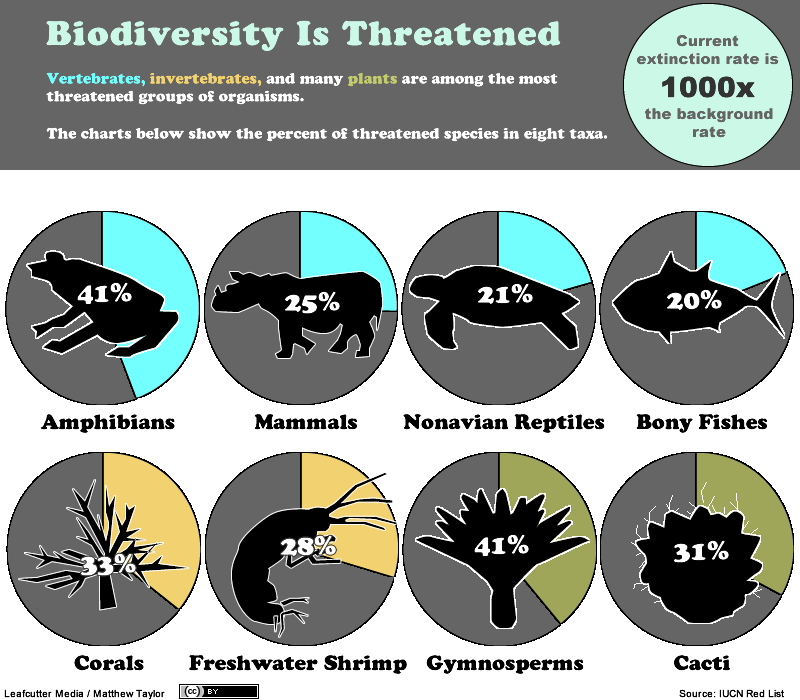
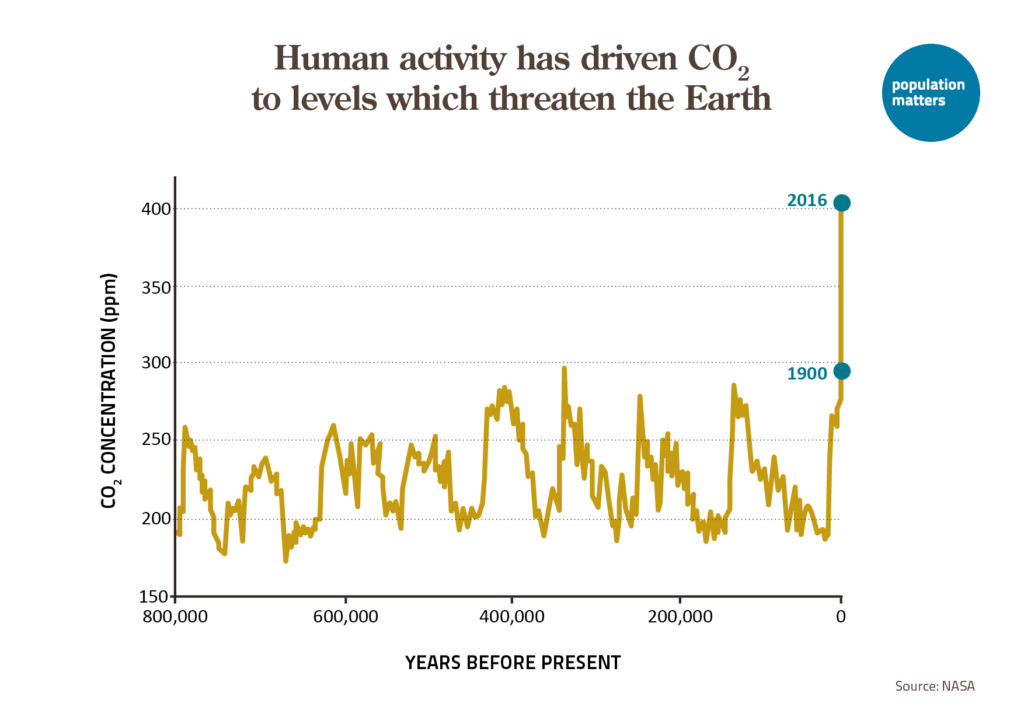
At the same time, Sub-Saharan Africa also has a disproportionate vulnerability to climate change and environmental degradation. It is critical that population dynamics and reproductive health be at the forefront of ongoing environmental discussions

Population dynamics and environment
There are many just and humane ways to slow the pace of rapid population growth while also respecting human rights and the need for economic development. Key to this goal is advancing reproductive rights, gender equity and education.
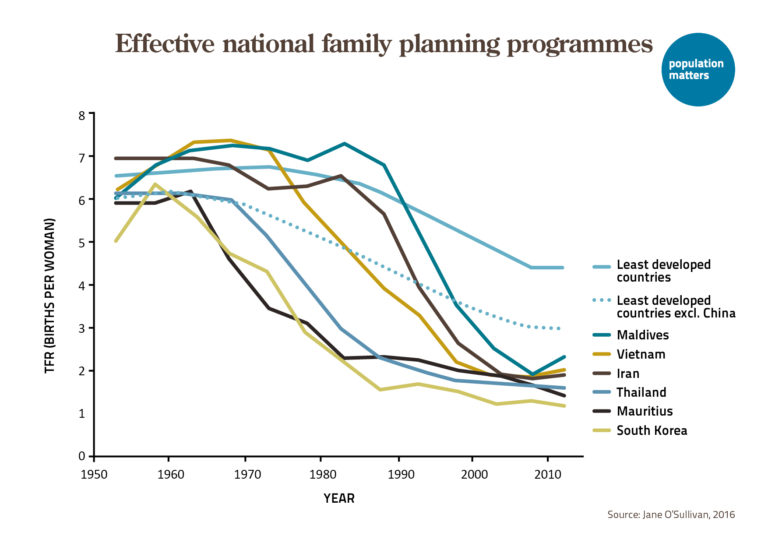
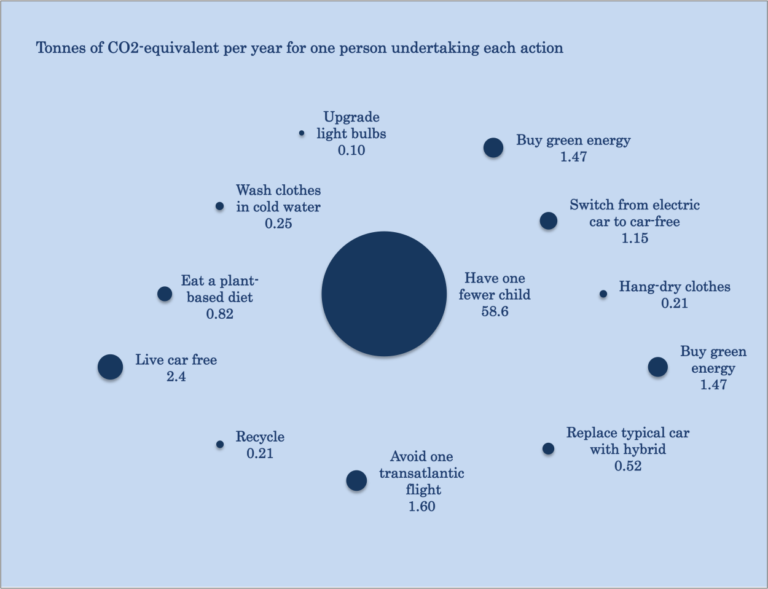
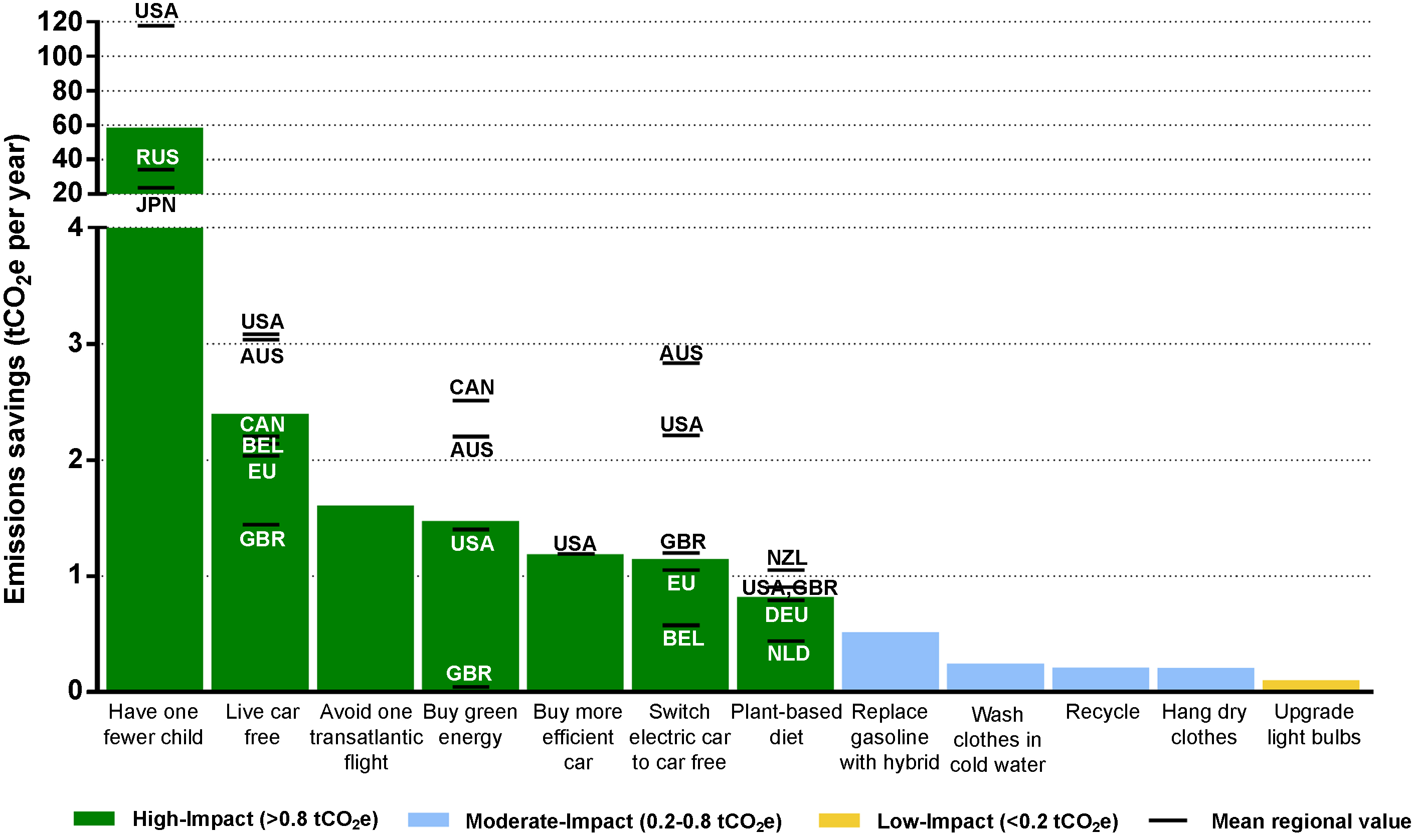
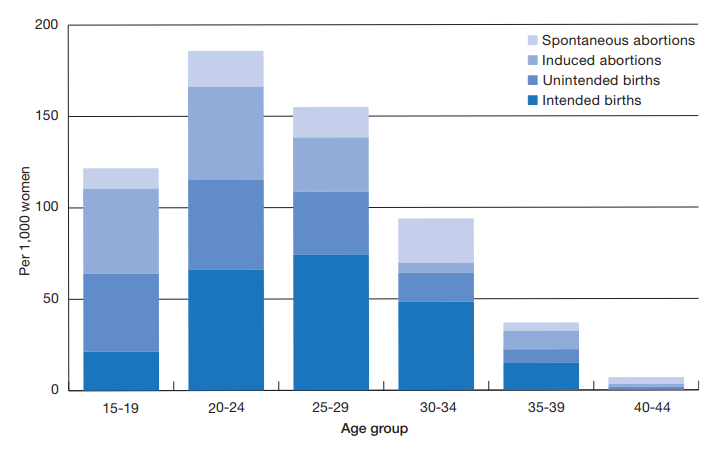
Advancing reproductive autonomy by ensuring that individuals have the means to choose the timing and frequency of childbearing carries significant benefits for climate change resilience and environmental sustainability.
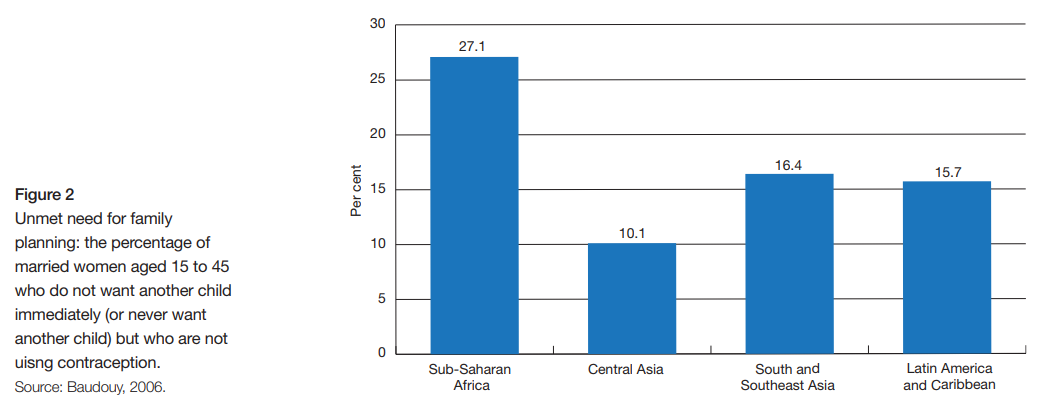
As individuals are given the means to choose the number, timing and spacing of their children, they tend to have fewer children.
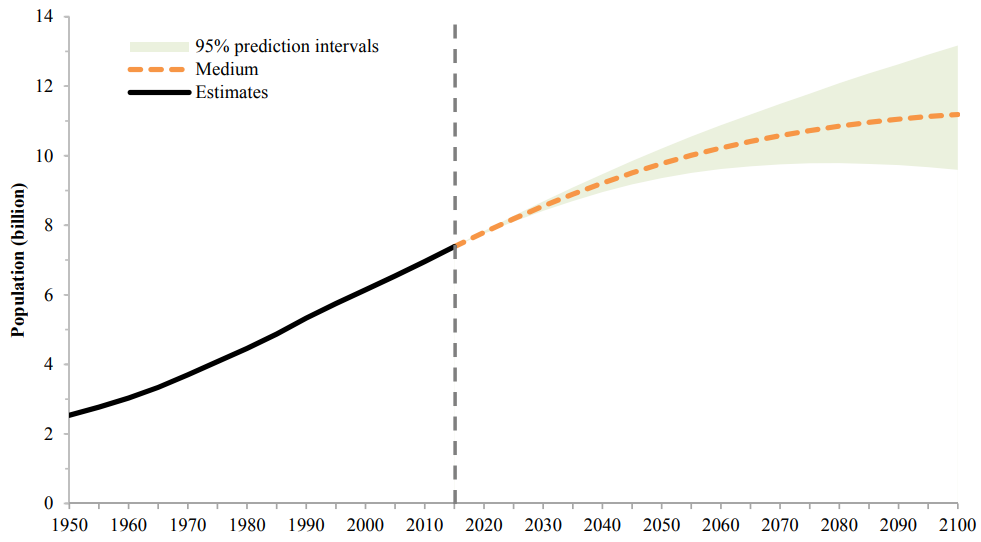
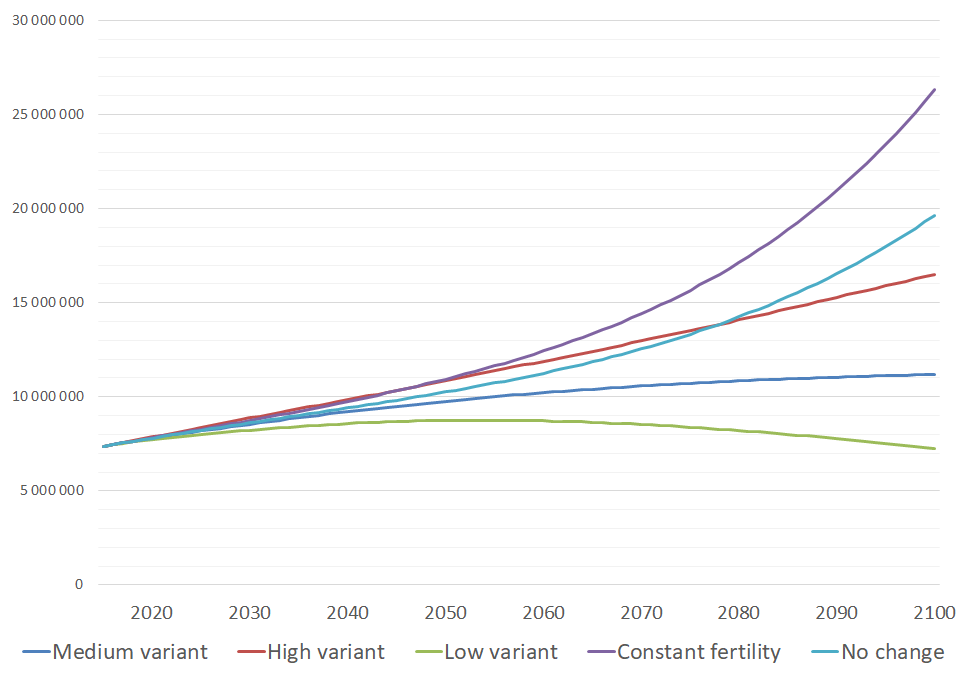
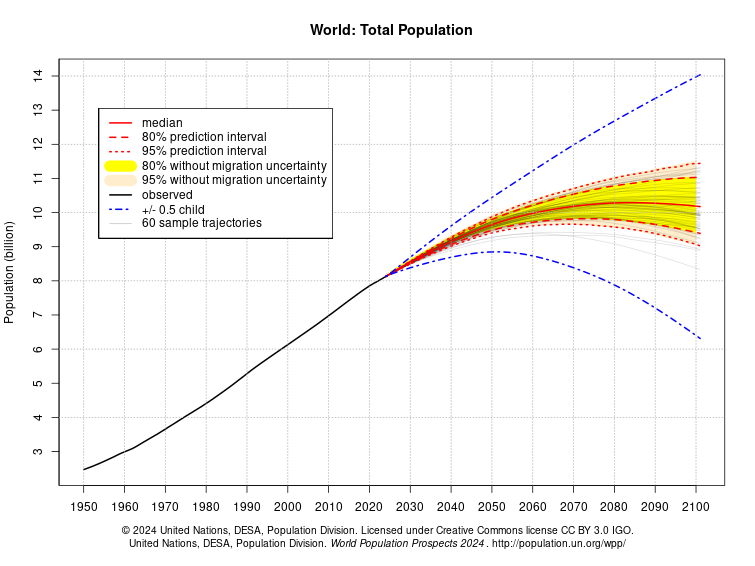
It is estimated that if the United Nations’ Sustainable Development Goals target for contraceptive use and education are met, global population size would decline from today’s 8 billion to 6.29 billion in 2100. If not, then the United Nations medium projection of 10.3 billion appears more likely.
Yet, despite their far-ranging implications for environmental sustainability, demographic trajectories are largely omitted or regarded as set in stone by the development and environmental communities. This makes for a missed opportunity for transformative change.
Discussions that highlight the negative impacts of global population growth are also often marginalized and perceived as unwarranted, alarmist, coercive and racist. At the same time, it is important to remember that high birth rates should not carry the stigma of blame but instead be seen within the lens of wider socio-economic issues.
We live in a demographically divided world. Some regions of the planet are experiencing sustained population growth, while others are witnessing relative stability and even decline.
In this context concerns about population growth can appear to have limited global application, making it more challenging to express alarm over increasing human numbers in relation to population declines elsewhere
However, this does not mean that exponential human growth cannot pose concerns in some regions.
Sub-Saharan perspectives
As a researcher in the emerging field of planetary health, I study the nexus of reproductive rights, population dynamics and environmental sustainability.
In collaboration with Nkechi S. Owoo, from the University of Ghana, we set out to explore stakeholder perceptions around these issues. We were surprised to learn that sub-Saharan Africans perspectives had not been individually documented, despite their unique relevance.
Our study included a survey and follow-up interviews with 402 participants from 42 countries in sub-Saharan Africa. The results would surprise many observers who may doubt that population growth is a concern in Africa.
While there were geographic and gender limitations in our sample size — and more research will be required to further explore this topic — we nevertheless feel that our findings provide useful insights into wide-ranging public concern for population growth. Respondents overwhelmingly perceived population growth as a phenomenon representing challenges to environmental sustainability, economic and social goals, peace and security.

Many participants expressed the view that population dynamics ought to be integrated in policies and discussions aimed at improving or preserving the quality of the environment. One respondent in particular stated that
“population dynamics should always be put at the forefront whenever climate and the environment are being discussed”.
A small number of participants argued that population growth was not a driver of environmental degradation and climate change, which was attributed to the excessive consumption habits and disproportionate responsibility of the Global North.
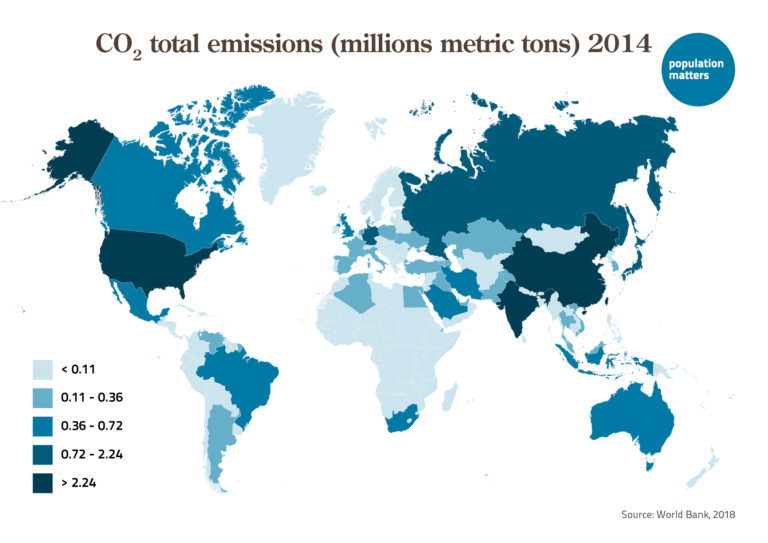
The large majority of our respondents, however, held a different view. They felt that the disproportionate role of consumption did not preclude acknowledging the role of population growth in generating environmental degradation.
A survey participant from South Africa, for example, stated that:
“The cumulative impact of 1 billion low per-capita footprints still equals a high impact. This is not to discount the high impact of people that may have lower fertility rates and higher per-capita footprints — who are as important to address.”
Participants overwhelmingly felt reproductive health and rights, alongside education and women empowerment considerations, ought to be integrated in environmental sustainability discussions and policies.
They agreed with the notion that contraception and family planning services can have a positive impact on environmental sustainability. They also agreed that integrating family planning as an environmental policy would contribute to accelerating much needed progress on reproductive rights and sustainability.
It is time to discuss demography
This study presents surprising evidence that rebuts common assumptions about the sensitivity of discussing population trends in developing countries.
Our survey suggests that a majority of those working in a field that is related to economic, social, or environmental development in sub-Saharan Africa consider the topic of population growth important.
Our study also supports the importance of amplifying the voices of people among those most exposed to rapid population growth and most vulnerable to climate change and environmental degradation. These individuals, more often than not, live in places where gender equity and access to family planning face significant challenges.
Most of our research respondents are concerned by population growth because of its negative environmental and social implications, and wish to integrate demographic and reproductive rights and gender equity considerations in environmental discourses and policies.
Similar calls to stabilize and gradually decrease the human population by supporting reproductive autonomy and gender equity are regularly issued by leading environmental scientists, and must be prioritized to achieve the transformative change needed for sustainability.
This article was originally published February 7 by The Conversation.











Leave a Reply