
Distinguishing ecologically sustainable from excessive human populations is necessary to understand humanity’s environmental challenges and pursue our best options for addressing them. A new publication from TOP presents a definition of human overpopulation based on plausible scientific and ethical criteria, rather than wishful thinking.
by Philip Cafaro
Last year, TOP published a working paper presenting a new definition of overpopulation, which drew lots of comments on a previous blog. Now I have revised and published a shorter, clearer version in the Journal of Population and Sustainability. I think this version of “A new definition of global overpopulation, explained and applied,” is much improved, in part thanks to the many excellent comments received earlier.
The core definition of overpopulation remains nearly the same:
Human societies, or the world as a whole, are overpopulated when their populations are too large to preserve the ecosystem services necessary for future people’s wellbeing or to share the landscape fairly with other species.
The paper goes on to argue that it is morally problematic to define a sustainable population based on ambitious policy reforms that might not happen. A reasonable precaution demands we base such judgements on the production systems and consumption levels currently in place, or something close to them. After all, reforming these is difficult and they currently are moving in the wrong direction vis a vis sustainability.

That is not to say such reform efforts are not needed! As Gaia Baracetti noted in her comments on the working paper, calls for population action can be mistaken for claims that reducing per capita environmental demands and impacts are not needed. To the contrary, we at TOP believe that in a time of gross ecological overshoot, both kinds of efforts are urgently needed.
In another comment, Fons Jena wrote that it can sometimes be unclear in the literature whether scholars are defining criteria for optimum or maximum human population numbers. Either sort of claim involves numerous, difficult to adjudicate ethical assertions and scientific questions, which is why such attempts typically end in uncertainty and calls for ‘further study.”
Again, we agree with this comment. The new paper seeks to avoid unnecessary complexity yet preserve a solid grounding in ethics and science, by defining overpopulation pragmatically and without reference to optima, maxima, or the related concept of carrying capacity. Instead, it simply proposes that if humanity is rapidly degrading the global environment and fewer people would help us decrease the damage we are doing, then we are overpopulated.
The Upshot
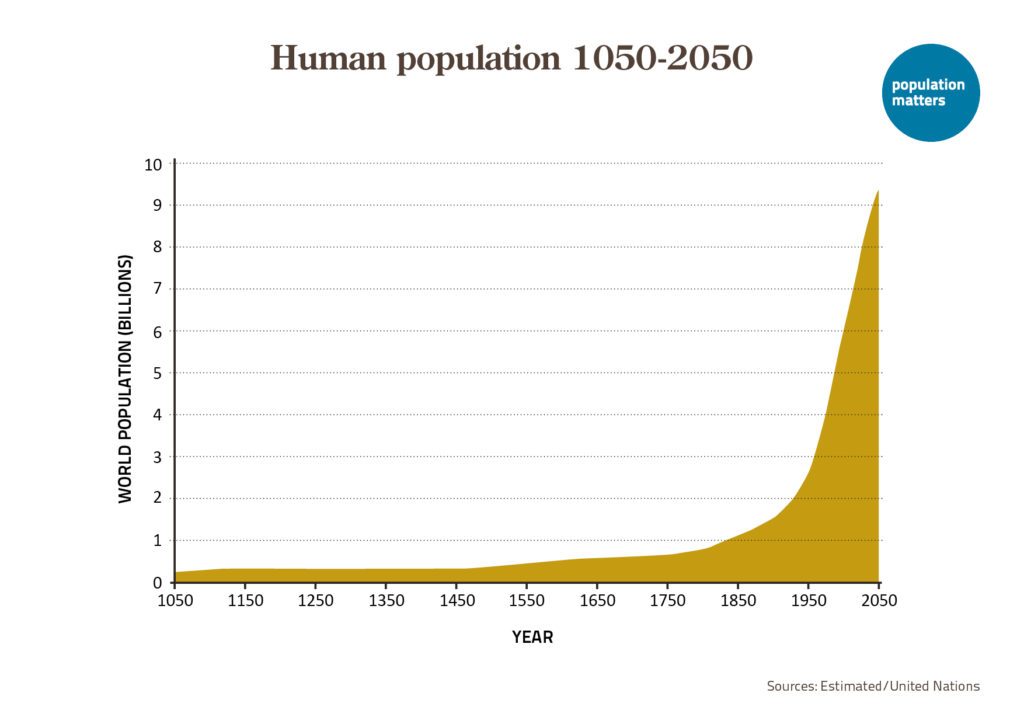
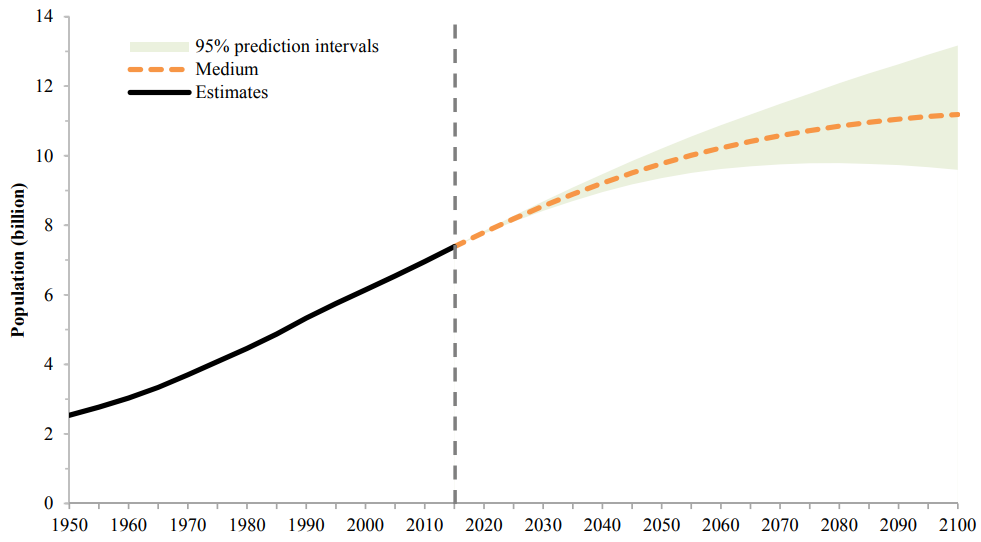
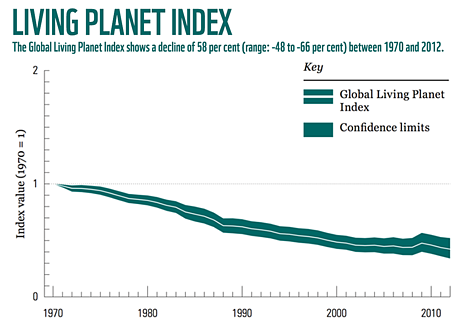
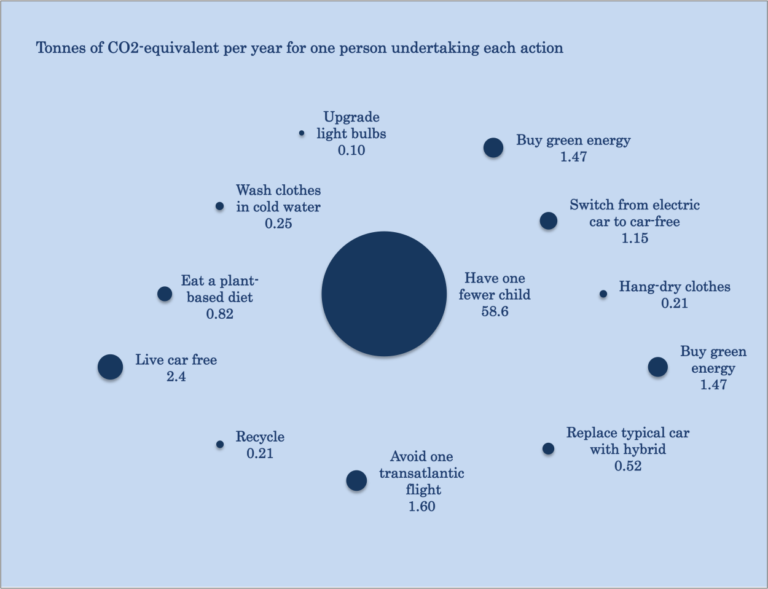
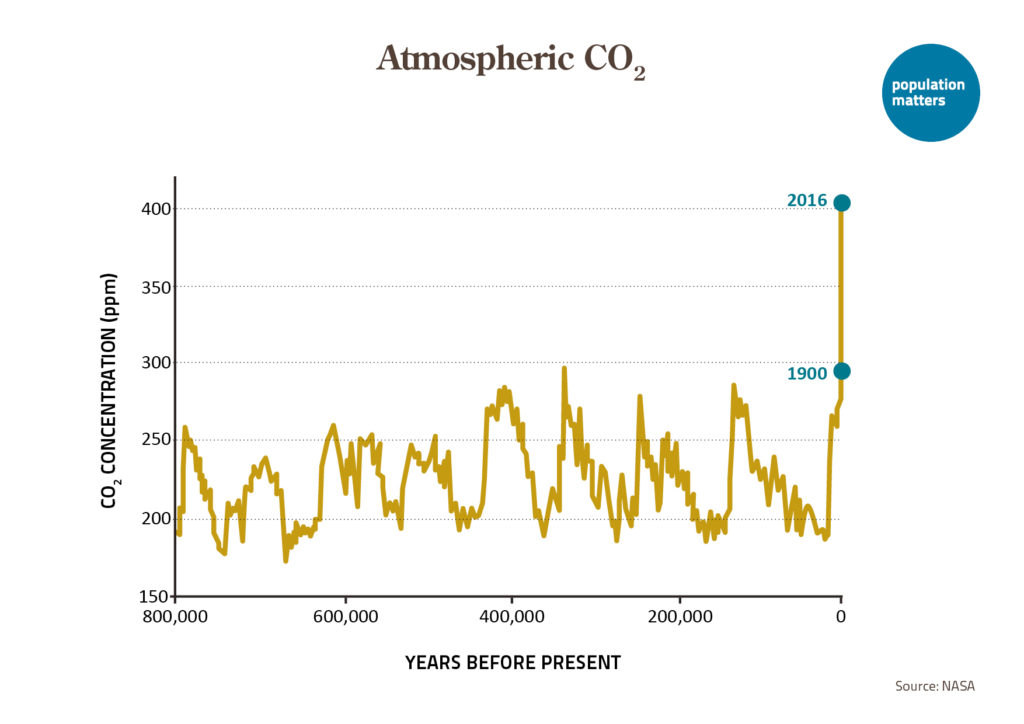
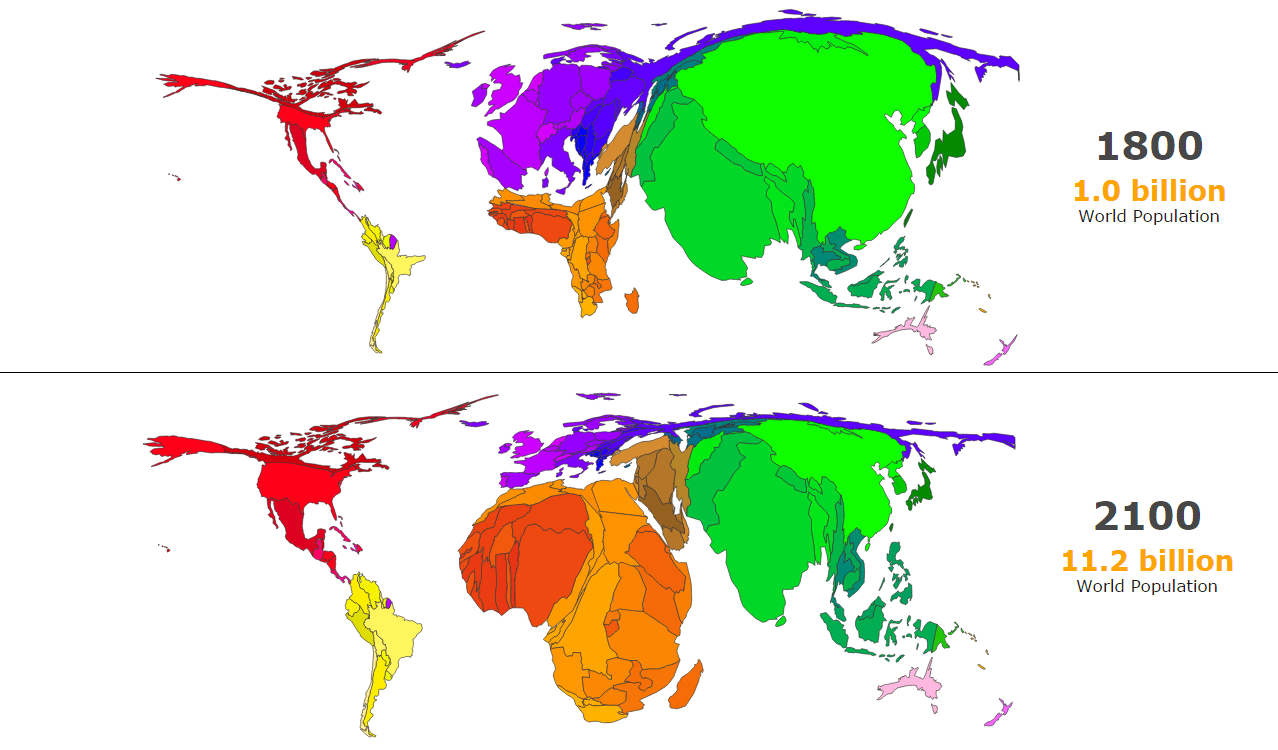
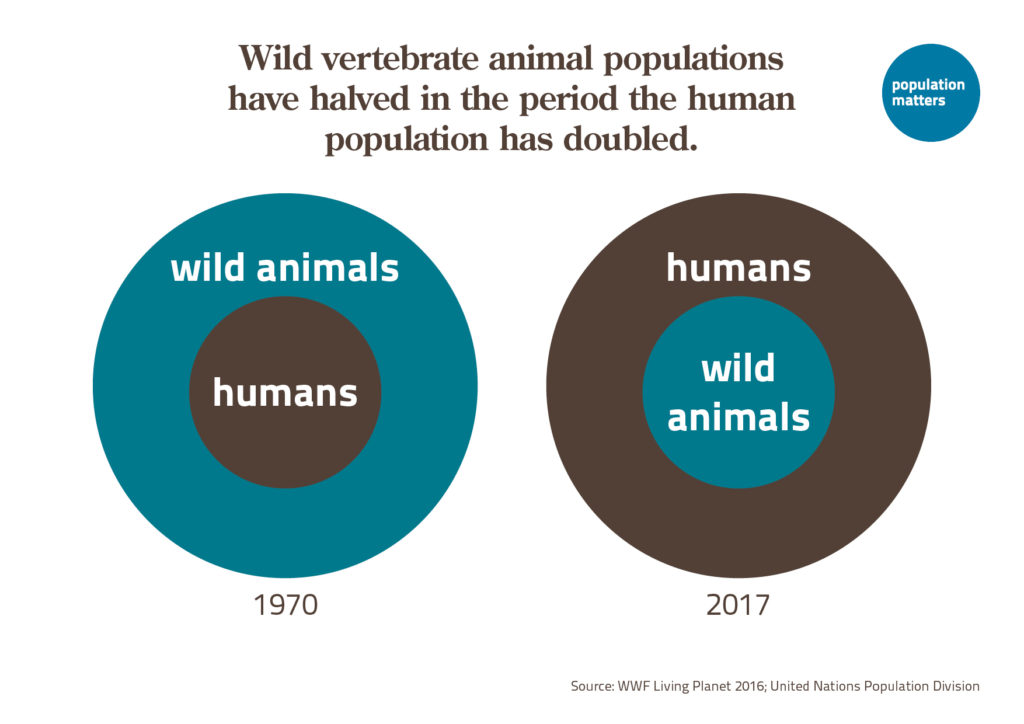
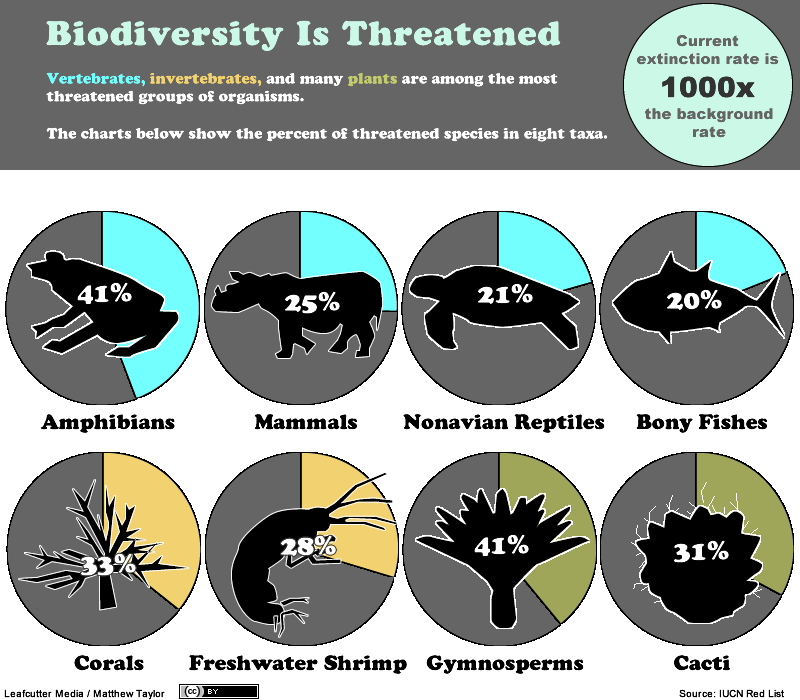
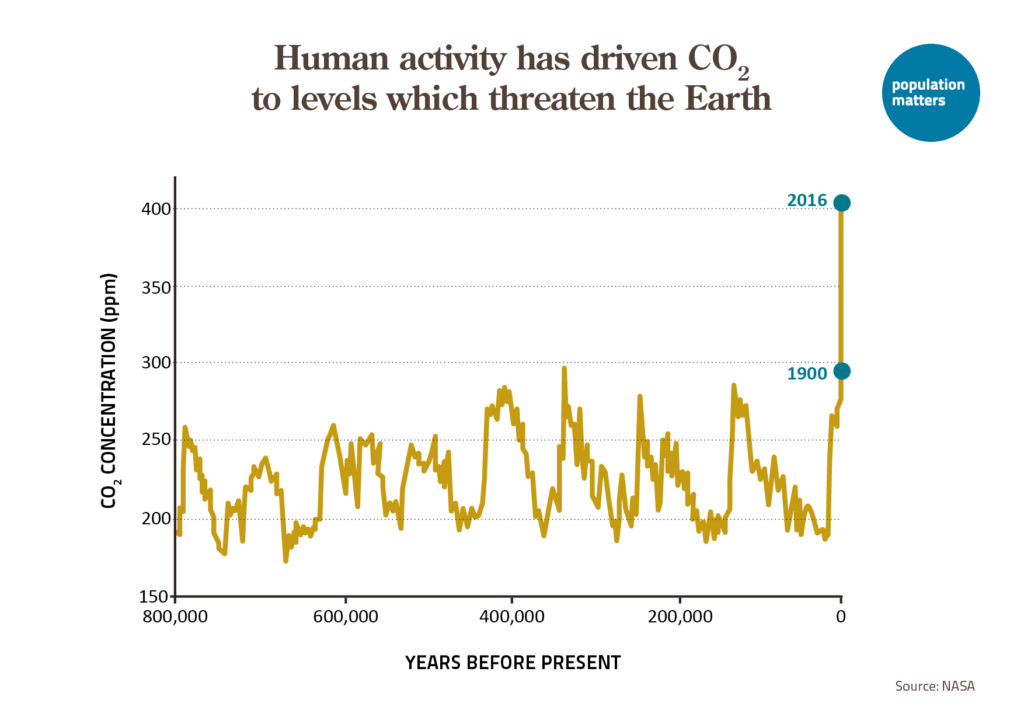
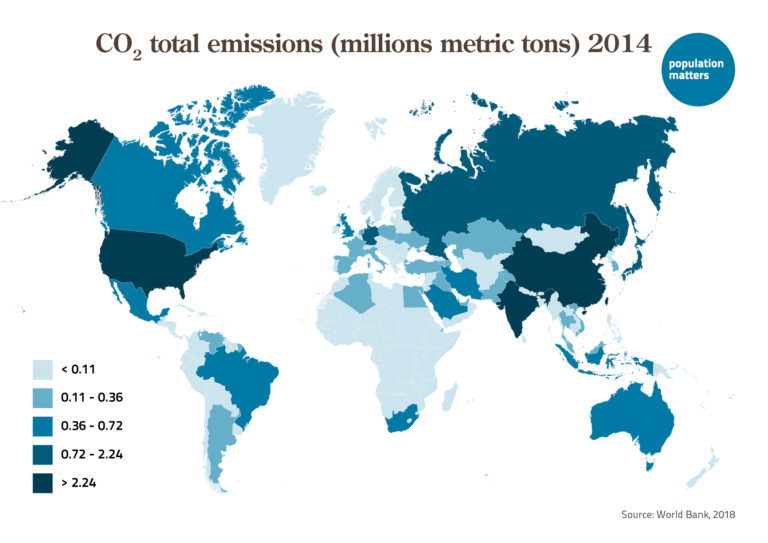
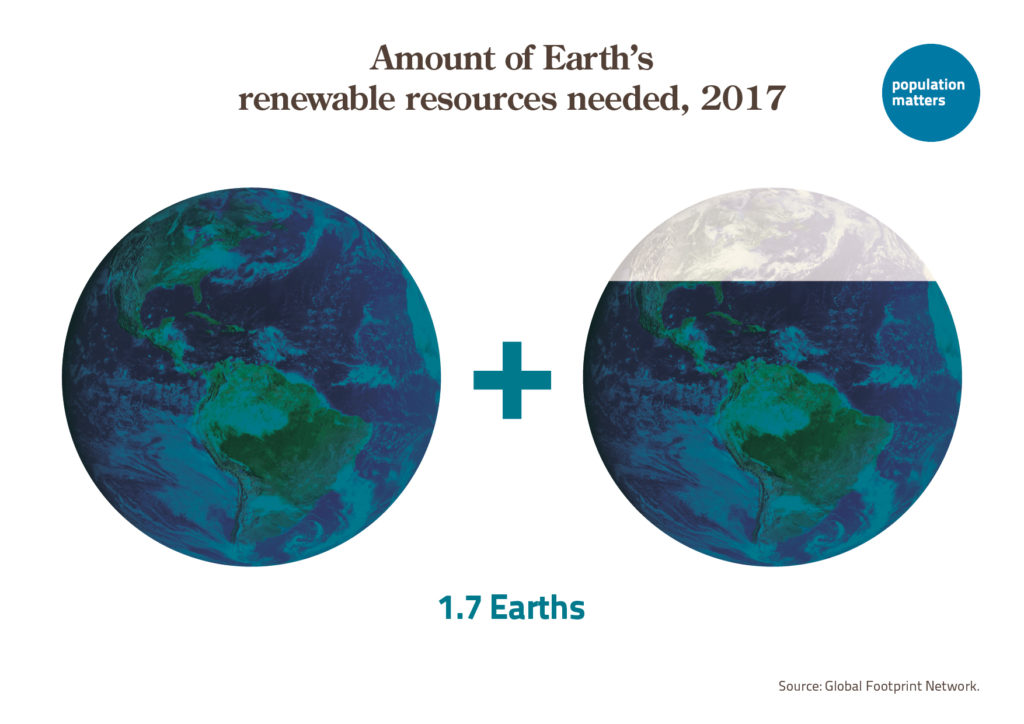
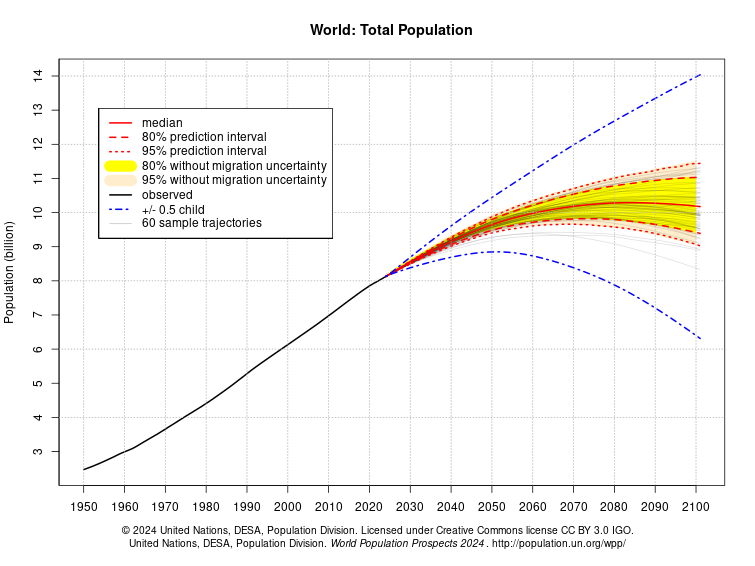
Having developed this definition of global overpopulation in the first half of the paper, I go on to apply it in the second half, asking whether humanity is overpopulated at 8.2 billion people. The analysis focuses on the two defining global environmental problems of our time, climate change and biodiversity loss. It also considers global ecological overshoot generally, in the context of the planetary boundaries framework. Its conclusion will not surprise regular readers of this blog. Given current systems of economic production and consumption, the direction they are trending, and the environmental threats these pose to humanity and other species, humanity is indeed overpopulated at 8.2 billion people. We thus have a moral obligation to take steps to reduce our numbers.
The approach to defining overpopulation laid out in this new paper is cautious, non-ideological and reality-based for a reason. The reason is that life is good. At TOP, we believe we owe it to our children and grandchildren to pass on the means to enjoy their lives: a healthy, flourishing biosphere. We also owe it to all the other species whose continued existence depends on human restraint.
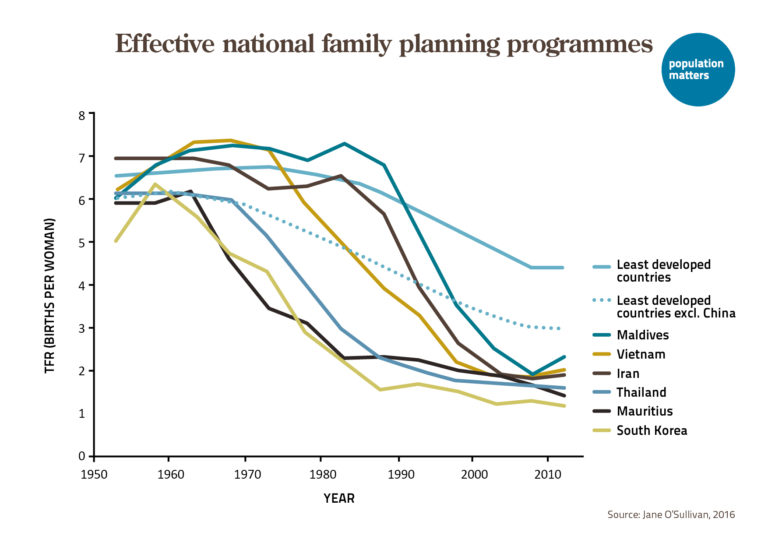
Overpopulation threatens great suffering for billions of people and extinction for millions of species. These facts justify humane efforts to reduce human numbers, as a matter of justice between current and future generations, and between people and other species. Addressing population is only part of creating just and sustainable societies, of course. But it is a necessary part. While taking up population matters can be contentious and challenging, continuing to ignore them will likely prove much worse. Spread the word!










Leave a Reply