
After seven years of research and blogging here at TOP, it’s sometimes hard to think of new things to say about population matters. But recent events suggest a new argument for overpopulation that readers may not have considered.
By Philip Cafaro
The top global environmental stories of the past month have been the failure of the COP 30 talks in Brazil and the ongoing evisceration of environmental protection efforts in the United States. These failures suggest reducing per capita environmental impacts will remain elusive within the current endless growth economic paradigm. That is all the more reason to embrace population decline where it is happening and encourage it where it is not.
The less likely reducing per capita environmental impacts appears, the more important it is to reduce the number of capitas. As the world’s nations embrace short-term economic growth at the expense of environmental sustainability, the case for overpopulation is strengthened.
Climate Change COP-out
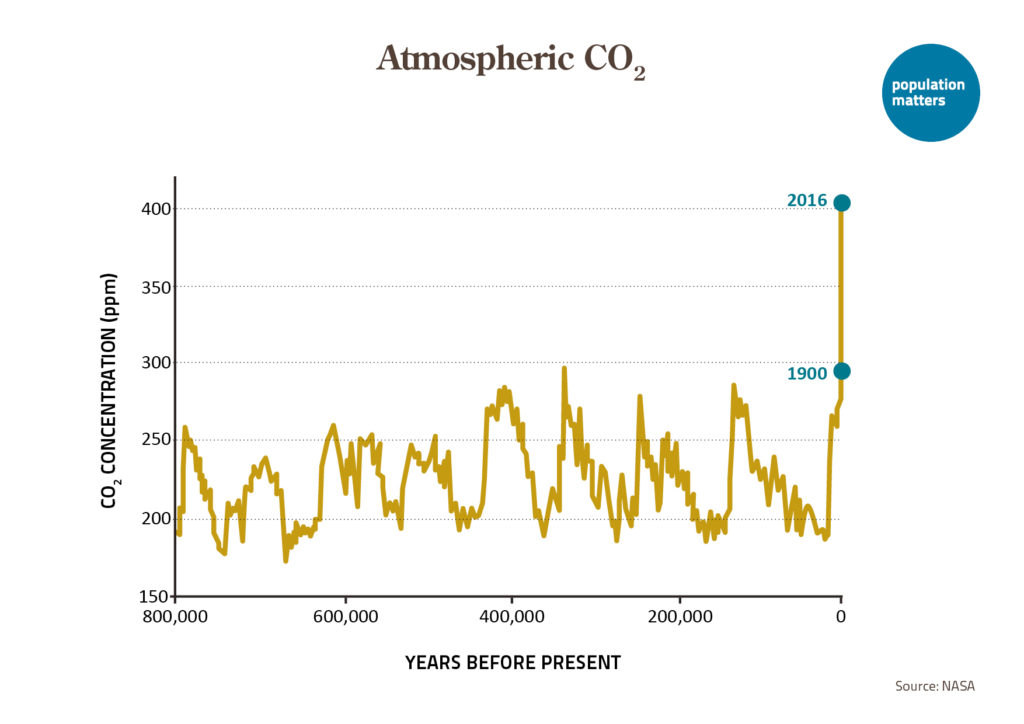
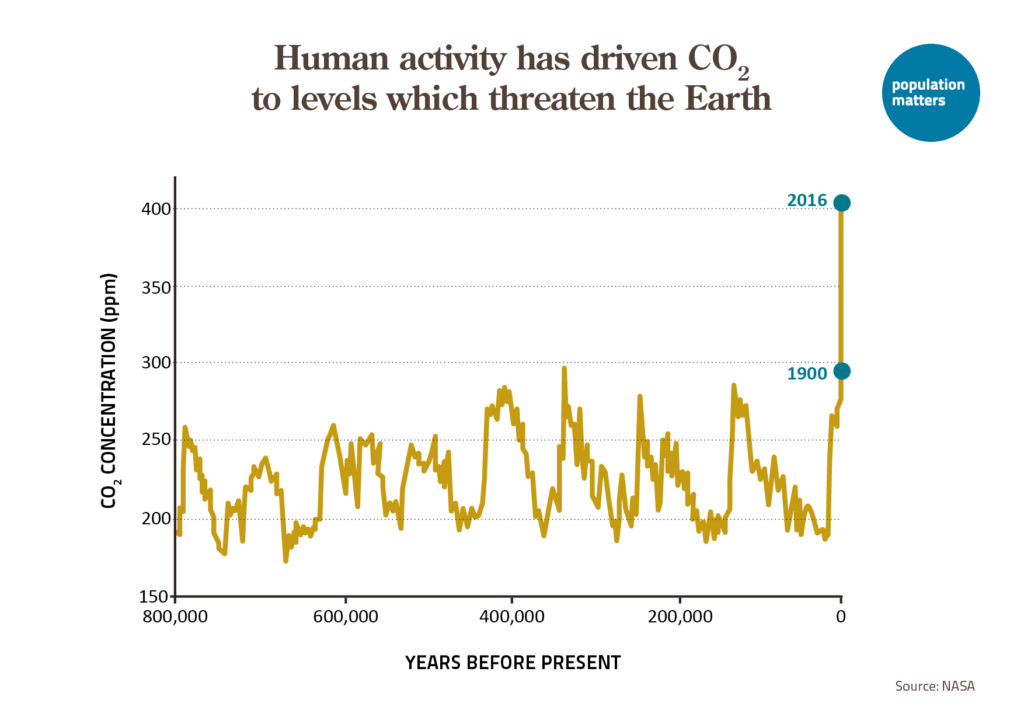
Post-Paris (COP 21 in 2015), I never understood how a climate treaty based on voluntary national carbon reductions would work. But that voluntary framework has remained unchanged, with annual meetings debating whether nations would achieve various ambitious goals thirty or forty years in the future. This gave climate delegates something theoretically important to argue about, while the politicians back home focused on the real, immediate goal of fostering economic growth. Meanwhile, the rate of growth in global carbon emissions did slow somewhat over the past decade, driven not by treaty commitments but by technological improvements. These brought down the cost of renewables, especially solar power, and led to replacing dirtier coal with natural gas in many power plants.
Unfortunately, this modestly positive carbon trend stalled over the past few years, due to increased energy demands. Poor people need sufficient food, rich people need sufficient data centers. Within the prevailing economic system, everyone needs more of everything, which means using more energy. Most new renewable energy capacity has been used to cover increased energy demands, rather than replacing dirtier energy sources. This is demonstrated in the graph below of energy sources for U.S. electricity generation over the past twenty-five years (source: U.S. Energy Department).

Meanwhile, wealth has become more concentrated and economic precariousness has grown throughout the developed world. So politicians have had less room to ask common citizens to sacrifice to decrease carbon emissions — and they have never seriously pursued reining in the bloated consumption of the wealthy. Meanwhile, COPs have been meeting once a year, flying tens of thousands of delegates and climate activists to pleasant locations and generating enough hot air to cause a climate crisis all on their own. “Successes” at recent meetings have revolved around paper commitments to phase out fossil fuels decades in the future, with much debate about whether that might occur in 2055 or 2060.
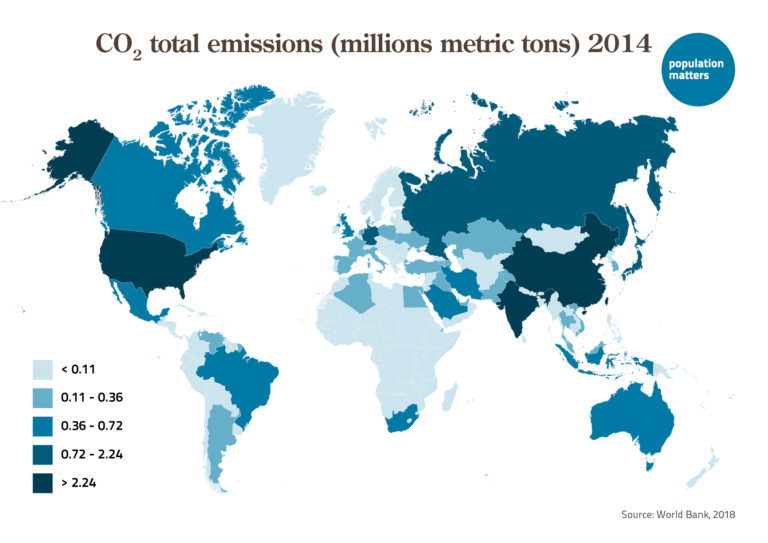
At the most recent COP in Bélem, Brazil, the wheels fell off the wagon. The U.S. was absent and officially in denial about “the climate change hoax,” its government busily offering up new oil and coal leases from the Arctic to the Gulf of Mexico America. China and India, the world’s two other largest carbon emitters, continued to say nice things; meanwhile, they are opening new coal-burning power plants at a rapid pace. Neither these nor other major national governments are willing to sacrifice short-term economic growth for long-term ecological health and stability. Recognizing this reality and the role fossil fuels continue to play in fostering economic growth, Saudi Arabia, Russia and several other corrupt petro-states fought against any timetable for phasing out fossil fuels. The final, watered-down document preserved a bare mention of the need to do so; pathetically, some participants tried to spin this as a diplomatic victory.
What Bélem really showed is the bankruptcy of the COP process and the unwillingness of the world’s nations to do what is necessary to avoid catastrophic climate change. In retrospect, the idea of building the international effort to combat climate change around voluntary national efforts was always a farce. It would have been better to honestly recognize our climate impasse back in 2015, instead of playing “let’s pretend” for the past ten years and diverting reform efforts into meaningless discussions divorced from any practical consequences.
U.S. Environmental Policy in Shambles
In the United States, an even more extreme tale of environmental regression has been playing out. Two weeks ago, the Trump administration moved to fundamentally weaken two of the nation’s bedrock environmental laws. According to the New York Times:
On Monday, the Environmental Protection Agency proposed to strip federal protections from millions of acres of wetlands and streams, narrowing the reach of the Clean Water Act.
On Wednesday, federal wildlife agencies announced changes to the Endangered Species Act that could make it harder to rescue endangered species from the brink of extinction.
Meanwhile, a multi-agency push to increase fossil fuel use is underway. Again, according to the Times:
And on Thursday, the Interior Department moved to allow new oil and gas drilling across nearly 1.3 billion acres of U.S. coastal waters, including a remote region in the high Arctic where drilling has never before taken place.
Amazingly, the Trump administration is even rolling back carbon reduction measures previously agreed to by oil and gas companies, most importantly a regulation to reduce methane emissions from natural gas wells. All these moves come on top of massive lay-offs and other assaults on federal environmental bureaus, from the Environmental Protection Agency to the National Park Service, which have weakened them and left them largely unable to perform their jobs.

The goal appears to be to return the United States to the environmental status quo circa 1955, when businesses faced almost no environmental regulation and could pollute land, air and water at will. Whether the administration succeeds in making such a drastic shift permanent remains to be seen; polls continue to show strong public support for environmental protection. Then again, the American public has long supported higher taxes on the wealthy and universal health care, neither of which ever seem to get enacted. In the meantime, environmental protection efforts have been gravely weakened, with businesses having an open invitation to plunder and pollute the commons — particularly if they are willing to cut the Trump family in on the profits. As at COP 30, the failure is glaringly obvious and profoundly disheartening.
The Argument from Failure
Obviously, environmentalists need to fight back in the face of these failures. We need strong international cooperation to limit climate change. Americans need to replace Donald Trump and other anti-environmental politicians with better ones. But there is a further message for environmentalists in these setbacks, if we are willing to face them realistically.
Environmental protections and good environmental policies will always be partial, and reversible, and less than we want. Not only can’t we hope for miracles of altruistic international cooperation; when it comes to environmental protection, we can’t even count on self-interested cooperation at the national level. And that in itself is a strong argument for fewer people.
Because people will always be somewhat selfish, we need fewer of us.
Because we will always be somewhat short-sighted, we need fewer of us.
Because we are caught in the grip of an economic system based on endless growth, we need fewer of us.
There is another corollary of humanity’s failure to rein in our economic demands. Immense collective action problems like climate change, or feeding the world without causing a mass extinction, cannot have solutions that are too complicated! We will only use those complications to make excuses and wriggle out of acting to solve them. Only simple and explicit environmental policies have a realistic chance of success.
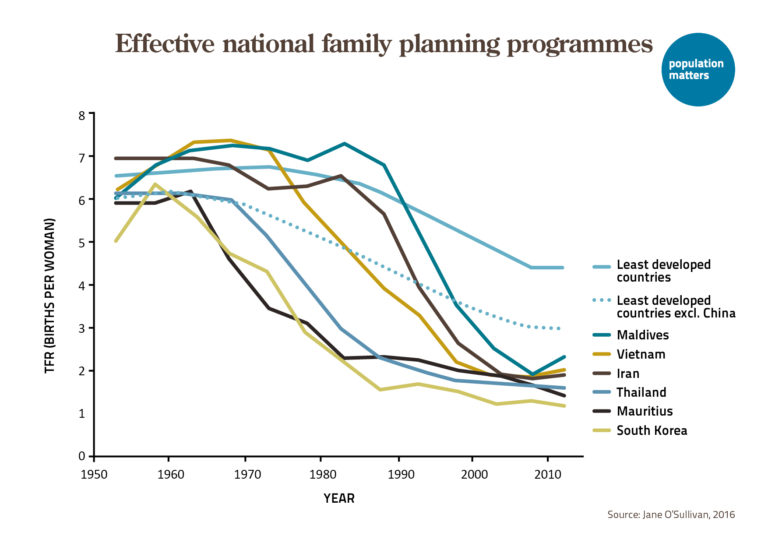
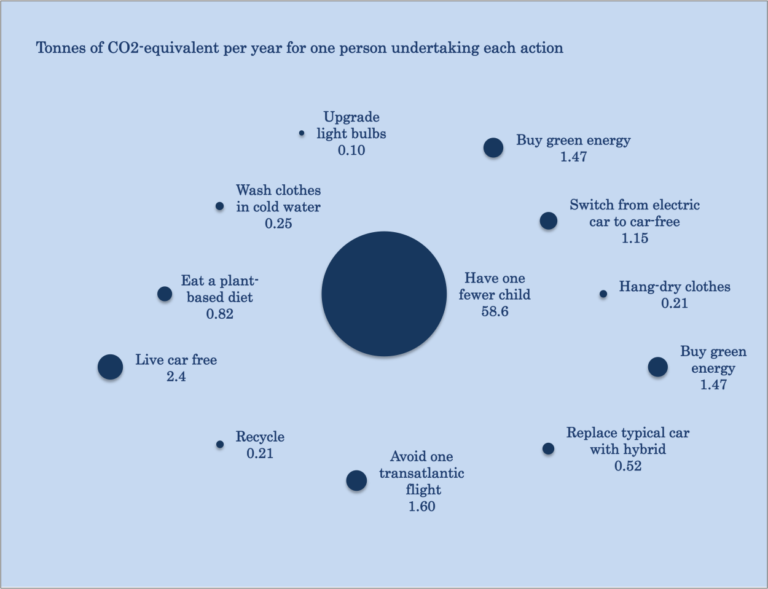
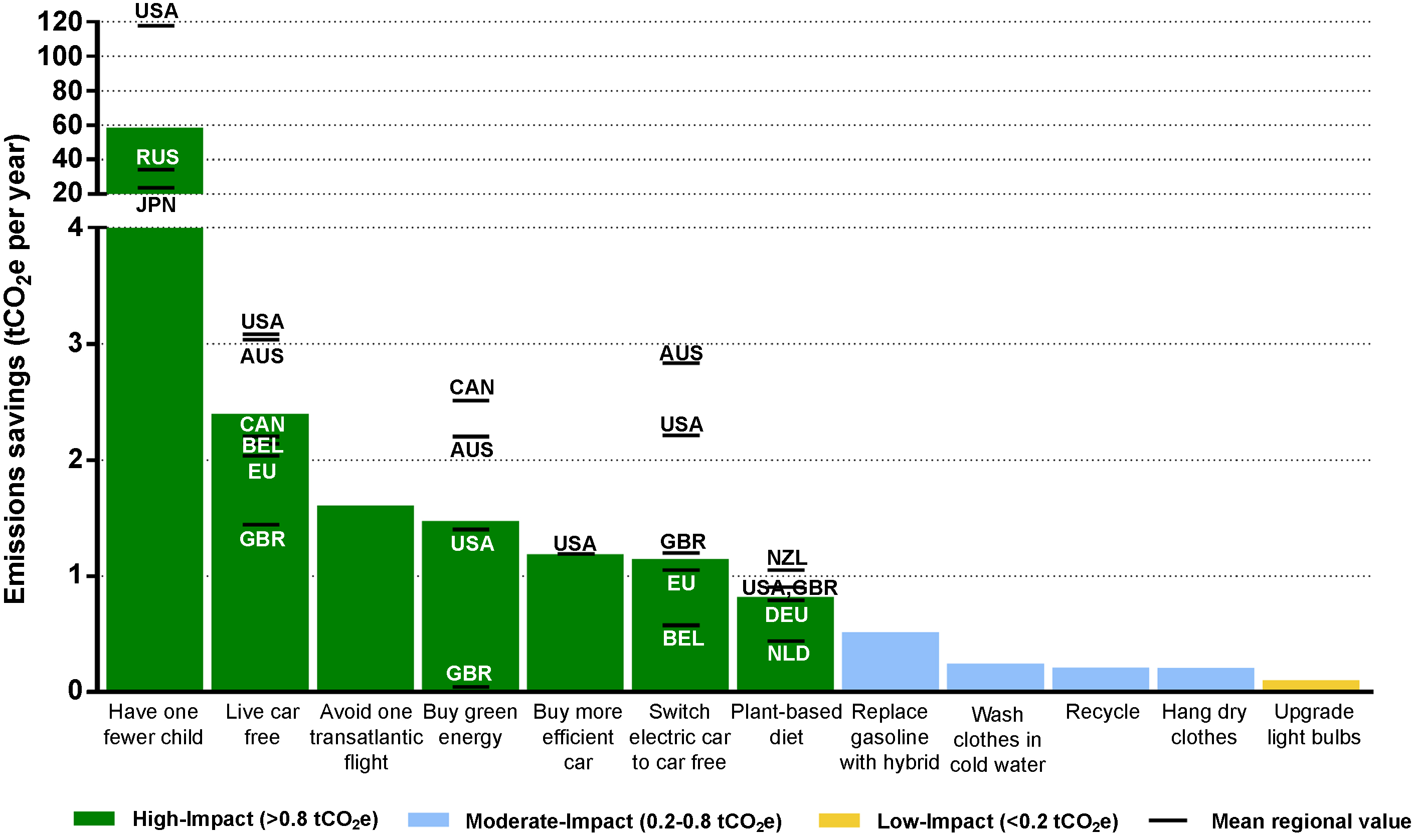
Well, fewer people is a relatively simple idea. Simple as a goal: not better people, or smarter people, but fewer people. Simple in the means that are needed to achieve it: widespread provision of family planning, cultural acceptance of smaller families, and planning for societies with decreasing populations.
Compared to solar radiation management or other forms of radical geoengineering, providing condoms and other voluntary forms of contraception are more likely to reduce atmospheric carbon and less likely to cause unexpected ecological disasters.
Compared to completely overhauling global agriculture or convincing the world to become vegetarians, funding universal family planning availability is more likely to ensure our descendants have enough to eat.
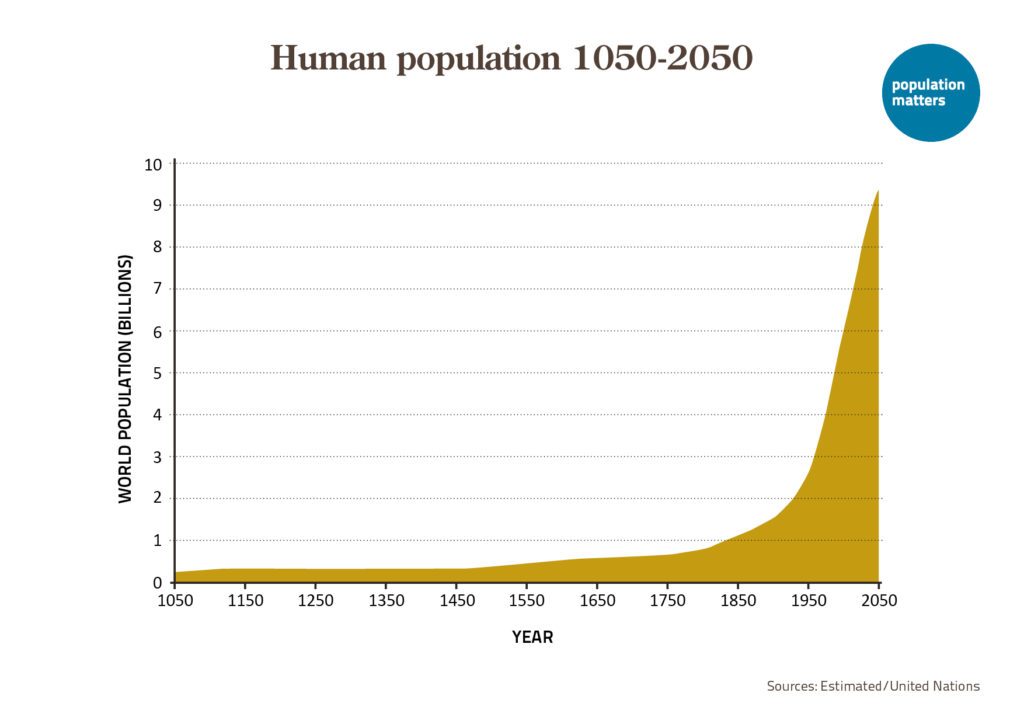
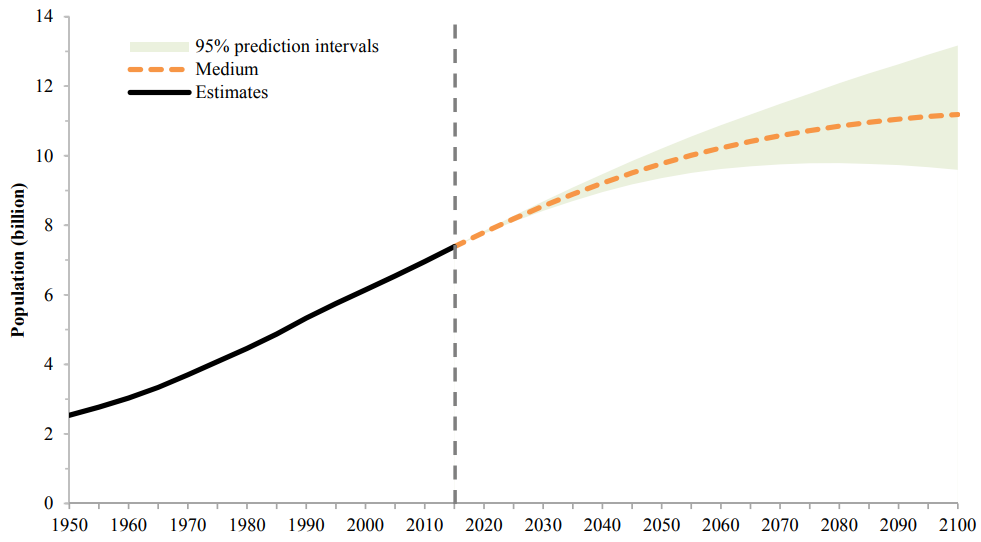
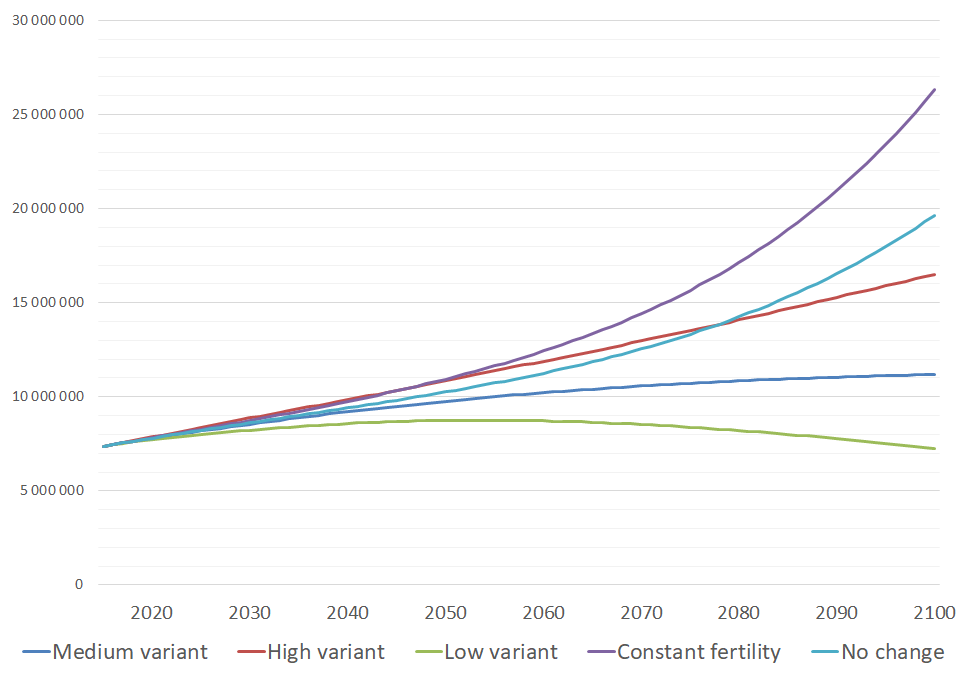
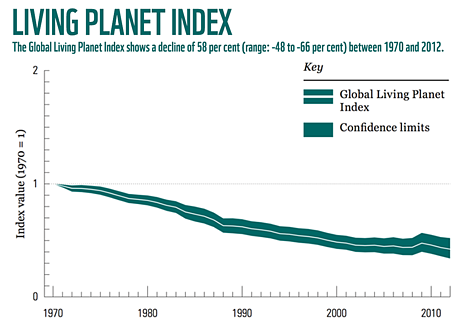
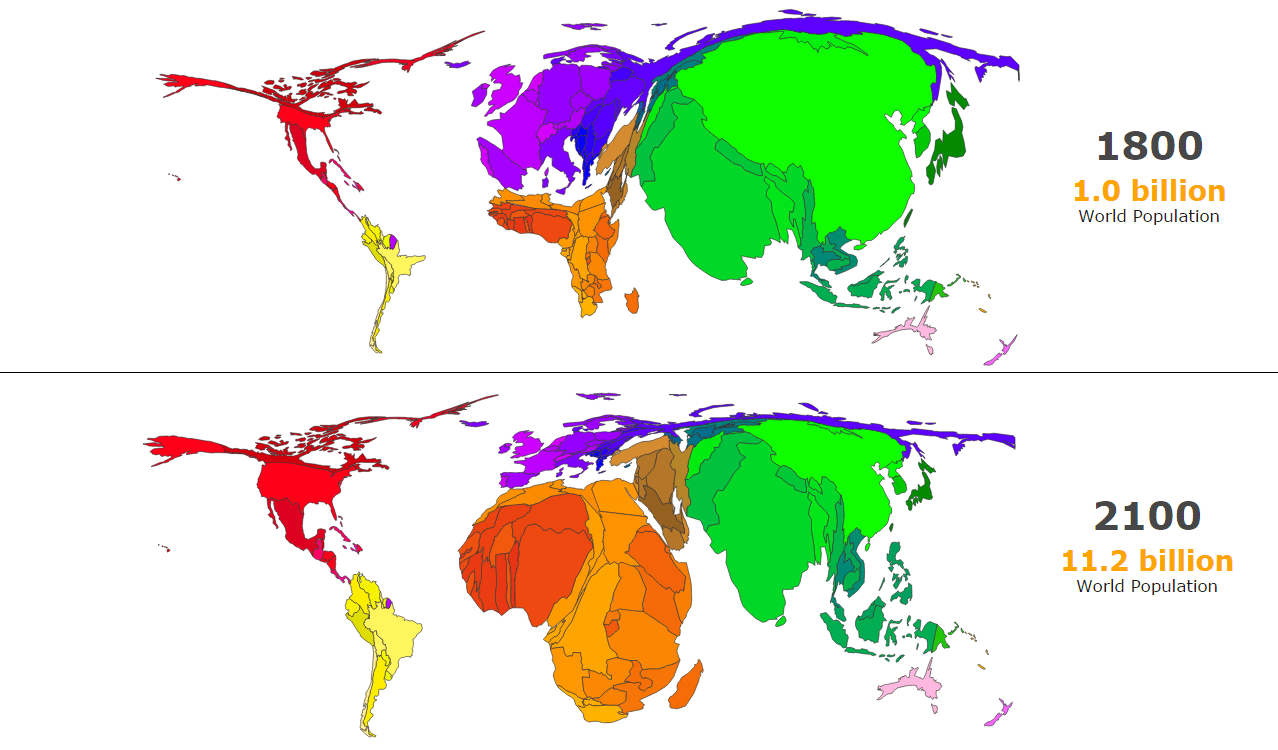
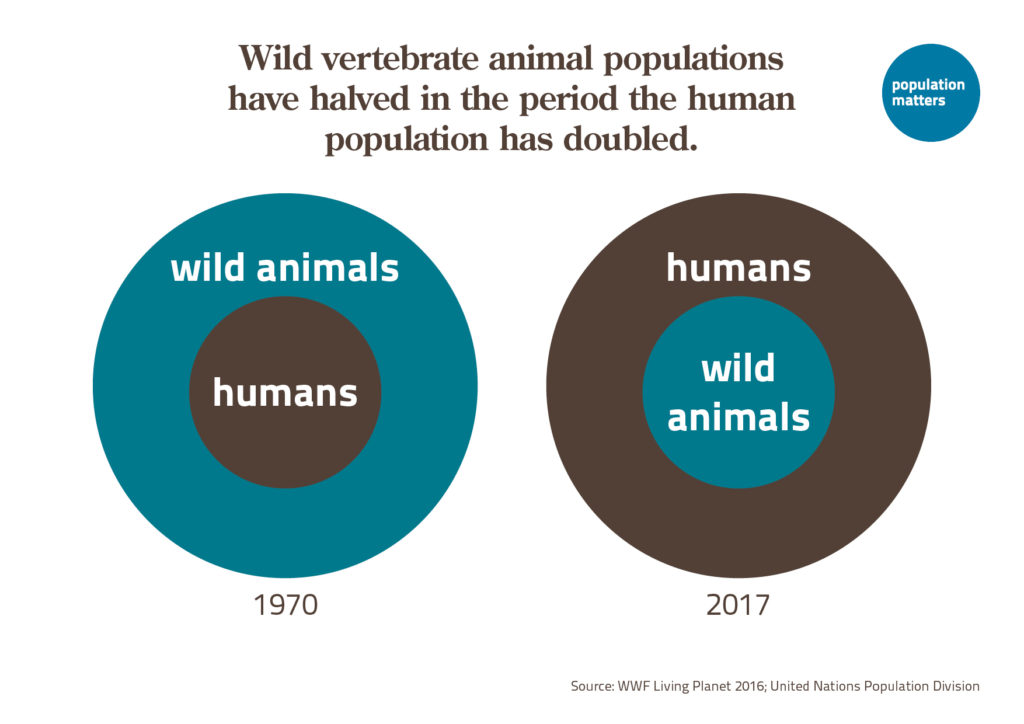
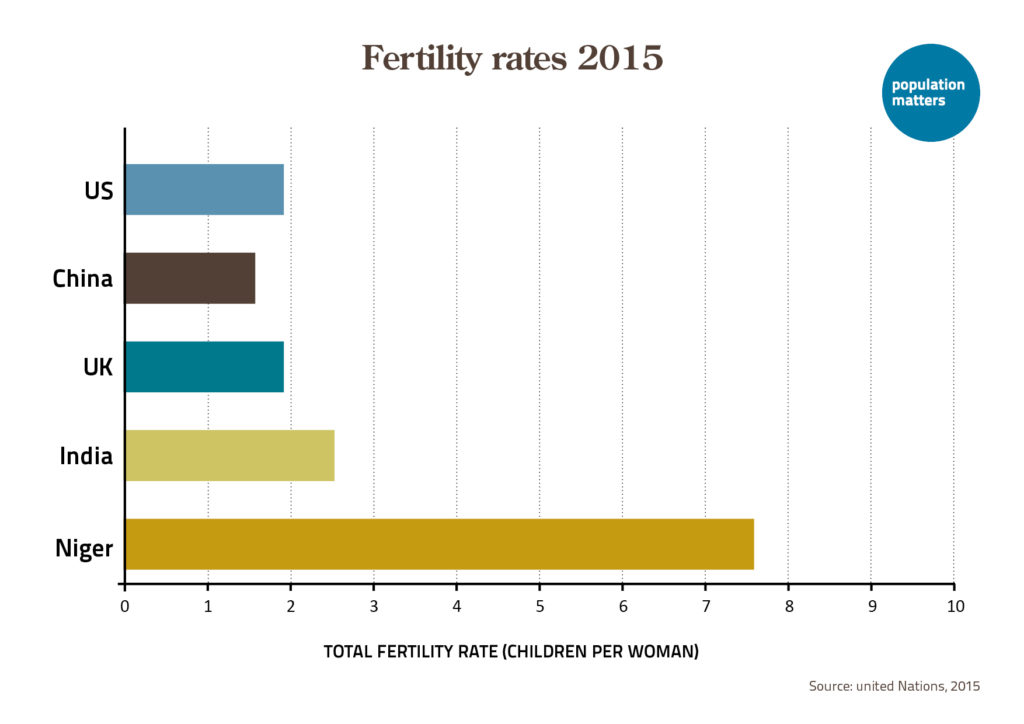
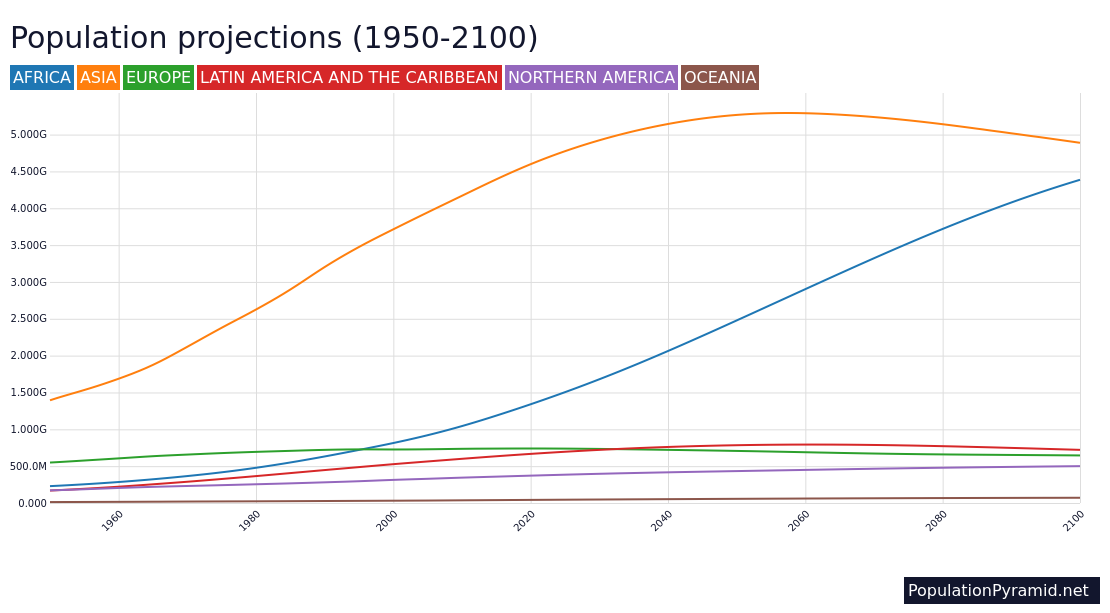
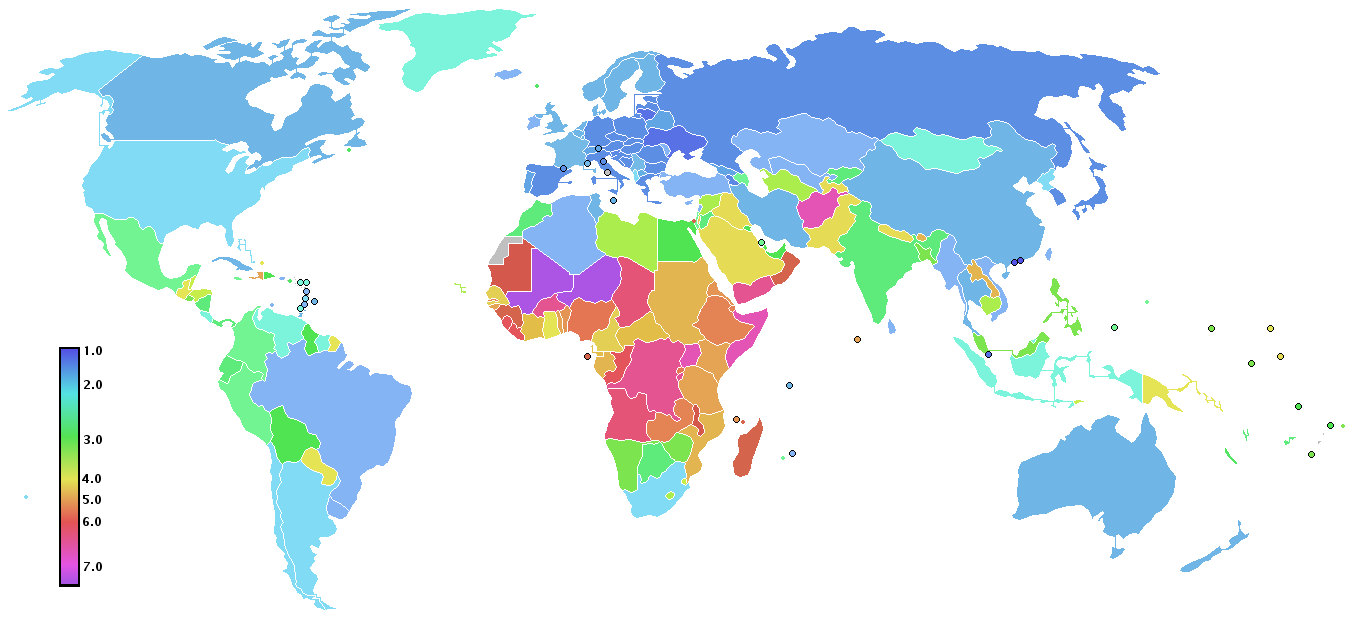
As we’ve noted often before in this space, there is plentiful evidence that eight billion people is not ecologically sustainable. Among the best evidence is our manifest inability to make progress on reducing humanity’s per capita environmental impacts. In the face of this failure, the case for building on one of the few key global environmental trends that is moving in the right direction — declining fertility — seems strong.










Leave a Reply