
In TOP, we have researched what causes the birth rate and family size to fall in developing countries. A major factor has been voluntary family planning programs in countries like Costa Rica, Iran and South Korea. In current academic literature, the dominating paradigm is increased education of women. In developmental aid, “reproductive health” is often championed but its effect on birth rates is not emphasized. Politicians, on the other hand, often emphasize economic development. How has the public in Western countries been influenced, what is their view? The results from a survey in Sweden revealed some perhaps surprising results.
By Nordhild Wetzler & Frank Götmark
In Western countries, the fertility rate (TFR, total fertility rate) began decreasing around 1870, along with industrialization, improved sanitation, and vaccination. Birth rates first started to decline in France, but soon UK, Germany, and other European countries followed. According to the theory of the demographic transition, fertility decline is expected after decrease in mortality (especially child mortality). Such a pattern can be seen in many countries, but the theory in its most general form does not explain the precise mechanisms involved. Since modern contraception was not available, the fertility decline in the West must have been achieved largely through traditional contraception and social practices. Sex was possible without producing babies.
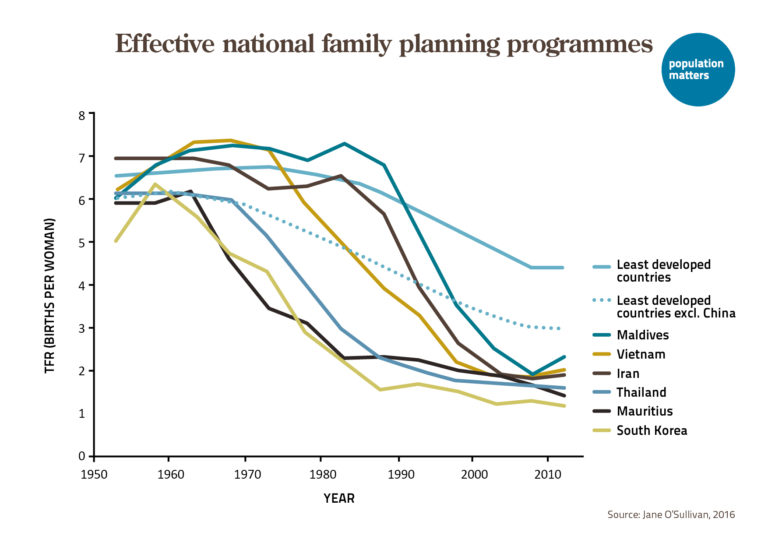
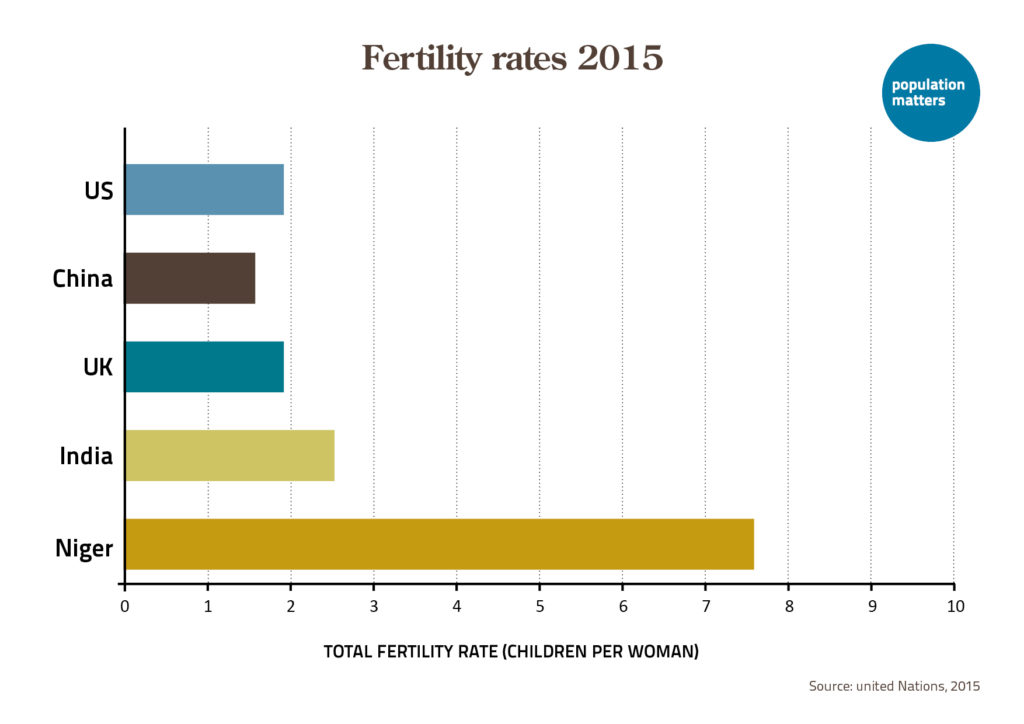
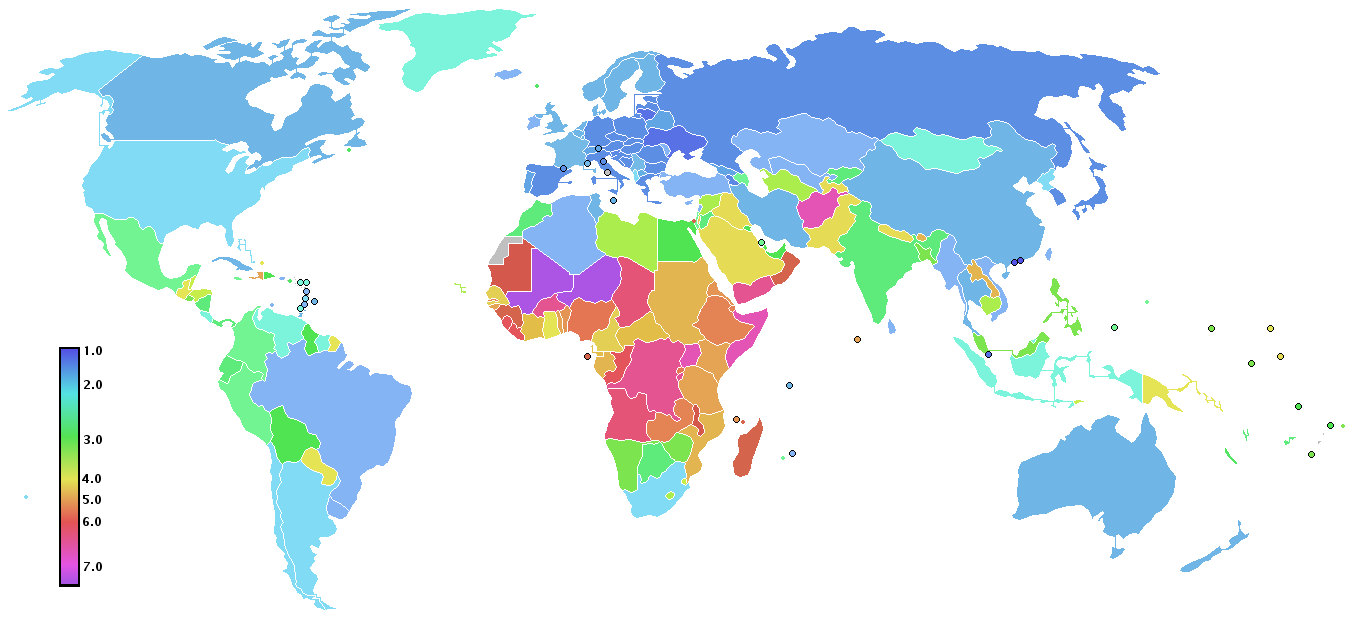
From around 1965-1970, TFR started to decline in many developing countries, where it also fell faster (between 1970-1995) than had been the case in the West. As Jane O’Sullivan described in a recent TOP blog, this marked decline in TFR coincided with international family planning programs in developing countries, combined with much attention in media and among politicians. It is evident that these programs played a major role in the fertility decline.
More recently, research, especially by Wolfgang Lutz and his coworkers, emphasizes education of women as the means to reduce birth rates in developing countries. If women reach high education levels, the opportunity for employment increases and the opportunity cost of forming a (large) family increases. But this indirect factor also depends on the quality and content of the education, especially in patriarchal and religious settings like in Sub-Saharan Africa. Norms regarding family size can be resistant to formal education and culture.
From the mid- and late 1990’s, the concept “Sexual and Reproductive Health and Rights” (SRHR) moved the focus away from family size, fertility and population. Earlier, women’s and couple’s interests were regarded as a co-benefit of well-designed population measures. In the field of ‘population and development’, references to population disappeared and reproductive health became the central buzzword for international aid (but such aid still formed a small part of the total international development aid).
Politicians and economists, on the other hand, focus on economic growth and economic development. For instance, in response to population growth and African migration to Europe in 2016, Angela Merkel emphasized aid for “real economic development”. Whereas in the 1970s, reducing birth rates was considered a driver of development, now the view is reversed so that development is seen as driving fertility decline.
Given this background with different messages, what is the opinion of the public on the factor(s) that can reduce the fertility rate in developing countries? Western countries are important in supporting developing countries, and Sweden played a role in the successful family planning programs. The national agency SIDA in Sweden has the highest aid budget per capita in the world, which in turn depends on political support and voters. It is therefore important to know what Swedes think.
We conducted our survey through the respected Swedish company Novus and their web panel, which is representative of the Swedish population. We asked an open question, that is, we offered no alternatives that respondents could mark as answer (which may give a biased result). Respondents were invited to answer the following open question, with no more than 20 words:
Which factor do you think is most important for declining birth rates in developing countries?
In addition, we gave some information on context (the growth of the global population, falling fertility, slow decline in some developing countries, like in parts of Africa). We asked the respondents to state only one factor (the one they judged most important) and to disregard coercion (e.g. China). The survey was sent to 1746 Swedes, and we obtained answers from 1006; 530 men, 476 women, from different education levels and age groups (18-79).
The result is shown in the histogram below.

The most common answer for why fertility is declining in developing countries was better living conditions (i.e. improved economy, consumption, housing conditions, sanitation, etc). Second came increased education, and third what can be referred to as “progressivism” (answers related to female empowerment, secularization, individualism). Fourth, contraception (modern contraception). Some respondents were unable to answer, or misunderstood, and some answered “backwards” (stating reasons for high fertility). Very few gave the answer low (improved) child mortality, or family planning.
With respect to gender, age, and education, we found strongest differences related to gender, as shown in the histogram below.

There is a striking difference between male and female respondents for two factors: men much more often focused on the economy, while women were more likely to focus on the role of access to contraception (and also women’s education). In addition, men more often misunderstood the question, and, although at low overall level women were three times as likely to answer family planning.
To us in TOP, these results are disappointing but not very surprising; they reflect what is being said by aid agencies, journalists and some influential researchers. Or, put differently, the results reflect what is not being reported: in particular, the strong role of voluntary family planning programs historically, and in a few developing countries today. Sadly, men neglected the helpful role of modern contraception, apparently leaving this to women, who to a larger extent understood its importance.
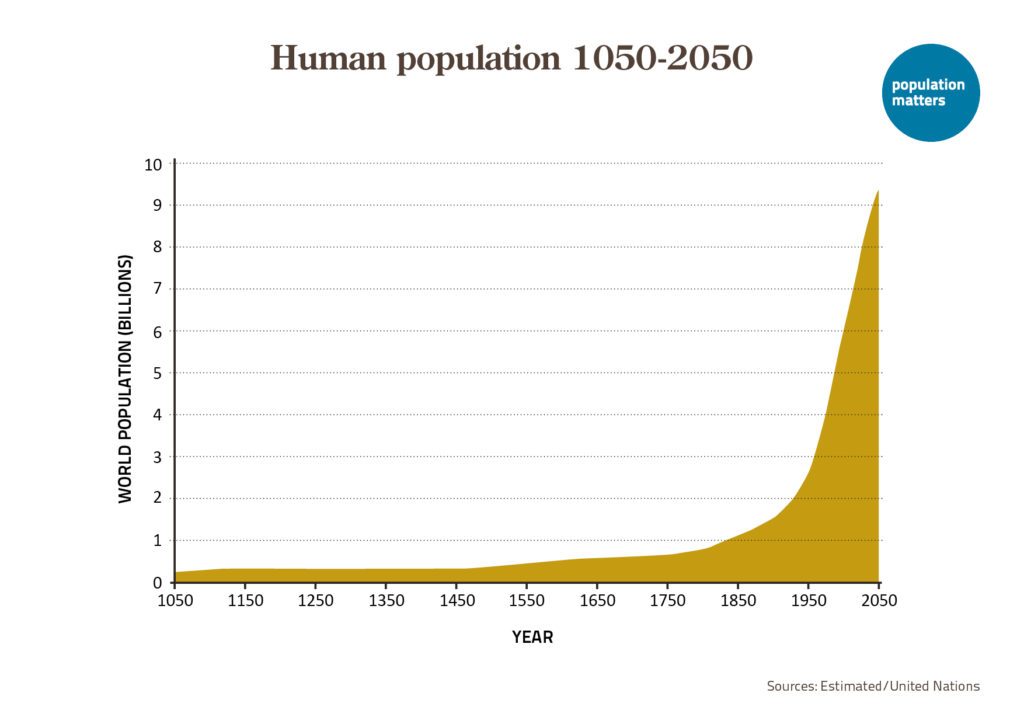
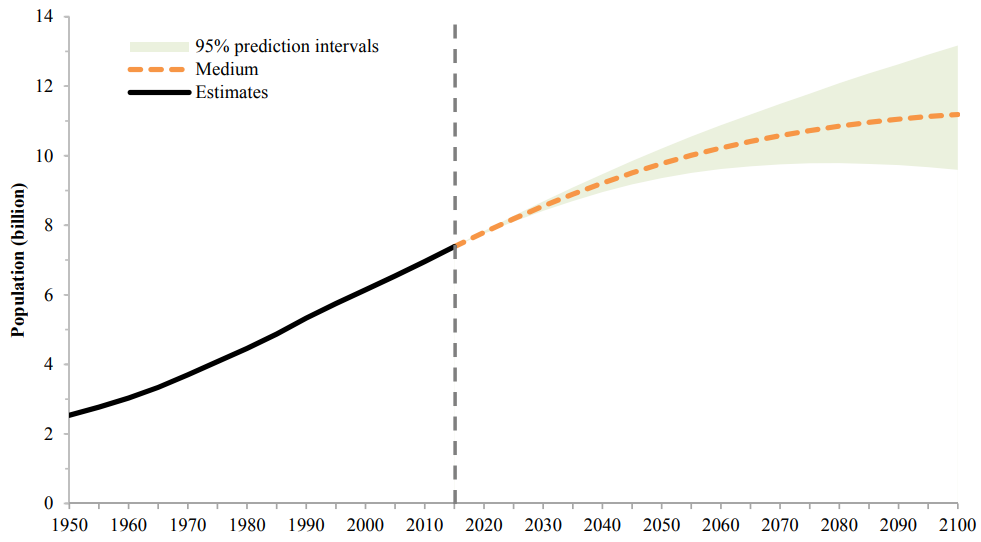
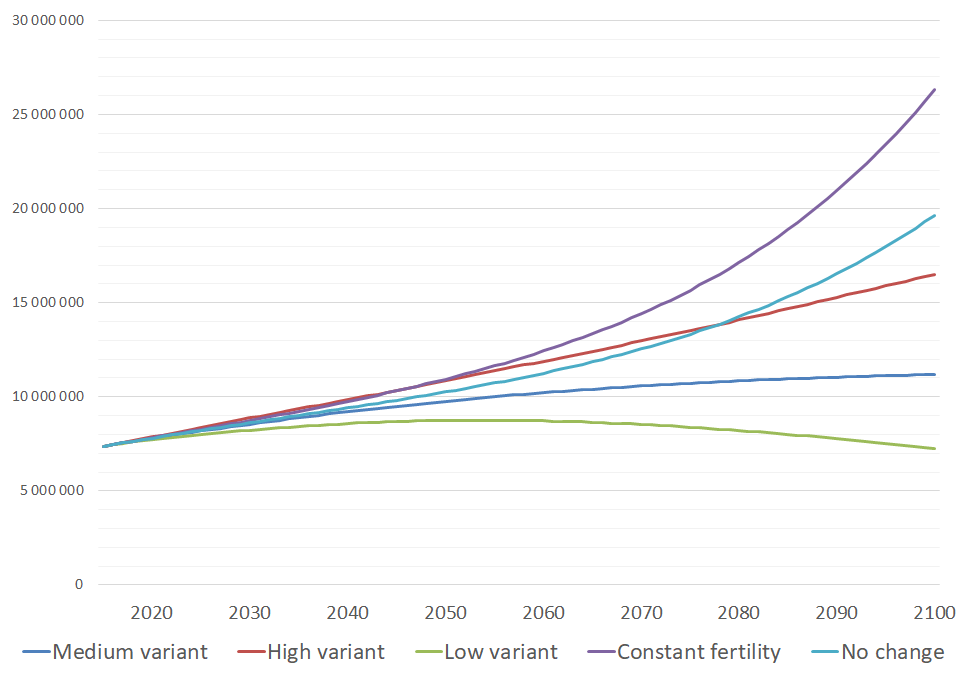
These results are important in indicating the knowledge level of the general public. How will sustainable development be achieved? Fertility levels are strongly related to present and future population growth, which globally may continue for 75 years or more according to the UN. It seems that the public assume that improved economy, consumption and general welfare will take care of the problems caused by high population growth, including degraded ecosystems, loss of biodiversity, and worse living conditions for future people on the Earth. Sadly, it is precisely this focus on economic growth that is exacerbating, not resolving, environmental crises. In this situation, it is important to inform and influence politicians in national governments.
Note: This blog is based on a Bachelor Thesis by Nordhild Wetzler. The thesis can be found here.












Leave a Reply