
Staying within safe planetary boundaries for global resource use and pollution makes good sense. Are there a complementary set of economic and social measures that could help human societies remain within ecological limits?
by Erik Assadourian
Not long ago a new update to the Planetary Doughnut was published in Nature, complete with 35 indicators to track the bare minimum of certain basic goods needed for a good life (e.g. water, housing, energy, education, etc.), what the authors call “social floors.” For those unfamiliar, when published in 2012, this idea was seminal, complementing the planetary boundaries (published a few years before in 2009), which aimed to set societal ceilings for certain planet changing pollutants: carbon, phosphorous, nitrogen, and so on. These, themselves were revolutionary, as they teased apart general warnings of overshoot and revealed that certain dangerous thresholds were already being crossed.1
But in the field of sustainable development, where the focus was as much on lifting folks out of poverty as it was on reining in overconsumption, the planetary boundaries felt limited, hence economist Kate Raworth proposing this complementary set of social floors to round out the boundaries—establishing a ‘planetary doughnut.’2

But that doughnut has remained two-dimensional ever since. Just as there’s been a long standing taboo around talking about curbing population growth (i.e. the number of children families have) that’s increasingly true with pretty much anything perceived as limiting one’s freedom to consume—whether private goods or common resources. Income limits, house size (and number) restrictions, car size (and number) restrictions, air travel, pet ownership, calories and or meat consumption, etc. If you’re smart you don’t talk about any of it, because at best you’ll get an eye roll for your trouble, at worst a cry of “eco-fascist.”3
Not too long ago, environmentalists tried to avoid the whole uncomfortable mess by getting governments to tax carbon, as all of these forms of overconsumption would be addressed in one fell swoop as it’d be far more expensive to fly, have large homes or families, drive big cars, and so on. But that’s not working. Carbon taxes remain limited, and too low, so progress has been middling at best. (Even in the EU, which has a carbon tax and high gas taxes, the rebound effect is bouncing away merrily, with resources freed from low car ownership providing financial space for other forms of ecologically damaging consumption—an extra kid, a cat or dog, extra flights around the continent and so on.)
Anyway, the point is: it’s time for a set of social boundaries to complement the planetary boundaries and social floors. These might push governments to identify (and create space to rein in) the most excessive forms of consumption. Planetary boundaries as proxies aren’t cutting the mustard and social floors without social boundaries perpetuate the myth that rising tides raise all boats. That is absolutely not true. The rising tides—triggered by melting ice, thermal expansion, and drying lands4—will not rise most boats, which are weak and weather-beaten, but will sink them (assuming the Trump Administration doesn’t blow them up first).
Setting Social Boundaries
If we’re serious about addressing social floors, we must create the ecological room to do so—creating strict limits on wealth and consumption by the richest. And yes, I mean the Top 1% globally but I also mean the Top 10%, who were responsible for 43% of carbon emissions, 37% of species loss, 26% of nitrogen pollution, 25% of phosphorous pollution, 23% of land use change, and 19% of fresh water consumption (in 2017 according to this Nature article). Further, this 10% was consuming 1700% more than the per capita planetary boundary threshold for CO2, 700% for phosphorous, and over 500% for nitrogen (to just name a few). But how many can translate these overages or unjust shares into how they are consuming? Maybe some will understand that eating meat leads to carbon emissions, water use, and land use change, but what about their big house, their vacation to Mexico, or their stock portfolio? We need social boundaries to translate planetary boundaries into policy.
And just to be very clear, the 10% I’m talking about, that’s you and me: the global consumer class that doesn’t think twice about flying now and again to visit family, going out for a burger, or renting an Airbnb on the coast for a summer vacation. Yes, I want to keep doing those things too, but we all know we shouldn’t and that if we truly want to stop the rapid decline of Gaia’s health, we can’t. But only the impressive few will give these privileges up willingly. If we don’t create social limits that restrict these, the richest of us will consume the planet to death.5 But of course, that leaves the big question still to address: What would these social boundaries include?

This is my first attempt to create a list. One could certainly argue these overlap to a degree with the social floors, which includes income inequality as one of the measures of social cohesion. But, I’d argue they are complementary. If there are clear and actionable limits on how much money one can make, for example, that could play a key role in shaping policies (from national tax rates to corporate pay scales). The same is true for any social boundary.
My first aim was to keep the indicators simple: The category of diet could include the diabetes rate, heart disease rate, ultraprocessed food ratios, and many other indicators of our diet gone wrong. But perhaps simply limiting diet to one indicator, i.e. obesity rates in a society, is cleanest as this reflects the corrupted food system most humans now live within and is a precursor to so many other human, societal, and ecological ills. (Of course, the danger with this sole indicator is that addressing this could lead to more Ozempic sales rather than redesigning food environments and infrastructure as we treat obesity figures instead of what causes them.) These indicators could be easily standardized, for example personal vehicles per adult or miles flown per person, and would be collective measures, not individual ones, with the goal of shaping policies to curb aggregate consumption levels in a society.
My second aim was to use this list to spark policy interventions of various types. Too much anti-depressant usage suggests two intervention possibilities: creating more access to non-medicalized therapy and mental health support, particularly in the short-term, and in the long-term, adjusting the culture to reduce the incidence of mental ill-health (reining in social media and smart phones, work stress, chemicals in food, social isolation, etc.). I know at one level—in a corporate dominated world—that won’t happen, but at least calling out the social boundaries could empower certain forward-looking countries to take action in some realms at least. So with those caveats, here is my first attempt at a list of social boundaries (albeit an incomplete one).
Domination
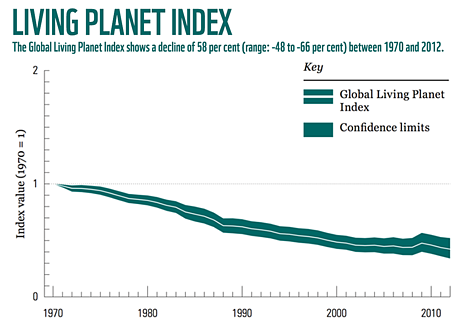
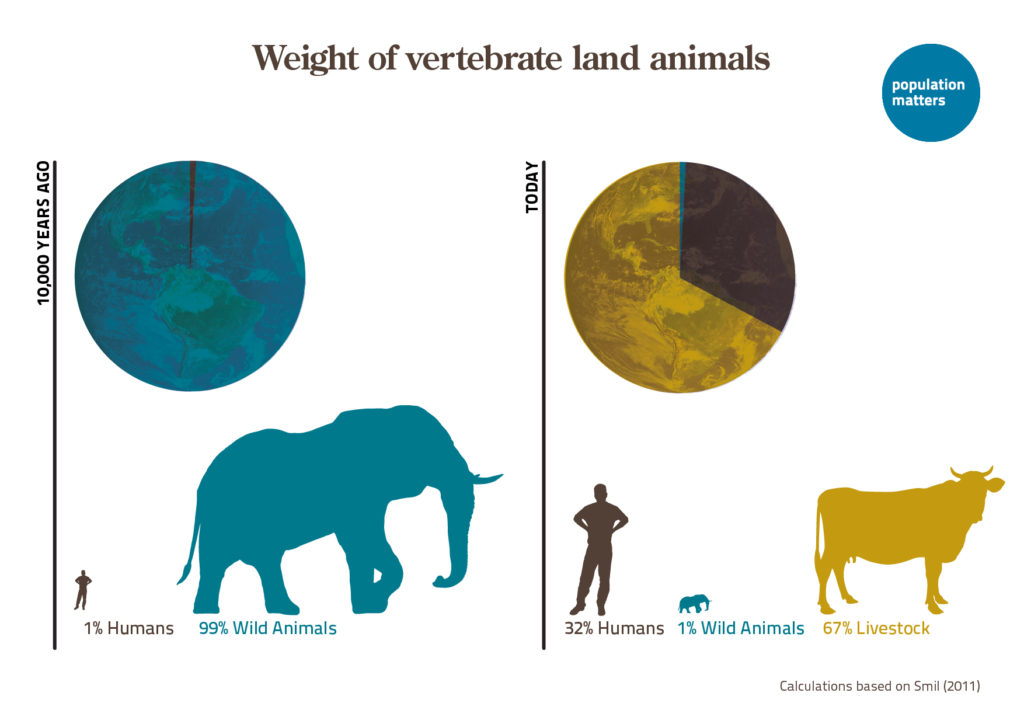
We’re dominating Earth with our sheer numbers (both humans and our dependent species), so this is the first broad category, and with the most components.
1) Human population
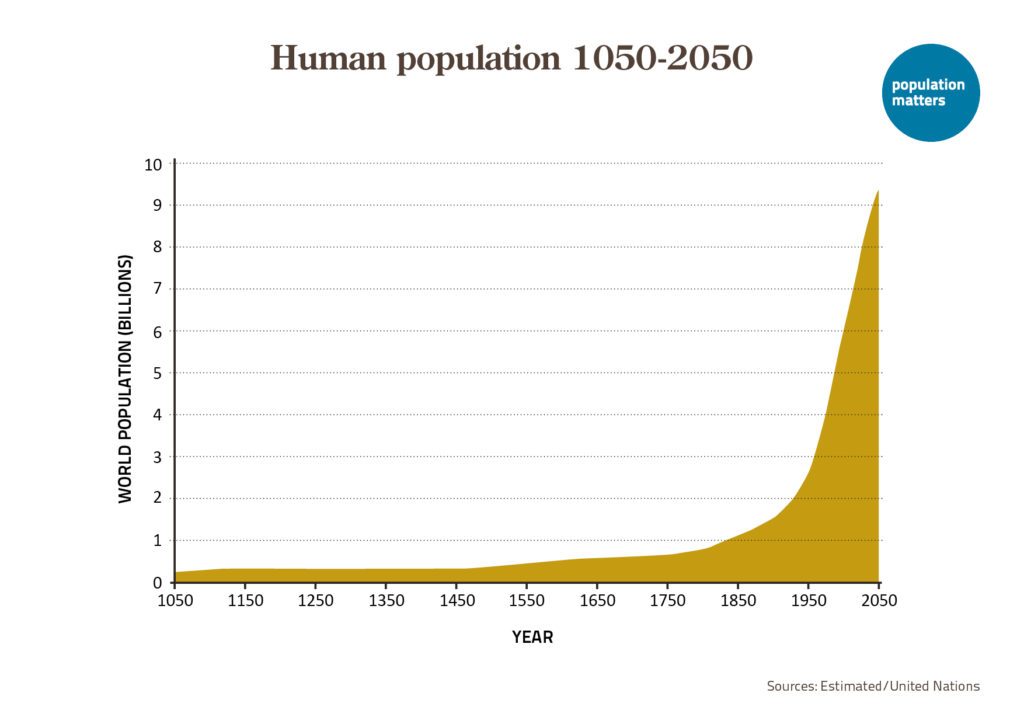
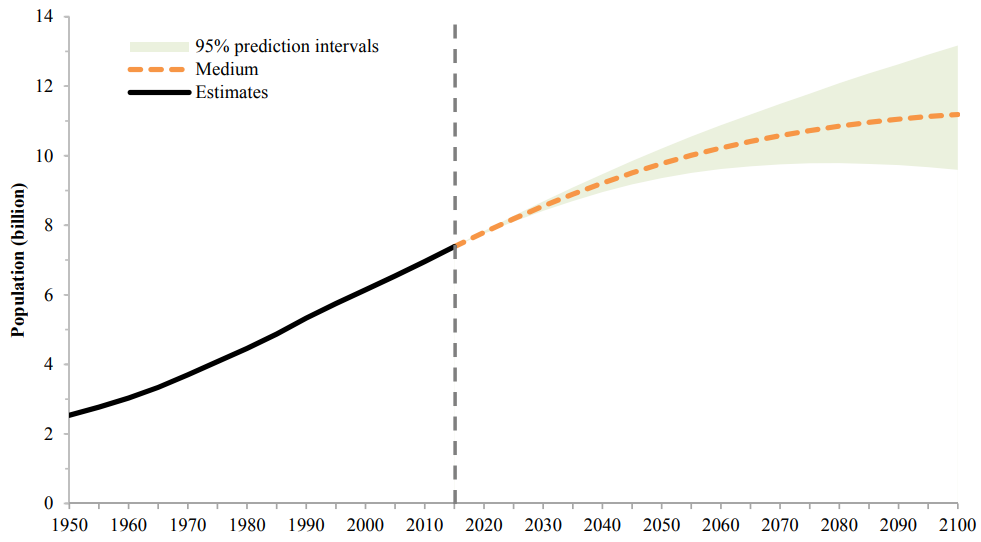
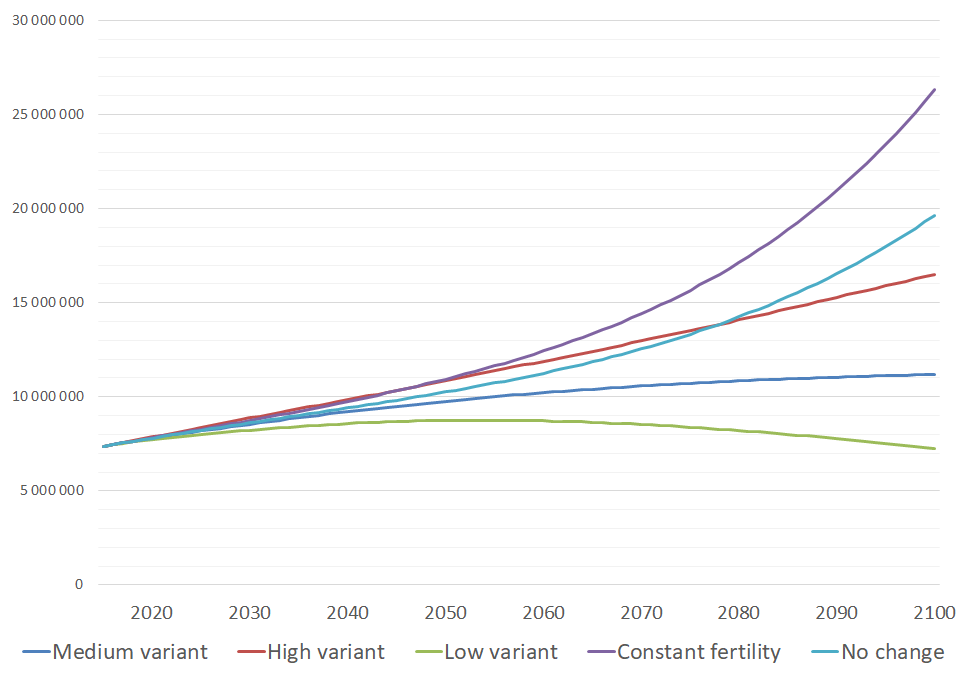
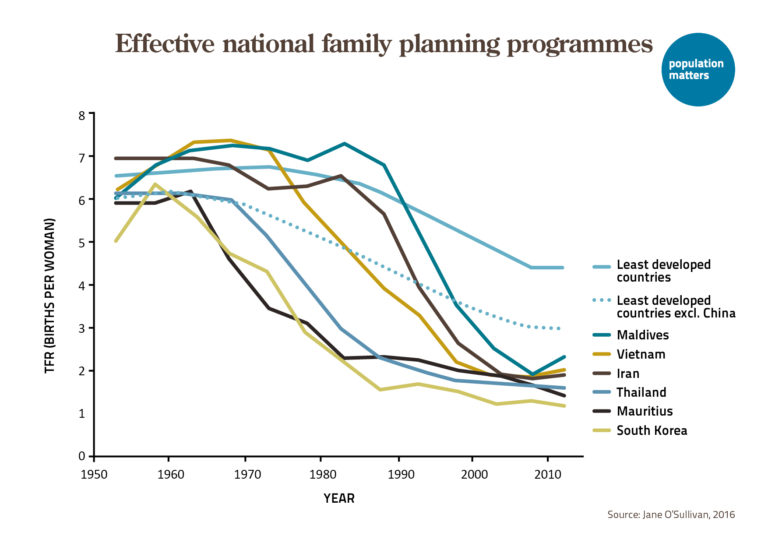
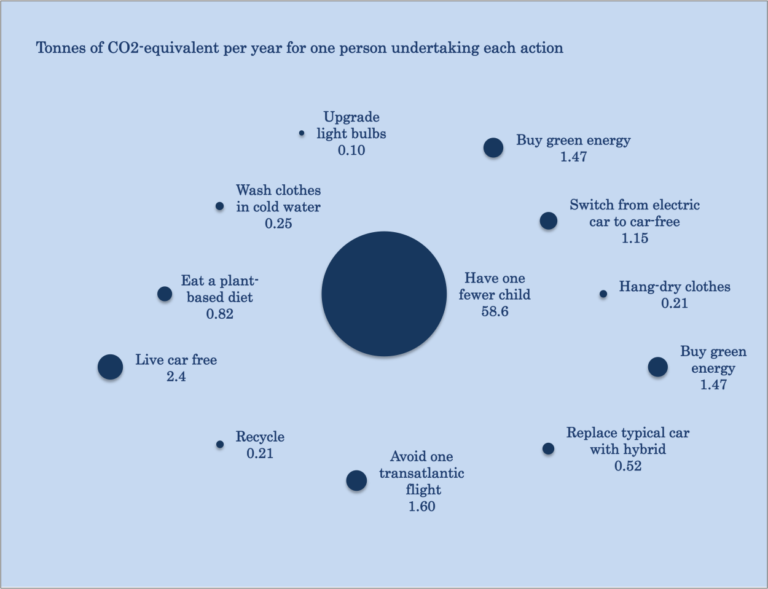
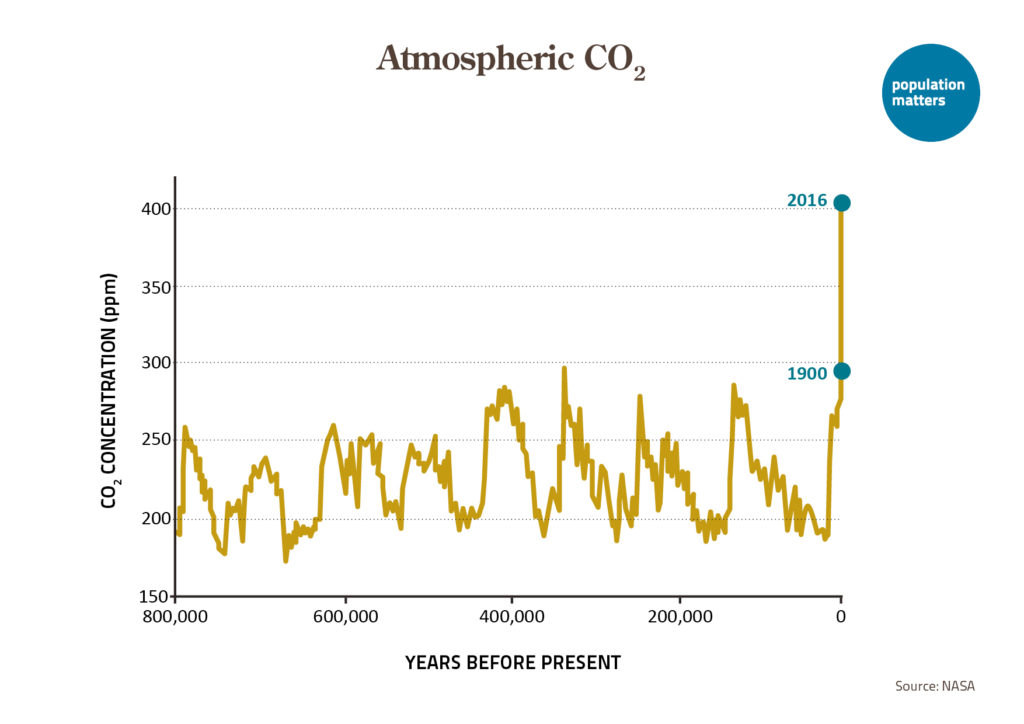
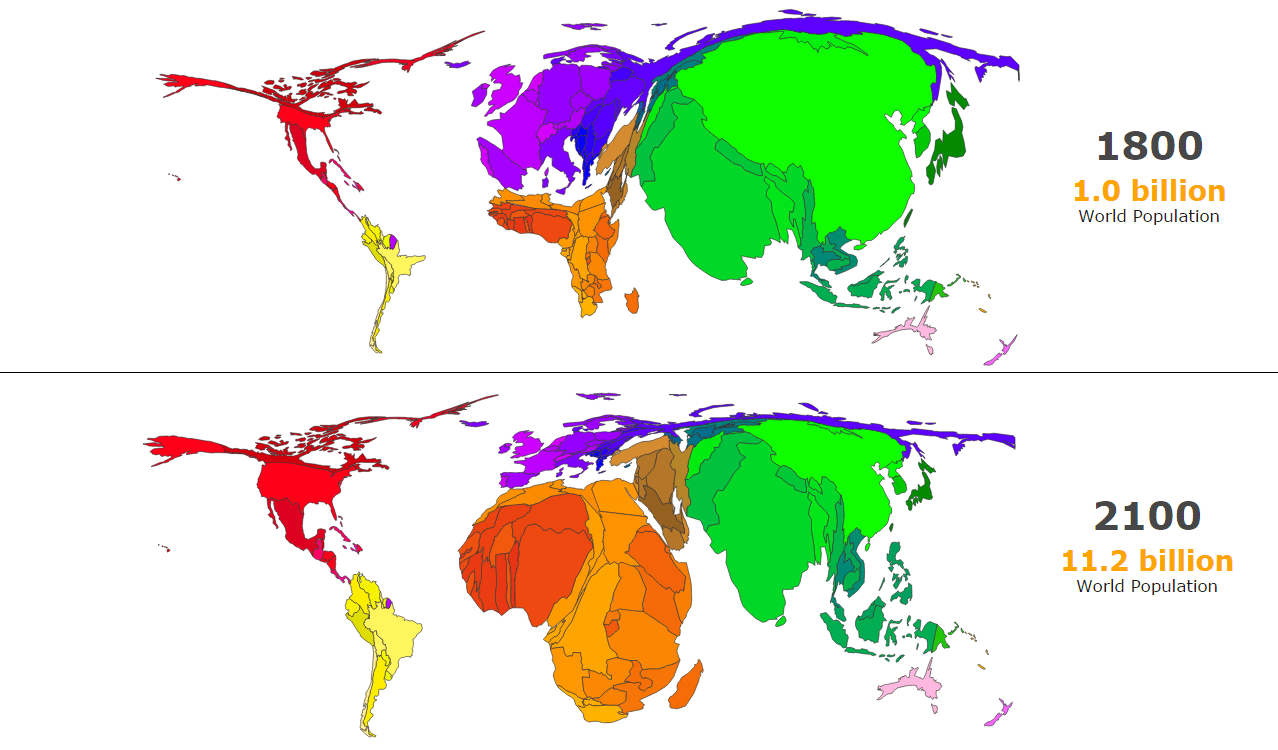
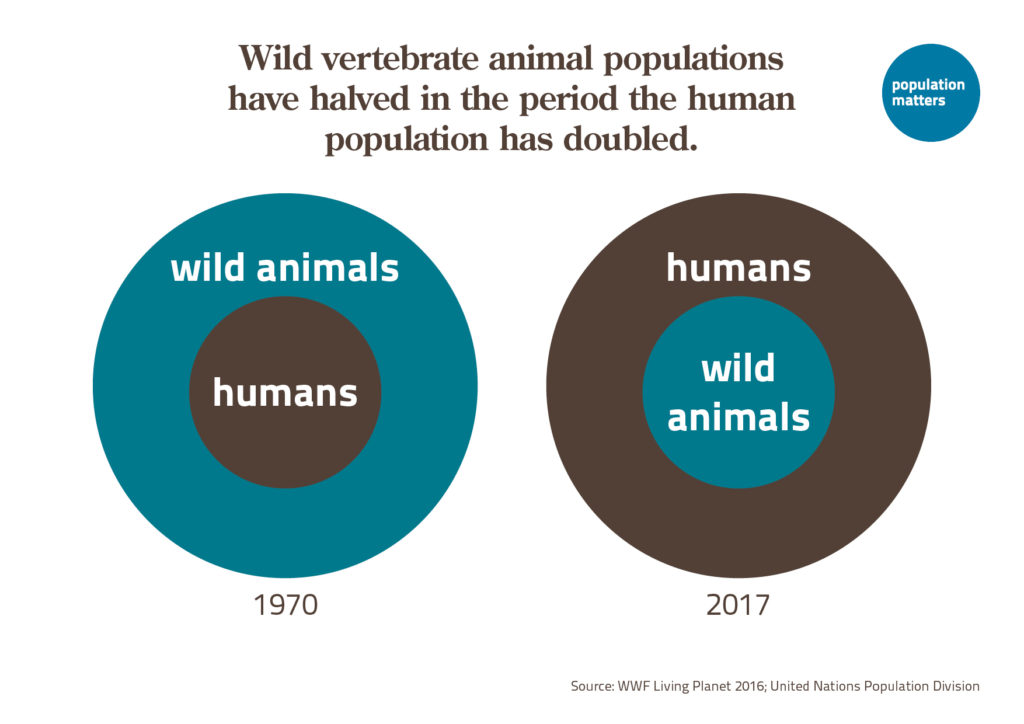
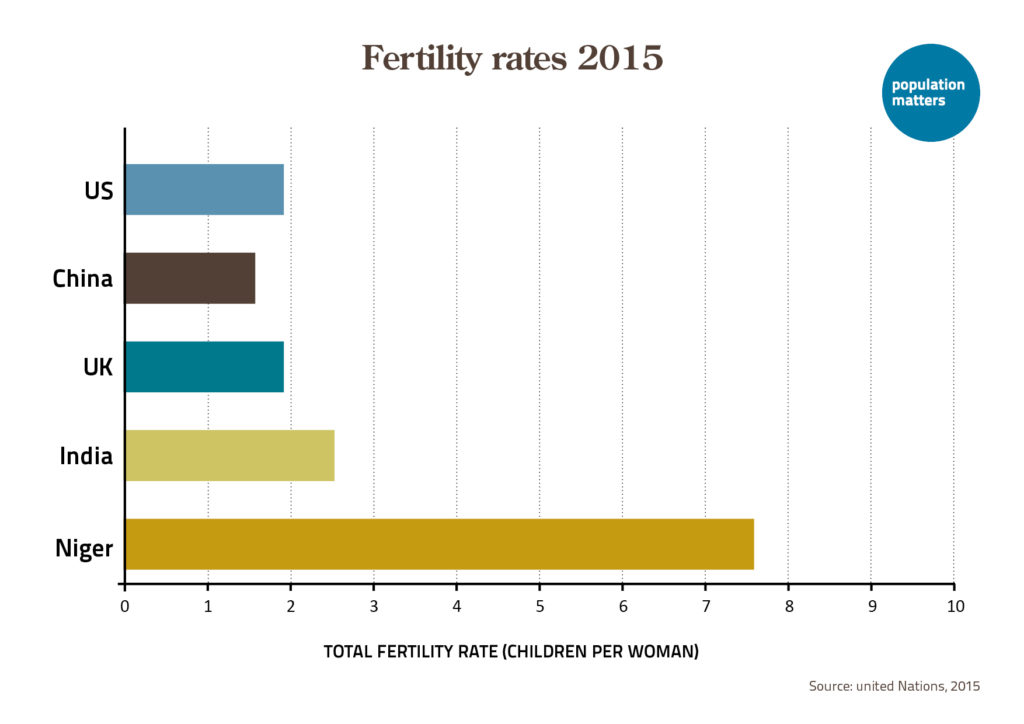
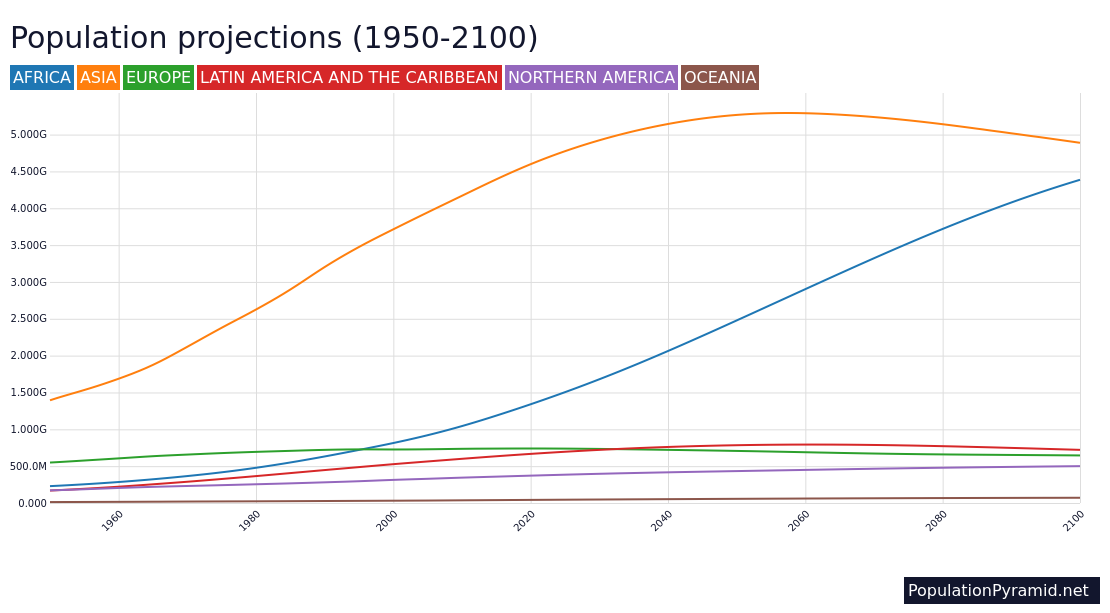
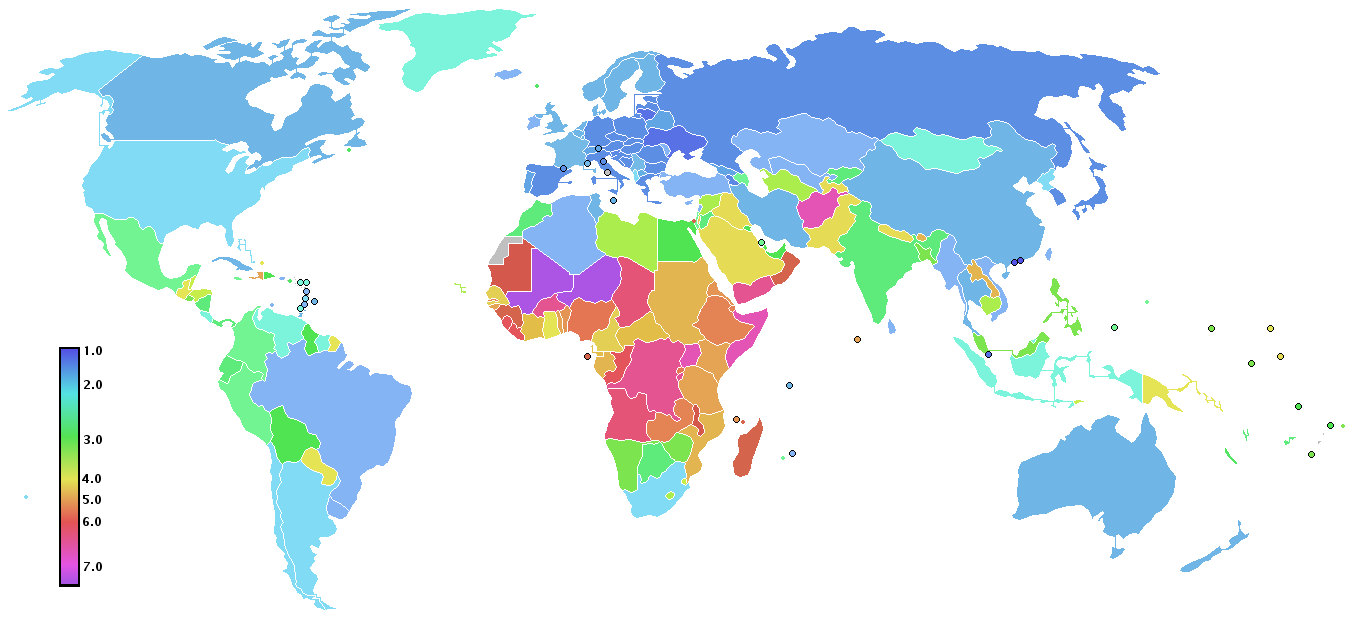
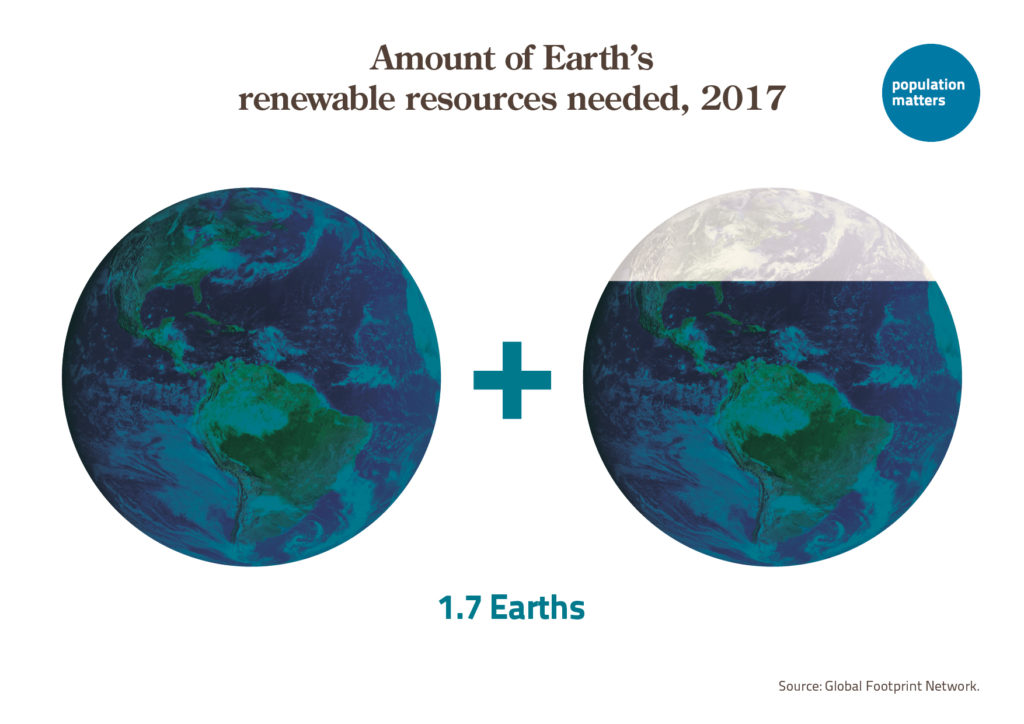
Our global population is far beyond the sustainable limit and needs to be reined in for human beings (and the rest of beings) to thrive. That should be an uncontroversial statement (even if it isn’t). I do acknowledge determining exactly how far beyond this social boundary we’ve gone is difficult, though a safe population level at non-improverished consumption levels is probably around 2 billion (however, this maximum sustainable population shrinks every year we live in overshoot further eroding Earth’s biocapacity).
2) Livestock population
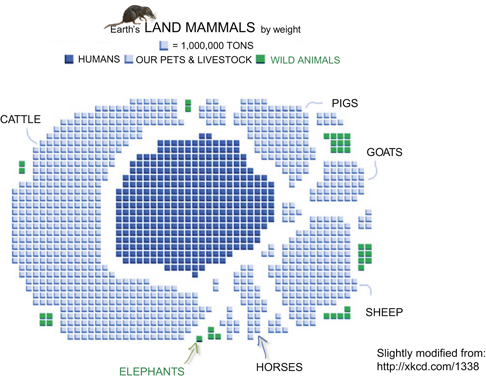
This number, too, has to shrink. Our massive herds of cows, sheep, pigs, and chicken come at the direct expense of the integrity of Earth (causing climate change and nitrogen run off) as well as displacing wild animals. Moreover, a lot more people could be fed if we all ate lower on the food chain (creating an actual means to achieve social floors around food insecurity and undernourishment).
3) Pet population
Same deal, just more emotionally charged. But let’s be honest, your dog is a problem. And if you have two, they’re twice the problem. So limiting pets in both numbers and even sizes—do you really need a Great Dane?—is absolutely critical for a just and sustainable future.
4) Total land under human domination: paved or in service of human civilization (such as agriculture)
Truthfully, this is a planetary boundary, so I’m willing to delete it—but it’s so important that it’s worth repeating. This could spark many useful policy interventions: limits on road building, pavement removal (particularly parking lots), and limits on new construction (residential, commercial, and industrial).

Diet
5) Obesity
I propose measuring this by the total number of overweight and obese adults and overweight children. Focusing on obesity recognizes this is both an ecological and social challenge that needs to be addressed directly. As researchers found in 2012, sustaining the extra calories consumed to support the extra 5% of human biomass due to obesity consumes enough food to feed an additional 242 million people. If we want to free ecological space to feed the undernourished, addressing obesity will be critical (particularly as it will reduce other societal costs from health interventions further freeing up resources).
Transportation
6) Total personal vehicle fleet
This number is a direct social negative, leading to motor vehicle fatalities (including countless non-humans), climate change, air pollution, paving of land and other detrimental effects. Intentionally aiming to bring this number down should be a key goal—even if it goes against countless corporate interests. In some spread-out areas that might mean expanding public transit options and incentivizing families to give up their second or third cars (as shifting infrastructure or settlement patterns will take years if not decades). In other areas, congestion taxes, bike lanes, and free public transit might be the boost needed to push folks to get rid of their first or only cars.
7) Average Vehicle Size
Just like with pets, it’s not just the number but the size that matters. One Ford 150 is like four Toyota Priuses—and that’s just for carbon emissions. Add to that the fact that giant vehicles are death on wheels (“killer cars” as The Economist calls it), as well as having much larger lifecycle costs, and vehicle size must be brought down.
8) Miles Flown
There’s no way around it, a sustainable future requires a ground-based future. Sustainable aviation fuel is anything but. At most it’s slightly less unsustainable. So miles flown must decrease to a sustainable level. Figuring out what that is will be a challenge, but realistically it probably adds to less than a flight every few years (depending on length and what percentage of the world gets to fly—right now it’s just 11%, and just 2-4% internationally!). Considering the ecological cost of flying, if we want a social floor capable of including just long-distance train and bus trips, this is a social ceiling that must be developed.

Housing
9) Average home size
Just like with cars, the bigger the house the greater the impact: in total lifecycle, in heating and lighting, in land conversion. Normalizing the shrinking of home sizes is critical.6
10) Second home ownership
As is shrinking the number of homes one owns. This particularly refers to vacation homes that stand mostly unused. One could argue that rental properties aren’t as problematic, though this can lead to price inflation in some areas. But even if this ignores rentals, getting an understanding of how many homes are underutilized and curbing these could be incredibly valuable. For example, in the U.S. second homes totaled 6.5 million in 2022, 4.6% of total housing stock. That’s 6.5 million houses nearly always empty, using significant resources while many have no home.

Wealth
11) Number of millionaires
I could have chosen the GINI coefficient, which reflects wealth inequality, but in truth, no one needs wealth beyond a certain point. There’d need to be discussion on what amount entails excessive wealth and inflation might shift this number over time. But if you have more than a million dollars in resources, that’s probably hitting the point of too much. (And if you feel attacked by this, as you have $1.2 million in assets, but half of that is in retirement funds or a house that’s inflated over the years, and you certainly don’t feel wealthy, that’s fine, let’s shift the amount to $2 million or even $10 million. The point is: there absolutely is a point where one has too much money, and at the direct cost to others.) Even if this threshold starts at $10 million or $100 million and slowly contracts over a decade, it’d start setting a new norm that unlimited wealth is not acceptable (which is, or at least was, more normalized in certain more socialistic nations, including Scandinavian countries).
Wellbeing
12) Anti-depressant use
This is a hard one to unpack as this conflates so many societal crises: loneliness, disconnection from nature and obsession with screens, pharmaceutical company manipulation of how to treat depression (including marketing anti-depressants via social media influencers), a lack of investment in counselors and mental health personnel, health insurance chaos, chemical pollution in our food and environment, and dependence on recreational drugs, particularly normalized ones like marijuana and alcohol. All of this contributes to mental ill health. But on the bright side, all offer opportunities to intervene. Depression rates could perhaps be a better indicator, but that is a softer number, harder to determine, and less clear than the amount of people who have taken action to medically treat their depression (one that might not be optimal psychologically, socially, or ecologically). A suite of statistics: depression rates, anti-depressant use, number of mental health professionals per thousand people, etc. might be a more nuanced set of indicators that countries could use (I imagine countries would expand indicators to address their local needs) but even just tracking this one number could be a helpful start.
Implementing the Social Boundaries
Yes, this is prescriptive and normative, just like the planetary boundaries and social floors. But for those who care about either preventing the collapse of civilization (and the much suffering that will ensue) due to ecological decline, or freeing up resources to reduce current human suffering (or both of course), social boundaries must be enacted. Sure, they’ll be unpopular, but the first step is acknowledging they must be implemented. Then we can figure out what the most strategic way to enact them politically is. One idea that is currently en vogue is attempting to create “consumption corridors,” setting both floors and ceilings simultaneously, as much to navigate limits as to navigate political opposition. But that’s a topic for another time.

Endnotes
1) In the original form, some boundaries hadn’t even been listed or detailed yet—like persistent chemical pollution (which has evolved since the initial work).
2) Tom Prugh and I actually featured both concepts as chapters (here and here) in State of the World 2013.
3) I’m not smart and have attempted to explore most if not all of these topics at different times.
4) I recently learned that groundwater depletion and the drying of continents is actually contributing more to sea level rise than melting glaciers and ice caps. Between the drying out of land from climate change and the extraction of groundwater (in part to make up for drying lands and rivers) this is contributing significantly to the raising of the mean surface level of the world’s oceans. Wow.
5) Interesting aside: a cardiologist recently shared his daily diet with the Washington Post. I can’t imagine eating that simply or little, but he’s not doing it for ecological reasons but to live a long and healthy life. There is significant overlap between living a life that respects planetary boundaries and one that maximizes individual health and wellbeing. Bonus note: in an earlier article on exercising, he even conceded the importance of getting into nature: “And being in nature — I never would have thought that would be important for health. But the data are strong.”
6) I didn’t include total water usage as a social boundary, partially because it is a planetary boundary and partially because a large percentage of this is folded into meat consumption and product consumption (which is indirectly addressed in wealth levels). Most of our direct water usage comes from our housing which would shrink as home sizes shrink (as the main use of water beyond cooking and hygiene is watering lawns and filling pools). Then again perhaps as limits on house size take hold, pool ownership becomes a loophole: “That’s not my house that’s just a 500 square foot man cave, I mean pool shed.” So, sure, there’s a case for adding water usage.
This piece was originally published by Gaian Way on 4 January 2026










Leave a Reply