Earth’s nature is being ravaged by population growth

Humanity’s rapid expansion leads to environmental destruction, starvation and ravaged biodiversity. Population growth needs to be ended as soon as possible for sustainability.

By Malte Andersson and Frank Götmark

Published 2024-01-02 in Svenska Dagbladet, morning newspaper in Sweden (translated by TOP)

Photo: Juan Riofrio

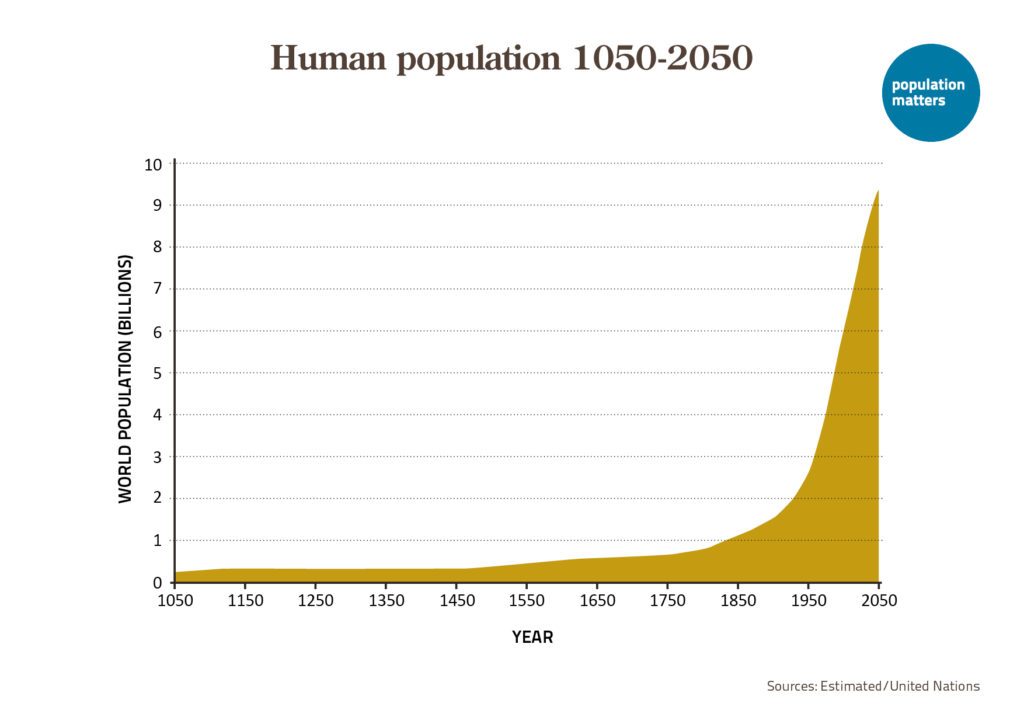
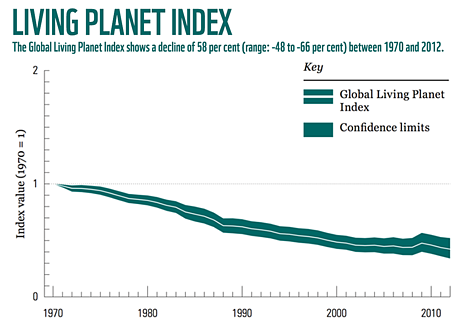
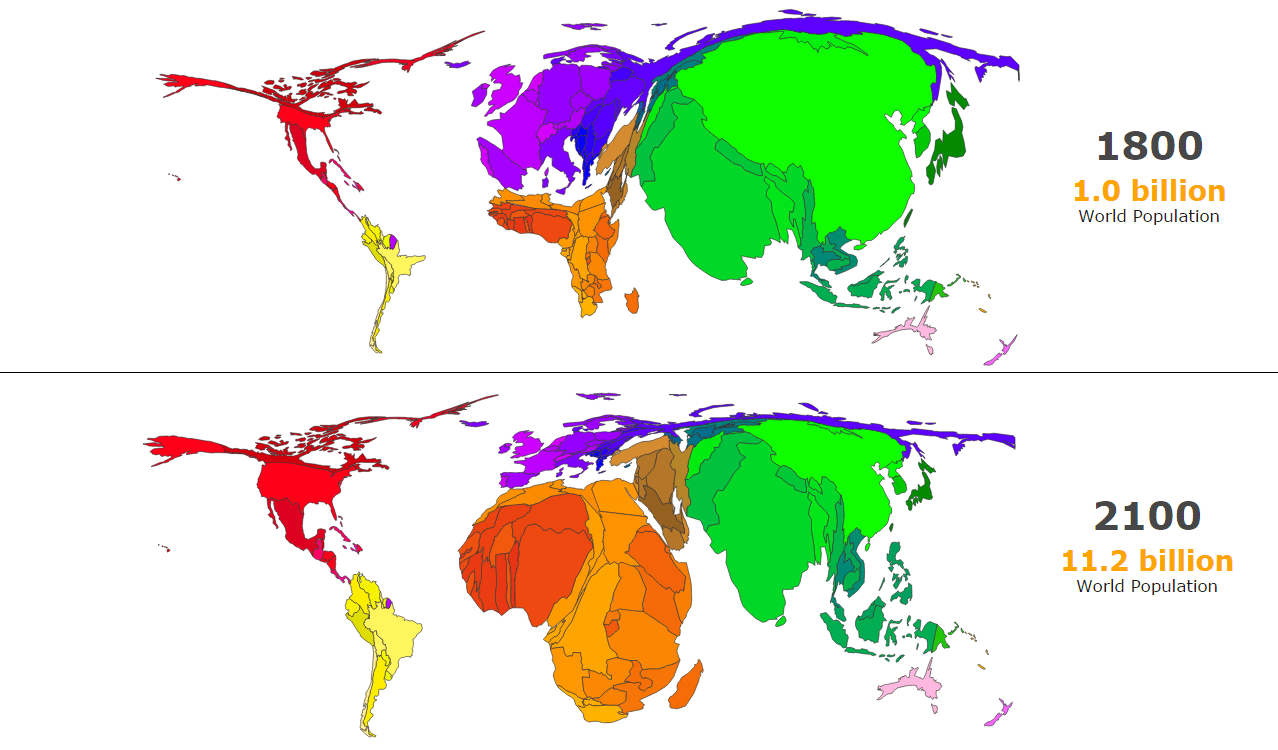
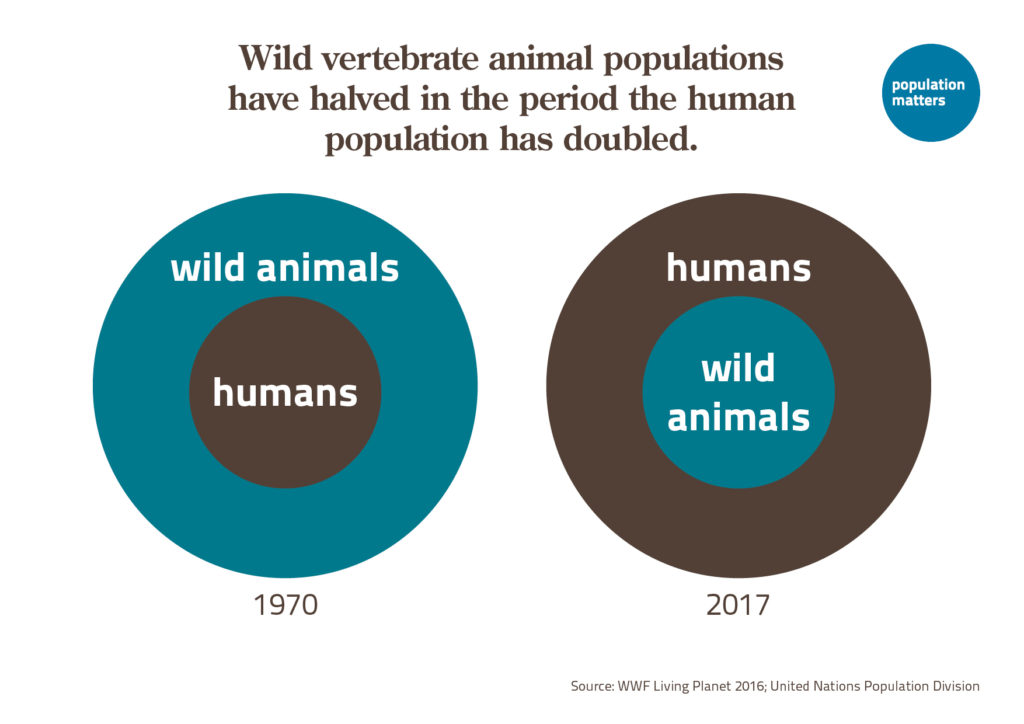
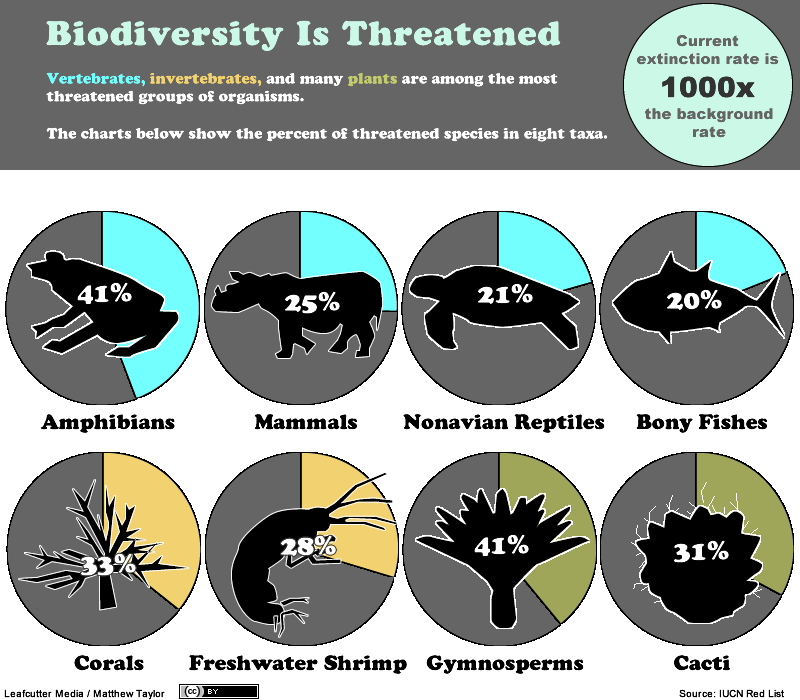
In 1800, the world’s population was 1 billion, but in 2022 we exceeded 8 billion and are now growing by about 80 million a year. At the same time species and ecosystems are declining and disappearing through our overexploitation: more than one in four of 150,000 reviewed species are threatened, half of which are vascular plants. Among 71,000 animal species studied, almost half are decreasing, only 3 percent are increasing. And it goes fast. Since 1970, populations of mammals, birds, amphibians, reptiles and fish have declined on average about 70 percent. The reasons are many. Overexploitation in forestry, hunting and fishing. Agriculture and livestock farming over expanding areas. Infrastructure and buildings such as housing, industries, roads and mines. Our spread of invasive organisms.

Species usually decline because we take over and wipe out their habitats – natural ecosystems and environments to which they have long adapted through evolution. These days habitat destruction happens mainly in the tropics, but also in Europe. There, plants and animals are decreasing in parallel with increasing population density and consumption, as the ecologist Trevor Beebee shows in his current book “Impacts of Human Population on Wildlife” (2023).

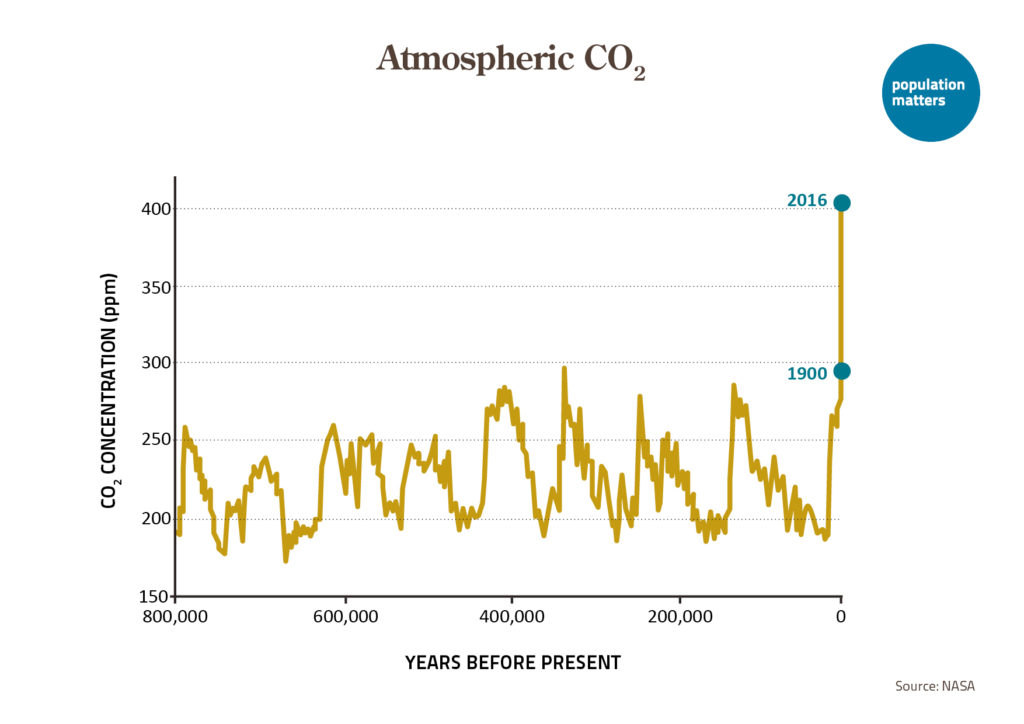
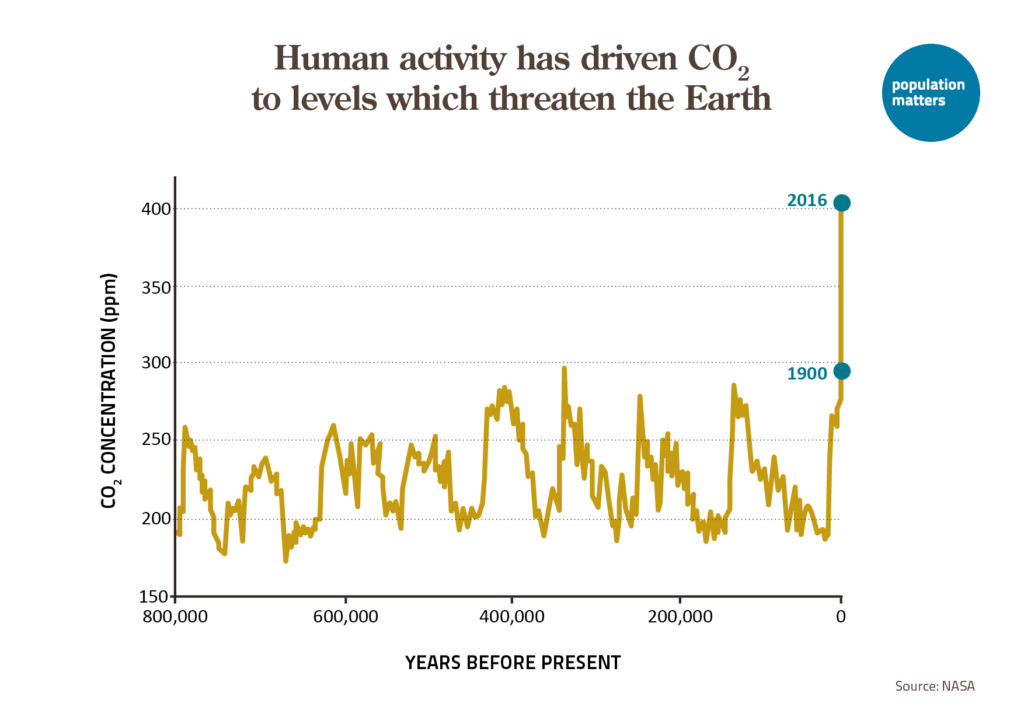
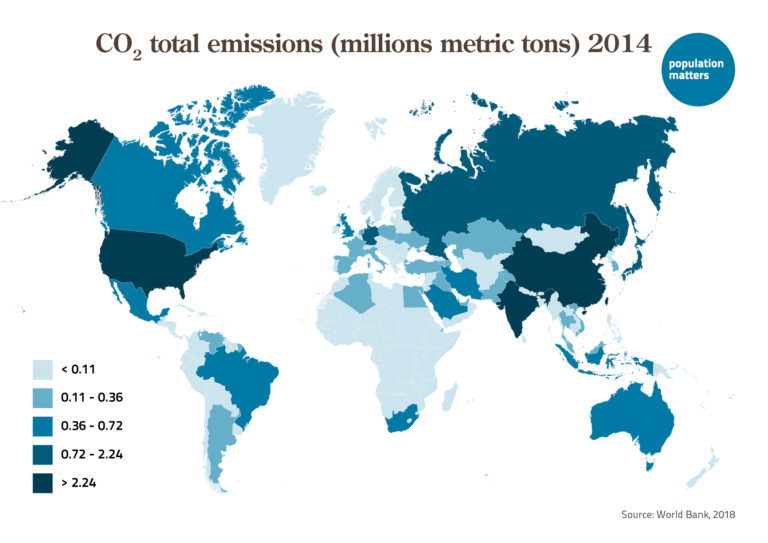
Another threat to biological diversity is climate change, its two main driving forces being increasing population and consumption, according to the IPCC’s major report of 2022. The rich world’s high consumption of course needs to be reduced, which is often highlighted in the environmental debate (see for example wwf.se, Sustainable consumption). On the other hand, the extremely destructive consequences of population growth for biological diversity and sustainability are rarely or never discussed, whether by media such as SR or SVT, by politicians, the UN or the environmental movement (for example WWF and the Nature Conservation Association). Has the topic become taboo?

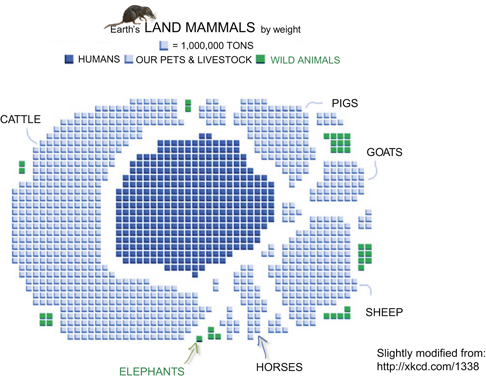
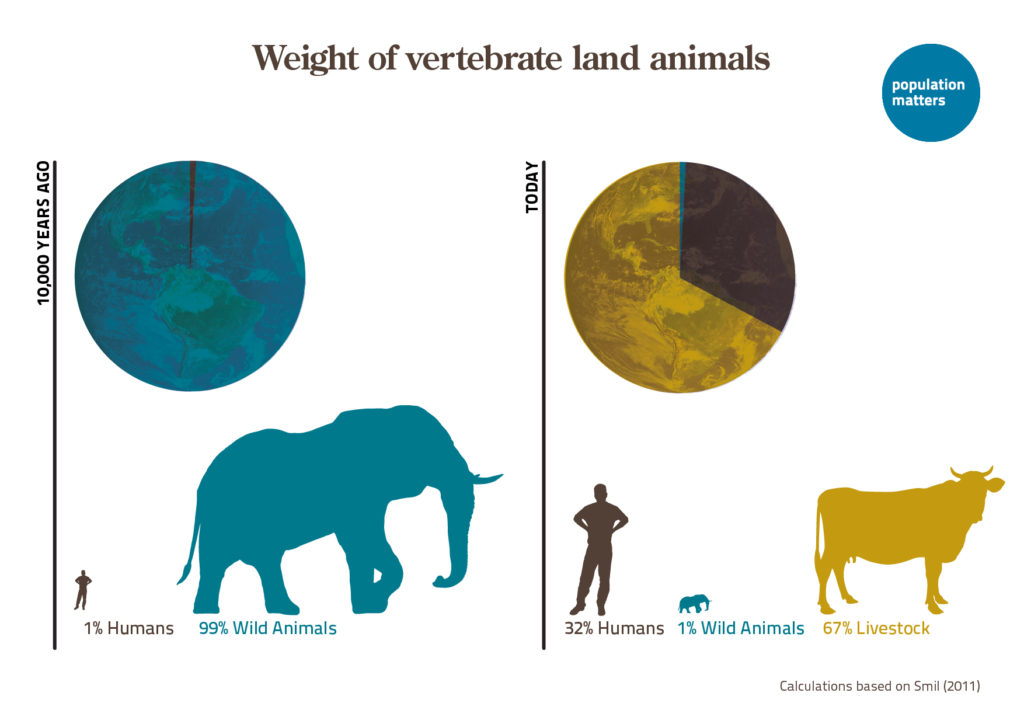
In 2017, thousands of international researchers pointed out in a “Scientists’ Warning to Humanity” the need to stabilize our population. And in his substantial overview, Beebee (2023) shows that “overpopulation is at least as much a rich as a poor country problem”. Efforts are required from all countries. A new report shows that we have wiped out most of the Earth’s large land mammals, reducing them to a tiny fraction of the richness before our increased accelerated (through fossil energy, medical advances, better food and longer life). In biomass we now completely dominate among the Earth’s remaining land mammals (see figure). Is our massive expansion, to the detriment of other species, ethically justified?

We make up 390 million tons and our domesticated mammals – cows, pigs, sheep and companion animals such as horses, dogs and more – 630 million tons. A total of just over a billion tons, fifty times more than all the world’s remaining wild land mammals, which we have reduced to a mere 20 million tons. See graph below!

The current biomass of mammals on Earth: people 390 million tons, our domesticated mammals 630 million tons, and remaining wild terrestrial mammals, 20 million tons. Source: Greenspoon et al., “The global biomass of wild mammals” (2023), data from 2019. Graphics from Svenska Dagbladet: Thomas Molén

A few thousand years ago, before we became farmers, the proportions were more than reversed. We were only a few million people, less than a thousandth of today’s population, and had no livestock.

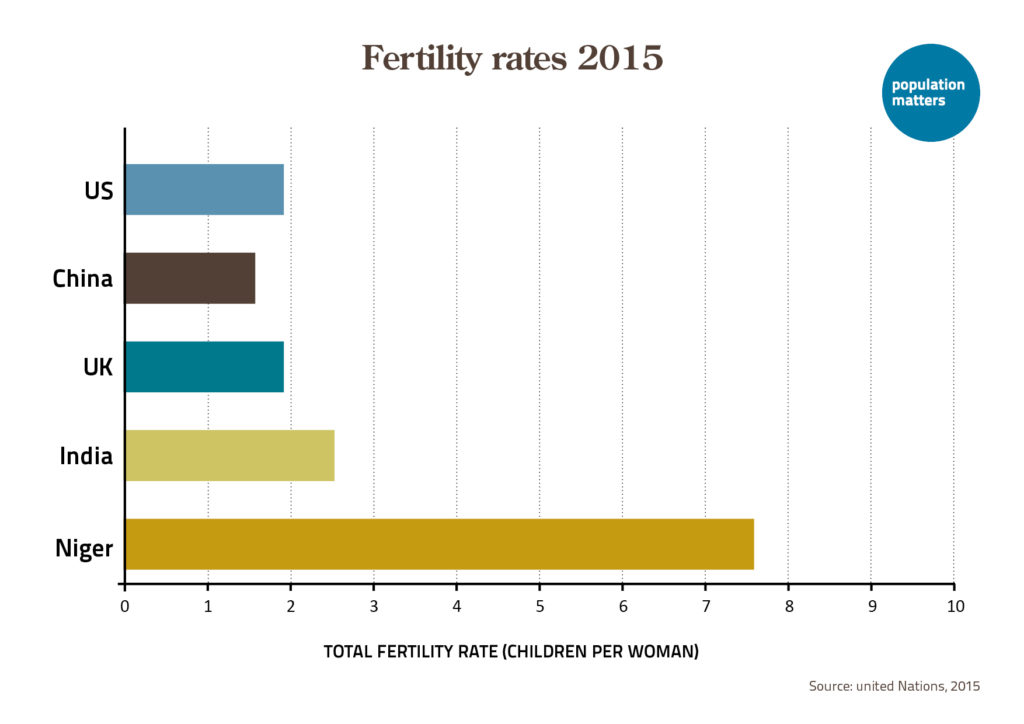
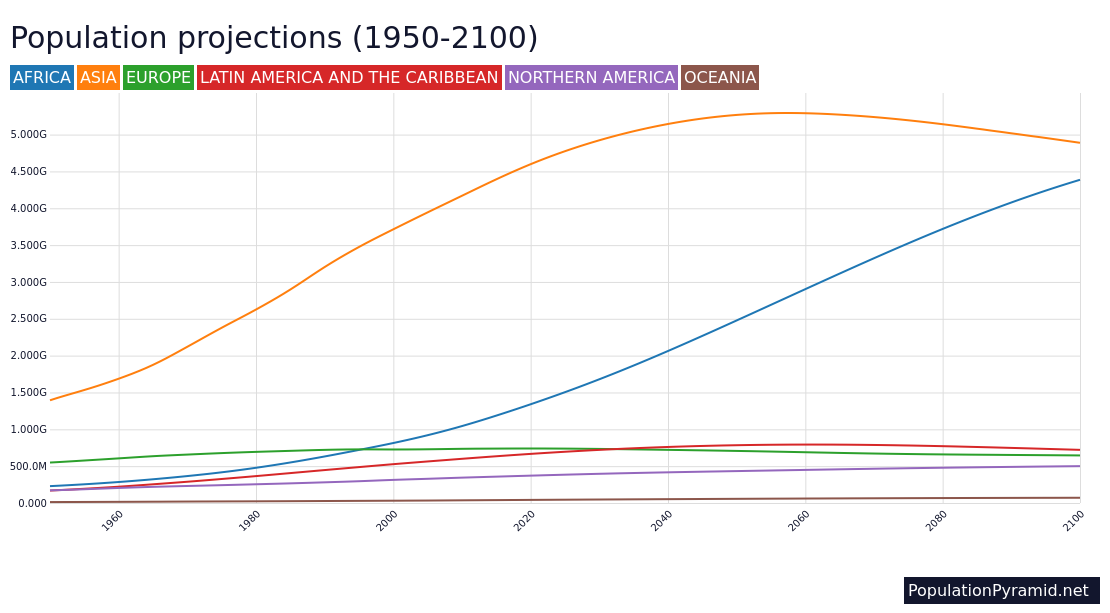
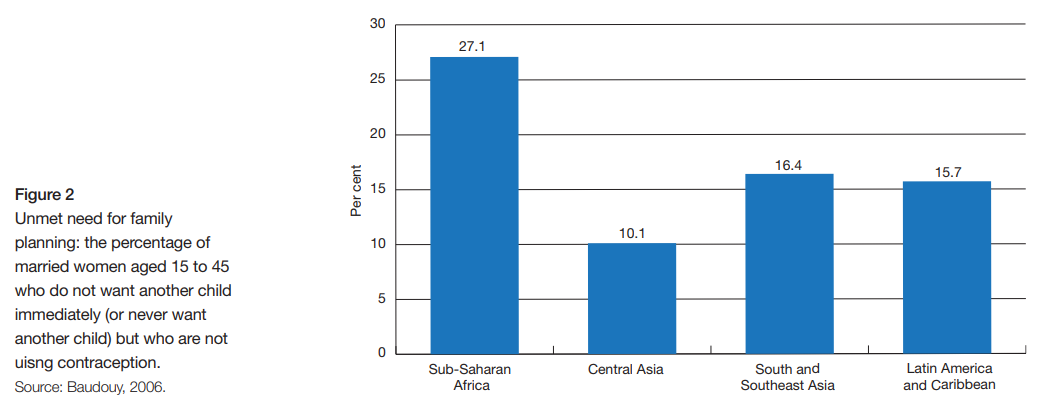
In parts of Western Asia and especially in Africa, where the population is expected to grow by 2.5 billion by 2088 according to the UN, birth rates remain high. The number of malnourished in Africa is now close to 300 million and increases every year according to the FAO. Population growth is about to lead to disaster for both Africa’s people and its biodiversity. Hundreds of millions of women lack contraception, and social norms influenced by patriarchy, religion and ethnic competition favor many children.

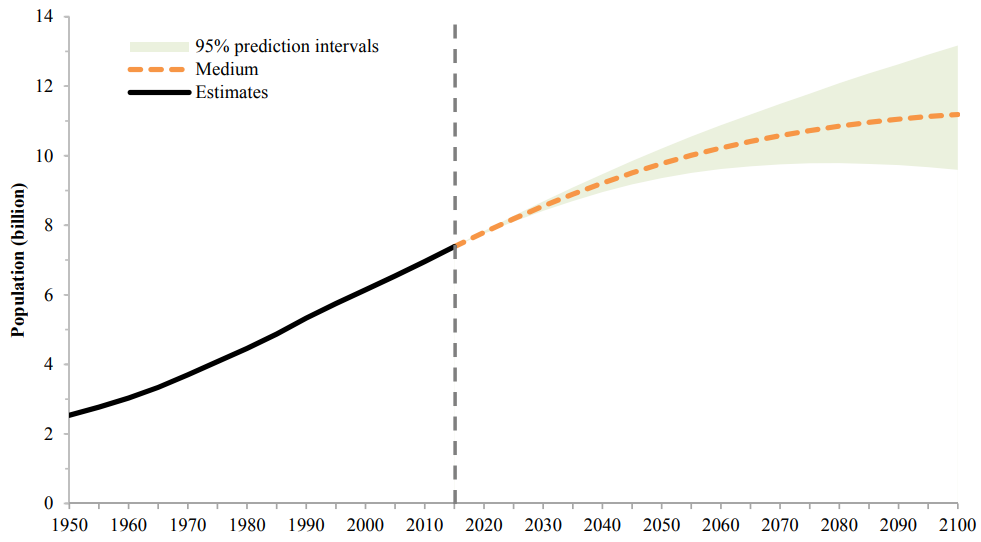
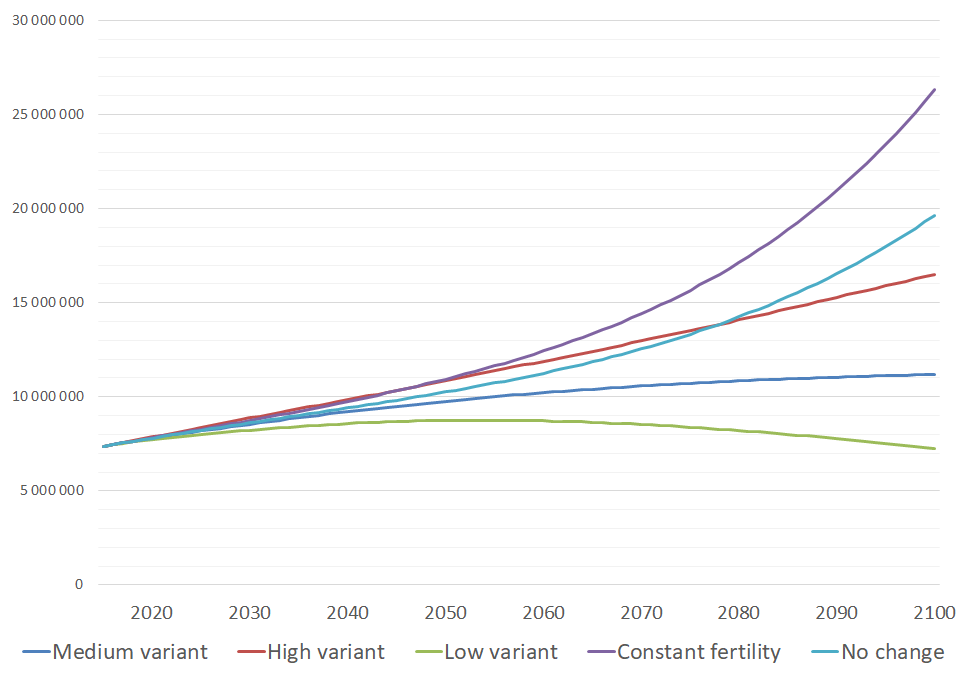
Despite the negative consequences of the huge population increases, there is no population target among the UN’s 17 sustainable development goals of 2030. But independent researchers point out that an ecologically sustainable population is rather around 2-3 billion rather than the 10.4 we are heading towards according to the UN. If everyone is to reach European standards of living, a sustainable human world population probably cannot exceed about 3 billion. Even less if the conditions of other species are to be improved. The UN Conference on Biodiversity, COP15, proposed last year the protection of 30 percent of the planet for biodiversity, and the recent UN Conference in Nairobi proposed concrete measures to address the needs identified at COP15.

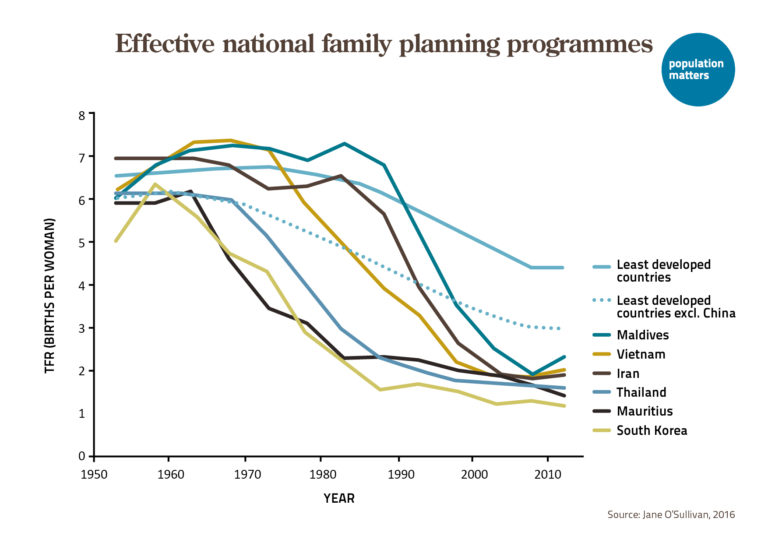
As we explained in SvD 23/10 2022, countries with high birth rates need to lower them significantly to contribute to a sustainable world population. On a positive note, voluntary programs for family planning in, for example, Bangladesh, Thailand and South Korea have worked well and rapidly lowered birth rates. Unfortunately, many programs for family planning disappeared after 1995, when SRHR (Sexual and Reproductive Health and Rights) replaced fertility reduction as the focus for family planning programs, also in Swedish aid programs. But research shows that longer education for sub-Saharan girls substantially increases contraceptive use only if it is combined with family planning programs.

Overall, there is strong evidence for the importance of aid to both family planning and SRHR and women’s empowerment and education. The right to education in family planning was emphasized by the UN as early as 1968. When the government now reconsiders Swedish aid, it can learn from previous mistakes and provide much-needed support for both SRHR and family planning programs. Especially new programs that also take the environment and nature into account and increase the possibility of preserving the Earth’s biological diversity.

Malte Andersson
ecologist, professor emeritus, University of Gothenburg, Sweden

Frank Götmark
professor of ecology and nature conservation, University of Gothenburg, Sweden

This article, originally published in Swedish, was obviously judged by the editor of the newspaper to be interesting for a broad readership. Feel free to use the material above for various outreach efforts, including publication in newspapers or social media.

Published

18 responses to “Earth’s nature is being ravaged by population growth”

  1. Jack Avatar

    One item I seldom see in connections between religion and population growth is the fact that many religions sponsor immigration as a way of adding to their numbers. I worked for an accounting firm and a brother/sister were sponsored by the Mormon church to come to the U.S. They knew nothing about that church but were still added to the church’s membership. In one extreme case my late partner was involved with a family from Africa. The husband had 4 wives and there were 32 members in his family. They were sponsored by a church. The man listed one woman as his wife and the other three as family members.
    1. gaiabaracetti Avatar

      The Pope is pro-migration even when it’s of people belonging to different religions, which is almost inevitable in Italy. Go figure.

  2. Barbara (Bea) Jean Rogers Avatar

    This article mentions “companion animals” without further questioning. Obviously we need to stop the growth of human numbers, but it would also help if we were much more thoughtful about our pets. Huge quantities of domestic animals are killed to provide pet food for cats and dogs. The environmental burden from their hunting of wild animals (mainly cats) and sheer volume of waste is also huge. Let’s think much more seriously about abstaining from our “fur babies”. OK, some have important roles – emotional support for genuinely isolated and needy people, or guide dogs – but so many others are luxuries for the better-off.

    1. gaiabaracetti Avatar

      I totally agree and I’m surprised this doesn’t get discussed more. Pets are one of the faces of human overpopulation. They take up resources from, and often attack, wildlife, and over-fertilize the environment; often their lives are miserable because very few humans are willing and able to provide a good, natural life for an animal. Many end up in shelters living sad lives or get euthanised, both at the taxpayer’s expense. They also require expensive vet care and medicines. With the money some people spend just to buy a dog (or equine) you could do so much good for the environment or for other people. Some dogs are dangerous to humans, too. Not to mention the trafficking in exotic animals to keep as pets, or what happens when they escape into the environment.
      Supposedly having pets makes us “better” but my experience is that people are even more self-absorbed and selfish with their pets than their children. Sometimes it seems that the less you get along with people, the more you love your pets.
      Animals that are useful to us or have a job to do are a different matter, they often have better lives and justify their resource consumption by substituting for technology, providing food, work, and the like.
      (Sorry for going on a pet rant in every comment section!)

      1. ganzettifrancesco Avatar

        I totally disagree: pets, expecially those of small size, act as emotional contraceptive in western nations, and a dog consumes a small fraction of natural resources compared to human pets.
        The real emergency is discussing how to force a vigorous decrease in human fertility rate in Africa (and not only): best option is to declare illegal all organizations, catholic Church in primis, which not compell african women to sterilazation after second child in exchange of food support and healthcare in general. (Simple contraception do not work well in african society for a pletora of reasons)

      2. Edith Crowther Avatar

        It is completely insane to have any form of domestic “pet” – but, there is no law against being insane, in fact it seems to get you a lot of sympathy.

    2. ganzettifrancesco Avatar

      Dogs usually act natural contraceptive in western society: a human pet devores much more resources then a dog pet: dog pets, expecially if not of very large size, are playing a positive role in preserving residual woods.

  3. Max Frederick Kummerow Avatar

    For Europeans, family planning aid for Africa should be thought of as part of the national defense budget. Cutting birthrates in Africa will make Africans less numerous and, importantly, better off economically, reducing pressure for migration. The number of migrants European counties can accept without political and economic problems is limited. Current millions of migrants will become tens of millions or hundreds of millions if African population add billions. Family planning aid is a win-win. Good for both donors by reducing immigration pressures and for recipients by improving status of women and prosperity.

    1. PHILIP CAFARO Avatar

      Agreed Max! It’s good to recognize these win/win situations. Family planning aid is a win all around — for other species, too.

    2. gaiabaracetti Avatar

      But right wing governments won’t do it because it clashes with pro-natalist policies at home, and left-wing governments won’t do it because it’s “racist”.

    3. John Sunday Avatar

      Well said but family planning it self is not enough there is need to Support education for both girls and boys as they stay in school they reduce on high birth rates personally I am a Ugandan teacher Who has struggled to keep children in schools. There are several scenarios where women of thirty two years are found with grandchildren and you find them pregnant and theirs daughters.so in this case, you find two babies in same home at the same time. You can imagine if one begins producing at such young age by forty the woman would have produced ten to twelve children. Yet those who stay in school their early age of marriage is twenty five to thirty and because they know what life it means, they are the ones who chose to use birthcontrol methods so as to produce children Who they can Care for. So family planning in Africa will effectively serve to reduce population only if education has been strengthened and measures to reduce poverty which attributes to high school dropouts. So there the struggle shall remain on cultures and religious beliefs which mislead people to produce more children but I still believe that education shall has great influence shape people in right direction. For example people have already known that keeping many local animals such as cows which don’t give them milk, they would rather keep few that are highly productive in producing milk and other products.

      1. Frank Avatar

        Dear John,

        thanks for this comment. In TOP, we would be happy to learn more about the conditions in Uganda – the bad, and the good news. For instance, about effects of Covid and about organisations in the country (related to schools, religion, contraception, population growth, environment and more you think is of interest for TOP).

        Welcome with a blog text! – send it to for instance Pernilla, pernilla.top@gmail.com

        Frank

  4. David Polewka Avatar

    An Epidemic of Pet Obesity
    Jan. 16, 2024, US Dept. of Agriculture
    If you are still trying to keep your New Year’s resolutions to lose weight, one expert says maybe you should include your pets in those resolutions. On this edition of “Agriculture USA” Gary Crawford reports on what some say is an epidemic of pet obesity and what we pet owners can do about it.

    https://www.usda.gov/media/radio/weekly-features/2024-01-16/epidemic-pet-obesity

    1. gaiabaracetti Avatar

      What a twisted world we live in…

  5. Stable Genius Avatar

    For the US, the Rio Grande is highly porous. Ditto for the EU and the Mediterranean.

    Then there’s Really Stupid Australia, surrounded by thousands of miles of ocean, which works overtime, at huge expense, to induce third-world levels of population growth.

    Take a bow, Dumb Leader Albanese.

  6. […] These texts are translations of response and final response in Svenska Dagbladet (the original Op-Ed was published on 2 January – an English translation can be read here). […]

  7. Sibylle Frey Avatar

    I am surprised by the anthropocentric and often misleading pet-hate comments by some on this platform.

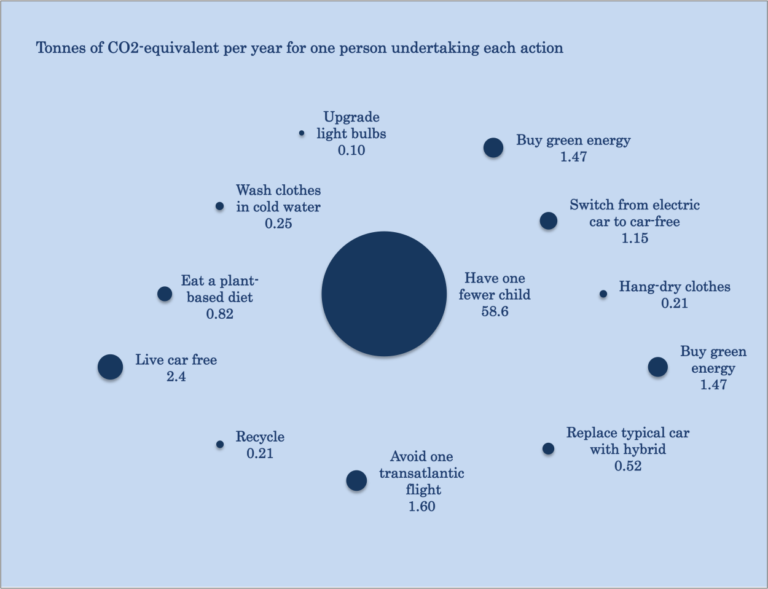
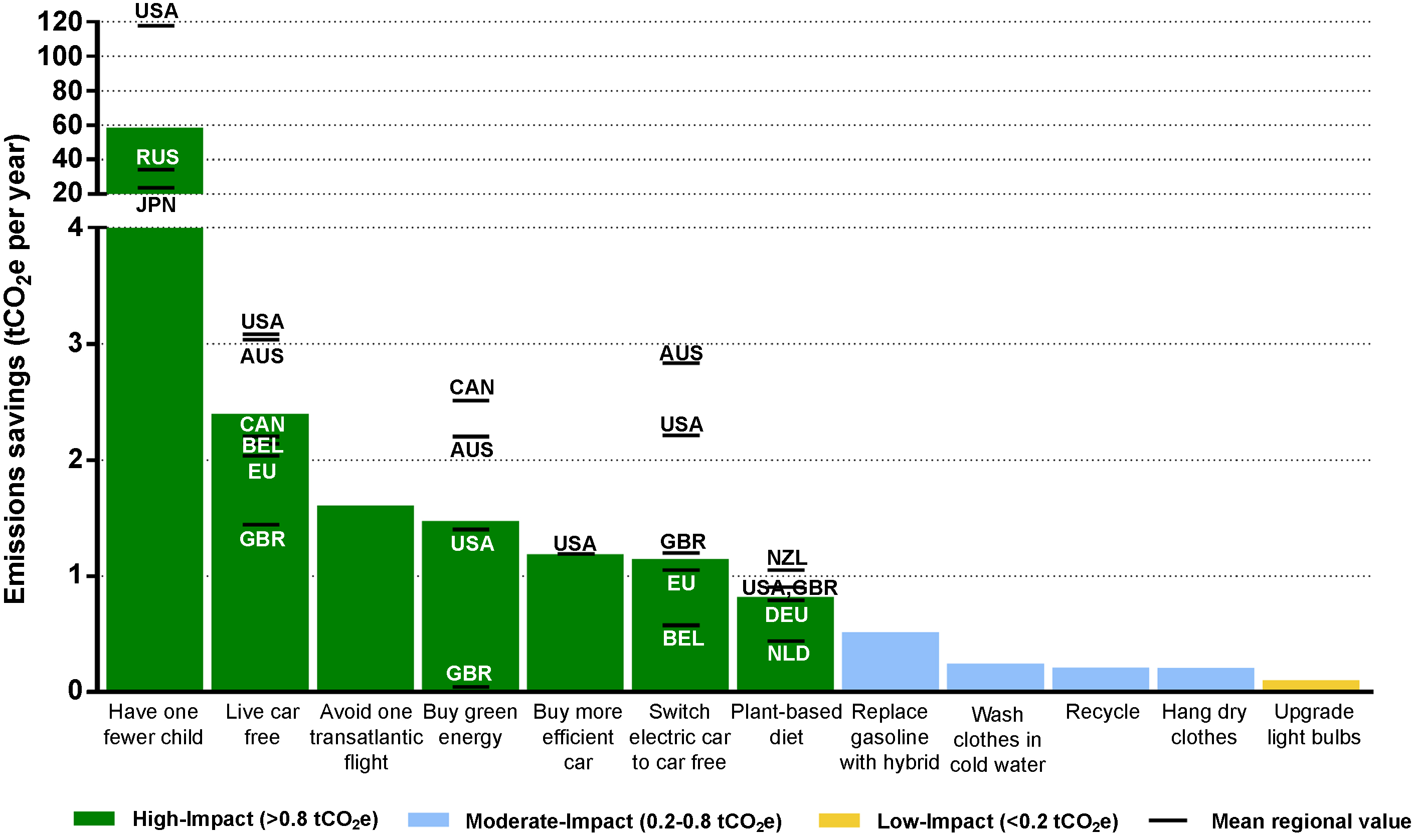
    Every pet has at least one human attached to its leash. So if someone opts for a pet instead of having (another) child, then this is surely the better option. Pets accrue their own environmental impacts of course, but at a small fraction relative to having a “human pet” (which comes with c. 27 times more carbon emissions). So if you want to reduce pet numbers, look at the other end of the leash: fewer people mean fewer pets.

    Much of the wider environmental impacts from abandoned or escaped pets can be traced down to irresponsible pet keeping and, of course, our economic system that fuels irresponsible breeders to breed and sell more pets – of which, sadly, many end up in animal shelters or worse. And yes, some dogs can be dangerous to humans, but to maintain perspective, fatal dog bites are rare – in the UK, you are around 40 times more at risk of being killed by a human than a dog, let alone by cars, etc, etc. What about the billions of non-human animals that are killed by humans each year?

    Finally, are pet-loving people somehow deluded and their affection misplaced? Such a dispassionate, anthropocentric, and utilitarian attitude (for which the Christian church has much to answer) is precisely why humans have become so disconnected from nature and anything other than themselves. As ethologist James Serpell points out, “Personifying animals and befriending them is a natural human characteristic and one that can be emotionally fulfilling; negative and disparaging views on pet-keeping and other non-anthropocentric activities persist …because affectionate or emphatic perceptions of animals or nature are incompatible with our […] treatment of economically useful species” (Serpell, In the Company of Animals, p.235).

    Yet, our pets can sensitize us by bridging the gap and extending compassion for nature. Jane Goodall said that her dog had taught her about animal emotions long before she carried out her observations of chimpanzees. Marc Bekoff, Prof. Emeritus of Ecology and Evolutionary Biology, said we need to abandon human exceptionalism, and if we can break free of theoretical biases, we can cultivate a deeper understanding of both ourselves and the other animals with whom we share this planet.

Leave a Reply

This site uses Akismet to reduce spam. Learn how your comment data is processed.

NOTE: Comments with more than one link will be held in wait and will only become visible on the site after an admin has approved it.

Explore the content and topics covered by TOP, search here

Blog categories

Gallery of infographics – Learn more about overpopulation and environment

Discover more from The Overpopulation Project

Subscribe now to keep reading and get access to the full archive.

Continue reading