
The Kunming-Montreal Global Biodiversity Framework1 adopted in December 2022 by representatives of most of the world’s national governments is inadequate to halt and reverse the disturbing loss of biodiversity globally. Concerted efforts to increase the new Framework’s ambition were dismissed and ultimately ignored. Human overshoot – the collective impacts of more than eight billion people – remains a taboo topic, even during the highest-level negotiations regarding the protection of remaining life on Earth. Rather than being a leader, the United States is missing in action. I offer my perspective as an American conservationist, wilderness and wildlife advocate, and planetary health activist who attended COP15.
By Rob Harding

Setting the Scene
Headed into my trip to Montreal to attend COP15 – the Convention on Biological Diversity’s 15th Conference of the Parties, I had the writing of ecologist and ecological economist William Rees on my mind. Regarding biodiversity loss, Rees wrote:
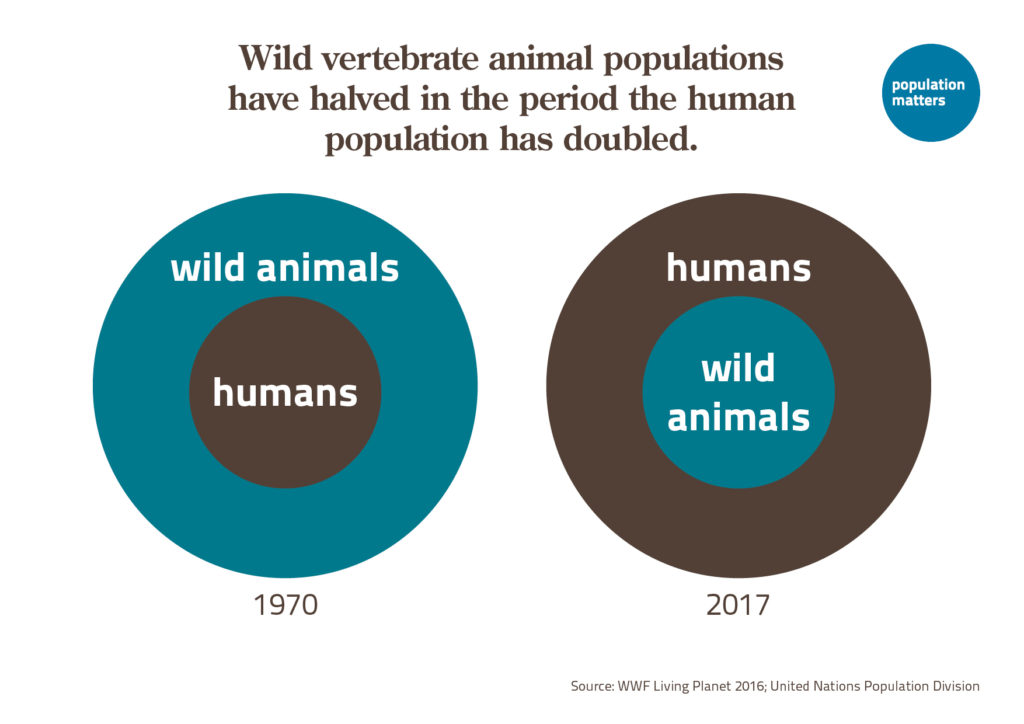
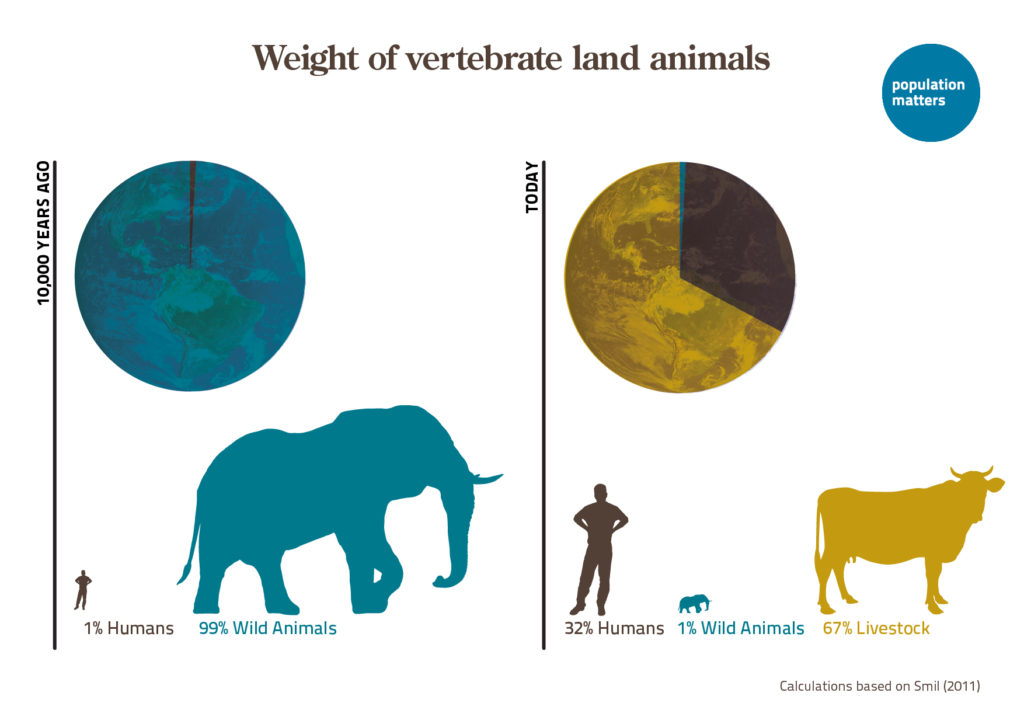
It is caused by many individual but interacting factors — habitat loss, climate change, intensive pesticide use and various forms of industrial pollution, for example, suppress both insect and bird populations. But the overall driver is what an ecologist might call the “competitive displacement” of non-human life by the inexorable growth of the human enterprise.
On a finite planet where millions of species share the same space and depend on the same finite products of photosynthesis, the continuous expansion of one species necessarily drives the contraction and extinction of others. (Politicians take note — there is always a conflict between human population/economic expansion and “protection of the environment.”)2
With most of the world’s national governments calling for halting and reversing the loss of biodiversity globally, as the United States government documented in a press release published during COP15 3 , surely the overall driver of biodiversity loss would be a top priority COP15 agenda item. Wrong! A recognition of the “competitive displacement of non-human life by the inexorable growth of the human enterprise”4 was not on the agenda.
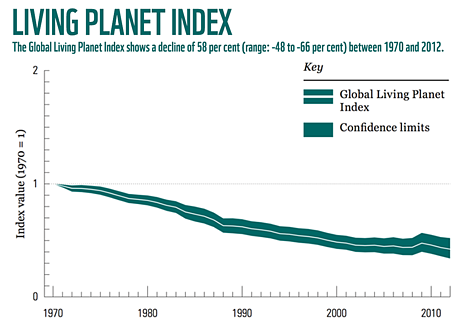
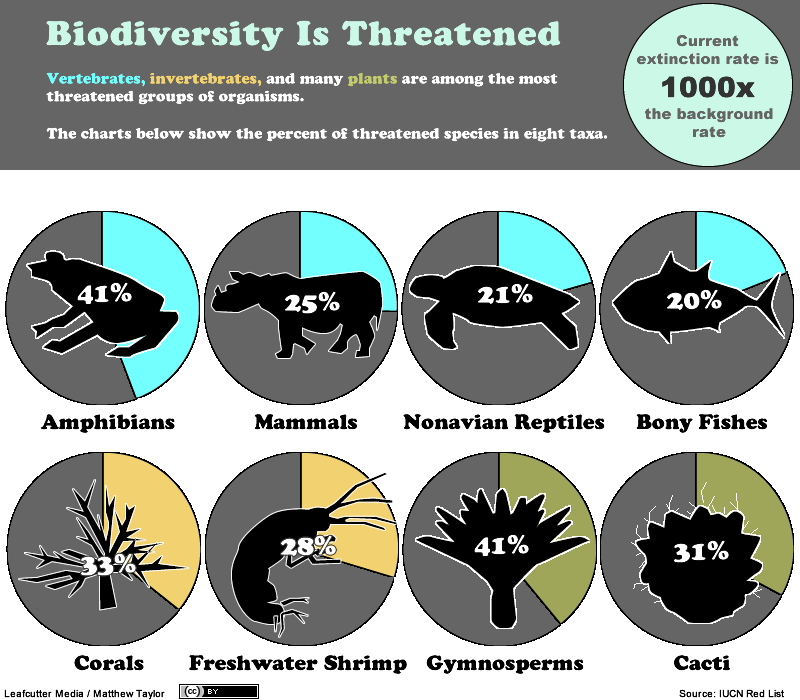
For context, it should be known that a similar set of global biodiversity conservation targets was established back in 2010 at COP10, to be achieved by 2020, called the “Aichi biodiversity targets.”5 Not a single target was met, and this was the second consecutive decade that governments failed to meet targets attempting to halt the annihilation of wildlife and the degradation of life-sustaining ecosystems.6
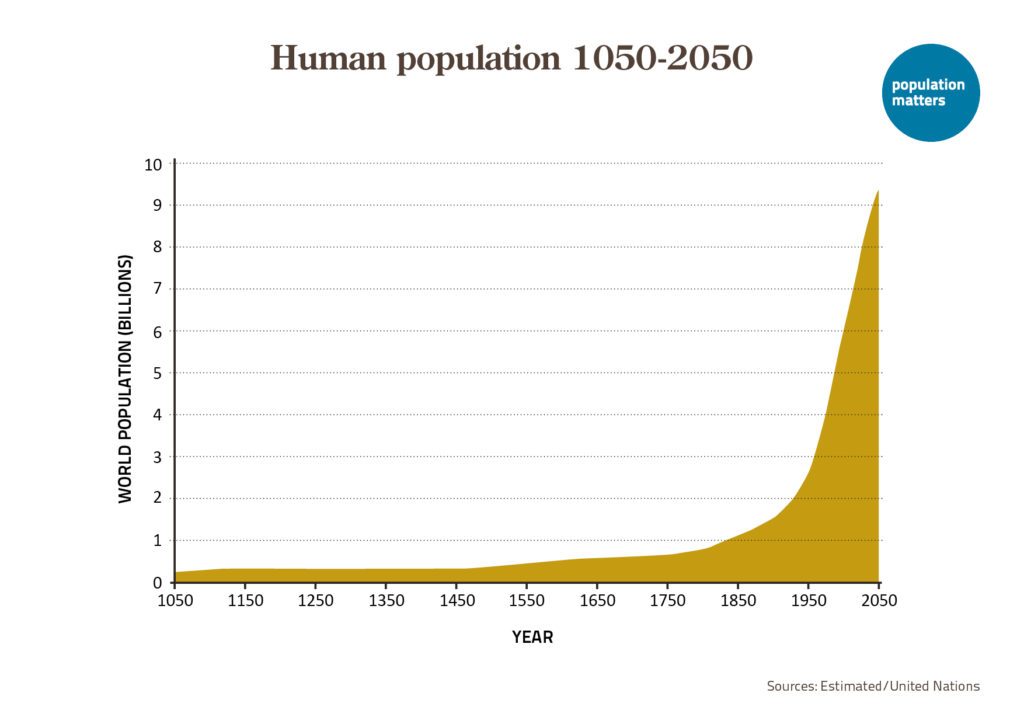
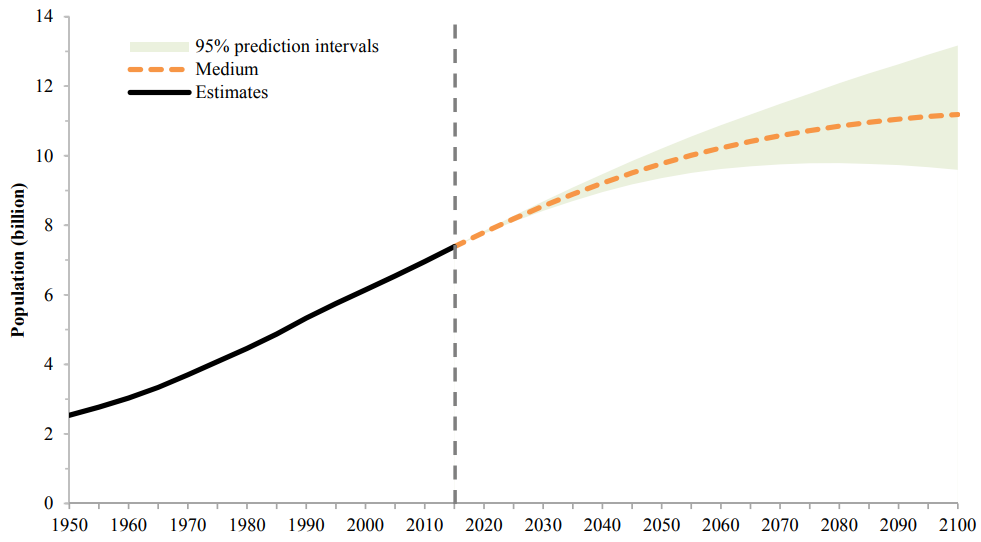
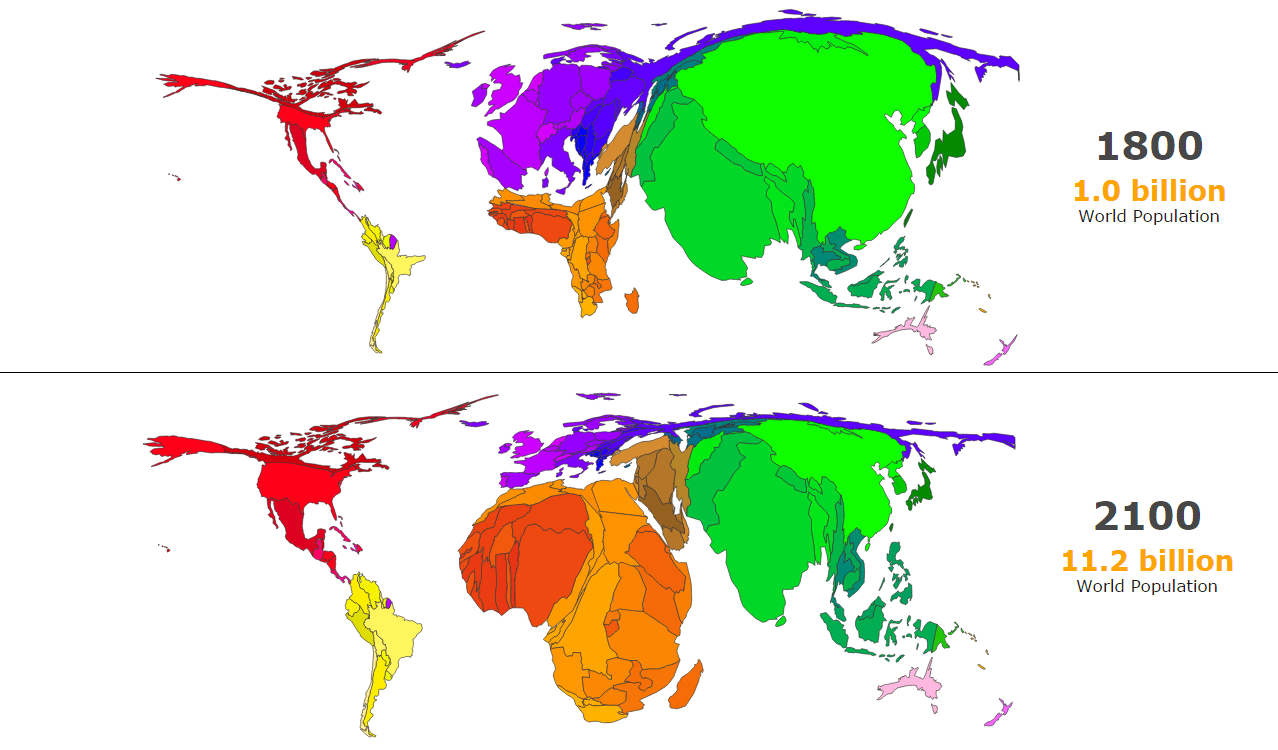
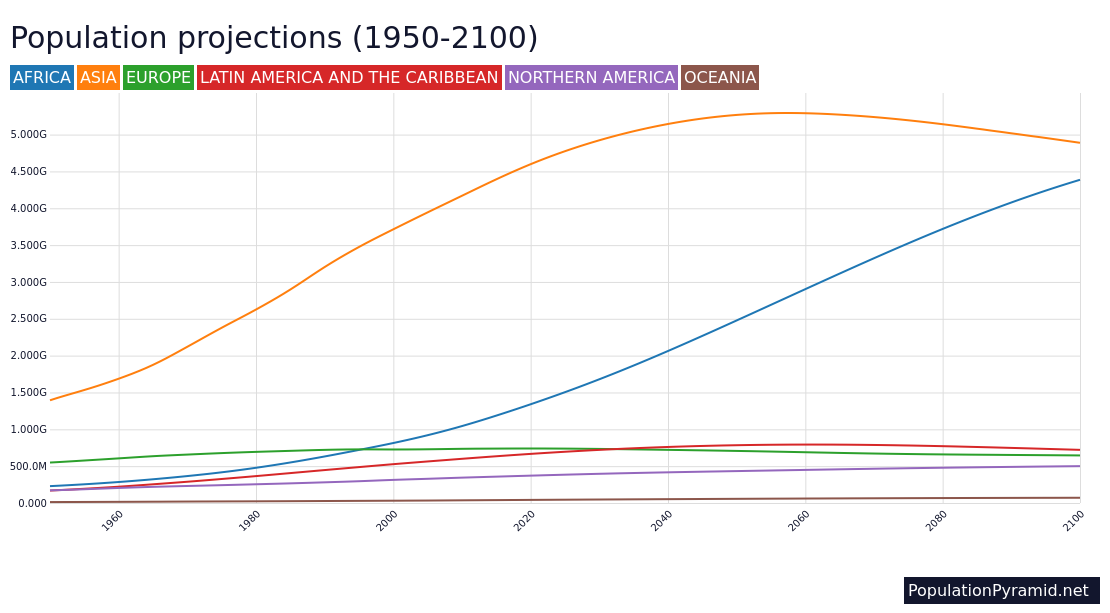
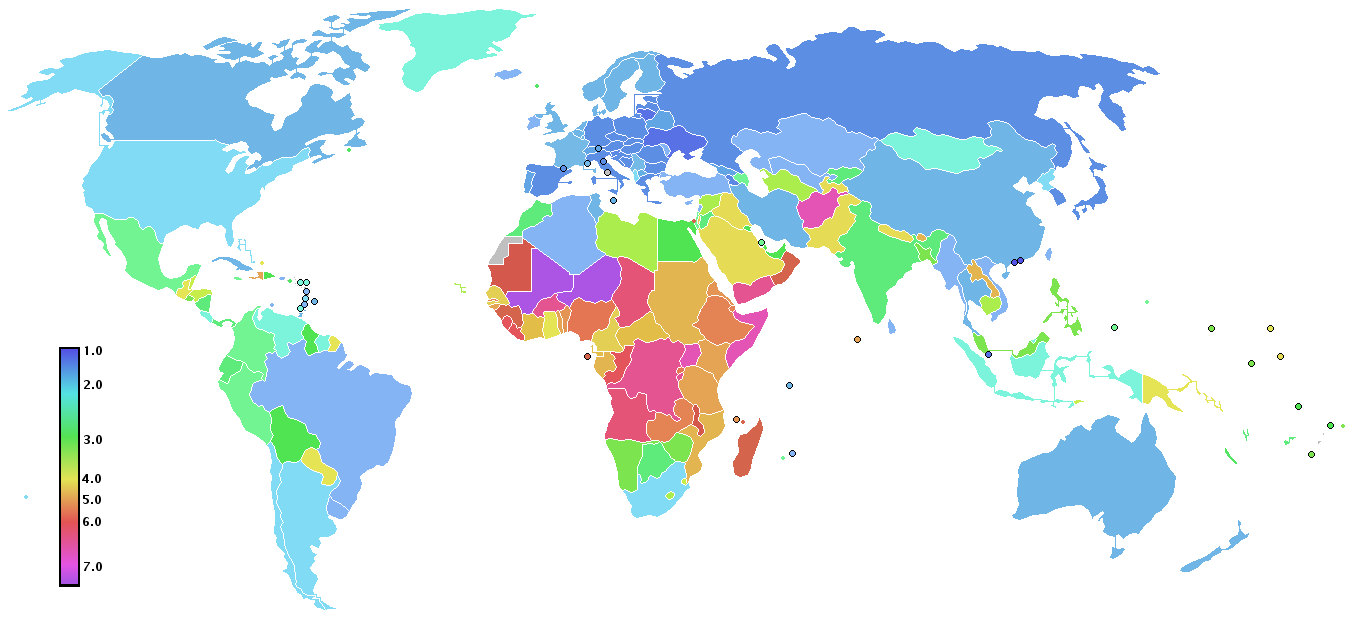
Meanwhile, since the year 2000 – a mere 22 years – the size of the human population globally has increased sharply from 6.1 billion to 8 billion. It’s still growing.
Acknowledging these failures of the past two decades, coupled with my review of the Convention on Biological Diversity’s “Global Biodiversity Outlook 5” report published in August 2020 7, I began my COP15 experience questioning the capability of the world’s national governments to set meaningful biodiversity conservation targets and then act in a way that makes such targets achievable.
Ambition is a Vague Term
Both before and during COP15, calls for an “ambitious” Global Biodiversity Framework from government officials and the advocacy community were ubiquitous.8 The area-based conservation target popularized during the years leading up to COP15 is the so-called “30×30” target, which envisions conserving at least 30% of Earth’s surface in a relatively natural state by 2030 in an effort to prevent further human-induced environmental degradation, slow the loss of wild places and wild beings, and mitigate ongoing impacts of climate change. An intergovernmental group called the High Ambition Coalition for Nature and People notes that it is “raising our global ambition to achieve at least 30% protection of land and ocean by 2030.”9 Meanwhile, I was an active member of a coalition of non-profit advocacy organizations calling for an area-based conservation target of 50% by 2030, consistent with the emerging scientific consensus formally recognized by the International Union for Conservation of Nature (IUCN) via IUCN Motion 101. 10
When I questioned the definition of ambition in the many calls to action surrounding COP15, the IUCN’s media relations team confirmed that “ambition is a vague term.” 11 The IUCN’s official position is that the Global Biodiversity Framework should “be clear in its aim to halt and reverse the loss of biodiversity…”12
In other words, an effective Global Biodiversity Framework should recognize the overall driver of biodiversity loss and plan to confront it. But as I mentioned earlier, the overall driver of biodiversity loss was not on the agenda at COP15.

Conflicting Messages from Leaders
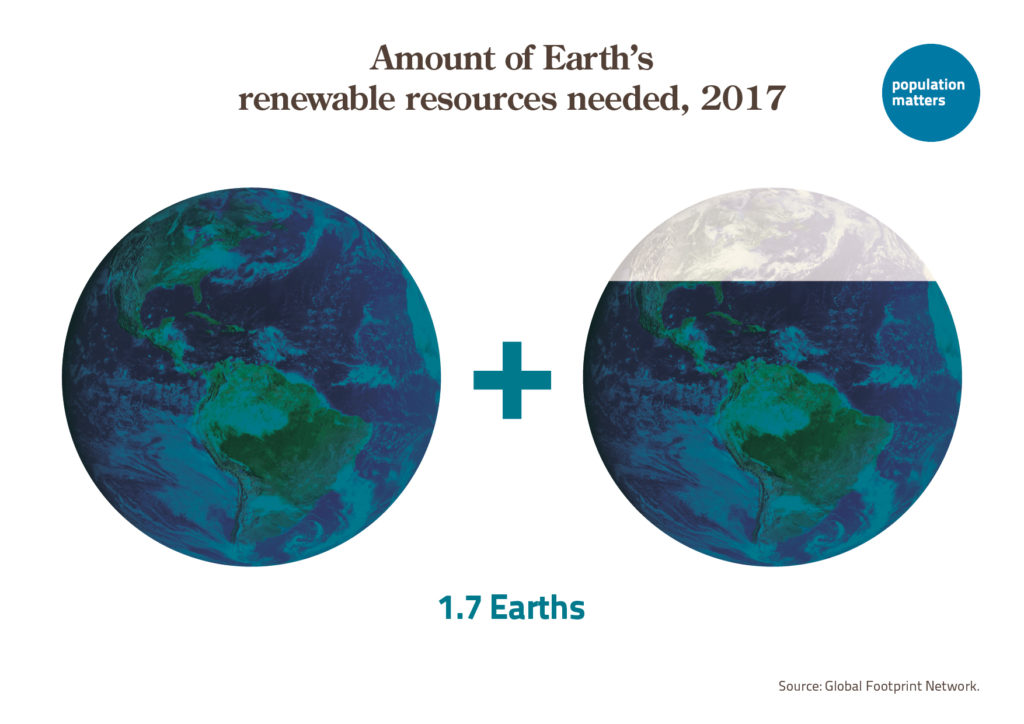
At the beginning of the conference, UN Secretary General António Guterres made media waves by asserting: “With our bottomless appetite for unchecked and unequal economic growth, humanity has become a weapon of mass extinction.”13 This bold statement was followed by an observation shared during a side event a few days later by Stephen Woodley, Vice Chair for Science and Biodiversity of the IUCN’s World Commission on Protected Areas. Woodley questioned whether it is realistic for the world’s national governments and conservation community to achieve meaningful area-based conservation targets, such as protecting at least 30% of Earth’s land and ocean by 2030. His reason for concern is that most people aren’t considering the fact that this finite planet we all call home recently surpassed an unprecedented human population of eight billion people which has an enormous ecological footprint already weighing heavily on Earth’s life support systems.
Those sound like honest concerns to me.
Flash forward another two days, when the Convention on Biological Diversity’s Executive Secretary Elizabeth Mrema was asked if the Global Biodiversity Framework would recognize the conflict between economic growth and biodiversity conservation. Mrema opined that she doesn’t believe there is such a conflict.14 Now remember the words of William Rees I shared earlier in this paper: “Politicians take note — there is always a conflict between human population/economic expansion and ‘protection of the environment.’”
Despite abundant evidence supporting the concerns raised by Guterres and Woodley during the conference, the fundamental conflict between growth of the human enterprise and protection of the environment was not recognized during COP15 or in the text of the newly adopted Global Biodiversity Framework. Human overshoot remains a taboo topic.
Where Does the United States Stand on Biodiversity Conservation?
It was interesting, and also embarrassing, to see the United States’ delegation in action at COP15 because the United States has not ratified the Convention on Biological Diversity and is therefore not an official Party to the Convention. As an observer, the United States can send a delegation to the conference and make statements, but it can’t vote.15 Stewart Patrick, a senior fellow in global governance at the Council on Foreign Relations, said this “reinforces the notion that the U.S. is a fair-weather partner when it comes to environmental conservation, including issues of climate change.”16
The U.S. Department of State reiterated the American government’s commitment to halting and reversing the loss of biodiversity globally in a press release published during COP15, noting that “the United States is engaged globally and at home to support efforts to conserve, protect, connect, and restore nature, leading to healthy ecosystems, healthy people, and healthy economies.” 17 With the United States government being an outlier non-Party to the Convention on Biological Diversity, how is America doing within its own political borders to halt and reverse biodiversity loss?
As it turns out, not good.
A recent study out of Columbia and Princeton Universities found that the U.S. Endangered Species Act, sometimes described as one of the world’s strongest laws for protecting biodiversity, has been more of a failure than a success since becoming the law of the land in 1973.18 Out of the thousands of species that have been listed by the Endangered Species Act in the past 48 years, only 54 have recovered to the point where they no longer need protection.”19

Let that sink in.
Lead author of the study, Erich Eberhard from Columbia University, said: “As the number of imperiled species – and the threats that they face – multiply, the unfortunate conclusion is that the U.S. Fish and Wildlife Service is being asked to do more with less resources.”20
Notice how Eberhard didn’t mention why the threats faced by imperiled species across the United States are multiplying. I’ll do the honors.
Biodiversity loss in the United States is occurring because of the “competitive displacement of non-human life by the inexorable growth of the human enterprise.”21
For a deeper dive into the ways in which this competitive displacement of non-human life is occurring across America, be sure to check out NumbersUSA’s most recent national sprawl study and maps at SprawlUSA.com.22
Let’s Consider Population
In the months following COP15, it’s been refreshing to see multiple articles published highlighting the connection between the rise in human numbers and the loss of biodiversity. Writing for Scientific American, Harvard professor and author Naomi Oreskes noted that “more people will not solve the problem of too many people.”23 In an interview for The Guardian, renowned oceanographer Sylvia Earle solemnly shared: “[David] Attenborough and I had a parallel trajectory, when the world population was only 2 billion. Now we have 8 billion people and the Earth is the same size. We have to be mindful of the mark we’re making on the systems that keep us alive.”24 Going further, in January 2023 The Overpopulation Project published a new bibliography of recent scientific work linking human population growth and biodiversity loss which “aims for comprehensive coverage of peer-reviewed scientific papers published during the past dozen years that deal substantively with the connection between human numbers and biodiversity loss and preservation.”25

Inspired by the work of others and similar honest statements linking human numbers and biodiversity loss, in May 2018 I published “A Proposal for a United Nations Framework Convention on Population Growth” and campaigned domestically and internationally for two years seeking support for this new convention.26 Aside from some unique experiences and memorable stories, this proved to be a fruitless effort.
Here in the United States, the federal government is denying reality and wasting time trying to prove Naomi Oreskes wrong (she wrote “more people will not solve the problem of too many people”27 ). As I’ve written about previously, the United States is already deeply in ecological overshoot.28 Ongoing growth of the human enterprise is competitively displacing non-human life, inevitably driving biodiversity loss.
Therefore, it follows that if we wish to halt and reverse biodiversity loss then it would be wise to halt and reverse human population growth, wherever such growth is occurring, no matter its source.
Let’s Consider Immigration
It’s important to recognize that the primary source of America’s unsustainable human population growth is immigration. The U.S. Congressional Budget Office projects that U.S. population growth will be driven entirely by immigration within two decades.29 Readers take note, because you won’t see this truth shared by the Sierra Club, the Center for Biological Diversity, or any other American environmental protection organization. Explaining why is a story for another time.
Joseph Chamie, a former director of the UN Population Division, has repeatedly and courageously called for ending U.S. population growth. In one of his more hard-hitting opinion pieces published by The Hill, titled “After years of US population growth, it’s time for a pause,” Chamie wrote:
Without a doubt, America’s population growth is a major factor affecting domestic demand for resources, including water, food and energy, and the worsening of the environment and climate change. There is hardly any major problem facing America with a solution that would be easier if the nation’s population were larger. On the contrary, population stabilization would help to resolve several.
Stabilizing the population would reduce pressures on the environment, climate and the depletion of resources and gain time for America to find solutions to its pressing issues. If the United States intends to address climate change, biodiversity loss, pollution, etc., it must consider how its population affects each issue.30
Going further, Chamie presented the following legislative prescription: “With the nation’s fertility below the replacement level, stabilizing America’s population will necessarily involve substantially reducing immigration levels, estimated at approximately 1.1 million per year. If immigration levels were, for example, close to zero, America’s projected population in 2060 would be 320 million versus 405 million if immigration continued at the same pace.”31 (emphasis mine)
Connecting Dots
With a shared goal to halt and reverse biodiversity loss, it’s clear what the United States government should do to help halt and reverse growth of the human enterprise within its own political borders. In 21st century America, the country’s biodiversity loss-inducing human population growth is a direct and indirect consequence of too much immigration. Put another way, the high level of annual immigration into the United States is preventing America’s human population from stabilizing and then gradually declining in size. Put yet another way, immigration-driven population growth in America is a primary factor preventing us from achieving our national goal of halting and reversing biodiversity loss.
David Shearman, a University of Adelaide professor and co-founder of Doctors for the Environment Australia, reminded us of the following during the week after COP15: “Let us be clear, each country is solely responsible for saving its own environment by correcting all damaging factors within its own borders.”32
I agree. Don’t let anyone tell you otherwise.
Concluding Thoughts
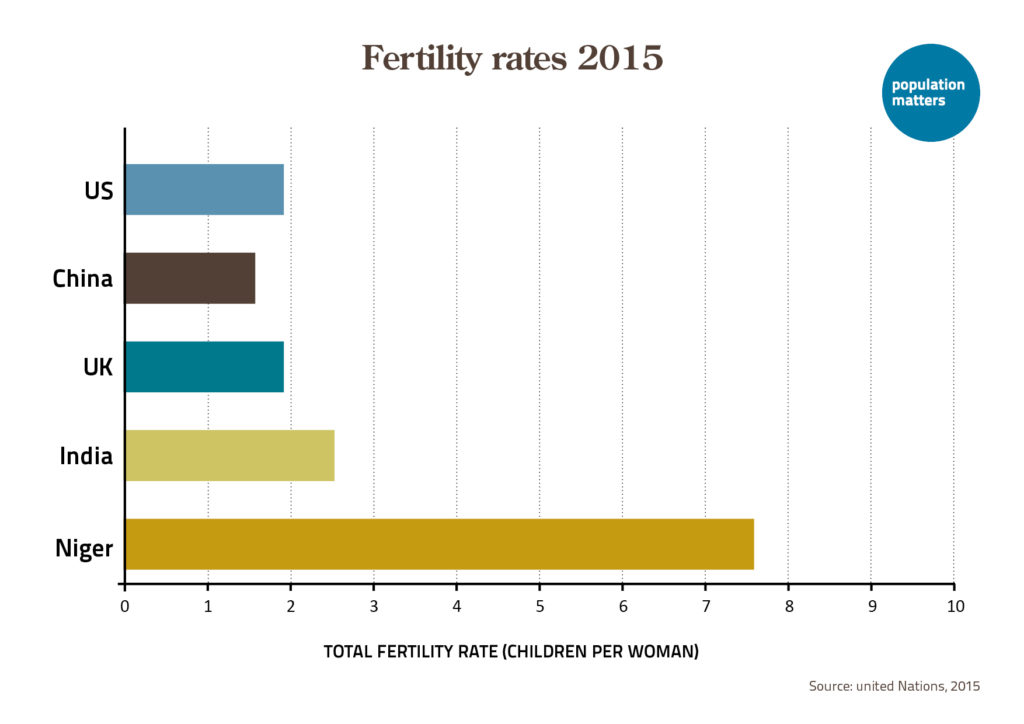
I long for a healthier, wilder America, North America, and Earth, with restored landscapes, free-flowing rivers, and thriving populations of the full array of extant native species. For the United States, as I would say for every other country on Earth, I don’t believe a healthier, wilder future is possible without limiting the size of our human population. With U.S. fertility well below the replacement level, the level of immigration into America must be reduced to stop growth. It’s that simple.
Note that none of these population-related considerations were on the agenda at COP15. This is one of the reasons why I believe the United States government and other nations’ governments are faking it when it comes to their pledges to halt and reverse biodiversity loss. When the overall driver of biodiversity loss isn’t even on the agenda, we shouldn’t expect to succeed.
Perhaps a new agenda for biodiversity conservation can be agreed upon in the years ahead, guided by the tireless work and honest insights of William Rees and others, with a plan to confront the overall driver of biodiversity loss at its core (human overshoot). I’m not optimistic, but time will tell.

Notes
- https://www.cbd.int/article/cop15-final-text-kunming-montreal-gbf-221222
- https://thetyee.ca/Opinion/2017/11/16/humans-blind-imminent-environmental-collapse/
- https://www.state.gov/highlighting-u-s-efforts-to-combat-the-biodiversity-crisis/
- https://thetyee.ca/Opinion/2017/11/16/humans-blind-imminent-environmental-collapse/
- https://www.theguardian.com/environment/2010/oct/29/biodiversity-talks-ministers-nagoya-strategy
- https://www.theguardian.com/environment/2020/sep/15/every-global-target-to-stem-destruction-of-nature-by-2020-missed-un-report-aoe
- https://www.cbd.int/gbo5
- https://twitter.com/clemetivier/status/1604606937030598657
- https://www.hacfornatureandpeople.org/home
- https://www.oneearth.org/motion-101-passes-at-iucn-calls-for-protecting-50-of-earths-lands-and-seas/
- https://twitter.com/MatthiasFi/status/1604672372417744899
- https://www.iucn.org/resources/position-paper/iucn-position-paper-post-2020-global-biodiversity-framework-oewg-5-and-cb
- https://steadystate.org/cop15-the-good-the-bad-and-the-smugly/
- https://steadystate.org/cop15-the-good-the-bad-and-the-smugly/
- https://www.scientificamerican.com/article/world-leaders-meet-to-address-biodiversity-crisis-but-u-s-stays-on-sidelines/
- https://www.scientificamerican.com/article/world-leaders-meet-to-address-biodiversity-crisis-but-u-s-stays-on-sidelines/
- https://www.state.gov/highlighting-u-s-efforts-to-combat-the-biodiversity-crisis/
- https://news.climate.columbia.edu/2022/10/12/too-little-too-late-study-examines-why-the-endangered-species-act-fails/
- https://news.climate.columbia.edu/2022/10/12/too-little-too-late-study-examines-why-the-endangered-species-act-fails/
- https://news.climate.columbia.edu/2022/10/12/too-little-too-late-study-examines-why-the-endangered-species-act-fails/
- https://thetyee.ca/Opinion/2017/11/16/humans-blind-imminent-environmental-collapse/
- https://sprawlusa.com/
- https://www.scientificamerican.com/article/eight-billion-people-in-the-world-is-a-crisis-not-an-achievement/
- https://www.theguardian.com/environment/2023/feb/09/sylvia-earle-we-are-on-the-brink-a-million-species-may-be-lost
- https://overpopulation-project.com/linking-population-growth-and-biodiversity-loss-a-new-bibliography/
- https://rewilding.org/a-proposal-for-a-united-nations-framework-convention-on-population-growth/
- https://www.scientificamerican.com/article/eight-billion-people-in-the-world-is-a-crisis-not-an-achievement/
- https://www.numbersusa.org/blog/reflection-earth-overshoot-day-helping-movethedate-america-and-planet
- https://www.bloomberg.com/news/articles/2023-01-24/immigration-to-drive-all-us-population-growth-within-two-decades
- https://thehill.com/opinion/immigration/597158-after-years-of-us-population-growth-its-time-for-a-pause/
- https://thehill.com/opinion/immigration/597158-after-years-of-us-population-growth-its-time-for-a-pause/
- https://thehill.com/opinion/energy-environment/3792369-biodiversity-loss-a-needed-prescription-for-environmental-survival/
Rob Harding is a planetary health activist who cares deeply about protecting life on Earth, and doing so in a loving and intentional manner. His superpower is serving as a connector to help accelerate the pace of progress. A graduate of Santa Clara University, Rob is committed to creating a more just and sustainable world with competence, conscience, and compassion. To that end, Rob serves on the board of The Rewilding Institute, Save The Colorado, and Keystone Species Alliance, as a trustee of the WILD Foundation, as a member of the Alliance of Mother Nature’s Guardians, as an advocate of Nature Needs Half, and as a chapter director for the Center for the Advancement of the Steady State Economy.
This piece was originally published as an NPG (Negative Population Growth) Forum Paper in April 2023.










Leave a Reply