
The media love a crisis but ignore systemic problems. Storms and fires get much attention yet kill relatively few people, whereas neglected overpopulation kills many more, through diseases, malnutrition and other causes.
By Frank Götmark and Malte Andersson
The late Hans Rosling, his book Factfulness and the website Our World in Data describe medical advances in treatment of diseases and a remarkable increase in human life expectancy. Few newborn children die compared to earlier in human history. UN demographers are also optimistic: globally, under age 5 mortality is projected to decline from about 35 per 1000 today to only 10 in 2100, and life expectancy at birth is projected to increase from 73 to 82 years. Are these assumptions realistic?
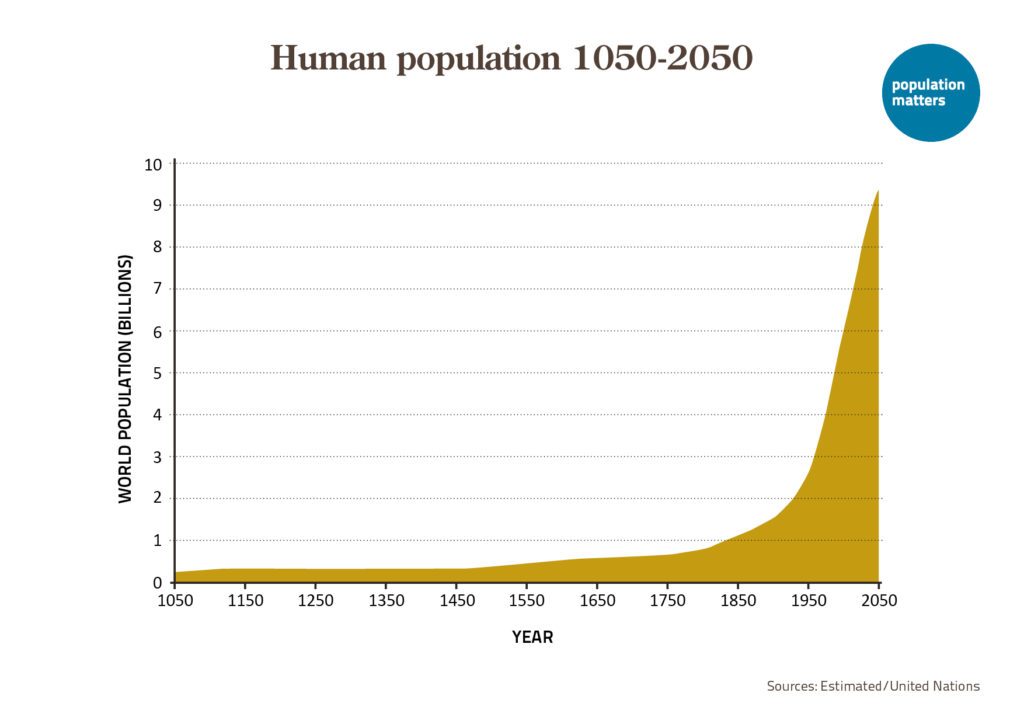
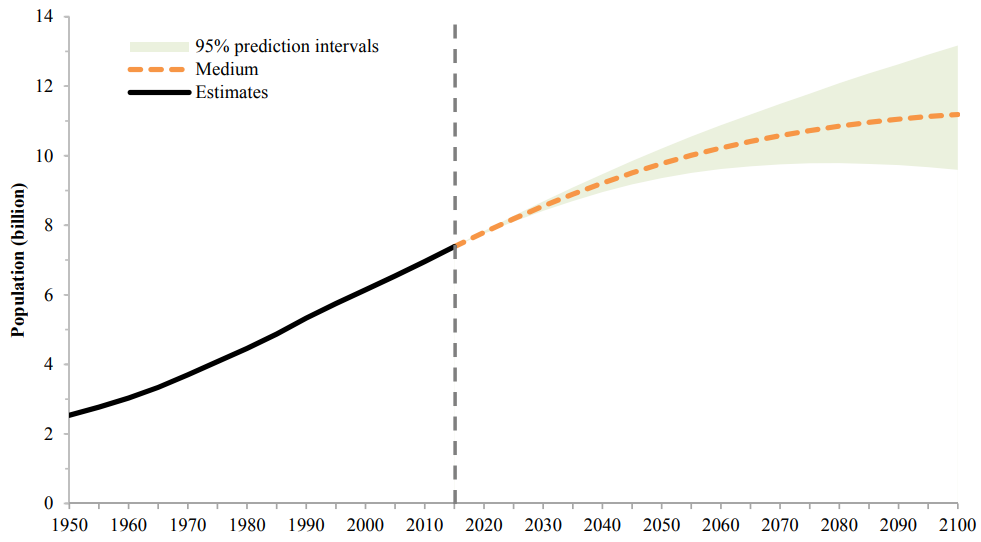
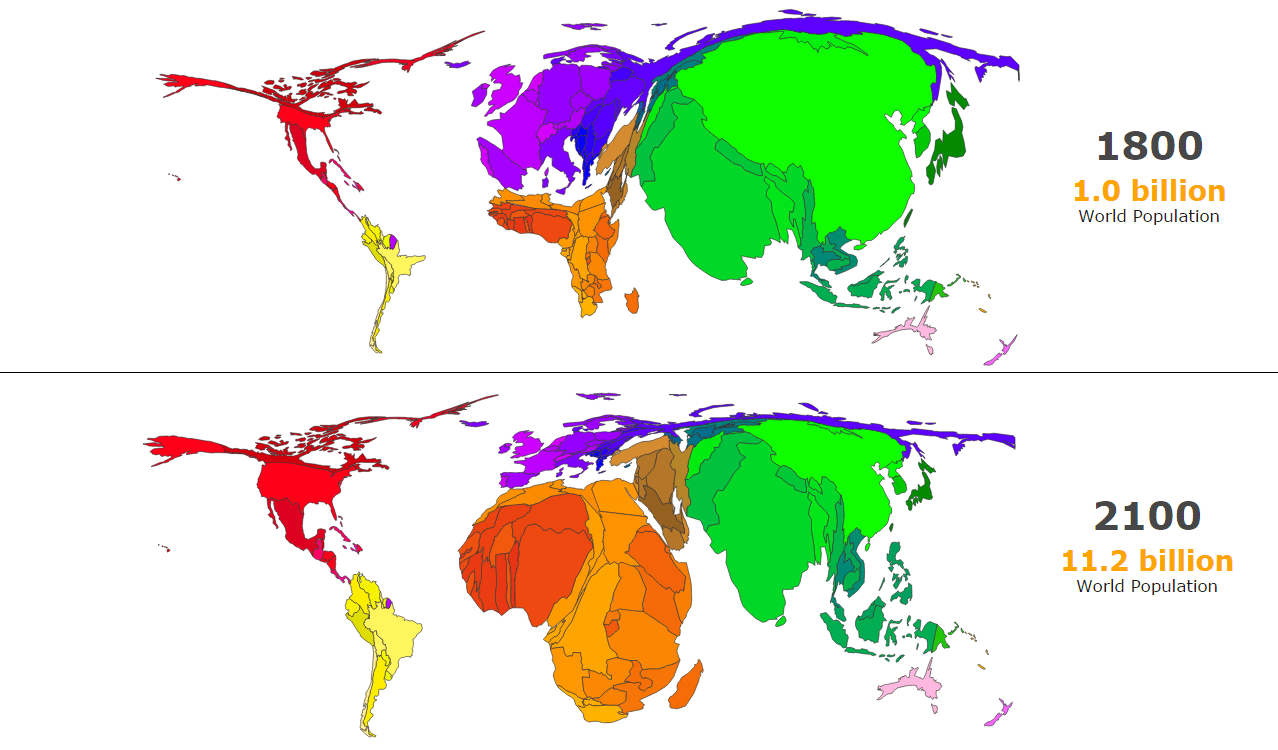
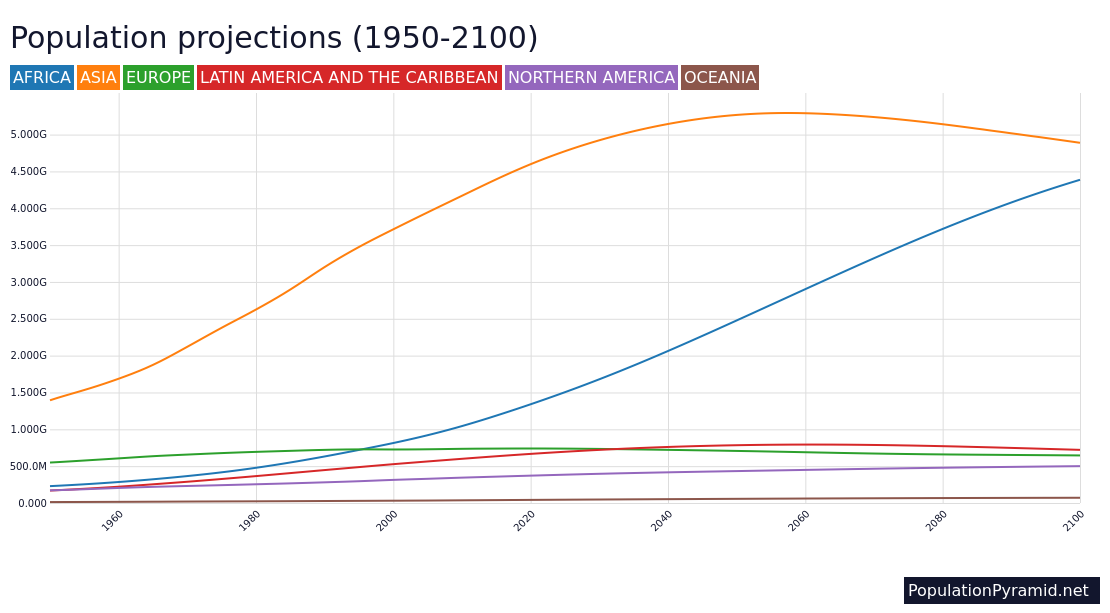
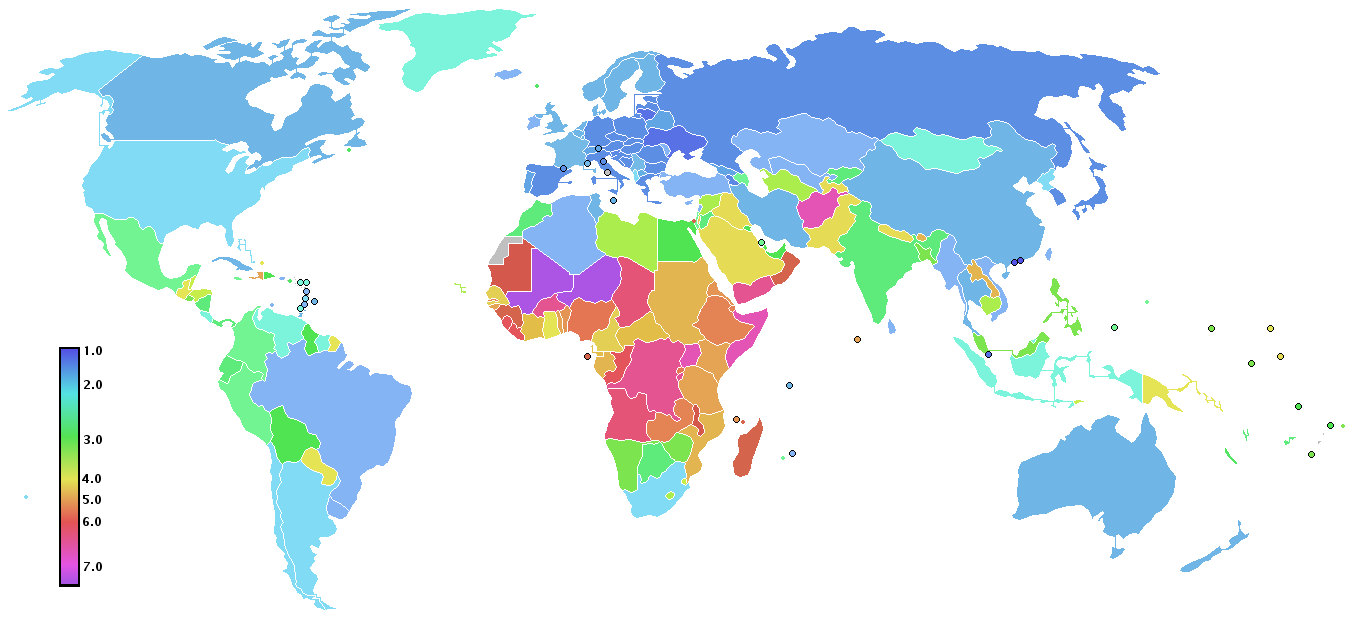
Increasing life expectancy, together with high and only slowly declining fertility in Africa and Western Asia, are important contributors to the UN’s projection of population increase by 2 billion in the coming 60 years. The UN also projects an increasing death rate, from 8 per 1000 today to 12 in 2100, mainly due to an increasing proportion of old people.
The media, strongly focused on climate change among our environmental problems, often report that people die during wildfires, storms, floods and heat waves. From the media readers might get the impression that climate change is a major factor causing fatalities. Perhaps it will be so in the future, but currently it causes relatively few deaths compared to the range of circumstances associated with overpopulation: from air pollution to crowded, squalid living conditions and violent conflicts.
The real causes of mortality
Mortality from air pollution is caused by exposure to particulate matter and O3 and NO2 from industry, vehicles, coal and wood burning, leading to cardiovascular disease, respiratory infections and cancer. According to the Global Burden of Disease Study by the Institute for Health Metrics and Evaluation, air pollution killed 8 million people in 2021. Such pollution depends on the size of the human population and our activities. The worst air conditions occur in developing countries in East and South Asia and in Africa.
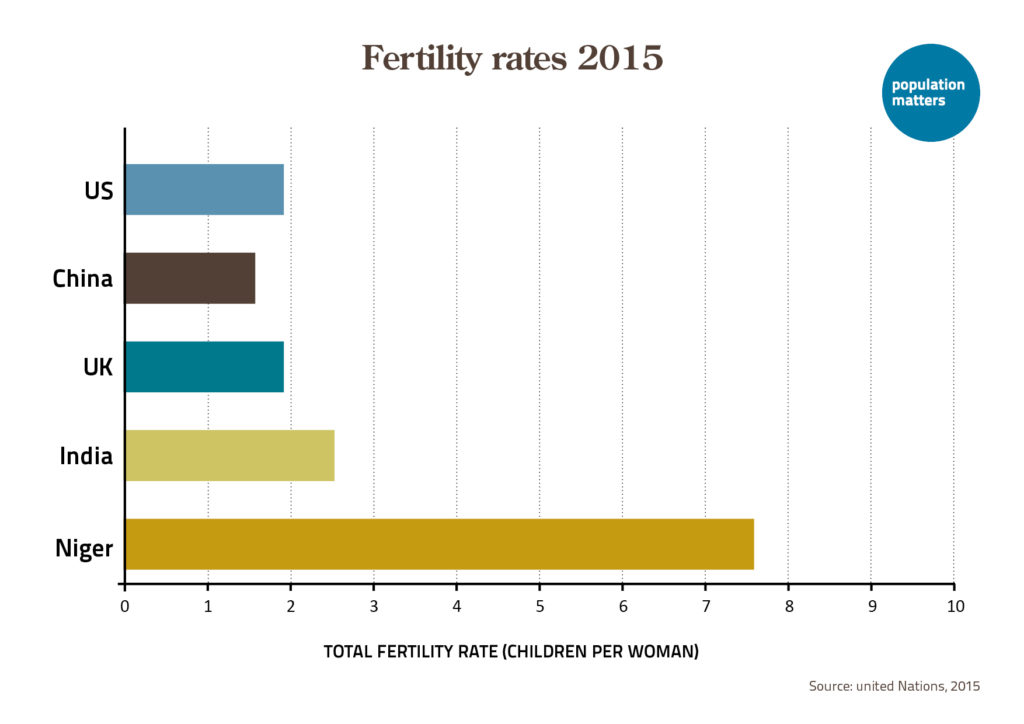
Our World in Data lists low birthweight as causing 1.5 million deaths annually; about half in Africa and half in Asia, but owing to fewer people in Africa, deaths per capita are much higher there. Low birth weight is associated with undernourished and very young mothers, mainly in high-fertility countries where teenage pregnancies are still common.
Malnutrition is increasing in Africa since about 2017, and stunting in children is one consequence. As food security is low in Africa, its huge projected population growth from today 1.5 billion to 3.5 billion 2100 is very worrying. A study mainly from Africa estimated that malnutrition caused or contributed to about 40% of the mortality for children under age 5. A new large global study of mortality in The Lancet reports that in 2023, the death rate for such children was much higher in Sub-Saharan Africa (68 per 1000) than in South Asia (36) and in Latin America and Caribbean (18). Mortality among women aged 15-29 in Sub-Saharan Africa was higher than estimated earlier, and maternal deaths were a major reason.
Population and pandemics
While medical advances have successfully reduced many communicable diseases such as HIV/AIDS and tuberculosis, new diseases such as Swine flu and COVID-19 may arise and pose future threats. Population growth was rarely mentioned as a contributing factor during the COVID pandemic. In TOP, we explained the role of overpopulation for COVID and coming pandemics in blogs from 2020 and 2022. A large and dense host population increases a pathogen’s chance of spreading, infecting more people, and evolving dangerous mutations. In 2021, five doctors realized this too, in the paper Epidemics and pandemics: is human overpopulation the elephant in the room?

Urbanisation and population growth in both developing and developed countries raise the risk of pandemics. In poor countries informal settlements (slums) around megacities make adequate sanitation impossible. Denser city centres increase opportunities for diseases to spread, while smog and stress challenge immune systems. Moreover, increasing transportation with packed buses, trains and large airports with crowded airplanes contribute to faster local and global spread of epidemic and pandemic diseases.
In 2025, 45% of the global population lived in cities or megacities, up from 20% in 1950. The UN projects that in 2050, 66% of the population growth will be in large cities and the rest mainly in towns. About 1 billion people currently live in slums in or near cities; for instance, 4 million people in Colombia and 7 million in Kenya.
In many countries, overpopulation, poverty and lack of food increase hunting of wildlife for ”bush-meat” and other products. The selling of bush-meat is common at local markets, increasing the risk of spreading viruses and bacteria from wild animals such as bats, causing zoonotic diseases in humans.
Hopeful signs?
On the positive side, the shift in energy production from oil, coal and wood burning (causing air pollution) to wind and solar energy should reduce disease due to air pollution. The journal Science reported as its breakthrough news for 2025 that ”renewables surpassed coal as a source of electricity worldwide”. According to Science, wind and sun became the cheapest energy sources in much of the world.

But humanity’s total energy use is still dominated by oil, coal and natural gas, and has increased by about 73% since 1990, almost linearly. One reason is 2.8 billion more people over the same period. The editors of Science did not include yearly population growth among the news for 2025: around 70-80 million more consumers globally.
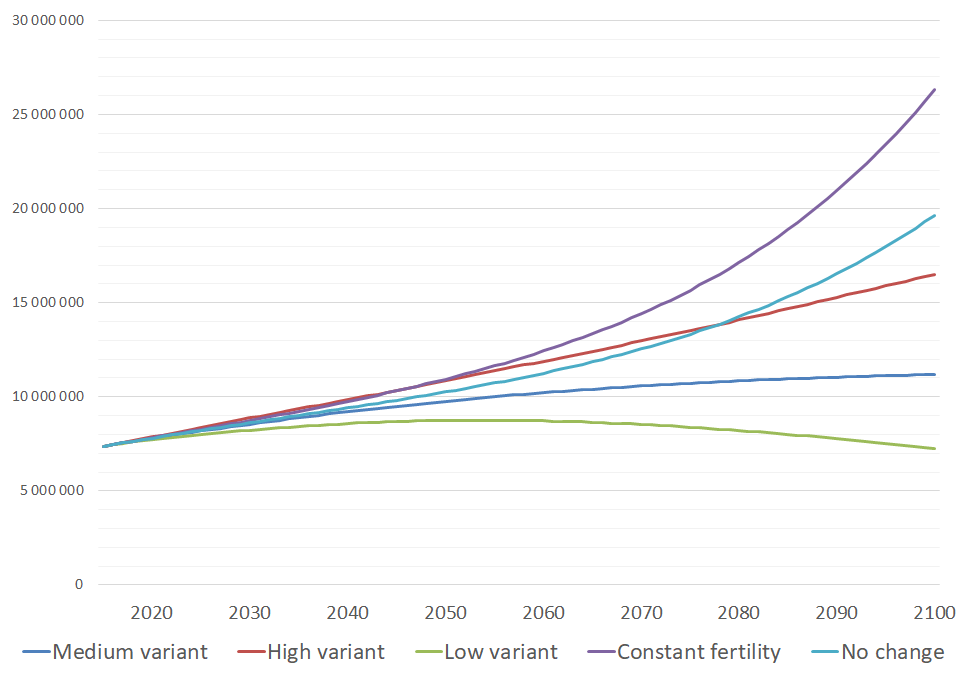
In 2026, conflict and poverty will probably continue harming hundreds of millions of people. A recent study found a strong link between population growth, resource scarcity and political instability in 128 developing countries. Population projections cannot easily model mortality; when catastrophes, famines or pandemics will occur is hard to predict. The UN uses the same downward trend in mortality for its low (6.6 billion people in 2100), median (10.3 billion) and high projections (14.6 billion), but the largest increases may raise the death rate.
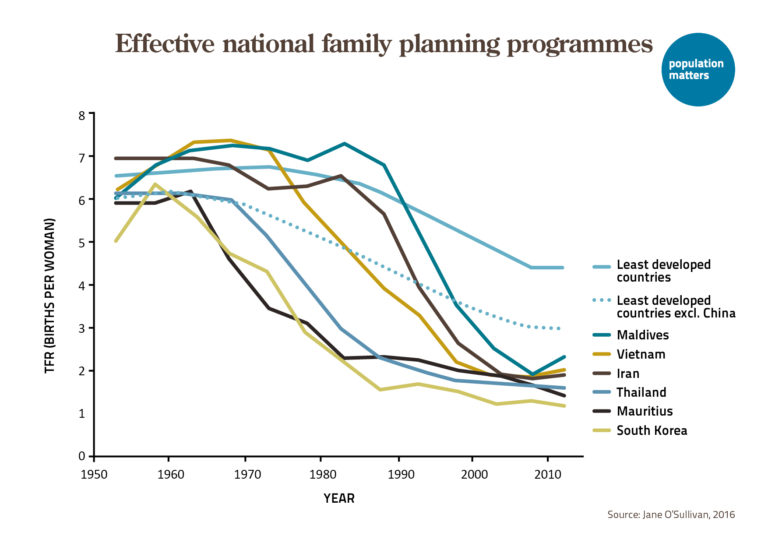
To summarize, more people lead to more pollution of air, land, lakes and sea, in turn increasing diseases and death rates. Increasing crowding and mobility raise the risk and extent of pandemics. In high fertility countries, investment in family planning programs, reproductive health services, and adoption of small family norms can mitigate these problems.









Leave a Reply