
A frequent assumption in population policy debates is that stabilizing populations will be sufficient to achieve ecological sustainability. But as Karin Kuhlemann observes, “that a population’s size is stable in no way entails sustainability. It may be sustainable, or it may be far too large.” A recent book from philosopher Trevor Hedberg convincingly argues the moral case for global population reduction.
by Philip Cafaro
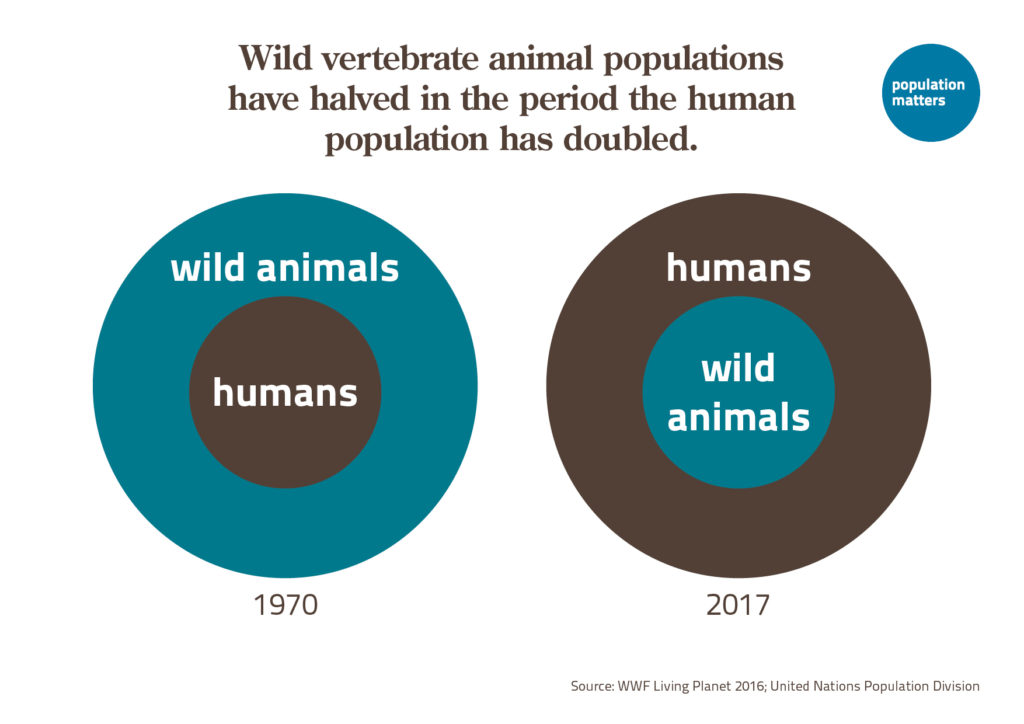
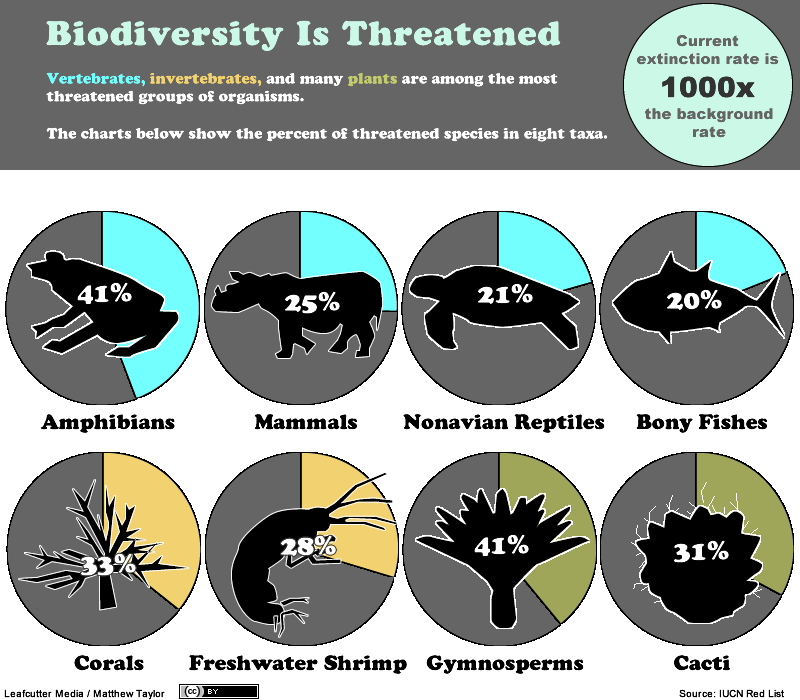
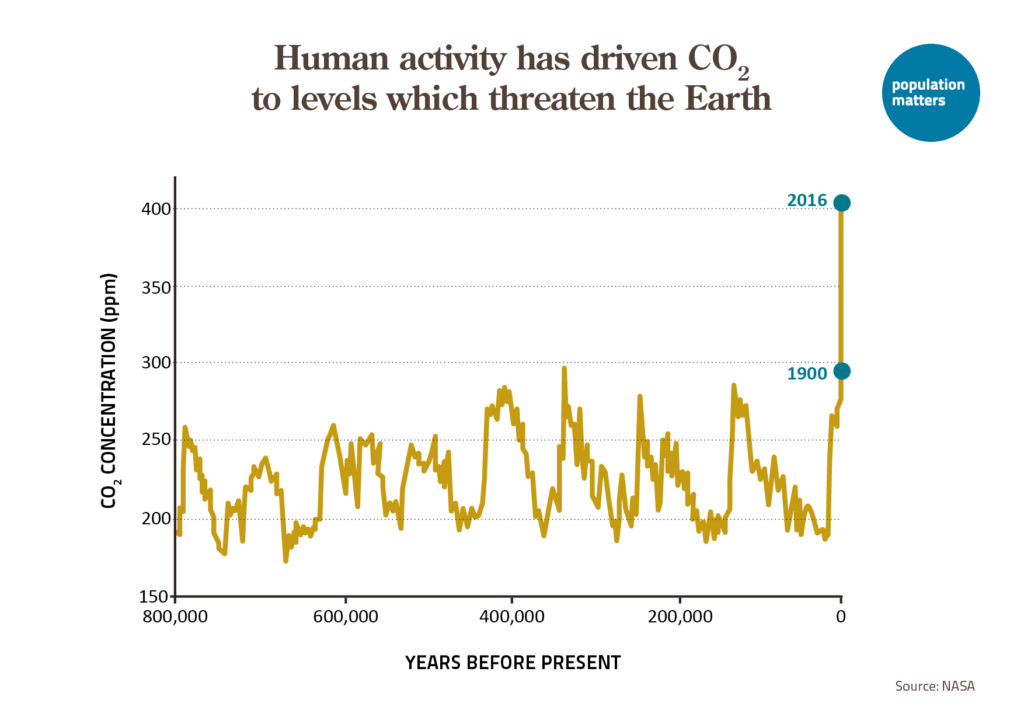
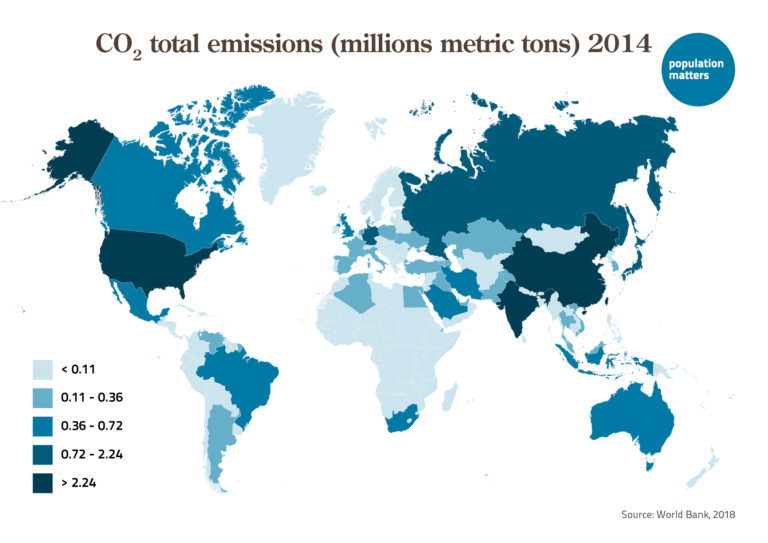
In recent decades, scientific studies and ethical analyses of global climate disruption and mass species extinction have proliferated, along with calls for political action to avert these twin ecological disasters. These investigations and proposals have mostly avoided discussing population policy. Now humanity’s failure to arrest global ecological decline has become the stuff of regular news reports, and the realization is starting to sink in that the impacts we worried about inflicting on our grandchildren are happening to us. This seems to have opened up an intellectual space to discuss “the P word.” As philosopher Trevor Hedberg writes in his excellent new book The Environmental Impact of Overpopulation from Routledge Press:
We are now more than 25 years past the United Nations International Conference on Population and Development – the venue where explicit discussion of population policy became a political taboo. Evading the problem has not helped us. Population growth has continued and made it more difficult to mitigate climate change, slow down the rate of species extinctions, and adequately distribute the world’s finite resources. Minimizing the harm that befalls present and future people requires confronting this reality and abandoning the fiction that procreative choices are too private or intimate to be subjected to moral scrutiny. (137)
Or as Samuel Johnson once said: “Depend upon it, sir, when a man knows he is to be hanged in a fortnight, it concentrates his mind wonderfully.”
Important recent studies of population ethics include Sarah Conly’s One Child: Do We Have a Right to More? (2015) and Partha Dasgupta’s Time and the Generations: Population Ethics for a Diminishing Planet (2019). Hedberg’s The Environmental Impact of Overpopulation: The Ethics of Procreation (2020) is a valuable addition to this literature. All three books are grounded in the realization that excessive human numbers are helping drive humanity deeper into ecological overshoot. While they start out from different ethical premises and support somewhat different policy prescriptions, all three scholars converge on the general conclusion that policies to limit human numbers are necessary to create the ecologically sustainable societies essential to future human well-being.

Hedberg’s philosophical approach does not rely on any particular ethical theory, such as utilitarianism or social contract theory. Instead he appeals to general moral principles that he believes most people, whether theorists or the general public, will accept. The first half of his book’s central argument, which he calls the Population Reduction Argument (PRA), runs as follows:
- People morally ought to avoid causing massive and unnecessary harm to other currently existing people.
- Our moral duties of non-harm are just as stringent toward future people as they are toward current people.
- Thus we morally ought to avoid causing massive unnecessary harm to future people. [necessarily follows from premises 1 and 2]
- If we do not dramatically reduce our current levels of environmental degradation, then we will cause massive and unnecessary harm to future people.
- Therefore we morally ought to greatly reduce our current levels of environmental degradation. [necessarily follows from premises 3 and 4]
Premise 1 is indeed a generally accepted moral principle: almost everyone accepts the idea that people should avoid causing important and unnecessary harms to others. Premise 2 is denied by many mainstream economists, who accept discounting the well-being of future people, at least people in the far future, in the same way that businesses discount future returns on capital compared to current returns. But Hedberg convincingly argues that what may be good economics is bad morality, in a world where our actions today could make a huge difference to our descendants’ quality of life. Hence he affirms a robust moral duty to avoid massive harm to future people (premise 3). Combined with recent scientific evidence that current levels of environmental degradation imperil future generations (premise 4), this logically implies a moral duty to greatly reduce such degradation (premise 5).
Few environmentalists are likely to disagree with the first half of Hedberg’s argument. But many still avoid connecting the duty to limit environmental degradation to a commitment to addressing population matters. The second half of PRA aims to compel this conclusion:
- Environmental degradation is the product of human population size and the average rate of environmental degradation per person.
- Thus we morally ought to reduce our population size, reduce the average rate of environmental degradation per person, or reduce both. [necessarily follows from premises 5 and 6]
- There is no morally permissible way to reduce population size enough to adequately respond to our environmental problems if the average rate of environmental degradation per person remains unchanged.
- There is no feasible way to reduce the rate of environmental degradation per person enough to adequately respond to our environmental problems if our population size remains at its current size or continues to grow.
Conclusion: Therefore we morally ought to do both: reduce our rates of environmental degradation per person and reduce our current population size. [necessarily follows from premises 7, 8 and 9]
Premise 6 is a version of Ehrlich’s and Holdren’s IPAT formula with affluence (A) and technology (T) combined. Hedberg justifies this by noting the need for prompt action and the uncertainty about whether technological progress will help or hinder efforts to protect the biosphere, asserting that “even if some technological optimism is justified, the rapid onset of these problems simply does not give us enough time to wait for techno-fixes to emerge” (56). So in order to live up to our moral duty to avoid massive environmental degradation, we must address either population size or average consumption, or both (premise 7). The question of which must be informed by science.
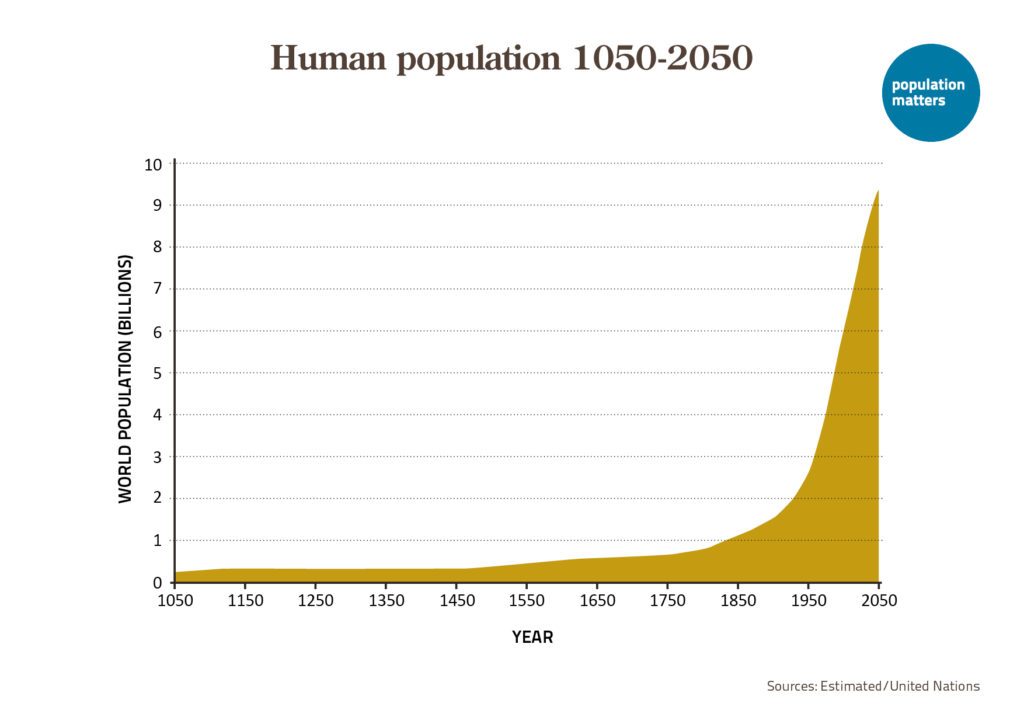
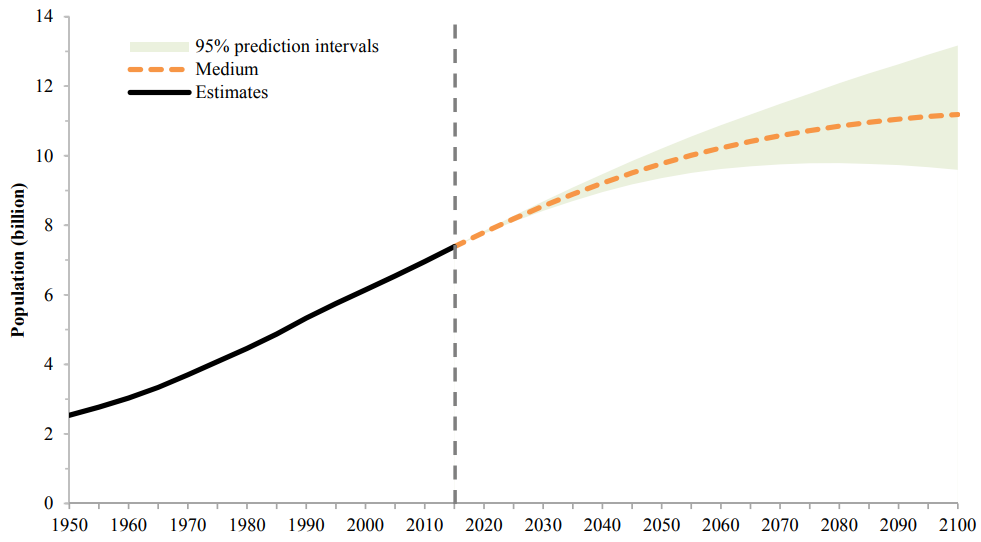
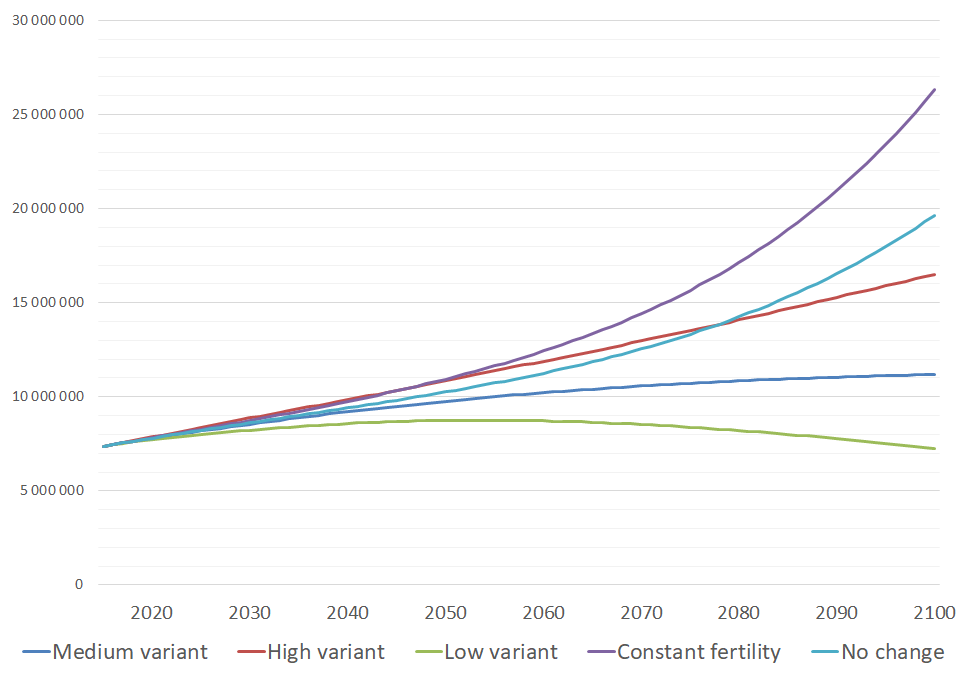
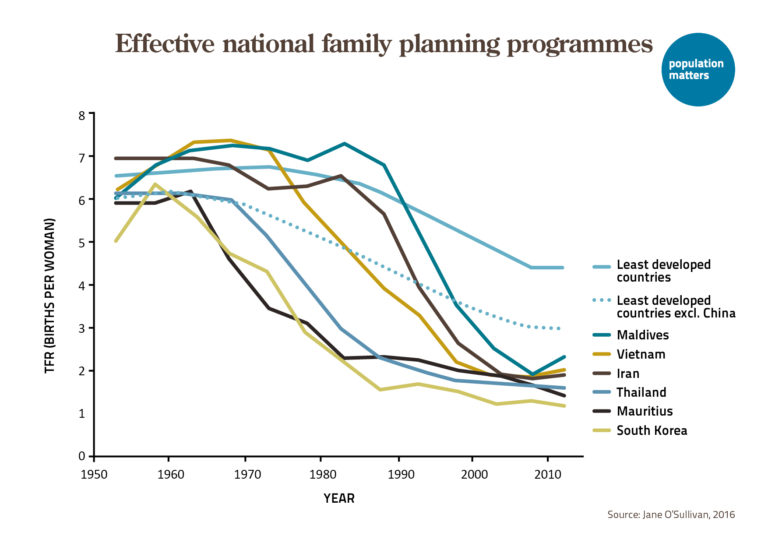
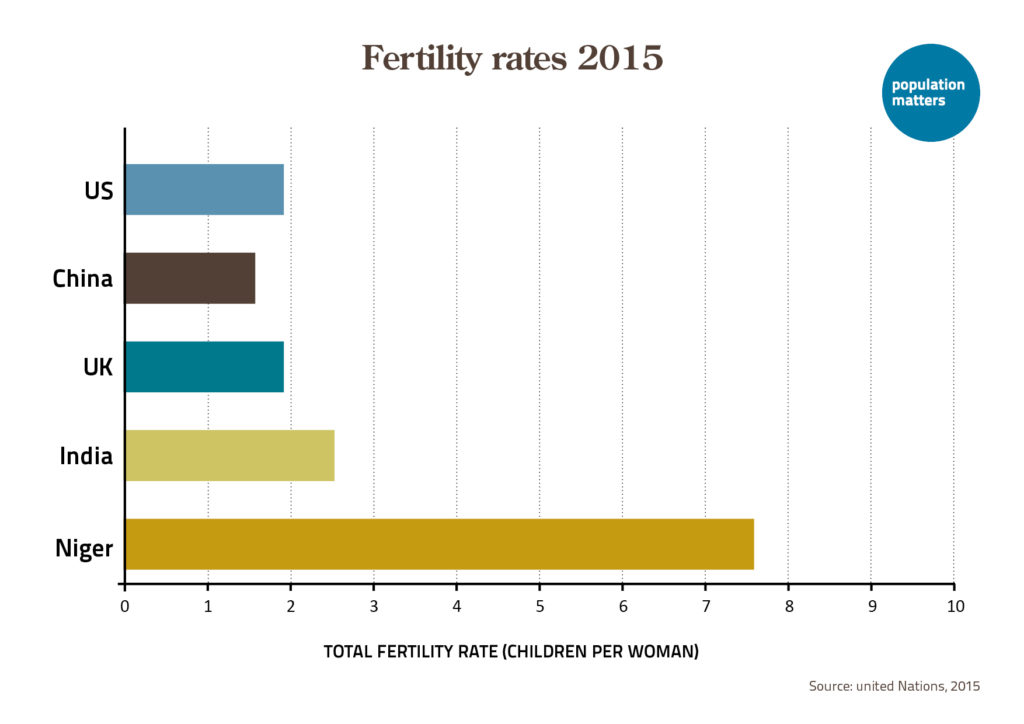
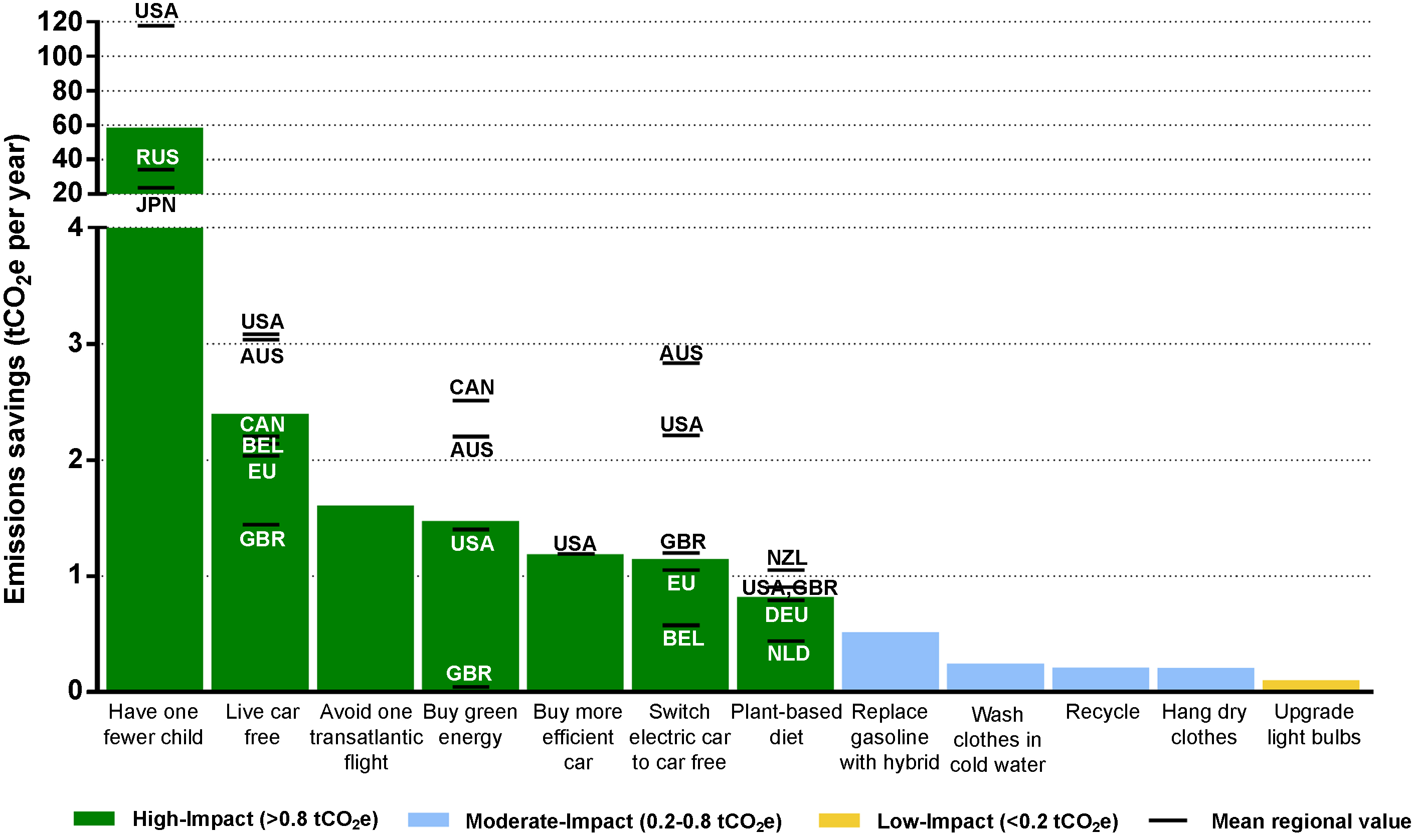
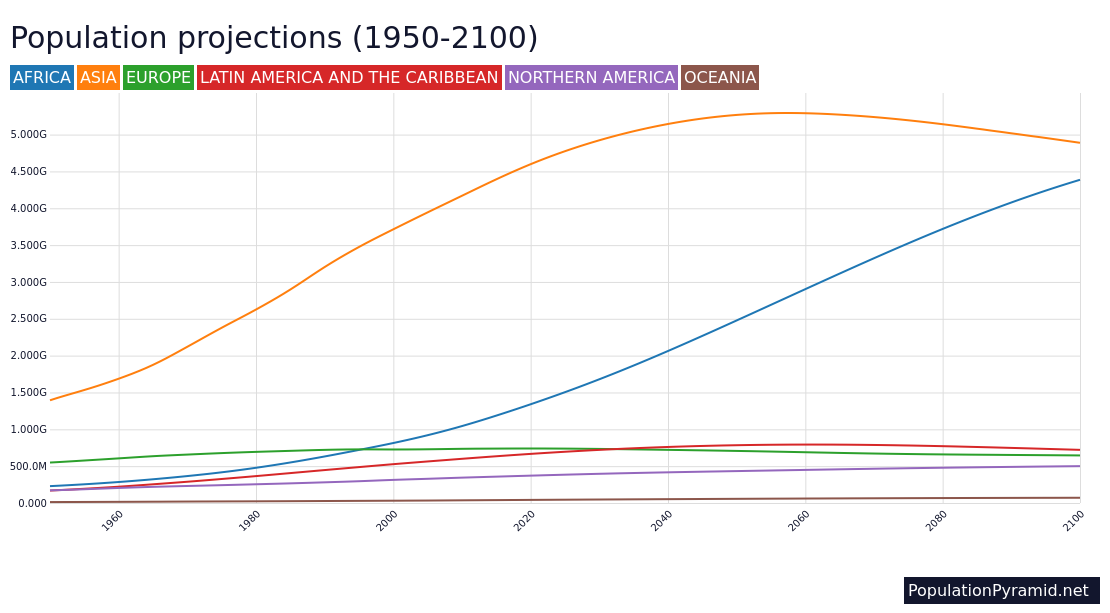
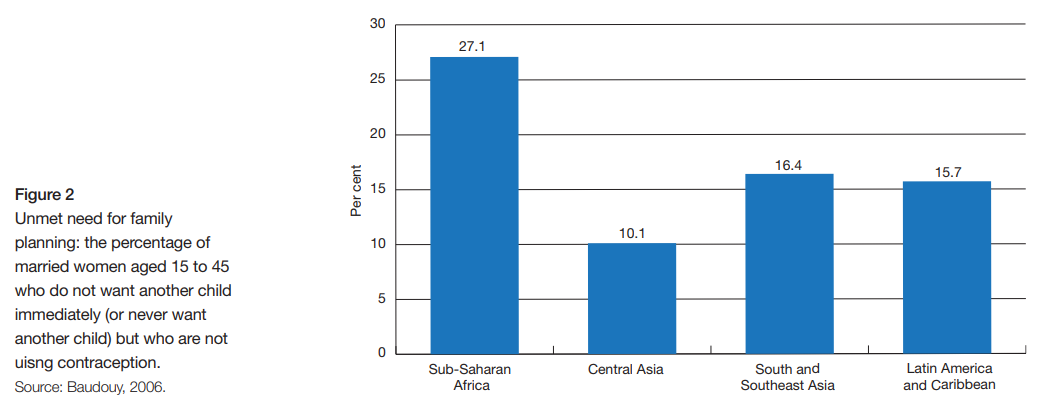
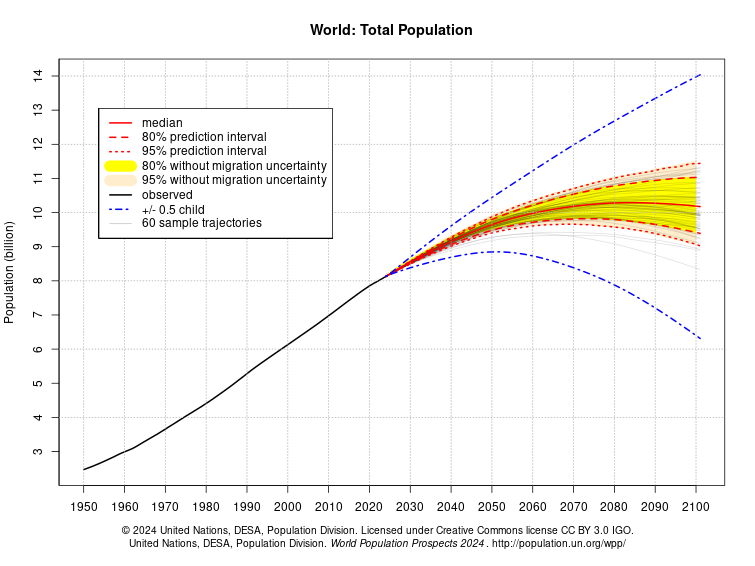
Given humanity’s current population momentum (we add over 80 million people to the global population annually) and the evidence that we are already overpopulated by billions of people relative to what Earth can sustain, there is no way we can humanely reduce the global population fast enough and drastically enough to avoid having to cut back on our per person consumption (premise 8). Hedberg thus rejects views which see population reduction as an environmental panacea. But the obstacles to cutting average consumption fast and deep enough to avoid environmental catastrophe are perhaps even more daunting. After all, most nations around the globe have decreased their fertility rates significantly over the past half century, while no country in the world has a lower per capita consumption rate than it did fifty years ago, or aspires to one. Hundreds of millions of people around the globe would like to have better access to contraception to decrease their personal fertility, according to national health surveys, but there is no evidence that many people are looking for ways to significantly decrease their personal consumption. Thus there appears to be no feasible way to cut average consumption enough to sustain a global population of 8 to 12 billion people over the long term (premise 9).
The realization that premises 8 and 9 are both true leads many environmentalists to throw up our hands and hope for technological miracles; it leads others to put their heads down and work on their own projects to protect particular landscapes or species. Such personal efforts are valuable, but their long-term success will depend on the creation of ecologically sustainable societies—and as premise 7 affirms, we have a moral obligation to create such societies. Instead of avoidance or wishful thinking, committed environmentalists should hold fast to this fundamental moral commitment, accept the massive empirical confirmation of premises 8 and 9, and join Hedberg in concluding that humanity must reduce both our per person environmental demands and reduce our current population size. Both. Significantly. As quickly as possible, subject to moral and practical limits—which, however, cannot be used as excuses for inaction without the grim consequences rebounding on us and our descendants.
So runs Hedberg’s central moral argument, which he develops with great clarity and ingenuity in the first half of his book. Its second half is devoted to fleshing out the practical implications regarding both personal procreation decisions and government population policies, and to responding to likely objections to his positions. Hedberg is particularly concerned to identify public policies that uphold and enhance human rights, including a right to procreate. But his treatment suggests that in our crowded future, upholding rights will depend on acknowledging limits rather than avoiding thinking about them. As he writes:
In the past, there was often no danger of undermining others’ rights by procreating excessively: in fact, for the vast majority of human history, we needed to be rather prolific in our procreation just to ensure the continuation of our species. But our circumstances have changed, and so our limits on the right to procreate must change as well. (134)
Coercion and rights violations can take many forms, not the least of which involve hunger, poverty, homelessness, ill-health, poor schooling, and physical insecurity—all of which are made worse by excessive human numbers. Hence societies have a strong interest in avoiding overpopulation.
We will have a better chance to create societies that avoid overpopulation while maximizing human freedom if we explicitly talk about that goal and how to achieve it. That’s why the appearance of this book is so welcome; hopefully, it will spur many lively conversations. Environmentalists should welcome The Environmental Impact of Overpopulation and similar efforts, because limiting human numbers will be key to preserving wild nature and creating sustainable societies in coming years. Hedberg’s main analysis is anthropocentric, focused on human interests and how best to further them. But a short chapter titled “What about the nonhuman community?” notes that if we extend moral consideration to other species, the incentives to reduce our own numbers increase significantly. Or as one of the Center for Biological Diversity’s Endangered Species Condoms puts it: “Wrap with care, save the polar bear.”











Leave a Reply